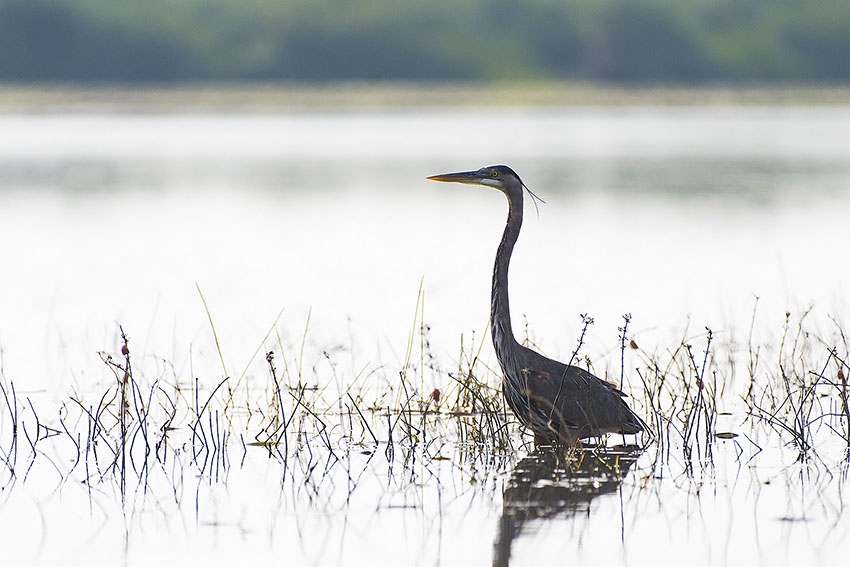
Crooked Tree, Belize
Last Resort Waste Management
In our sustainable hospitality practice we do from time to time think of incineration as an option worthy of consideration. Especially in India, where waste management is at a completely different stage of development, we thought about it quite seriously. But in the UK, it is clearly not the first best option. If you want to learn a thing or two about waste management, a few minutes with this article will be worth your while:
Waste incineration set to overtake recycling in England, Greens warn
Amount of rubbish burned by local authorities triples while household recycling rates stall
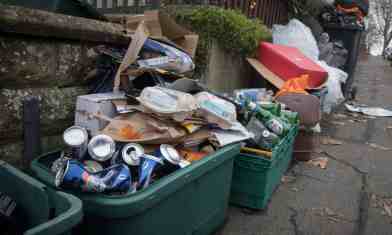
Full recycling bins on pavement in Bristol. Photograph: Matt Cardy/Getty Images
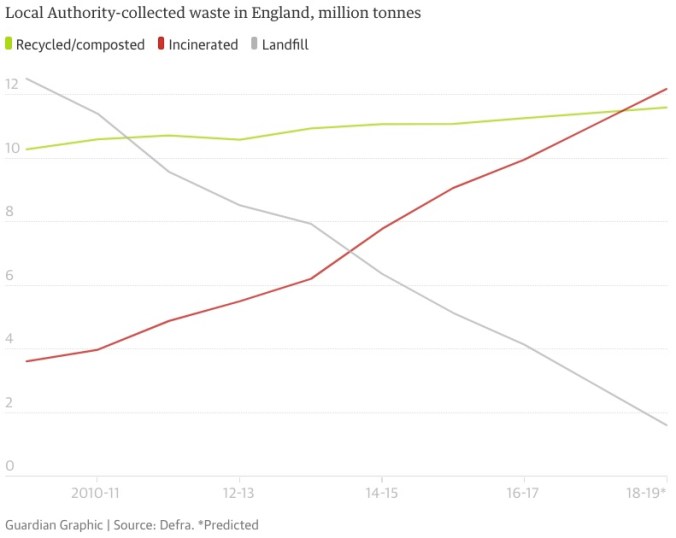
England is on the brink of burning more of its rubbish in incinerators than it recycles for the first time, according to a new analysis.
The amount of waste managed by local authorities and sent to incinerators, or energy-from-waste plants, tripled between 2010-11 and 2016-17. By contrast, household recycling rates have stalled since 2013.
If those trends continue, the millions of tonnes of waste incinerated will overtake the amount sent for recycling by the end of the current financial year, a report by the Green party found. Continue reading
Bird of the Day: New Zealand Grebe
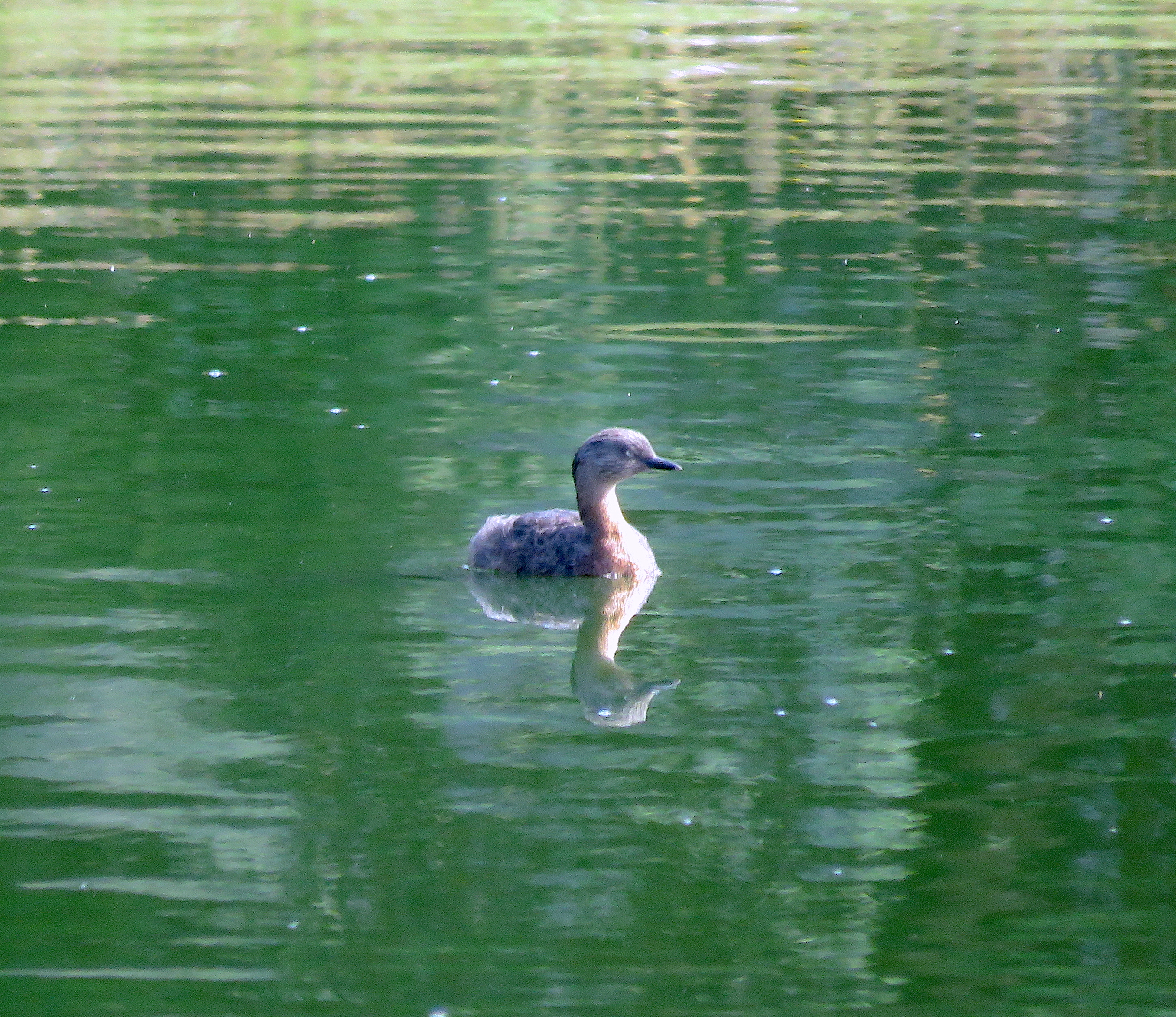
Outskirts of Auckland, New Zealand
Rewilding Croatia’s Velebit Mountains
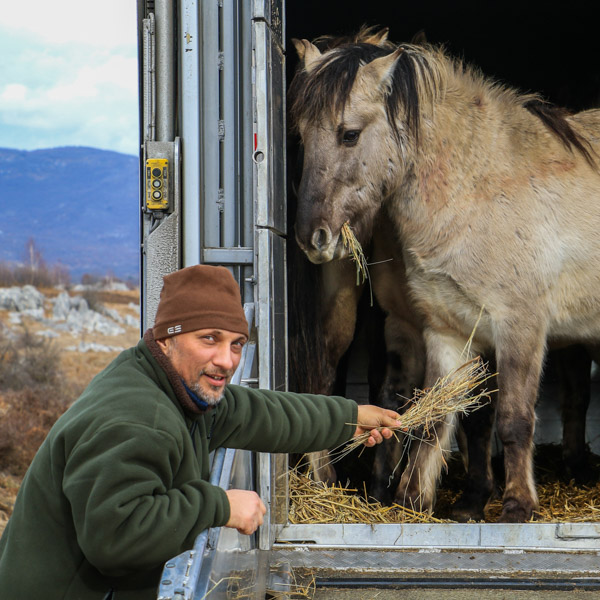
Davor Krmpotić
Team leader of Velebit Mountains
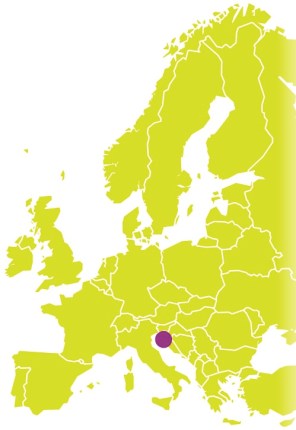 Croatia, playing in its first World Cup final today, makes this rewilding story from the Velebit Mountains, and interview with its team leader, timely:
This dramatic mountain chain, right on the Adriatic coast in Croatia, is one of the wildest areas of the whole Mediterranean. A region where wild nature is really coming back.
Velebit is one of the most important natural areas in the Balkans and situated on the Adriatic coast of Croatia. It hosts two national parks, a biosphere reserve and several wonderful old-growth forests, deep canyons, ancient open lands and exciting wildlife like Balkan chamois, red deer, brown bear, wolf and lynx…
Velebit hosts a diversity of habitats
How would you characterise your rewilding area?
Velebit is one of the most important natural areas in the Balkans. The area hosts an extraordinary diversity of different habitats, from barren Mediterranean landscapes at sea level, via vast beech forest of central European type, to almost boreal systems and alpine grasslands at higher altitudes. Outside protected areas in the south and east there are several other very interesting areas also with great rewilding potential, mainly consisting of abandoned farm and grazing lands. Apart from its fantastic wildlife, Velebit is also a climber’s paradise, home to spectacular caves and breathtaking sceneries. Continue reading
Rewild The Uplands?
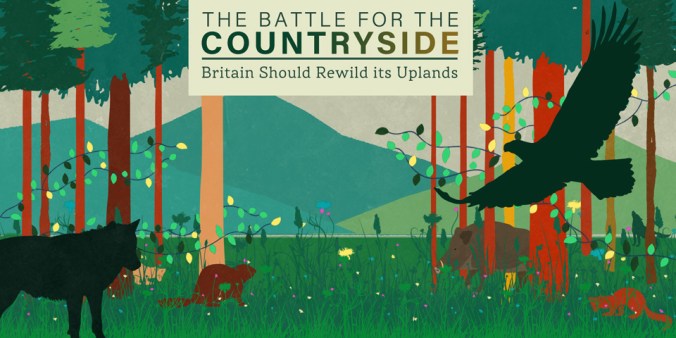
 Intelligence Squared has an app that allows you to listen to their debates and lectures at your own convenience, on your phone or wherever, whenever you choose. If, like us, you have found the rewilding debate interesting, this is one you will want to listen to:
THE BATTLE FOR THE COUNTRYSIDE: BRITAIN SHOULD REWILD ITS UPLANDS
Imagine if swathes of the British countryside were allowed to be wild once again, if trees and rare plants could flourish and beavers, boars and white-tailed eagles could retake their place in the ecosystem. That’s the goal of the growing numbers of nature-lovers who support the idea of rewilding Britain’s uplands. We tend to think of these uplands as ‘wild’ and ‘natural’. But in fact, as the rewilders point out, they are entirely man-made, the result of clearances by man to make way for millions of sheep whose grazing over the last 200 years has rendered the land bare. Continue reading
Bird of the Day: White-rumped Shama
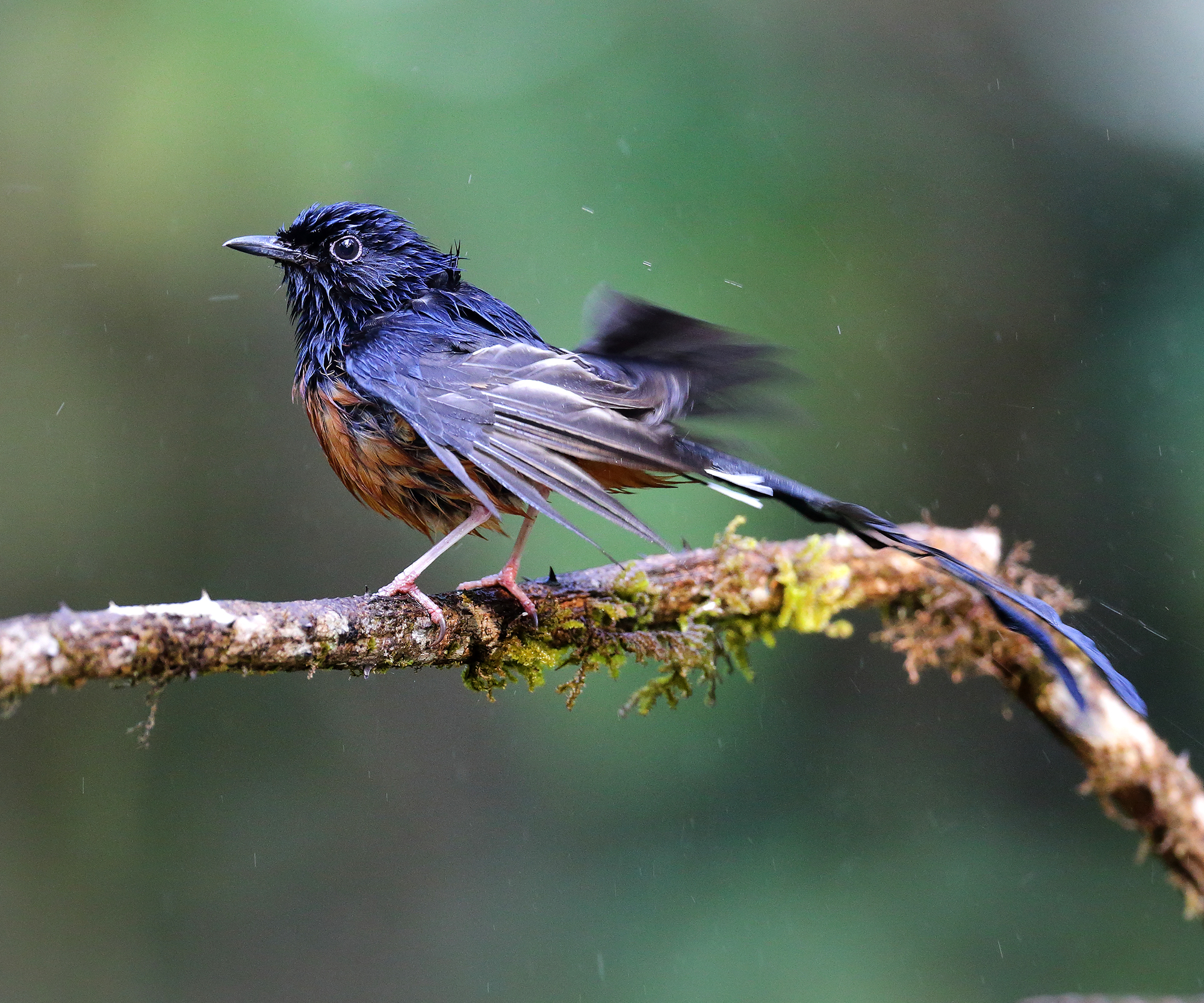
Western Ghats, India
Valorizing Places And Things We Love
One decade ago I made the journey to Rapa Nui while on an extended project in southern Chile. It was another bit of fortune that came with the occupation I accidentally found myself in. The video above, excerpted by the Atlantic from Max Lowe’s film, hints at the value tourism can infuse, as well as the perils it can represent, with regard to cultural heritage. We have long used the archaic word “valorization” to explain what we do as a company and the Celine Cousteau Film Fellowship seems to believe the same, in supporting Max’s film:
Tourism to a Dying Ancient Culture
“The modern world has come for our little island,” says Heu Rapu Haoa in Max Lowe’s short documentary, Amo. Heu is one of the 800 remaining speakers of his native tongue. His home, Rapa Nui, known widely as Easter Island, is one of the most remote inhabited islands in the world. Continue reading
Bird of the Day: Green Pygmy-goose
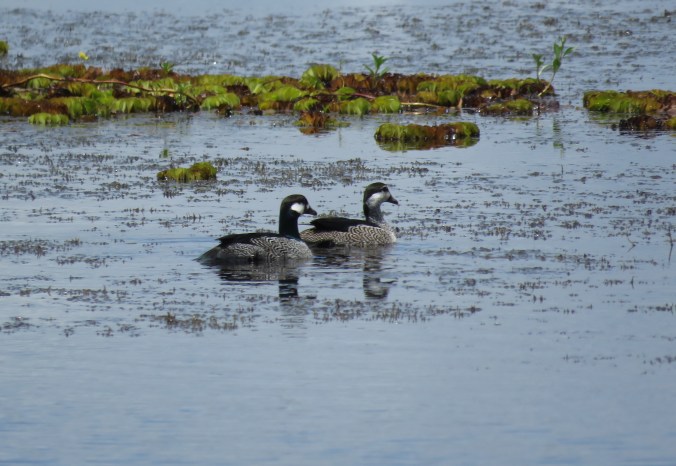
Kakadu National Park, Northern Territory, Australia
Norway’s Plastic Innovation

Infinitum recycling plant in Fetsund, Norway. Worker Michael Gebrehiwet is sweeping up paper from the bottles. Photo: Elin Høyland Photograph: Elin Høyland for the Guardian
Thanks to Matthew Taylor and colleagues at the Guardian for this news:
Can Norway help us solve the plastic crisis, one bottle at a time?
A bottle deposit hub on the outskirts of Oslo has had a stream of high-level international visitors. Can its success be replicated worldwide?
Infinitum runs Norway’s deposit return scheme for plastic bottles and cans. Photograph: Elin Høyland for the Guardian
Tens of thousands of brightly coloured plastic drinks bottles tumble from the back of a truck on to a conveyor belt before disappearing slowly inside a warehouse on the outskirts of Oslo.
As a workman picks up a few Coke bottles that have escaped, Kjell Olav Maldum looks on. “It is a system that works,” he says as another truck rumbles past. “It could be used in the UK, I think lots of countries could learn from it.” Continue reading

Bird of the Day: Cabot’s Tern
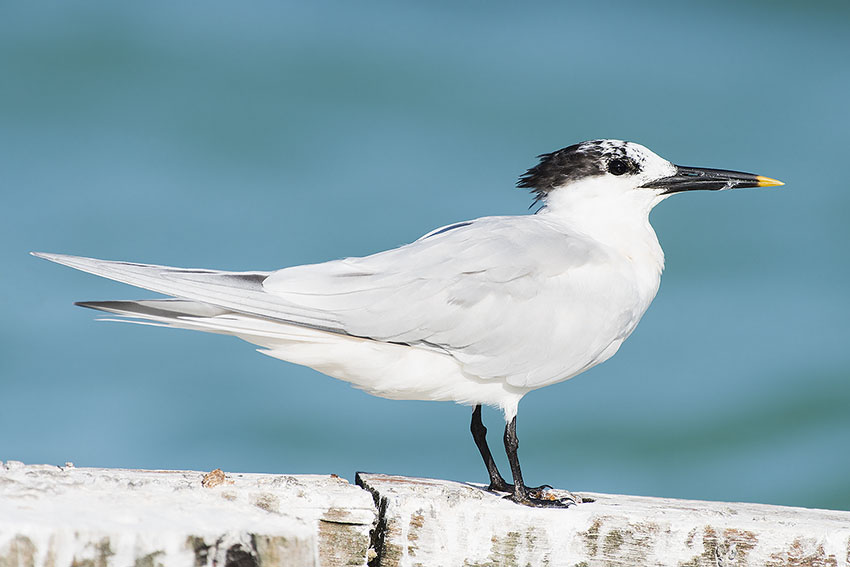
Punta Allen, Mexico
Wilderness, Massive Infrastructure Projects & Changing Global Norms
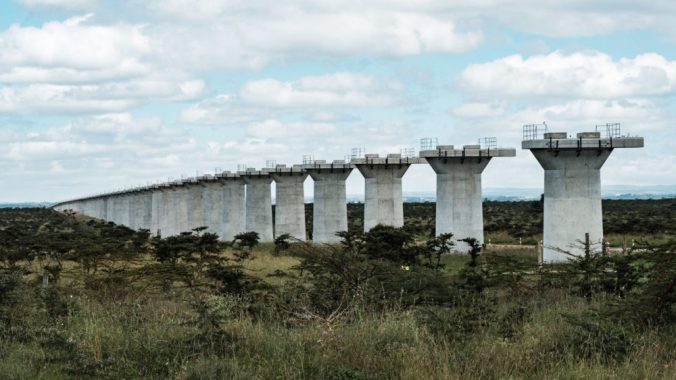
Construction of the second phase of the Chinese-financed Standard Gauge Railway in Kenya crosses through Nairobi National Park, as pictured here in June. YASUYOSHI CHIBA/ AFP/ GETTY IMAGES
Thanks to William Laurance for this informative opinion essay that gives a bit of hope for wilderness preservation:
Is the Global Era of Massive Infrastructure Projects Coming to an End?
The world’s wild places have been badly carved up by decades of roadbuilding, dam construction, energy exploitation, and other megaprojects. Now, as the financial community, environmental groups, and local citizens increasingly oppose big infrastructure development, the tide of environmental destruction may be turning.
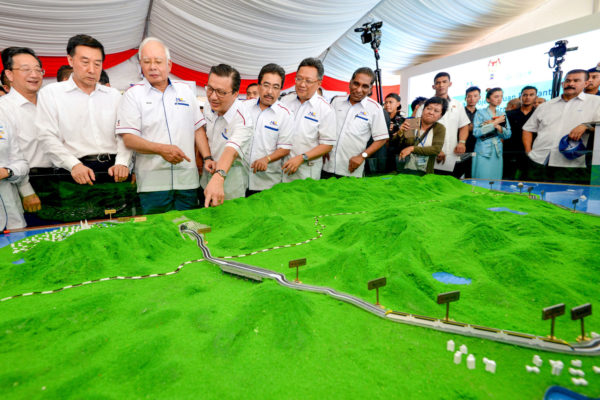
Malaysia’s former Prime Minster Najib Razak, third from left, looks at a model of the China-backed East Coast Rail Link in 2017. Malaysia has since canceled the project due to mounting costs. AP PHOTO
We are living in the most explosive era of infrastructure expansion in human history. To meet the United Nations’ development goals, we would need to invest tens of trillions of dollars in new roads, railways, energy ventures, ports, and other projects by 2030 — dramatically amplifying an infrastructure tsunami that is already shattering the world’s biologically richest ecosystems. But this great wave of infrastructure development is suddenly looking shaky — and it might just be the best outcome for nature and humanity alike. Continue reading
Bird of the Day: Xantus’ Hummingbird
Baja California Sur, Mexico
Strawless Starbucks & A Wonder Of Costa Rica

Photo: Courtesy of Starbucks
Starbucks Says It Will Phase Out Plastic Straws
Just a few weeks after its home city of Seattle banned plastic straws, Starbucks is following suit. On Monday, the coffee company announced plans to go “strawless,” for the most part, by 2020. Doing some serious math, the chain says the move will keep an estimated 1 billion straws out of landfills.
As an alternative, Starbucks will serve its iced coffee, tea, and other sippable drinks in cups with strawless lids, already available in 8,000 locations in the U.S. and Canada, which feature raised plastic openings for sipping drinks. (The chain also said it will introduce alternative-material straws for some beverages.)…
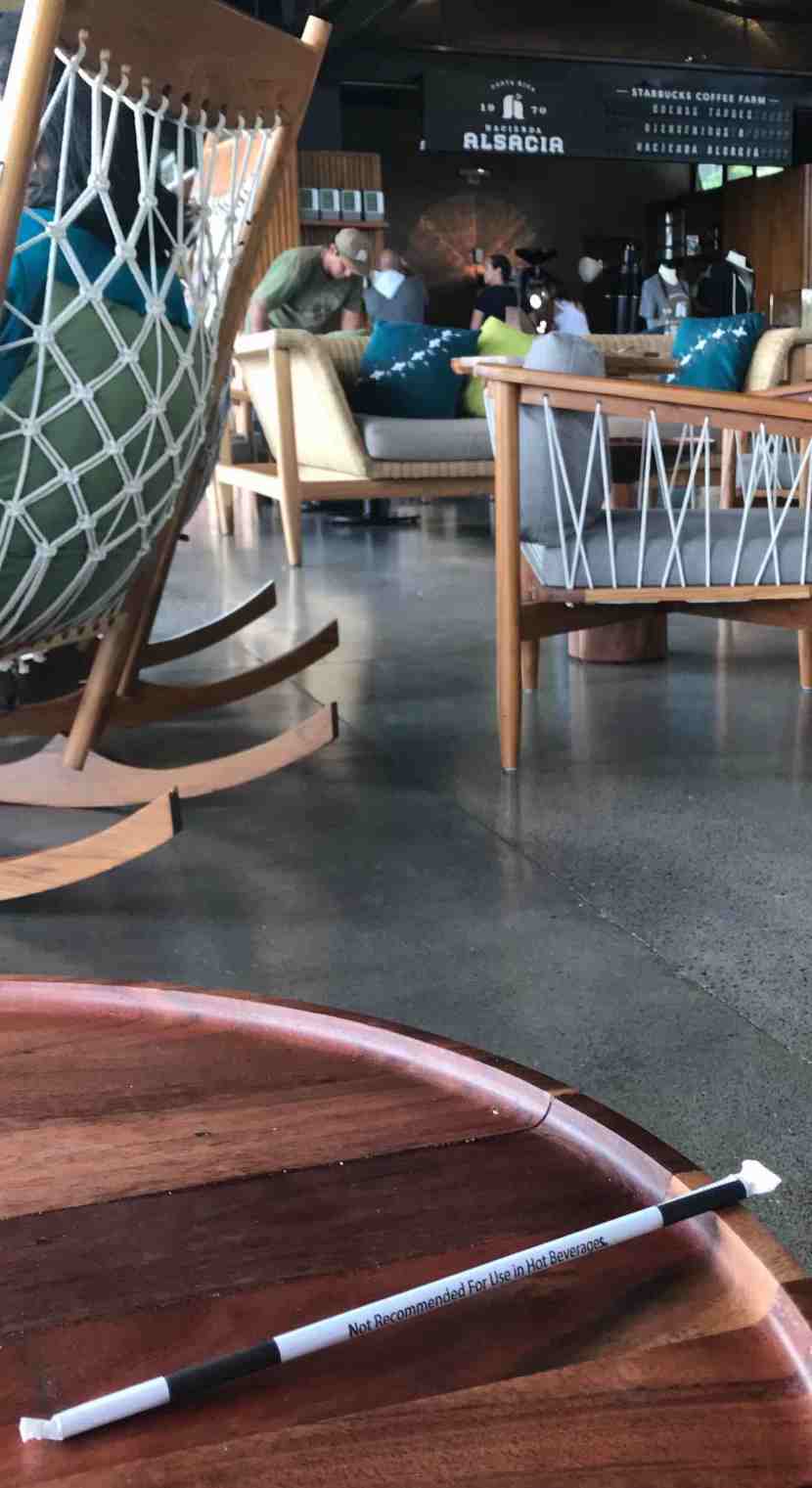 As it happens, the same day we saw this news we were also scheduled to visit the Starbucks showcase in Costa Rica, called Hacienda Alsacia. We experienced the tour they offer and then sat with our guide for a sampling of coffees. On the table next to me was a straw, so we used the opportunity as a reality check. Our guide did not miss a beat, very well aware of the newly announced plan to eliminate straws by 2020, and ready with a one-liner about the importance of eliminating plastic straws.
Our guide was a perfect example of Costa Rica’s history of inspiring and educating ambassadors for the country’s core values. Score another point for a company from elsewhere that recognizes and values that talent. The purpose of our visit was in keeping with our current mission of thinking about the dairy farm of the future, and there is another Starbucks story to tell in that vein. But for now, we will savor this other wonder.
Bird of the Day: Blue-cheeked Bee-eater

Udaipur, Rajasthan
Fishing Brinksmanship
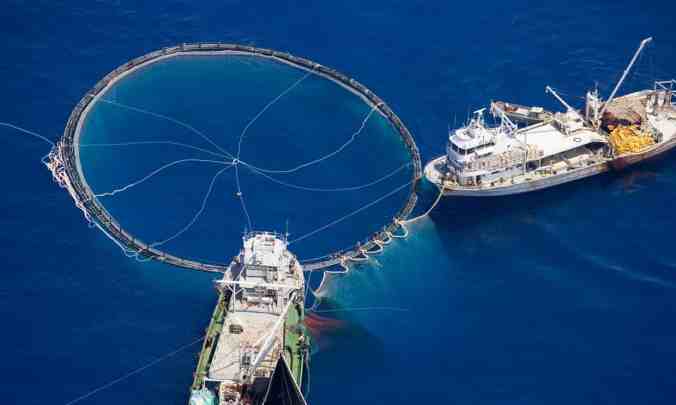
Using purse seine nets to fish for bluefin tuna, Turkey. Two-thirds of species are overexploited in the Mediterranean. Photograph: Gavin Newman/Alamy
Thanks to Damian Carrington, Environment editor at the Guardian, for bringing this to our attention:
One in three fish caught never makes it to the plate – UN report
Global fish production is at record levels thanks to fish farming, says the UN FAO, but much is wasted and many species are worryingly overfished
One in three fish caught around the world never makes it to the plate, either being thrown back overboard or rotting before it can be eaten, according to the UN Food and Agriculture Organization. Continue reading
Bird of the Day: Tui
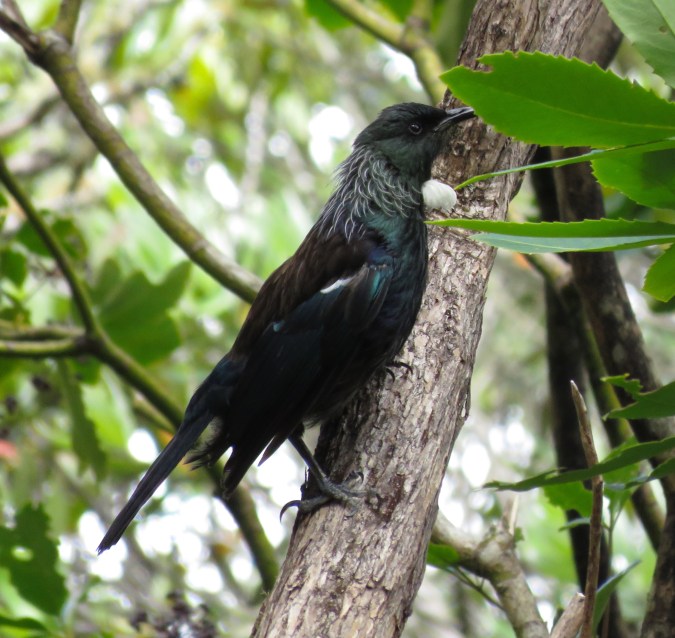
Rangitoto Island, New Zealand
Resisting Cruise Ship Pollution
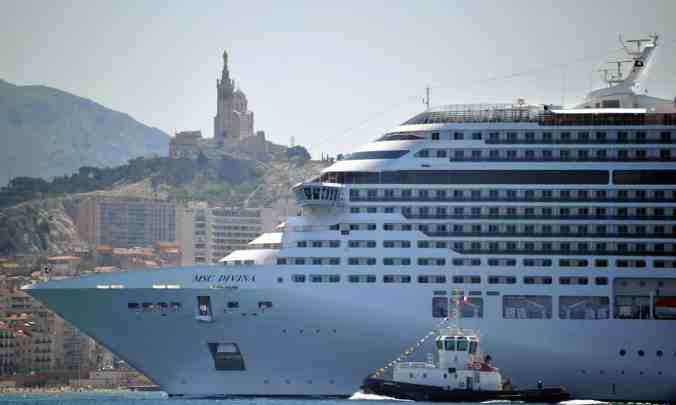
The MS Allure of the Seas, the largest passenger ship ever constructed, leaves Marseille. Photograph: Gerard Julien/AFP/Getty Images
We thank Angelique Chrisafis, correspondent for the Guardian, for this reminder of an element tarnishing tourism, which can otherwise often be a force for good. Cruise ship tourism pollutes on a grand scale. This particular machinery demonstrates how parts of the tourism machinery can be a force for dark, very dirty impact. It calls for resistance:
‘I don’t want ships to kill me’: Marseille fights cruise liner pollution
Shipping is estimated to account for 10% of city’s air pollution, and campaigners are targeting cruise industry in particular
From his balcony above Marseille’s port, Jean-Pierre Eyraud has a prime view of the giant, luxury cruise liners that dock in the city bringing 1.5 million passengers a year.
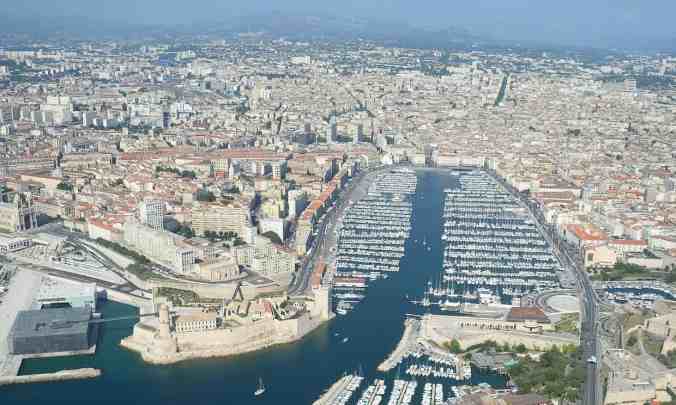
The Old Port area of Marseille. Photograph: Boris Horvat/AFP/Getty Images
But since Eyraud was diagnosed four years ago with throat cancer – a diagnosis several others in his neighbourhood by the port have also had – he watches with a sense of dread as the floating holiday palaces drop off day-trippers.
He and environmental campaigners fear the air pollution caused by cruise ships burning fuel all day at port is choking Marseille’s citizens along the coast.
“The paradox is that in Marseille we love all form of ships – we watch them leave with a kind of longing, they are symbols of freedom with the sea as an infinite expanse,” Eyraud said. “But at the same time, I don’t want ships to kill me.” Continue reading
Bird of the Day: Loggerhead Shrike
Baja California Sur, Mexico
Dairy, Feed & Food

Yesterday, in our continued quest to consider the future of a family dairy farm, we visited what must be the largest such farm in central Costa Rica. At 7,545 feet above sea level overlooking the valley from the northern slope, it may also be the highest.
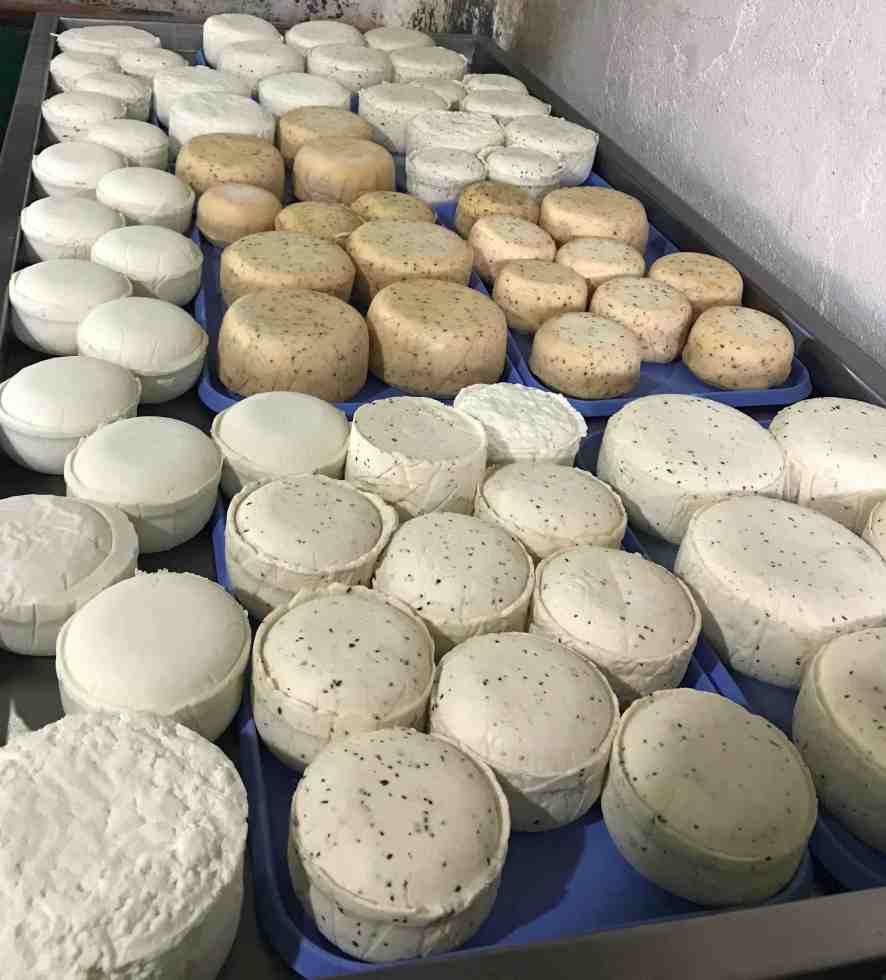
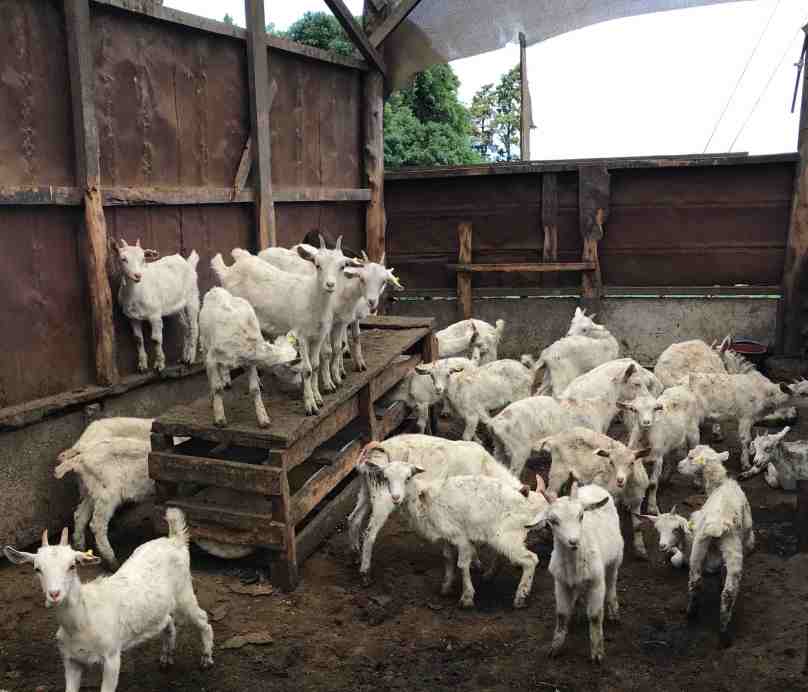 It has eight times the land and double the cows compared to where we are based, 10 miles north and about 1,000 feet lower in altitude. That farm also has dairy goats. More on other implications of the visit later. Here, a quick note on feed. We had noticed on the dairy where we live that pineapple is part of the diet of the cows.
 The dairy manager had explained that this is an important part of the nutritional mix. Despite our surprise we had not asked more about it. Yesterday we did, and the answer was another surprise. Milk production rises 10% or more with the pineapple added to the feed. The animals are healthier because of the fiber content of the fruit, compared to cows eating grains such as corn or soy. Plus, the methane bi-product is significantly decreased. Food produced in a dairy making this dietary change represents one small step toward reducing greenhouse gas emissions.
In the type of coincidence I never expect, but always enjoy, this article was near the top of my news feed today. Thanks to Judith Lewis Mernit and colleagues at the Yale School of Forestry & Environmental Studies for take my yesterday’s lesson and adding some important detail:
How Eating Seaweed Can Help Cows to Belch Less Methane
Emissions from the nearly 1.5 billion cattle on earth are a major source of methane, a powerful greenhouse gas. Now, researchers in California and elsewhere are experimenting with seaweed as a dietary additive for cows that can dramatically cut their methane production.
Holstein cows feeding at a dairy farm in Merced, California. MARMADUKE ST. JOHN / ALAMY
The spring morning temperature in landlocked northern California warns of an incipient scorcher, but the small herd of piebald dairy cows that live here are too curious to care. Upon the approach of an unfamiliar human, they canter out of their barn into the already punishing sun, nosing each other aside to angle their heads over the fence. Some are black-and-white, others brown; all sport a pair of numbered yellow ear tags. Some are more assertive than others. One manages to stretch her long neck out far enough to lick the entire length of my forearm.
Scientist Ermias Kebreab has studied how to reduce cow methane emissions for more than a decade. GREGORY URQUIAGA/UC DAVIS
“That’s Ginger,” explains their keeper, 27-year-old Breanna Roque. A graduate student in animal science at the University of California, Davis, Roque monitors everything from the animals’ food rations to the somatic cells in their milk — indicators of inflammation or stress. “The interns named her. She’s our superstar.” Continue reading

Bird of the Day: Boat-billed Heron
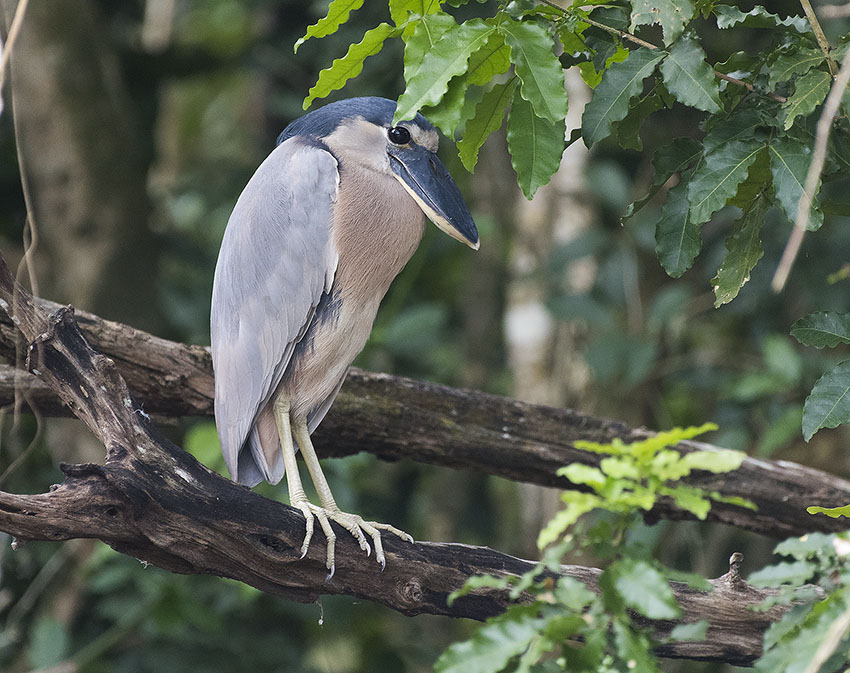
Crooked Tree, Belize
 Organikos