
Crooked Tree, Belize
Biobrick, Another Wonder Enabled By Mycelium

The Hulett hotel, Cleveland, which Redhouse are currently building using the biocycling process.
Illustration: Redhouse Studio
Thanks to Redhouse Studio and the Guardian’s Laura Dorwart for this story:
Magic mushrooms: how fungus could help rebuild derelict Cleveland
Could a process that uses mycelium to help recycle old buildings into new ones solve the problem of the city’s many abandoned homes?
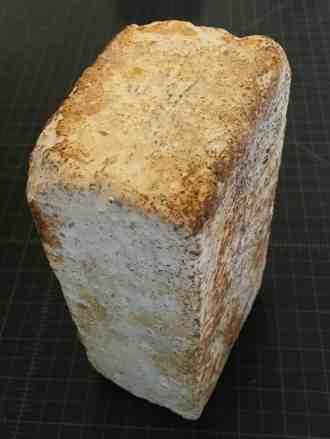
A biobrick created using broken down construction waste combined with biobinders made of fungi, plant material and microbes. Photograph: Redhouse Studio
Over 7,000 abandoned or condemned homes litter the urban landscape of Cleveland, Ohio, where a stunning population loss of about 100,000 residents in 25 years and widespread foreclosures have sparked a housing crisis marked by growing racial and economic disparities. Posing concerns in terms of economic stability, public health and safety, the abandoned homes that line many of the city’s streets are at once symbols of its resilience and ongoing obstacles to growth and prosperity.
Cleveland native Christopher Maurer, founder and principal architect at local humanitarian design firm Redhouse Studio and adjunct professor at Kent State University, has plenty of ideas about how to address the city’s complex challenges.
Construction debris is ground to a pulp and combined with biobinders, then pressed and treated to make bricks and other materials. Illustration: Redhouse Studio

Bird of the Day: Maroon Oriole
Pangot, Uttarkhand
Other Farms Of The Future
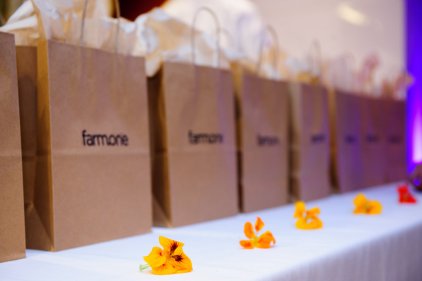
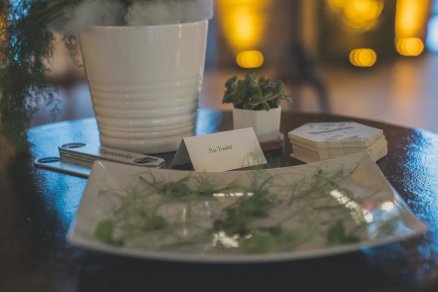 You can click on any of these photos to go to their source, and they are inserted here because the article that brought this farm (?), this company, this phenomenon to my attention did not have any images. It was good to have only the New Yorker words to start with because, like all good writing, it forced me to imagine what this might look like. However, my imagination fell short.
Out of the Ordinary
Farm.One is New York City’s grower of rare herbs, edible flowers and microgreens for some of the best restaurants in the city. Our Edible Bar and Tasting Plates make these fresh, exciting ingredients available for the first time in an event setting. Guests can discover botanical ingredients for the first time, with the expert guidance of our farm team. Taste ingredients on their own, or paired with cocktails and other beverages, for a colorful, flavorful and aromatic experience like no other.
 This short piece by Anna Russell below continues our stream of thought about the farm of the future, and takes it into very unexpected territory. Hydroponics and urban farming have been featured many times in these pages over the years so that is not what has our attention. It is the mixing of art and agriculture that gets us thinking outside the box:
Tribeca’s Hydroponic Underground
Chic stems and tender greens thrive deep below Worth Street on the rolling shelves of Farm.One.
Hydroponics are a slippery slope. You might find yourself, one Sunday morning, at a Santa Monica farmers’ market, loitering among the apples, say. You come across a bunch of papalo, a leafy herb native to central Mexico, and toss it in your mouth (your tastes are expansive; a papalo leaf is nothing to you) and wham!: a brand-new flavor. Suddenly, you’re up at all hours, watching vertical-farming videos on YouTube, ordering seed packets from eBay, buying rhizomes—rhizomes!—and worrying about spider mites. You get some fennel crowns and a pouch of parasitic wasps, and you’re on your way. Continue reading
Bird of the Day: Lesser Goldfinch
male – Baja California Sur, Mexico
Using Canine Sense of Smell to Save Bees

Cybil Preston, chief apiary inspector for the Maryland Department of Agriculture, is expanding her canine detection program, training dogs to find traces of American foulbrood, a bacteria that can decimate beehives. Credit Andrew Mangum for The New York Times
There’s plenty of news about bees being under environmental threat, so we thank NYTimes contributor Tejal Rao for this story of harnessing a natural strength of one species to help save another.
With a Sniff and a Signal, These Dogs Hunt Down Threats to Bees
Ms. Preston seals dog toys in a plastic bag with foulbrood to saturate them with the scent. Credit Andrew Mangum for The New York Times
JARRETTSVILLE, Md. — Cybil Preston stretched her bare hands into a noisy beehive and pulled out a frame of honeycomb, its waxy cells filled with nectar, its surface alive with bees.
“This girl right here was just born,” she said, pointing out a bee with a silvery thorax. “See how her hair is still matted down like a teddy bear?”
Ms. Preston, the chief apiary inspector for the Maryland Department of Agriculture, was on a routine survey of registered colonies northeast of Baltimore. “I’m always looking for signs and signals,” she said, as she examined a worker bee with a misshapen wing. “It’s like ‘CSI.’” Continue reading

Bird of the Day: Shining Flycatcher
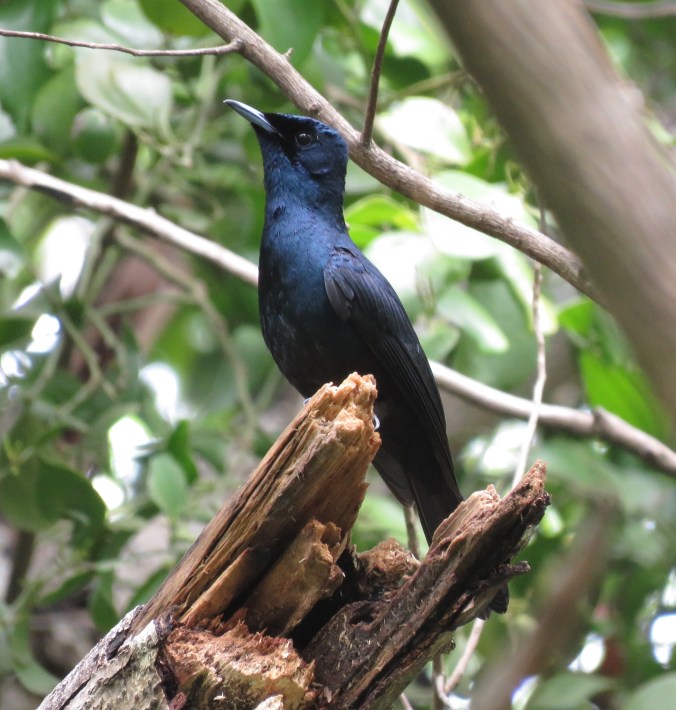
Darwin, Northern Territory, Australia
A Mom’s Pride & Joy, Heirloom Berries

Heirloom berries growing outside the White home. Credit John Taggart for The New York Times
Pondering the future of a heritage dairy in Costa Rica is our 2018 summer pastime. The future of a heritage berry is a welcome distraction. With more moms like Jeanne Lindsay and more sons like Richard Stevens Jr. we can trust that the uniquely North American flavor produced on this farm is in good hands. Thanks to Rachel Wharton:
In the Shadow of the Blueberry Titans, Smaller Growers Thrive
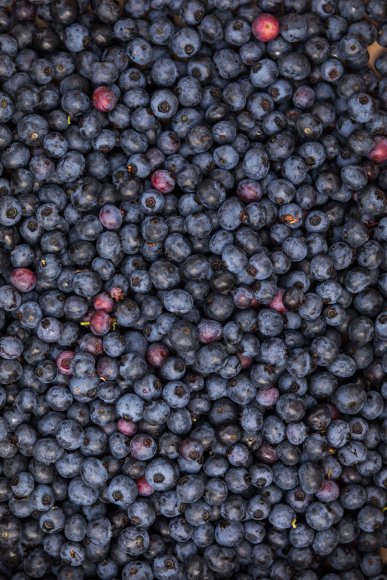
The cultivated blueberry was born in South Jersey, and today its heirloom descendants can still be found on little farms sprinkled among the big producers.
John Taggart for The New York Times
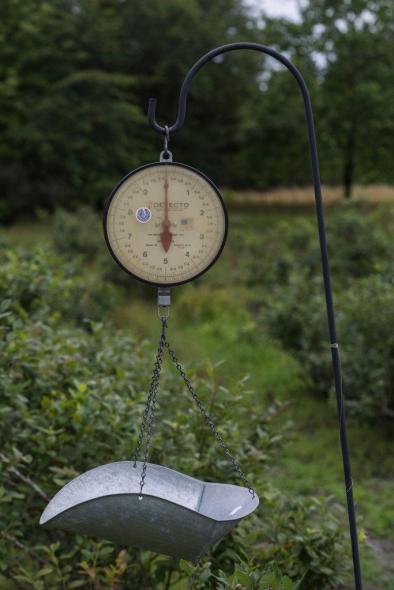
HAMMONTON, N.J. — Jeanne Lindsay often apologizes for the semi-wild state of her pick-your-own blueberry patch, which she runs on the farm her in-laws started in 1941.
It’s no wonder: Since her husband died four years ago, Mrs. Lindsay, 75, has to manage the 16-acre homestead mostly by herself. It doesn’t help that she tends to compare her 65-year-old plants — antique blueberry breeds like juicy Weymouths, Jerseys tall enough to provide shade and six tart-fruited Rancocas — to the perfectly trimmed bushes at her neighbor’s giant farm across the street.
Scale at Lindsay’s Farm, where customers can pick their own blueberries. Credit John Taggart for The New York Times
Yet it’s precisely the old-fashioned imperfections of Lindsay’s Farm that make its moss-carpeted rows worth the trip for regulars, many of whom now bring their children.
“Some people come just for the Rancocas,” Mrs. Lindsay said. “They’re good pie berries.”
From late June until the end of July, this corner of South Jersey, known as the Pinelands, is the blueberry epicenter of the Eastern United States; this flat region of sandy soils is where commercial cultivation of the berries began a century ago. Continue reading
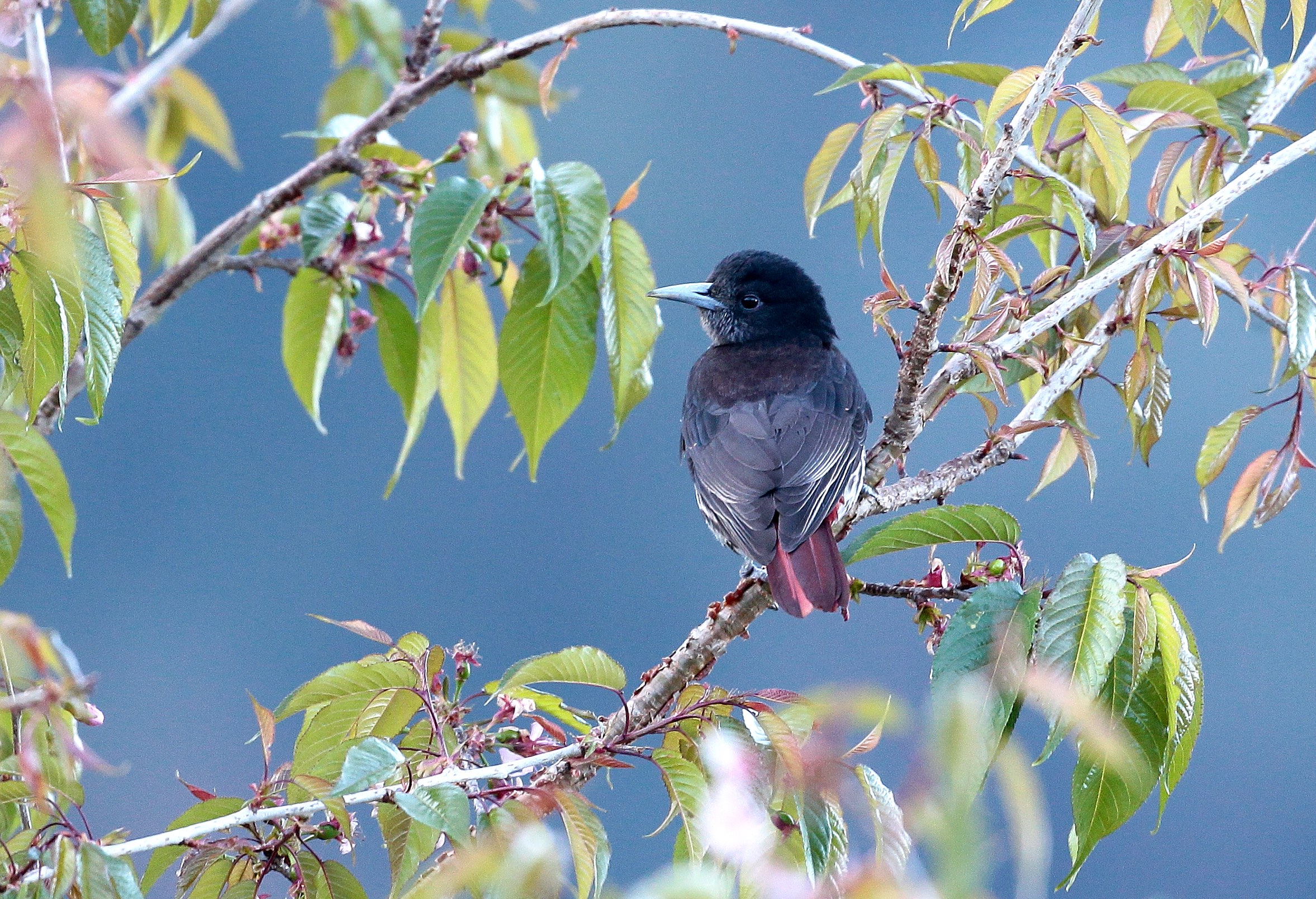
Bird of the Day: White-collared Black Bird

female – Chopta Tungnath, Uttarakhand
What Will The Small Family Dairy Of The Future Look Like?
 Our current work, better described as the pleasure of learning, is thinking through how an old fashioned dairy farm retains relevance in Costa Rica in the future. When we saw a book like this one to the left, authored by someone we have linked to plenty, we had to dive in. We listened to the author first and then found this item we had missed in the salt a couple months ago:
NPR’s Lulu Garcia-Navarro sat down with author Mark Kurlansky to discuss his new book, Milk!: A 10,000-Year Food Fracas, and unpack some of the controversies surrounding what he calls “the most over-argued food in history.”
Humans, it turns out, are unique in their preference for the dairy drink. “In nature, we aren’t meant to have milk past weaning,” Kurlansky says.
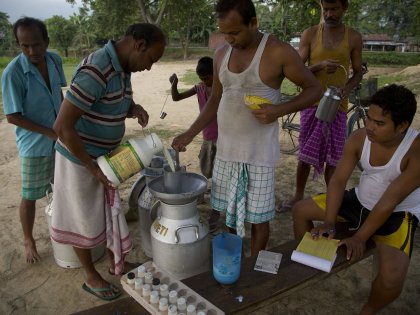
A man pours milk into a can in India’s Mayong village in 2015. India is the world’s largest producer and consumer of milk.
Anupam Nath/APBut because of a genetic aberration, many humans can process the sugars found in milk and dairy products well into adulthood.
And while that makes some of us unique among mammals, it doesn’t mean that all humans have those genes. “It’s still only something like 40 percent of the human population that can drink milk past the age of two,” Kurlansky told NPR.
The genetic change is primarily found in white, northern European populations and their descendants. And although it may be Eurocentric to say that all humans can enjoy dairy in the same way, it hasn’t stopped milk from becoming a global industry. Continue reading
Bird of the Day: Mangrove Warbler
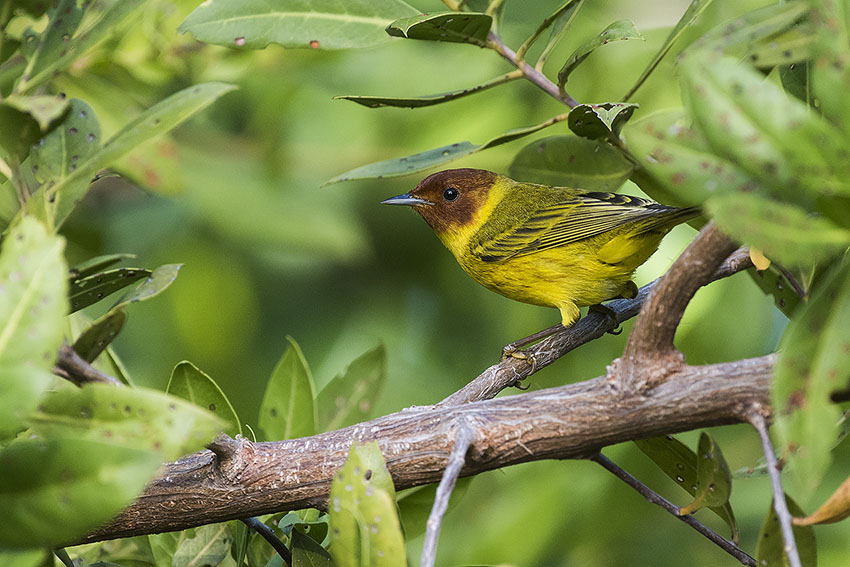
Punta Allen, Mexico
Helping Plants Make Their Own Nitrogen

Poplar trees at the Snoqualmie River in Washington State. The river is fed mostly by snow melt and is extremely low in nitrogen, yet the trees thrive thanks to endophytes. Sharon Doty
Thanks to our friends at the salt, and National Public Radio (USA) for this:
Microbial Magic Could Help Slash Your Dinner’s Carbon Footprint
Endophytes are microbes that live inside plants — the ones tagged with a fluorescent dye in this image are found in poplars. The microbes gather nitrogen from the air, turning it into a form plants can use, a process called nitrogen fixation. Researchers are looking at how these microbes could be used to help crops like rice and corn make their own fertilizer.
Sam ScharffenbergerIf you’re interested in sustainability, you’ve probably thought about how to reduce your carbon footprint, from how you fuel your car to how you heat your home. But what about carbon emissions from growing the food you eat?
Most of the crops in the United States are grown using chemical fertilizer – a lot of it: American farmers used over 24 billion pounds of nitrogen fertilizer in 2011. And making nitrogen fertilizer requires fossil fuels like natural gas or coal. Continue reading

Bird of the Day: Australasian Gannet

Gannet Colony, New Zealand
Agroecology, A Guiding Principle For Food Entrepreneurship

Ryan Donnell for The New York Times
Our attention has been on food entrepreneurship recently, and here we continue the thread. With agroecology, a new word and robust concept, we have new food for thought. And for that we thank one of our favorite food writers, who we have relied since the first year of this platform. Many of the food stories we have linked to over the years have been authored by him. A year ago we linked to this story, which marked the first time we noted him as an activist. We expect, after reading Bringing Farming Back to Nature, which he co-authored with Daniel Moss, that he has found his new calling:
Workers in a paddy field in the state of Andhra Pradesh, India. Credit Noah Seelam/Agence France-Presse — Getty Images
Farming the land as if nature doesn’t matter has been the model for much of the Western world’s food production system for at least the past 75 years. The results haven’t been pretty: depleted soil, chemically fouled waters, true family farms all but eliminated, a worsening of public health and more. But an approach that combines innovation and tradition has emerged, one that could transform the way we grow food. It’s called agroecology, and it places ecological science at the center of agriculture. It’s a scrappy movement that’s taking off globally. Continue reading

Bird of the Day: American Kestrel
male – Baja California Sur, Mexico
More Ideas For A Dairy
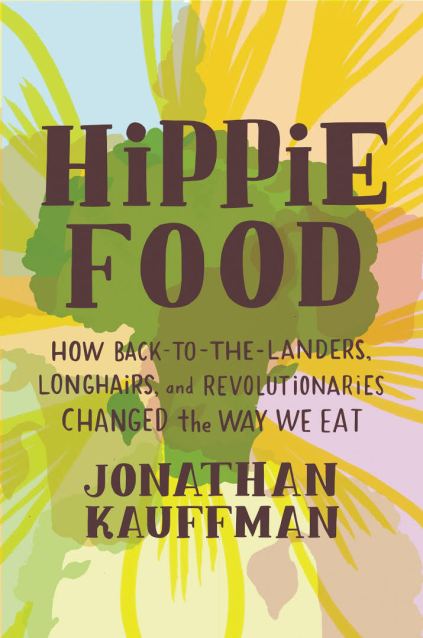 When we took up residence at this dairy, and started paying attention to stories involving dairies, most involved how to add value by making something more than liquid for bulk sale. No matter how good that milk is, what else might be done here to ensure that the farm is worth more than its real estate value? Maybe more liquid is the answer? Or maybe solid foods that are discussed in this book, as reviewed by Michael Pollan:
For a revolution that supposedly failed, the counterculture of the 1960s and early 1970s scored a string of enduring victories. Environmentalism, feminism, civil and gay rights, as well as styles of music, fashion, politics, therapy and intoxication: In more ways than many of us realize, we live in a world created by the ’60s. (Though, as our politics regularly attest, some of us are rather less pleased to be living in that world than others.) Jonathan Kauffman’s briskly entertaining history, “Hippie Food,” makes a convincing case for adding yet another legacy to that list: the way we eat. Continue reading
Bird of the Day: Black-and-red Broadbill

Borneo, Indonesia
Progress Envisioned, Clabbered Cottage Cheese Looks Promising
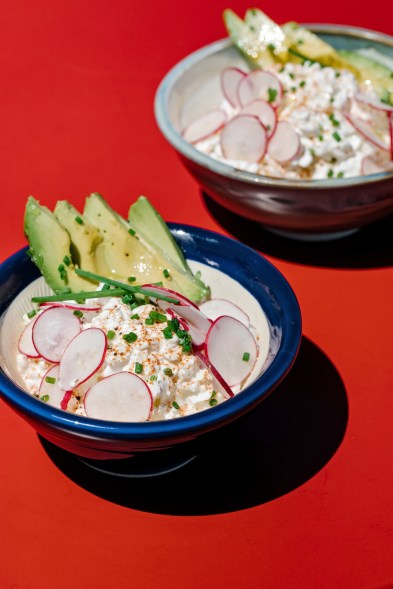
Clabbered cottage cheese at Cowgirl Creamery’s Sidekick Cafe at the Ferry Building in San Francisco. Credit Jason Henry for The New York Times
The dairy farm where Amie and I are living currently is in some ways typical of others in the Poas region of Costa Rica. First, it is beautiful. And the surroundings feel much the same as when we moved to this country in the mid-1990s, whereas many other locations in the country feel different.
The sustainable development of this country has been inspiring, if imperfect on some dimensions (commuter traffic comes to mind, even if it affects only a small geographic area and its local population). There is something comforting about the familiarity of places that look the same decade after decade. But regardless of how you define progress, it implies change.
And our business is about doing what we can to advance progress. So as we think about the future of this dairy, we think about progress by asking what could it be doing differently? What else, besides producing a high quality milk and selling it in bulk, can these hardworking and dedicated farmers be doing to add value. That question is the context in which my reading my daily news feed is a pleasure when articles like this one come along:
Is America Ready to Love Cottage Cheese Again?
After languishing in yogurt’s shadow for decades, cottage cheese is back, sporting new flavors and small-batch appeal.
During World War I, cottage cheese was promoted as a protein substitute. Credit National Archives
By Kim Severson
Cottage cheese began life in America as an easy, economical way for colonial cooks to make use of milk left over after they skimmed off the cream. By the 1970s, its amicable presence in recipes and on diet plates had made it a star.
Fame is fickle, and so are the nation’s eaters. Cottage cheese fell out of favor, and now spends its days hanging out in stodgy pint containers near the sour cream, while yogurt sprawls out across acres of the dairy case, dressed up in cute little tubes, flip tops and French glass jars.
America loves a comeback, though, and there are plenty of people who are betting that cottage cheese is primed for one. Continue reading

Bird of the Day: Andaman Tree Pie
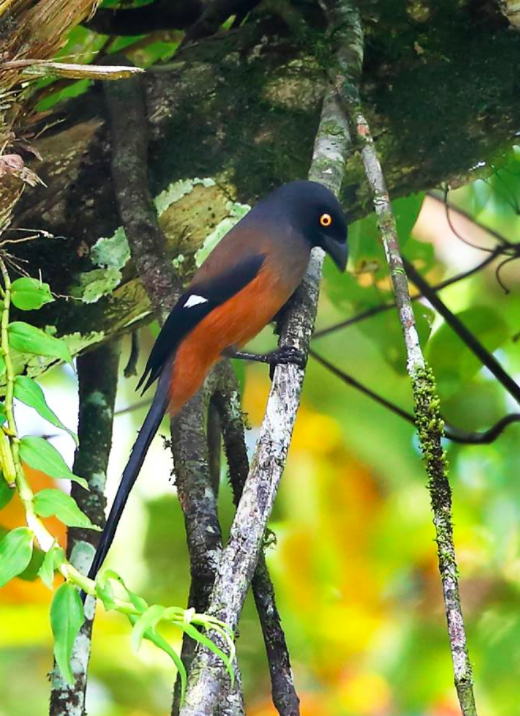
Andaman Islands
Rise Products Reduce Waste
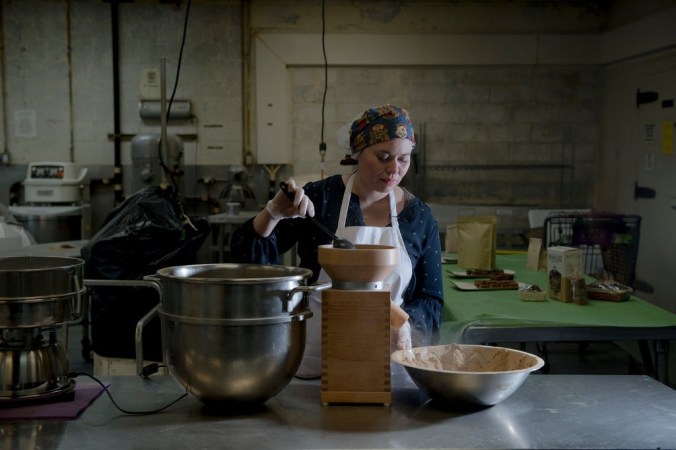
Bertha Jimenez milling flour at Rise Products’ temporary kitchen in Long Island City, Queens.
Ms. Jimenez, an Ecuadorean immigrant with a doctorate in engineering, helped develop a method for making flour from the grain left over after brewing beer. George Etheredge for The New York Times
Thanks to Larissa Zimberoff for this:
From Brewery to Bakery: A Flour That Fights Waste
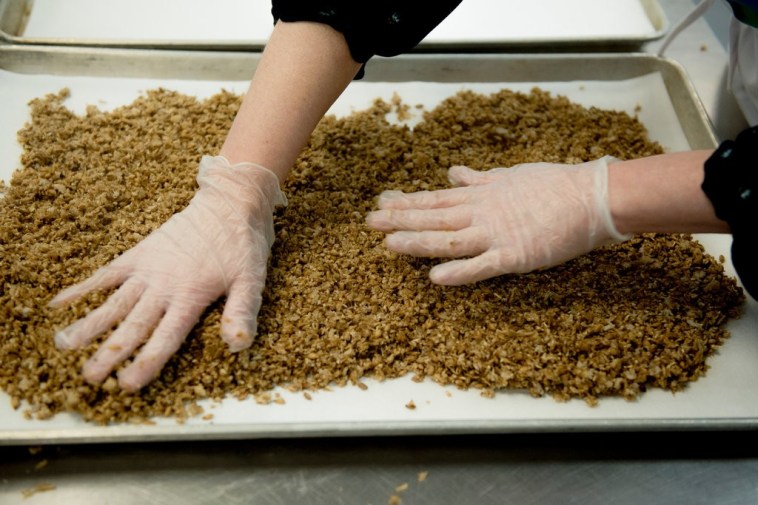
In a temporary commercial kitchen in Long Island City, Queens, Rise Products dries spent beer grains in an oven before they are ground, milled and sifted into a fine flour. George Etheredge for The New York Times
For some people, beer is the perfect end to a workday. For Bertha Jimenez, it’s the start of a new way to eliminate food waste.
Breweries throw out millions of pounds of used grain every day that could have other uses. While some is repurposed as animal feed, compostable products or heating fuel, little has been exploited for its value as food.
Because of the growing interest in reducing waste, many chefs and bakers are already eager to work with the flour. George Etheredge for The New York Times
But Ms. Jimenez, 35, has created a small start-up, Rise Products, that converts the grain into a flour that is finding its way into sustainable bakeries and kitchens in New York and as far away as Italy.
The potential for recycling beer waste first came into the cross hairs of Ms. Jimenez, an immigrant from Ecuador, while she was working toward her doctorate in 2015 at the Tandon School of Engineering at New York University. Intent on finding ways to reduce industrial waste, she started a side project with like-minded friends — most of them also immigrants — and craft beer provided an easy target: Everyone loved it, but it had issues.
Ms. Jimenez lives in Brooklyn, which at last count had 20 craft breweries that are tossing out grain. Ms. Jimenez and Ashwin Gopi, a classmate and a founder of Rise, began asking around for samples so they could figure out how best to reuse them. Continue reading

 Organikos