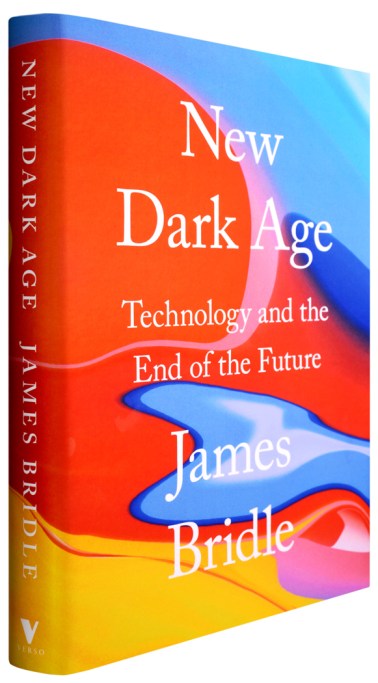
 Thanks to John Harris, writing in the Guardian, for “Our phones and gadgets are now endangering the planet,” an opinion essay that doubles as a review of the book to the right:
It was just another moment in this long, increasingly strange summer. I was on a train home from Paddington station, and the carriage’s air-conditioning was just about fighting off the heat outside. Most people seemed to be staring at their phones – in many cases, they were trying to stream a World Cup match, as the 4G signal came and went, and Great Western Railway’s onboard wifi proved to be maddeningly erratic. The trebly chatter of headphone leakage was constant. And thousands of miles and a few time zones away in Loudoun County, Virginia, one of the world’s largest concentrations of computing power was playing its part in keeping everything I saw ticking over, as data from around the world passed back and forth from its vast buildings.
Most of us communicate with this small and wealthy corner of the US every day. Thanks to a combination of factors – its proximity to Washington DC, competitive electricity prices, and its low susceptibility to natural disasters – the county is the home of data centres used by about 3,000 tech companies: huge agglomerations of circuitry, cables and cooling systems that sit in corners of the world most of us rarely see, but that are now at the core of how we live. About 70% of the world’s online traffic is reckoned to pass through Loudoun County. Continue reading

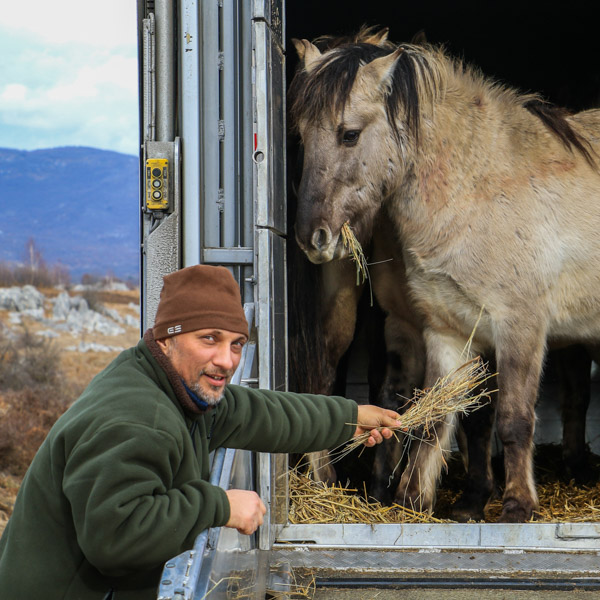
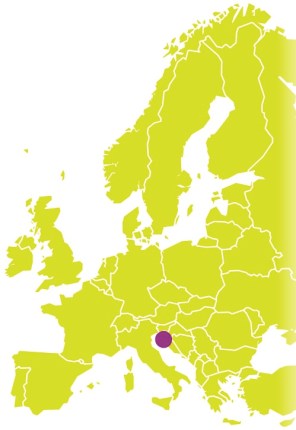

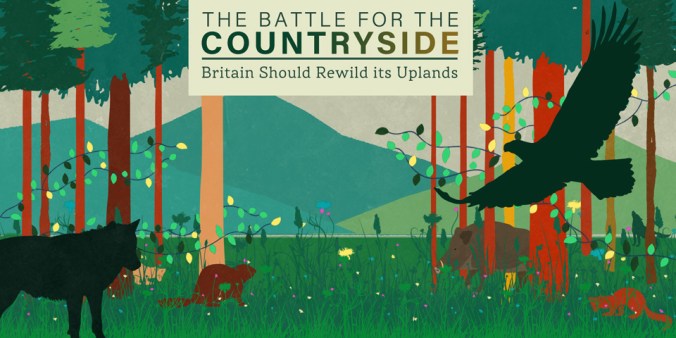
 Intelligence Squared has an app that allows you to listen to their debates and lectures at your own convenience, on your phone or wherever, whenever you choose. If, like us, you have found the rewilding debate interesting, this is one you will want to listen to:





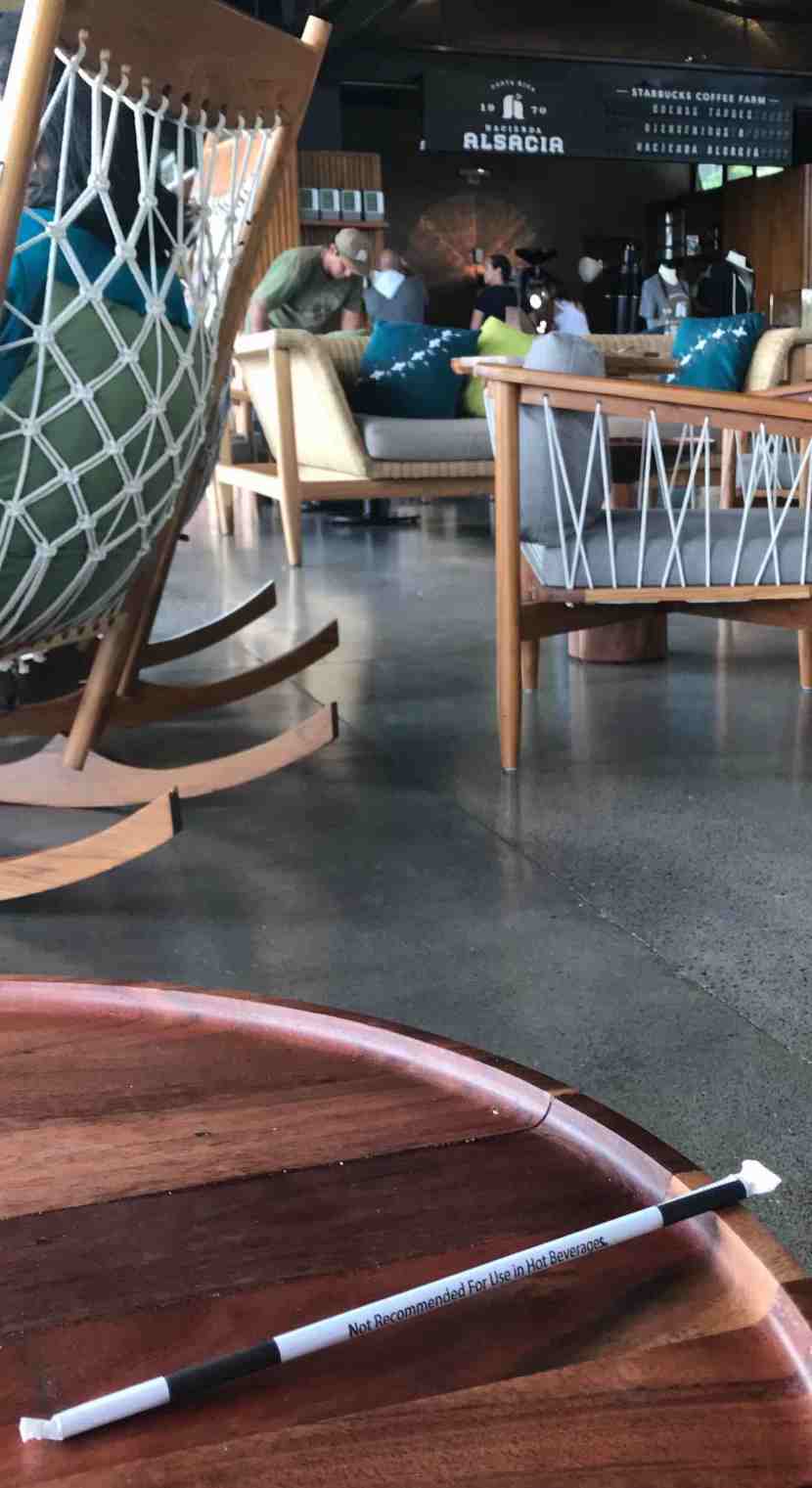 As it happens, the same day we saw this news we were also scheduled to visit the Starbucks showcase in Costa Rica, called Hacienda Alsacia. We experienced the tour they offer and then sat with our guide for a sampling of coffees. On the table next to me was a straw, so we used the opportunity as a reality check. Our guide did not miss a beat, very well aware of the newly announced plan to eliminate straws by 2020, and ready with a one-liner about the importance of eliminating plastic straws.



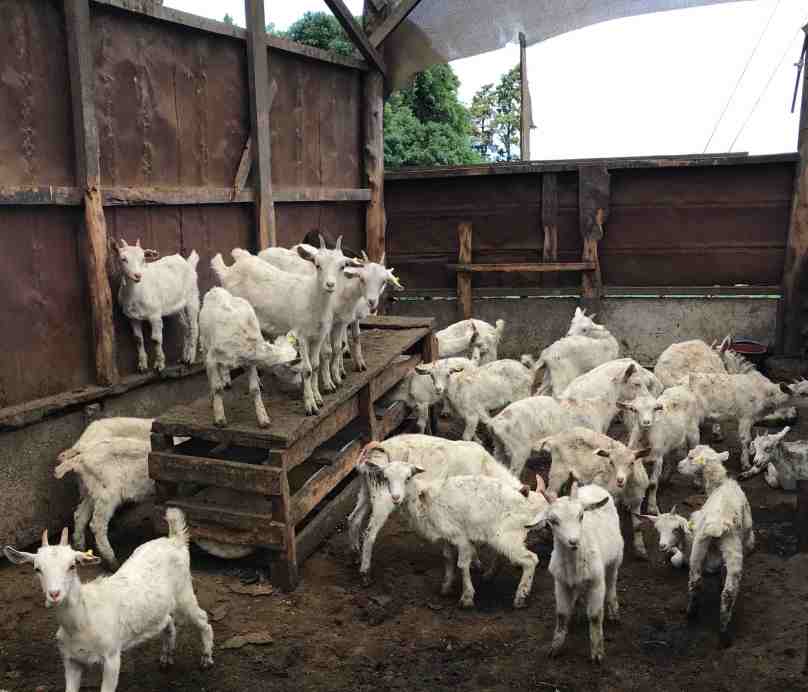 It has eight times the land and double the cows compared to where we are based, 10 miles north and about 1,000 feet lower in altitude. That farm also has dairy goats. More on other implications of the visit later. Here, a quick note on feed. We had noticed on the dairy where we live that pineapple is part of the diet of the cows.
 The dairy manager had explained that this is an important part of the nutritional mix. Despite our surprise we had not asked more about it. Yesterday we did, and the answer was another surprise. Milk production rises 10% or more with the pineapple added to the feed. The animals are healthier because of the fiber content of the fruit, compared to cows eating grains such as corn or soy. Plus, the methane bi-product is significantly decreased. Food produced in a dairy making this dietary change represents one small step toward reducing greenhouse gas emissions.
 Organikos