Global Big Day 2018

GBD2018

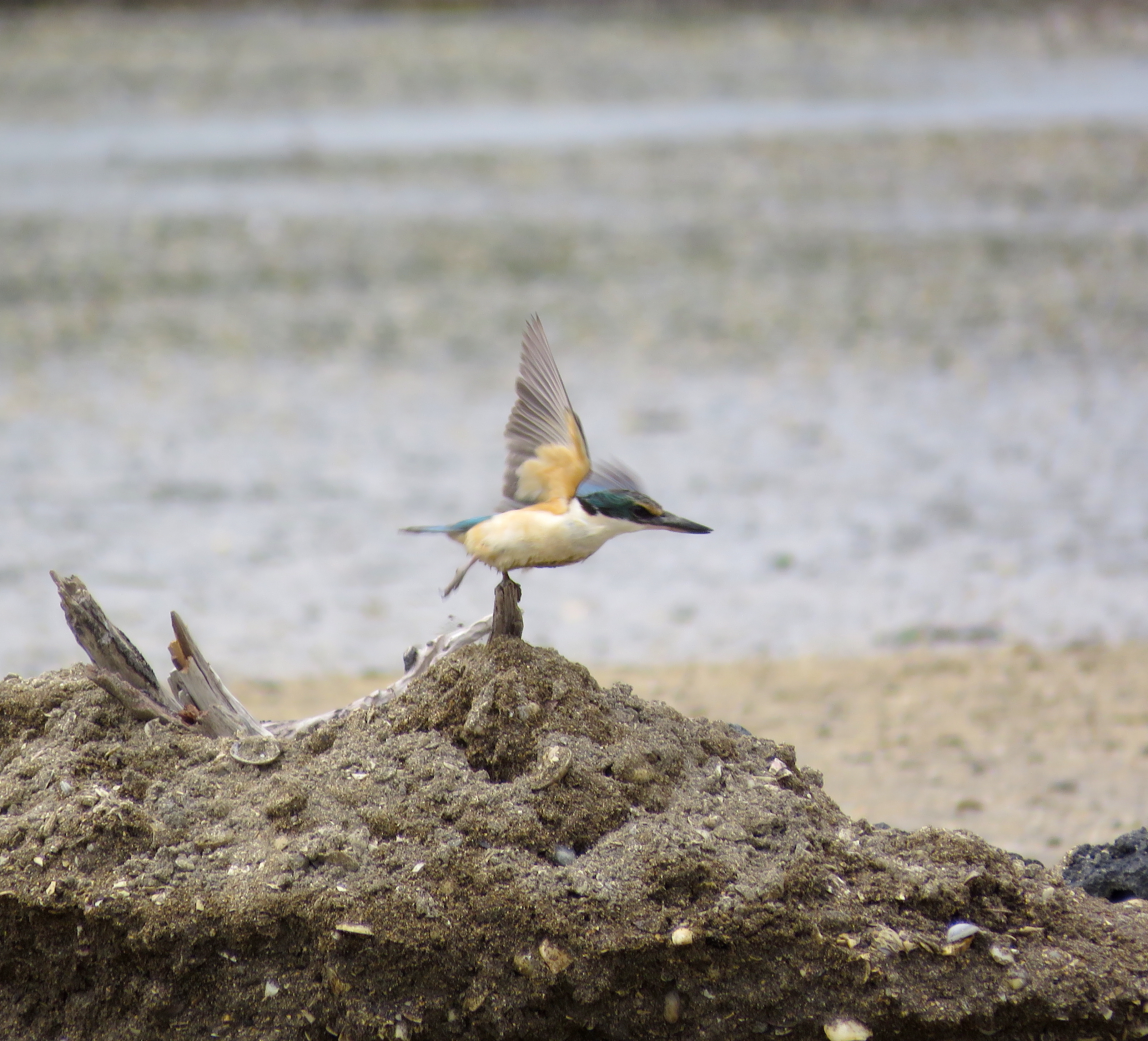
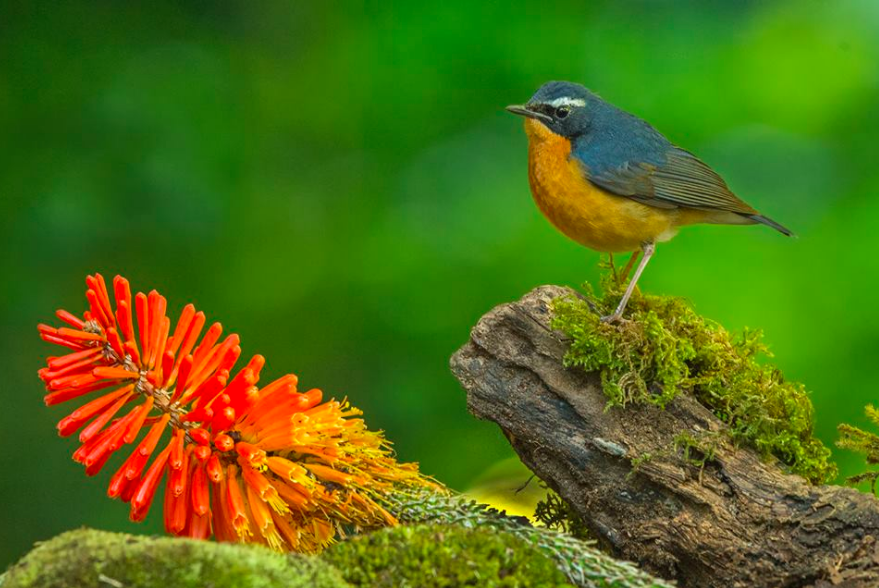
Last year at this time, I was in Belize hosting a team from the Cornell Lab of Ornithology. I had known of the Lab starting 30 years ago when we moved to Ithaca for me to start graduate school at Cornell, and had known the Lab’s backyard, Sapsucker Woods, since Seth was born and we walked him through in a stroller from time to time. But I did not really know much about the Lab’s work until Seth started working there in 2011, during his sophomore year of college. And then in 2012 we had another young Lab worker join us in India.

We have been celebrating Global Big Day ever since, in India and Costa Rica, then last year in Belize. This year Seth is in Costa Rica, where he will be in a national park with a very high bird species counts. I hope we will hear from him about that experience. For now, may we recommend you click the button above to learn more?

Humpback Comeback, Brink To Boom

merlin_137560146_04720b59-267d-4943-82e7-2da5e9f11e4d-master768

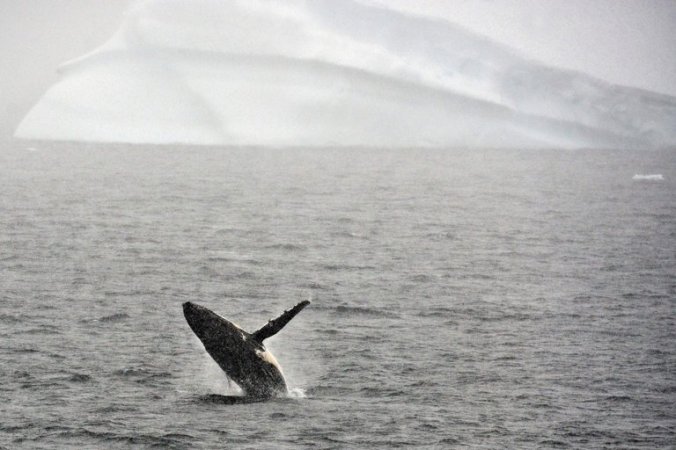
Humpback whales in the southern oceans around Antarctica appear to be breeding successfully, recovering their population. Credit Eitan Abramovich/Agence France-Presse — Getty Images

Ford does what it thinks to be in the best interest of its shareholders, and other companies follow suit as they sense the opportunity to do so, reducing their environmental responsibilities. Meanwhile and nonetheless, thanks to the work of organizations like WWF and Greenpeace, we have the opportunity to witness, if from afar, the rebirth of a population that signals some intact corners of the earth’s environment:

Humpback Whale Baby Boom Near Antarctica

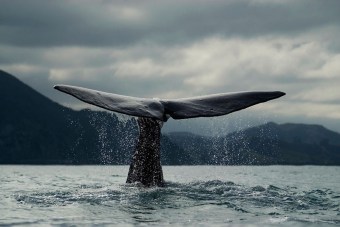
Blue whale, New Zealand

© naturepl.com/Mark Brownlow/WWF

In a rare piece of good news for whales, humpbacks who live and breed in the southern oceans near Antarctica appear to be making a comeback, with females in recent years having a high pregnancy rate and giving birth to more calves.

Humpback whales were nearly hunted out of existence in the late 19th and most of the 20th centuries until treaties were signed to stop killing them and protections were put in place for the world’s coldest, least accessible continent.

Humpback Whales in the Southern OceanThe end of hunting has fostered the recovery of the school-bus-sized animals whose life spans are roughly comparable to ours, according to Ari Friedlaender, an associate researcher at the University of California Santa Cruz, who led the new study.

The population was believed to have been reduced to less than 10 percent of it pre-whaling levels. Continue reading

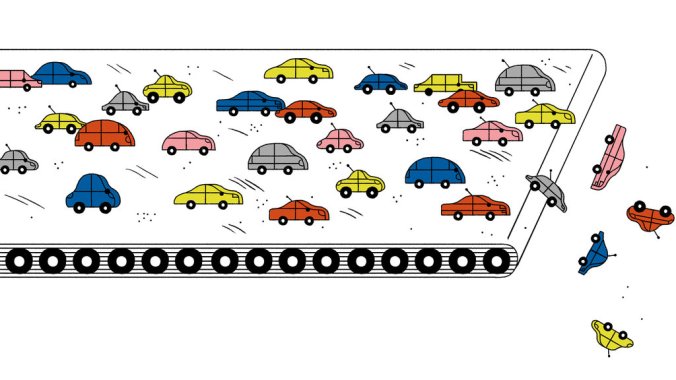
Just When Ford Started Being Great Again, The Signals Indicated A Shift To Reverse

merlin_137576667_7fa921a6-9ace-4e0a-9579-4c864e5232c3-jumbo

Cristina Spanò

Ford1I have been based back in the Americas for fifteen months. For the previous couple years I had been driving Ford’s best-selling vehicle in India –a vehicle with the three letters Eco in its name. This was the company that built the cars I grew up in, but had long since stopped believing in. That “Eco” car got me starting to believe again.

Then the election of 2016 happened. Holding aside all its other dangers, the election result has elevated ecological danger to perhaps its greatest level in my lifetime. A government elected on the slippery Make America Great Again slogan has given cover to companies seeing profit in rollbacks of erstwhile impressive ecological commitments. And the slope down which we all are now sliding seems to be getting steeper. An op-ed by Jamie Lincoln Kitman, the New York bureau chief for Automobile Magazine, illuminates the slip and the slope:

Why Is a ‘Green’ Car Company Pivoting Back to S.U.V.s?

Ford2Two years ago, the Ford Motor Company boasted about having been named Interbrand’s Best Global Green Brand and said it was committed to working to meet stricter fuel economy standards. Last week, after lobbying with the rest of the industry to strike down those standards, Ford announced that it would largely abandon the American passenger car market in favor of building more trucks, crossovers and S.U.V.s. Continue reading

Celebrating A Force Of Nature, The Sky, With Clouds In All Their Visual Wonder

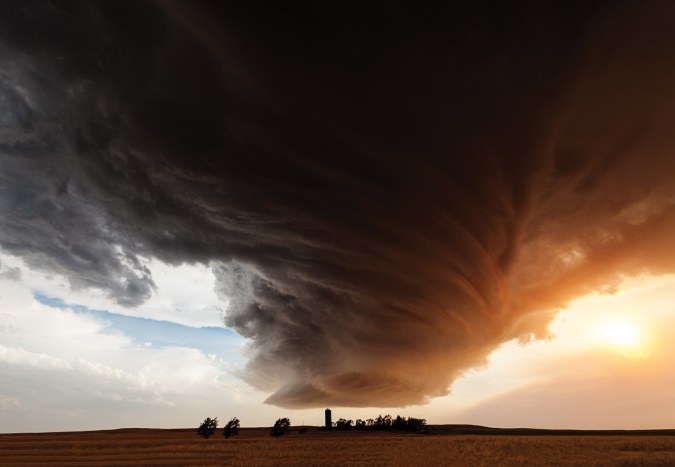
Big%20Cloud%20pg%2092.jpg

Nebraska, June, 2012.

Just because the climate is changing at a pace both dangerous and seemingly impossible to slow, given human tendencies; just because the storms that come from clouds can cause fear and worse; none of that diminishes our wonder and our ability to see importance in those clouds:

A Storm Chaser’s Unforgiving View of the Sky

Big%20Cloud%20pg%20173.jpg

Texas, June, 2014.

By Alan Burdick

Photography by Camille Seaman

A cloud is a shade in motion. Shape-shifting and moody, it arrives with a message that is opaque as often as it is threatening. “Clouds always tell a true story,” the Scottish meteorologist Ralph Abercromby wrote, in 1887, “but one which is difficult to read.”

Big%20Cloud%20pg%2057.jpg

Kansas, June, 2008.

The appeal of clouds is obvious: no two are the same, and no one is the same for long. And they not only manifest change but inflict it as well. A cloud can be beautiful, terrible, or both—the embodiment of the sublime. Few other things on earth still present us with a power larger than ourselves. To watch a supercell gather force over the plains, as storm chasers take such pleasure in doing, is to watch Zeus take shape on earth. Continue reading

Drink The Wonk

5219.jpg

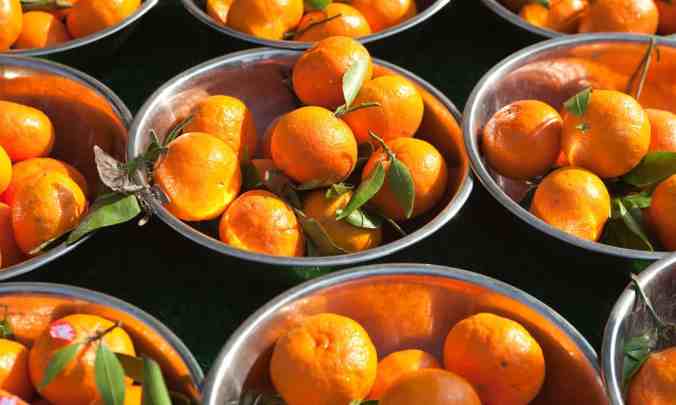
Soft fruit, such as oranges, root vegetables and salad are particularly prone to waste. Photograph: Eric Farrelly/Alamy

Rebecca Smithers, consumer affairs correspondent for the Guardian, has reported on a simple idea to not waste fruit just because its appearance is not standard. Wonky, as they say on the island where the English language comes from. Don’t fear the wonk, this article and this brand are saying. Was this not already happening with juice, as with other waste-reducing beverages? Can a brand be built on such an idea? Thumbs up to that:

‘Wonky’ fruit and vegetables that would have been thrown away are now being used to make a new range of juices, in one of a number of assaults on food waste.

One of the UK’s largest fresh produce growers has teamed up with a Spanish fruit supplier to create a new product, Waste Not, which will stop edible but visually ‘imperfect’ ingredients such as fresh celery, beetroot and oranges from being dug back into the soil, or used for animal feed. The new juices will go on sale in branches of Tesco.

The move is one of a growing number of innovations to reduce food waste throughout the supply chain, following criticism of supermarkets and suppliers that perfectly good food is being thrown out while UK consumers are relying increasingly on food banks. Continue reading

Rehabilitation Of A Vilified Umamifier

Rosner-MSG.jpg

Ajinomoto, the world’s largest manufacturer of MSG, produces umami magic at its panda-themed headquarters. Photograph from Alamy

In the new issue of one of the sources we draw from weekly there is an article–An MSG Convert Visits the High Church of Umami, by Helen Rosner–that gives a refreshing splash of cold water on the face. My kitchen counter looks like the one she describes, sans MSG. And for the reasons she lays out. Always happy to be corrected, I recommend this to others who may have suffered the same culinary fate as me until now:

On my kitchen counter, to the side of the stove, there is a jagged skyline of jars and bottles, featuring the condiments and oils and spices that I use too often to ever properly put away. A few are ingredients so key that I buy them in bulk, storing the multi-kilo mega-packages in the back of the closet and decanting them for daily use into more countertop-friendly vessels: olive oil, kosher salt, and monosodium glutamate, or MSG. In one combination or another, this holy trinity ends up in almost everything I prepare—the MSG, with its savory chemical magic, is particularly useful as rocket fuel for dishes of raw fruits and vegetables. I whisk it into vinaigrette before dressing a salad; add it by the teaspoon to the relish of fresh plums and jalapeños that I make each summer; and, whenever I’m feeling snacky, sprinkle it on chopped cucumbers. Continue reading

Polar Bears, Hudson Bay & Informed Opinion

Polar.jpg

Polar bears haunt the landscape around the remote town of Churchill in northern Manitoba.Published On Credit Image by Ian Kerr

Thanks to Ian Kerr, a filmmaker who has spent years documenting polar bears in Churchill, Manitoba and shared this op-ed in the New York Times:

Polar Bears of Hudson Bay

Polar bears sleep a lot. That sight can leave an observer feeling disappointed, even insulted — it’s like watching a superhero clean his nails while you’re wishing he’d fly or pick up a car.

Keep watching, though, and you begin to notice interesting things about the sleeping bear’s world: the hard, cold snow blown across ice or the sun turning into a vertical streak through sheets of sleet; the odd, sticky sensation of frost slowly growing over your beard. Continue reading

Six Centuries Of Herding

Knight-Herdwick-Shepheard-1.jpg

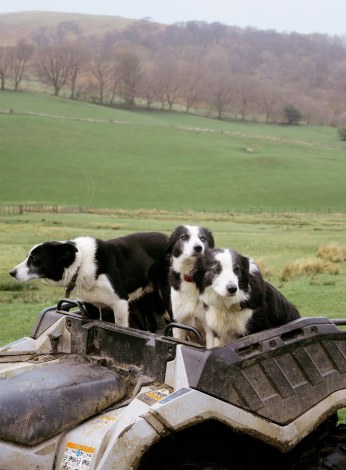
James Rebanks’s family has worked on the land in Cumbria for six hundred years. Photographs by Gregor Schmatz for The New Yorker

When I first heard him tell his own story, James Rebanks had just recently published a book that received wide critical acclaim and plenty of commercial success. Sam Knight now gives a view in on this form of life, as lived for six centuries, as is today in The Tweeting of the Lambs: A Day in the Life of a Modern Shepherd:

Knight-Herdwick-Shepheard-2

Photographs by Gregor Schmatz for The New Yorker

The hills of Cumbria, in northern England, are known as fells. They are among the wettest, coldest, and windiest places where sheep are farmed outdoors year-round. The weather is rotten, more or less, from October to May. So by lambing season—a three-week period, usually after Easter, when the ewes give birth, and there are triumphs and miscarriages, adoptions and accidents, gambolling and suckling—the flock, the shepherd, and the land itself are already worn out. “You’re just about fucked,” James Rebanks told me. “The whole thing is designed so you are just about to break.”

On Twitter, Rebanks is the Herdwick Shepherd. A little more than a hundred and nine thousand people, most of them trapped in office environments or riding public transportation, follow his account for gorgeous, wide-skied pictures of his flock, and for his evocations of the English countryside. In 2015, Rebanks’s memoir, “The Shepherd’s Life,” became an international best-seller, and he was compared to the nineteenth-century rural poet John Clare. Clare, the son of illiterate laborers from Northamptonshire, wrote about the land from within it; Rebanks’s writing has a similarly involved quality. Continue reading

Two Op-Eds Arguing The Same Powerful Case In Two Different Ways

23Englander-superJumbo.jpgNathan Englander came to my attention nearly six years ago. A novelist who lives in Brooklyn, he got me thinking about story-telling in a way that was very important to me, two years into our residency in India. He did something important for me again this last week, focusing my attention on an act I would normally ignore. But his point resonated with me because of the subject’s connection to the state of nature. So I thought about how to link to his op-ed in a manner consistent with our objectives on this site.

22conniff-superJumbo.jpg

Credit Lan Truong

Four years ago Richard Conniff, who writes about wildlife and human and animal behavior, started a long series of regular appearances in our pages. The day after Nathan Englander published the op-ed I mentioned above, Richard Conniff published an op-ed referencing the same act, a day in advance of Earth Day. And it is powerful. So I knew how to proceed, and with this excerpt you may be inclined to read both op-eds in full:

I was thinking about Mr. Buckel and about despair a few nights later, over a drink with Joe Walston of the Wildlife Conservation Society. As director of that organization’s worldwide field conservation work, Mr. Walston routinely comes face-to-face with the dark forces of human overpopulation, mass extinction of species, climate change and pollution. But he is also the co-author of a paper being published this week in the journal BioScience that begins with the uplifting words of Winston Churchill to the British nation in June 1940, under the shadow of the Nazi conquest of France: “In casting up this dread balance sheet and contemplating our dangers with a disillusioned eye,” Churchill declared, “I see great reason for intense vigilance and exertion, but none whatever for panic or despair.” Continue reading

Gleaners Harvesting Properly

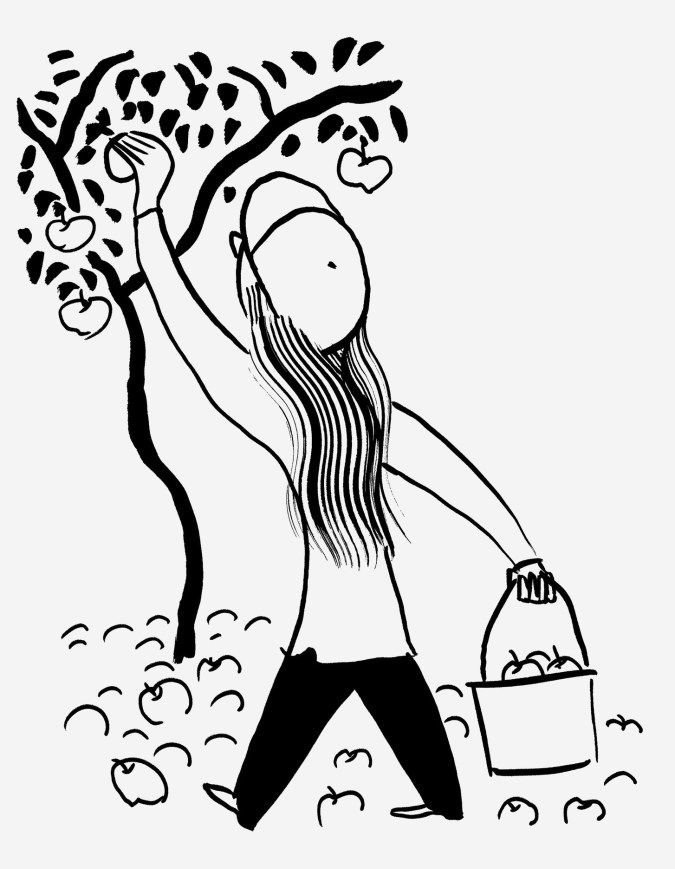
180430_r31970illuweb.jpg

Illustration by Tom Bachtell

I have been enjoying short essays and posts by Charles Bethea in the last year or so in a way that I can explain with a simple metric. I always find myself wanting to learn more about something I was intrigued by in what he wrote. That is a sign of one kind of excellent writing, interesting enough to make me hungry to learn more, but concise enough that I feel satisfied if I do not have time to explore further.

Case in point below, and fortunately I had time to find out about one of the gleaners he mentioned. I chose the one in Atlanta, since I have spent much of the last year there. I have pasted a couple screen shots from their website into the excerpt of Mr. Bethea’s essay below, in case you want to click out and see a live example. It is about time that I share my appreciation for his writing, and no better a way to do it than with this:

The Robin Hoods of Food Waste

A society of gleaners (not to be confused with dumpster divers) learn the rules of harvesting food in unusual places.
CJ1Two dozen gleaners—not to be confused with foragers or dumpster divers—showed up for the second annual International Gleaners Symposium, held recently at the Georgia Institute of Technology, in Atlanta. They were there to discuss the finer points of gathering neglected foodstuffs from roadsides, back yards, and other nonpublic places, and then donating them to the hungry.

CJ2.jpgThe gleaners sat in a classroom, drinking coffee and eating store-bought grapes. They were awaiting remarks from Ashley Pruitt, a local lawyer specializing in civil litigation, who had volunteered to explain the surprising number of ways that one can run afoul of the law while picking unharvested fruits and nuts for homeless shelters and food banks, as more than four hundred volunteer groups in the United States now do.

CJ3“A few weeks ago, I didn’t even know protection for food donation was a thing,” Pruitt, who wore a silk scarf around her neck, said before she began. “But I’ve been studying the case law. ”

One attendee, Jennifer Jans, described herself as an “outreach raccoon” for Hidden Harvest, a gleaning outfit in Ottawa. “We rescue fruit and nuts, largely from yards,” she said. “People will sign up their trees. Maybe they don’t want to harvest them, or they have too much fruit.” She listed some commonly gleaned Ottawan comestibles: “cherries, pears, black walnuts, and the rare apricot tree.” Also, “lots and lots of crab apples, which I whine about, even though they’re nutritious and delicious.” Continue reading

Thinking Outside The Vegetable Box

03VEGDESSERTS2-superJumbo.jpg

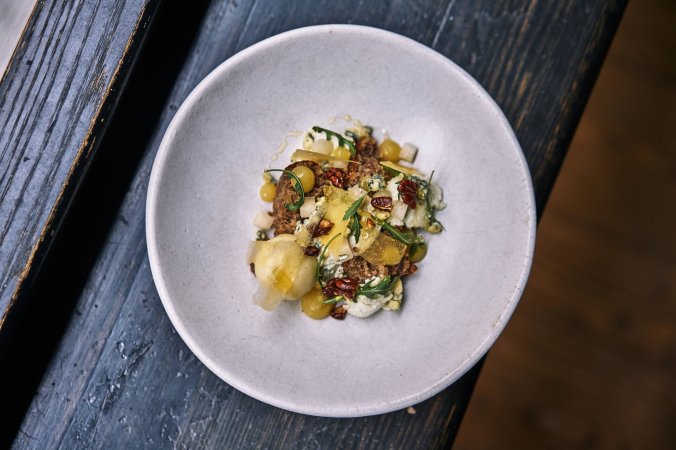
Arugula tops a pecan pear cake with blue cheese mousse at Gramercy Tavern. Credit An Rong Xu for The New York Times

We try not to source from the same medium two days in a row, but an exception is made today, going from wind turbine technology to a rethinking of when and how to eat vegetables (thanks to Tara Parker-Pope):

A Surprising Way to Eat Vegetables: For Dessert

00VegCarrotSorbet-jumbo.jpg

At Blue Hill in New York City, colorful sorbets rely on the natural sweetness of purple sweet potatoes and carrots. CreditBlue Hill

Struggling to cut down on added sugar and get more vegetables into your diet? Take a lesson from some of the best chefs in the country and try eating vegetables for dessert.

Chefs are pushing the culinary boundaries of traditional desserts, reducing added sugars and experimenting with the natural sweetness of corn, carrots, fennel, squash, sweet potatoes and other vegetables. At the restaurant Gwen in Los Angeles, a deliciously sweet roasted artichoke, celery sorbet and green olives with crème fraîche cheesecake have appeared on the dessert menu. At Blue Hill in New York City last fall, diners delighted in the natural sweetness of a honeynut squash with ice cream, parsnip cake and naturally sweet carrot sorbet.

00VegCurry-blog427

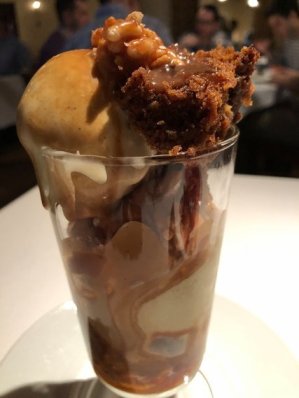
A popular green curry ice cream sundae at Gramercy Tavern gets its kick from chiles, cilantro and lemongrass.

“We’re shooting for a pastry kitchen that doesn’t gratuitously use any sugar because there is so much natural sweetness in the fruits and vegetables we use,” said Dan Barber, the Blue Hill chef and co-owner who works with the pastry chef Joel De La Cruz to create veggie-focused desserts. “We like looking at vegetables in a new way.”

At Gramercy Tavern in Manhattan, pecan pear cake is served with arugula and blue cheese mousse. A grapefruit panna cotta includes cilantro and avocado, and a popular green curry ice cream sundae gets its kick from curry made with chiles, cilantro, lemongrass and other traditional Thai ingredients. Continue reading