 I’ve posted previously about the lionfish invasion that is threatening coral reef and other marine ecosystems throughout the Caribbean, Gulf of Mexico, and Southern Atlantic Seaboard of the United States.
Much has been made of the spectacular invasive success of the two species of Indo-Pacific lionfish that have established themselves throughout the Wider Caribbean. Not only are the invaders being found at population densities more than ten times those typical in their native range, but they also have been found to grow more rapidly, reaching sexual maturity more quickly, and growing to greater size than do their Indo-Pacific cousins.
Several studies have looked at the genetic make-up of invasive lionfish and have concluded that the populations found in the Gulf of Mexico, Caribbean, and Southeastern seaboard of the United States are all closely related, stemming back to fewer than ten females. Continue reading








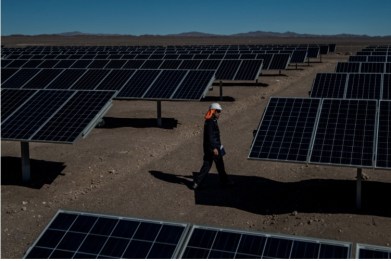

 So as Latin America embraces greener energy sources, government officials and industry executives in the region have expressed a sense of confusion, even bewilderment, with the Trump administration’s decision to withdraw from the
 Organikos