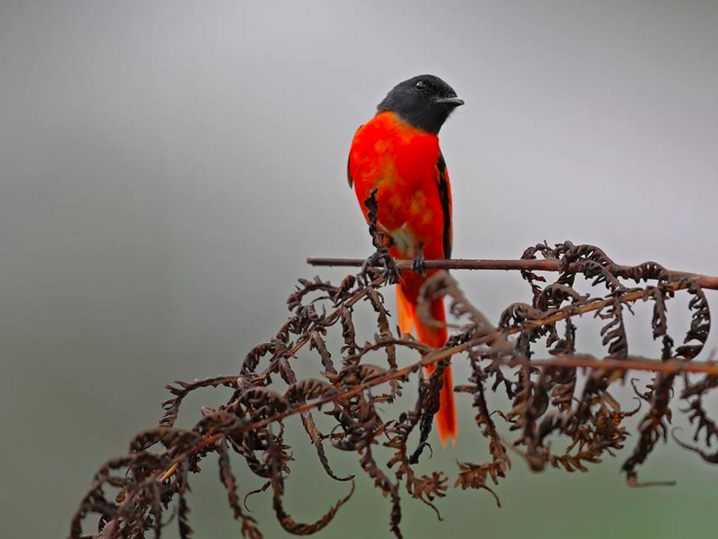
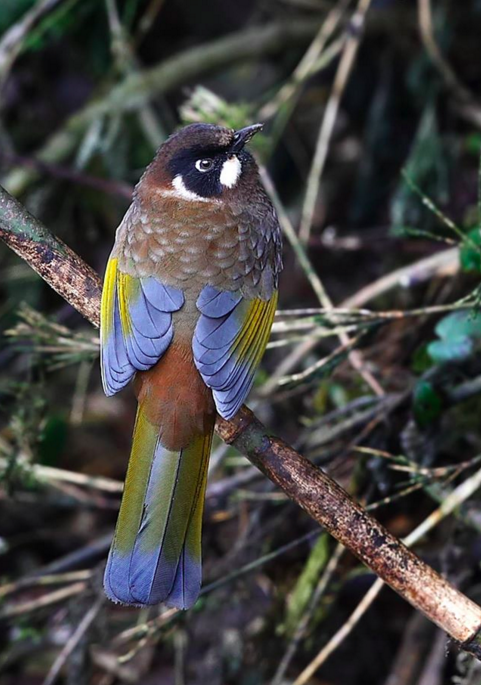
Eaglenest, Arunachal Pradesh
Eaglenest, Arunachal Pradesh

Three stories in today’s New York Times, two in the main Business section and the other in the Media subsection of Business, are an interesting read in tandem:
As Amazon’s Influence Grows, Marketers Scramble to Tailor Strategies
While Other U.S. Companies Flee China, Starbucks Marches In
With ‘Logan Lucky,’ Soderbergh Hopes to Change Film’s Business Model

Blue Creek rice fields, Orange Walk District, Belize

Acadian Sturgeon and Caviar markets three types of caviar, one from the wild Acadian sturgeon, and two types — green and gold — from its farmed shortnose sturgeon. Nancy Matsumoto for NPR
Thanks to Nancy Matsumoto and the folks at the salt, over at National Public Radio (USA):
To Help Keep Sturgeon Sustainable, Farm And Fishery Work Together
It’s the end of only the first week of the official Atlantic sturgeon fishing season on the St. John River in New Brunswick, Canada. But the two fishermen who supply Cornel Ceapa’s Acadian Sturgeon and Caviar company have already landed close to half of the season’s catch. Continue reading

Bangalore, Karnataka

We know how to reduce deforestation – so where’s the money?
Paying people not to cut down trees works, evidence shows – so can we really afford not to do so? Continue reading

Tacacori, Costa Rica
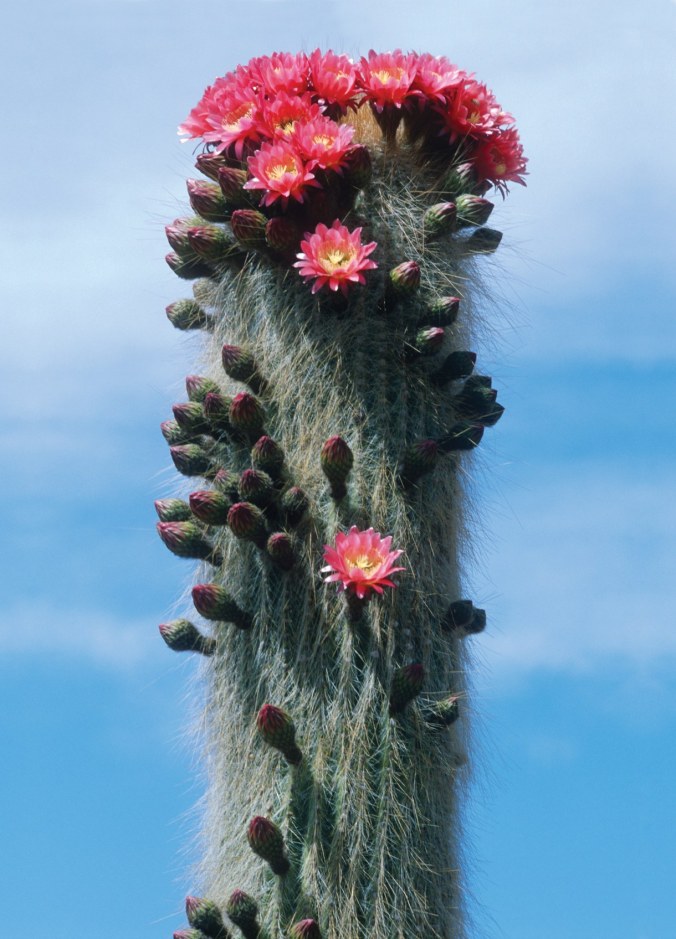
Trichocereus poco. Argentina, 2002. Photograph by Woody Minnich
There are no real favorites when it comes to biodiversity, but it is worth pointing out that there is something unusual about the beauty of spiny things. Thanks to Carolyn Kormann, writing on the New Yorker’s website, for the words she surrounds these photographs with:
The Strange Wonders of the Cactus, the Plant of Our Times

Sivarpanam Palace, Tamil Nadu
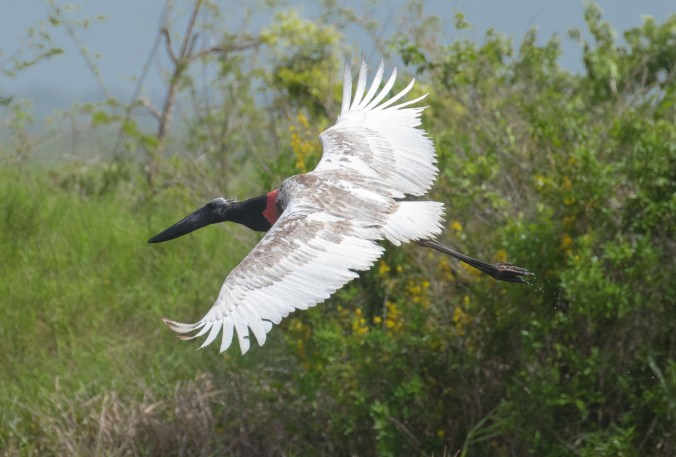
Jabiru stork taking flight from the Blue Creek rice fields, Orange Walk District, Belize
The name “Jabiru” is derived from the Tupi–Guarani family of languages from South America and means “swollen neck”; an apt description. This is the tallest flying bird in South and Central America and is second in wingspan (excluding pelagic flyers like albatross) only to the Andean Condor. This denizen of wetland habitats is a voracious, opportunistic forager on a wide variety of animal matter, living or dead. Needless to say, an impressive bird and I was ecstatic to see it!
It was past the mid-point of our Belize vacation, and as good and enjoyable as the birding had been, life birds (new species that I had never seen before) were fewer and farther between than I had anticipated/hoped. I guess that was to be expected given that I have visited the Neotropics several times previously. I had already seen many of the common, easy, widespread species (e.g., many if not most of the hummingbirds, parrots, motmots, etc.) that make birders new to the Neotropics giddy. After talking to the local guides, apparently most of my desired life birds were the tough ones (hard to find, rare, skulky, etc.). As I went through my list of target birds, they just kind of smiled and shook their heads. Continue reading

Solar eclipse of November 13, 2012 as seen from Australia. Photo © Romeo Durscher on NASA Goddard Space Flight Center / Flickr through a Creative Commons license
Thanks to Cool Green Science for this set of instructions for North American viewing of the sun’s near-disappearance:
Where will you be on August 21, 2017 when the solar eclipse passes through North America?
Here’s a guide to viewing opportunities, including Nature Conservancy preserves where you can catch the spectacle in beautiful surroundings.
Solar eclipses can be viewed from the earth’s surface about two to four times a year, but they aren’t viewable from all parts of the earth’s surface and the path of totality (the places on Earth from which viewers can see the total eclipse) is only about 50 miles wide. Eclipse 2017 stands out because the path of totality cuts a wide swath through the United States and all of North America will have views of a partial eclipse.

Bandipura Tiger Reserve, Karnataka
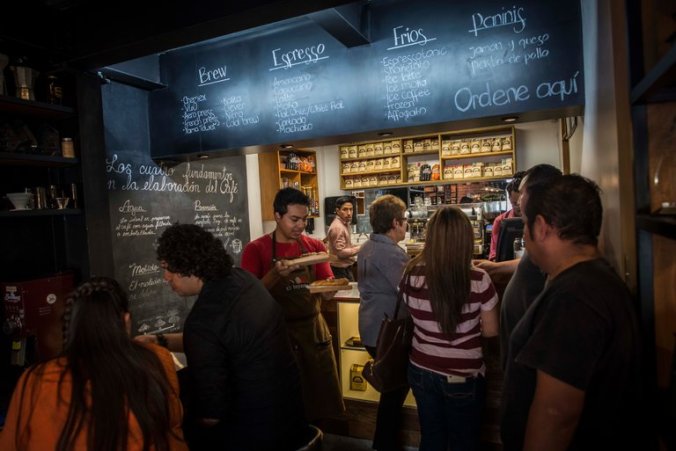
San Francisco? Soho? Try Guatemala City, inside El Injerto, a coffee shop. Guatemala is home to an expanding coffee scene. Credit Daniele Volpe for The New York Times
Thanks to Elisabeth Malkin for her visit to Guatemala on behalf of the coffee lovers who read the New York Times:
The Hot New Thing in Guatemala, Land of Coffee? It’s Coffee
GUATEMALA CITY — In the narrative spun around specialty coffee, there are two kinds of places: those where people cultivate the beans and those where people consume the end result. Continue reading

Sivarpanam Palace, Tamil Nadu
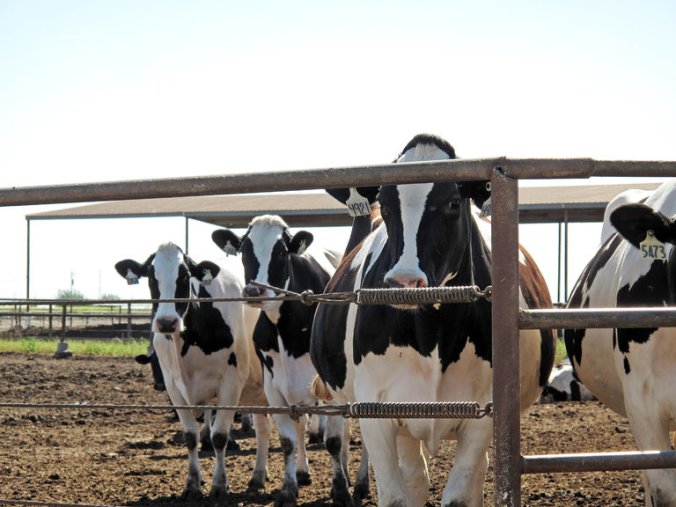
Dairy cows in Fresno County, Calif. Some of the reductions in a state proposal to reduce emissions would come from curbing emissions of methane, a potent greenhouse gas, from manure piles at dairy farms. Credit Scott Smith/Associated Press
We appreciate California’s heroic measures to take responsibility and show leadership where it can on climate change:
Over the past decade, California has passed a sweeping set of climate laws to test a contentious theory: that it’s possible to cut greenhouse gas emissions far beyond what any other state has done and still enjoy robust economic growth.
Now that theory faces its biggest test yet. Last August, the State Legislature set a goal of slashing emissions more than 40 percent below today’s levels by 2030, a far deeper cut than President Barack Obama proposed for the entire United States and deeper than most other countries have contemplated.
So how will California pull this off? Continue reading
Tumling, Nepal

His craft is based in the notion that things of quality are meant to be fixed, even repeatedly, rather than discarded and replaced. Photograph by Martin Parr / Magnum
There were the hiking boots I’ve had since high school, so battered that one Sunday, near the Delaware Water Gap, the rubber sole started to crumble off in chunks. There were the short brown riding boots, perforated like brogues, that remained beloved even with a gash worn through the leather at the heel. There were the teal-blue pumps with a decorative buckle on the toe, made by an upscale French designer and borrowed, without total permission, from a friend’s sister, for a twenty-first birthday party. Those came home flecked with my roommate’s vomit, a peel of leather dangling from the toe. Continue reading

South Western Nilgiris Mountain, India

For what it is worth, a confession. I deleted this app with the intent to never use it again, and then I switched to this one. That felt good. Then last week I was up in the mountains of Escazu, in Costa Rica, and I had to change my mind. At 3:30 a.m. a local taxi driver who was supposed to pick me up to take me to the airport did not show up. After a few minutes I finally relented and downloaded the app I had deleted. And something unexpected, something very good happened. Continue reading
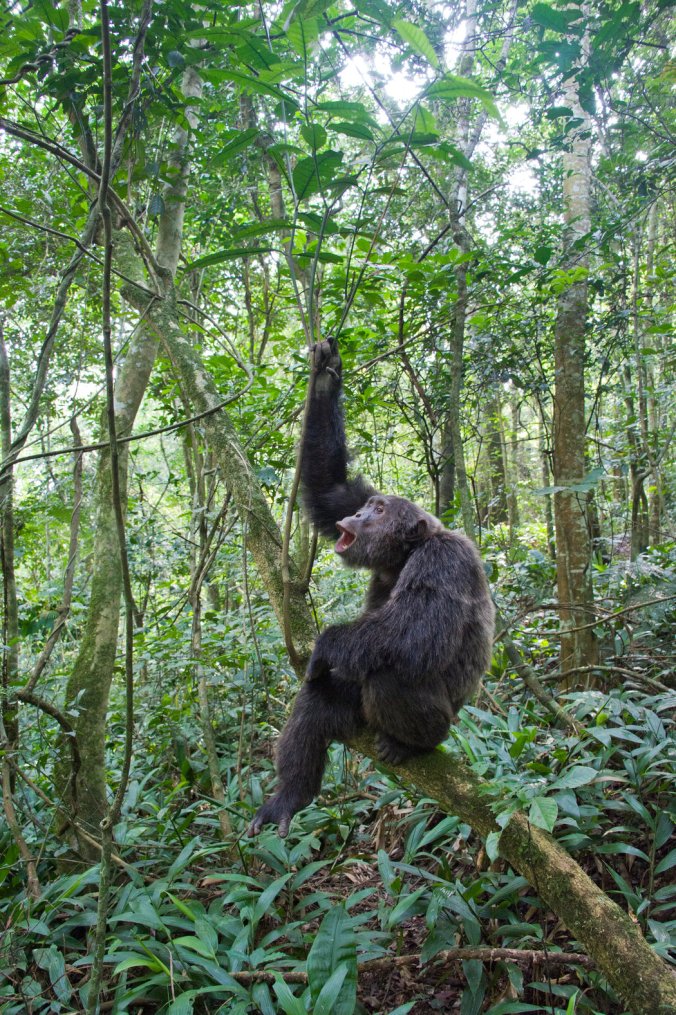
A male chimpanzee hooting in the wild forests of western Uganda. Deforestation in the country is occurring at some of the fastest rates on Earth, shrinking the habitat of this endangered species. Credit Suzi Eszterhas/Minden Pictures
Thanks to the New York Times for this refresher on the basics of climate change and what is needed that we can most easily do to counter its effects:
A Cheap Fix for Climate Change? Pay People Not to Chop Down Trees
By Brad Plumer
The tropical forests in western Uganda, home to a dwindling population of endangered chimpanzees, are disappearing at some of the fastest rates on Earth as local people chop down trees for charcoal and to clear space for subsistence farming.
Now, a team of researchers has shown that there is a surprisingly cheap and easy way to slow the pace of deforestation in Uganda: Just pay landowners small sums not to cut down their trees. Their study, published in the journal Science on Thursday, demonstrated this by conducting something all too rare in environmental policy — a controlled experiment. Continue reading

 Organikos