
female – Coonoor, Tamil Nadu
female – Coonoor, Tamil Nadu
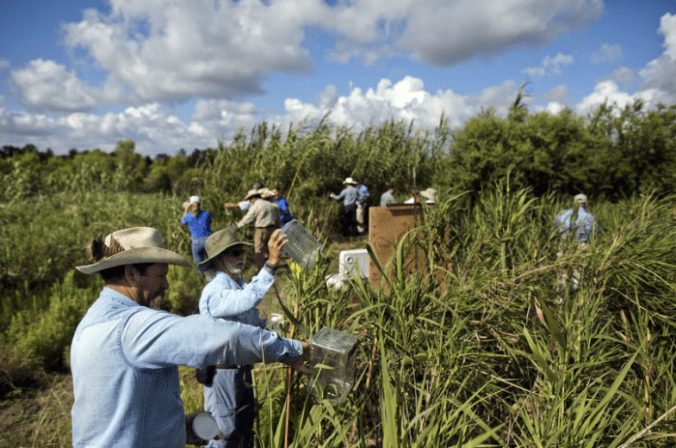
Texas officials release reed-eating Arundo wasps into a thicket of the invasive weed Arundo donaxa, also called carrizo cane, in an effort to weaken or eradicate the plant.Photograph by Victor J. Blue/Bloomberg via Getty
With all the talk about building a wall along the US/Mexico border, it’s rather refreshing to read about this joint program between the U.S.D.A. and Customs and Border Protection to attempt to tear one down.
The problem is a fast growing invasive grass that sucks up water resources, crowds out native plants, and can grow as tall as a 2-story building, . The elegant solution of using stingless wasps whose larvae happily munch on the vigorous plant is elegant compared to options such as bulldozing or aerial spraying of herbicides.
Someone wandering along the banks of the Rio Grande, on the American side, in the summer of 2009 might have been startled by a small cardboard box plummeting to the ground. Neatly sealed with blue packing tape, its paper wrapping crisp and clean, the box would have felt light, even empty. But then, on further inspection, an observer would have noticed the platoon of tiny black insects exiting a slit on one end. Slightly larger than a gnat, the insects would have buzzed off, one by one, into the South Texas heat. Continue reading
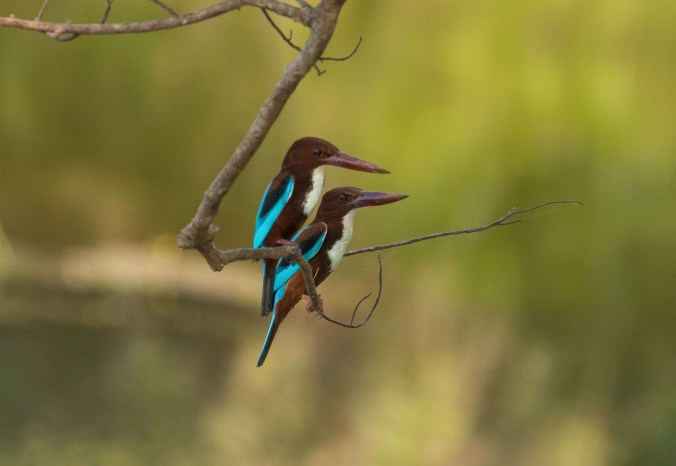
Thattekad Bird Sanctuary, Kerala, India

A wolf from a den within Yukon-Charley Rivers National Preserve in Alaska. A study found that limiting the population of wolves outside the preserve affected those within its boundaries. Credit Drew Rush/National Park Service
Mention Alaska, and we are in. Wolves, ditto. An academic publication called Wildlife Monographs? You had us at Alaska and wolves:
Protected Wolves in Alaska Face Peril From Beyond Their Preserve
Within the 2.5 million acres of the Yukon-Charley Rivers National Preserve in central Alaska, wolves and other majestic animals are protected. But animals like wolves do not respect lines drawn on a map. And a recent study suggests that efforts to limit populations of these predators outside those borders is having negative effects on wolves living within the preserve. Continue reading
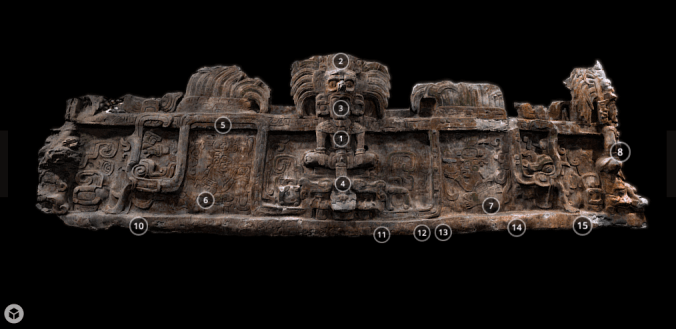
Crist’s post about this fascinating National Geographic article last week touched on its excellent graphics but barely began to scratch the surface of the amazing technology that would certainly have left the readers of the early issues of the magazine speechless.
In addition to the world-class photography, the interactive 3-D graphic of the frieze above uses SketchFab technology to allow viewers to not only zoom in and out, but to turn the object around in all directions, as if handling it in person. Do take the time to play with it! Continue reading
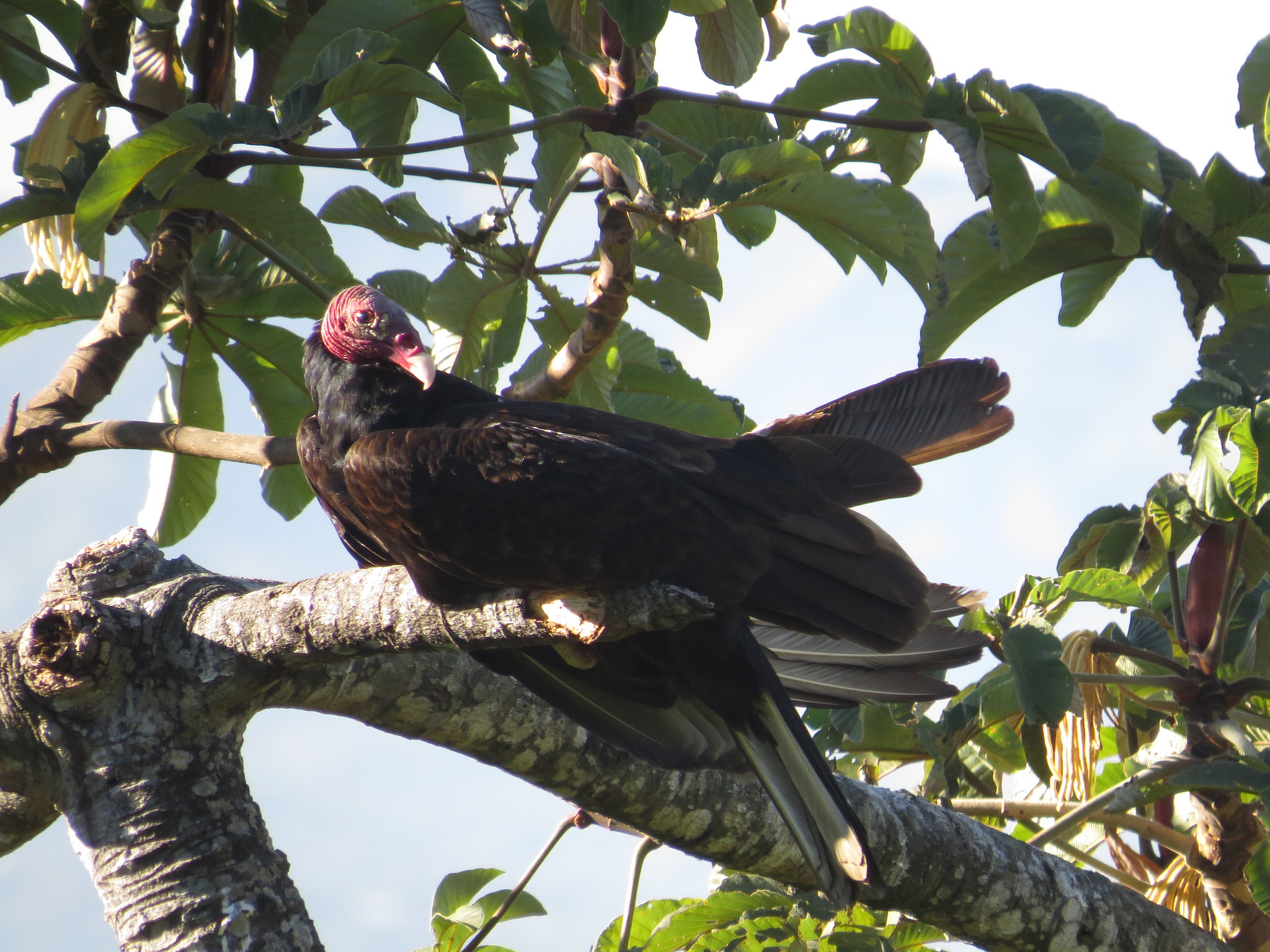
Tacacori, Costa Rica
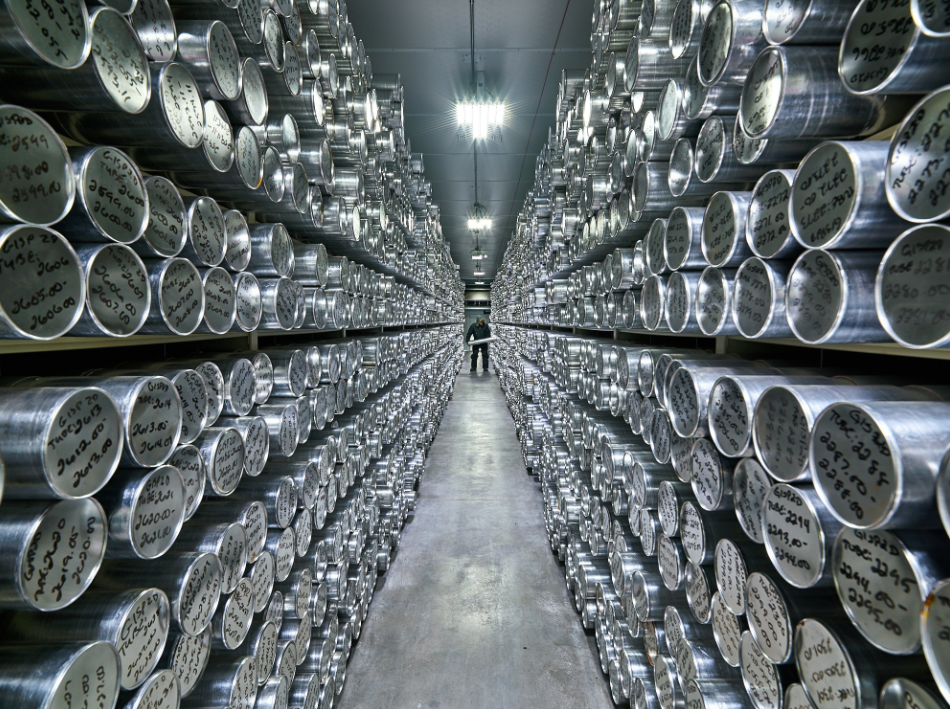
U.S. National Ice Core Laboratory, Lakewood, Colo. photo credit: Spencer Lowell for The New York Times
Thanks again to the New York Times for highlighting the global nature of this scientific “call to arms” to save not only data, but genetic and organic material as a back-up plan for future generations. From the Svalbard Global Seed bank in Norway, to sperm banks for coral, endangered wildlife, and even glacial ice – these archives are meant to provide both a life line to the future and answers about the past.
The fragility of each project is evident as Science itself has come under attack from current public policy, which doesn’t appear to see the irony of their denial in the face of facts about climate change.
It was a freakishly warm evening last October when a maintenance worker first discovered the water — torrents of it, rushing into the entrance tunnel of the Svalbard Global Seed Vault, a storage facility dug some 400 feet into the side of a mountain on a Norwegian island near the North Pole. A storm was dumping rain at a time of year when the temperature was usually well below freezing; because the water had short-circuited the electrical system, the electric pumps on site were useless. This subterranean safe house holds more than 5,000 species of essential food crops, including hundreds of thousands of varieties of wheat and rice. It was supposed to be an impenetrable, modern-day Noah’s ark for plants, a life raft against climate change and catastrophe.
A few Norwegian radio stations and newspapers reported the incident at the time, but it received little international attention until May, when it was becoming clear that President Trump was likely to pull the United States out of the Paris climate agreement. Suddenly the tidings from Svalbard were everywhere, in multiple languages, with headlines like “World’s ‘Doomsday’ Seed Vault Has Been Breached by Climate Change.” It didn’t matter that the flood happened seven months earlier, or that the seeds remained safe and dry. We had just lived through the third consecutive year of the highest global temperatures on record and the lowest levels of Arctic ice; vast swaths of permafrost were melting; scientists had recently announced that some 60 percent of primate species were threatened with extinction. All these facts felt like signposts to an increasingly hopeless future for the planet. And now, here was a minifable suggesting that our attempts to preserve even mere traces of the bounty around us might fall apart, too.

Sivarpanam Palace, Tamil Nadu
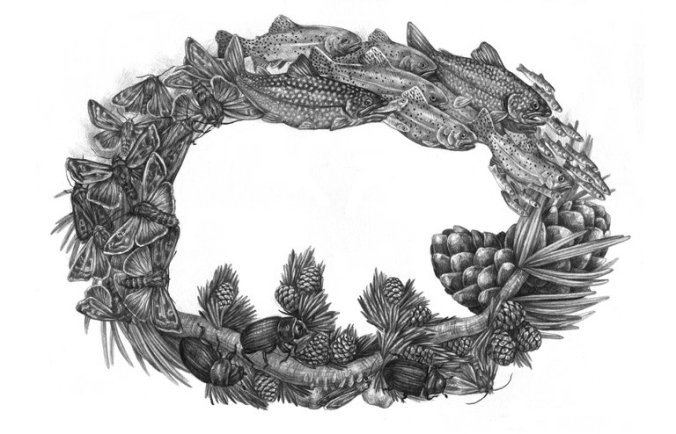
Zoe Keller
Thanks to Thomas McNamee for his opinion on these matters:
The Government Is Now the Yellowstone Grizzly’s Biggest Threat
In March 2016, the United States Fish and Wildlife Service proposed removing the Yellowstone grizzly bear population from the list of threatened species. The uproar was ferocious. Conservationists, scientists, 125 Indian tribes and some 650,000 citizens expressed concern about the move.
Now the government has gone and done it anyway. Continue reading
Jamnagar, Gujarat
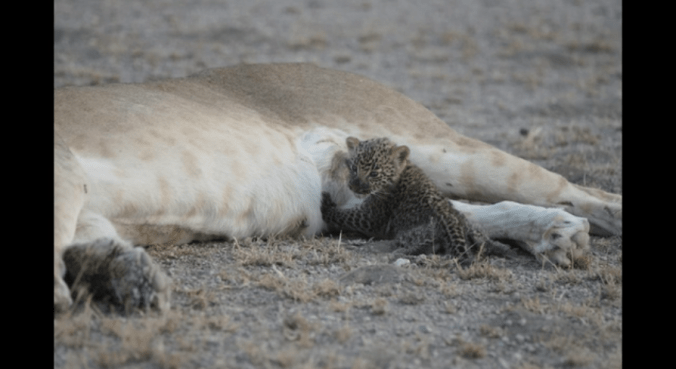
©JOOP VAN DER LINDE/NDUTU LODGE
The more time we spend at Chan Chich Lodge the more we see the seasonality of birth patterns in the wild. There clearly seems to be a “baby season”, that starts with the cats and moves down the food chain to their mammalian prey, as well as birds. Although no photo captures, several jaguar cubs were sighted earlier in the year, followed by dozens of fawns and baby collared peccary. Even the Gallon Jug Farm has welcomed 4 baby horses to the fold, with a fifth on the way…but we’ll talk about that another day.
This unusual news from Panthera.org, an important Big Cat Conservation NGO who uses our 30,000 acres as part of their Jaguar Corridor research, perhaps makes a little bit of sense within the context of those patterns.
We thank Susie Weller Sheppard for sharing these field notes.
Earlier this week, Panthera President and Chief Conservation Officer Dr. Luke Hunter received photos from our partners at KopeLion with some astonishing content: the first-ever evidence of a wild lioness nursing a leopard cub.
Taken on Tuesday by a Ndutu Lodge guest in Tanzania’s Ngorongoro Conservation Area, the images show a 5-year-old lioness, known locally as ‘Nosikitok,’ suckling a leopard cub estimated to be just 3 weeks old. Continue reading

NASA Blue Marble imagery
Thanks to the New York Times for a graphic illustrating the scale of change, aka consequences, related to global warming:
An Iceberg the Size of Delaware Just Broke Away From Antarctica
A chunk of floating ice that weighs more than a trillion metric tons broke away from the Antarctic Peninsula, producing one of the largest icebergs ever recorded and providing a glimpse of how the Antarctic ice sheet might ultimately start to fall apart. Continue reading

Western Ghats, India
 Today marks the birthday noted here, and I have just read another excellent essay marking the occasion. It happens to coincide with receiving a couple of excellent photographs from Richard Kostecke, a recent guest of Chan Chich Lodge who will soon be a contributor to this site. I’m confident the birthday celebrant would appreciate both the photos and the person. I am mixing things up a bit by sharing these photos with the essay, but I hope the point will be well taken:
Six years before he moved to Walden Pond in 1845 to ponder life and live deliberately, Henry David Thoreau spent two weeks canoeing rivers in Massachusetts and New Hampshire. The voyage was an epiphany for him. Continue reading
We have mentioned Meg more than once since we met her a few years ago, because our interests are aligned. Thanks to this public radio station for reminding me that Meg is due for a visit to Belize (I say wishfully) for a 20-years later discovery trip, and we will be happy to see her at Chan Chich Lodge when the time comes:
For over 30 years, Dr. Meg Lowman –Canopy Meg, has designed hot-air balloons and walkways for treetop exploration to solve mysteries in the world’s forests, especially insect pests and ecosystem health. Meg is affectionately called the mother Continue reading

Queensland, Australia
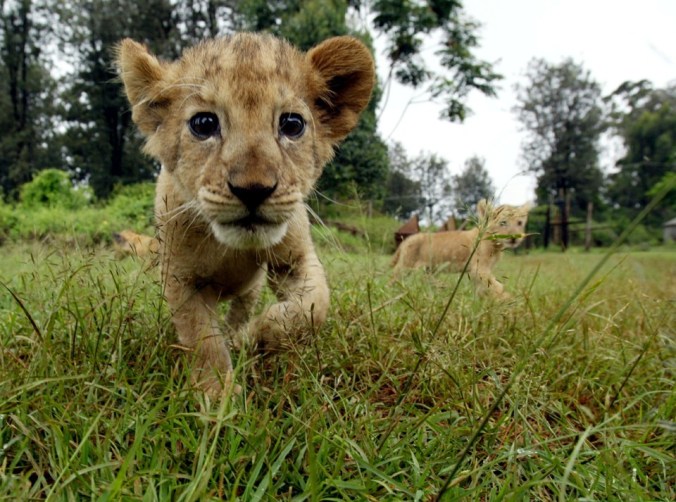
Lion cubs in Kenya. Radu Sigheti / Reuters
At Chan Chich Lodge we are aware that the half million acres of forest surrounding us are essential habitat not just for the specific jaguars, pumas, ocelots, margays and jaguarundis we have the good fortune to see with some frequency. Rather, that scale of acreage is essential for species survival. We are in a large forest corridor that is increasingly rare and unfortunately fragile in other locations throughout the Americas where they still exist. We do what we do with that in mind. Thanks to Ed Yong, at the Atlantic, for this context on extinction:
Imagine if every animal and plant on the planet collapsed into a single population each, says ecologist Gerardo Ceballos. If lions disappeared except from one small corner of Kenya, the prey they keep in check would run amok everywhere else. If sparrows were no more except in one Dutch forest, the seeds that sparrows disperse would stay in place everywhere else. If honeybees became isolated to one American meadow, the flowers that they pollinate would fail to reproduce everywhere else. None of those species would be extinct per se, “but we’d still be in very bad shape,” says Ceballos. Continue reading

Puthu Vypin Beach, Cochin, Kerala
We recently encountered Parley for the Oceans when Doug Aitken’s water pavilion installation came onto our radar.
Both the collaborative ethos and the focus of the cause are dear to our hearts.
Parley is the Space Where Creators, Thinkers, and Leaders come together to raise awareness for the beauty and fragility of our oceans and collaborate on projects that can end their destruction.
Parley for the Oceans addresses major threats towards our oceans, the most important ecosystem of our planet.
We believe the power for change lies in the hands of the consumer – given he has a choice – and the power to shape this new consumer mindset lies in the hands of the creative industries.
Artists, musicians, actors, filmmakers, fashion designers, journalists, architects, product inventors, and scientists have the tools to mold the reality we live in and to develop alternative business models and ecologically sensible products to give us earthlings an alternative choice, an everyday option to change something.
 Organikos