Jamnagar, Gujarat
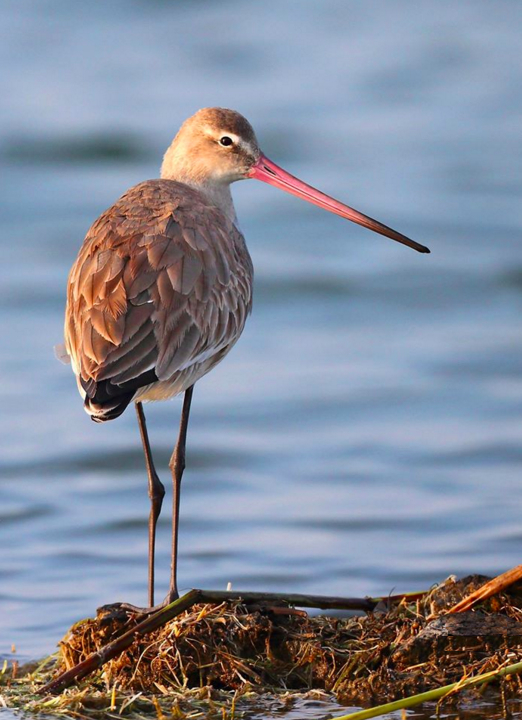
Jamnagar, Gujarat
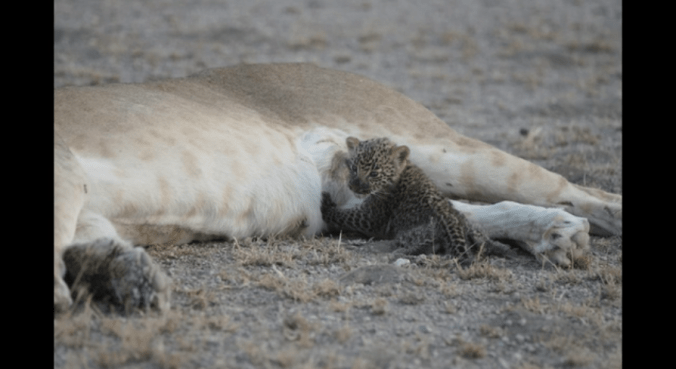
©JOOP VAN DER LINDE/NDUTU LODGE
The more time we spend at Chan Chich Lodge the more we see the seasonality of birth patterns in the wild. There clearly seems to be a “baby season”, that starts with the cats and moves down the food chain to their mammalian prey, as well as birds. Although no photo captures, several jaguar cubs were sighted earlier in the year, followed by dozens of fawns and baby collared peccary. Even the Gallon Jug Farm has welcomed 4 baby horses to the fold, with a fifth on the way…but we’ll talk about that another day.
This unusual news from Panthera.org, an important Big Cat Conservation NGO who uses our 30,000 acres as part of their Jaguar Corridor research, perhaps makes a little bit of sense within the context of those patterns.
We thank Susie Weller Sheppard for sharing these field notes.
Earlier this week, Panthera President and Chief Conservation Officer Dr. Luke Hunter received photos from our partners at KopeLion with some astonishing content: the first-ever evidence of a wild lioness nursing a leopard cub.
Taken on Tuesday by a Ndutu Lodge guest in Tanzania’s Ngorongoro Conservation Area, the images show a 5-year-old lioness, known locally as ‘Nosikitok,’ suckling a leopard cub estimated to be just 3 weeks old. Continue reading

NASA Blue Marble imagery
Thanks to the New York Times for a graphic illustrating the scale of change, aka consequences, related to global warming:
An Iceberg the Size of Delaware Just Broke Away From Antarctica
A chunk of floating ice that weighs more than a trillion metric tons broke away from the Antarctic Peninsula, producing one of the largest icebergs ever recorded and providing a glimpse of how the Antarctic ice sheet might ultimately start to fall apart. Continue reading

Western Ghats, India
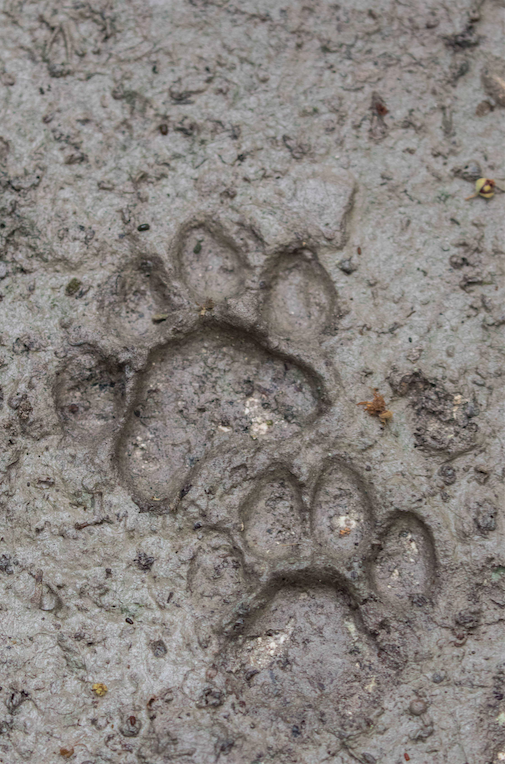 Today marks the birthday noted here, and I have just read another excellent essay marking the occasion. It happens to coincide with receiving a couple of excellent photographs from Richard Kostecke, a recent guest of Chan Chich Lodge who will soon be a contributor to this site. I’m confident the birthday celebrant would appreciate both the photos and the person. I am mixing things up a bit by sharing these photos with the essay, but I hope the point will be well taken:
Six years before he moved to Walden Pond in 1845 to ponder life and live deliberately, Henry David Thoreau spent two weeks canoeing rivers in Massachusetts and New Hampshire. The voyage was an epiphany for him. Continue reading
We have mentioned Meg more than once since we met her a few years ago, because our interests are aligned. Thanks to this public radio station for reminding me that Meg is due for a visit to Belize (I say wishfully) for a 20-years later discovery trip, and we will be happy to see her at Chan Chich Lodge when the time comes:
For over 30 years, Dr. Meg Lowman –Canopy Meg, has designed hot-air balloons and walkways for treetop exploration to solve mysteries in the world’s forests, especially insect pests and ecosystem health. Meg is affectionately called the mother Continue reading

Queensland, Australia
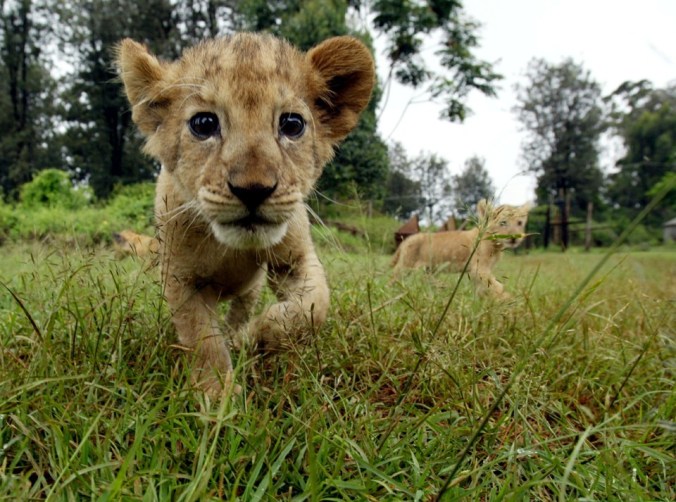
Lion cubs in Kenya. Radu Sigheti / Reuters
At Chan Chich Lodge we are aware that the half million acres of forest surrounding us are essential habitat not just for the specific jaguars, pumas, ocelots, margays and jaguarundis we have the good fortune to see with some frequency. Rather, that scale of acreage is essential for species survival. We are in a large forest corridor that is increasingly rare and unfortunately fragile in other locations throughout the Americas where they still exist. We do what we do with that in mind. Thanks to Ed Yong, at the Atlantic, for this context on extinction:
Imagine if every animal and plant on the planet collapsed into a single population each, says ecologist Gerardo Ceballos. If lions disappeared except from one small corner of Kenya, the prey they keep in check would run amok everywhere else. If sparrows were no more except in one Dutch forest, the seeds that sparrows disperse would stay in place everywhere else. If honeybees became isolated to one American meadow, the flowers that they pollinate would fail to reproduce everywhere else. None of those species would be extinct per se, “but we’d still be in very bad shape,” says Ceballos. Continue reading

Puthu Vypin Beach, Cochin, Kerala
We recently encountered Parley for the Oceans when Doug Aitken’s water pavilion installation came onto our radar.
Both the collaborative ethos and the focus of the cause are dear to our hearts.
Parley is the Space Where Creators, Thinkers, and Leaders come together to raise awareness for the beauty and fragility of our oceans and collaborate on projects that can end their destruction.
Parley for the Oceans addresses major threats towards our oceans, the most important ecosystem of our planet.
We believe the power for change lies in the hands of the consumer – given he has a choice – and the power to shape this new consumer mindset lies in the hands of the creative industries.
Artists, musicians, actors, filmmakers, fashion designers, journalists, architects, product inventors, and scientists have the tools to mold the reality we live in and to develop alternative business models and ecologically sensible products to give us earthlings an alternative choice, an everyday option to change something.
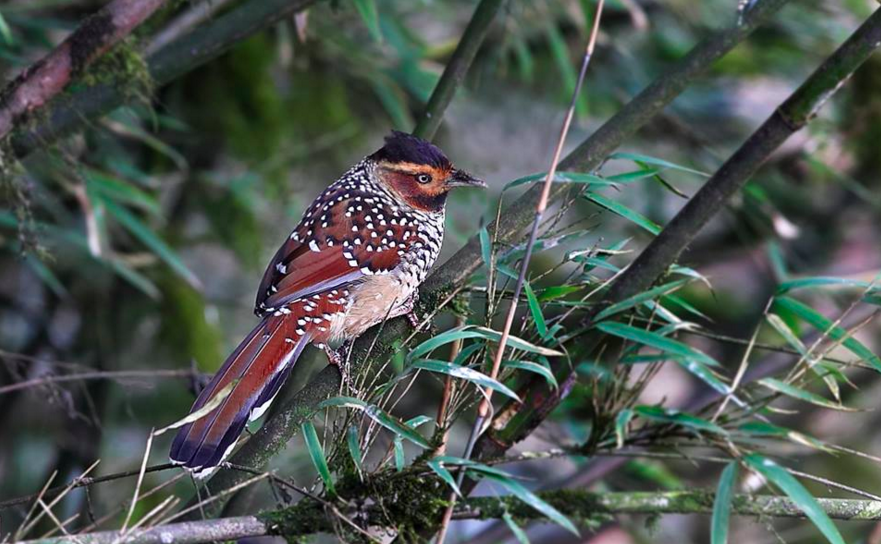
Tumling, Nepal
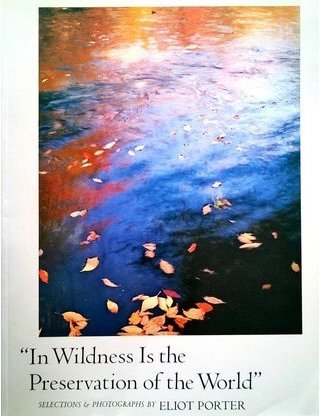 This book to the left, first published the year I was born, was always on the coffee table in the home I grew up in. I have mentioned a high school exposure to Walden–the writing, the place, the idea–and I have been thinking about that recently as I ponder Chan Chich Lodge’s own little aquatic wonder. Thinking, of course, while walking, frequently encountering living relics of prehistoric wildness on those walks. Douglas Brinkley’s tribute to the legacy of Thoreau–the walker, thinker, writer, conservationist–as we approach the bicentennial of his birth a few days from now, is perfectly timed: Continue reading
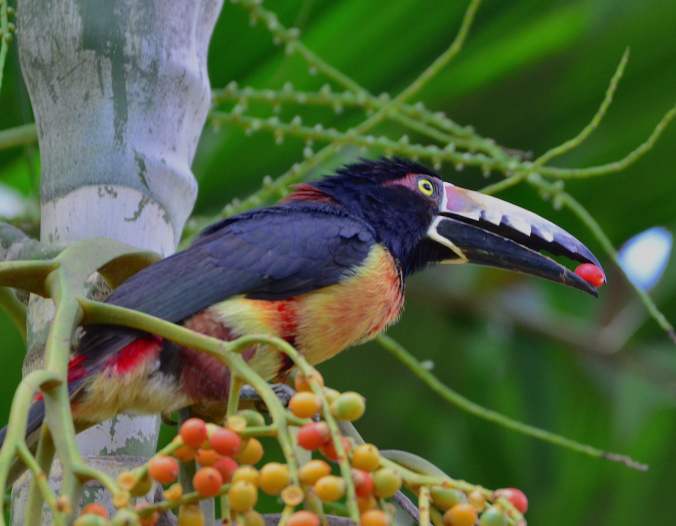
Gallon Jug Estate, Belize
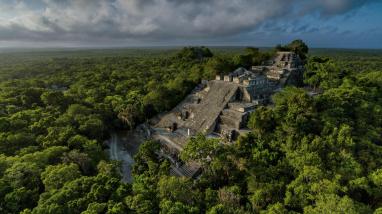
CALAKMUL In the seventh century A.D. the Snake rulers presided over this capital city—in what today is southern Mexico—and its largest structure, a pyramid 180 feet tall. From Calakmul they managed an intricate web of alliances. CONSEJO NACIONAL PARA LA CULTURA Y LAS ARTES (CONACULTA), INSTITUTO NACIONAL DE ANTROPOLOGÍA E HISTORIA (INAH), MEXICO
Discoveries in the lands once populated by the Maya continue apace. As Chan Chich Lodge completes three decades of archeological exploration, the wonders of three millennia are uncovered. The stories that capture my interest the most, related to the Maya, are about the man-nature relationship.
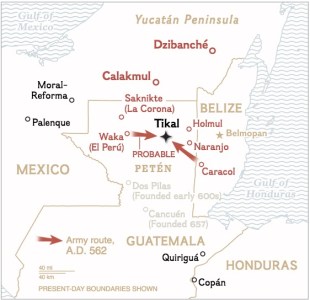
JEROME COOKSON, NG STAFF
SOURCE: DAVID FREIDEL, WASHINGTON UNIVERSITY IN ST. LOUIS
For example, Erik Vance’s story from last year. I remember thinking that it was the best article I had ever read in National Geographic. Partly, the graphics are better, if that is possible, than the typically excellent quality the magazine is known for. Also, the topic is more topical for me now. Chan Chich Lodge is situated exactly where the o in Holmul is on the map to the left. The lodge’s Maya foundations are situated at the periphery of where the snake kings once ruled.
And we now have an ethnobotanical initiative linking Maya foodways to our surrounding nature conservation. That initiative is linked to the lodge’s food program, with some high expectations related to our abundant forests. But mainly, with regard to this article, the writing illuminating the topic is excellent:
…Two warring city-states were locked in perennial conflict, grappling for supremacy. For a brief period one of those city-states prevailed and became the closest thing to an empire in Maya history. It was ruled by the Snake kings of the Kaanul dynasty, which until just a few decades ago no one even knew existed. Thanks to sites around this city-state, including Holmul, archaeologists are now piecing together the story of the Snake kings…
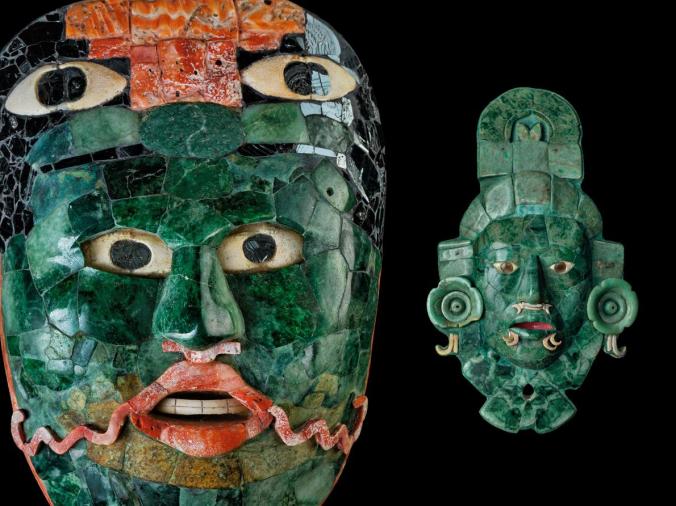
Masks from the tombs at Calakmul were meant to ease the passage of the Snake elite into the next world. Royal visages made of green jade, more valuable than gold to the ancient Maya, evoked the annual agricultural cycle and regeneration. CONACULTA, INAH, MEXICO (BOTH) PHOTOGRAPHED AT (LEFT TO RIGHT): NATIONAL PALACE, MEXICO CITY; MUSEO DE SITIO DE COMALCALCO, MEXICO
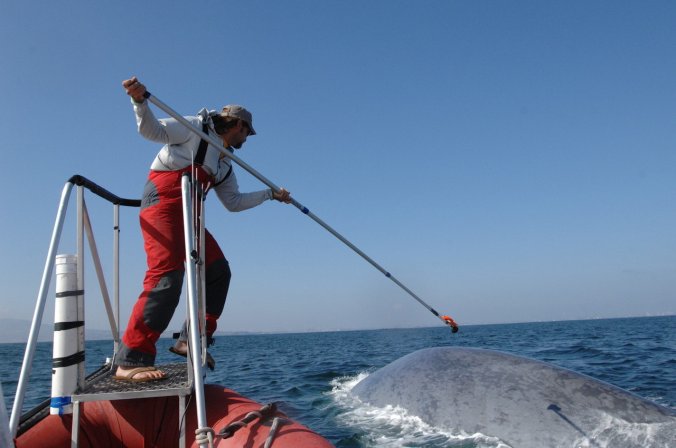
Ari Friedlaender, a marine ecologist at Oregon State University, deploying a multi-sensor tag on a blue whale off the California coast. Credit Jeremy Goldbogen
Camera traps, in the interest of science, and of conservation, are no longer a novelty. The story accompanying the photo above is new, for us. At first glance it looks like an act of aggression, which the history of whaling has taught us to expect. But this story has a much better outcome than the old obsessions:
How to Attach a Video Camera to a Humpback Whale
This is how you put a video camera on a whale.
Hop into an inflatable boat and head out to where they’re feeding. Stand in a pulpit with a 20-some-foot pole in your hands. Then watch and wait until you spot a whale. Plan your angle of approach with the driver of the boat. (Never approach directly from behind). Get close. Get closer. Get within 16 feet of this sea giant — which is more than twice the size of your boat if it’s a humpback — and as soon as it surfaces, tap the whale on its wet tire of a back with the pole. If you’re lucky, the detachable suction-cup on the end of the pole — which has a camera and sensors — will stick. Continue reading
Jamnagar, Gujarat

A rare ‘pale tiger’ discovered in the wilds of Tamil Nadu state in India. Photograph: Nilanjan Ray
We have heard and read plenty about pale ale, which is often associated with India, but this is the first we are hearing of a pale tiger, in India or elsewhere:
Exceptionally rare ‘pale tiger’ photographed in the wild
Animal spotted by photographer in jungles of southern India may be the fairest known tiger living outside captivity
A rare “pale tiger”, whose fur conservationists say could be the fairest of any in the wild, has been photographed in southern India. Continue reading
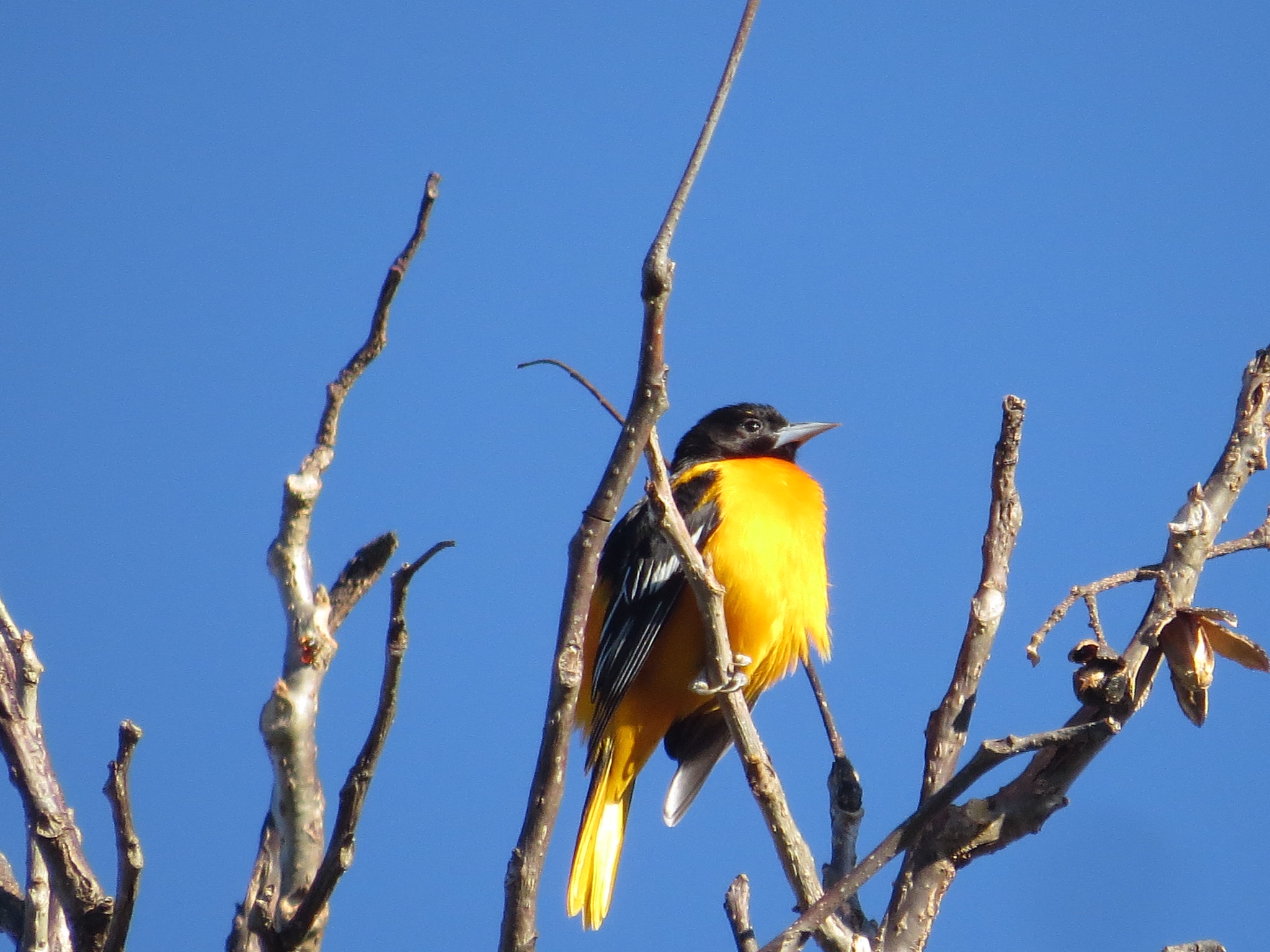
male – Tacacori, Costa Rica
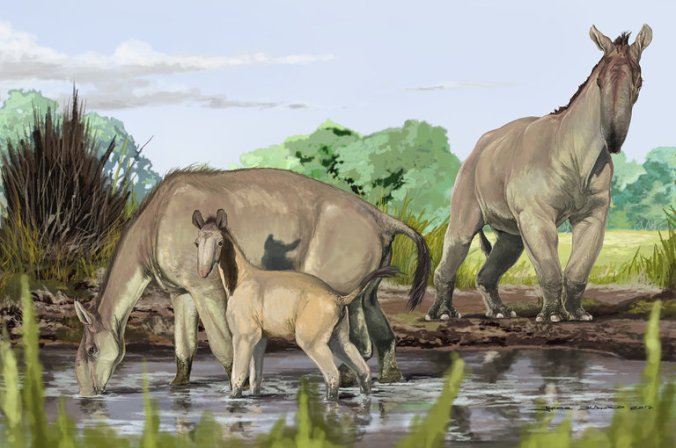
Fossils of Macrauchenia patachonica, as depicted in this artist’s reconstruction, baffled Darwin. The odd mammals disappeared about 12,000 years ago. Credit Jorge Blanco
I am sure I remember seeing these in my childhood collection of books with pictures of prehistoric creatures. Like many boys, the saber-tooth tiger was a favorite, which may explain my preoccupation with the big cats at Chan Chich Lodge. When you favor cats, you get to know their diet, so creatures like these in the image above were also among those I was fascinated by, which would explain why the tapir I have seen in the forests surrounding Chan Chich are among my lifetime favorite wild animal sightings. Thanks to Steph Yin for this story:
Strange Mammals That Stumped Darwin Finally Find a Home
It looked like many different animals and, at the same time, like no other animal at all.
From afar, you might think it was a large, humpless camel. Tall, stout legs ending in rhino feet carried a body weight potentially equal to that of a small car. Its neck stretched like a giraffe’s before giving way to a face resembling a saiga antelope’s. From this face extended a fleshy protuberance, similar to a mini elephant trunk or a tapir’s proboscis. Continue reading
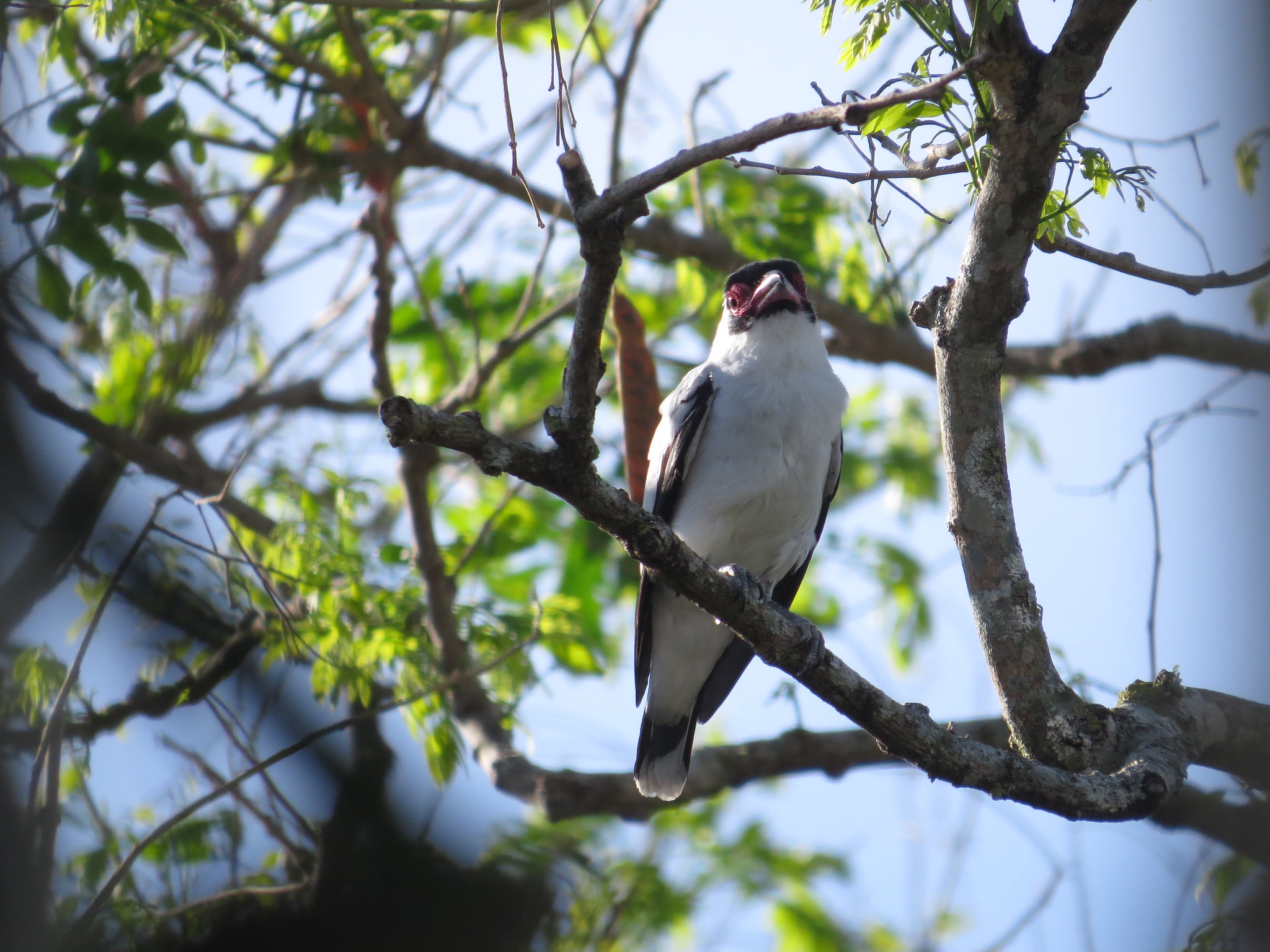
 Organikos