Maps, Walking & Health

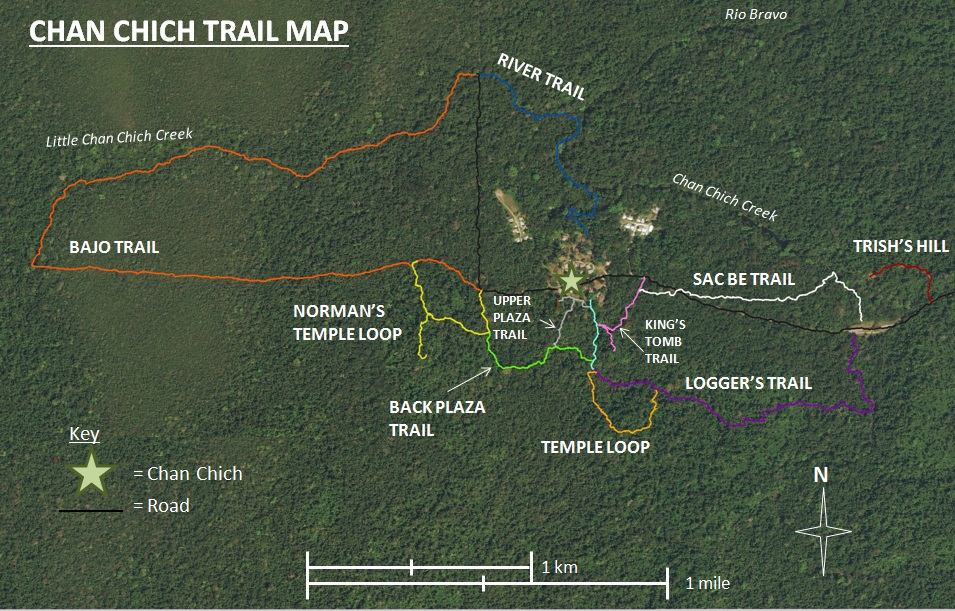
Emily has been reworking the maps for nine miles of walking trails surrounding Chan Chich Lodge. On a typical day I walk 45 minutes at dawn, and 45 minutes at dusk and I have tended to stay on the same trail for the last year. Now I am looking forward to the various loops I had not yet wandered onto, and checking the maps. I tend to believe in the link between nature and health, and especially when walking is involved the benefits are a broader form of wellbeing. Gretchen Reynolds, writing the Phys Ed column for the New York Times has this to say:

For Exercise, Nothing Like the Great Outdoors

Long walks can improve moods and reduce anxiety, but the benefits may be greatest if the walks take place outdoors rather than in a gym, according to a new study by researchers in Austria. And while the Alps may be a particularly fine place to hike, a vigorous walk in the woods or paths near home may provide the mental boost we need to keep us moving.

We all know, by now, that for optimal health, we need to move. Continue reading
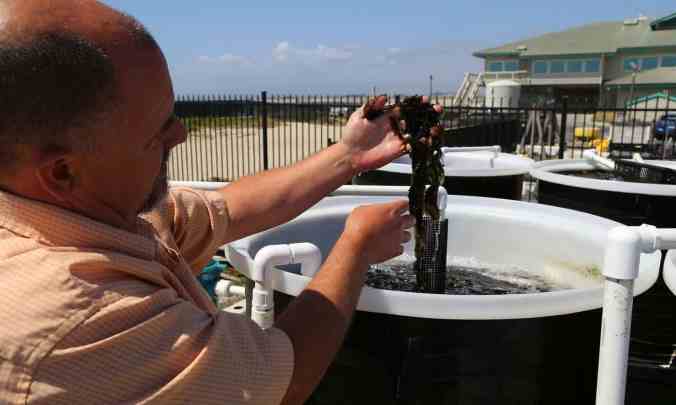
Entrepreneurial Conservation Through Seaweed Farming

1600.jpg

Michael Graham at his seaweed farm in Monterey Bay. ‘This is like a backyard farm where you can sell your goods at a farmer’s market.’ Photograph: Katie Fehrenbacher

Bayer, Bees Beware

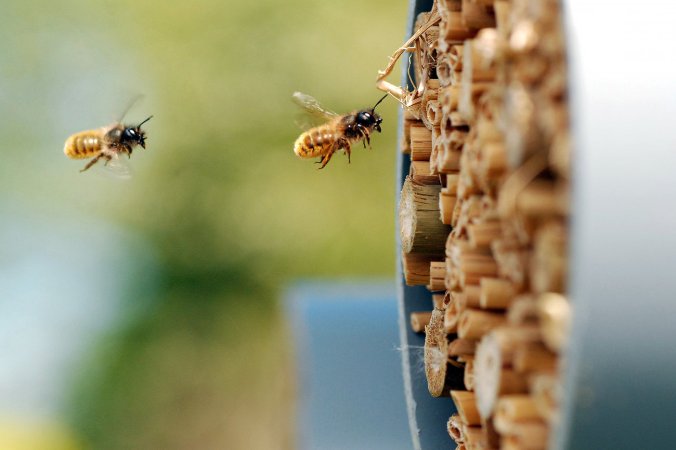
lucyhulmes_osmiabicornis-rufa_dsc_0165_custom-d84c4a4f48bda66e294b71b7c4601fffd31e43f7-s1300-c85.jpg

Researchers monitored the health of these wild bees, from the species Osmia bicornis. They nest inside small cavities, such as hollow reeds. Courtesy of Centre for Ecology & Hydrology

Thanks to National Public Radio’s special forces, aka the salt, for their ongoing search for interesting news and stories related to the intersection of nature and food:

Pesticides Are Harming Bees — But Not Everywhere, Major New Study Shows

In the global debate over neonicotinoid pesticides, the company that makes most of them has relied on one primary argument to defend its product: The evidence that these chemicals, commonly called “neonics,” are harmful to bees has been gathered in artificial conditions, force-feeding bees in the laboratory, rather than in the real world of farm fields. That company, Bayer, states on its website that “no adverse effects to bee colonies were ever observed in field studies at field-realistic exposure conditions.” Continue reading

Beware, Brazil

4368

Thanks as always to the Guardian for coverage of environmental crises in the making:

The Amazon’s new danger: Brazil sets sights on palm oil

Brazil’s ambition to become a palm oil giant could have devastating social and environmental impacts if the move is not carefully managed, say experts Continue reading

Birds Banging On Drums

29tb-cockatoos01-superJumbo.jpg

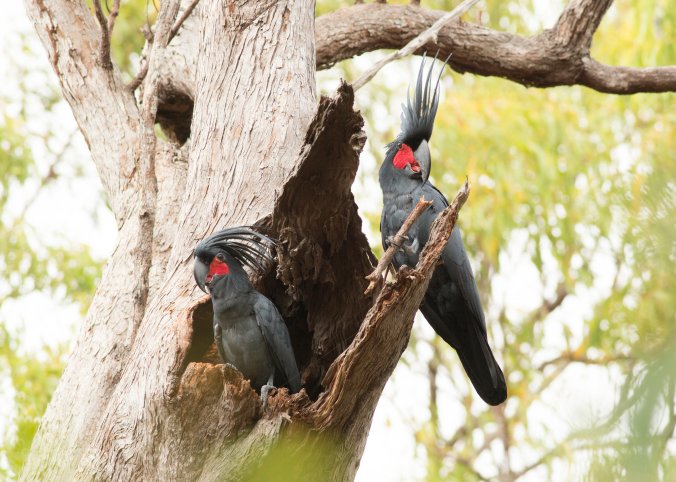
A male palm cockatoo, right, drumming with a stick for a female. Credit Christina Zdenek

Todd Rundgren, a musical talent better known to an earlier generation, had an oddball hit song about banging on drums. It came to mind immediately when reading this oddball story about cockatoos. If you do not already know the song, you might want to find it to accompany your reading of this story:

Whales and songbirds produce sounds resembling human music, and chimpanzees and crows use tools. But only one nonhuman animal is known to marry these two skills.

Palm cockatoos from northern Australia modify sticks and pods and use them to drum regular rhythms, according to new research published in Science Advances on Wednesday. In most cases, males drop beats in the presence of females, suggesting they perform the skill to show off to mates. The birds even have their own signature cadences, not unlike human musicians. Continue reading

Adapting to Change

The jungle is constantly changing. Large mammals break through low growing plants, fungi break down fallen material, and birds, insects, and monkeys are constantly roaming about the canopy.

The most recent edition of the Chan Chich trail map was produced in 2006. However, since then, the wildlife has continued to go about its business making small modifications to the landscape over the past eleven years. Not to mention, the occasional tree fall from storm interrupting the balance. As a result, because of the organic, unpredictable movement of nature, this map isn’t as accurate as it was a decade ago. Now, Alana and I undertaking the task of updating the maps to reflect how the trails look now.

Continue reading

Deleting Uber

Uber.jpgShame on me for waiting until today to finally do it. I started hearing one year ago from friends and family about why they had decided to stop using Uber. But Uber was just then ramping up in Kerala, India and I found it compelling enough to abandon car ownership. When I saw the details recently on what a creep Uber’s founder and largest shareholder is, that should have been enough. But, it was this article that finally compelled me. Thanks to the New York Times reporter Kevin Roose for the perspective:
As Uber Stumbles, Lyft Sees an Opening, and Bites Its Tongue

It has been a rough, scandal-filled year for Uber. But don’t expect John Zimmer, Lyft’s president, to gloat about his competitor’s misfortunes. Continue reading

A Metric For Reinvention

Edge.jpg

Click above for 26 minutes of intelligent contemplation. Neuroscience meets environmentalism. He was a New York Times science writer, then the author of one of the most influential nonfiction books of recent decades. Now, he is the gift that keeps on giving:

Daniel Goleman

One way a systems perspective could help with the environmental crisis is through understanding that we have a very narrow range of affordances, the choices presented to us. Continue reading

Nature Needs More Good Ideas

5000d.jpg

There is no known vaccine against temptation to harness nature. There is not enough nature left on the planet to allow this temptation to spread. But bad ideas are infectious:

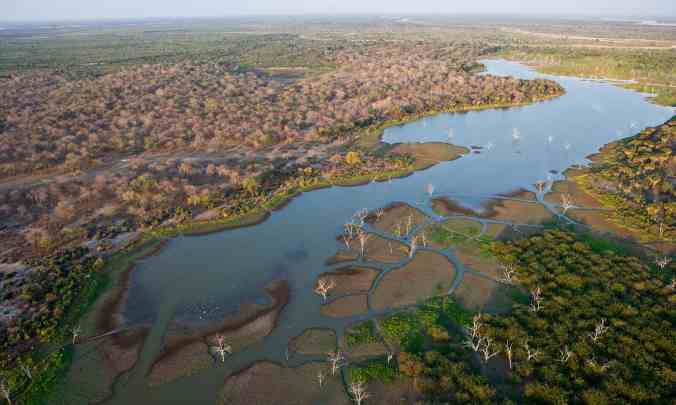
Tanzania presses on with hydroelectric dam on vast game reserve

Stiegler Gorge dam on the Selous park, a world heritage site listed as ‘in danger’, will cause irreversible damage, say conservationists Continue reading

The Greatest Idea, Dumbed Down

1800

The Majestic Yosemite Hotel in Yosemite National Park. The facility had to be rebranded after a private concessionaire trademarked the previous name and common phrases like “Yosemite National Park.” Photograph: Handout

We have seen this movie before. It does not end well:

As Trump moves to privatize America’s national parks, visitor costs may rise

Some are concerned that the proposed privatization of some public park services would drive up costs for visitors and fail to raise enough for repairs Continue reading

Mangrove Mathematics

Mangroves play an essential role in maintaining healthy life on earth, and we’ve been privileged to work in many locations where we’ve seen their impact on biodiversity levels first-hand, including India.

Frequently these ecosystems are under threat of habitat loss, whether for agricultural or land development. Thanks again to Anthropocene for adding up the facts in such clear terms.

Intact mangroves worth twice as much as rice paddies

Conservationists frequently say that ecosystems are worth more when they’re left untouched. But to whom? Local communities who could potentially farm the land might wonder, what’s the real benefit of leaving wild areas intact?

In the Bhitarkanika mangrove in Odisha, India, a group of Indian researchers grappling with this question have arrived at a surprising answer. By leaving the mangrove intact, they say, Bhitarkanika’s surrounding communities can in fact reap almost double the economic benefits they’d get from simply converting the mangrove to crops. Continue reading

Mobula Rays Jumping Again

Back in August, I shared a short video of this behavior that didn’t do the phenomenon justice. Now, with a couple months of filming opportunities behind me, I’ve been able to put together a much more satisfying compilation of jumping behavior footage:

My previous video of mobula rays jumping Continue reading

Egg Evolution

lead_960 (9).jpg

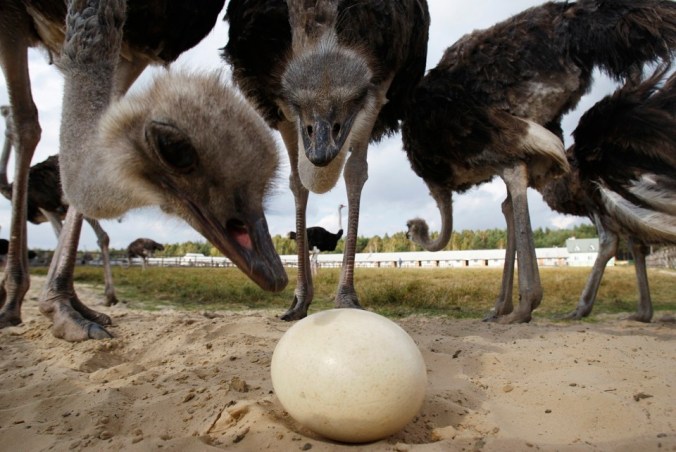
Egg-scuse me?

Thanks as always to Ed Yong:

Why Are Bird Eggs Egg-Shaped? An Eggsplainer

A new study points to a surprising reason for the varied shape of bird eggs—and shows that most eggs aren’t actually egg-shaped. Continue reading