Tradition and Memory, Handed Down Stitch by Stitch

If you happen to be anywhere near the Philadelphia Museum of Art, you have a few more days to visit this extraordinary exhibit of Phulkari: The Embroidered Textiles of Punjab.

Thanks to Architectural Digest contributor Medhavi Gandhi for this informative and culturally sensitive article.

Philadelphia Museum of Art showcases the history of Punjab’s rich embroidery craft through ‘Phulkari’

Phulkaris, which literally translates into ‘flower work’, is a unique style or technique of embroidery peculiar to Punjab, and today constitute the lavishly embroidered head scarves and shawls crafted in the region. ‘Phulkari: The Embroidered Textiles of Punjab’ presents phulkaris from the collection of Jill and Sheldon Bonovitz alongside the Philadelphia Museum of Art’s permanent collection, focusing mostly on embroideries from a pre-partitioned Punjab.

The threads of phulkari have since endured much: partition, industrial reforms, changing economic and fashion trends, and the exhibition aptly helps you develop a perspective around all these.

GEOGRAPHICAL INDEXING
Curators Dr. Cristin McKnight Sethi and Dr. Darielle Mason position the craft as art, presenting phulkaris through the historical and cultural lens, thus offering a renewed contact with the old way of life; ceasing to be a commodity of high commercial value but more as a window into the lives of people.

In a brief issued by the Museum, Timothy Rub, The George D. Widener Director and CEO of the Philadelphia Museum of Art, said: “This exhibition, which examines the artistic, cultural, and political significance of phulkari, is long overdue and will certainly delight visitors who may be unfamiliar with this remarkable art form”. I couldn’t agree more, and here’s why: Continue reading
Blue New Worlds

As a company we have a long interest with the concept of non-permanent Art Installations .  Installed off the coast of Catalina Island, California, these particular interactive underwater sculptures were a collaboration with artist Doug Aitken , the Museum of Contemporary Art, Los Angeles (MOCA) and Parley for the Oceans.

Due to the temporary nature of the installations, they’re no longer in place but will reopen to the public soon, at a new location, in a new ocean.

Underwater Pavilions is artist Doug Aitken’s large-scale installation and collaboration with Parley consisting of three temporary sculptures submerged beneath the water’s surface. As a symbol and catalyst for the Parley Deep Space Program, the sculptures provide a portal into the marine realm that swimmers, snorkelers, and scuba divers can swim through and experience. Continue reading

Rich Versus Ostentatious

1487266642.jpg

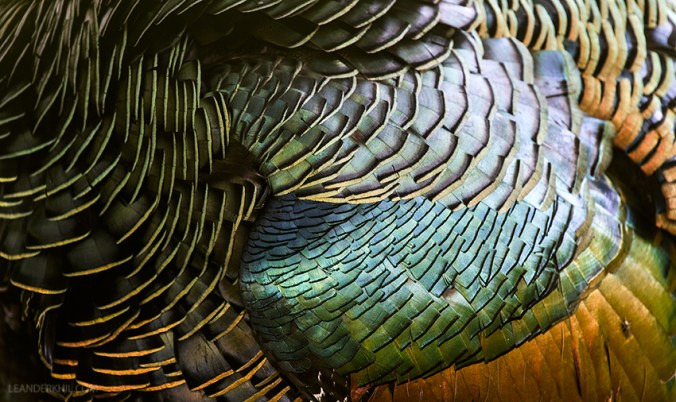
Ocellated turkey / Pfauentruthuhn (Meleagris ocellata) | Detail of the side of a male individual.

I am not even a novice birder, which is strange considering that my work is primarily dedicated to birders. But birds are well placed in the pantheon of natural wonders that I worship, and a photo that I just received from a recent guest of Chan Chich Lodge (a photo similar to the one above, which I have commented on before) helps explain why. During seven years in India, where the peacock is the national bird and so is in its natural habitat, I got accustomed to their ostentatious display.

Peacocks are often awkward animals, noisy and bumbly in places and at times (as when in the habitat of tigers) I have wished for silence. Those otherwise annoying behaviors are compensated for by their plumes. The colors in the image above, belonging to the ocellated turkey, are rich but only during mating would these birds ever be described as ostentatious. The more time I spend in Belize, and specifically at Chan Chich Lodge, the more I see the beauty in humble display of rich color.

Suddenly, Lyft

Lyft1.jpgWhen I decided to delete that app it was without hesitation. I wanted to avoid sanctimony, but the point of making a show of my resolve was a simple message, i.e. that manners matter. Even though that app had been extremely useful to me over the past year, it was not so useful that I could ignore its founder’s behavior once I finally paid attention.

So now I am paying attention, and need a new app. And where better to start looking? I liked the message of that story, for reasons akin to my boyhood preference for Bjorn Borg over John McEnroe. I believe in disruption and I believe in winning, but if one is going to develop new rules of the game, then they should definitely be better rules that lead to better behavior. Continue reading

Swamp Is Not A Bad Word

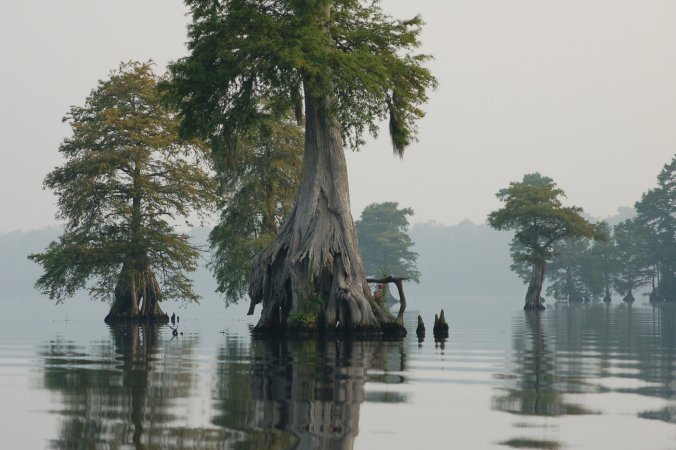
14847876920_3904caac90_o_slide-2a56f4c96e9fcd098def2965b202ed5806f00671-s1300-c85.jpg

The Great Dismal Swamp National Wildlife Refuge in North Carolina and Virginia has been dramatically altered over the past few centuries by human development. Rebecca Wynn/U.S. Fish and Wildlife Service

Thanks to Sarah McCammon at National Public Radio (USA) for this story:

“Drain the swamp” may be a popular political slogan, but it doesn’t always work so well in nature. Continue reading

Archaeology in Miniature

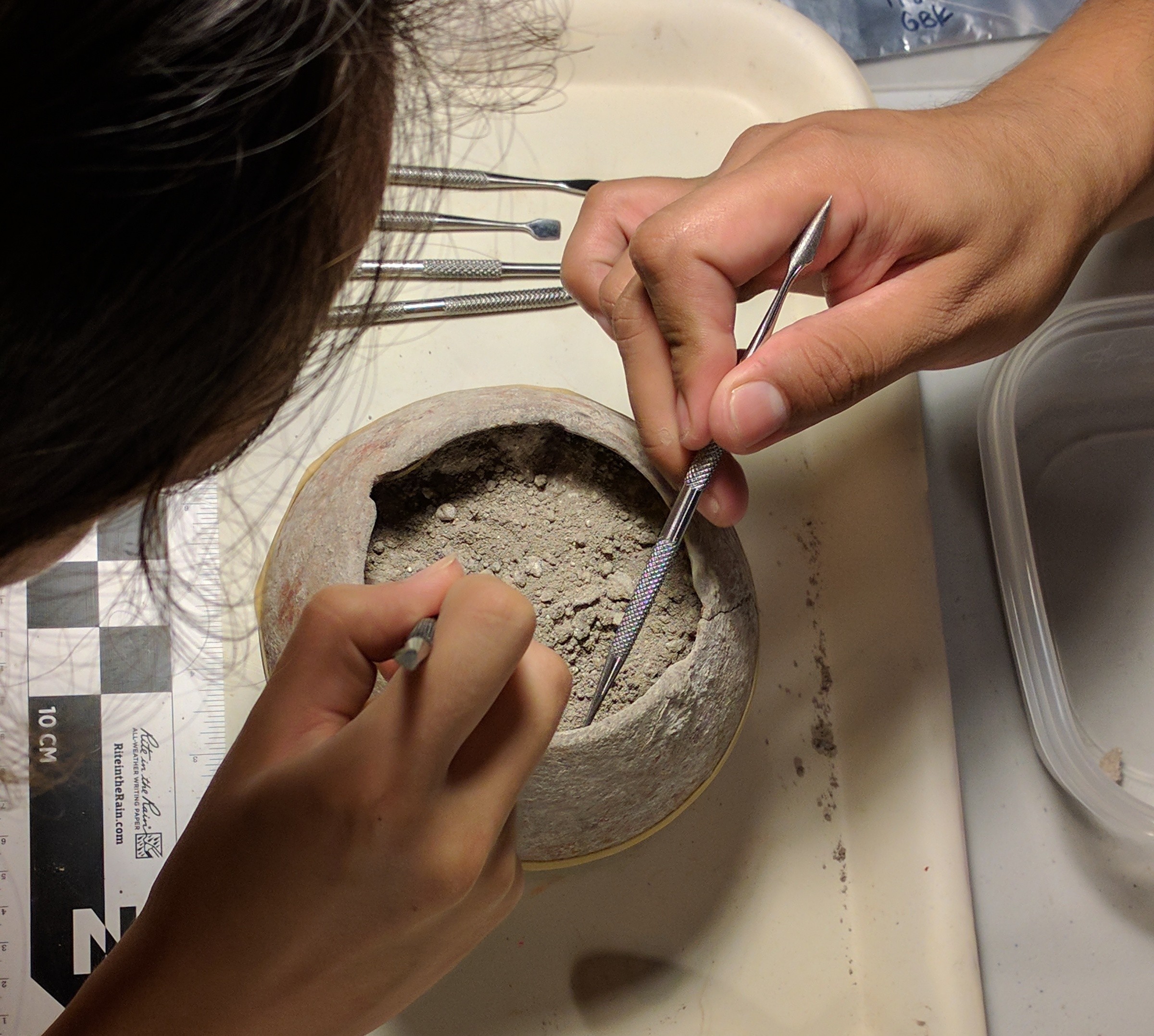
After spending a few days participating in the 2017 CCAP dig I went to visit the lab where the artifacts are cleaned, sorted and tagged. While Phil and I were doing the most basic work, Tomás and Mnemo were carefully cleaning out a burial pot that had been found in the chamber next to our new unit.

Using dental implements and small wooden sculpture tools, they were essentially repeating the process that we’d begun in our unit a few days earlier – carefully excavating the packed earth layer by layer – albeit in miniature. Continue reading

Maps, Walking & Health

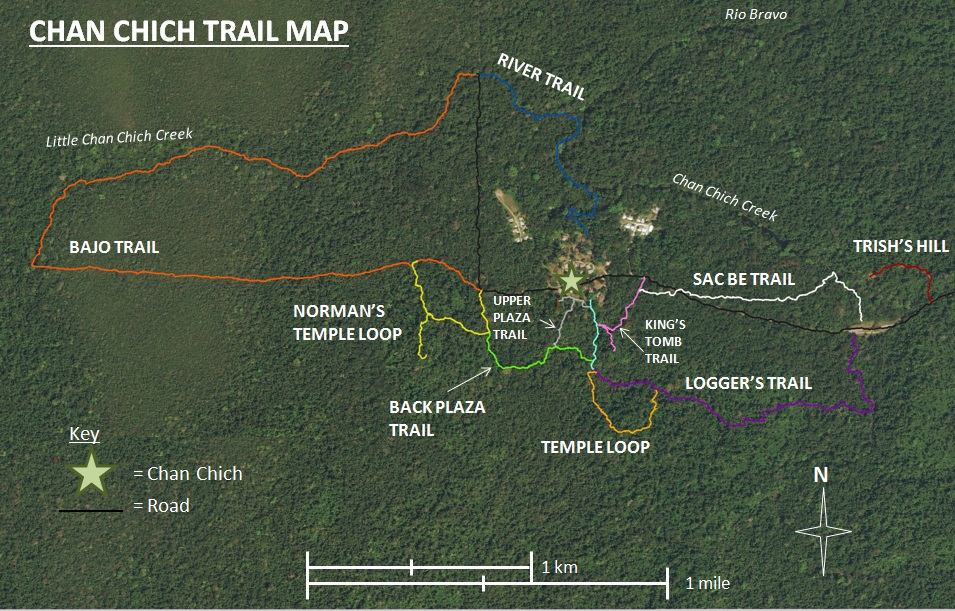
Emily has been reworking the maps for nine miles of walking trails surrounding Chan Chich Lodge. On a typical day I walk 45 minutes at dawn, and 45 minutes at dusk and I have tended to stay on the same trail for the last year. Now I am looking forward to the various loops I had not yet wandered onto, and checking the maps. I tend to believe in the link between nature and health, and especially when walking is involved the benefits are a broader form of wellbeing. Gretchen Reynolds, writing the Phys Ed column for the New York Times has this to say:

For Exercise, Nothing Like the Great Outdoors

Long walks can improve moods and reduce anxiety, but the benefits may be greatest if the walks take place outdoors rather than in a gym, according to a new study by researchers in Austria. And while the Alps may be a particularly fine place to hike, a vigorous walk in the woods or paths near home may provide the mental boost we need to keep us moving.

We all know, by now, that for optimal health, we need to move. Continue reading

Entrepreneurial Conservation Through Seaweed Farming

1600.jpg

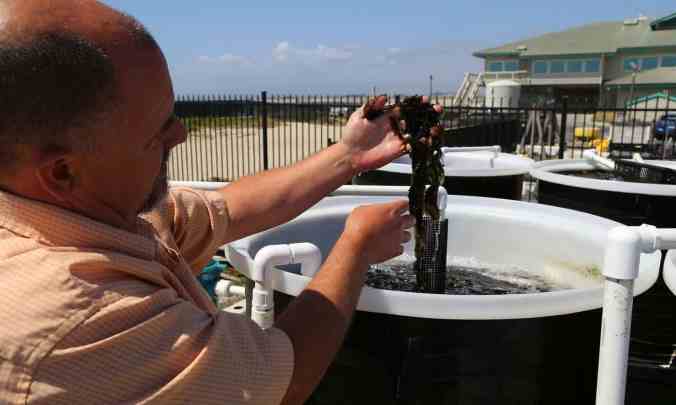
Michael Graham at his seaweed farm in Monterey Bay. ‘This is like a backyard farm where you can sell your goods at a farmer’s market.’ Photograph: Katie Fehrenbacher

Bayer, Bees Beware

lucyhulmes_osmiabicornis-rufa_dsc_0165_custom-d84c4a4f48bda66e294b71b7c4601fffd31e43f7-s1300-c85.jpg

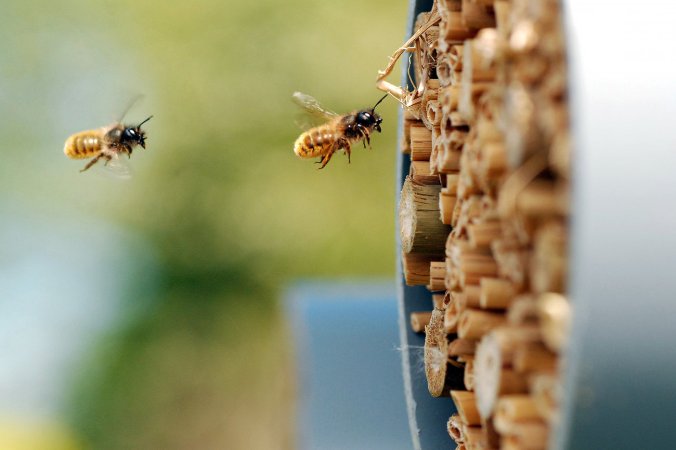
Researchers monitored the health of these wild bees, from the species Osmia bicornis. They nest inside small cavities, such as hollow reeds. Courtesy of Centre for Ecology & Hydrology

Thanks to National Public Radio’s special forces, aka the salt, for their ongoing search for interesting news and stories related to the intersection of nature and food:

Pesticides Are Harming Bees — But Not Everywhere, Major New Study Shows

In the global debate over neonicotinoid pesticides, the company that makes most of them has relied on one primary argument to defend its product: The evidence that these chemicals, commonly called “neonics,” are harmful to bees has been gathered in artificial conditions, force-feeding bees in the laboratory, rather than in the real world of farm fields. That company, Bayer, states on its website that “no adverse effects to bee colonies were ever observed in field studies at field-realistic exposure conditions.” Continue reading

Beware, Brazil

4368

Thanks as always to the Guardian for coverage of environmental crises in the making:

The Amazon’s new danger: Brazil sets sights on palm oil

Brazil’s ambition to become a palm oil giant could have devastating social and environmental impacts if the move is not carefully managed, say experts Continue reading

Birds Banging On Drums

29tb-cockatoos01-superJumbo.jpg

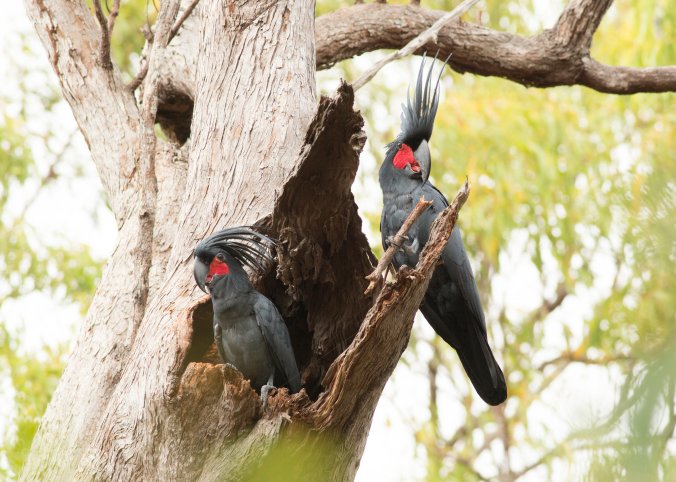
A male palm cockatoo, right, drumming with a stick for a female. Credit Christina Zdenek

Todd Rundgren, a musical talent better known to an earlier generation, had an oddball hit song about banging on drums. It came to mind immediately when reading this oddball story about cockatoos. If you do not already know the song, you might want to find it to accompany your reading of this story:

Whales and songbirds produce sounds resembling human music, and chimpanzees and crows use tools. But only one nonhuman animal is known to marry these two skills.

Palm cockatoos from northern Australia modify sticks and pods and use them to drum regular rhythms, according to new research published in Science Advances on Wednesday. In most cases, males drop beats in the presence of females, suggesting they perform the skill to show off to mates. The birds even have their own signature cadences, not unlike human musicians. Continue reading

Adapting to Change

The jungle is constantly changing. Large mammals break through low growing plants, fungi break down fallen material, and birds, insects, and monkeys are constantly roaming about the canopy.

The most recent edition of the Chan Chich trail map was produced in 2006. However, since then, the wildlife has continued to go about its business making small modifications to the landscape over the past eleven years. Not to mention, the occasional tree fall from storm interrupting the balance. As a result, because of the organic, unpredictable movement of nature, this map isn’t as accurate as it was a decade ago. Now, Alana and I undertaking the task of updating the maps to reflect how the trails look now.

Continue reading