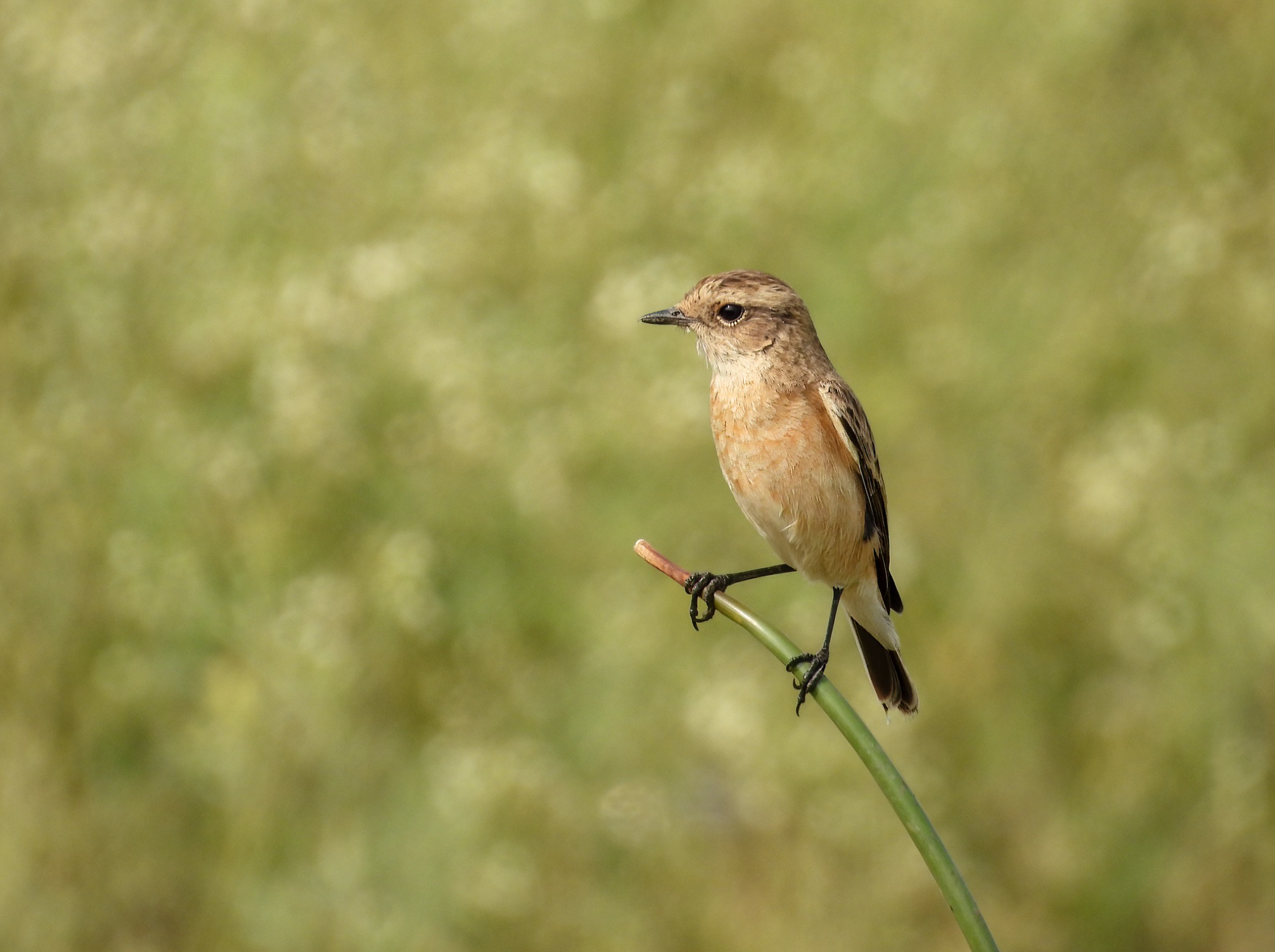
Hanchinal Lake, Bijapur
Hanchinal Lake, Bijapur
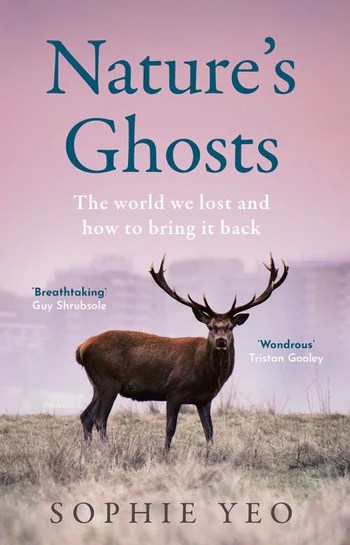 Thanks to Sophie Yeo, editor of Inkcap Journal and the author of this book to the right, for sharing that book’s key insights in essay form in the Guardian:
Nature’s ghosts: how reviving medieval farming offers wildlife an unexpected haven
Agriculture is often seen as the enemy of biodiversity, but in an excerpt from her new book Sophie Yeo explains how techniques from the middle ages allow plants and animals to flourish
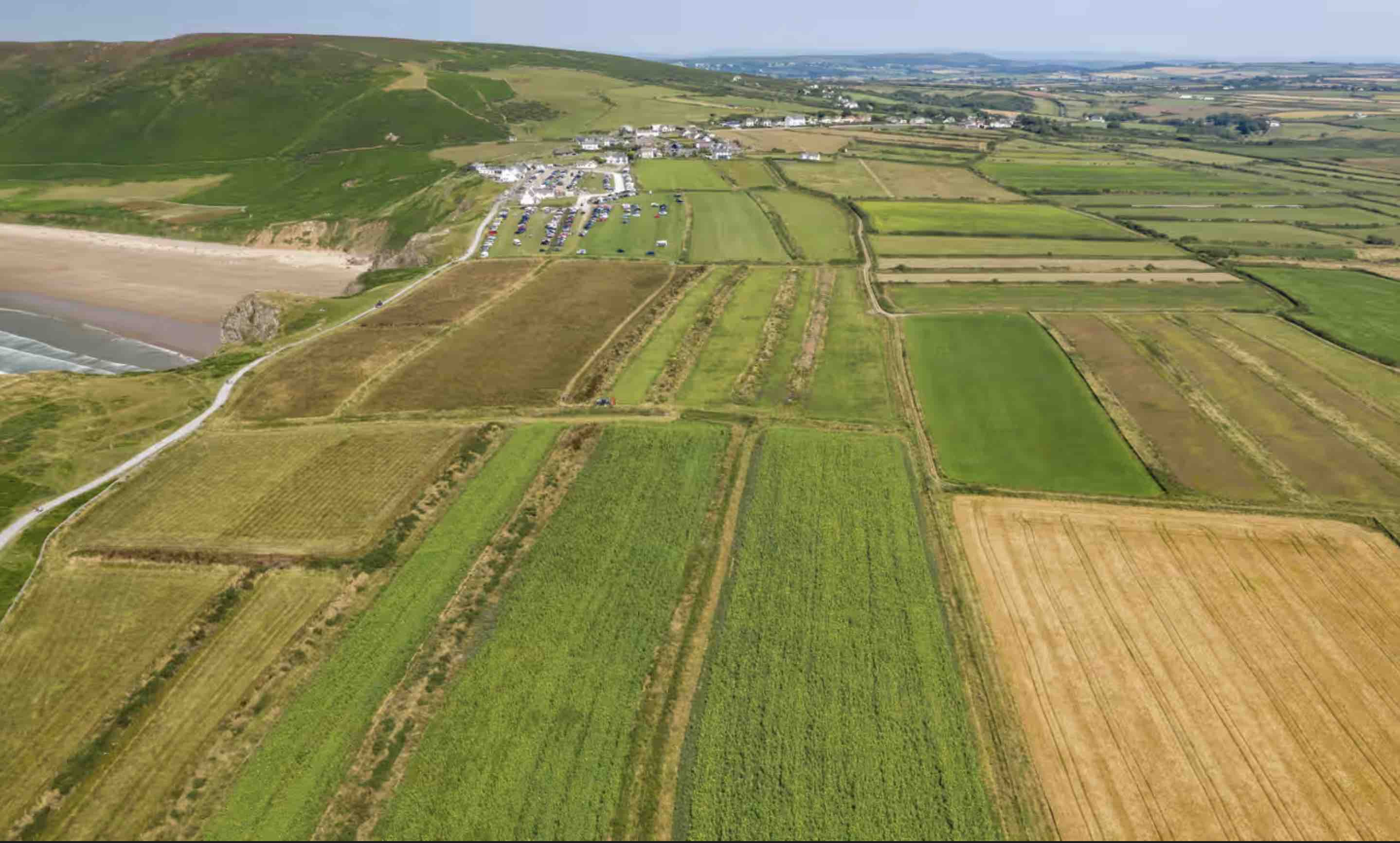
The Vile, a medieval strip field system below Rhossili village, Gower, Wales. Photograph: Wales/Alamy
The Vile clings on to the edge of the Gower peninsula. Its fields are lined up like strips of carpet, together leading to the edge of the cliff that drops into the sea. Each one is tiny, around 1-2 acres. From the sky, they look like airport runways, although this comparison would have seemed nonsensical to those who tended them for most of their existence.
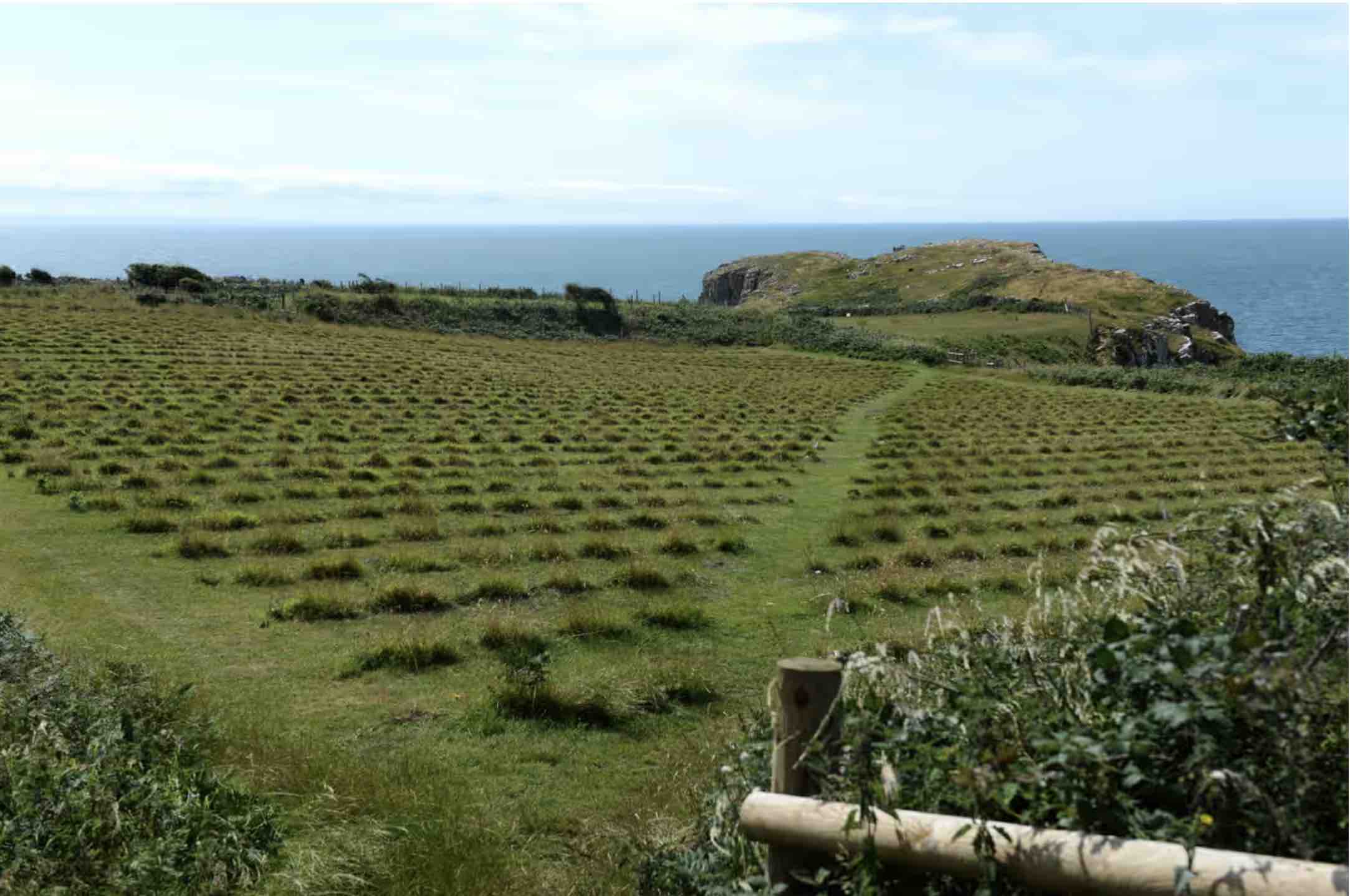
A field of lavender on the Vile above Fall bay, Rhossili, planted in summer 2019 to encourage pollinating insects. Photograph: Holden Wildlife/Alamy
That is because the Vile is special: a working example of how much of Britain would have been farmed during the middle ages. Farmers have most likely been trying to tame this promontory since before the Norman conquest.
The fields have retained their old names, speaking to a long history of struggle against the soil. Stoneyland. Sandyland. Bramble Bush. Mounds of soil known as “baulks” separate one strip from the next. Continue reading
Guatemala
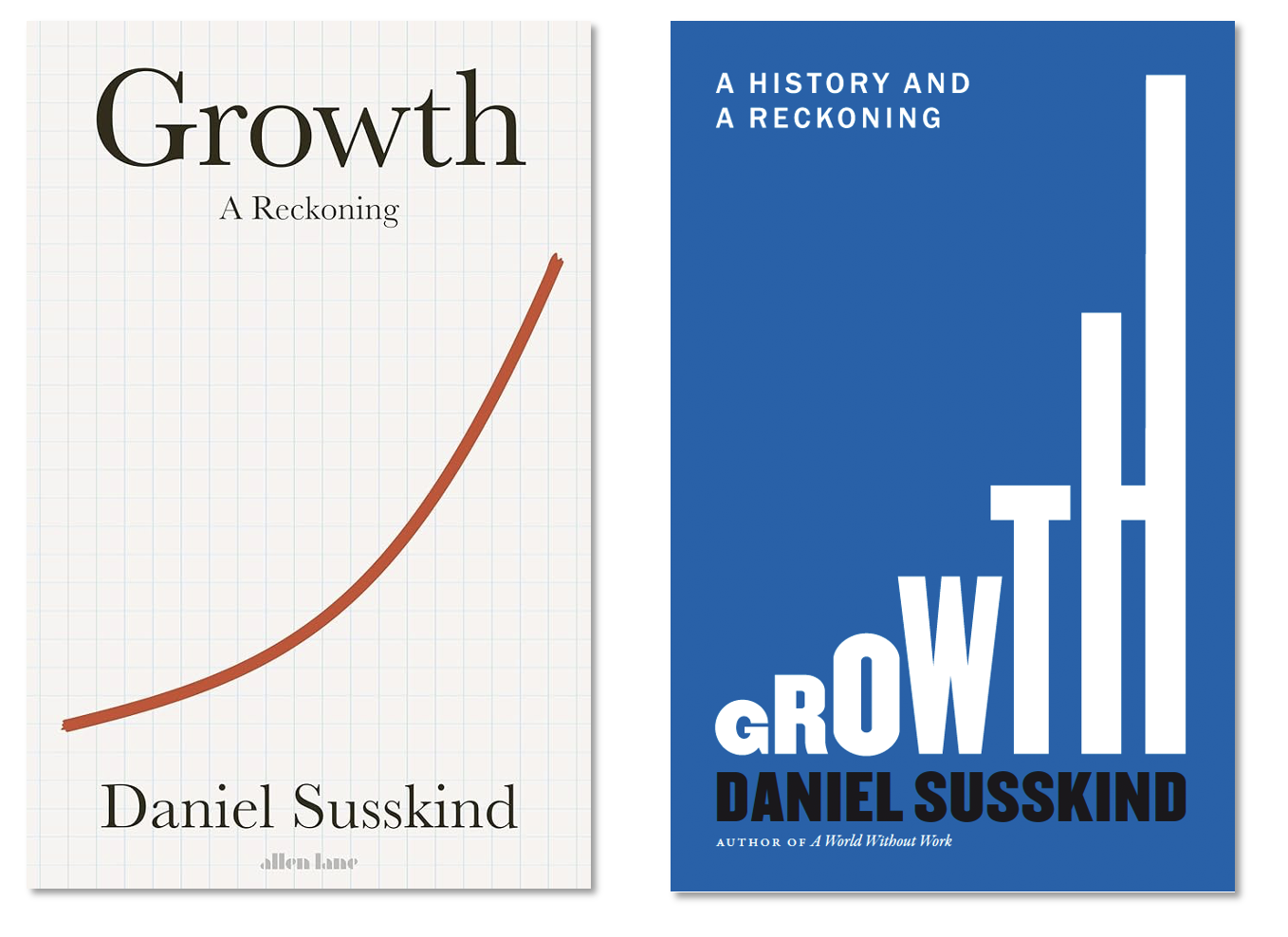
Idrees Kahloon is an excellent discussant on the Economist podcast, and reviews Daniel Susskind’s new book in the current issue of the New Yorker:
Capitalism, as it has been practiced throughout the past century, has brought with it plenty of problems; as with any engine, harnessing it properly requires controlling it properly.Illustration by Carl Godfrey; Source photographs from Alamy; Getty
The World Keeps Getting Richer. Some People Are Worried
To preserve humanity—and the planet—should we give up growth?
In April, 1968, a consequential meeting took place in the Villa Farnesina, a stately Roman home built for Pope Julius II’s treasurer and adorned with frescoes by Raphael. The conveners were Alexander King, a Scottish chemist who directed scientific affairs for the Organization for Economic Co-operation and Development, and Aurelio Peccei, an Italian industrialist who simultaneously held executive positions at the automaker Fiat, the typewriter manufacturer Olivetti, and a large consulting firm. Continue reading
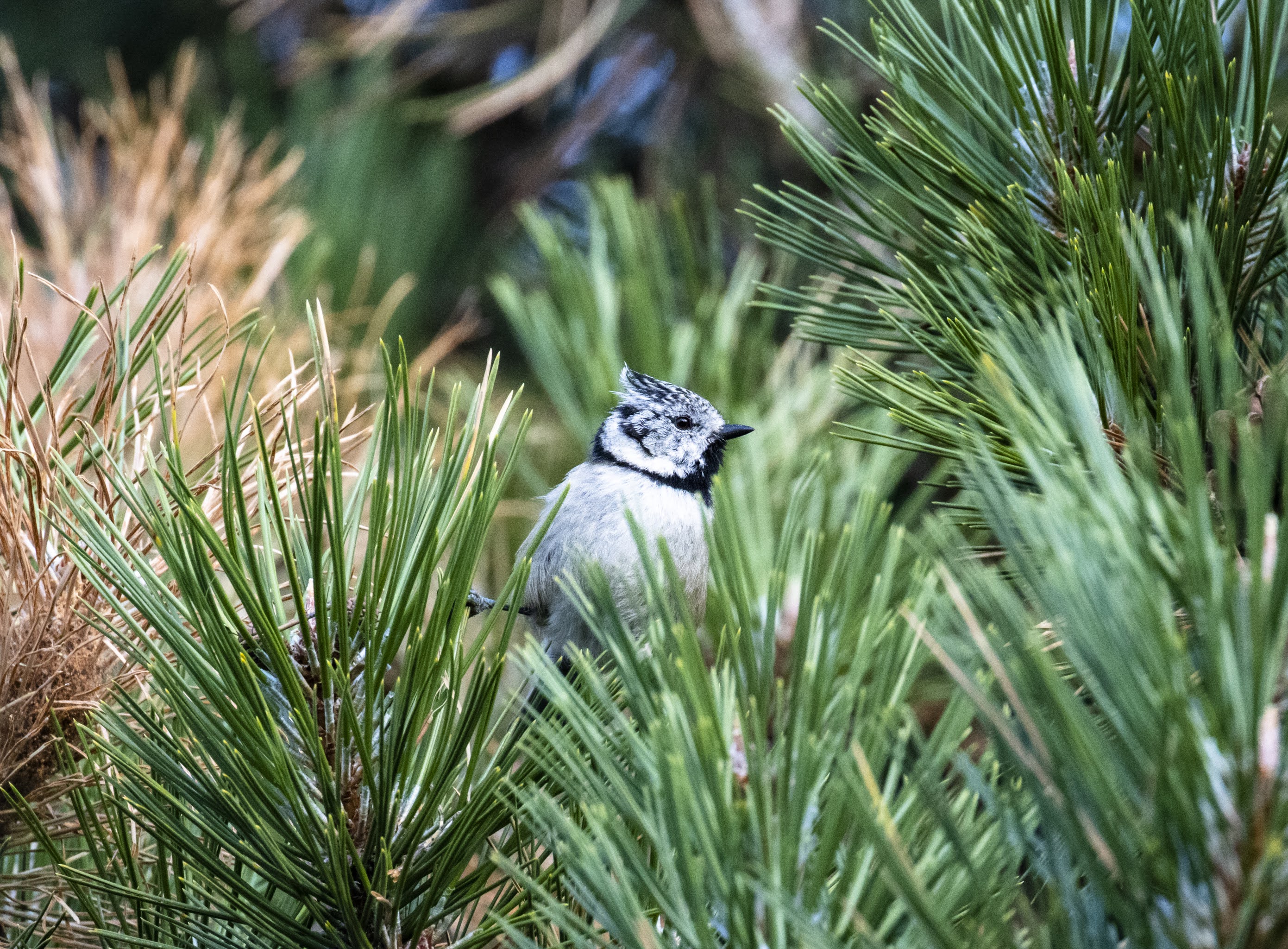
Mt Falakro, Greece

A scientists compares vitamin-A enriched Golden Rice and ordinary rice in Manila, the Philippines. Photograph: Erik de Castro/Reuters
Our thanks to Robin McKie, the Guardian’s science editor, for this news:
Thousands of children could die after court backs campaign group over GM crop in Philippines, scientists warn
Scientists have warned that a court decision to block the growing of the genetically modified (GM) crop Golden Rice in the Philippines could have catastrophic consequences. Tens of thousands of children could die in the wake of the ruling, they argue. Continue reading
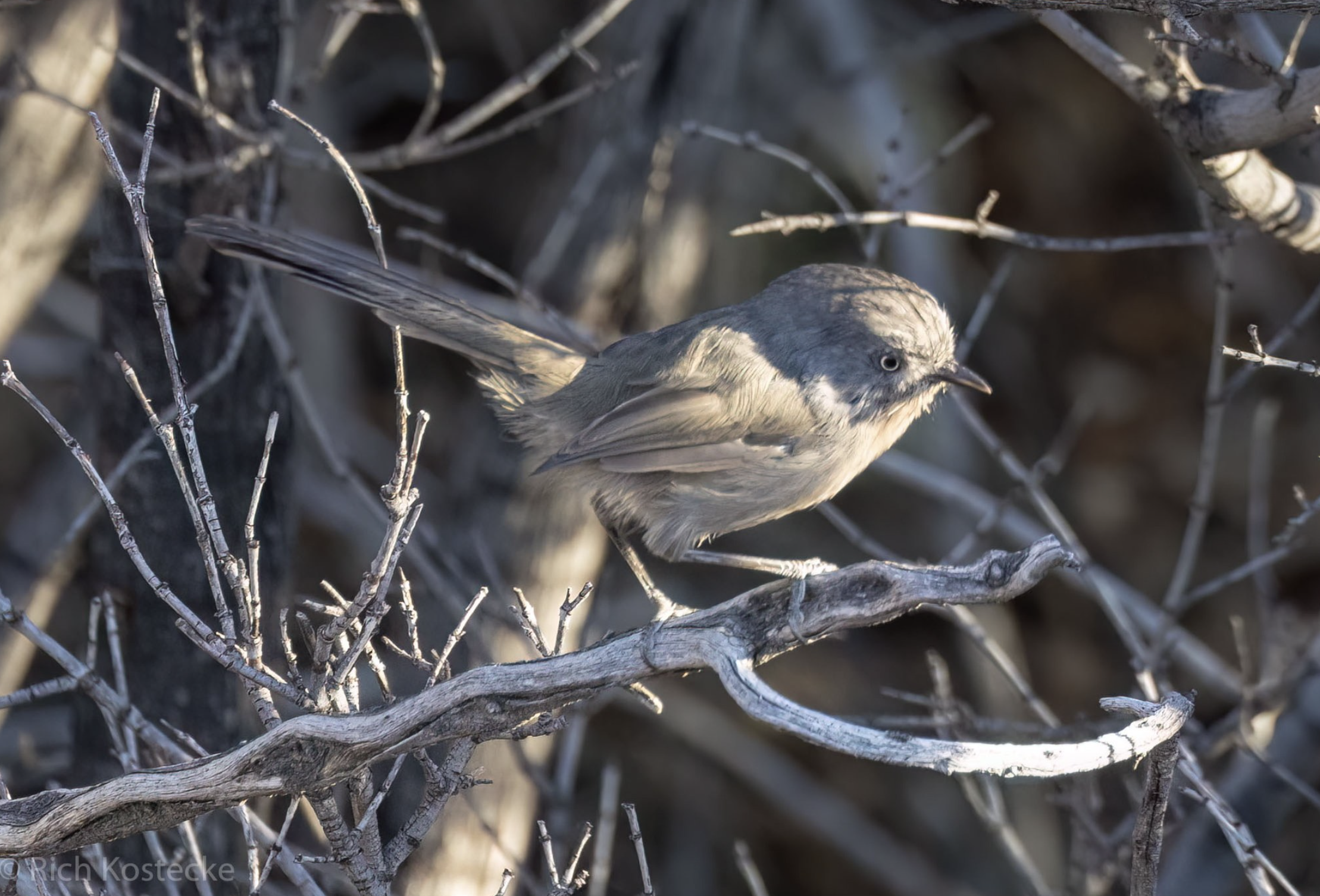
Laguna Mountains, CA
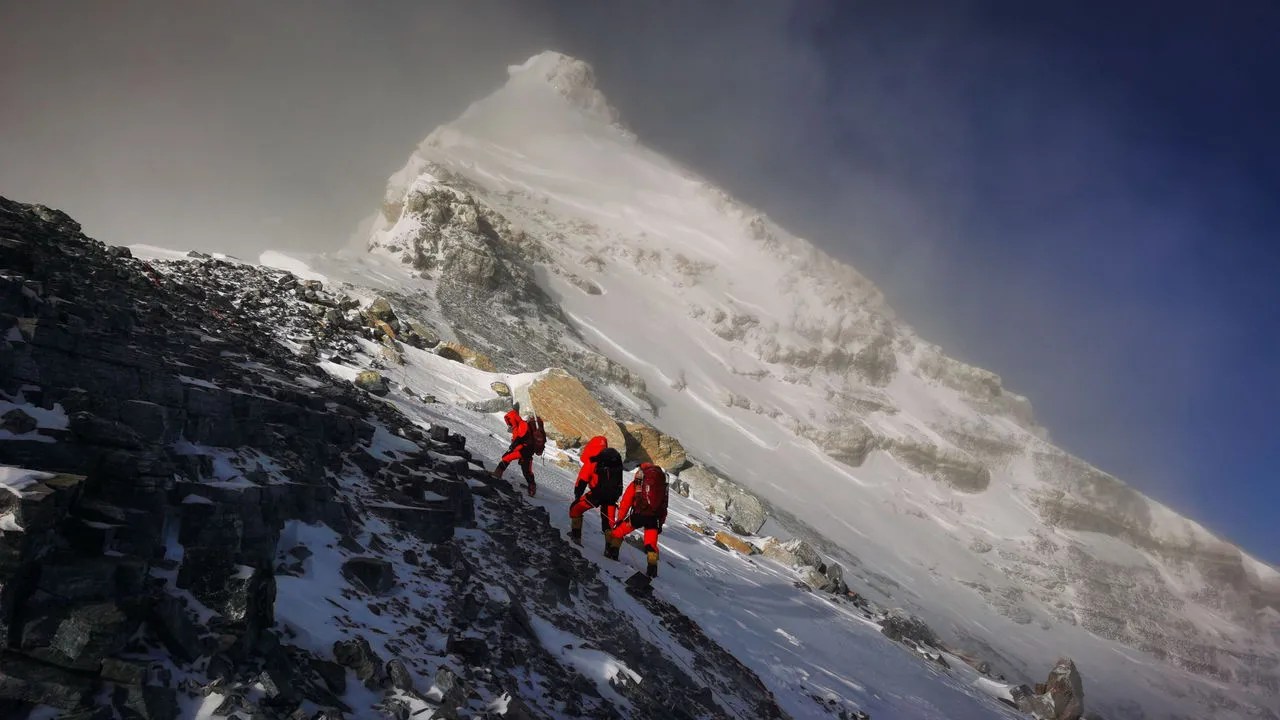
photograph: tashi tsering/xinhua/eyevine
It goes without saying, for most non-mountaineers anyway, that Jon Krakauer is the master of this genre, but hear what the Economist has to say:
Five of the best books on climbing mountains
The books and a documentary that capture the pull of the peaks
Mountaineering has gone mainstream. What was once a pursuit for only the hardiest adventurers is now the extreme sport du jour. Take Mount Everest. In the four decades after Sir Edmund Hillary and Tenzing Norgay first reached the summit in 1953 an average of 12 people a year followed in their footsteps. Continue reading
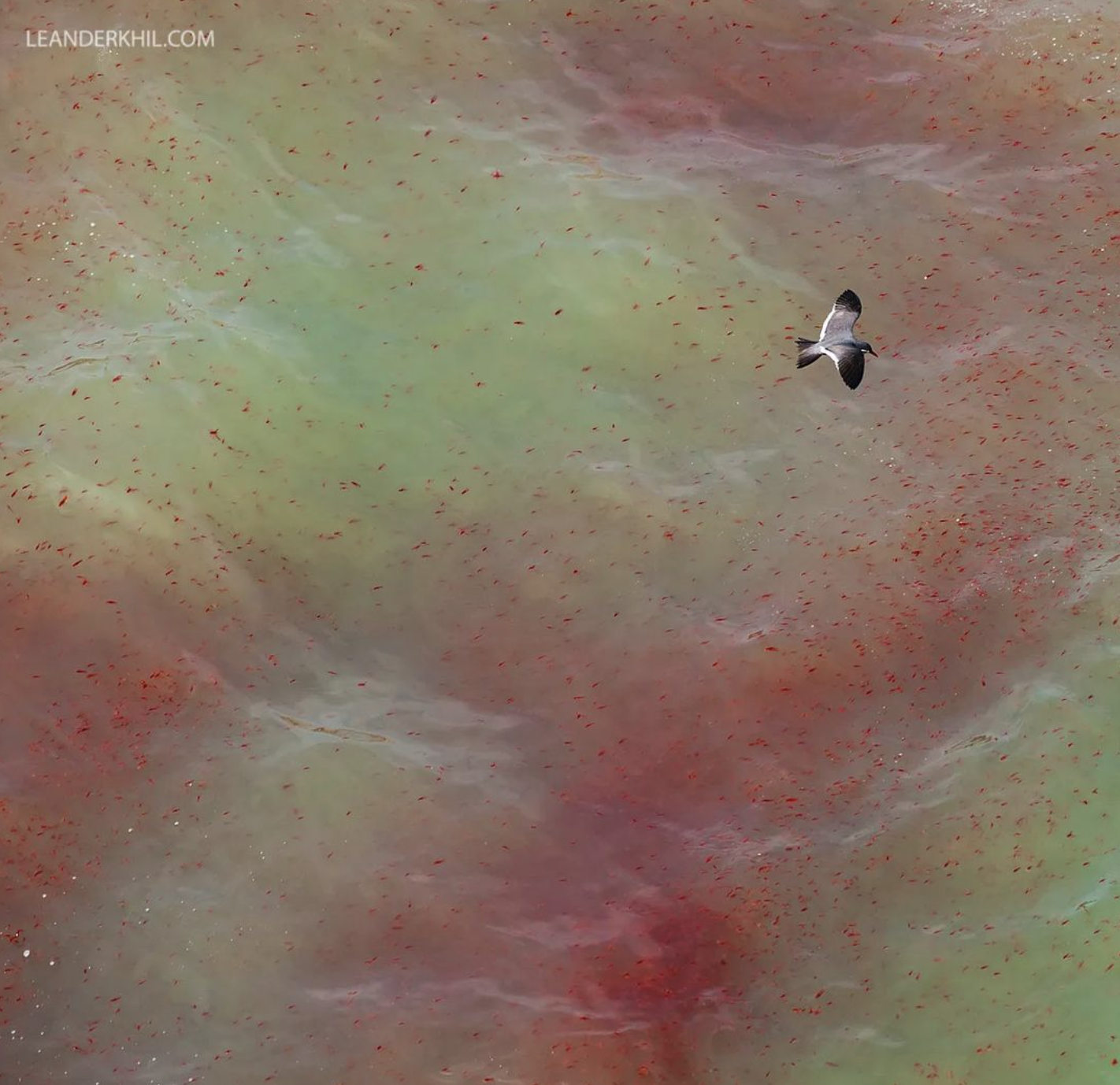
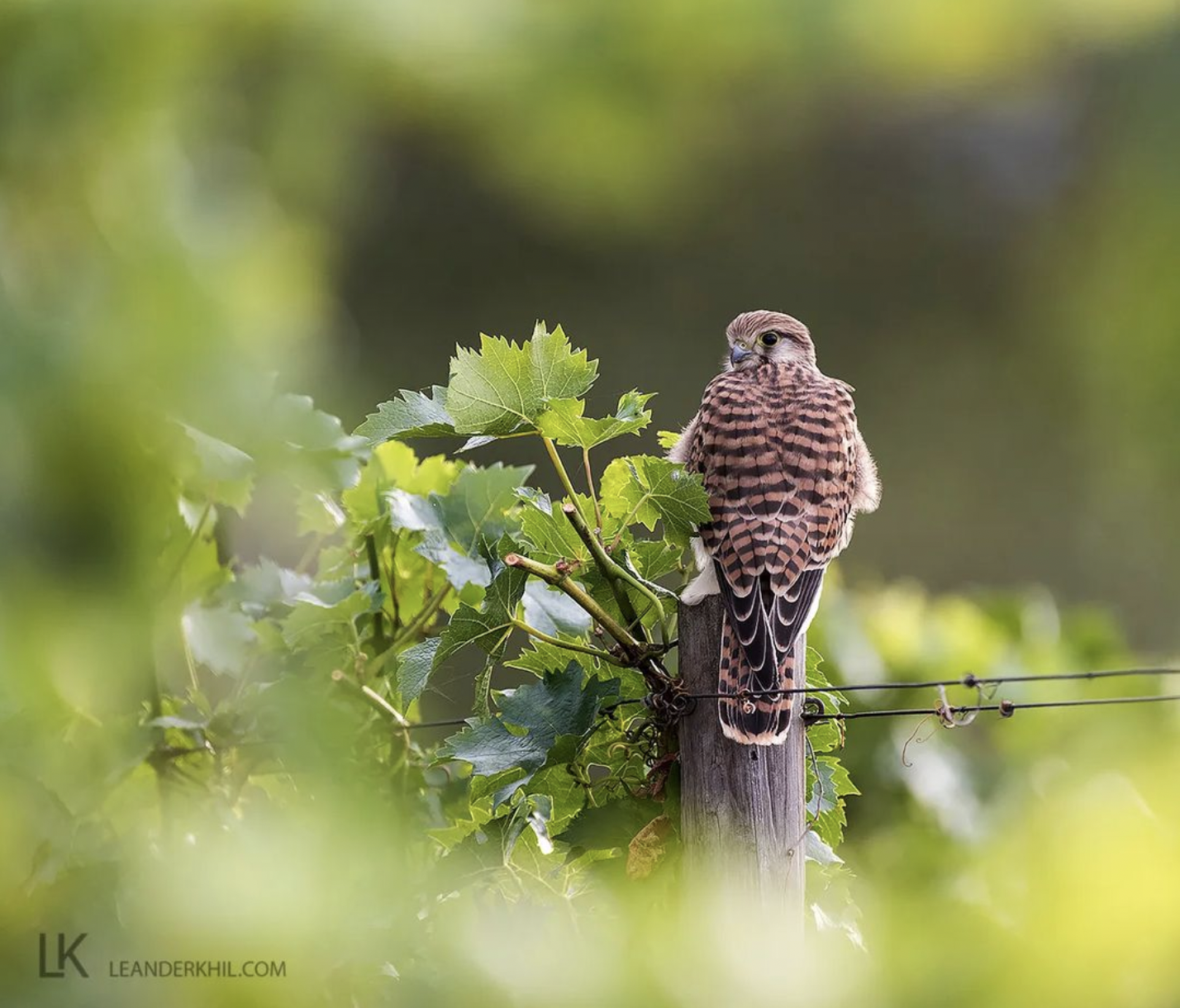
Inca Tern hunting over a field of Krill off the coast of Peru – Leander Khil Photography
Ica, Peru
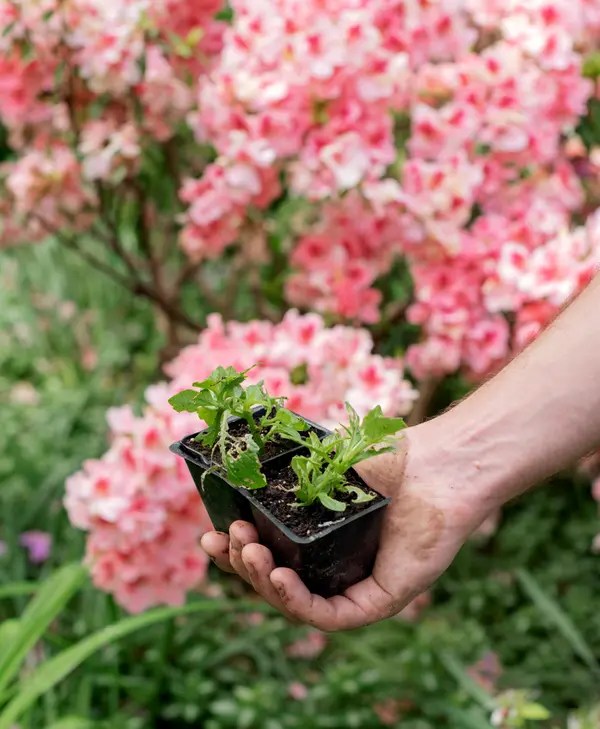
Gardening can provide people with a sense of meaning and purpose. “When you’re working with plants, you’re the nurturer,” said Emilee Weaver, the program manager of therapeutic horticulture at the North Carolina Botanical Garden. Jasmine Clarke for The New York Times
This is good reading following my morning routine in recent weeks, now that the rains have returned. Thanks to Dana G. Smith, who reported this story from Plant Hardiness Zone 8a for the New York Times:
Why Gardening Is So Good for You
Digging holes can be a workout and mood booster all rolled into one.
Last Saturday, I was covered in dirt, my back ached, the scream of a trillion cicadas rang in my ears, and, despite my best efforts, a sunburn was developing on the back of my neck.
I was in heaven.
Many gardeners say that when they get their hands in the soil, they feel stress “roll off their shoulders,” said Jill Litt, a professor of environmental health at the University of Colorado at Boulder. Ike Edeani for The New York Times
Over the course of the day, I planted my summer haul of annuals (a riot of reds, purples and yellows), transplanted some fall-blooming mums and pulled a Montauk daisy that had grown too big for the space. A neighbor took the daisy off my hands, and in return gifted me some iris and lamb’s ear that he needed to thin out of his yard.
For me, gardening is a workout, meditation and opportunity to socialize with my neighbors all rolled into one. And while I’m admittedly biased, research backs up some of my observations that gardening can have real benefits for your mind and body.
Gardening gets you moving.
Shoveling mulch, pulling weeds and lugging around a watering can all qualify as moderate-intensity physical activities. And gardeners tend to report higher levels of physical activity overall, compared with non-gardeners. Continue reading
Paraíso del Quetzal, Costa Rica
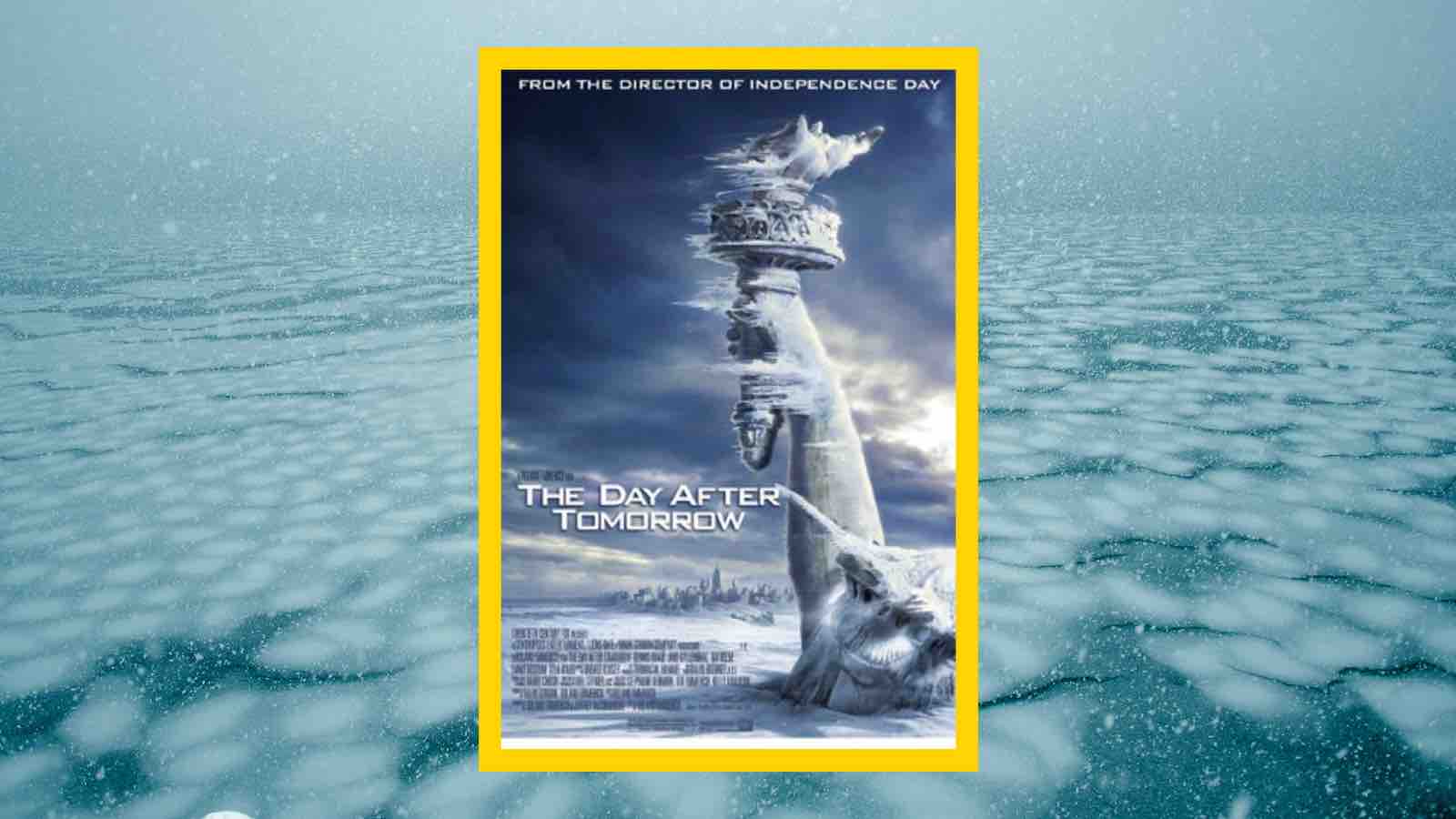 It has not been top of mind for any of us contributing to this platform, but Michael Svoboda, the Yale Climate Connections books editor, puts the influence of this film in perspective:
The enduring influence of “The Day After Tomorrow,” 20 years later
The groundbreaking film popularized an extreme climate scenario. To what effect?
It has been 20 years since we first saw the paleo-climatologist Jack Hall, played by Dennis Quaid, standing at a railing overlooking a command center at NOAA and asking his colleagues the question that baffled them: “What about the North Atlantic Current?” Continue reading
Mt Falakro, Greece
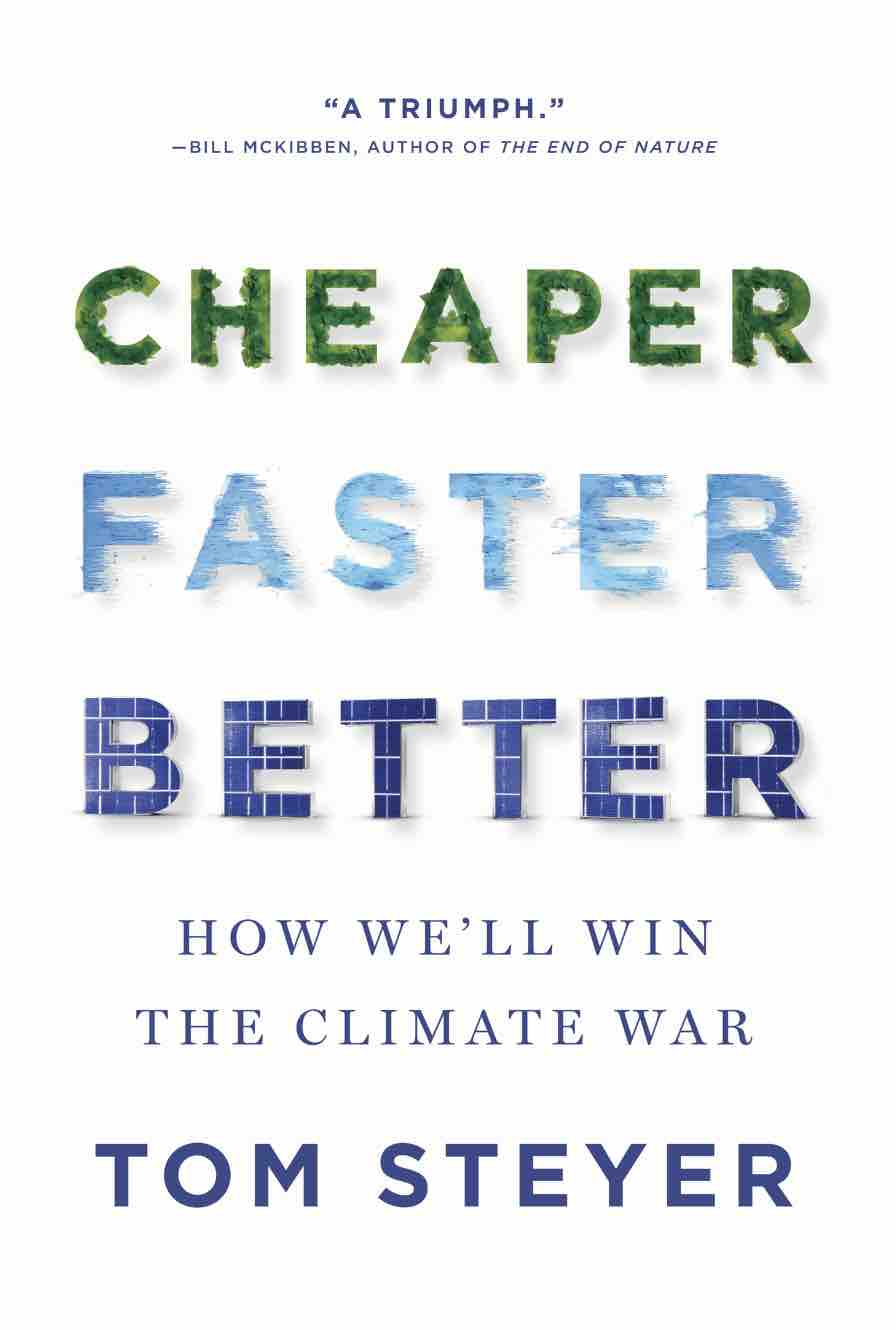 The author of this book was a presidential candidate in the USA briefly in what seems the distant past of just a few years ago. His publisher says this:
Renowned investor and climate champion Tom Steyer gives us a unique and unvarnished perspective on how we can all fight climate change—joyfully, knowledgeably, and even profitably—at a time of unparalleled consequence and opportunity.
Blurbs for the book include: Continue reading
Vienna, Austria

photograph: getty images
Continuing the theme of new sailing technology, our thanks to the Economist:
A new age of sail begins
By harnessing wind power, high-tech sails can help cut marine pollution
In 1926 an unusual vessel arrived in New York after crossing the Atlantic. Continue reading

Bharatpur Bird Sanctuary, Rajasthan

Les Étoiles d’Ivry, Paris, France. Architect: Jean Renaudie (Image credit: pp1 / Shuterstock)
Olivia Broome’s new book is reviewed in Wallpaper:
‘Brutalist Plants’ is a new monograph capturing the best of eco-brutalism
‘Brutalist Plants,’ the new book by Olivia Broome, captures concrete architecture engulfed with nature
‘Brutalist Plants’ is a new book featuring an impressive selection of imagery that captures the very best of the trend of ‘eco-brutalism’. This texture-rich movement has been gathering attention recently, focusing on brutalist architecture that has been – to varying degrees – embraced by flora, as planting engulfs entire structures, creating a calming concrete jungle for urban living. Continue reading
Österreich, Austria

In April, the Environmental Protection Agency finalized two historic regulations of forever chemicals, which are found in countless everyday products. Photo illustration by Philotheus Nisch for The New Yorker
There is nothing to enjoy in this article, but we appreciate the work of the journalist Sharon Lerner and her colleagues at the New Yorker and Pro Publica involved in bringing it to us:
How 3M Discovered, Then Concealed, the Dangers of Forever Chemicals
The company found its own toxic compounds in human blood—and kept selling them.
Kris Hansen had worked as a chemist at the 3M Corporation for about a year when her boss, an affable senior scientist named Jim Johnson, gave her a strange assignment. Continue reading


 Organikos