 An editorial that I read yesterday– Does Decision-Making Matter?–was a welcome “moving on” from all the other kinds of recent editorializing. Welcome because it tells us there is a new Michael Lewis book, and especially welcome because it shows that five years after we first heard him credit two scientists for their influential work he has now gone the last mile in documenting their greatness for a mass audience. We have had a couple nods to that same work in our pages in recent years.
This morning’s walk was accompanied by a podcast I had neglected for some months, with an interview that Chuck Klosterman–not mentioned in our pages before–gave to promote his new book. It is time to finally correct that oversight. I cannot explain why that is important as well as the interview can, so I suggest listening to it. If you do not have the 90 minutes required for that, a short synopsis version of his promotional interview can be heard and read on this NPR interview given at about the same time:
‘But What If We’re Wrong:’ A Look At How We Will Remember The Now, Later
…KELLY MCEVERS, HOST:
What if everything we think that’s important or interesting or relevant right now will be totally insignificant in the future? Or what if something we don’t really appreciate today will be considered great in 200 years, like how people didn’t think much of “Moby Dick” when it was written, but now we think it’s pretty great? These are the questions that critic Chuck Klosterman asks in his new book. In it, he tries to predict how we will remember the present when it is the past. And he’s not too worried about whether he’s right or not. Continue reading
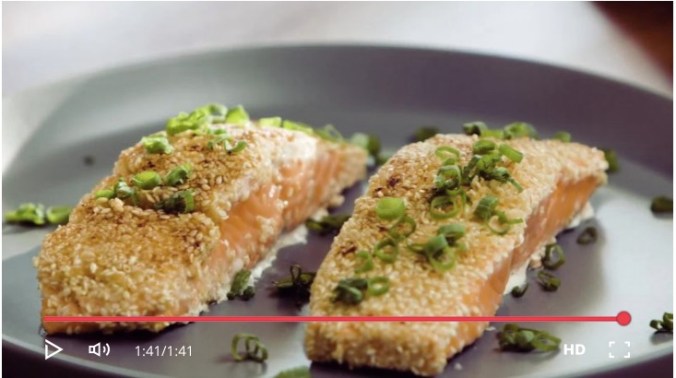
 IF YOUR PAN-SEARED
  Dan Souza, ultra chef-nerd and co-author of the new Cook’s Science by America’s Test Kitchen, shows us how brining and low temperatures can help enhance the flavor and retain the moisture of salmon, no matter what kind you buy.




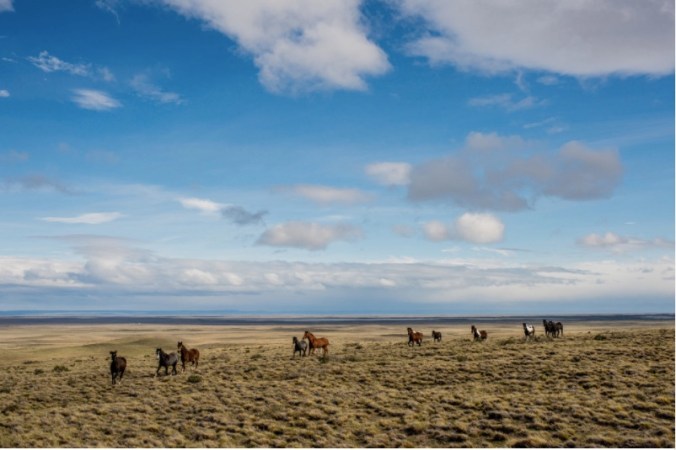
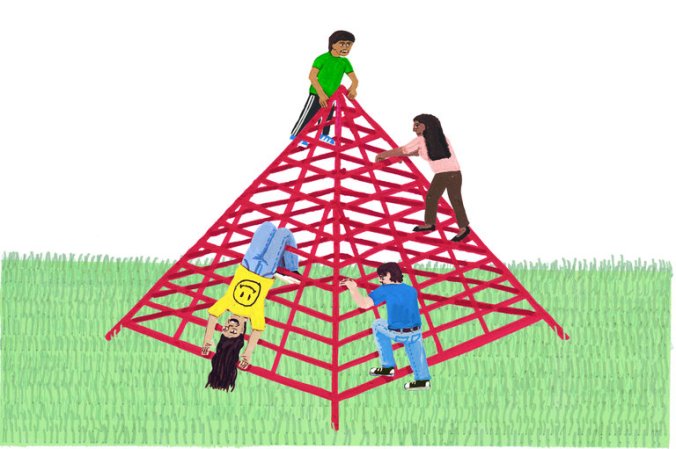
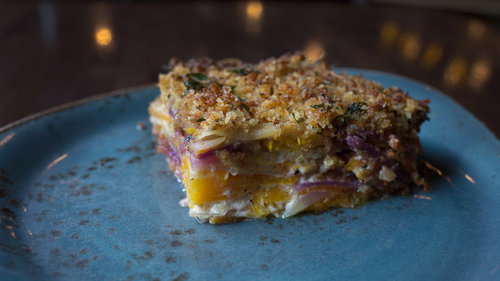 We have appreciated the salt, a feature of National Public Radio (USA) since we started this platform. Even more so at a time of the year when food, and its significance to culture, is so strong in one part of the world. Their stories are not strictly about the taste pleasures of food, usually; more about the many other pleasures food can provide. So today, which is Thanksgiving Day in the USA, we are particularly grateful for their contributions:
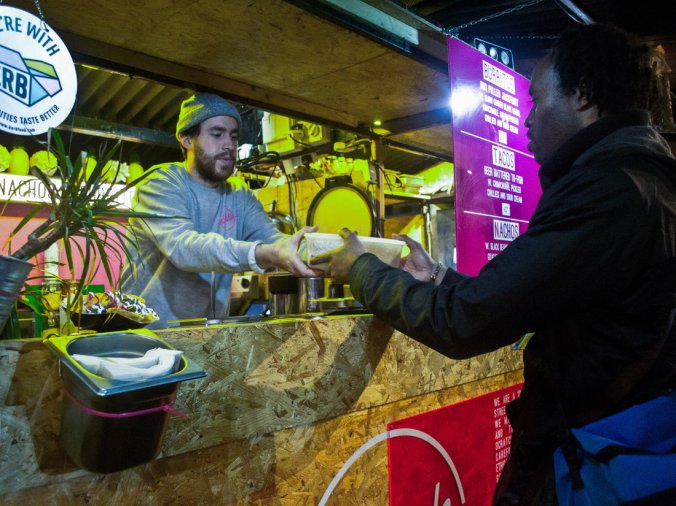




 Organikos