
Ramnagar, Uttarakhand
Ramnagar, Uttarakhand
 Click above to listen to this remarkable tale, and if you do not feel your socks being knocked off, complain in our comments section below. We first learned about Bob Bozic in early 2012, but now that we hear this update to his story we think we may need to visit him in Belgrade. This is the stuff we live for:
At Fanelli’s, a venerable bar in SoHo, Bob Bozic was the kind of bartender who also served as entertainment, telling endless stories about his life: he was the scion of a rich inventor in Serbia, a prizefighter, even a onetime bank robber. Nick Paumgarten, who wrote about Bozic in 2012, discovered that these barroom tales are true. Recently, Bozic was in touch again, with big news: he was quitting the bar and going to Serbia to pursue a restitution claim on his father’s mansion, one of the nicest houses in Belgrade, which was seized by the Communists in 1946.

The October-November, 2014 issue of Conde Nast Traveler’s India edition came with a special supplement. This low resolution image of that feature includes the cover and the page inside that featured our newly opened property (click the image to be taken to a more recent honor from the same magazine; when you get to the December recommendation be sure to scroll down to see our mention last month on that publication’s website).
The timeline may have looked choppy in the first love letter, but that is how it goes with reminiscences, even when the archival material is immaculate. To give an overview of the Xandari story in a manner that conveys my deep debt of gratitude, but also keep it reasonably short (two decades condensed to 12 posts), I am going to jump around starting with the image above.
* blurry text on the right of the image is reprinted at the end below
On the left of that image is the cover of a special edition–India’s Stunning Boutique Hotels–published by Conde Nast Traveller in October 2014; to the right of the cover was the story about the property we had just opened for our client MLHS, led by George M George. This publication arrived at exactly the moment we were opening the hotel, then named Spice Harbour, soon to be rechristened Xandari Harbour. And Raxa Collective, the code name for our assignment with MLHS, would eventually (July 1, 2016, thus these dozen love letters starting yesterday) revert to our company’s proper name, La Paz Group. Continue reading
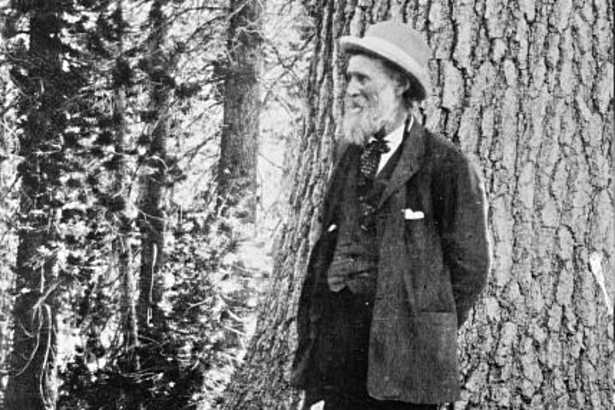
Library of Congress
We posted about John Muir’s writings in the Atlantic four years ago, once we realized they were so accessible in that magazine’s archives. In that post, two years into our foray in India, we simply wanted to share our amazement that Muir had written about India as an example relevant to the case for protecting the forests of North America. We have also posted about Muir indirectly, including a lovely photo-documented post about his visit with Teddy Roosevelt to several wilderness areas that would become iconic national parks.
As we prepare for the expansion of our activities in India, and in advance of our announcement of two exciting new conservation initiatives in Mesoamerica that we will embark upon next month, I have been going back through our archives, enjoying some examples of the historical perspective this platform has allowed us to share.
Today, in the spirit of the centenary of the National Parks Service, and considering this past weekend’s visit to Yosemite by the President of the USA, it makes sense to share another of Muir’s several contributions to The Atlantic, this one specifically about the first national park (which predates the creation of the NPS):
The Yosemite National Park
“All the world lies warm in one heart, yet the Sierra seems to get more light than other mountains.”
JOHN MUIR AUGUST 1899 ISSUE
Of all the mountain ranges I have climbed, I like the Sierra Nevada the best. Though extremely rugged, with its main features on the grandest scale in height and depth, it is nevertheless easy of access and hospitable; and its marvelous beauty, displayed in striking and alluring forms, wooes the admiring wanderer on and on, higher and higher, charmed and enchanted. Benevolent, solemn, fateful, pervaded with divine light, every landscape glows Continue reading

Photo of microalgae by CSIRO ScienceImage via WikiMedia Commons
We’ve known for some time that lots of fish food used in pisciculture is actually just wild fish, whether processed or not. Conservation Magazine is reporting that microalgae may provide the solution for sustainably feeding fish in farms:
Aquaculture could play a key role in sustainably feeding our growing planet. The problem is that when it comes to feeding the fish, it seems hard to hit the mark on sustainability. Fish oil and fishmeal are draining the oceans of ecologically important forage fish. But when the aquaculture industry substitutes these marine-based foods with vegetable oils and grains, they are driving an enormous amount of additional farming, with all its attendant impacts on the environment. What’s more, this vegetarian diet produces fish that are lacking in the marine omegas that are so important for human health.

Vijayapura, Karnataka

Xandari’s neighborhood includes some of the best estate-quality coffee land in Costa Rica
I keep correspondences for as long as possible. With all of our moving around some of my older paper correspondences have been lost along the way, but since the advent of email, and especially since archiving email has been possible, I have been a diligent archivist.
So, as I reflect on the completion of our engagement with MLHS June 30, that gives me a dozen opportunities for daily reflection on Xandari as we prepare to hand over the keys. Email archives keep it real.
My relationship with George M George, related in an earlier post, started a couple years after I had first met the man who created Xandari in Costa Rica. From the mid- to late-1990s I was focused on destination-level strategy work in Costa Rica and other countries in that region. I met Sherrill Broudy first during those years as part of my effort to understand the hotel investors who came to Costa Rica from other countries. At that point, the main building of Xandari and just a few villas had been built. Continue reading
Literally, “The Duke’s Forest”, ‘s-Hertogenbosch is a fortified historic city in the North Brabant Province of the Netherlands. Aside from being a lovely area with a beautiful church, the city is best known for it’s most famous Medieval citizen, the religious artist Hieronymus Bosch, known for his bizarre paintings of demons and human-animal-machine hybrids meant to invoke the “evil of mankind”.
While his apocalyptic, fantastical work may have rather dour origins, it’s gone on to inspire the amazing exuberance of the the Bosch Parade since 2010.
A wondrous armada of vessels and objects inspired by the work and ideas of Medieval painter Jheronimus Bosch. Artists from all disciplines (art, theatre, dance, music, architecture) collaborate with groups of enthusiastic amateurs and volunteers to create this artistic, water-borne parade. This spawns not only a creative floating parade by and for the city, but also an extensive creativity network throughout the city. Continue reading

via GreenBiz
A few weeks ago we posted bad news about the higher release of methane gas from cows treated with antibiotics. Data published relatively recently by the U.N. is showing that greenhouse gases produced by livestock and crops are still increasing, unfortunately. John Upton reports for GreenBiz:
As signs emerge that the global energy sector is beginning to rein in what once had been unbridled levels of climate-changing pollution, new United Nations figures show pollution from farming is continuing to get worse.
Greenhouse gases released from the growing of crops and livestock directly increased by a little more than 1 percent in 2014, compared with a year prior, the newly updated data shows.
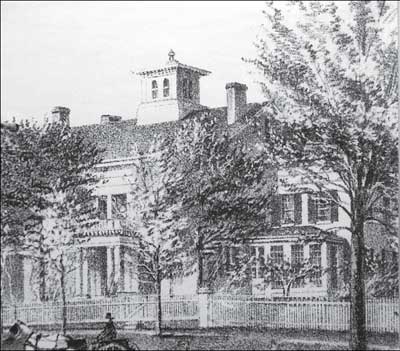
During a father-son road trip in 2009 to visit prospective colleges, we spent time in Amherst (MA, USA). The most important outcome of that visit was time spent with Michael Muller, who two years later would spend time as an intern with us in India during the summer before his final year at Amherst College.
Michael brought a literary quality to the startup of this communication platform where I continue to write. Which is why I thought of him when my attention was drawn to this museum in Amherst. For me it was valuable to take a moment to read about the relationship between this home’s history and the college where Michael was educated:
THE HOMESTEAD, probably the first brick house in Amherst, was built around 1813 for Samuel Fowler Dickinson and Lucretia Gunn Dickinson, Emily’s grandparents. Fowler Dickinson, a lawyer, was one of the principal founders of Amherst College. In 1830, his eldest son Edward, also a lawyer, and Edward’s wife, Emily Norcross Dickinson, together with their young son Austin, moved into the western half of the Homestead. Later that year, on December 10, Emily Elizabeth Dickinson was born. In 1833, a second daughter, Lavinia, was born. Continue reading
Bangalore, Karnataka
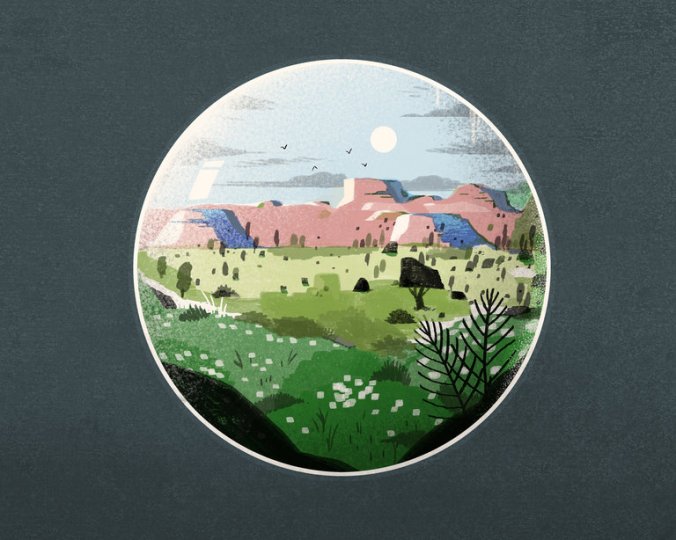
If you have been reading our posts for the last five years, you will find we have much in common with the editorial board at one of our favored news sources:
Monuments for Future Generations
President Obama’s visits this weekend to Carlsbad Caverns and Yosemite national parks give him a timely opportunity to think about how, in the twilight of his presidency, he can add to what has already been an admirable record of protecting America’s public lands and marine reserves. The parks themselves are in a celebratory moment, the 100th anniversary of the founding of the National Park Service. But given Congress’s preference for partisan infighting over environmental stewardship, it is unlikely to approve any additions to the park system. Still, there is much that Mr. Obama can do on his own using the 1906 Antiquities Act, which allows a president to unilaterally protect areas of great natural or historical value as monuments when Congress is unlikely to act. Continue reading
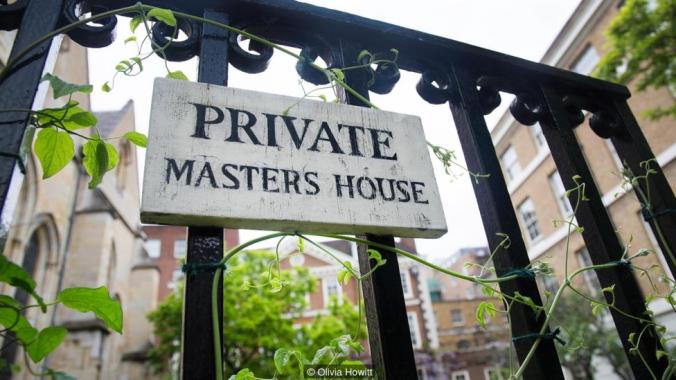
Behind closed doors The 2016 Open Gardens Weekend marks the first time the Master’s Garden is accessible to the public. For gardeners, one of the interesting aspects of the space is the difficulty of the soil – which, being situated on a raised plateau, is so free-draining that it is very dry. But, said gardener Bob McMeekin, the garden also comes with plus points: “Central London has its own micro-climate, and the garden is protected from pollution by the surrounding buildings.” (Credit: Olivia Howitt)
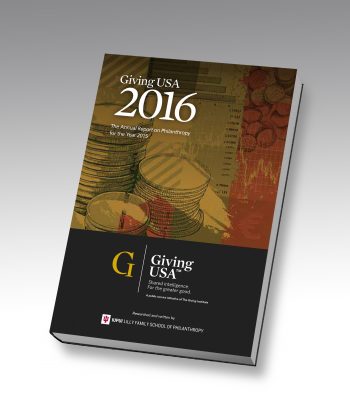
Generosity of Americans will help ensure, among other things, that the challenges facing the US National Parks Service will be met:
Donations from America’s individuals, estates, foundations and corporations reached an estimated $373.25 billion in 2015, setting a record for the second year in a row, reports Giving USA 2016: The Annual Report on Philanthropy for the Year 2015, released today. Continue reading
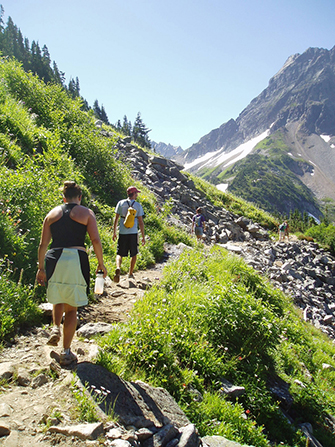
Hikers enjoy the Sahale Arm Trail in North Cascades National Park; repair and revegetation of the trail will be completed in partnership with Washington’s National Park Fund. NPS/Liang
On August 25, 1916 the National Parks Service was created. Please support it:
In 2015 and 2016, the National Park Service selected more than 150 projects to leverage $25 million in congressional appropriations with more than $45 million matching funds from partner organizations across the country.
These projects will improve visitor services, support outreach to new audiences, and strengthen partnerships to reinvigorate national parks and forge connections to new communities.
A list of the 2016 projects is here.
A list of the 2015 projects is here.
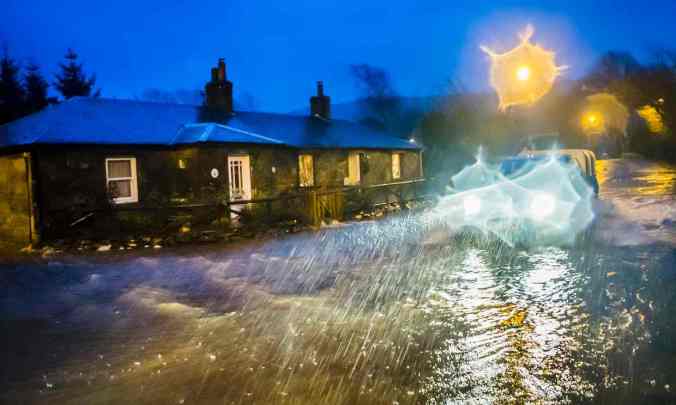
Flooding in Straiton, Scotland, in December. Scientists say it will increase in future. Photograph: Danny Lawson/PA
We have precedent, sufficiently clear by now, to figure out we need to take action:
Shattered records show climate change is an emergency today, scientists warn
Unprecedented temperature levels mean more heatwaves, flooding, wildfires and hurricanes as experts say global warming is here and affecting us now
by Damian Carrington
May was the 13th month in a row to break temperature records according to figures published this week that are the latest in 2016’s string of incredible climate records which scientists have described as a bombshell and an emergency.
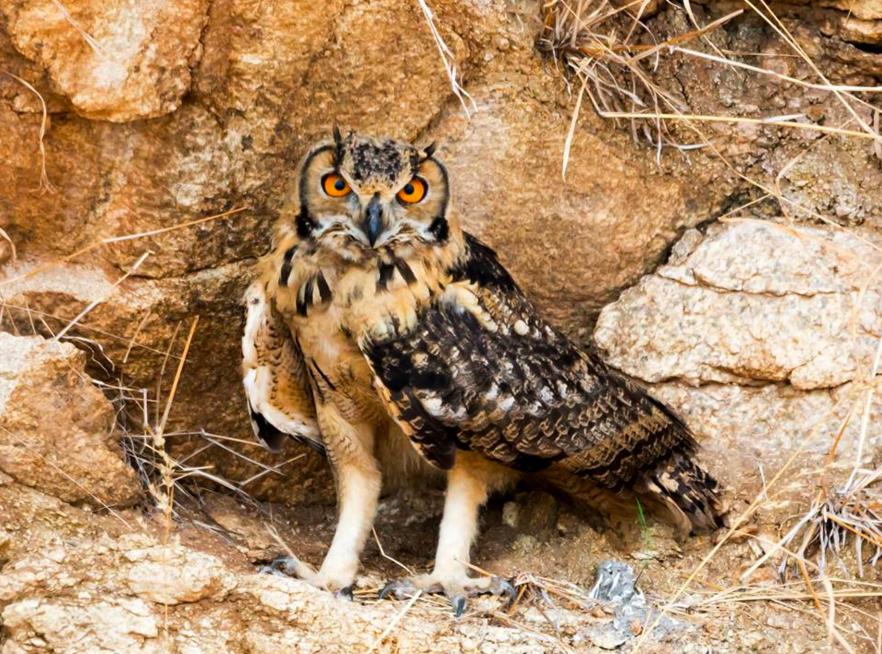
Hampi, Karnataka
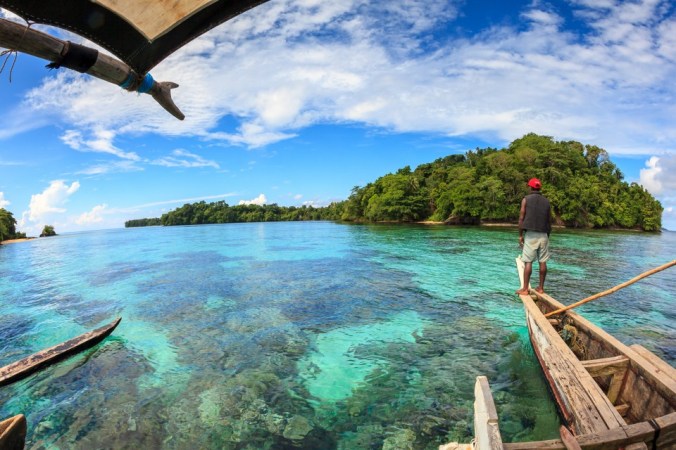
Tane Sinclair-Taylor
Thanks, as always, to Mr. Yong and his team at Atlantic Monthly:
Why Some Coral Reefs Are Thriving
Not all of the world’s reefs are in bad shape—and a few of the healthiest are managed by humans.
by Ed Yong
In 1990, Jerry Sternin from the global charity Save the Children traveled to Vietnam to fight malnutrition. His strategy was simple. He looked for ‘bright spots’—mothers whose children were bigger and healthier than average, even though they were just as poor and disadvantaged as their neighbors. And he asked: what were they doing differently? Continue reading

A bald uakari monkey (Cacajao calvus) in the flooded forest of the Amazon in Brazil. The IUCN Red List categorizes this species as vulnerable. Photograph: Alamy
Thanks to the Guardian for continuing to give a platform where it is most needed with respect to the natural environment:
Could we set aside half the Earth for nature?
Renowned biologist E.O. Wilson wants to set aside half of the planet as protected areas for nature. But is this possible? And, if so, how would it work?
by Jeremy Hance
As of today, the only place in the universe where we are certain life exists is on our little home, the third planet from the sun. But also as of today, species on Earth are winking out at rates likely not seen since the demise of the dinosaurs. If we don’t change our ways, we will witness a mass extinction event that will not only leave our world a far more boring and lonely place, but will undercut the very survival of our species.
So, what do we do?
E.O. Wilson, one of the world’s most respected biologists, has proposed a radical, wild and challenging idea to our species: set aside half of the planet as nature preserves.

Photo © Jacques-Jean Tiziou / http://www.jjtiziou.net
From the website of Parrish Art Museum:
About WetLand
WetLand is a modified houseboat made by the ecological artist Mary Mattingly to demonstrate easy-to-do sustainability projects (solar power, rain water collection and purification, vegetable gardening, upcycling, etc.). WetLand describes the impact each individual can have on the environment. The vessel is being brought to the East End in conjunction with the exhibition, Radical Seafaring, and will be located on Long Wharf in Sag Harbor. Continue reading
 Organikos