Using Soil to Capture Carbon

© NSW Gov, Australia

A few weeks ago several news outlets publicized a new carbon-capture method tested in Iceland, but there’s also a low-tech way of storing carbon in the ground that people can consider, which is restoring degraded lands that once held large amounts of carbon and could become fertile again if we follow certain practices. Stephen Wood reports for Cool Green Science:

Soils have twice as much carbon as the atmosphere. Which means there’s a lot of interest in figuring out if soil can hold even more carbon—to help fight climate change.

Sequestering carbon in soil is like saving money in your bank account—simple in theory, but challenging in practice. If you’re frugal enough you may end up fighting climate change. Spend too much and you could make the situation worse.

Continue reading

Common Ancestor found for Hair, Scales, and Feathers

The dark spots stained blue are placodes, which develop into scales, feathers and hair. The animals from left to right are a mouse, snake, chicken and crocodile. Credit Nicolas Di-Poï, Michel C. Milinkovitch and Athanasia Tzika

For some time now it’s been known that hair and feathers share a root, but the link between scales and feathers was not so clear. New research published in Science Advances shows that all three growths do, in fact, share a common ancestor. Nicholas St. Fleur reports for the New York Times:

Reptiles have scales. Birds have feathers. Mammals have hair. How did we get them?

For a long time scientists thought the spikes, plumage and fur characteristic of these groups originated independently of each other. But a study published Friday suggests that they all evolved from a common ancestor some 320 million years ago.

Continue reading

#7 Of One Dozen Love Letters About Xandari

XP

Dear Xandari Pearl circa 2026,

I hope the day this photo was taken (yesterday as I type this) will be remembered. Amie wept. Saji shared some wisdom–and we all embraced in the hopeful spirit of looking forward to this lovely property’s prosperity. I shared recollections of my first visit to this property  years before moving to India, and wanted each of the team members to know why this property is the most important work so far in my lifetime. It had to do with this location’s personal meaning to George M George, and how that meaning influenced the design process. Xandari Costa Rica was a big part of that process as well, and the Xandari community should be aware of that special link. Continue reading

Fermentation Is Here To Stay

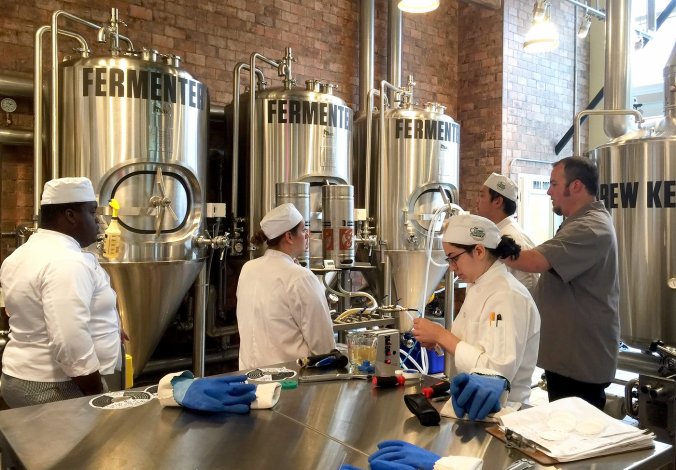
img_4710_edited_custom-418a86e926410db406b761744866d0e208210727-s1400-c85.jpg

The new brewery at Culinary Institute of America in Hyde Park, N.Y. The school now teaches the art and science of brewing, an elective course. Allison Aubrey/NPR

When the Culinary Institute Of America says so, we pay attention. We keep hearing about fermentation from our friends and colleagues in the know. So we watch for these stories. The Salt feature on National Public Radio must be, by now, one of our most go-to sources, and for good reason (considering what we care about):

Fermentation Fervor: Here’s How Chefs Boost Flavor And Health

ALLISON AUBREY

There’s an explosion of interest in friendly bacteria.

Beneficial microorganisms, as we’ve reported, can help us digest food, make vitamins, and protect us against harmful pathogens.

As this idea gains traction, so too does the popularity of fermented foods such as yogurt, sauerkraut and kimchi.

Though the science is tricky, researchers are learning more about how this ancient technique for preserving food may also help promote good health. Continue reading

Words, Nature, Ideas

From today’s New York Times, whose lead headline is the largest in my lifetime that I remember, yet (with apologies to all those affected by the cause of those headlines) I find this editorial more urgent and hope Mr. Egan will not mind my sharing it here:

Aviation & Renewable Resource Milestone

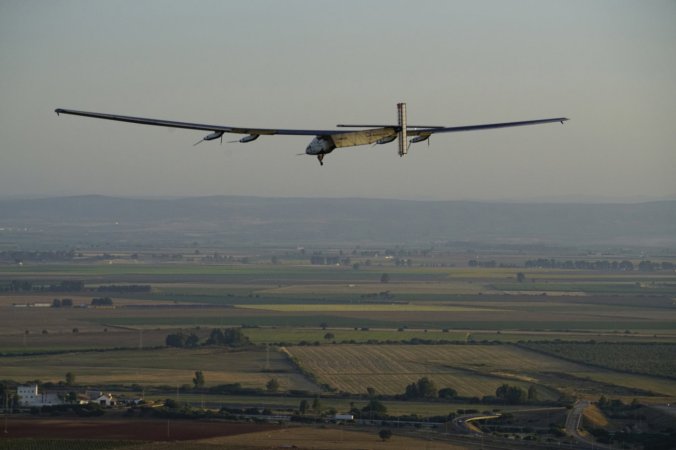
ap_16175288680698_custom-0c6b67df90bdb4e2069afde43ff22e60a5cc62cd-s1400-c85

Solar Impulse 2, piloted by Swiss pilot Bertrand Piccard, prepares to land in Seville, Spain, on Thursday. Jean Revillard/AP

In case you missed it, this is awesome, and worth a quick read (thanks to NPR, USA):

‘Beautiful Flight’ Across The Atlantic Is Major Milestone For Solar Plane

After 71 hours and 8 minutes of flight time crossing the Atlantic, Solar Impulse 2 has touched down in Seville, Spain. It’s a major step toward the team’s goal of circumnavigating the globe using only the sun’s power.

The end of this leg means they’ve now completed 90 percent of that journey.

As The Two-Way has reported, the single-seater plane took off from New York’s John F. Kennedy International Airport early Monday with pilot Bertrand Piccard at the controls. Continue reading

#5 Of One Dozen Love Letters About Xandari

Photo credit: Milo Inman

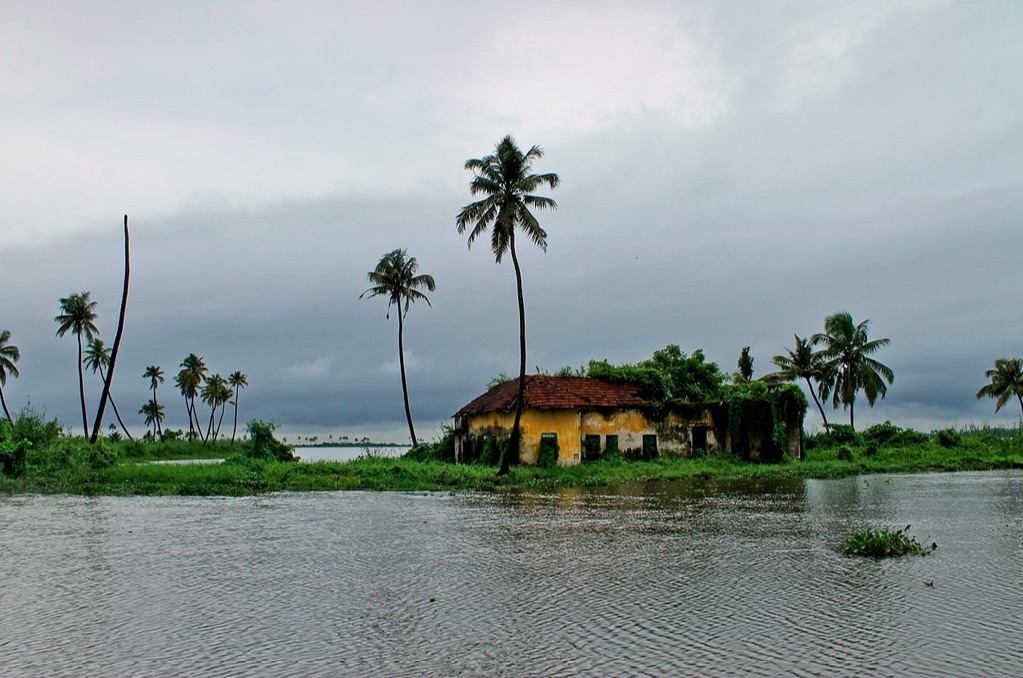
When the conversation about bringing the Xandari concept to India was in the early stages, Milo was in the early stages of mastering the camera. We spent a large percentage of our time in the backwaters in those days, working with our team at River Escapes, and this gave Milo time with his craft in an astounding setting. My father was a photographer, and his father painted landscapes, but for some reason their visual acuity skipped a generation and Milo got it. He saw in composition and captured with camera what escaped me. A  collection of these photographs has adorned our office walls since they were taken in 2011.  And they have influenced our thinking about what is now called Xandari Riverscapes.

XR2

Photo credit: Milo Inman

The houseboat operation has been written about many times in these pages over the years, but in the archival diving of the last week I discovered some fascinating correspondence related to my first visit to Kerala.

George M George had taken me to the backwaters and showed me the first houseboat under construction. The craftsmen were doing something I had no idea was possible, stitching together a hull with no nails; and then afterwards the artistry of the upper deck, and all that we have written about elsewhere.

I have just reread a letter I wrote to Sherrill Broudy after that first visit to Kerala a dozen years ago, and had shared my snapshots with him, saying that what I saw reminded me of Xandari with the curvaceous, organic feel.

Continue reading

Changing Our Eating Habits

impossible-foods-6_edited_custom-7dc5fbab4da8c072dcd7f800ee14c96766bb0f58-s1400-c85

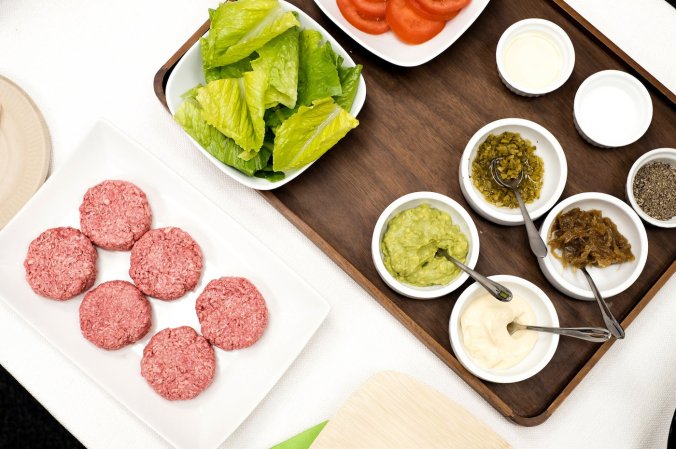
Silicon Valley-based Impossible Foods has taken a high-tech approach to creating a plant-based burger that smells and tastes like real meat. At the company’s headquarters in Redwood City, Calif., chef Traci Des Jardins served the Impossible Burger (pictured uncooked) with vegan mayo, Dijon mustard, mashed avocado, caramelized onions, chopped cornichon, tomato and lettuce on a pretzel bun. Maggie Carson Jurow

Full disclosure first: we operate restaurants that serve meat. It is always the best quality meat we can source, and best includes the most humane and most ecologically sensitive growing conditions. But still, it is meat, and meat is problematic. So, we tread lightly when we speak about our behaving responsibly, and try to minimize judgementalism.

When we get reminders of the importance of reducing meat consumption we know it is true, but we still ensure all our guests are able to get, within reason, the best of what they want food-wise.  I spent more time, and consumed more calories than I care to count, taste-testing for the new menus at three hotel restaurants in the last two years; that is my own sin to bear, and I am in penance mode now, trust me.

So, when I see a good feature story related to vegetarianism, or to vegetarian innovations, I am all in. Here is one from the Salt show on National Public Radio (USA) and I look forward to taste-testing it:

This summer, diners in New York, San Francisco and Los Angeles will get their hands on a hamburger that has been five years in the making.

The burger looks, tastes and smells like beef — except it’s made entirely from plants. It sizzles on the grill and even browns and oozes fat when it cooks. It’s the brainchild of former Stanford biochemist Patrick Brown and his research team at Northern California-based Impossible Foods. Continue reading

Shoutout To Tyler Gage & His Runa Crew

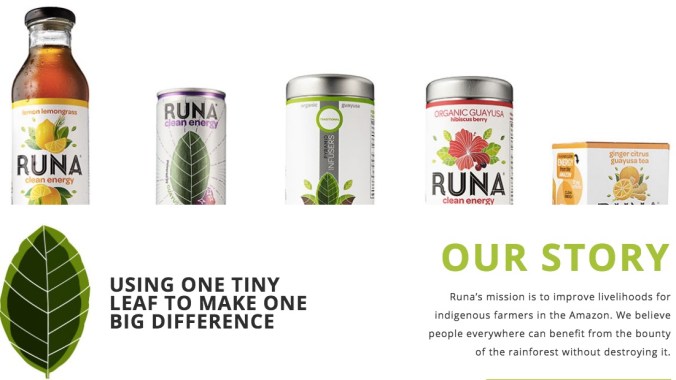
RunaLast time I spoke with Tyler, he was just a couple years into his startup. He and I both participated in a program to share our experiences in the form of a live case study shared with social entrepreneurship students at Brown University, which inspired me for quite some time. Still does. Tyler was kind enough to contribute on this site back when he had time. Look at him now. Wow. This story in Scientific American is worth the read:

Can Tea Help Save the Amazon?

An effort in Ecuador might point the way to a more sustainable future for the rainforest and people

Continue reading

#4 Of One Dozen Love Letters About Xandari

The Sri Padmanabhaswamy temple, in Trivandrum, has been amassing gold for centuries. PHOTOGRAPH BY CHIARA GOIA

What I love most about Xandari is this fact: over nearly two decades, several tens of thousands of guests have trusted Xandari with their valuable vacation time, and that faith has been reciprocated with such authentic hospitality that Xandari has one of the most loyal clientele of any hotel I know of. Most guests coming to Xandari today are related through kinship or friendship to guests who have already been at Xandari before. That loyalty is like treasure buried deep inside of Xandari. Continue reading

Nature Photography, Gudzowaty’s Way

20130829_RS 008

20130829_RS 008

Thanks to the New Yorker’s website for this brief review of the work of one of our favorite photographers:

Tomasz Gudzowaty’s Wildlife Sublime

By Carolyn Korman

Does wildlife photography make us feel closer to other animals or more distant? In Tomasz Gudzowaty’s remarkable new book, aptly named “Closer,” the answer seems, at first, to be the latter. His planet is unpeopled, savage, elemental. His wide-angle shots depict lands inhabited by vast congregations of beasts and birds.  Continue reading

Defacing Nature In The Name Of Art

21tmag-holzeribiza-slide-MY3A-master768

It is such an innocuous headline, in the Arts section, that it would be easy to pass it by without notice:

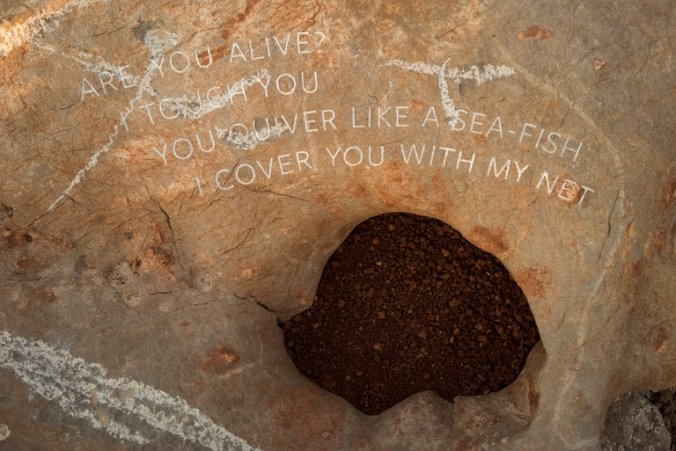
Jenny Holzer’s Unexpected New Canvas: The Boulders of Ibiza

But then, what?!?! Continue reading

#3 Of One Dozen Love Letters About Xandari

X3By the time that MLHS had completed the acquisition of Xandari in Costa Rica we were already well under way with the development of what is now Xandari Pearl, on the beach about 40km south of Xandari Harbour. Reflecting today on what I love about Xandari, I again am reminded of some rather heroic decisions made by George M George, and the board of directors who he reported to.
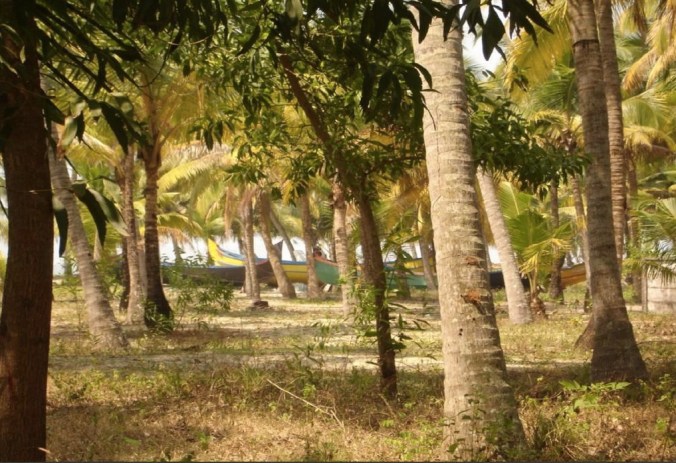
In 2010, when we were in the early months of this relationship between MLHS and La Paz Group, there was already a completed architectural plan for the beach property that MLHS owned at Marari. There were already permits applied for the construction of those plans. So it was with some trepidation that I took a firm position in my recommendation to the board George reported to: those plans would result in a resort that would not fit the strategic road map I was laying out. To start with, it was 80+ rooms; and there were other issues but scale was the one I focused on.

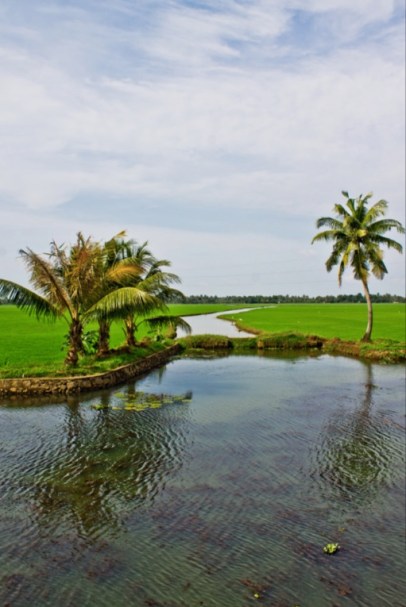
Just now I was looking at the powerpoint presentation I brought into the board room with me to make my case about abandoning the original plans for the resort at Marari. The first image in that presentation was the one above, which was a photo snapped just some days prior to the meeting. I talked about the natural beauty of the beach property, and how our target market would appreciate meandering on paths through as much of that as we could preserve; ideally we would not cut a single tree. We would let the local fishermen continue to keep their boats on property. And other points about that land. Continue reading

Strawberry Moon

04a

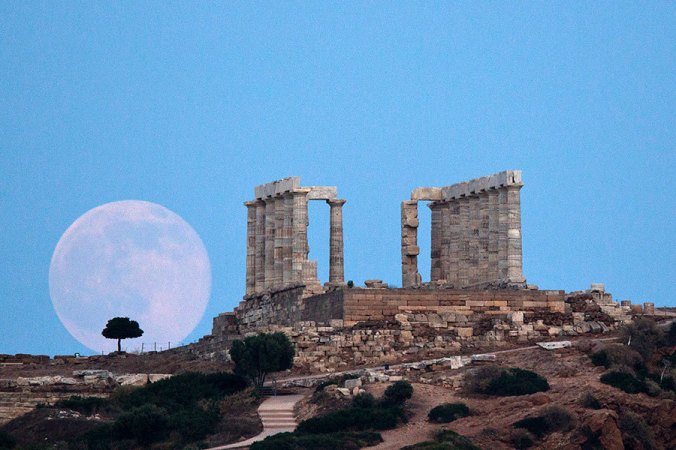
The full moon rises behind a tree next to the ancient marble Temple of Poseidon at Cape Sounion, southeast of Athens, on the eve of the summer solstice on Monday. The temple, built in 444 BC, was dedicated to Poseidon, god of the sea. Petros Giannakouris/AP

Thanks to the CS Monitor for bringing this image to our attention in their “Photos of the day” series, which are always worth a visit.  The moon, we have been reading in the Monitor and various other news outlets, is a variety that occurs every 46 years. Wishing we might have seen it where Mr. Giannakouris saw it, but by the time we learned about this phenomenon it was already time for morning coffee in Kerala.

If You Happen To Be In Atlanta

A rendering of the Atlanta Food & Wine Festival Vineyard in the City in Midtown. Credit: AF&WF.

A rendering of the Atlanta Food & Wine Festival Vineyard in the City in Midtown. Credit: AF&WF.

From newly minted bike lanes and bike sharing, to the Rails to Trails  Atlanta Beltline conservation project, each year Atlanta seems to be refining its “livability quotients”.  The Atlanta Food & Wine Festival just made it that much better. As pop ups go, a vineyard is a novel idea!

Each year the Atlanta Food & Wine Festival team and Advisory Council challenge themselves to create educational, engaging and entertaining programming and events for Festival guests. Continue reading