We Never Tire Of This Clever Creature

baird_beetle-5336-1--e98afd45ca45c51af0b6ec49cc8417c456611fbb-s1400-c85

Scientists at the University of Lund in Sweden have shown that dung beetles use mental “snapshots” of the Milky Way to navigate. E. Baird / Lund University

Thanks to National Public Radio (USA) for this story, which we link to even though we just recently linked back to some earlier stories on the same.

And speaking of NPR, one of the podcasts that originates on its New York City affiliate WNYC–Radio Lab, which was featured in some of our earliest posts–this episode featuring another beetle may have been the greatest of all time.

Dung Beetles Navigate Poop-Pile Getaways Using Celestial ‘Snapshots’

It’s not easy being a dung beetle.

Besides the obvious fact that they eat, well, dung, the act of just getting a meal is an involved process.

In the most elaborate carry-out scenario, the dung beetles must first stake claim to their piece of poop at the main dung pile, then shape it into a sphere for easy transport, fend off other dung beetles trying to steal it, and then — using the stars to navigate — determine the fastest way to roll their prize away to a safe spot for consumption. Continue reading
Thank You, WWF Mexico, For Your Work In The Gulf Of California

2362

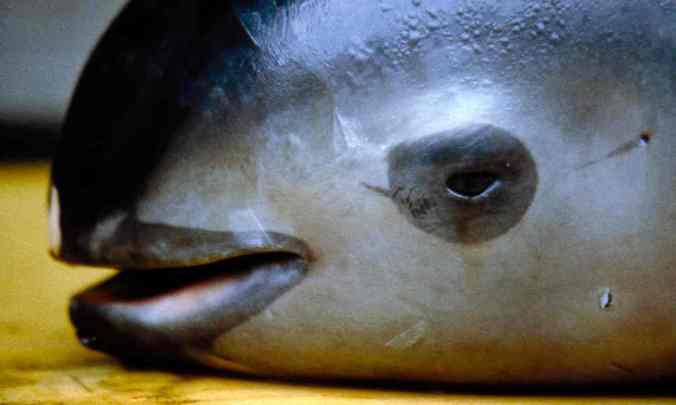
There are just 60 vaquita marina left in the wild, according the the latest estimate. Photograph: Ho New/Reuters

Even when there is tragic news, we take some comfort in seeing the WWF’s ongoing efforts to counter our worst tendencies as humans to deplete natural resources irresponsibly. Thanks the Guardian, and its French colleagues, for this news:

World’s smallest porpoise ‘at the edge of extinction’ as illegal gillnets take toll

Now only 60 of Mexico’s vaquita marina left despite the navy enforcing a ban on the fishing net, latest study shows

Environmentalists warned on Friday that Mexico’s vaquita marina, the world’s smallest porpoise, was close to extinction as the government reported that only 60 were now left. Continue reading

Xandari, Early Saturday Morning


Falls

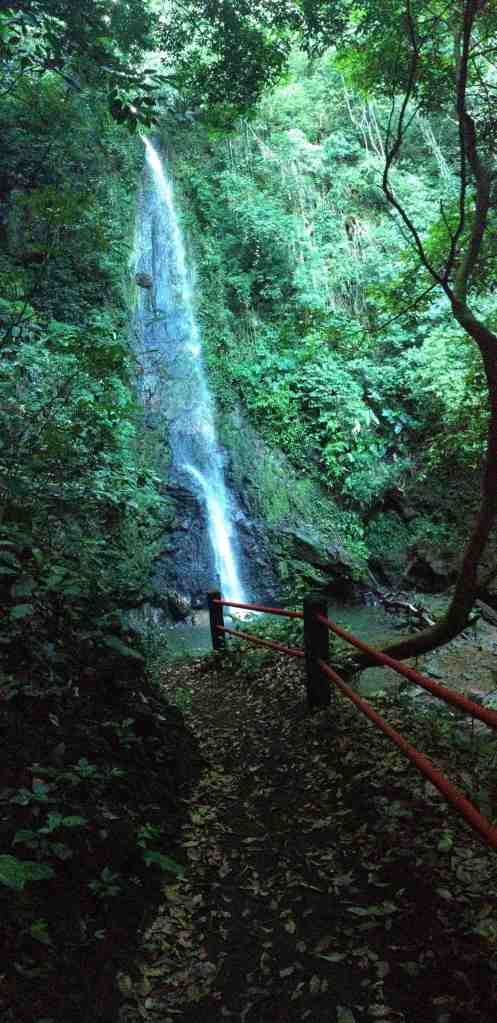
I have walked these trails hundreds of times during the nearly two decades since I first stepped foot in Xandari’s forest reserve. Somehow I never tire of this particular stretch, which is a testament to the fundamental charisma of water, and the special charisma of water falling from a significant height. Continue reading

Human – Pachyderm – Apium Collaboration

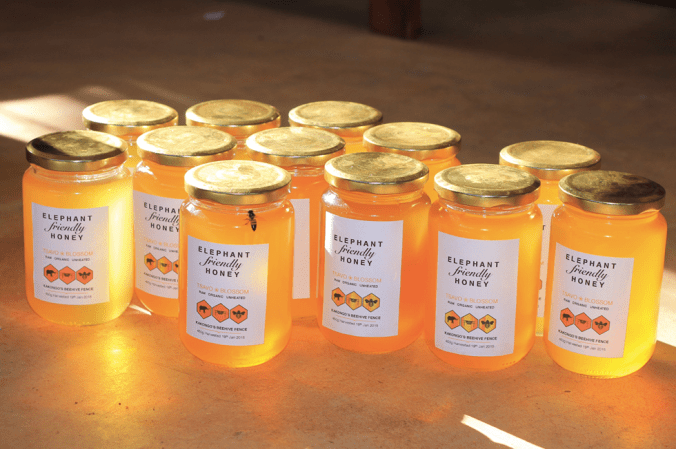
Innovation takes many forms. It’s especially satisfying when that innovation works with nature instead of against her. Examples of creative collaboration to solve environmental issues, be they unusual agricultural pest control or ways to avoid human/wildlife conflict such as this Elephant and Bee project are happy news indeed.

Some of our team live in Kerala, India – and know from personal experience the intelligence, and perseverance of elephants, when confronted with an obstacle to plants or trees they crave. This beehive fence concept is incredibly clever, taking advantage of the elephants’ natural fear of bees to keep them safe from potentially deadly conflict.

“I congratulate Dr. King as the winner of this important award. Her research underlines how working with, rather than against, nature can provide humanity with many of the solutions to the challenges countries and communities face. Continue reading

Science Cannot Serve Two Masters

overfishing_custom-1e6a0790cb0cea389c8c2aa9c4927c8b6f5686a1-s1400-c85.jpg

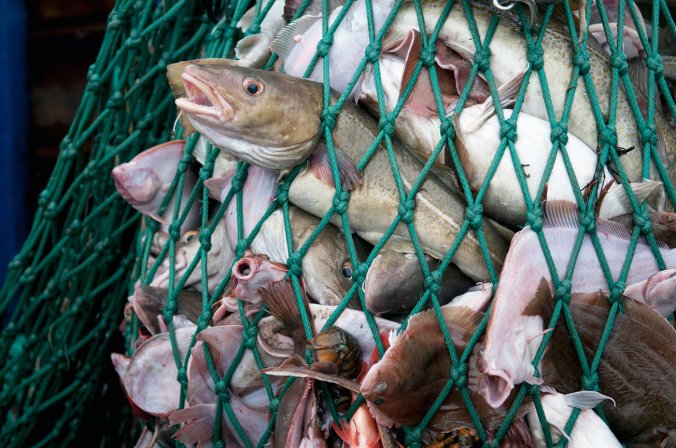
A fishing dragger hauls in a net full of Atlantic cod, yellowtail flounder and American lobster off the coast of New England. Greenpeace says Ray Hilborn, a prominent fisheries scientist known for challenging studies that show declines in fish populations, failed to fully disclose industry funding on some of his scientific papers. Jeff Rotman/Getty Images

Go to the dictionary, or notes from a science course you might have taken, to be reminded of the definition of how this body of knowledge operates, and the importance of avoiding bias is evident. When it relates to the survival or collapse of species, avoiding bias seems even more important than the definition implies. Science serves the interest of objective, verifiable truth; not economic or political interests (thanks to National Public Radio, USA):

Fisheries Scientist Under Fire For Undisclosed Seafood Industry Funding

A prominent and outspoken fisheries scientist at the University of Washington is under attack from Greenpeace for not disclosing industry funding in several scientific papers stretching back to 2006. Continue reading

Adaptation’s Last Chances

lead_960 (1)

Thanks to the Atlantic‘s excellent science writer, Ed Yong, for this:

Climate Change Is Shrinking Earth’s Far-Flying Birds

In which the red knot is the canary, and the planet is the coalmine.

ED YONG

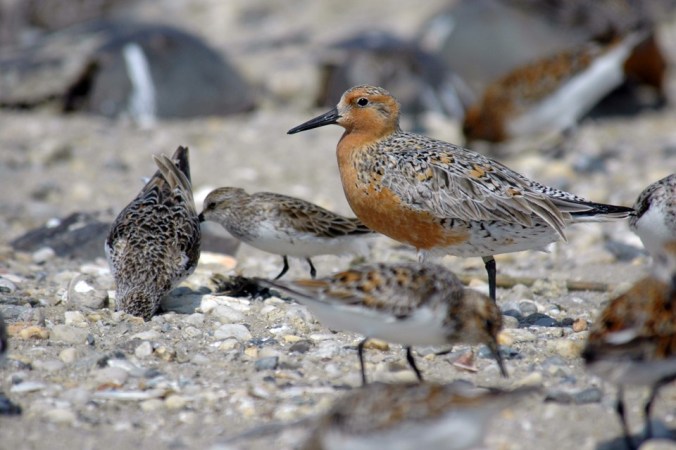
Every year, flocks of red knots criss-cross the globe. In the summer, these shorebirds breed in the Arctic circle, making the most of the exposed vegetation and constant daylight. Then, anticipating the returning ice and continuous night, they fly to the opposite end of the world. Different populations have their own itineraries, but all are epically long: Alaska to Venezuela; Canada to Patagonia; Siberia to Australia.

These migratory marathons mean that the red knot’s fate in one continent can be decided by conditions half a world away. And that makes it a global indicator, a sentinel for a changing world. It is the proverbial canary in the coalmine, except the mine is the planet.

And the canary is shrinking. Continue reading

Animal Kingdom Selfies

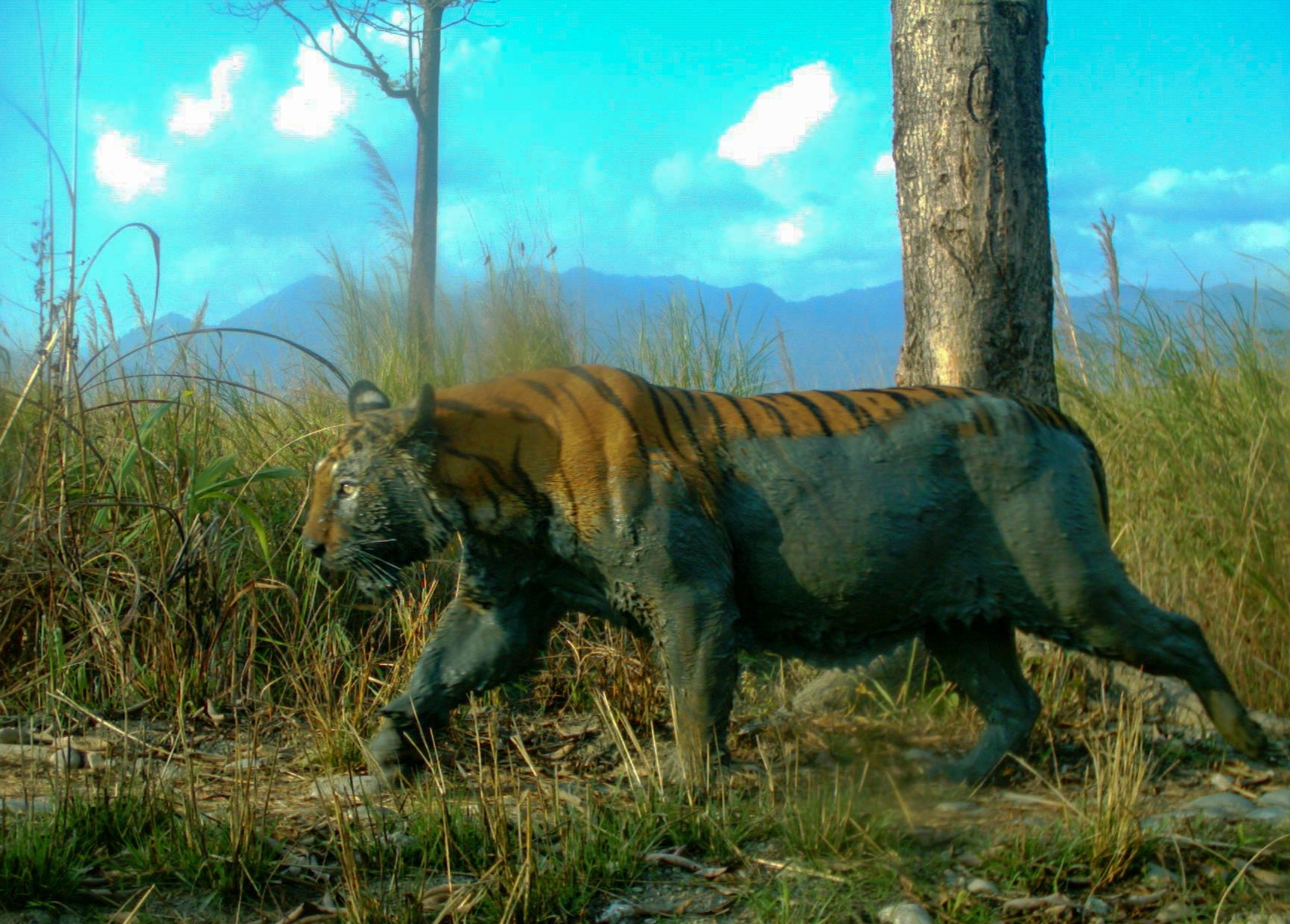
This tiger has emerged from a cooling mud bath at Manas National Park in India. Researchers can identify individual tigers based on their unique array of stripes. Credit: WWF-India. Courtesy of “Candid Creatures: How Camera Traps Reveal the Mysteries of Nature,” by Roland Kays (May 2016, Johns Hopkins University Press

Once again, Science Friday has come through with a cool article about an interesting subject. It contains excerpts from a new book containing images from camera traps, which are good research tools for animals that try to avoid humans. We’ve featured the devices a lot as a result, and now we get to continue doing so. Julie Leibach reports:

A new book of unabashed selfies has been released, but it reveals neither hide nor hair of a Kardashian. There is, however, plenty of hide and hair. Candid Creatures: How Camera Traps Reveal the Mysteries of Nature, by zoologist Roland Kays, is an album of wildlife photos captured with camera traps—devices that researchers install in the field to record members of the animal kingdom as they lope, scamper, or climb about their business. Kays’ book is also a rich summary of the insights that scientists have gained from using these tools.

Continue reading

The Medium Is The Message

o-COLUMNS-570.jpg

Charcoal has often been used by artists as a tool for sketching, but now this:

Floating Charcoal Sculptures Explore The Complex Relationship Between Man And Nature

Priscilla Frank
Arts Writer, The Huffington Post

Charcoal is a natural substance derived from the geological process of burning trees. The light black residue that remains, though created by nature, has a distinct architecture to its rough sides and sharp edges, reminiscent of the shapes made, consciously, by man.

Korean artist Seon Ghi Bahk uses this unorthodox artistic material to explore the complex and interwoven relationship between nature and human civilization. While Western culture has the tendency to view our natural surroundings as either a tool of human civilization or a pleasant backdrop for our daily lives, Bahk paints, or rather sculpts, a more nuanced picture.

Continue reading

Greenpeace, At It, As Ever

2500.jpg

Thanks to the Guardian for ongoing coverage of the band of environmentalists who are doing their best to keep the planet’s oceans healthy:

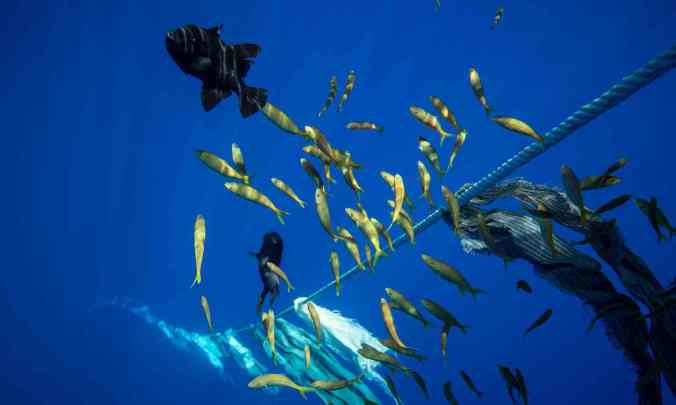
Greenpeace activists target destructive fishing in Indian Ocean – in pictures

With some Indian Ocean tuna stocks on the brink of collapse, the expedition exposes harmful methods by the world’s largest tuna company, Thai Union, owner of John West

Continue reading

DELIghtful Animation

Adam Pesapane has floated onto our radar several times in the past, and each time we’re left amazed. The level of creativity goes without saying.

Watch (and listen to!) the video above for the sheer pleasure of it. If you’re in need of a “pick me up”, explore more on his site, including his charming commercial pieces, all found under “films” here.


Balancing Conservation With Use

Bill-Clark_605

Photo courtesy of William Clark. William Clark, Harvey Brooks Professor of International Science, Public Policy, and Human Development at Harvard Kennedy School, has co-authored a new book on sustainability. “Achieving more equitable and sustainable use of the Earth requires a great deal of working together,” he said.

Thanks to the Harvard Gazette for this interview with William Clark:

Pursuing sustainability

A Q&A on connecting science and practice, balancing conservation with use

By Amanda Pearson, Weatherhead Center Communications

United Nations Secretary-General Ban Ki-moon on Friday will welcome 130 heads of state who have pledged to sign the Paris Agreement, the global agreement on managing climate change. For William Clark, Harvey Brooks Professor of International Science, Public Policy, and Human Development at Harvard Kennedy School (HKS), sustainability is a global imperative and a scientific challenge like no other.

Clark sees the Paris Agreement as just one step, though an important one, in this urgent pursuit, as officials wrestle with how to meet the needs of a growing human population without jeopardizing the planet for future generations. He and co-authors Pam Matson of Stanford University and Krister Andersson of the University of Colorado at Boulder tackle that issue in a new book, “Pursuing Sustainability: A Guide to the Science and Practice.” By looking at sustainability as a means of alleviating poverty and enhancing well-being, the book highlights the complex dynamics of social-environmental systems, and suggests how successful strategies can be shaped through collaborations among researchers and practitioners.

Clark, who trained as an ecologist, said that while exhausting Earth’s natural resources would jeopardize future generations, sustainability could counter that. The goal is to find a healthy equilibrium between human adaptation and natural evolution. Clark, the co-director of the Sustainability Science Program at HKS, spoke with the Weatherhead Center for International Affairs about building a more sustainable future. Continue reading

3.5 Beautiful Minutes

Screen Shot 2016-05-09 at 8.54.30 AM

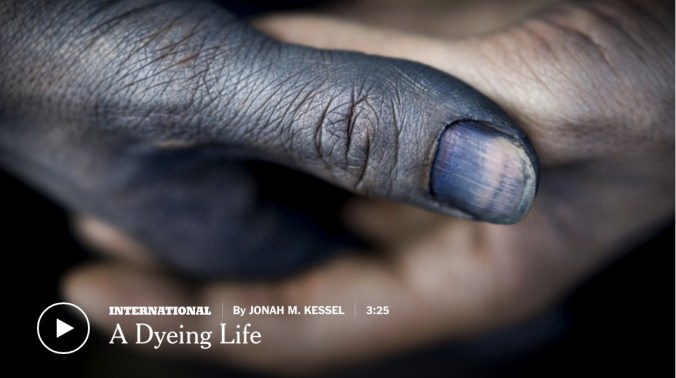
Image by Jonah M. Kessel/The New York Times.

Disillusioned with China’s urban dream, a young man set off on a 15-year walk and rediscovered his family’s ethnic Miao traditions.


In The Interest Of Debate On GMOs

We are concerned, and therefore generally against, GMOs up to now. But we are not 100% sure and so welcome new information when it is available. The University of Washington’s magazine, Conservation, is back in full awesomeness as a public service:

Despite the controversy surrounding genetically modified crops, they can be an important tool for developing disease-resistant crops that can eliminate the use of pesticides and reduce crop losses. In a trio of papers published recently in Nature Biotechnology, researchers documented how new, faster methods of isolating genes—and looking in some unexpected places—led them to identify, clone, and transfer disease-resistant genes into soybean, wheat, and potato plants. Continue reading

Diesel’s Downsides

4096

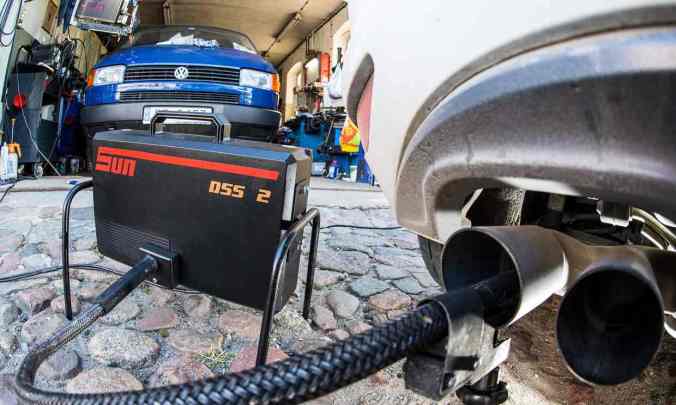
Exhaust from a diesel engine is tested for nitrogen oxides. Photograph: Patrick Pleul/EPA

Thanks to the Guardian’s Environment section:

Europe’s problem with diesel cars

By 

New UK government tests confirm that diesel cars produce a lot more air pollution in real-world driving when compared with the legal tests. Those sold since 2009 emitted six times more nitrogen oxides, on average.

Compared with the stricter standards applied to petrol cars, the average diesel sold between 2009 and 2015 emitted 19 times more nitrogen oxides.

In 2014, more than half of new cars in Europe were diesel, so solving our air pollution problems will not be easy. The Airuse project highlighted the role of taxation in car buying choice. All European countries, except the UK, have lower tax on diesel fuel compared with petrol. Continue reading

If You Happen To Be In San Sebastian

bilbleadsanseb

Construcción Vacía, San Sebastián, Spain by Jorge Oteiza

Phaidon, the great book company, shares this news from one of our favorite places in Spain:

Given its political backdrop, the quest for artistic freedom in Spain has perhaps been necessarily more tumultuous than elsewhere. Jorge Oteiza and Eduardo Chillida’s Grupo Gaur took the fight to the dictatorship in 1966, casting off the vestiges of costumbrismo (folkloric realism) at the same time. For this reason, sculpture retains an elevated status in the country not least in the seaside town of San Sebastián, near Bilbao. The resort is an art nouveau gem, with stately belle époque facades and a nose for a party. Continue reading