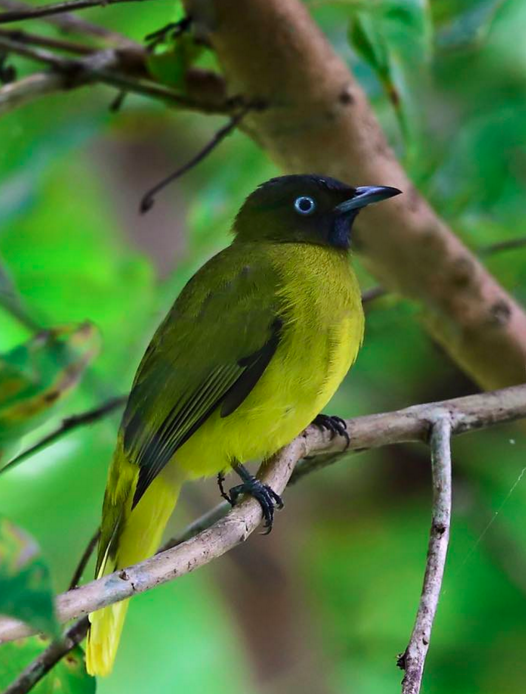
Port Blair, Andaman Islands
Port Blair, Andaman Islands
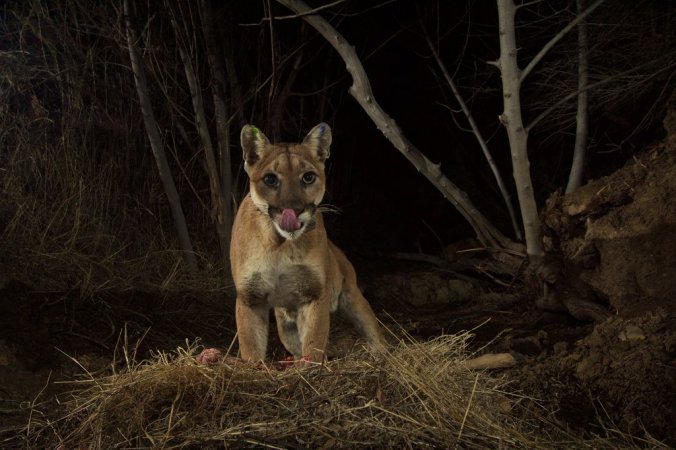
A female mountain lion called P-35 was photographed by a camera trap in the Santa Susana Mountains northwest of Los Angeles. National Park Service
From today’s Science section of the New York Times:
Photographing Wildlife Without a Photographer
By
Camera traps can help illuminate the world’s most elusive animals. When a cougar, elephant or other creature triggers the device’s motion sensor, it snaps a picture.
“Most animals are hiding, you actually never get to see them and you might be led to believe there’s nothing out there,” said Roland Kays, a zoologist at North Carolina State University and author of the forthcoming book “Candid Creatures: How Camera Traps Reveal the Mysteries of Nature.” Continue reading
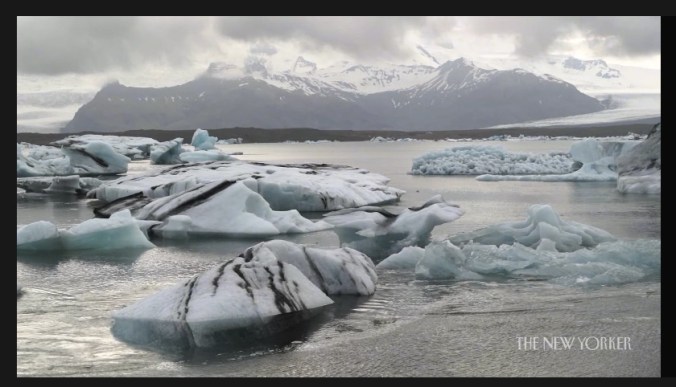
It is about two years since several of us took turns reading drafts of Seth’s honors thesis. We had been reading the summaries of his archival research since the summer of 2013, and by March 2014 he was describing Iceland in centuries past in a manner that made us hope such a place still existed. This small video makes us think it may still exist. It reminds us: we must go soon (as 19th century adventurers also said). It is too beautiful to describe in words, so instead may we recommend clicking on the image above and just going for a few minutes?
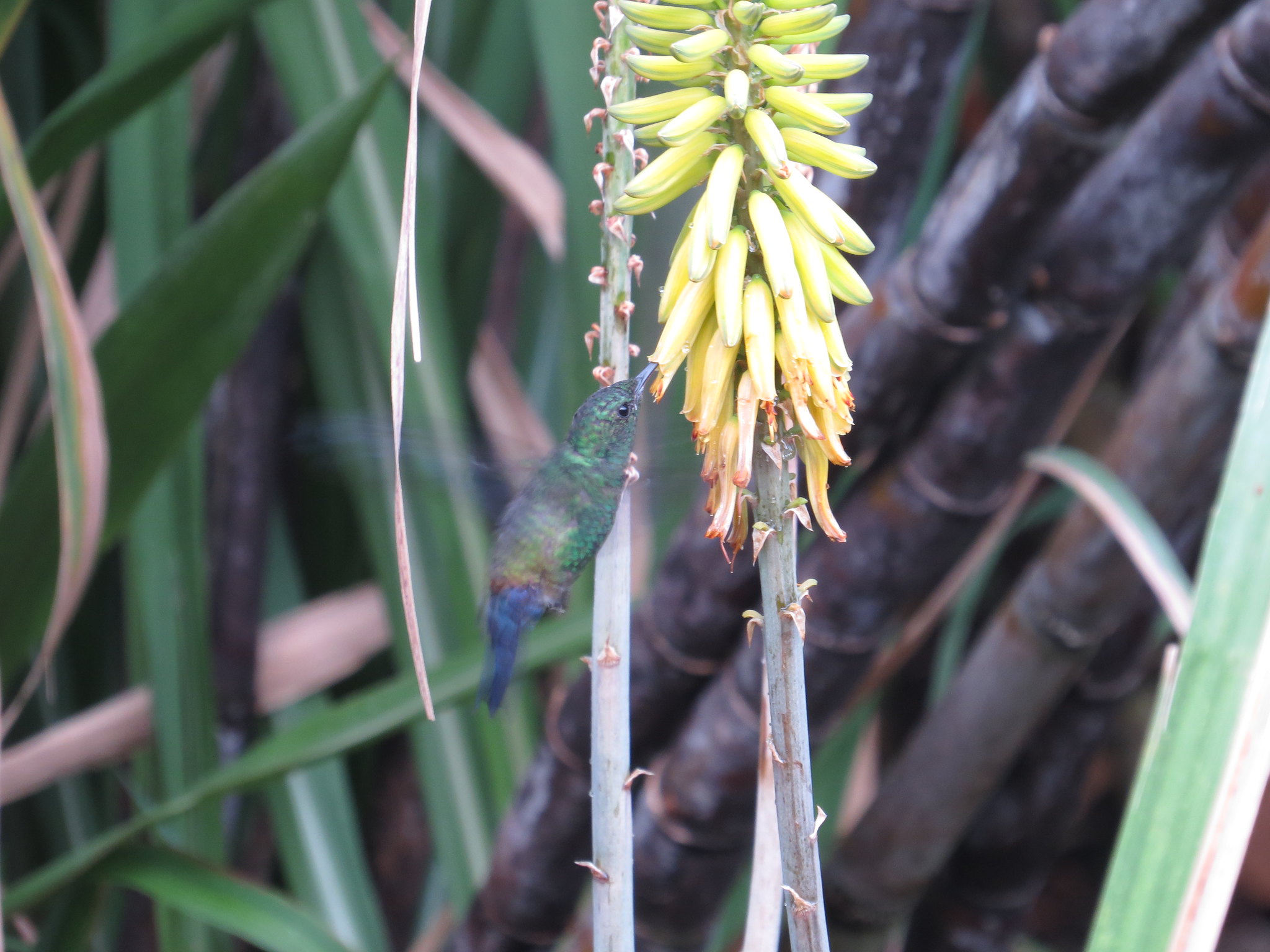
Tacacori, Costa Rica

Kamilla Seidler, center, who has worked in some of Europe’s top restaurants, leads the kitchen at Gustu, which is both a restaurant and an experiment in social uplift. PHOTOGRAPH BY BENJAMIN LOWY / GETTY IMAGES REPORTAGE FOR THE NEW YORKER
What were we thinking? Yesterday we chose a favorite without considering all the evidence. We stand corrected. Here we have a story of a restaurant at the top of the world, and at the pinnacle of how the game is played today, it sounds like. The content of this story is as superb as it is well written, and the theme is much closer to our hearts with regard to our organization’s core values and social enterprise roots:
Letter from La Paz APRIL 4, 2016 ISSUE
The Tasting-Menu Initiative
Can a restaurant for the rich benefit the poor?
BY CAROLYN KORMANN
Look out the windows of Gustu, the most ambitious restaurant in La Paz, Bolivia, and you’ll see the city climbing up toward the looming peaks of the Andes in a lumpy, shimmering mosaic. Continue reading
The ocean stirs the imagination and inspires the heart. In its frolicking waves and every grain of sand is a story of the earth. And the beautifully timed crash of the waves whisper about nature’s simple treasures. For the sea and its tales along the land are a continual miracle. – Rosanna Abrachan
The tale we hear is thrilling – of knowledge passed down for generations, of artisanal fishing practices that grace us with sustenance from the Arabian Sea without depleting her waters.
Come sea!
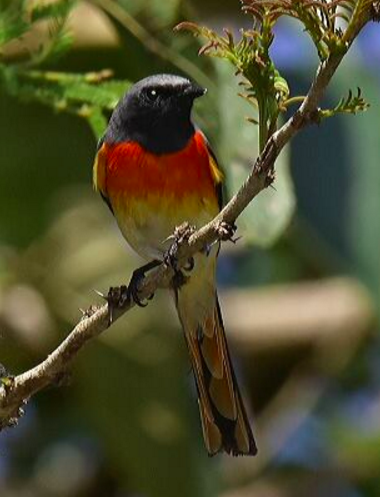
Masinagudi, Tamil Nadu
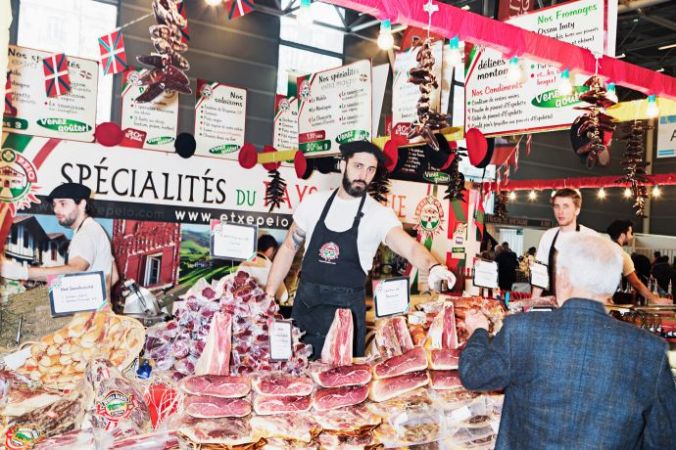
The Salon de l’Agriculture, held every year in Paris, is also a political crucible. PHOTOGRAPH BY IMMO KLINK FOR THE NEW YORKER
It is our favorite annual edition of our favorite source of longform journalism, and this looks like it could be our favorite article from this year’s edition:
Come to the Fair
The food-and-booze fest that is France’s national agricultural exhibition.
BY LAUREN COLLINS
It would be a mistake to think of microtourism, the latest invented word to capture the imagination of the travel sector, as mere staycationing. The practice, as defined by a pair of design students in Denmark who recently completed a project on the theme, is a prerogative of a future in which “gas prices are so high that we must develop a new form of adventure that does not require travelling great distances.” Microtourism is not glamping (no yurt) or bleisure (no work) or minimooning (no wedding). Nor is it Netflix and putter. If a staycation means pajamas and the garden shed, microtourism means sneakers and the subway. Continue reading

Alex Blumberg was only vaguely familiar to me when I listened to an interview with him on a podcast series that accompanied my early morning bicycle rides in late 2015. I had listened to Planet Money on occasion, and found it amusingly interesting most of the time. I had rarely, if ever, listened to This American Life, though many friends had recommended it.
Blumberg caught my full attention in this conversation recorded in October, 2014 as he described the process of sharing his experience starting up a new company. Continue reading
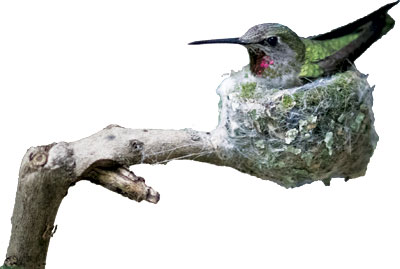
Photo by Elaine Miller Bond
The magazine Bay Nature is new to us, brought to our attention thanks to a friend from that part of the world. It comes via this particular article, which touches on several topics–fungi, birds, conservation and Bay Area awesomeness–commonly seen in our own pages in the last five years. Have a read below and if you like it go read the remainder on their website:
Identifying With Lichen
How the surprising union between a fungus and an alga raises questions about the nature of identity
by Elizabeth Lopatto
In July, Governor Jerry Brown signed into law a bill declaring the lace lichen—found along the Pacific coast and throughout the coast ranges—the state lichen. As of January 1, 2016, California will be the first state ever to designate a lichen as a state symbol.
Lace lichen, Ramalina menziesii, is easily recognized. It is pale green and dangles in strips from trees. It’s sometimes confused with Old Man’s Beard (Usnea sp.), which is also pale green and dangly. Lace lichen’s range stretches from Alaska to Baja California. It’s an important food for deer; it also serves as material for birds’ nests. I see it once, in researching this story, when naturalist Morgan Evans, a former student naturalist aide at Tilden Nature Area in the East Bay hills, removes it from her backpack and spreads it out. Evans is a pleasant and patient woman, whose true love is fungi. Her interest in lichens is an extension of that, she says. Anyway, she found some lace lichen growing in Morgan Territory Regional Park. She figured I’d want to see it and there isn’t much growing in Tilden that she knows of. She hands me the lichen, which feels strangely plasticine. It’s pale green—she wetted it so it wouldn’t crumble when she transported it—and dangles impressively, at least six inches long. Lace lichen can grow as long as a meter, and it has a netted structure that looks, to me at least, more like fishnet stockings than lace. Perhaps fishnet-stocking lichen would be a little too racy a nickname. Continue reading

Tacacori, Costa Rica
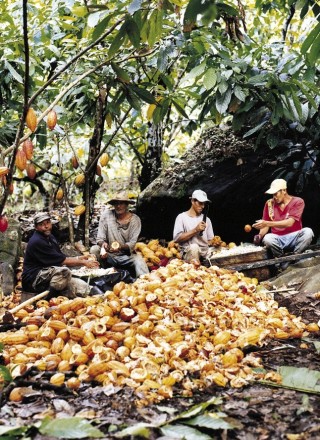
Cutting cacao pods on Diego Badaró’s farm, in Bahia. PHOTOGRAPHS BY JASON FLORIO
Because celebrating the Easter holiday is now so closely associated with chocolate, I presume, this article from the archives is suddenly front and center at one of our favorite websites. During our time in India I have learned from artisanal chocolatiers about Cadbury, among other big candy companies, who incentivized the removal of the high quality cacao that was growing here, in favor of more economical lower quality cacao. Bummer.
I remember first learning about chocolate from this article (click the image to the right to go to it), and it was worth the time to read it again based on my now-expanded interest in chocolate; also because it is a great story of entrepreneurship; and because Bill Buford is one of the greatest long-form writers on food:
Extreme Chocolate
The quest for the perfect bean.
BY BILL BUFORD
On July 7, 2001, Frederick Schilling and his girlfriend, Tracey Holderman, arrived in New York to attend the Fancy Food Show and launch Dagoba, an organic-chocolate company. Schilling had just turned thirty, Holderman was twenty-nine, and the show was the first entrepreneurial event of their lives. Dagoba had no employees and no orders. It had a lease for a ground-floor industrial space in Boulder, Colorado (the “factory”), and an investment of twenty thousand dollars (borrowed from Schilling’s mother and an uncle), which, after flights, a hotel, and a fee for the smallest possible booth, against a dark wall in the basement of the Jacob K. Javits Convention Center, was gone. It also had “launch products”—seven bars, including infusions of raspberry and mint—an amateurish jamboree, confected and poured into molds by a man who had never liked chocolate, hand-wrapped by a woman who rarely ate more than two ounces a year, and tested only by their Boulder friends and roommates, a scraggly crew of ski bums and folksingers. Dagoba was more bedroom than boardroom. In New York, that changed. Continue reading
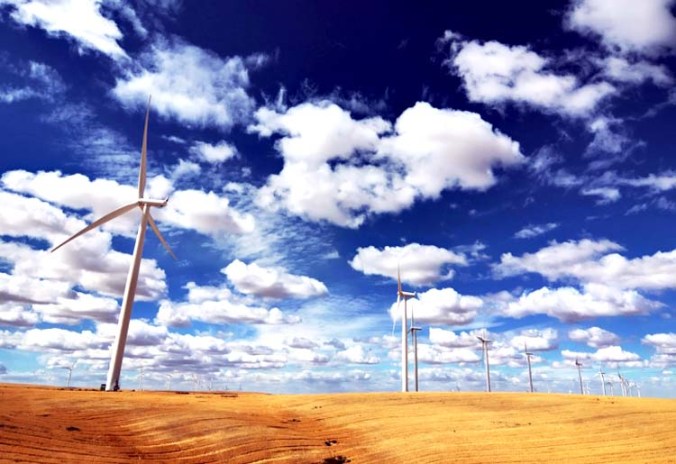
A wind farm in Washington state. Photo credit: Daniel Parks / flickr
Thanks to EcoWatch for this unexpected news:
Renewable Energy Investments Set New Record, Twice That of Coal and Gas
Renewable energy investment totaled a record $286 billion, with China, India, Brazil and other developing countries accounting for $156 billion in 2015. China’s investment alone rose 17 percent from the year prior, representing 36 percent of the global total. Experts expect this surge to continue, while coal remains in decline; China also announced this week that they will be suspending construction of new coal mines in 15 provinces. Continue reading

Workers inspecting a bale of refuse at the Recology recycling plant in San Francisco. Foreign officials and others often visit the facility for ideas on how to handle their own mushrooming piles of garbage. Josh Haner/The New York Times
From the New York Times:
San Francisco, ‘the Silicon Valley of Recycling’
By
Robert Reed, who is enjoying a surprising career turn as a busy tour guide at the latest hot spot here, stood smiling one recent sunny morning before 10 foreign dignitaries and journalists. They included the mayor of Genoa, Italy, and the general consuls from Italy, Canada and Switzerland.
Each visitor wore a sport coat and tie, and a yellow safety vest to ensure they wouldn’t be run down by garbage trucks. Continue reading

San Gerardo de Dota, Costa Rica

High winds have played a significant role in the history of Texas, Oklahoma and the Great Plains. At worst they accentuated the destructive “dust bowl” period, at best they’ve helped to power small homestead farms for several centuries.
As the struggle to step back from carbon based energy continues, it’s happy news that the measures are meeting with more success and fewer obstacles:
The decision also signals that the Obama administration remains committed to encouraging the spread of renewable energy, seen as a major component of reaching national goals on stemming climate change.Multiple companies are hoping to build high-voltage transmission lines to transport renewable energy produced by wind farms and hydroelectric plants to more populous regions of the country. Continue reading

Although we don’t particularly endorse consumption of alcohol or hold loyalty to any single brand or type of liquor, we’re always on the lookout for positive environmental news in any corporate setting, and we’ve recently learned that Bacardi Limited, perhaps the best-known makers of rum in the world (and owners of other alcohol brands Martini, Grey Goose, Bombay Sapphire, and Dewar’s Scotch), has been attempting to do better for the environment.
Called “Good Spirited,” (who doesn’t like a nice pun), Bacardi’s campaign involves recycling, waste reduction, energy efficiency, and other mechanisms to reduce the company’s environmental impact in the world and become more sustainable. For example, they’ve removed plastic straws and stirrers from their North American headquarter events in Florida and their Bombay Sapphire distillery in the UK, which they estimate will save more than 12,000 of the small plastic tubes from landfills annually.
In their original distillery in Puerto Rico, the company reuses water from rinsing Continue reading

Carara National Park, Costa Rica
In the past I’ve shared some of my egg-based artwork, known in Ukrainian as pysanky, that’s for sale at the Xandari Resort gift shop in Costa Rica, including a sped-up video of the process. But my painstaking handiwork, with wax and dye, can now be replicated to some extent by a machine called the Eggbot, which is an open-source robotic machine that can draw on eggs or other spheroids. Most often it uses pens but it can also even work with an electric-heated “kitska” or wax stylus similar to the flame-heated ones that I use.
The video above displays the various works of an Eggbot used by Jiri Zemanek at Continue reading
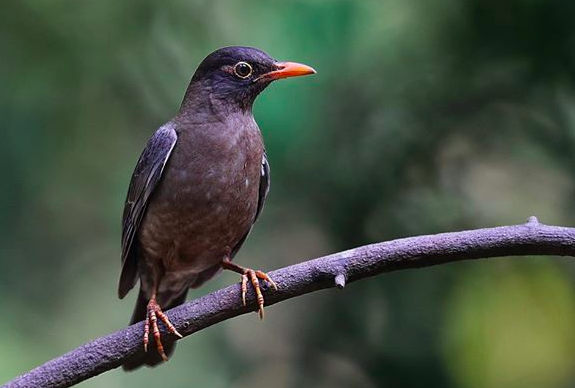
Dandeli, Karnataka
 Organikos