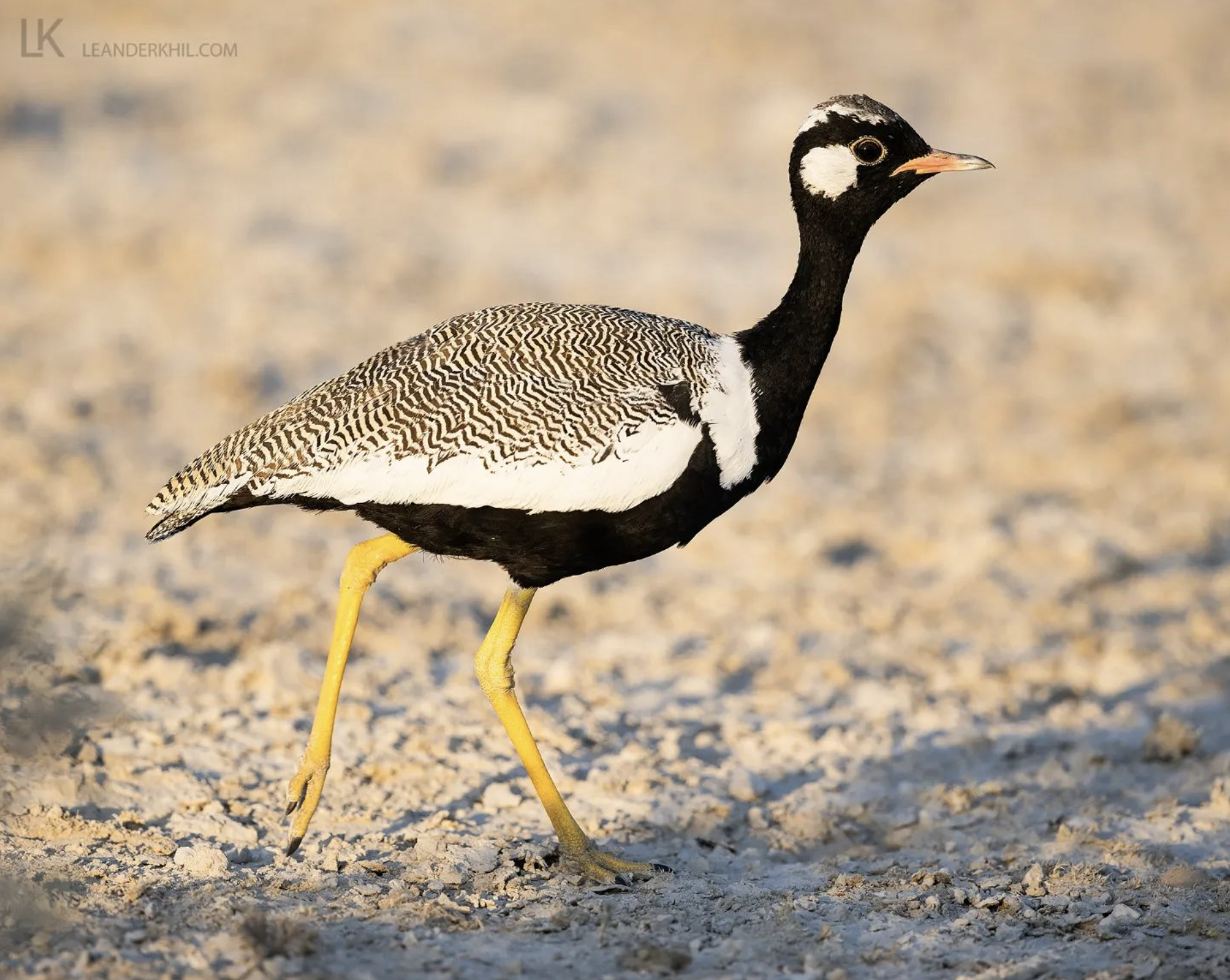
Male – Leander Khil Photography
Namibia
Male – Leander Khil Photography
Namibia
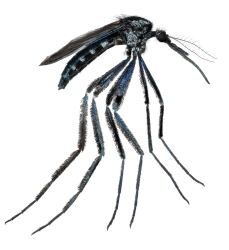
A macro image of a Costa Rican mosquito, Psorophora cilipes.
Living in, or even just visiting Costa Rica, inspires appreciation, and respect, for nature. But one creature defies this spirit:
A blood-sucking nuisance, mosquitoes are responsible for spreading diseases to hundreds of millions of people every year. True?
A Culex mosquito feeding from an invasive brown anole lizard in Florida. Photos courtesy of Lawrence Reeves
Yes, says entomologist Lawrence Reeves, but it’s also true that mosquitoes primarily feed on plant sugars, not blood. Only female mosquitoes consume blood, and only when they need it to complete their reproductive cycle. Also, it is possible some may serve as pollinators like bees, allowing plants to produce fruit, seeds, and more young plants. Continue reading
Karnataka, India

photograph: alamy
We do not live by fruit alone, so:
How moussaka made it into the pantheon of Greek gastronomy
Patriotism revolutionised a classic dish
In 1821 greek revolutionaries rose up against the Ottomans, setting off years of bloodshed that culminated in the creation of a free state in 1829. Continue reading
Keoladeo National Park, Rajasthan

Wolfgang Kaehler / LightRocket / Getty
Our thanks to Zoë Schlanger for this corrective. Breadfruit has appeared more than once in our pages, but never with appreciation like this:
Too Few Americans Are Eating a Remarkable Fruit
Breadfruit is a staple in tropical places—and climate change is pushing its range north.
Someplace in the lush backroads of San Sebastián, in western Puerto Rico, my friend Carina pulled the car over. At a crest in the road stood a breadfruit tree, full of basketball-size, lime-green fruits, knobbled and prehistoric, like a dinosaur egg covered in ostrich leather. Continue reading
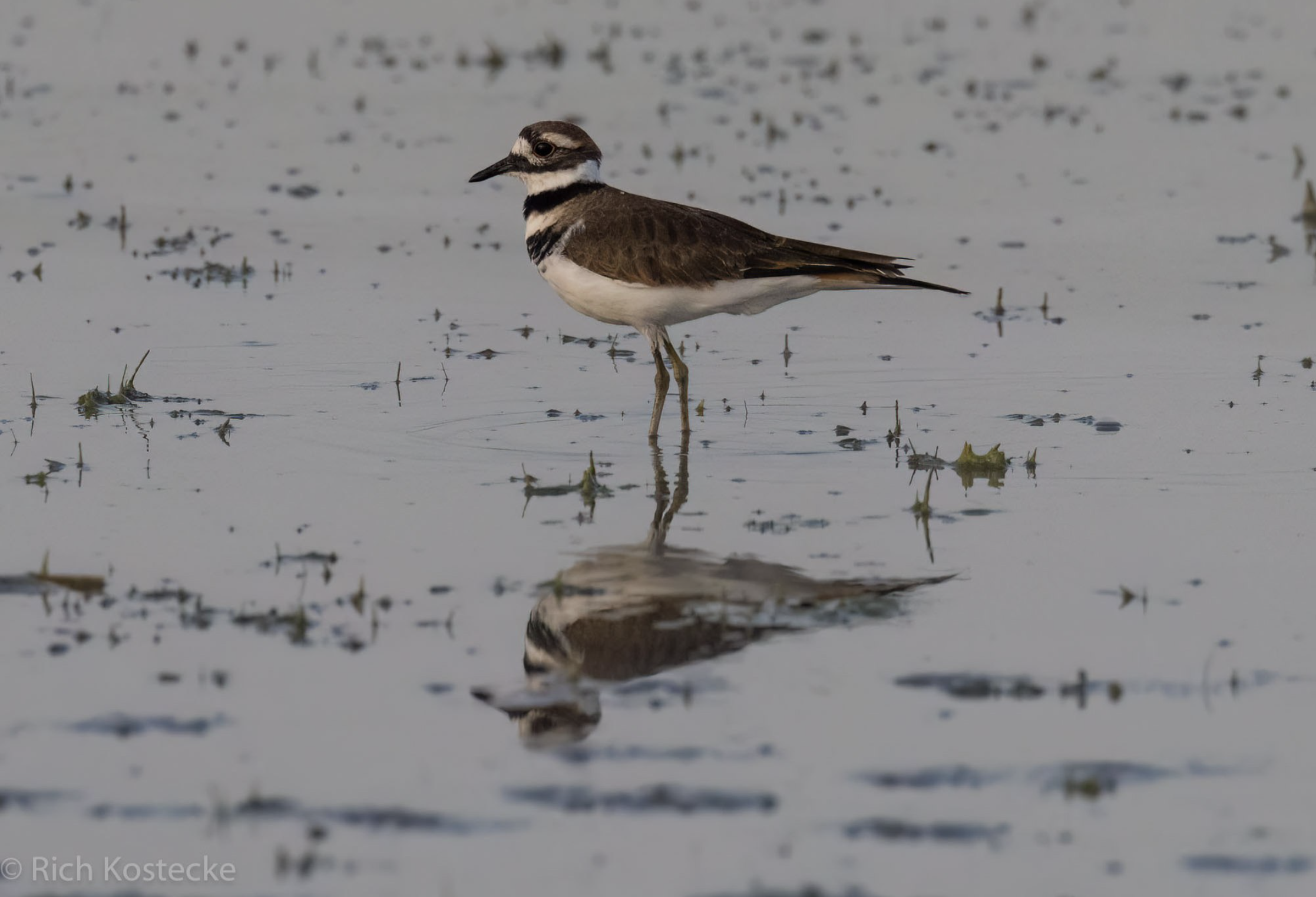
Granger Lake Willis Creek Wildlife Area, Williamson County, TX
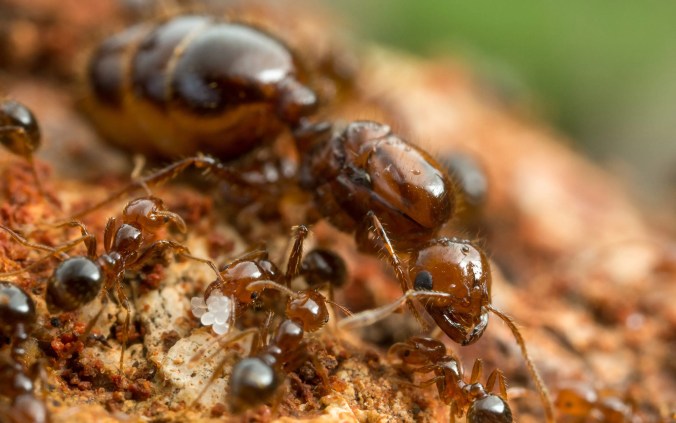
A queen Solenopsis invicta, an invasive fire ant. Photo by Alex Wild
John Whitfield, author of this article in Aeon, is a science journalist whose writing has appeared in Nature, among publications:
A polygyne population of red imported fire ants at Brackenridge Field. Austin, Texas, USA. Photo by Alexander Wild
Over the past four centuries quadrillions of ants have created a strange and turbulent global society that shadows our own
It is a familiar story: a small group of animals living in a wooded grassland begin, against all odds, to populate Earth. At first, they occupy a specific ecological place in the landscape, kept in check by other species. Then something changes. The animals find a way to travel to new places. They learn to cope with unpredictability. They adapt to new kinds of food and shelter. They are clever. And they are aggressive. Continue reading
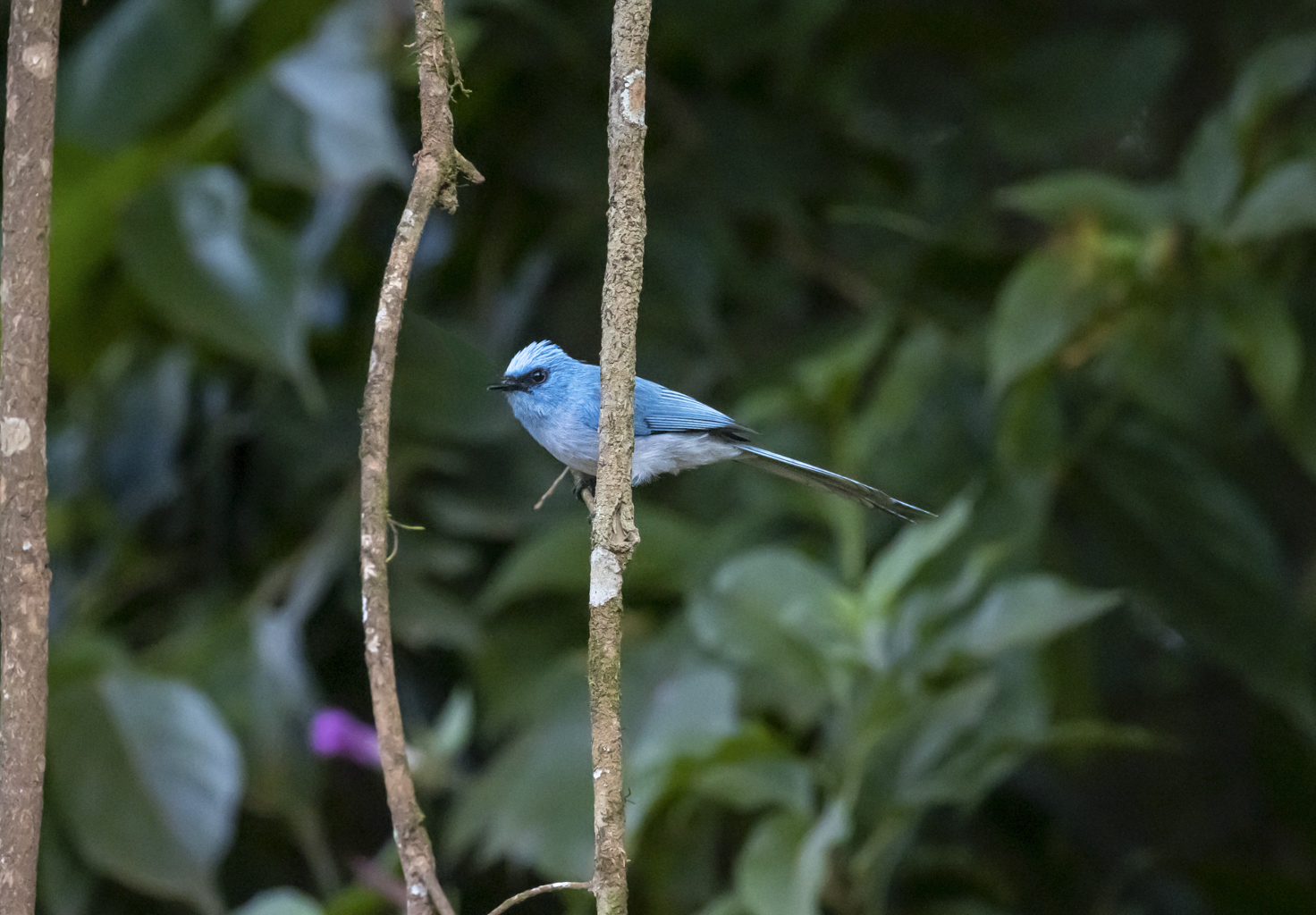
Kakamega Forest National Reserve, Kenya

Photographs by Maggie Shannon
It has been our belief since starting that getting outdoors is a very good preventative medicine, but maybe that was too simple a focus. Phones have disrupted life, especially for our young ones, more than we appreciated. Our thanks to Jonathan Haidt and The Atlantic for this (podcast discussion of the research here):
The environment in which kids grow up today is hostile to human development.
Something went suddenly and horribly wrong for adolescents in the early 2010s. Continue reading
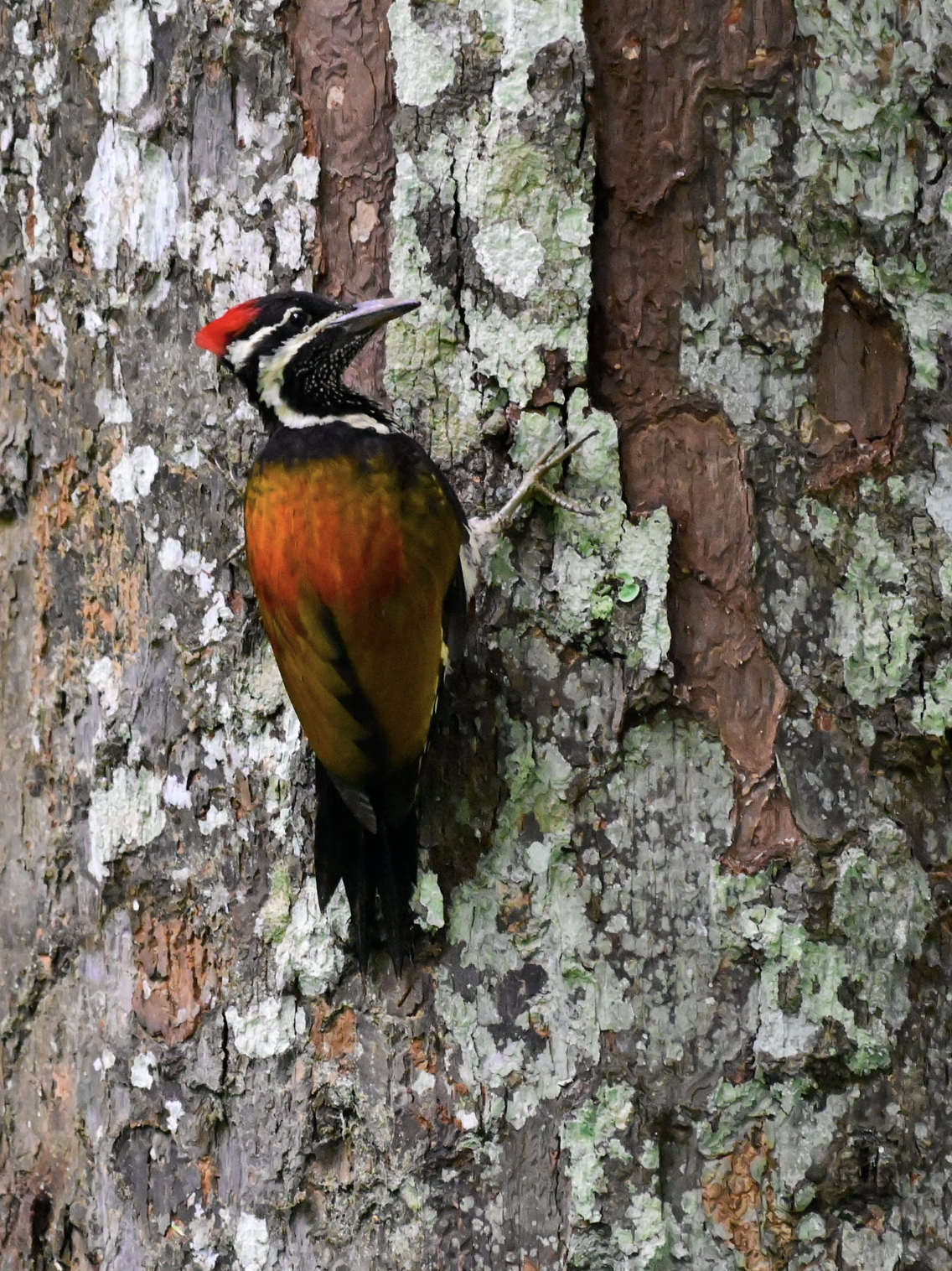
Thekkady, Kerala

Like many Italian aging researchers, Dr. Longo thinks Italy doesn’t invest enough in research. “Italy’s got such incredible history and a wealth of information about aging,” he said. “But spends virtually nothing.” Alessandro Grassani for The New York Times
Faux fasting is new to us, but thinking about diet is not. Our thanks to Jason Horowitz for another story from Italy:
To Live Past 100, Mangia a Lot Less: Italian Expert’s Ideas on Aging
Valter Longo, who wants to live to a healthy 120 or 130, sees the key to longevity in diet — legumes and fish — and faux fasting.
Most members of the band subscribed to a live-fast-die-young lifestyle. But as they partook in the drinking and drugging endemic to the 1990s grunge scene after shows at the Whisky a Go Go, Roxy and other West Coast clubs, the band’s guitarist, Valter Longo, a nutrition-obsessed Italian Ph.D. student, wrestled with a lifelong addiction to longevity. Continue reading

Comal County, TX

The Heirloom Carbon direct air capture plant in Tracy, California, which opened last November. HEIRLOOM CARBON
For keeping an eye on the captured carbon trail, thanks to Nicola Jones:
As Carbon Air Capture Ramps Up, Major Hurdles Remain
Aided by tax breaks and carbon credits, scores of plants are being developed or are now operating that remove CO2 from the air. Such facilities are considered necessary to limit global warming, but critics have questions about the high costs and where the captured carbon will go.
Texas is by far the top emitter of greenhouse gases in the United States: The oil-rich state releases twice as much carbon dioxide as the runner-up state, California, and as much as the entire country of Germany. Continue reading
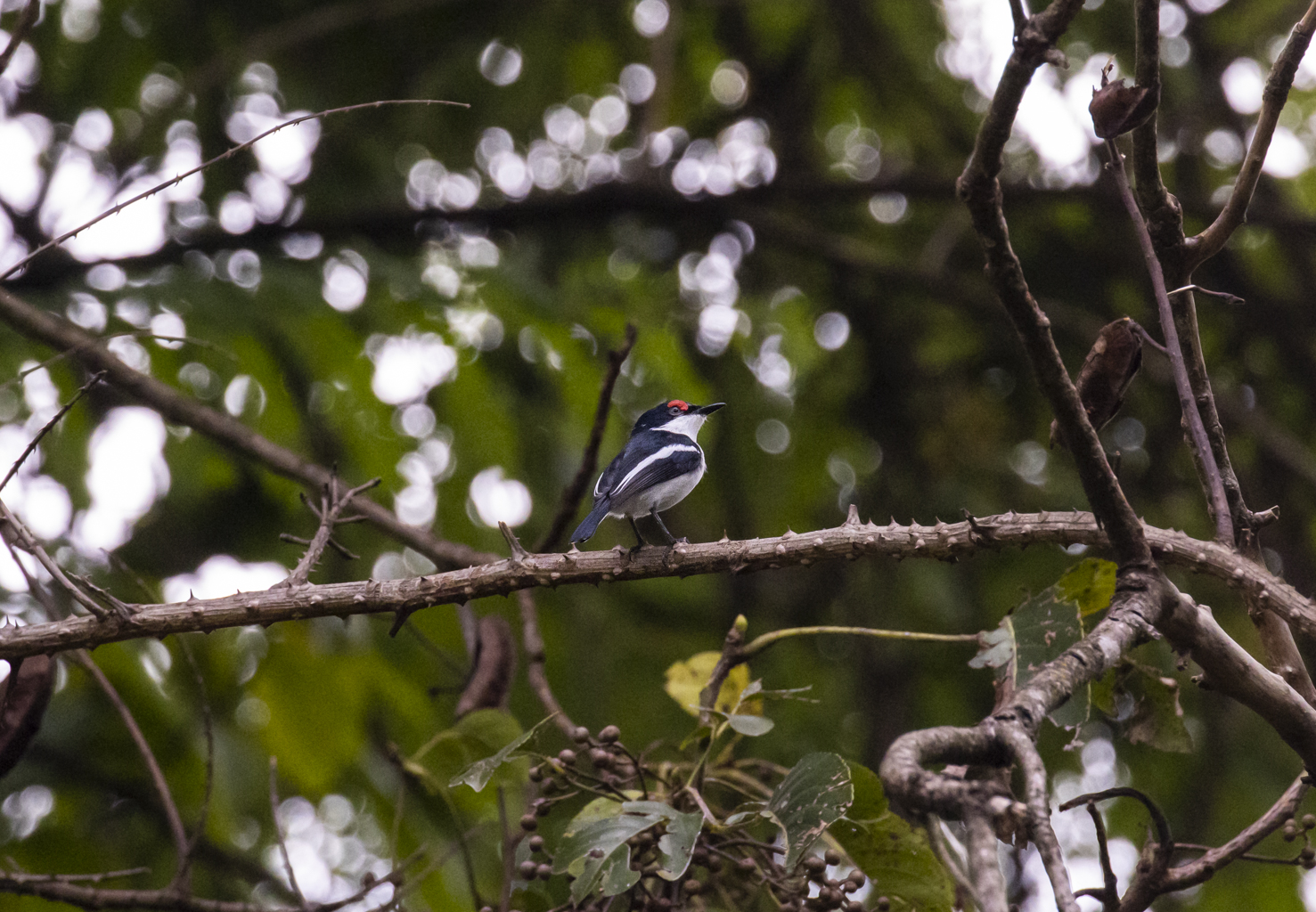
Kakamega Forest National Reserve, Kenya

Scientists in northern Minnesota are exploring how to adapt forests for climate change, transitioning them to a warmer future by planting new mixes of southern seedlings. In this “transition test” in the Cutfoot Experimental Forest, forest ecologists thinned trees and planted seedlings of eight species, grown from seeds collected up to hundreds of miles to the south. CREDIT: BRIAN PALIK / USDA FOREST SERVICE
Thanks to John Tibbets and Knowable Magazine
This 8-year-old bitternut hickory, native to a milder climate to the south, is flourishing in northern Minnesota, notorious for long, intensely cold winters. CREDIT: BRIAN PALIK / USDA FOREST SERVICE
On a brisk September morning, Brian Palik’s footfalls land quietly on a path in flickering light, beneath a red pine canopy in Minnesota’s iconic Northwoods. A mature red pine, also called Norway pine, is a tall, straight overstory tree that thrives in cold winters and cool summers. It’s the official Minnesota state tree and a valued target of its timber industry.
But red pine’s days of dominance here could fade. In coming decades, climate change will make red pine and other Northwoods trees increasingly vulnerable to destructive combinations of longer, warmer summers and less extremely cold winters, as well as droughts, windstorms, wildfires and insect infestations. Climate change is altering ecological conditions in cold regions faster than trees can adapt or migrate. Continue reading
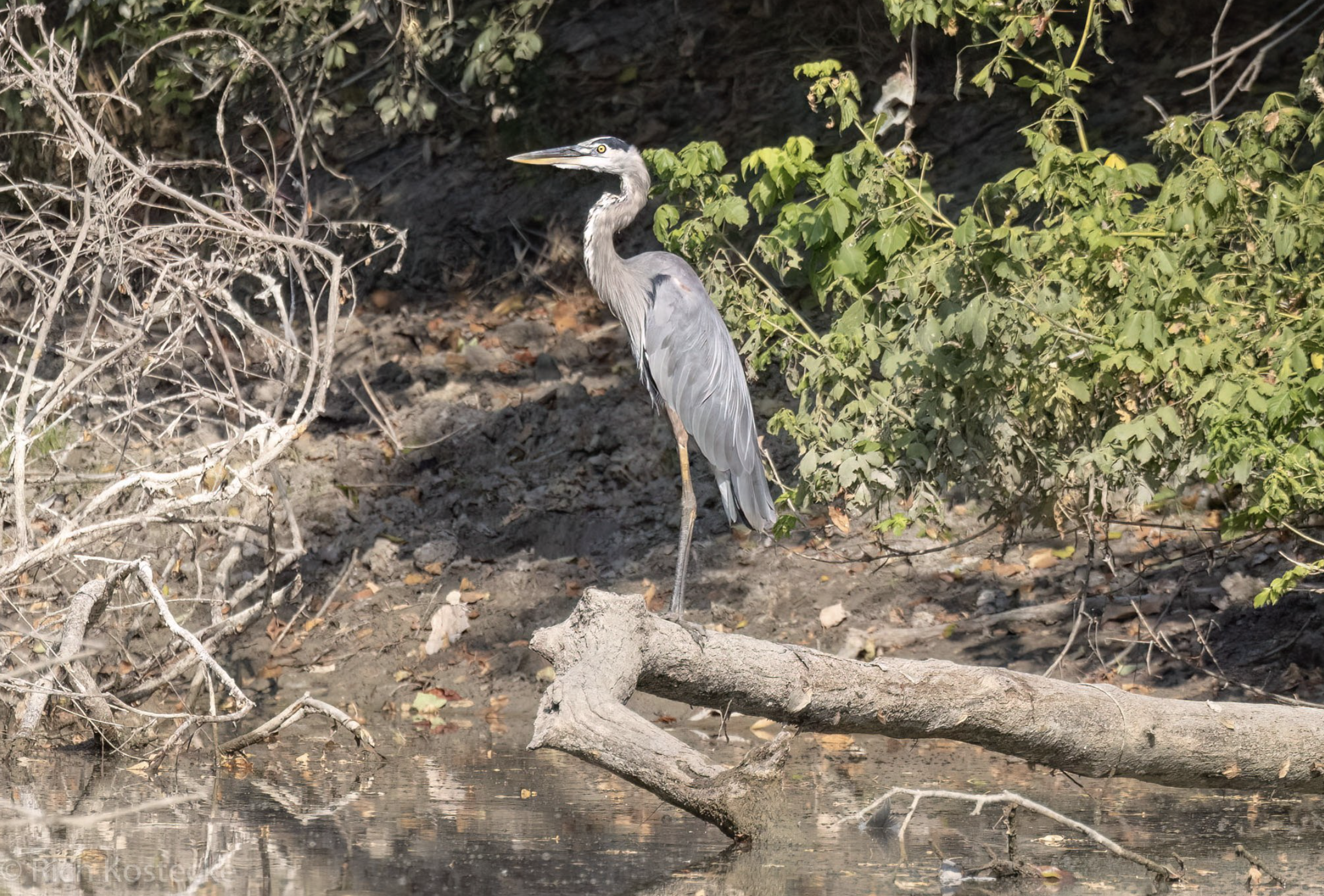
Granger Lake Willis Creek Wildlife Area, Williamson County, TX
 Another reason to subscribe to Bill McKibben’s newsletter:
How Not to Act in an Emergency
Forget AI–we need some human intelligence
We’re getting right to the nub now.
Yesterday the World Meteorological Organization officially certified 2023 as the hottest year in human history. Just to put on the record here what should have been the lead story in every journal and website on our home planet:
Andrea Celeste Saulo, secretary general of the WMO, said the organisation was now “sounding the red alert to the world”.
The report found temperatures near the surface of the earth were 1.45C higher last year than they were in the late 1800s, when people began to destroy nature at an industrial scale and burn large amounts of coal, oil and gas.
Last year’s spike was so scary that NASA’s Gavin Schmidt—Jim Hansen’s heir as keeper of NASA’s climate record—wrote in Nature this week that it raised the most profound possible implications. Please read his words slowly and carefully: Continue reading

El Palmar Integrated Management Natural Area, Chuquisaca, Bolivia
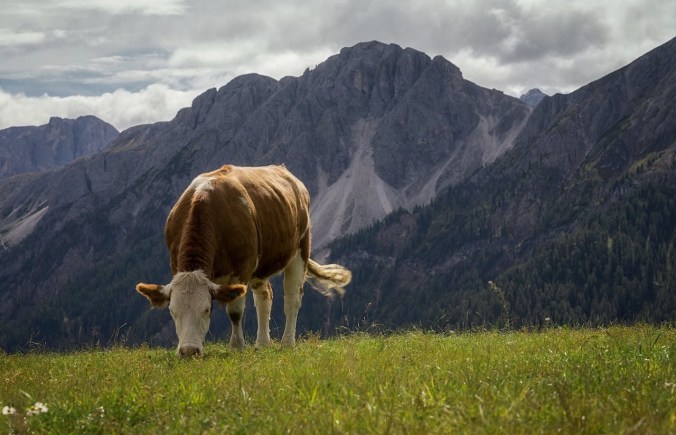
PEXELS
Thanks to Yale e360 Digest:
How Lightly Grazed Lands Can Lock Away Carbon
A new study finds that scaling back grazing on most pastureland worldwide would dramatically increase the amount of carbon stored in soils. Continue reading


 Organikos