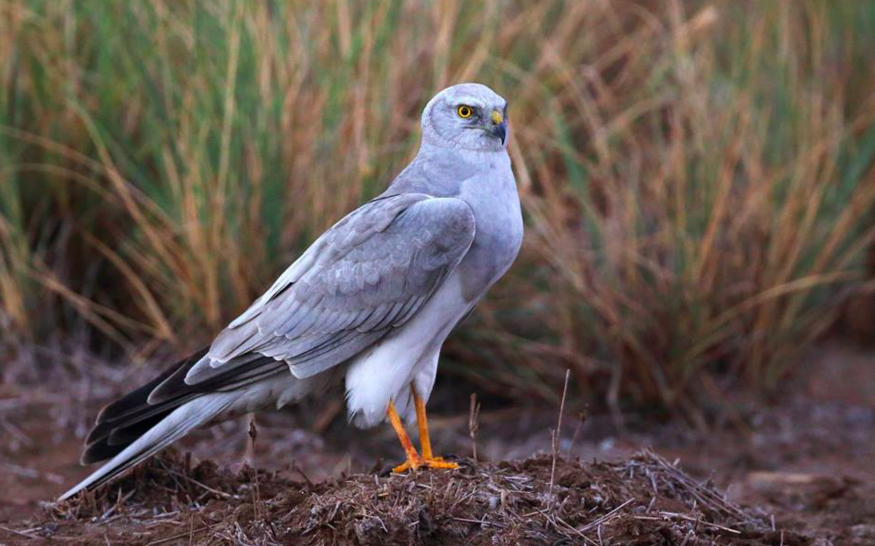
Blackbuck National Park at Velavadar, Gujarat
Blackbuck National Park at Velavadar, Gujarat
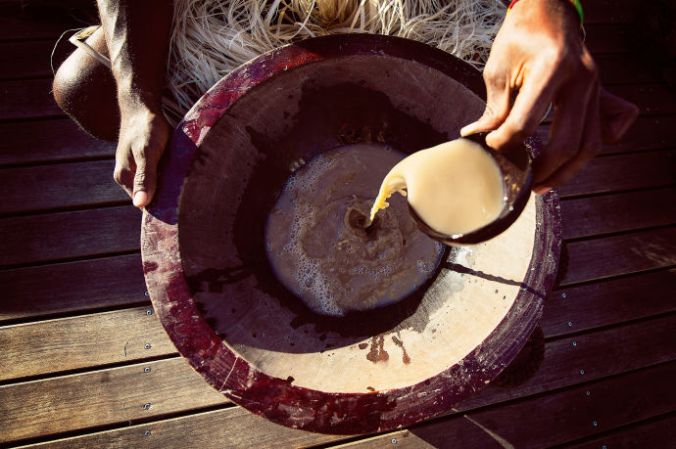
In an increasingly health-conscious New York, some would-be boozehounds are turning to kava, made from a South Pacific-originated plant, as a substitute for alcohol. PHOTOGRAPH BY KIRSTIN SCHOLTZ / WSL VIA GETTY
Never heard of it before, but now it is on our agenda:
“ALCOHOL IS SO 2014. TRY KAVA,” suggests a sandwich board on Tenth Street between First Avenue and Avenue A, in the East Village. Whether by design or not, this block has become a retro-futurist downtown cornucopia of health, wellness, and New Agey philosophy. It is home to, among other establishments, a lush and gaudy store that peddles healing crystals; the beloved Russian and Turkish baths; a store called the Molecule Project, which sells artisanal tap water squeezed of any impurity; and a place named Body Evolution, which boasts the “largest and most fully equipped GYROTONIC® studio in Manhattan.” And then there is Kavasutra, the block’s newest addition, specializing in drinks made from the root of a South Pacific-originated plant called kava. Designed like a real bar but booze-free, Kavasutra is a New York City experiment that asks its patrons to imagine the possibility of a cosmopolitan social life without alcohol. Continue reading

From Studio Olafur Eliasson: The Kitchen
From Phaidon, a new series that has our attention:
…This spring sees Phaidon will publish its first vegetarian-only cookbook for 10 years. Indeed, we are bringing out three vegetarian titles: The Middle Eastern Vegetarian Cookbook by the Lebanese writer and cook Salma Hage; artist Olafur Eliasson’s Studio Olafur Eliasson: The Kitchen, a collection of recipes the artist and his co-workers enjoy sharing together for lunch; and Icelandic chef and restaurateur Solla Eiríksdóttir’s Raw: Recipes for a Modern Vegetarian Lifestyle. Continue reading
It looks old fashioned, but is definitely newfangled. We do not have anything particular to say about this. Just enjoy the odd mix of ingenuity, musicality and spectacle.

At peak production, Intel’s new solar carport can carry half of the campus’ electricity demand. Photo by Intel via GreenBiz
Businesses are finally seeing the sense of clean energy, which we try to share about as much as possible when it comes to savings and renewables or alternative sources. Heather Clancy at GreenBiz reports on the use and investment of clean energy by several big US businesses, like GM with landfill gas, Intel with solar panels, and Google with renewable energy contracts:
Despite uncertainty surrounding the future of the Clean Power Plan and contractual nuances that make even the smallest project feel unnecessarily complex, big businesses seem more committed to renewable energy than ever.
“This time it’s not about fashion, it’s about real economics, about real business opportunity,” said economist Mark Kenber, CEO of the Climate Group, during a keynote interview at last week’s GreenBiz 16 conference in Scottsdale, Arizona.

Sivarpanam Palace, Tamil Nadu
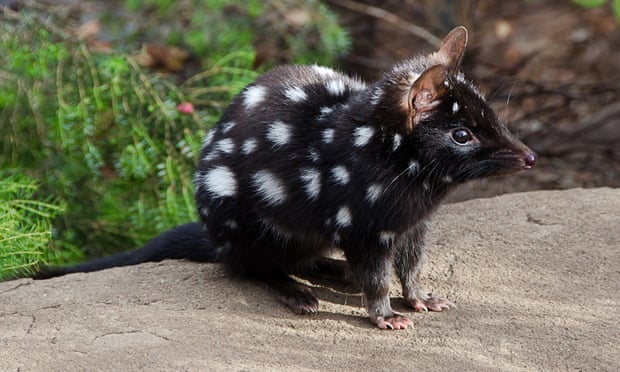
An eastern quoll. Professor Adrian Manning said it was the first ‘translocation’ of wild eastern quolls ‘into a free-ranging situation’ on the Australian mainland. Photograph: Marc Faucher, via The Guardian
We’re always happy to hear about the reintroduction of a previously extirpated species to its original habitat, even if we’re wary of some of the more ambitious projects from prior extinctions. Even though we weren’t aware of the existence of this cute marsupial named the Eastern Quoll, we’re glad to know that it is returning to its homeland. Elle Hunt reports for the Guardian:
The eastern quoll is making a comeback to mainland Australia, from where it disappeared more than 50 years ago, with a new generation introduced to the Australian Capital Territory from Tasmania.
A team of researchers from the Australian National University has reintroduced a group of wild eastern quolls from Tasmania into the Mulligan’s Flat Woodland Sanctuary in Canberra.
The small, carnivorous marsupial has not been seen there for almost 80 years.
Prof Adrian Manning, who led the team from the ANU’s Fenner School of Environment and Society, said it was the first “translocation” of wild eastern quolls “into a free-ranging situation” on the Australian mainland.
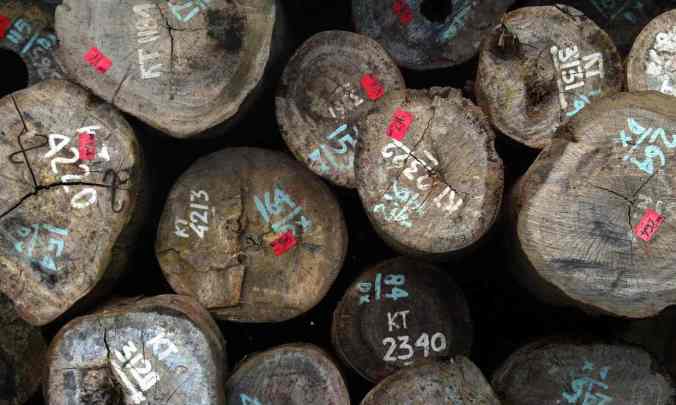
Global Land Analysis and Discovery alerts, analysing satellite images will be initially be available for Peru, the Republic of Congo and Indonesia. Photograph: Natalie Behring-Chisholm/AP
When there is news on the improved ability to reduce illegal logging, we are always interested. Thanks to the Guardian’s Environment section for their assistance on this front:
New satellite mapping a ‘game changer’ against illegal logging
System that provides hard evidence of logging crimes in almost real time gives new hope of combating tropical deforestation
Taken from outer space, the satellite images show illegal loggers cutting a road into a protected area in Peru, part of a criminal enterprise attempting to steal millions of dollars worth of ecological resources Continue reading
San Miguel Reservoir, Turrúcares, Costa Rica

This recent Thames Water press release has just come to our attention and it sounds like progress, or what we count as good news:
Europe’s biggest ever floating solar panel array is being installed on London’s Queen Elizabeth II reservoir as part of Thames Water’s ambitious bid to self-generate a third of its own energy by 2020.

You will never have seen Leo’s name in these pages before; our reason for linking to this story is just because the subtitle/byline is so delicious (thanks to EcoWatch):
What Climate Deniers Had to Say About Leo’s Oscars Speech
| March 1
Millions heard the call for climate action on Sunday night, when Leonardo DiCaprio (finally) accepted the Academy Award for Best Actor for his role in The Revenant.
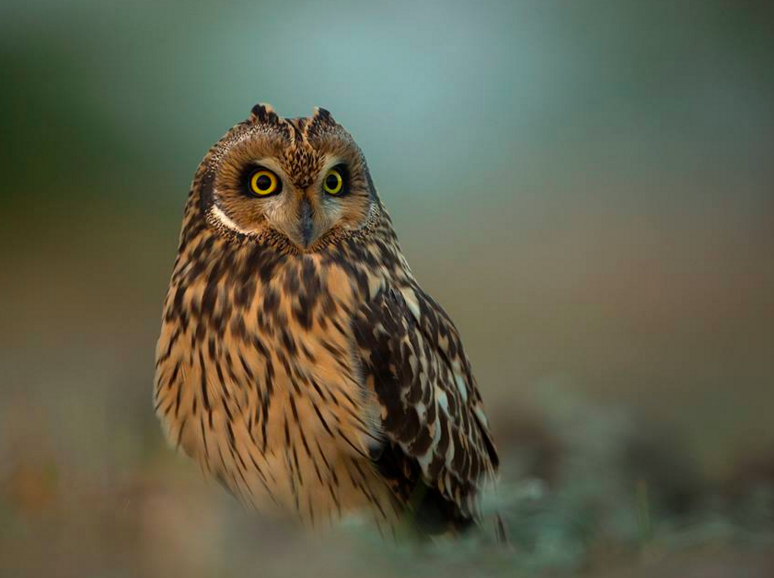
Little Rann of Kutch, Gujurat

We assume our calendars and clocks are based on fixed constructs, but don’t always take the time to consider the science behind them.The facts and rhymes we memorize in school – 365 days in a year; “30 days hath September, April, June and November, etc.” are thrown off balance by the fact that the actual number of days required for the earth to complete its orbit around the sun are not whole numbers.
It officially takes around 365¼ days (precisely 365.242) to complete the orbit. In 45BC Julius Caesar’s official astronomer Sosigenes balanced the calendar with the addition of a day every 4 years.
So what happens with those of us born on said day? Continue reading
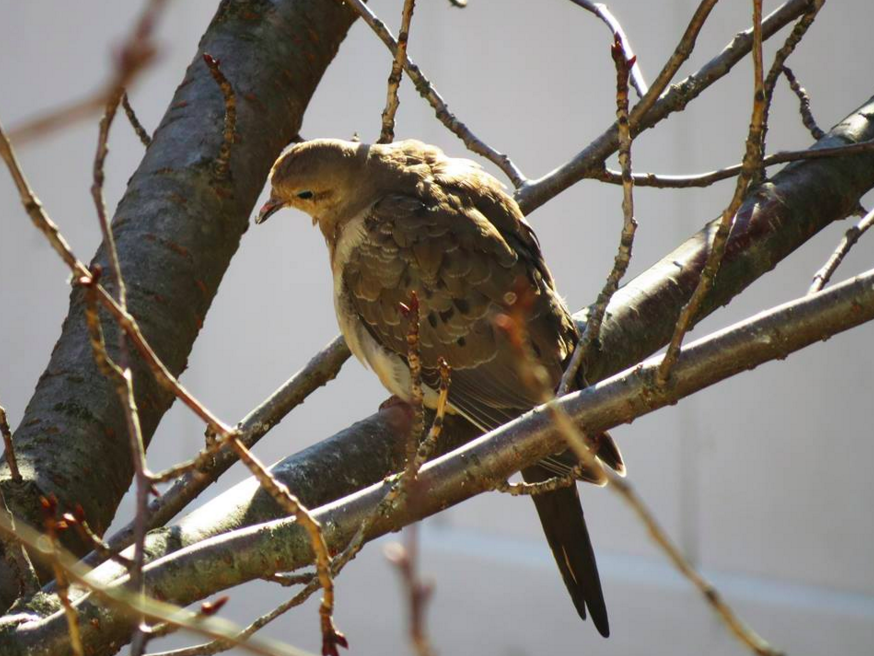
photo credit: Nancy Buron
Providence, Rhode Island
Day after day, it seems, we find something that shocks us–something we did not know that, had we known it, we might have dropped everything to go and see. This February is coming to a close, so we will have to wait until 2017 to check this out in person, but for now thanks to the Science section of the New York Times for bringing it to our attention:

Instagram was filled with thousands of versions of the firefall. These are a few that photographers shared with us. CreditClockwise, from top left: Vincent James, @vjamesphoto; Andrew McDonald/High Sierra Workshops; Carlos Loya, @t3nthirty1; Jeff Lui, @jeffreyplui; Bethany Gediman, National Park Service; @xbirdo; Nicki Frates, @nickif24, @theoutdooradventurer; Wayne Nguyen, @potatounit; Vincent James, @vjamesphoto; Gregory Woodman, @gregorywoodman
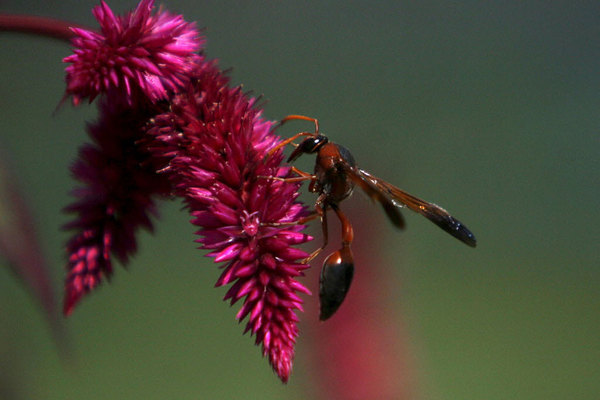
A wasp lands on a flower in a garden in Srinagar, India, Sept. 8, 2009. Bees and other pollinators face increasing risks to their survival, threatening foods such as apples, blueberries and coffee worth hundreds of billions of dollars a year, the first global assessment of pollinators showed on Friday.
It is worth seeing how various media outlets cover the same news we first linked to here. The CS Monitor, as always, has a thoughtful consideration of the news, asking the key question:
Earth’s bees and other pollinators need some human help: What can we do?
Pollinator populations around the world are declining, threatening hundreds of billions of dollars worth of agriculture. Humans are part of the problem, say scientists, but they can also be part of the solution.
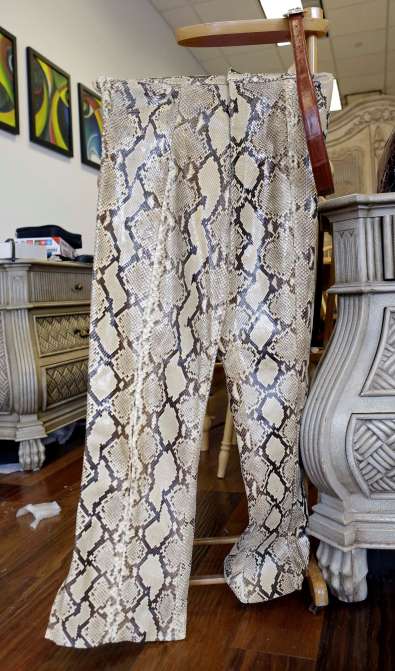
In this photo taken Tuesday, Feb. 23, 2016, a pair of trousers made of python skin is displayed at All American Gator Products in Hollywood, Fla. About a third of the pythons have come to Brian Wood, owner of All American Gator Products, to be made into wallets, shoes, belts or handbags. Wood pays up to $150 apiece for the snakes, about the same price he pays for python skins imported from Asia. © AP Photo/Alan Diaz
The pattern is striking. Takes a moment to realize it is a natural one. We have Burmese Pythons to thanks for that natural beauty. The pattern by which it is sewn together? Hmmm. We are not sure the fashion would suit us, so to speak. Python pants, in the work we do, would just be odd.
But to be consistent with our enthusiasm for eradication of invasive species, through what we call entrepreneurial conservation methods, we must tip our hats:
Florida hunters capture 106 Burmese pythons; 1 was 15-feet
By JENNIFER KAY, Associated Press
DAVIE, Fla. — Florida wildlife officials say 106 Burmese pythons were caught during a state-sanctioned hunt for the invasive snakes.
The longest was 15 feet. Continue reading
San Miguel Reservoir, Turrúcares, Costa Rica
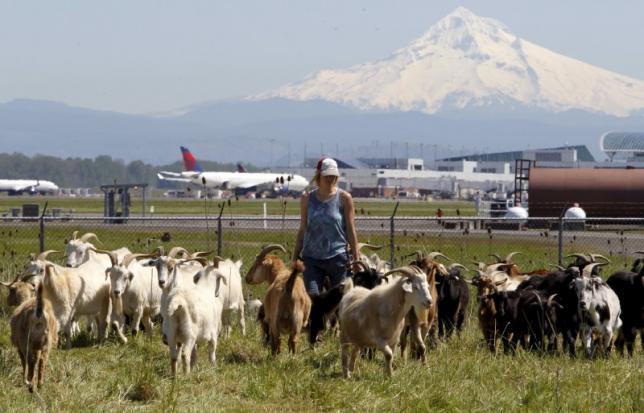
Shepherdess Briana Murphy herds goats at the Portland International Airport in Portland, Oregon, as Mount Hood is seen in the background, April 17, 2015. In a city that loves its goats, the Portland International Airport now has a temporary herd. Forty goats and a llama started munching this week on invasive plants such as blackberries, thistle and Scotch broom near the PDX airfield. The llama’s job is to keep away predators like coyotes. Picture taken April 17, 2015. REUTERS/Steve Dipaola – RTX19KH0
The aroma seems like a small price to pay, under the circumstances, but we appreciate Oregon for trying this novel approach nonetheless:
Oregon city fires its grounds-keeping goats with ‘barnyard aroma’
A crew of goats brought in to devour invasive plants at a popular park in Oregon’s state capital, Salem, have been fired because they ate indiscriminately, cost nearly five times as much as human landscapers and smelled far worse, a city official said on Friday. Continue reading
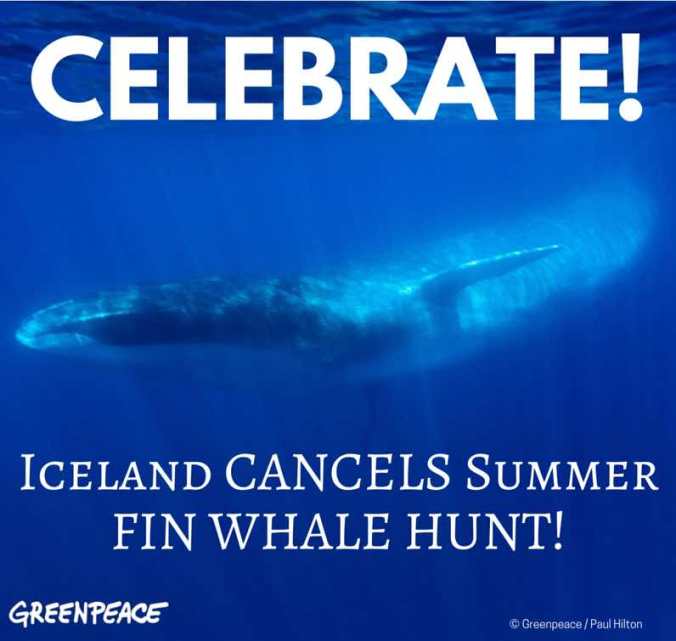
Thanks to Ecowatch for sharing this news, and megathanks to Iceland for making the news:
…Word today from colleagues in Iceland and now reports in both Icelandic and English-language media confirm that the planned hunt for fin whales will not happen this summer. The man behind that whaling is claiming that he’s stopping because of “hindrances” in exporting the meat. That’s great news for whales and everyone who has been opposing this needless, senseless hunt. Continue reading
 Organikos