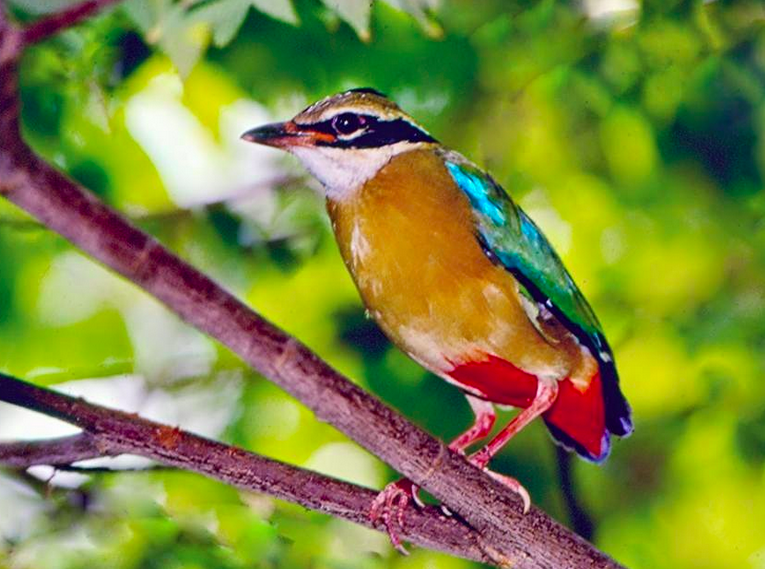
Pudukkottai, Tamil Nadu
Pudukkottai, Tamil Nadu
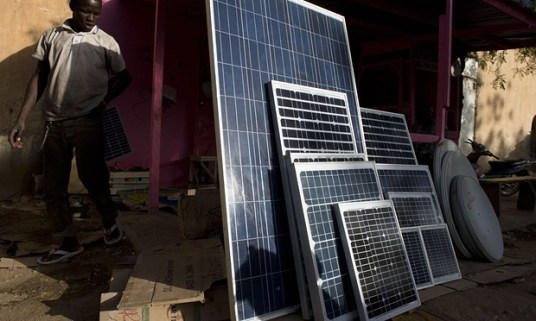
In addition to the successful planting of millions of trees and bushes in parts of Tigray, Ethiopia, and elsewhere in Africa as part of the African Forest Landscape Restoration Initiative (AFR100), the announcement of another ambitious initiative by several African countries during the United Nations’ summit of climate change in Paris could spearhead the continent to becoming the world’s cleanest in the following decades.
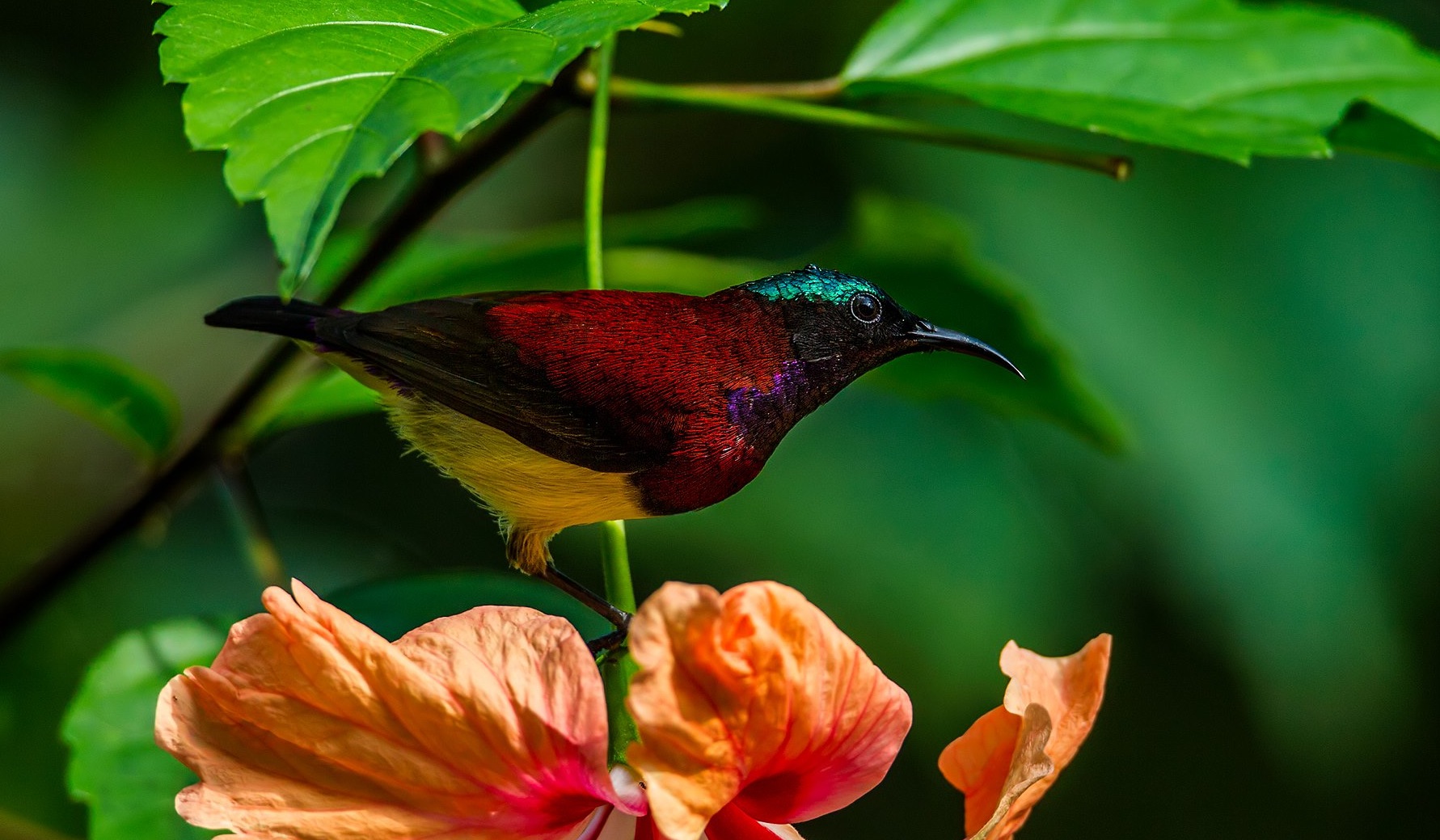
Bhagwan Mahavir Wildlife Sanctuary, Goa

Pangot, Uttarakhand

Bharatpur National Park, Rajasthan
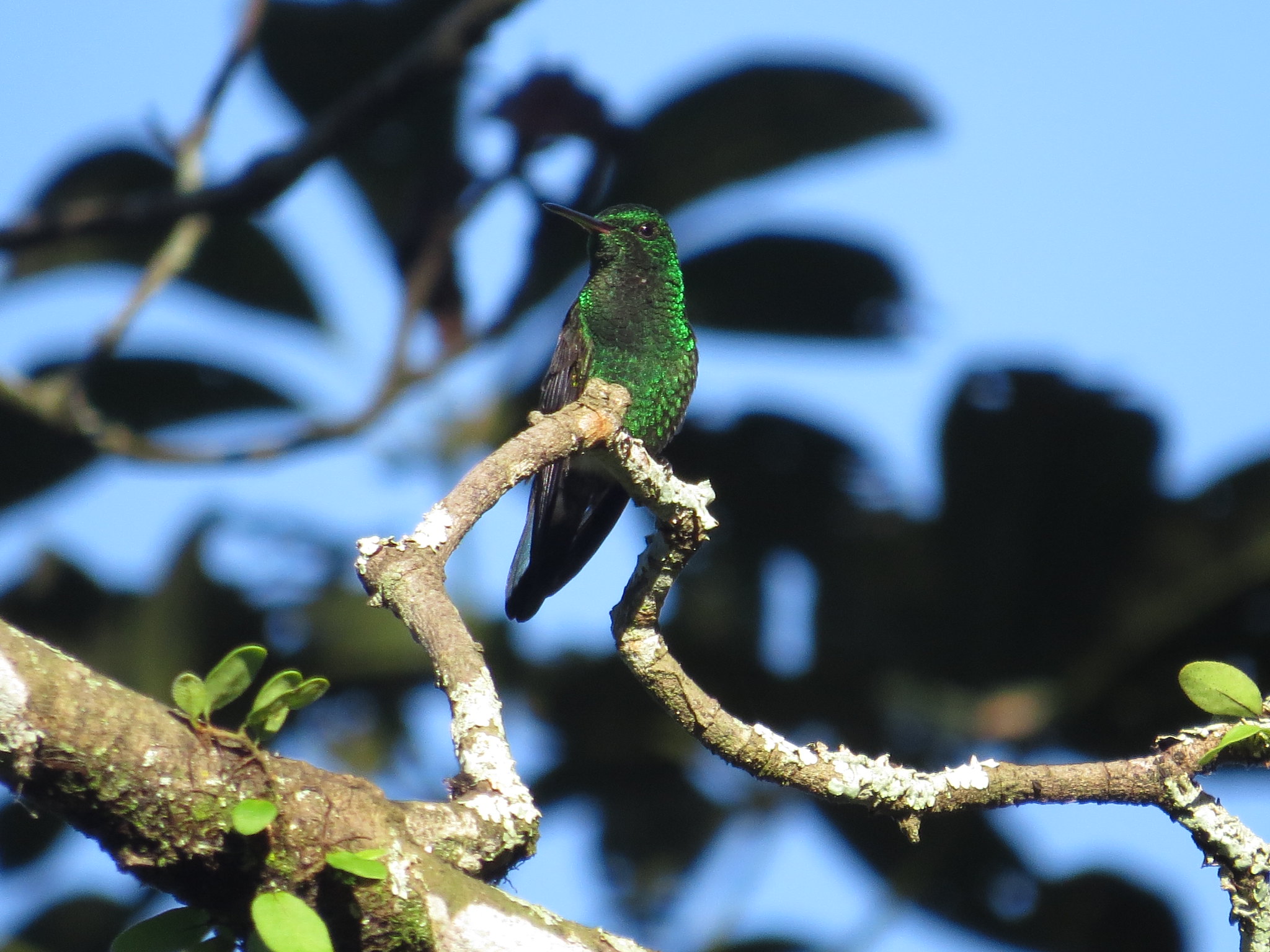
Tacacori, Costa Rica

Vaduvoor Lake, Tamil Nadu

Ripe and ripening Caturra coffee at Xandari Resort, Costa Rica.
We have a strong connection with coffee here at Raxa Collective, especially given the recent developments in coffee growing at Xandari Resort in Costa Rica over the last year. With the COP21 climate change summit in Paris happening this week and the next, there’s been an announcement by Costa Rica’s Ministry of the Environment (MINAE) that 25,000 more hectares of coffee plantation in the country will be converted to carbon-efficient, National Appropriate Mitigation Action farms, funded in part by the UK and Germany. Lindsay Fendt reports for the Tico Times:
Costa Rica began its coffee NAMA pilot program in 2013 with 800 small producers. The donated money will allow Costa Rica to expand the program to more than 6,000 family-owned farms. By 2023, the country plans to have implemented the NAMA best practices in all of its coffee farms.
The pilot farms reforested unused areas of farmland, reduced their dependence on chemical fertilizers and employed other innovations on a farm-by-farm basis. The strategies already have been proven effective. Coopedota, located in the Los Santos region southeast of San José, became the world’s first carbon neutral coffee producer in 2011 by utilizing many of the NAMA recommendations. Along with improving efficiency, the coffee cooperative burns coffee bean byproducts to produce its own energy. The cooperative’s members say in addition to helping the environment, the changes have saved them more than $200,000 a year in costs.

Manipur, India
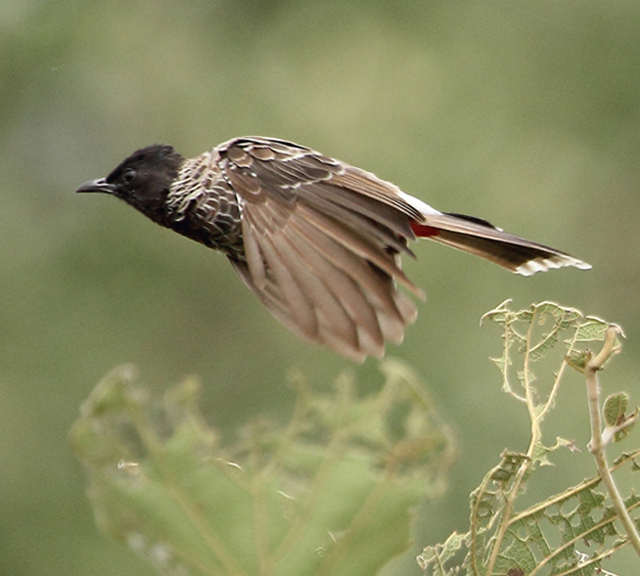
Bangalore, Karnataka

Image © Shutterstock via GreenBiz.com
We all enjoy eating bread, whether it is gluten- or wheat-free, whole grain, French baguette, Italian ciabatta, or any of the myriad other styles of baking. In a new book called The New Bread Basket, author Amy Halloran explores, as her subtitle explains, “How the New Crop of Grain Growers, Plant Breeders, Millers, Maltsters, Bakers, Brewers, and Local Food Activists Are Redefining Our Daily Loaf.” An excerpt, via GreenBiz.com, follows:
People will keep studying one another and drawing on their ingenuity to build sustainable farms and food systems. Alan Scott jump-started a new old-fashioned approach to bread with his oven plans, offering an alternative route to a food that had been industrialized. Other innovators are fiddling with ovens and mills, turning dairy tanks and silo bottoms into malt systems, scaling down equipment and deindustrializing processing. They are making tools to fit a future they are shaping.
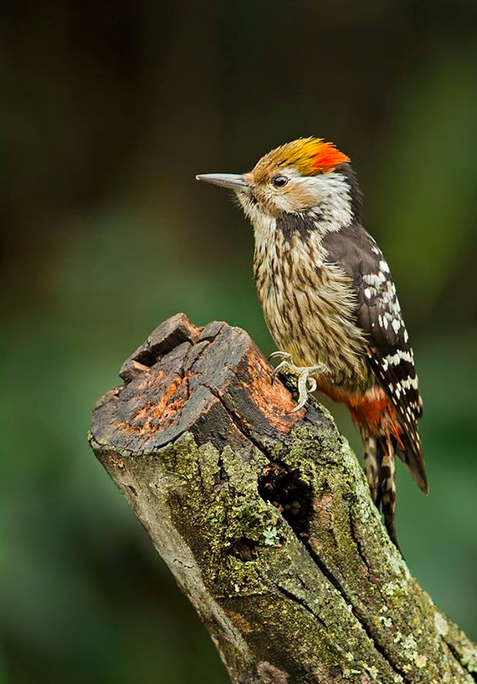
Pangot, Uttarakhand
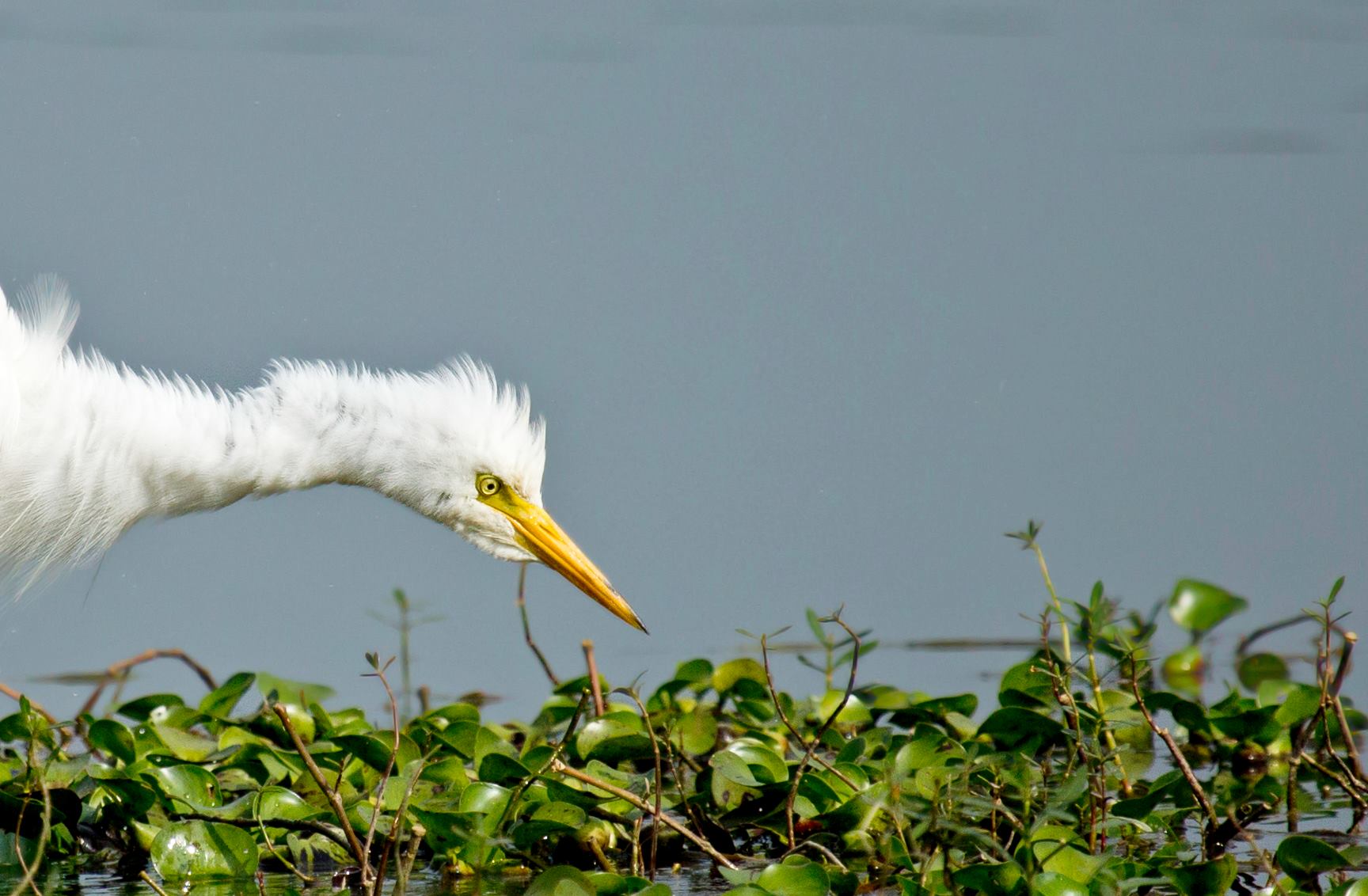
Bangalore, Karnataka
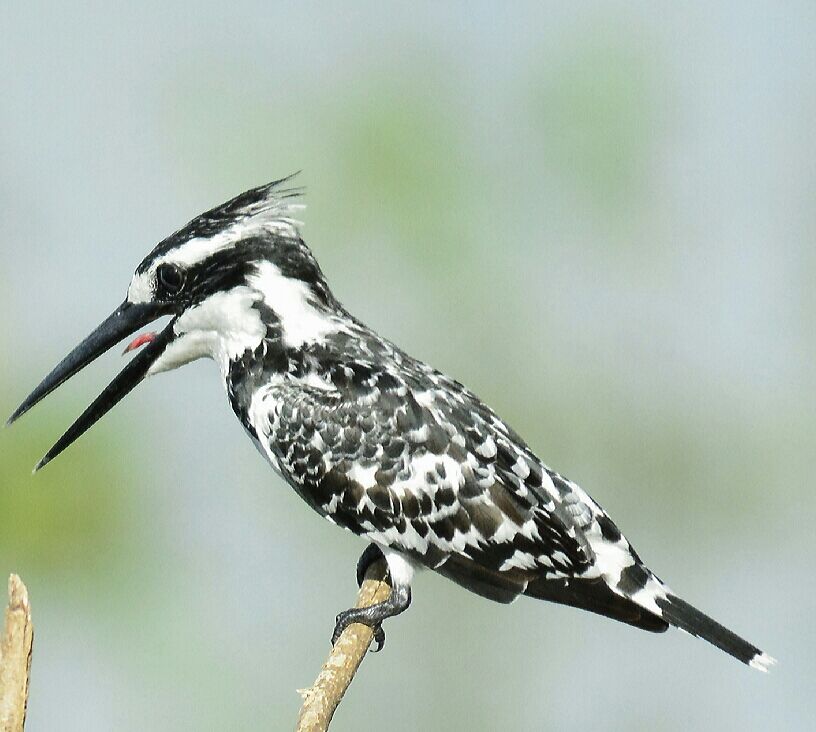
Vaduvoor Lake, Tamil Nadu
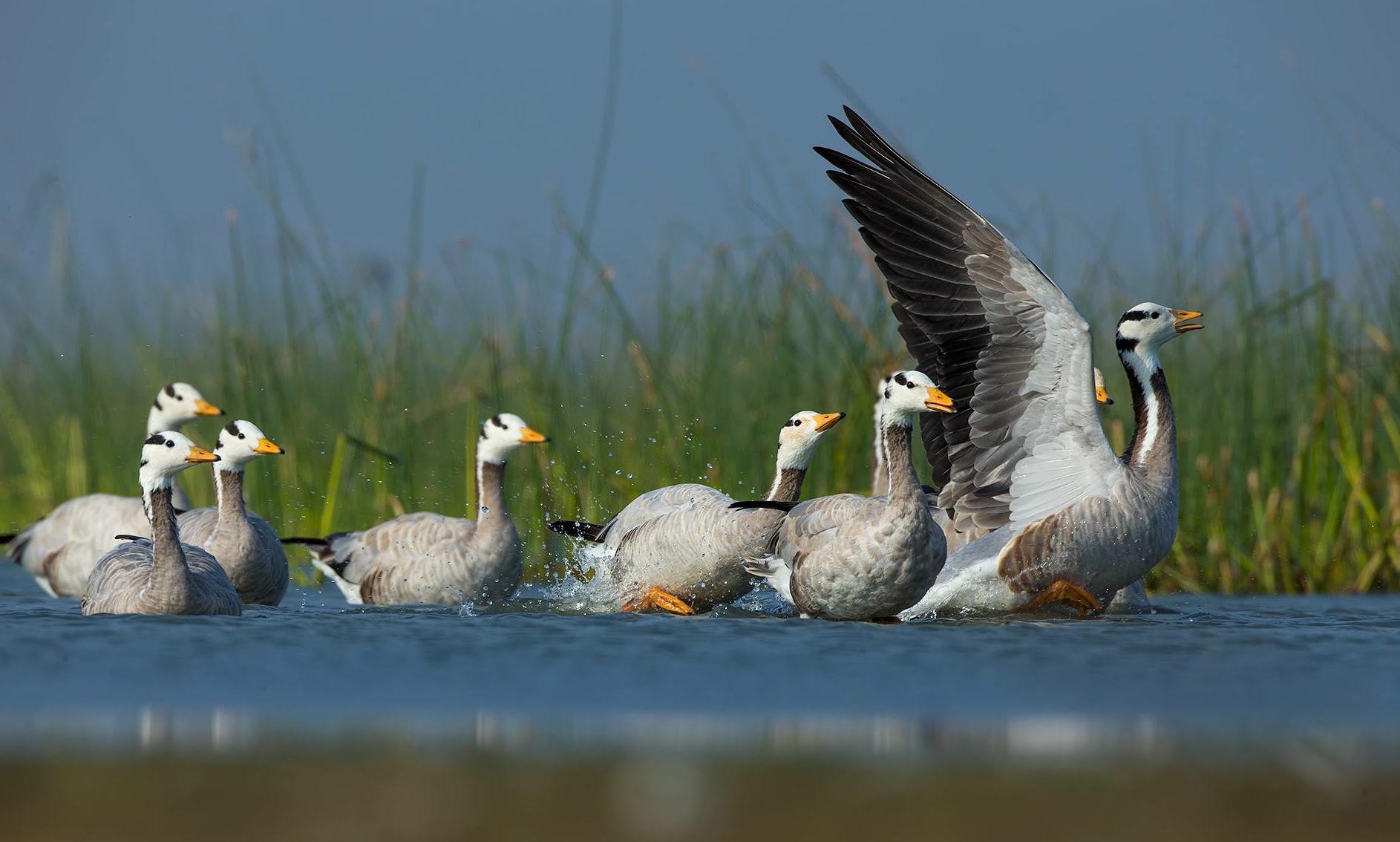
Little Rann of Kutch, Gujarat
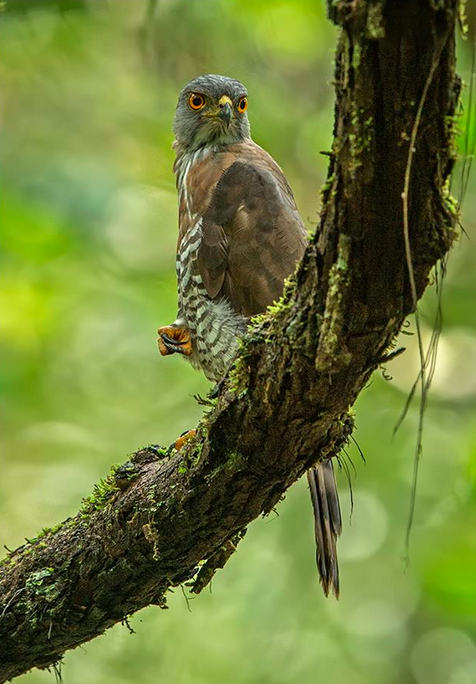
Someshwara Wildlife Sanctuary, Karnataka

Tacacori, Costa Rica
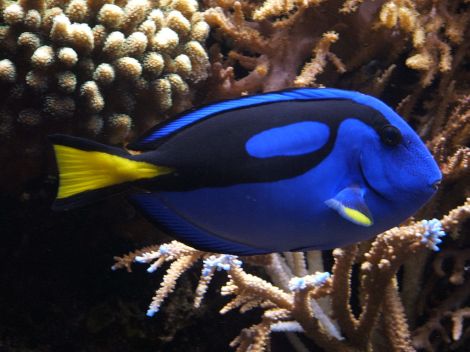
Blue tang (Paracanthurus hepatus) at Monterey Bay Aquarium by Wikimedia contributor Tewy.
We’ve all seen the humorously scatterbrained black-and-blue fish Dory in Pixar’s Finding Nemo, but only those who have spent some time snorkeling or diving in tropical waters have seen the real-life surgeonfish–as that class of fish is called–just keep swimming in its natural habitat. Next year, Finding Dory will act as a sequel to the immensely popular aquatic animation film from 2003. Before you watch it in cinemas, you can learn a little about the actual fish that Dory is based on, via BBC Earth:
“I suffer from short-term memory loss,” Dory tells Nemo. “I forget things almost instantly, it runs in my family.”
It’s very funny and ultimately touching, but this depiction is just a little unfair. The fish Dory is based on does not have short-term memory loss. It is rather more awesome than that.
It has several names, including royal blue tang, regal tang and surgeonfish. Its scientific name is Paracanthurus hepatus.

Bangalore, Karnataka

Four mature cranberry cultivars (clockwise, from upper left): early black, a Massachusetts native; DeMoranville, a hybrid developed at Rutgers University (named for Carolyn DeMoranville’s father); Stevens, a hybrid from the first USDA cranberry breeding program, released in 1960, and the most widely planted hybrid in the U.S. today; bugle, an unusually shaped Massachusetts native (not widely planted). Photo by Carolyn DeMoranville, UMass Cranberry Station
We’ve featured a post solely dedicated to cranberry bogs in the past, and have also seen some of the classic holiday sauce as part of a Thanksgiving art celebration. Now, with Thanksgiving Day coming up in the United States on Thursday, we’re learning even more about the North American fruit from Science Friday’s Thanksgiving Science Spotlight:
There are certain things that might come to mind when thinking about cranberries: A certain shade of red, a certain small size, and a certain kind of tartness. But these characteristics can differ among cranberry varieties—of which there are more than 100, according to Carolyn DeMoranville, an associate extension professor and station director at the University of Massachusetts-Amherst Cranberry Station.
 Organikos