
Tacacori, Costa Rica
Tacacori, Costa Rica
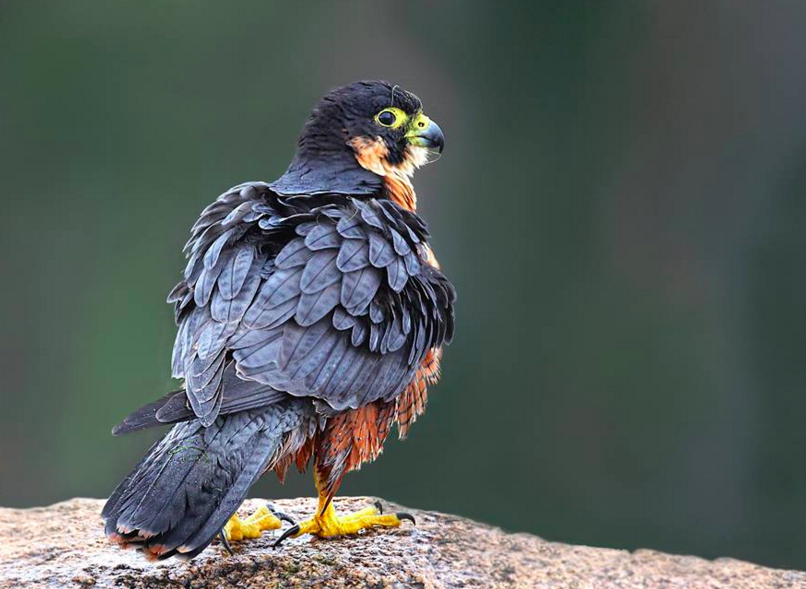
Outskirts of Bangalore, Karnataka

Kaziranga National Park, Assam

Tacacori, Costa Rica
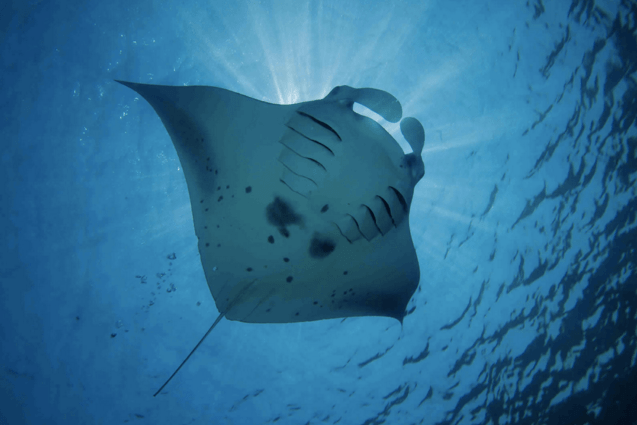
Photo by: Ray Van Eden
In a post last year I pointed to the action by the Indonesian government to make its entire 6 million square kilometer exclusive economic zone a sanctuary for manta rays as an example of growing recognition by governments of the ecosystem service value of natural capital.
The threat to mantas through hunting was highlighted in a haunting new documentary, Racing Extinction, which debuted worldwide on Discovery Channel earlier this month. The film followed the efforts of photojournalist/ marine conservationist Shawn Heinrichs to document the manta hunts in Lamakera, in a remote region of Indonesia. Heinrich learned that the hunts have a long tradition in this area, but until recently the number of mantas taken each year was relatively small. It was only in the last decade that the traditional hunting was transformed into a large-scale commercial fishery, fueled by the demand for manta gill rakers as an ingredient in Chinese medicine.
When the first images of a giant manta lit up the screen, a hush fell over the stunned crowd…Even the most hardened of the manta hunters were transfixed by beauty of a world they had only witnessed from the other end of a harpoon shaft. I noticed a row of small children, their wide eyes soaking up the images on the screen. For these children, a seed was planted and a brilliant transformation was already taking place. Continue reading
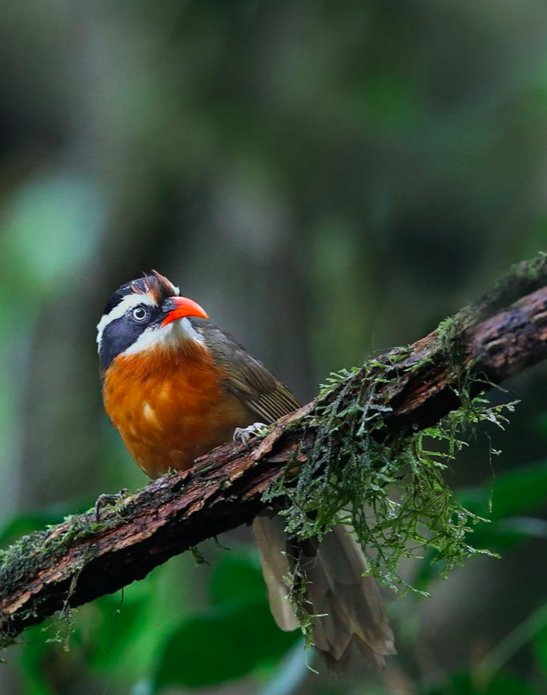
Eaglenest Wildlife Sanctuary, Arunachal Pradesh
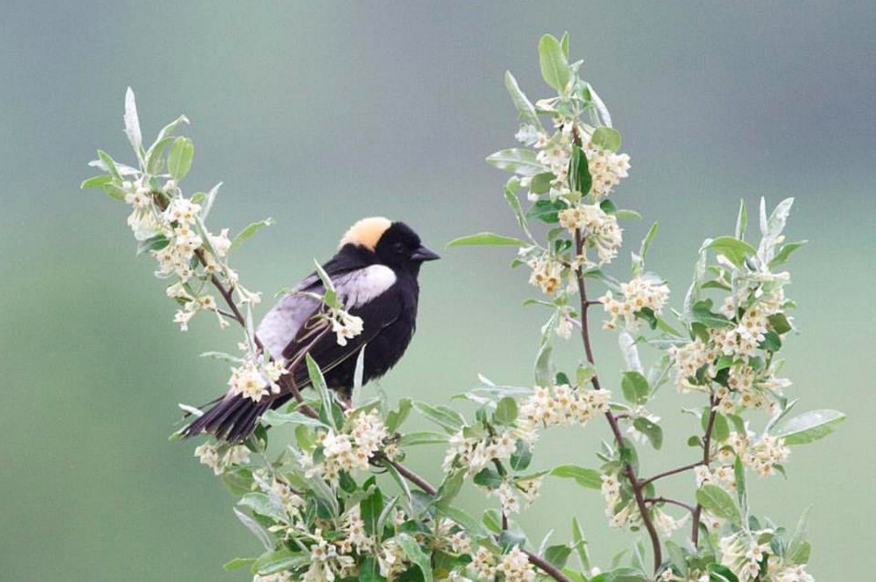
Interlochen, Michigan
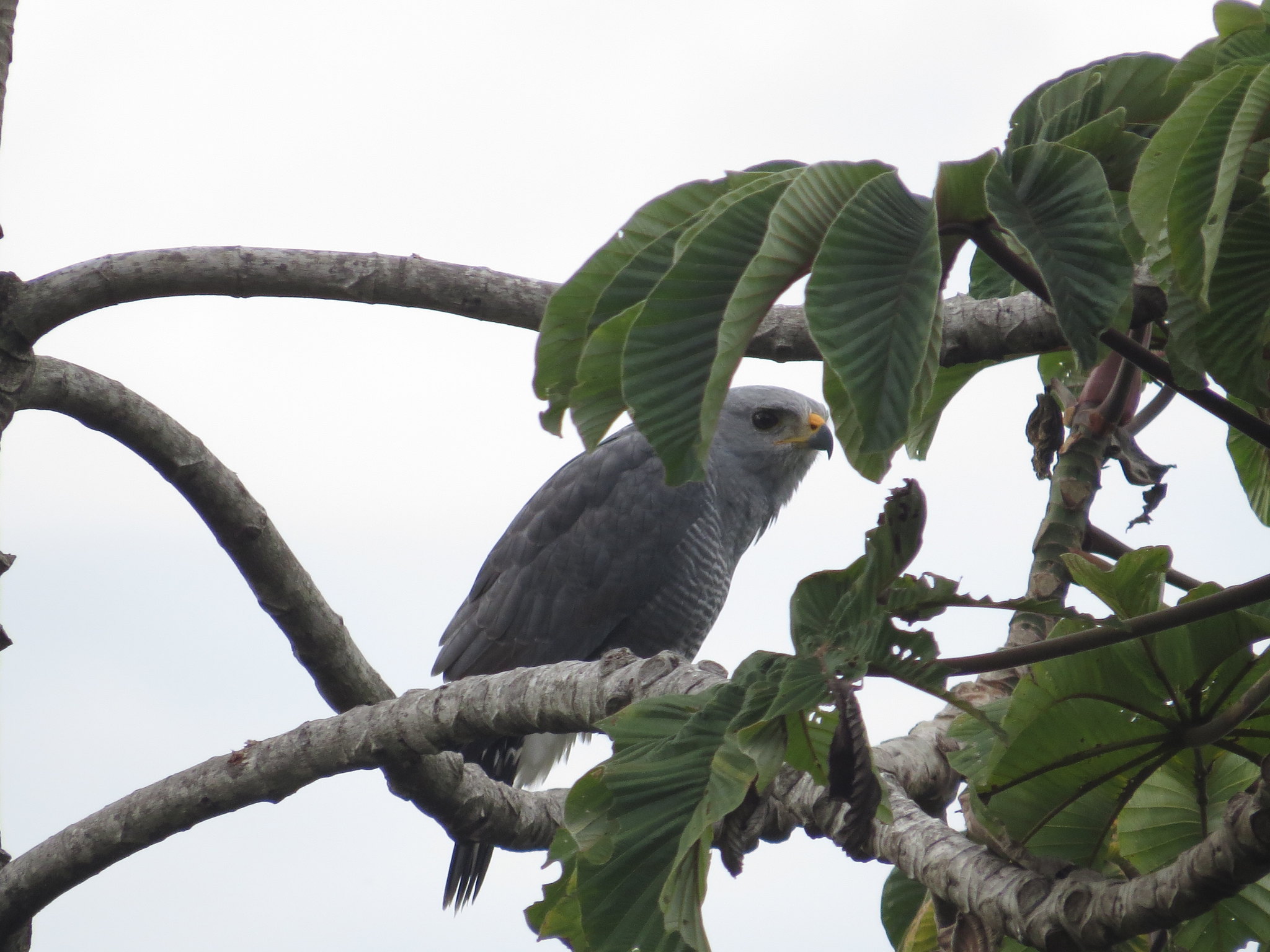
Tacacori, Costa Rica
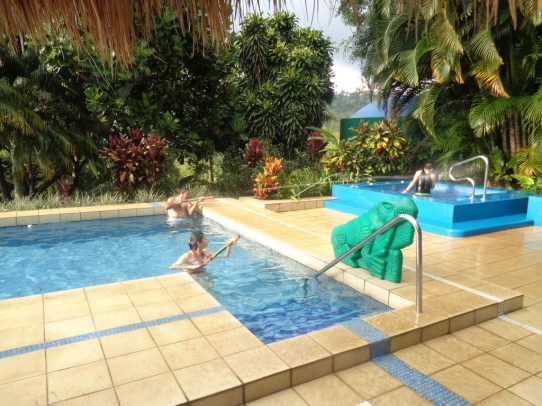
In the past month, a wave of newcomers has joined the Xandari team, and to my delight, it means I´m no longer “the new girl.” This has been my first opportunity to welcome new members and receive them as warmly as I was greeted when I arrived in July. Our new coworkers at the front desk are the ones I’ve had the chance to help with any questions about billing or assisting with guest needs, and this new responsibility is the one I enjoy the most. Even though in certain circumstances I still have to refer to my other, more experienced, coworkers to help resolve the matter, I still get to learn how to take care of obstacles that I have not encountered before. Additionally, questions or doubts that the new employees have are helpful for identifying the details in the front desk duties and training process that could be made clearer.
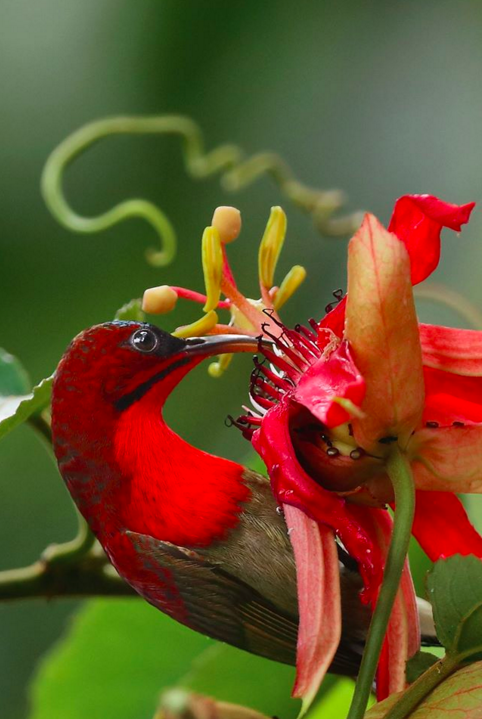
Dehradun, Uttarakhand

Tacacori, Costa Rica
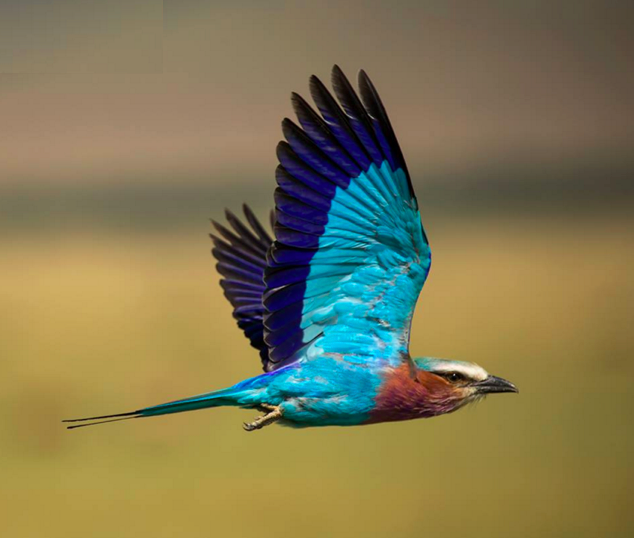
Masai Mara National Reserve, Kenya
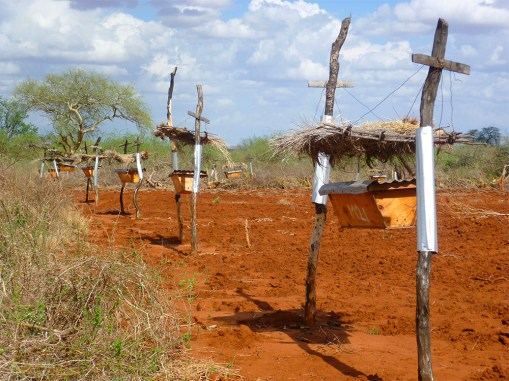
Hanging beehives create a natural deterrent fence around crops in Kenya. Via ThisIsColossal
In Africa and India, elephants can be huge–literally–agricultural pests. Stomping casually through plantations, plowing over fences and crushing or devouring crops, these nearly unstoppable giants are often shot by farmers not for any ivory-related avarice, but rather out of a desire to protect their livelihood that lives in the form of fruits and vegetables.
A more pacific method of keeping elephants out of agricultural areas that I have seen in southern India is deep and wide trenches surrounding the plantation, which elephants are loath to cross since they are likely to get stuck. Of course, these moats are understandably impossible to replicate everywhere, and biologist Lucy King has been studying the possibility of creating another sort of fence since 2006.
As you can see from the photo above, Dr. King’s idea was Continue reading
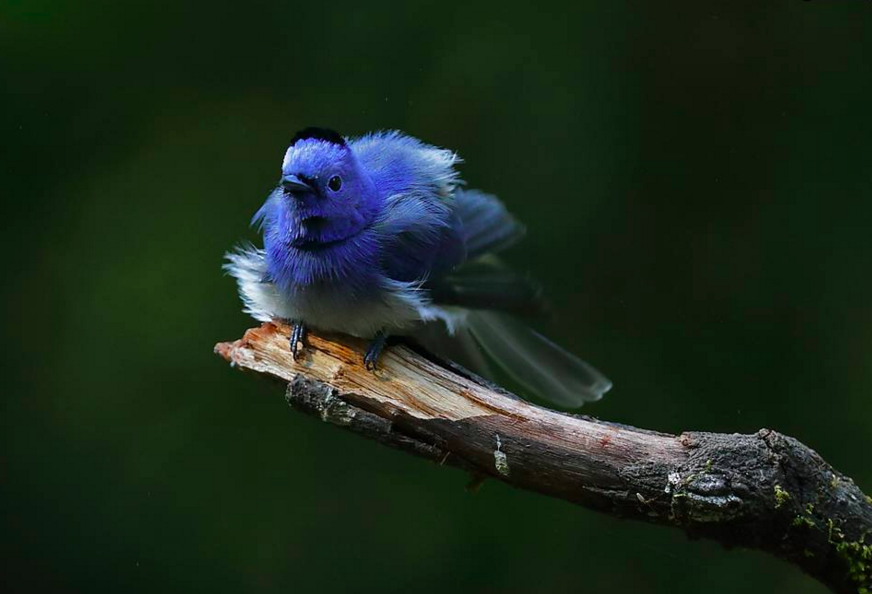
Dandeli, Karnataka
For the first two installments of this video series, please click here and here.
With footage filmed between late October and early December of this year, the compilation video below features twelve different families of birds, not including the domesticated chickens we have as egg-suppliers on property.
First, a Rufous-tailed Hummingbird scans its territory for trespassers; next, a female Yellow-throated Euphonia eats some tiny fruit from a local tree, and a male of the same species sings his bubbly song, which includes a mimicked phrase from the Rufous-breasted Wren toward the Continue reading
Over the last month or so, I’ve been recording videos of animal behavior at Xandari, and I finally have enough to share a small compilation of insects doing their thing on property. Sometime during the next week, I’ll also upload a video of new bird behavior observed here.
In the video above, you’ll see a small colony of leaf-cutter ants Continue reading
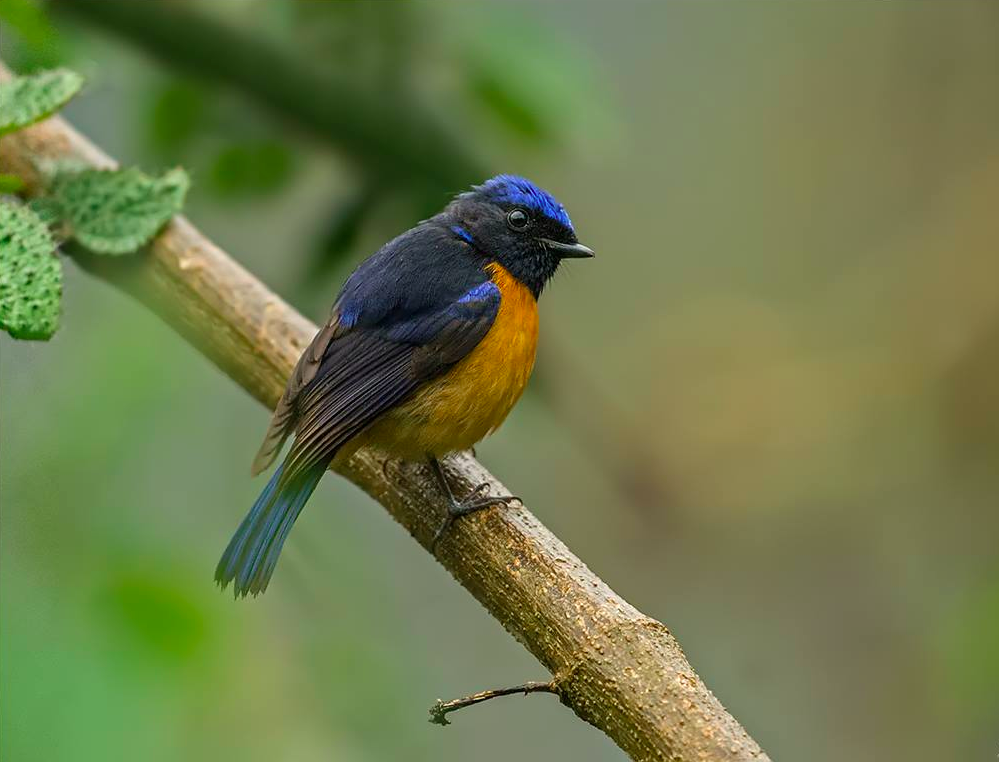
Bhimtal, Uttarakhand
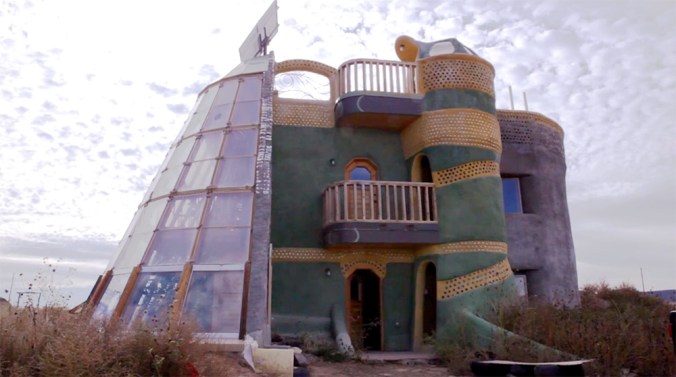
Photo via ThisIsColossal
In New Mexico, a community of ecologically-conscious citizens have built homes that are almost completely made out of recycled materials, and their utilities come from the sky: solar and wind power, and rain collection gutters. We’ve featured a series on straw bale construction, a slightly similar idea, in the past, but, as you can see in the video below, these “earthships” have even more going for them.
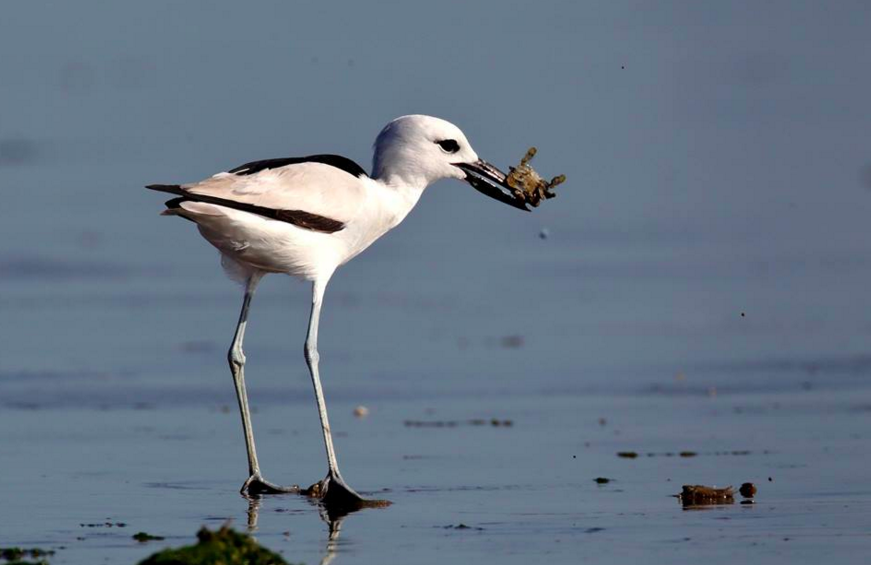
Mandvi, Gujarat

Tacacori, Costa Rica
 Organikos