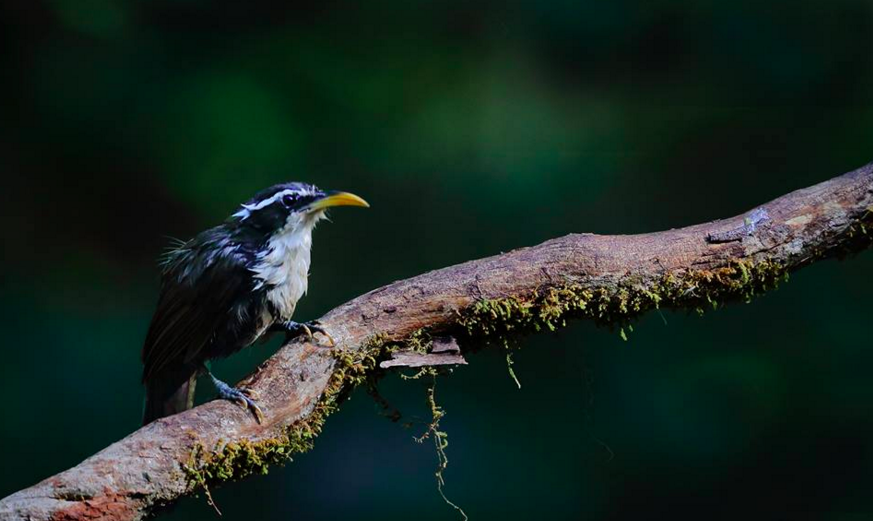
Western Ghats, India
Western Ghats, India

In the “oops, forgot to post on this” category, we recommend you start with the introductory video above, then continue on to the author’s website:
“The Invention of Nature” reveals the extraordinary life of the visionary German naturalist Alexander von Humboldt (1769-1859) and how he created the way we understand nature today. Though almost forgotten today, his name lingers everywhere from the Humboldt Current to the Humboldt penguin. Humboldt was an intrepid explorer and the most famous scientist of his age. His restless life was packed with adventure and discovery, whether climbing the highest volcanoes in the world, paddling down the Orinoco or racing through anthrax–infested Siberia. Perceiving nature as an interconnected global force, Humboldt discovered similarities between climate zones across the world and predicted
 In keeping with the resolution made here, to share more in 2016 of what we care about , the buck starts here. No excuses for my recent quietude, but a note of thanks to those I handed off blogging to in 2015 so I could tend to our organization’s growth and development. Rosanna in India, Jocelyn in Costa Rica, Seth in Ithaca & Jamaica & Costa Rica, and a cast of others too numerous to name now, all kept our blog real, lively and on point. Thanks to them for that.
Now it is time for me to share again, and I may as well start with our organization. 2015 was a milestone year, and we have started 2016 with new leaders for both our Asia and our Latin America operations. In the photo to the left you see Saji Joseph, who now oversees La Paz Group’s Asia region from the organization’s home office in Kerala, India. Just one thing to say about him for now.
When we started this organization in 2010 the first thing I did to prepare for what would eventually become La Paz Group was to ask everyone I met in the hospitality business: who do you consider to be the best hotelier in India? The response was consistent, with stories about Saji’s leadership in various stories that sounded far-fetched to me at first, but now I believe completely. Maybe one day he will share some of those stories in these pages…
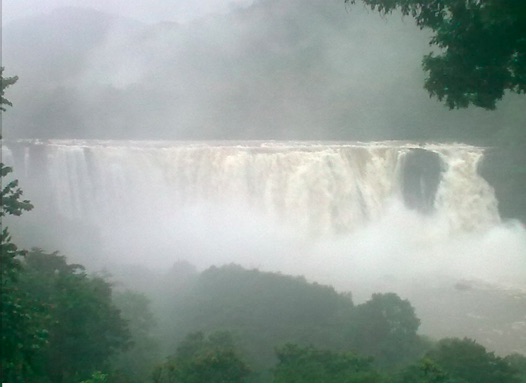
In my last post I mentioned rainforest in the context of Costa Rica and in this post I cross over to India to mention another rainforest. Rainforest, the conservation initiative. Rainforest, the community initiative. We are collaborating with the owner of Rainforest, the resort. It is in the same location where the photo above is taken.
These waterfalls have all kinds of remarkable superlatives attached to them. For me the best is “the Niagara Falls of India,” but not so much because that sounds funny (which it does, to me). Athirapally is their formal name, and that is funny because as with many names in India there is more than one official spelling. You are likely to see road signs spelling the name Athirapilly on your drive approaching the falls. Continue reading

Tacacori, Costa Rica
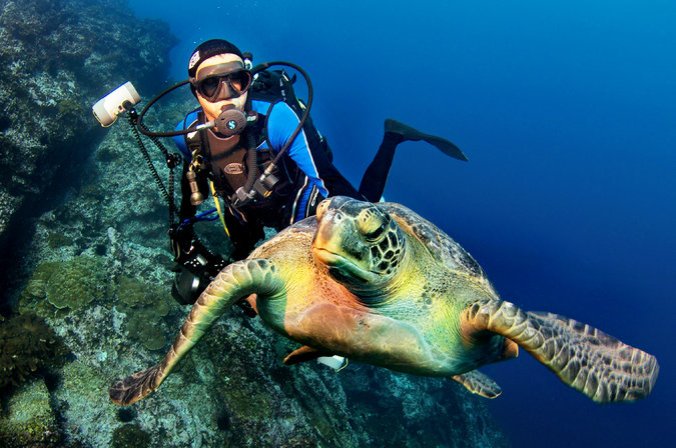 It’s a new day, a new year, and all that. We were thinking (as usual) in the last days of 2015 about the highest best use of our collective talents, where to apply them to have the maximum best impact in 2016. In case you missed the ongoing series of posts by our colleague Phil Karp, see the most recent post first, and then go back and read the rest of them. He is applying his experience from a long professional career in development to do something he cares deeply about, applied to one very specific ecological challenge. And we are particularly intrigued by the approach, which we call entrepreneurial conservation, that he has taken.
We also appreciate Mr. Sala’s example, and the fact that a major media publication continuously provides examples like this, and hope to live up to that standard this year (including sharing even more posts linking to stories like this):
In 2007, Enric Sala, a marine ecologist, quit his job in academia, saying he was “tired of writing the obituary of ocean life.” Only 1 percent of the ocean is currently protected, marine scientists say, and the rest is being disrupted by overfishing, pollution, climate change and species extinctions. Dr. Sala said he felt the need to take action. Continue reading
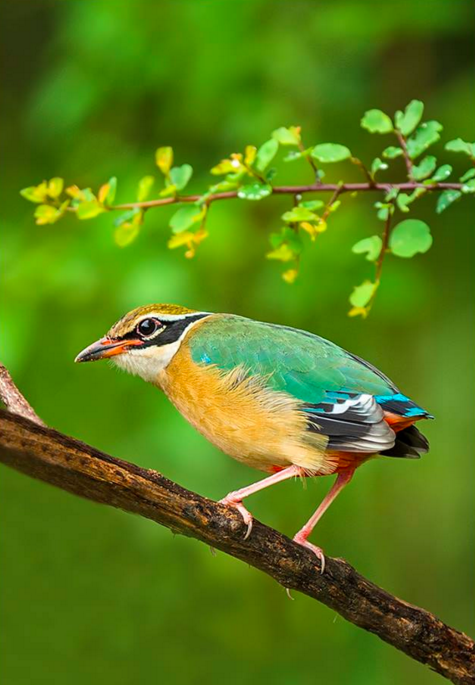
Yala National Park, Sri Lanka
A blog that began with two university students in far-off places is now going into its fifth calendar year. We are committed to its ongoing relevance, and notice that we were all rather quiet in recent weeks, with sparse postings as time permitted, but one thing that has been very consistent is our “bird of the day” posting. We are heartened just now reading by what may be the last guest comment of the year from one of the properties we care for, which shows that our effort with birds is bearing fruit:
…best thing for us was the dedication this resort places on bird watching…a dedicated birding guide…patient , funny, and very knowledgeable about the birds one would expect on the premises. We learned so much from him and it carried over as we continued with our CR trip…
As important as birds are, we head into a new year thinking about all the important topics we still need to give attention to. For example, there is much to be said on changing approaches to leadership of organizations we respect; from the upcoming issue of a magazine we have relied on for new ideas and deep reporting, here is some new click bait:
To the right of the stage was written a series of words that described Ford’s hoped-for future: Justice, Opportunity, Voice, Dignity, Creativity, Change, Visionaries. Walker himself was beloved for his democratic exuberance, manifested both in his vivacious clothing (his jaunty ties, his pocket squares, his pig cufflinks) and in his untiring enthusiasm.
“There is a lot going on at the Ford Foundation,” he declared. “So fasten your seat belts!”
If that is your last read of 2015, you will not regret it. We will be back in the new year, in full force with voices that have gone quiet recently to complete this year’s work, to continue linking you to the best examples we can find about community, conservation and collaboration. For now, over and out.
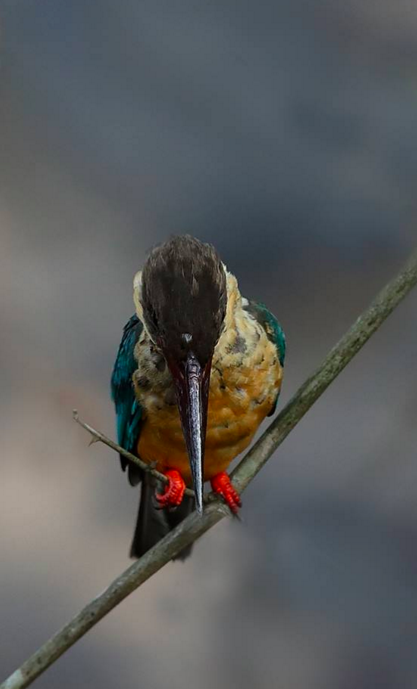
Mercara, Coorg District of Karnataka
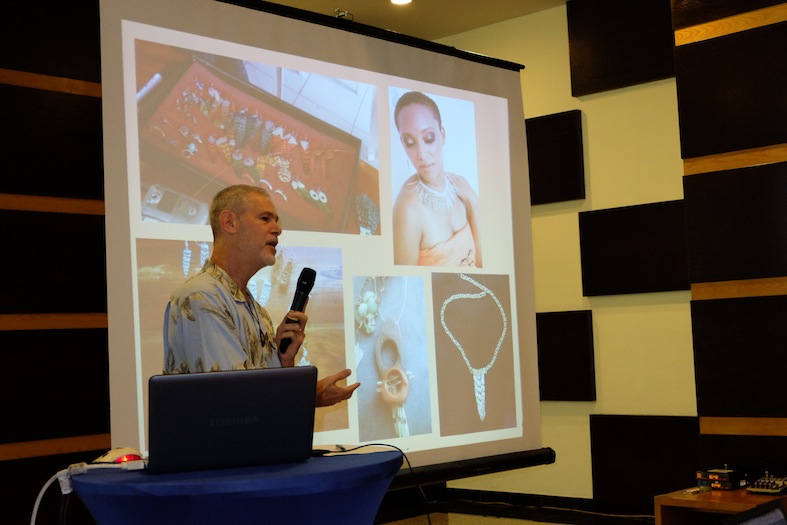
I’ve posted previously about the emergence of lionfish jewelry as one of several market-based approaches to controlling the invasion of this non-native species which poses an unprecedented threat to marine ecosystems in the Western Atlantic.
Last month I had the opportunity to make a presentation on lionfish jewelry at a special workshop on lionfish management that was held during the annual conference of the Gulf and Caribbean Fisheries Institute, in Panama. The conference program also included a full-day lionfish research symposium and a lionfish research poster session, both of which gave me an opportunity to learn more about the science aspects of the lionfish invasion and some of the latest findings on lionfish biology and behavior and to meet some of the leading researchers on these subjects.
The lionfish management workshop, which was organized by the United Nations Environment Program’s Caribbean Regional Activity Center on Specially Protected Areas and Wildlife (SPAW-RC) and the International Coral Reef Initiative (ICRI), brought together marine scientists, managers of marine protected areas, fishermen, and representatives of international organizations to share experiences and lessons learned with respect to strategies for controlling the invasion. Continue reading
Thanks to our friends at Ecowatch for this story:
Michael Pollan: What You Should Eat to Be Healthy
Cole Mellino
A new documentary from Kikim Media based on Michael Pollan’s bestselling book, In Defense of Food, helps consumers navigate a food system complicated by globalization and industrialization.
“I’ve been writing about the food system for a very long time,” Pollan said in the trailer for the new film. “But what I kept hearing from readers was ‘yeah yeah yeah, you told me where the food comes from and how the animals live and everything, but what I want to know is what should I eat.’”

Tacacori, Costa Rica
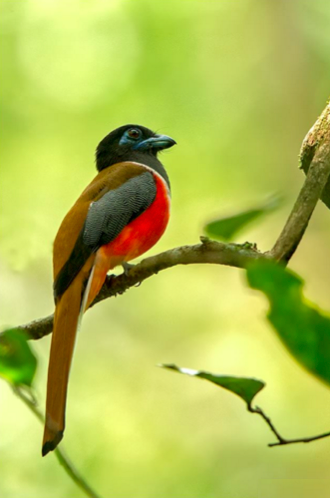
Someshwara Wildlife Sanctuary, Karnataka

Courtesy of Jungle Rhythms. Koen Hufkens and colleagues digitized the tables, but quickly realized the marks were simply too faint (image 1). “The notes are basically small pencil lines that overlay a grid on the paper, and the lack of contrast between the two makes it difficult to separate. It needs the human eye to tease them apart,” he said. Image 2 shows what the grid looked like after it was annotated.
The Harvard Gazette’s story on the citizen science project that will put dormant analog data to new use with digital assistance:
Koen Hufkens is trying to solve a scientific mystery, and he’s asking for the public’s help to do it.
Hufkens, a postdoctoral fellow working in the lab of Associate Professor of Organismic and Evolutionary Biology Andrew Richardson, this month launched Jungle Rhythms, a citizen-science project that aims to digitize thousands of pages of detailed observations on the life cycles of African trees. Continue reading

Tacacori, Costa Rica
We are delighted to have Conservation, one of our longstanding go-to sources for environmental science news, back in business:
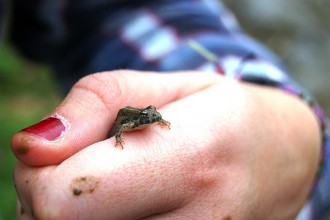
A herpetologist holds a Blanchard’s cricket frog (Acris blanchardi). Credit: The Wandering Herpetologist via Flickr.
DEGRADED HABITAT ALTERS FROG MICROBIOMES
Human-caused changes in the environment are linked to differences in the microbiome – the community of bacteria and other microbes that normally inhabit the skin – of a threatened species of frog, according to a new study.
Since the skin microbiome is essentially a major component of a frog’s immune system, the findings suggest that land use change could increase amphibians’ vulnerability to disease. In turn, this could be a clue to why some populations of frogs are more susceptible than others to a chytrid fungus, Batrachochytrium dendrobatidis, that causes a fatal skin infection and has resulted in declines and even extinctions of amphibian species worldwide.
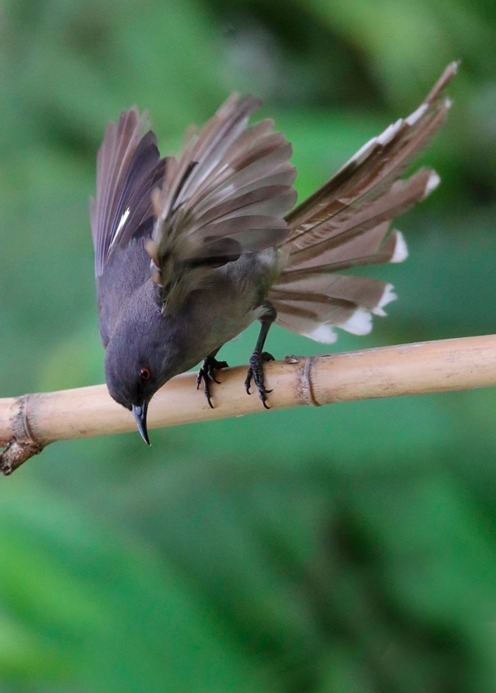
Nagaland, India
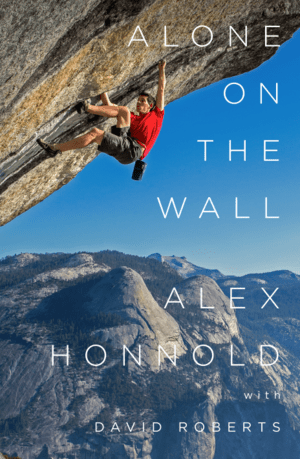
We are aware that his work depends on well-protected geological wonders so we are automatically attracted to his activities; we cannot recommend this as a sport, but we cannot help but point out Alex Honnold’s feats as inspiring. From his website:
Alex Honnold is a professional adventure rock climber whose audacious free-solo ascents of America’s biggest cliffs have made him one of the most recognized and followed climbers in the world. A gifted but hard-working athlete, Alex “No Big Deal” Honnold is known as much for his humble, self-effacing attitude as he is for the dizzyingly tall cliffs he has climbed without a rope to protect him if he falls. Honnold has been profiled by 60 Minutes and the Continue reading

Bharatpur Bird Sanctuary, Rajasthan
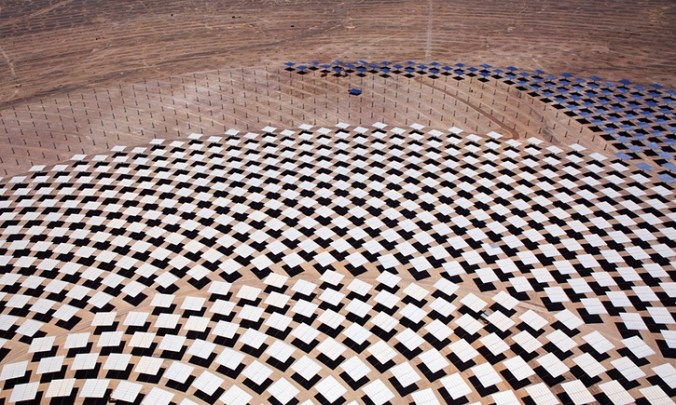
Atacama 1 concentrated solar power plant being built by Spanish firm Abengoa in Chile. Photograph: Jonathan Watts for the Guardian
Not yet guaranteed, but promising nonetheless, we will consider this one of the best pieces of news on this day of gift-giving:
Desert tower raises Chile’s solar power ambition to new heights
Towering 200 metres above the desert, the Atacama 1 will harvest the sun’s energy from a surrounding field of giant mirrors. But the completion of the $1.1bn project, the first of its kind in Latin America, has been thrown into doubt by the financial difficulties of its Spanish owner
Rising more than 200 metres above the vast, deserted plains of the Atacama desert, the second tallest building in Chile sits in such a remote location that it looks, from a distance, like the sanctuary of a reclusive prophet, a temple to ancient gods or the giant folly of a wealthy eccentric.
Instead, this extraordinary structure is a solar power tower that is being built to harvest the energy of the sun via a growing field of giant mirrors that radiate out for more than a kilometre across the ground below with a geometric precision that is reminiscent of contemporary art or the stone circles of the druids.
 Organikos