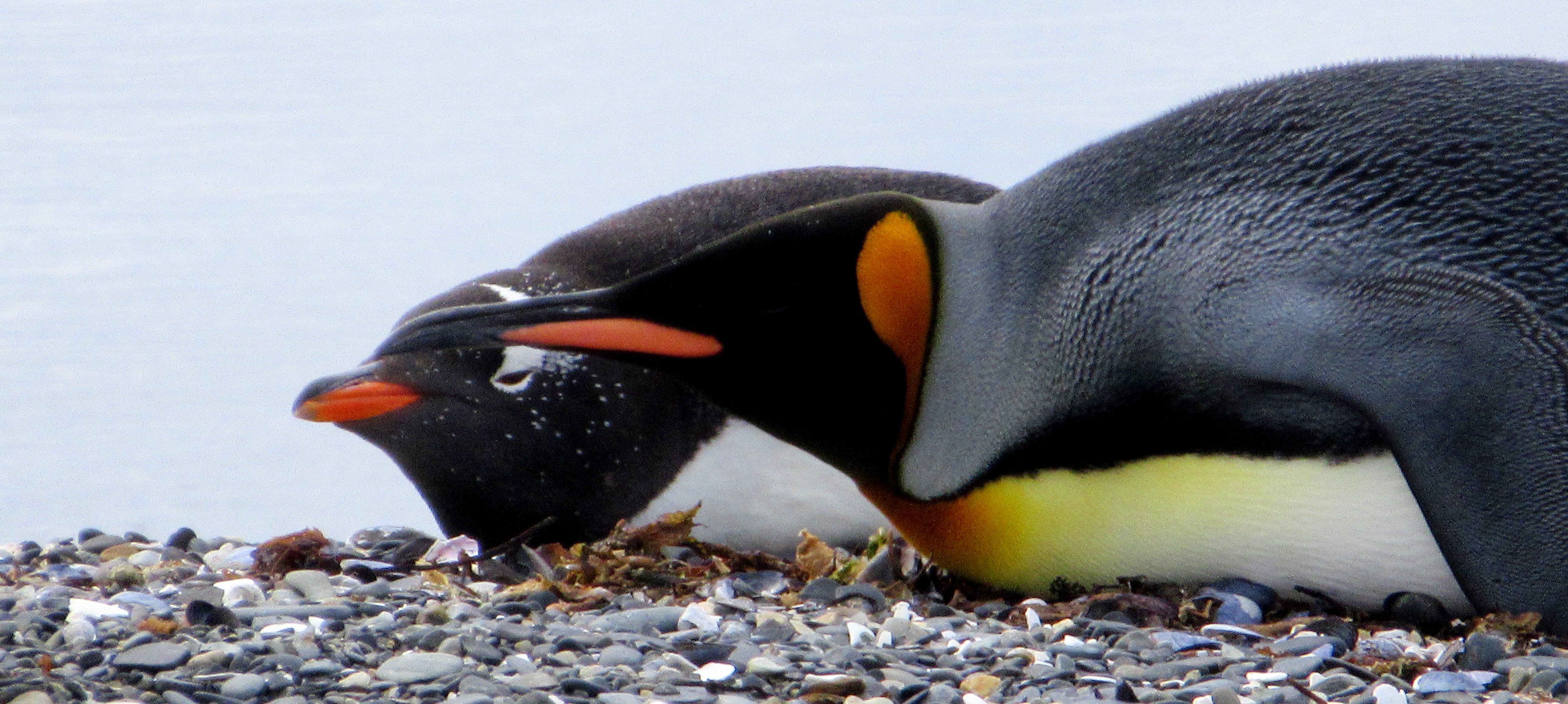
Tierra del Fuego, Argentina
Tierra del Fuego, Argentina


“Unstuck”. The quotation marks in this post below are all too familiar. They stemmed from well-worded conversations that traveled across the 16,894 kilometers between Kochi, India, and Costa Rica. Between me and Crist Inman. About “getting back in”. Going back and forth on happiness and redefining it. On dreaming. Together.
And, I remembered this bouncing, hugging ball of happiness that owned me by the beach at Xandari Pearl in Kerala. Little person, but home of good things.
The Raxa Collective blog caught the attention of colleagues in Thailand a few years ago, and we have been exchanging visits, and ideas, with those colleagues ever since. And now we have taken it from informal mutual admiration to formal collaboration. We have just started a strategic alliance with Asian Oasis, a pioneering sustainable tourism/hospitality company in Thailand.
Raxa Collective will now collaborate with Asian Oasis on the global promotion of their properties, which Amie and I have been getting to know with site visits over the last two years. We will begin introducing those properties on this blog, and look forward to your response.
 One of their lodges in Northern Thailand, Lanjia Lodge, was recognized during 2015 as the Best in Community Engagement & Development in Asia by Wild Asia.
And that was last year, the Year of the Wooden Sheep according to local astrological tradition (search on that term for some interesting discoveries). The Year of the Red Fire Monkey (again, search it: you will find results describing it as the year of strength and determination; setting goals and achieving them; and business flourishing) begins February 8th, 2016 and ends on January 27, 2017. We look forward to earning the Monkey’s goodwill through our good works.

Getting “unstuck” is our practical thought for the day:
Thinking’ for a Better You
A strategy called “design thinking” has helped numerous entrepreneurs and engineers develop successful new products and businesses. But can design thinking help you create healthful habits?
Bernard Roth, a prominent Stanford engineering professor, says that design thinking can help everyone form the kind of lifelong habits that solve problems, achieve goals and help make our lives better.
“We are all capable of reinvention,” says Dr. Roth, a founder of the Hasso Plattner Institute of Design at Stanford and author of the book, “The Achievement Habit.” Continue reading

Our favorite illustrator has been busy. We have not pointed to one of his illustrations or shows in way too long…so to correct that:
CHRISTOPH NIEMANN
20 January 2016 until 10 April 2016
UNDER THE LINE
For the accountant, what’s under the line is the balance – and for the draughtsman? Strictly speaking, what’s under the draughtsman’s line is the paper – no paper, no line.
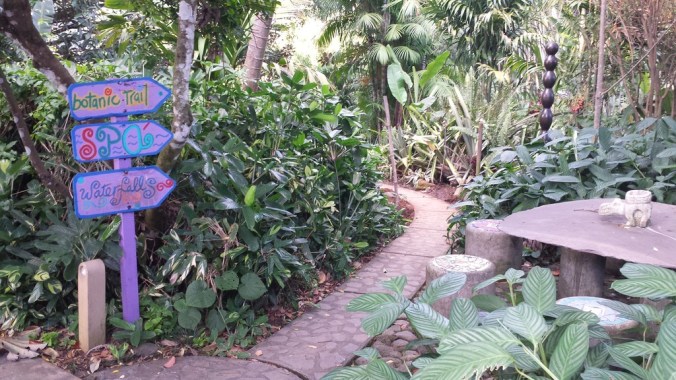 At Xandari we offer a garden and farm tour that consists of showing guests through our botanical garden, Mandala garden, and orchid house and educating them on the properties of each of the plants. When I was asked to translate the tour for our head gardener Jose Luis I immediately accepted. However, after agreeing to be the translator it dawned on me that my rudimentary knowledge about plants (species, genus, and all that scientific terminology amounts to high school level biology) could be a limitation to the learning experience of the guests. Adding to my worry, the guests taking the tour are well versed in plant identification and were hoping to learn more about the tropical plants we have. To prepare myself, I skimmed the plant identification binder we have, decided to take it with me on the tour, and hoped for the best.

South America, the EU and south E-east Asia are among the places from which the UK sources its food Photograph: Andre Penner/AP
We know local food is better for many reasons. We tend not to think about the negative impacts on those places where food is sourced from as a reason to source more locally. Thanks to the Guardian for this article:
More than half of the UK’s food and feed now comes from overseas, which is burdening poorer countries with the related environmental impact, a new study says.
More than two-thirds of the land needed to produce the UK’s food and feed is based abroad, researchers said, meaning 64% of the related greenhouse gases are emitted on foreign soil.
Since 1986, the size of this land has grown by 23% to match increasing demand, with associated CO2 emissions rising by 15%, the research published in the Journal of the Royal Society Interface states. Continue reading
Over the last month or two one of my goals has been to identify as many of the butterflies and moths–or lepidopterans–that we have here at Xandari. Part of this work involves looking at old photos taken since 2014, when James and I first arrived on property and started taking pictures of wildlife; another element of the job is going out and photographing the lepidopterans in a more determined fashion.
Not an easy task, when butterflies can have such whimsical flight patterns and startle quite easily. Moths are a little simpler to chase because during the day they’re often focused on staying still and hiding out until evening. Continue reading
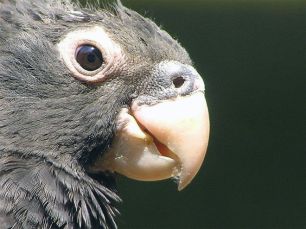
Greater vasa parrot. Credit: Frank Wouters
Thanks to Ed Yong, writing in National Geographic, for this brief look at how Tool-Using Parrots Use Pebbles to Grind Seashells:
In the spring of 2013, Megan Lambert noticed the greater vasa parrots of Lincolnshire Wildlife Park doing something odd. They looked like they were licking the cockle shells that lined the floor of their outdoor enclosure. But when Lambert looked closer, she noticed that they were holding a pebble or date pit in their beaks, and rubbing these against the shells.
They were using tools. Continue reading
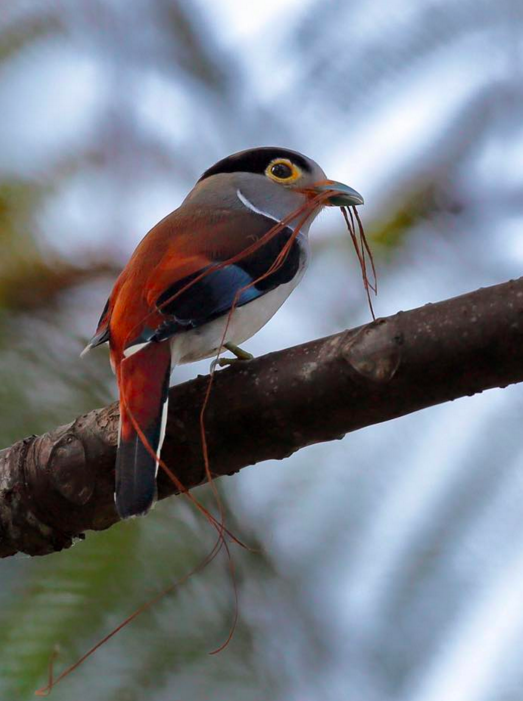
Nagaland, India

Black-footed ferrets (Mustela nigripes). Photo © Kimberly Fraser/USFWS
The first half of this article is a bit gruesome, due to the particulars of how this species arrived at the brink of extinction. The second half is the “bright horizon” side of the story, and thanks to The Nature Conservancy for sharing it (among all their other good works):
…Until 2013 willing landowners were hard to find. But that year the Fish and Wildlife Service implemented a “Safe Harbor” program by which the agency promises not to prosecute participants for accidental take of ferrets if they agree to protect prairie dogs and allow ferret monitoring and plague management. What’s more, in some states the Natural Resources Conservation Service pays them for hosting ferrets. Without Safe Harbor the Endangered Species Act tends not to work on private land; and without private land ferret recovery can’t happen. Continue reading
On the evening of December 31st, during the transition into the new year, Xandari Resort & Spa’s night receptionist, Lenar, took some video of the massive and lengthy fireworks display throughout the Central Valley. Xandari has a fantastic view of Alajuela and the surrounding towns, so there was gunpowder and colored light aplenty in the air as Lenar panned the night sky for images.
Shooting photos or videos at night can be challenging, so I was only able to extract a few good-quality images (see slideshow below) in addition to the brief footage above from Lenar’s video, but hopefully it gives a sense of the pretty fabulous experience of a new year celebration at Xandari Resort, Costa Rica.
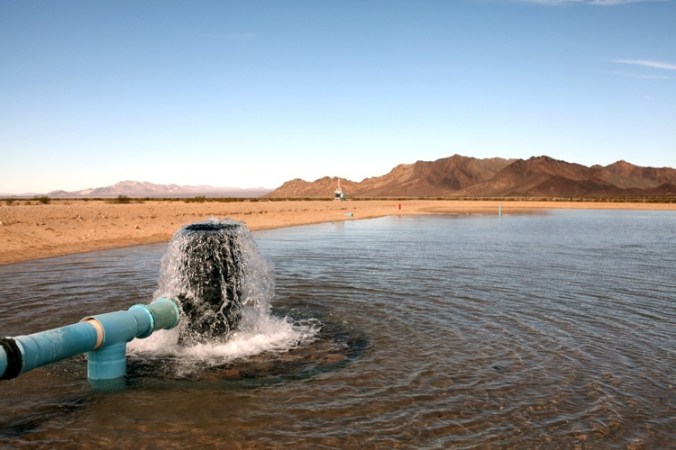
A pilot well on Cadiz Inc. property in the Mojave Desert. Photo credit: Cadiz Inc.
The water shortage in California is complicated, to say the least. So, the solution, if there is one, is bound to be complicated. And expensive. We have no illusion that the cost of change in this case will be high, but this particular $2 billion price tag does not immediately sound like a good idea:
Scott Slater, CEO of Cadiz Inc., has a controversial plan. He wants to pump 814 billion gallons of water from the Mojave Desert to Los Angeles, San Diego and other drought-stricken communities in Southern California—making more than $2 billion in the process. Continue reading

Tacacori, Costa Rica
 We are aware of how fortunate we are, across the ranks of Raxa Collective, to be doing what we want, where we want, how we want. That is an exceptional privilege. Not everyone gets to the opportunity to choose their work. Not everyone has the luck to pursue a mission. But our privilege does not stop us from promoting some basic tenets that drive us. One of them is: if you can, when you can, chase the higher calling.
The author of “Phenomenal: A Hesitant Adventurer’s Search for Wonder in the Natural World” (Penguin Press, click above to go to the author’s website) provides an op-ed short essay that provides useful bearings for the first Monday of a new year:
A Job That Nourishes the Soul, if Not the Wallet
By
The lawyer was in his mid-20s. He narrowed his eyes, peered at me from behind his cluttered desk and said, “So, why are you quitting?”
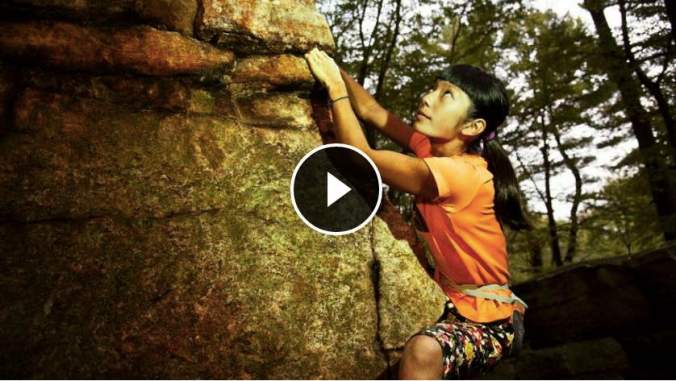
THE CLIMBER’S LIFE. Ashima Shiraishi on why she climbs.
Just when we thought we had shared the most awesome recent story from the world of climbing, now this profile, which helps us see dancing and puzzle-solving where we once saw expeditions:
…Ungrudgingly admired by seasoned dirtbags and muscular young rock rats, she is, even though still young, perhaps the first female climber whose accomplishments may transcend gender, and the first rock climber who could become a household name. Continue reading

Bokkapuram, Tamil Nadu

Darjeeling, India, 1983.
In short, you cannot. India is too diverse to explain, or even describe, in any meaningful way. So understanding it is a journey, at least lifelong if not eternal. But you should try. And we are dedicated to all kinds of attempts, including via journey; this book, published recently by Phaidon, may help with visual clues prior to such a journey, whether it will be your first or 80th:
The brilliant American Magnum photographer Steve McCurry has travelled so widely, he could have produced a great monograph on almost any continent. Yet, in his latest Phaidon publication, he has chosen to focus on the country that he first visited as a 28-year-old photojournalist in 1978, and has since returned to over eighty times.
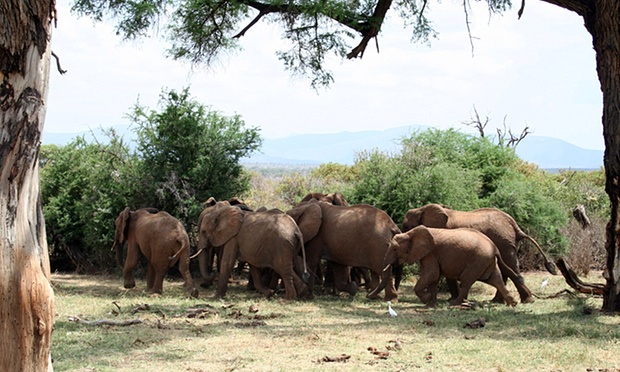
A herd of elephants run from bee sounds in Samburu national park in Kenya. Photograph: Lucy King/AP
This article from today’s Guardian‘s Environment section touches on a trifecta of our core values:
A community near the famed Serengeti national park in Tanzania is enlisting the help of bees to reduce escalating tensions with elephants that enrage locals by trampling upon their crops.
A fence made of beehives is being constructed around a one-acre farm close to the Ngorongoro conservation area as part of the pilot project to see if the buzzing bees will deter elephants that stroll on to cropland.
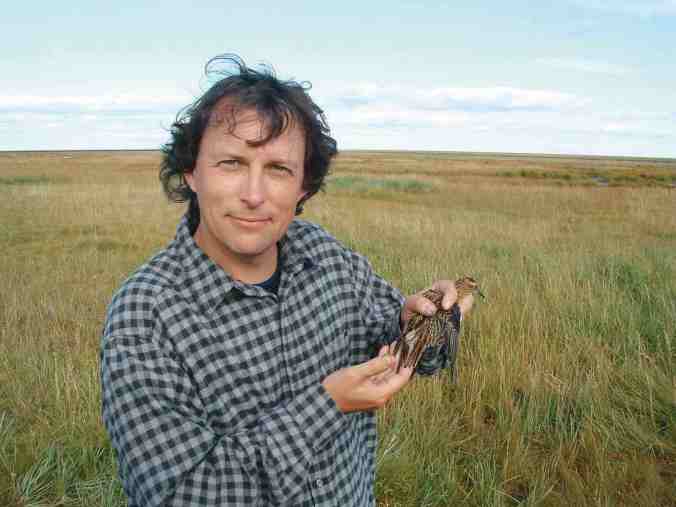
Nils Warnock holding a Sharp-tailed Sandpiper/ Photo: Ake Lindstrom
Thanks to the current issue of Audubon Magazine for bringing to our attention the remarkable work of scientists studying the even more remarkable bird journeys that make up one of North America’s many migration paths:
A decade ago, a group of biologists made an astounding discovery: By tracking Bar-tailed Godwits, they found that the one-pound shorebirds—that have bills longer than their heads—were flying non-stop for up to 7,000 miles over the Pacific Ocean, from their wintering grounds in New Zealand to their breeding grounds in Alaska. Continue reading
 Organikos