
photo credit: Pallavi Kaiwar
Bhitarkanika National Park, Orissa
photo credit: Pallavi Kaiwar
Bhitarkanika National Park, Orissa
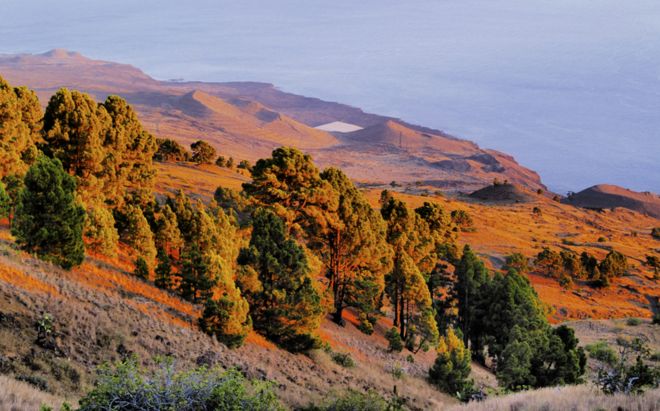
The smallest and most isolated of the Canary Islands, El Hierro, has a way of combining hydro and wind power that may allow it, one day, to get all its energy from renewable sources. PHOTO: BBC
The question is not about who has the densest forests or flora resources showing up high estimates in green. It is one of keeping up a sustained model of efficient use of alternative and natural sources of energy. And on that front, El Hierro seems like it’s well on its way to self-sufficiency on the energy front.
For more than 30 years, El Hierro has been dreaming of becoming self-sufficient. And this year it took a big step forward. At the end of June its new hydro-wind facility, Gorona del Viento, came fully on stream and in July and August it provided roughly half of the island’s energy needs.That means the island’s 10,000 inhabitants are suddenly less reliant on supplies of diesel arriving over unpredictable seas from Tenerife, 200km away. In July, Gorona del Viento saved 300 tonnes of fossil fuels, but that is predicted to rise to 500 tonnes per month before long – the equivalent of saving 40,000 barrels of oil and 19,000 tonnes of emitted CO2 per year.

The illegal trade in elephant tusks is well reported, but there’s a type of “ivory” that’s even more valuable. It comes from the helmeted hornbill – a bird that lives in the rainforests of East Asia and is now under threat. PHOTO: Science Photo Library
Throughout history, the human desire for ivory—used in products from jewelry to piano keys to priceless religious art objects—has far outmatched efforts to stop the killing of elephants for their tusks. A smaller, feathered species, too, feels threatened thanks to the ‘prized’ casque it wears on its head: the Helmeted Hornbill.
Helmeted hornbills live in Malaysia and Indonesia. On the islands of Sumatra and Borneo their maniacal calls and hoots resonate through the rainforest. They have a reputation for being secretive and wary, though, and you’re more likely to hear them than see them.They have good reason to be shy – thousands are killed each year for their casques, shot by hunters who sell the heads to China. Between 2012 and 2014, 1,111 were confiscated from smugglers in Indonesia’s West Kalimantan province alone. Hornbill researcher, Yokyok Hadiprakarsa, estimates that about 6,000 of the birds are killed each year in East Asia.The casque, for which hunters are willing to risk arrest and imprisonment, is sometimes referred to as “ivory”. It’s a beautiful material to carve, smooth and silky to the touch, with a golden-yellow hue, coloured by secretions from the preen gland – most birds use their heads to rub protective oils from this gland over their feathers, legs and feet.
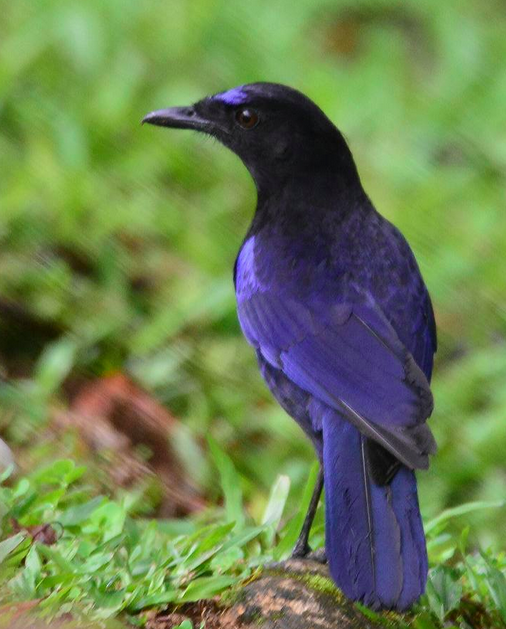
Valparai, Tamil Nadu

The entrance to the main building of Japan’s iconic Hotel Okura in Tokyo. An outcry from architectural preservationists couldn’t stop the demolition to make way for a high-rise tower. PHOTO: Yoshikazu Tsuno/AFP/Getty Images
What’s the prize you pay to host the most prestigious event in sporting history? If your answer is breakneck development that is low on sustainability, spares not a thought on protecting what’s natural/native to the land – then you score points in Tokyo. Workers have started tearing down a Japanese landmark — the Hotel Okura. The Okura is a treasure of 1960s modernist design and has hosted every American president since Richard Nixon, Hollywood royalty and actual royalty.

When Dr. Pawan found out about the unhygienic living conditions in Gadchiroli, Maharasthra, India, he created a hand-washing device in just Rs.35 (50 cents) that has been saving the lives of the villagers. – PHOTO: Better India
Clean care is safe care, says the World Health Organisation and follows it with a campaign on washing hands towards cleaner living and working conditions across the globe. And Dr. Pawan did his part too. By creating a hand-washing device that costs less than 50 cents, roping in children to keep the initiative going, and relying on elders for the device to adapted and adopted into the community.
In 2008, Dr. Pawan was one of the seven students selected for a two-year fellowship programme at Nirman’s SEARCH (Society for Education, Action and Research in Community Health), in Gadchiroli district, Maharashtra, India. The programme encourages students to work in areas affecting rural communities like water management and NRGA schemes, and being a physician, Dr. Pawan chose to work in the health sector. Living in the community, he realised that there were several diseases persisting in the village, those that could be prevented by merely drinking clean water or paying more attention to cleanliness. He promptly did a study that revealed that of the 64 families living in the village, only six families used soap for washing hands.

adults – South Plaza Island, Galapagos


Do you remember the image of the Afhan girl that made the cover of the June 1985 issue of National Geographic? It is regarded as one of the world’s most recognizable photographs. And the man behind it is Steve McCurry. Since then, McCurry has traveled extensively, later returning to India to create the series’ “Monsoon” and “India by Rail.” Photographs from these collections, including some that have never been seen before, will be showcased in a new exhibition by the International Center of Photography and the Rubin Museum of Art that opens on November 18th.
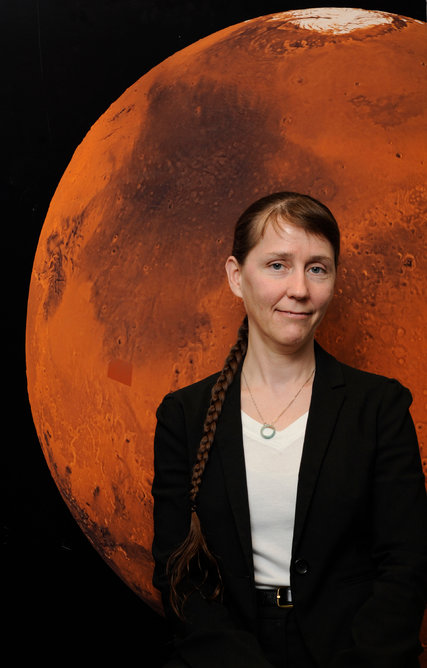
Catharine A. Conley, a NASA planetary protection officer. PHOTO: Paul E. Alers/NASA
You’ve heard of a myriad job profiles, but what do you think are the responsibilities of a planetary protection officer? This officer knows, and all her efforts are now focused on keeping micro-organisms and spores from Earth away from Mars.
At the National Aeronautics and Space Administration, Catharine A. Conley has a lofty job title: planetary protection officer. But with no extraterrestrial invasions on the horizon, Dr. Conley’s job is not so much protecting Earth from aliens as protecting other planets from Earth. Mars, in particular. “If we’re going to look for life on Mars, it would be really kind of lame to bring Earth life and find that instead,” Dr. Conley said.
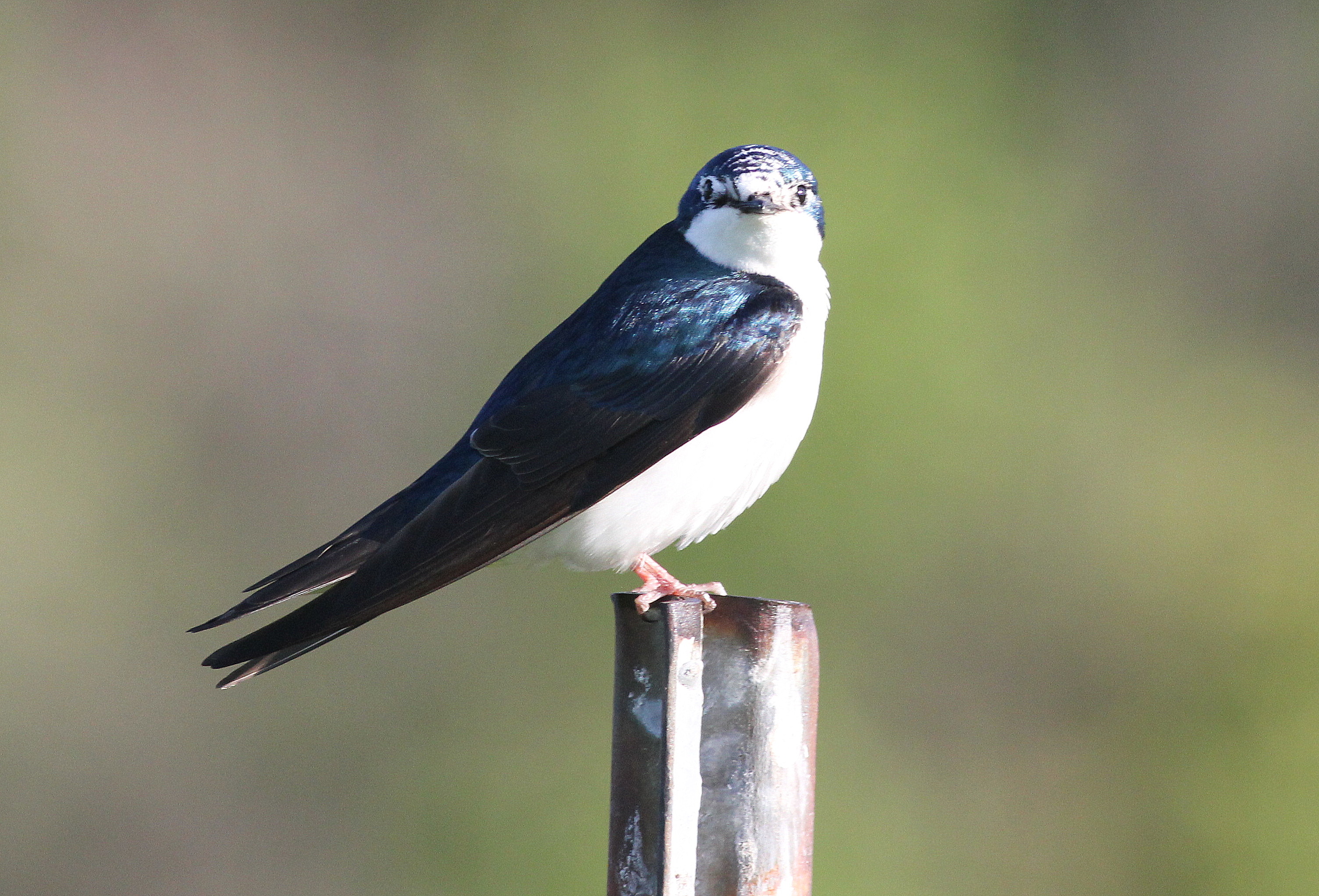
male, leucistic – Ithaca, New York
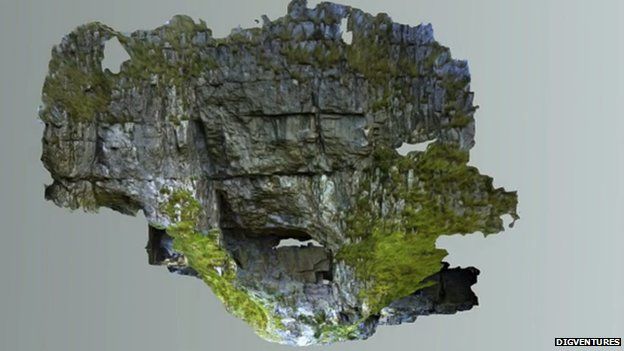
Archaeologists will turn Victoria Cave and its ancient bone collection into a digital museum. PHOTO: BBC
Victoria Cave was discovered by chance in 1837 and since then has been completely excavated. Within the cave’s thick clay deposits, scientists found an amazing record of climate change in the Dales over thousands of years. Excavators were particularly fascinated by ‘bone caves’ where there might be a possibility of finding evidence for the earliest humans along with long extinct animals. And now the cave and its bone treasures are being digitized.

Over 5,000 books make up the library at the local police station in Tirupur, a small town in Tamil Nadu state of India. PHOTO: BetterIndia
Can libraries be taken out of the four walls of an educational institution? Can it find a place in the midst of communities, accessible not only for children but for all who seek better understanding, greater learning? Like these 5,000 books that traveled from the US to a tiny police station in Tamil Nadu, India.
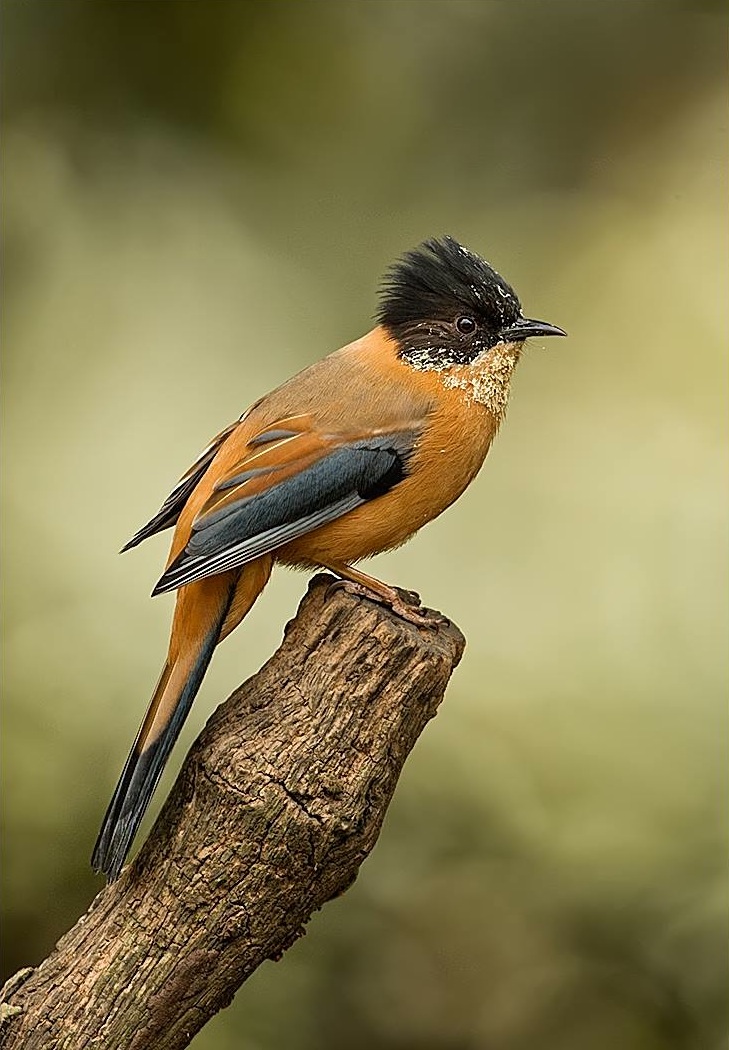
Bhimtal, Uttarakhand

In giving Youyou Tu the prize, the Nobel Prize committee has recognized the role ancient knowledge can play in the modern world. PHOTO: New Scientist
Traditional Chinese medicine has found its Nobel Prize moment. A cure for malaria. And its origin is marked by war, military, learning, and more.
The Quartz reports:
In the war, the North Vietnamese were not just fighting American-supported forces but also failing to fight malaria. The parasite that caused the disease had developed resistance against chloroquine, which was commonly used as treatment. So, in desperation, they turned to China’s leader, Mao Zedong, for help. Mao’s answer was to make searching for a new malaria drug a military project.

Greg Carr says Gorongosa is a “human development and conservation project”. PHOTO: BBC
What does it take to restore a wildlife hotspot? To put some animals back in, develop and sustain the environment so more animals return, and hold up the model as a means to uplift communities, and thereby the nation? The answer is Gorongosa National Park – a Mozambican safari paradise.
In 1962, six-year-old Vasco Galante was treated to his first cinema trip – to see Charlton Heston in the Hollywood epic, The Ten Commandments. But despite the blockbuster’s eye-popping sequences, the images that most impressed young Vasco came from a short advert shown before the film, which showcased the elephants, lions and buffalo in the verdant floodplains of Gorongosa National Park – a Mozambican safari paradise once marketed as “the place where Noah left his Ark”.
As he left the Lisbon picture house, young Vasco vowed to visit the park one day, and more than 40 years later, he finally got the chance. But the park he encountered was a far cry from the Gorongosa of ’60s showreels that once attracted the likes of John Wayne, Joan Crawford and Gregory Peck. A brutal 15-year civil war in the aftermath of Mozambique’s independence from Portugal in 1975 had devastated much of the province, and Gorongosa, one of its key battle grounds, was almost destroyed.
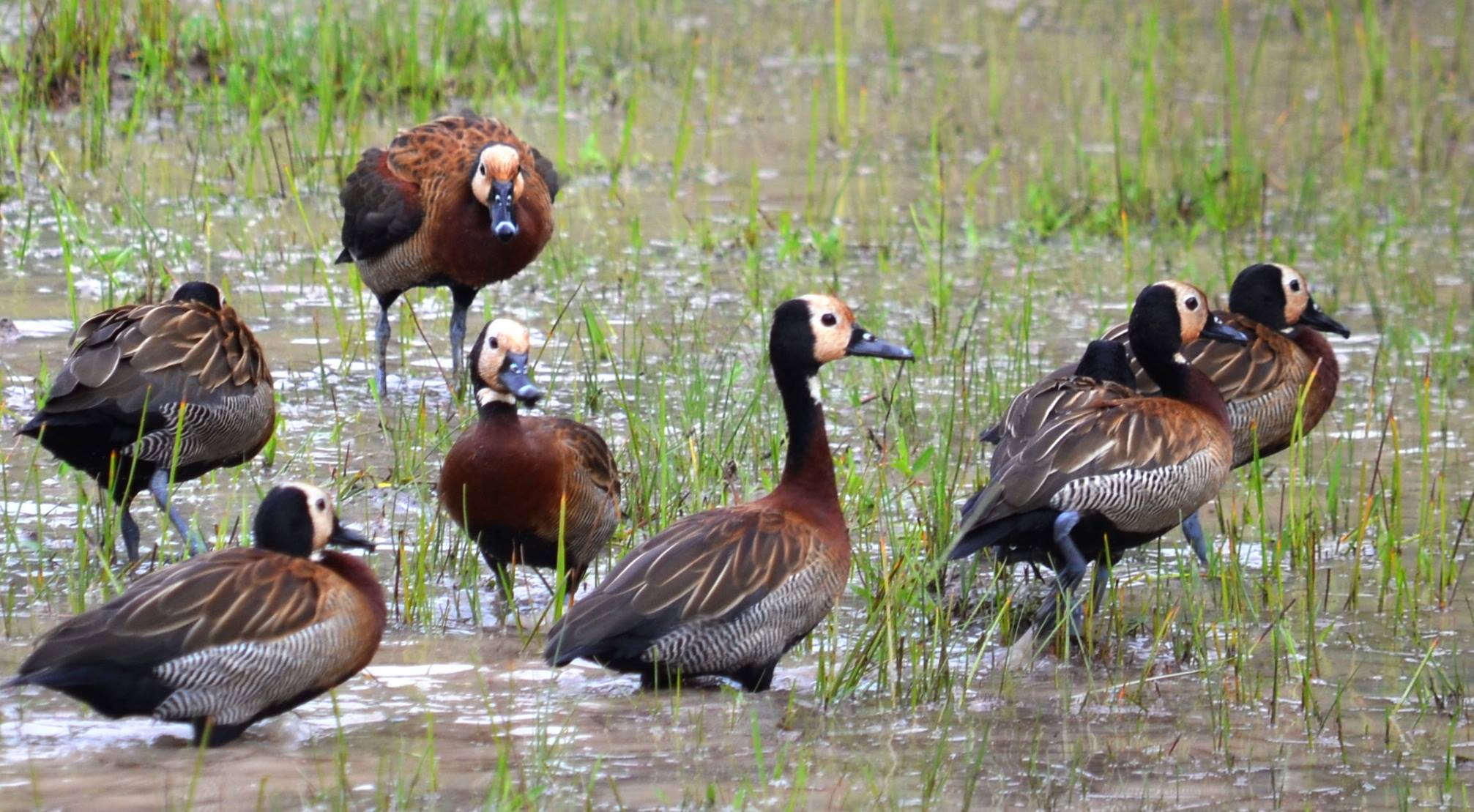
Photo credit: Andrew Murphy
Mole National Park, Ghana
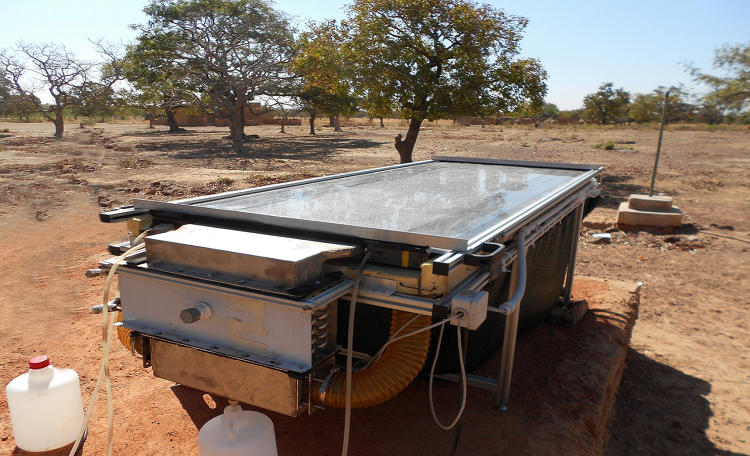
The FoodWa, which comes in two sizes, and is like a big ventilated box. The smaller “Batch” version can handle about 11 pounds at a time. PHOTO: CoExist
Each year, the world loses or squanders a third of the food it produces. This means that somewhere between planting seeds in fields and providing nourishment to the world’s 7 billion people, approximately 1.3 billion tonnes of food with a value of more than US$1 trillion is lost or wasted. These numbers are simply untenable in a world where, according to Food and Agriculture Organization, some 870 million people do not have enough to eat. In fact, according to the FAO-commissioned study that tallied these numbers, if just one-fourth of lost or wasted food were saved, it could end global hunger.
And drying food, to prevent it from rotting during storage, maybe a solution. A clean, green solution especially with the FoodWa system that uses solar energy to dry foods.
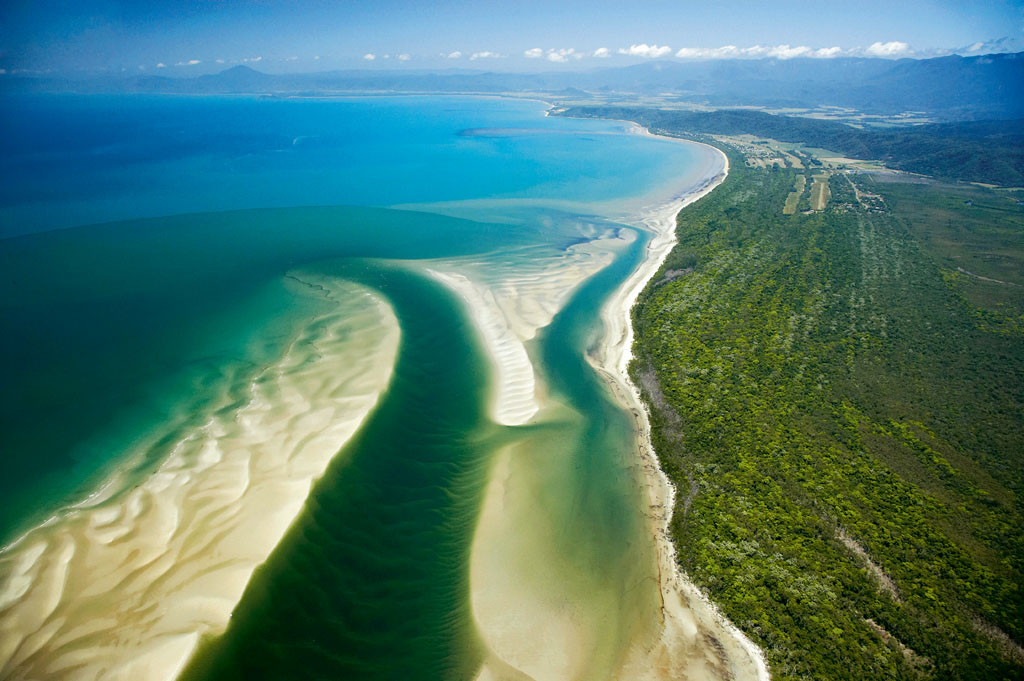
A variety of birds, frogs, and crocodiles can be spotted while cruising the mangrove-lined Daintree River. Photo: David Wall/Dinodia
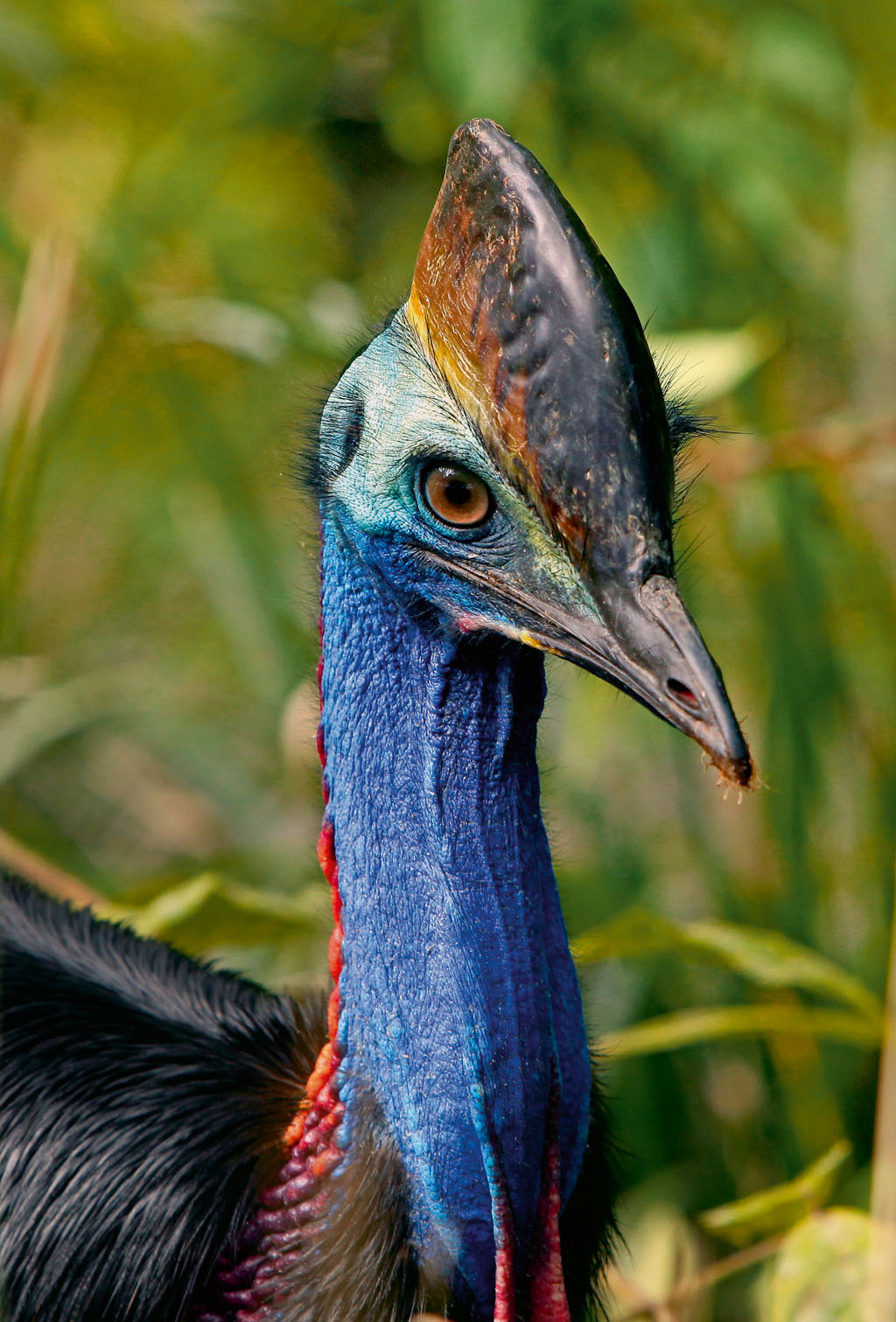
Unique to Australia, the flightless cassowary bird lives a solitary existence for most of its life. It is integral to the survival of many of the plants of this rainforest. Photo: CCOPhotostockBS/Dinodia
The list of the World Heritage Sites, as recognized by UNESCO, is a goldmine of history, natural and cultural patrimony. It tells of places and cultures that warrant a second look, an effort to better understand them. And of all the geography the list covers, there’s only one place where two Heritage Sites meet: the Daintree Rainforest and the Great Barrier Reef.
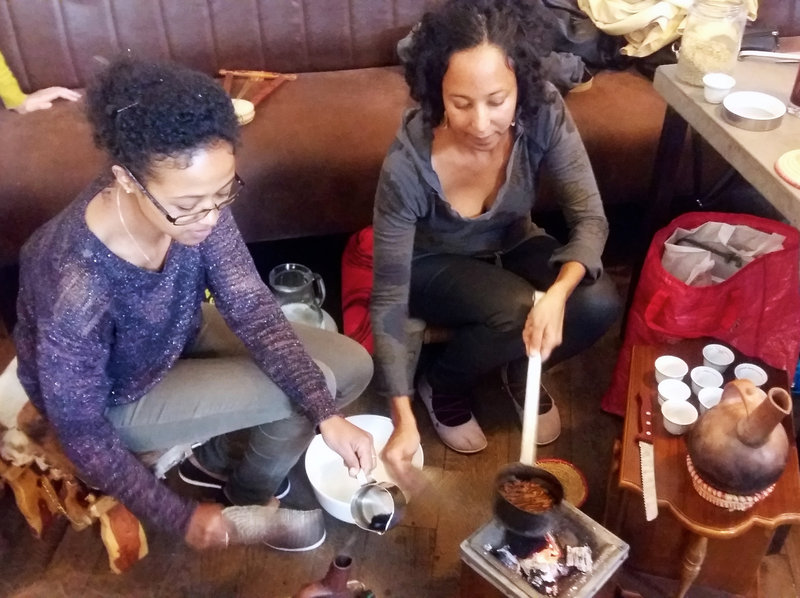
Luwam Melake (left), a recently arrived Eritrean refugee, and Saba Tesfay, who is half-Hungarian and half-Eritrean, wash, roast and grind coffee beans during a traditional Eritrean coffee ceremony. PHOTO: Lauren Frayer for NPR
What are ways to combat xenophobia, an aversion to what is perceived as foreign? Especially when that involves fragile human spirits, miles away from their homelands and hoping on the faintest possibility of refuge in an alien land. Budapest is showing the way.
Customers crowd into a bustling Budapest restaurant for dinner. They open their menus, expecting to read about stuffed paprikas and Hungarian goulash.
But instead they find … Eritrean sourdough pancake bread. Afghan pie. Syrian sweets.
“It’s a little bit difficult, because not all the ingredients are available in Hungary. So a few of them are coming from Austria or other countries. But we can do it!” laughs Judit Peter, the bartender and director of special projects at Kisuzem, a trendy, bohemian bar in Budapest’s historic Jewish quarter. “People really like it. We’ve served 80 portions a day — and that’s quite a lot for a small kitchen like ours.”
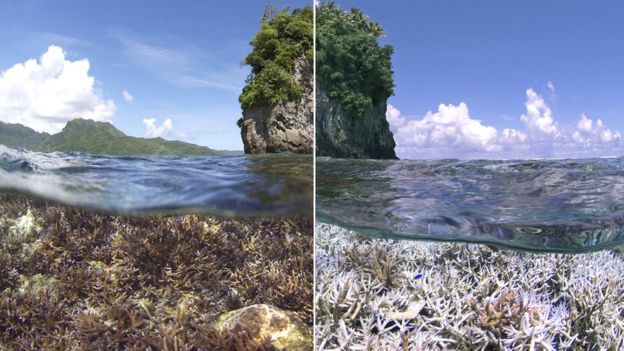
These images, taken in American Samoa, show the devastation caused by coral bleaching between December 2014 and February 2015. PHOTO: BBC
Yet another effect of global warming and changing ecosystems. Corals worldwide are at risk from a major episode of bleaching which turns reefs white.Although reefs represent less than 0,1% of the world’s ocean floor, they help support about a quarter of all marine species. The US National Oceanic and Atmospheric Administration (NOAA) says the livelihoods of 500 million people and income worth over $30bn (£19,6bn) are at stake.
 Organikos