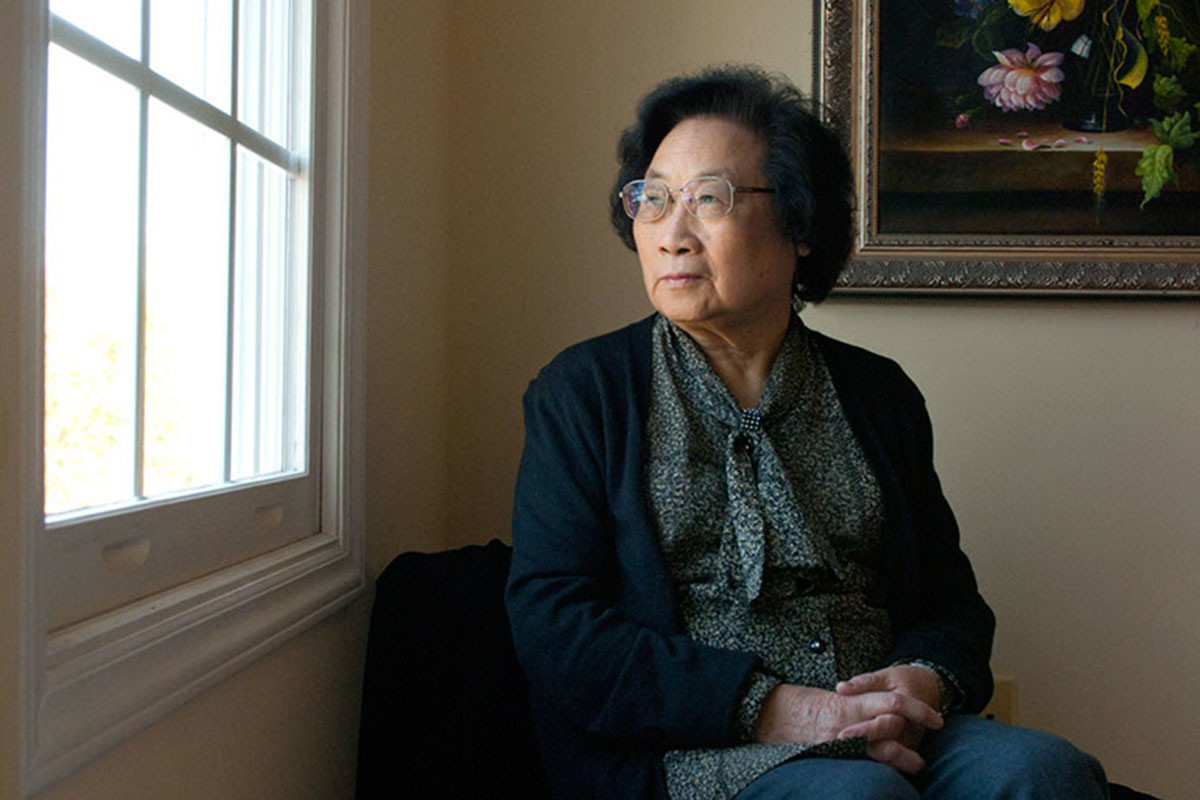
In giving Youyou Tu the prize, the Nobel Prize committee has recognized the role ancient knowledge can play in the modern world. PHOTO: New Scientist
Traditional Chinese medicine has found its Nobel Prize moment. A cure for malaria. And its origin is marked by war, military, learning, and more.
The Quartz reports:
In the war, the North Vietnamese were not just fighting American-supported forces but also failing to fight malaria. The parasite that caused the disease had developed resistance against chloroquine, which was commonly used as treatment. So, in desperation, they turned to China’s leader, Mao Zedong, for help. Mao’s answer was to make searching for a new malaria drug a military project.
Soon, more than 500 scientists were involved. One group screened some 40,000 known chemicals to find a malaria drug. The other turned to traditional medicine literature and sent for finding “secret cures” in Chinese villages.Those looking at traditional medicine literature succeeded, but not easily. Tu described the challenge in 2011 in the journal Nature:
We investigated more than 2,000 Chinese herb preparations and identified 640 hits that had possible antimalarial activities. More than 380 extracts obtained from 200 Chinese herbs were evaluated against a mouse model of malaria. However, progress was not smooth, and no significant results emerged easily.
The first taste of success came when an ancient text revealed a method of using qinghao—the Chinese name for sweet wormwood—to extract artemisinin. After five years, in 1972, Tu had found a method to successfully extract the drug from the plant. But such were the days of China’s Cultural Revolution that clinical trials could not be performed.Tu’s team volunteered to be the first patients to deem the drug’s safety, and only then could they go out to do proper trials. But soon after, when the war in Vietnam ended, the project that found the drug was disbanded. Even though Tu had managed to publish her results widely by the 1980s, the development of the drug languished. It took nearly 30 years for the World Health Organization to endorse the drug. The reasons for the delays are not clear, but were perhaps caused by a combination of political instability, lack of patents that could spur pharma companies to invest in the development, and malaria afflicting mostly the poor.
Though it took time, Tu’s method showed other Chinese researchers how to capitalize on the ancient knowledge hidden in scrolls and passed down through word of mouth.
Read more here.
 Organikos