
Galapagos Islands, Ecuador
Galapagos Islands, Ecuador
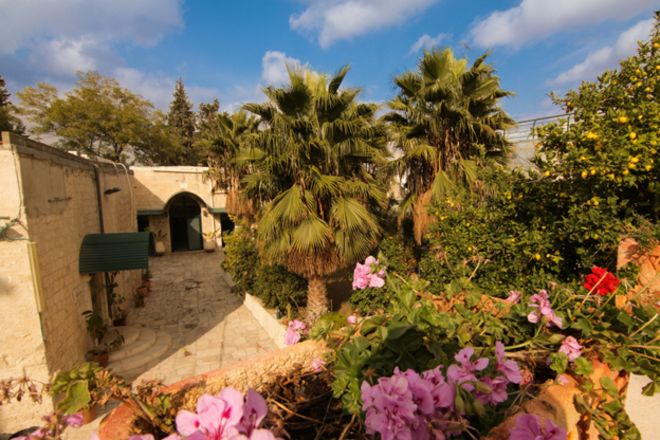
There is a little corner of Jerusalem that is forever India. At least, it has been for more than 800 years and its current custodian has plans for his family to keep the Indian flag flying for generations to come. PHOTO: BBC
For close to a century, many generations of an Indian family have been looking after the Indian Hospice, a symbol of India’s heritage, in the old city of Jerusalem.The Indian Hospice was born in 1924, with Sheikh Nazir Ansari, a police inspector’s son from Saharanpur in Uttar Pradesh, becoming the first Indian to look after the hospice, situated opposite Herod’s Gate in the old city. Since then generations of the Ansari family have kept the Indian flag flying in a situation which is “politically fraught where every inch of territory is claimed or counter-claimed”.
From the roof he flies an Indian flag, its saffron and green visible over a city that remains as volatile as ever. Sheikh Munir, though, is not easily intimidated. “I am not afraid. I am satisfied for the future, that we, the Ansari family, are serving. After me, my elder son, Nazer, should replace me as Sheikh of the zawiyya [lodge].”
I ask if Nazer, who works overseas, is interested in taking over. Sheikh Munir hesitates. From a frame on the wall, his father looks down silently. The old man raises his hands, palms up.
“It’s not a question of interested.”

Jay Whitacre is the latest recipient of the prestigious $500,000 Lemelson-MIT Prize, which honors mid-career inventors who have also demonstrated a commitment to mentorship in science, technology, engineering and mathematics (STEM). PHOTO: LEMELSON-MIT PROGRAM
The Aqueous Hybrid Ion (AHI™) Batteries are based on a simple idea: in order to meet the challenges of the world’s growing energy needs and increase the use of renewable power, we need large-scale energy storage systems that are high performance, safe, sustainable and cost-effective. Jay Whitacre set out to solve this problem and discovered a simple and elegant solution that is a twist on a 200 year-old technology: saltwater batteries. Using abundant, nontoxic materials and modern low cost manufacturing techniques, the AHI batteries are now ready to take on the global energy storage challenge. And have also won Whitacre the prestigious $500,000 Lemelson-MIT Prize.

The game also formerly known as It and Criss-Cross Words acquired its lasting moniker in 1948, but its story begins 15 years earlier, when a 32-year-old architect named Alfred Mosher Butts joined the millions who’d already lost their jobs in the Great Depression. PHOTO: Getty
A game played avidly by amateurs and pros alike. In jails and by the British Royal Family, and has fans even at The White House. No other game brings wordsmiths together like Scrabble. And to think it may not have seen the light of living rooms:
Though words are its currency, it’s really a game about anything but. It’s a spatial game, a game of patterns and of memory. No wonder many top players have a mathematical rather than a linguistic background. You certainly don’t need to know what an obscure two-letter filler like ‘ee’ or ‘da’ means in order to play it, only that it appears on the endorsed word lists.

Vigorón served at El Gordito in Granada, Nicaragua. The combination of soft, starchy yucca; salty, rough pork cracklings; and tangy, cool slaw made with cabbage, onions, tomato, mimbre fruit, chile and vinegar. PHOTO: Julie Schwietert Collazo for NPR
No matter how different our ethnic backgrounds, beliefs, views and values are, we can all sit around a dinner table and unite in sharing a meal that includes different tastes and types of food from all over the globe – the palate knows no boundaries and no limitations. In a divided country like Nicaragua, all differences melt when it comes to vigoron. The national dish that cuts across political ideologies, economic status, and strong preferences.
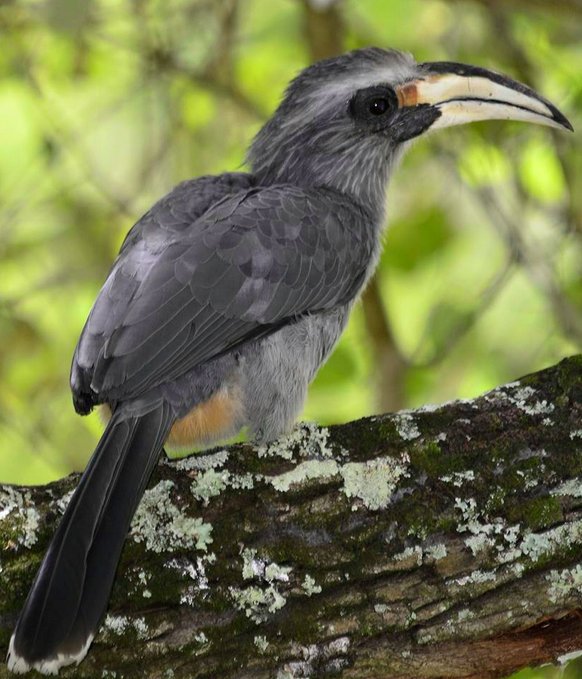
Bokkapuram, Tamil Nadu
 photo credit: Ms. Barbara Block
The last time I wrote was about my experience working in Nigeria, where I enjoyed the challenge of balancing the familiar and the new in culture, people, landscape and even weather. I’m now back in India and am happy to explore nature in my own country again.
I am based in the beautiful hill-station Kodaikanal in Tamil Nadu and everytime I look up at the sky and the mountains and the beautiful valley, it takes my breath away! Then I stop to wonder – why do my fellow Indians long to go to Switzerland and other places, when we can experience so many similar things somewhere in our own country? Continue reading
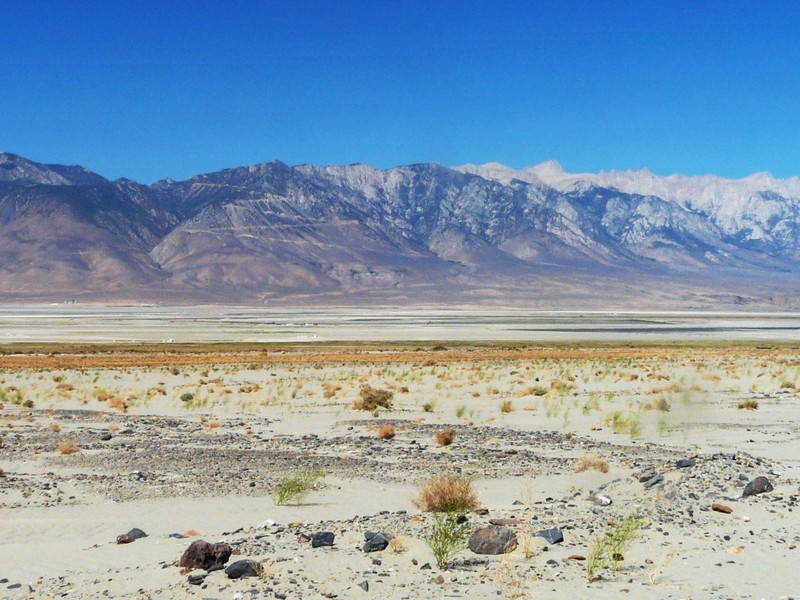
In 500 years, the Sierra’s stores of snow have never ben this low. PHOTO: François B. Lanoë/Nature Climate Change
Yet another ironical evidence of climate change. One in the mountains of Sierra Nevada, which coincidentally mean ‘snowy’ range. A new study has found that the snowpack in the Sierra Nevadas is the lowest it’s been in the past 500 years. Definitely not good news for California which depends on this snowpack for water. A debilitating drought, fierce wildfires, and now a declining snowpack, things sure are not looking good for the city.
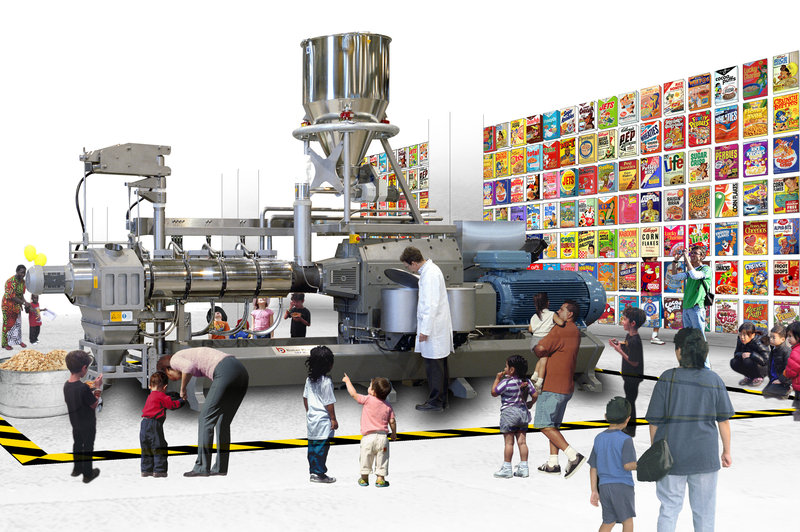
The Food and Drink Museum will open in its first permanent home – a mini-museum in Brooklyn — in October. Above, an artist’s rendering shows one potential exhibit – on ready-to-eat cereal — in MOFAD’s final space. In the foreground is an extruder, a giant machine used to cook and shape cereal. PHOTO: MOAFD
Everyone eats. People of all ages and backgrounds, from picky and apathetic eaters to gastronomes and food lovers, should care about food. Informed eaters are better eaters. They make better choices for their taste buds, health, community, and environment.Food is culture. It is more than simply what is on our plates: it is a common denominator of human relationships.Food is personal. People should be approached with a non-judgmental attitude about their diet.Food is participatory. To best learn about food, you must taste, smell, and think.Food is fun. A positive, non-fear-based outlook is the best way to approach food education.
The Museum of Food and Drink couldn’t have worded it more finely. And they are doing one better by working towards opening doors in Brooklyn come October. So hold on to all your questions about food (well the one about the chicken and the egg is still debatable), for answers may be at hand.
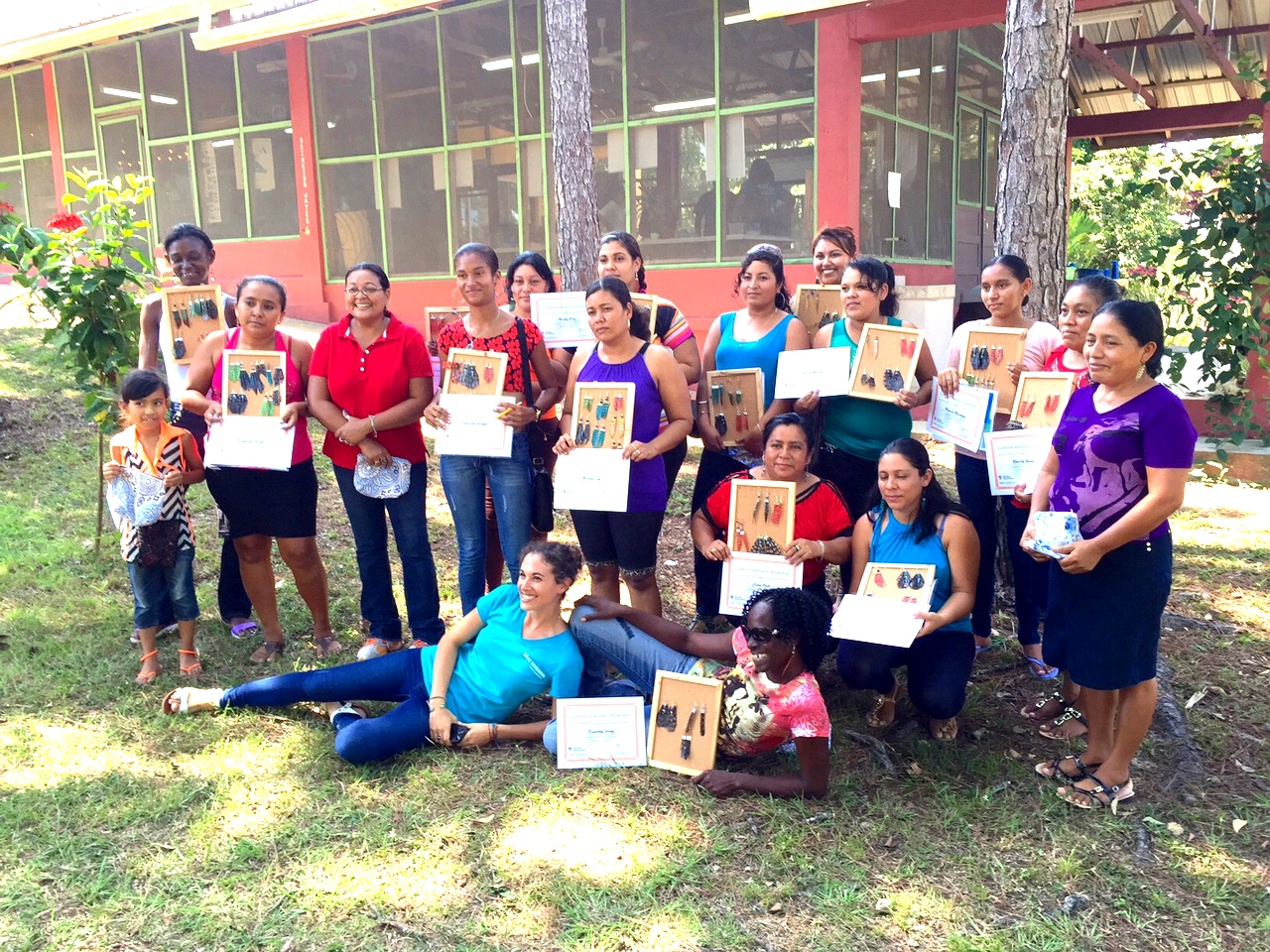
Belize Lionfish Workshop participants with their certificates
I’ve posted previously about the emergence of lionfish jewelry as one of several market-based approaches to controlling the invasion of this non-native species which poses an unprecedented threat to marine ecosystems in the Western Atlantic.
Last month, for the third year in a row, I spent two weeks in Belize where I had a chance to get an update on how the market is developing. I started my visit in Placencia, which is home to Kaj Assales, the most successful of the lionfish jewelry artists in the country, with her own jewelry line which she sells through her boutique as well as online. It was my first chance to visit her shop and to see some of her new designs.
Next I spent a week in the Sapodilla Cayes with ReefCI, the NPO that I first collaborated with to help jump-start the lionfish jewelry market in the country. This gave me a chance to practice my lionfish spearing skills, as the ReefCI team and visiting volunteers continue to remove several hundred lionfish per week dissecting a sample of 30-40 of these for stomach content. Data on size, sex, and stomach content is provided to the Belize Fisheries Department and has been a valuable input to its national lionfish control strategy. Coincidently, ReefCI’s lionfish control program was profiled in the August issue of United Airlines magazine; not only a nice recognition of the group’s efforts, but also a great boost for raising awareness about the lionfish invasion. Continue reading

At its height, the Brookdale could seat up to 15,000 people a day. No other restaurant on Earth could do that. PHOTO: Medium
It has the distinction of having been the world’s largest restaurant. A crown jewel in the cafeteria culture. A place at the centre of a community; a place where everybody could meet, a place that fueled artistic passions. Where everyone from Jack Kerouac to Ray Bradbury ate. A place steeped in revolution, built on the goodness of people. This is the story of Clifton’s Brookdale Cafeteria, Los Angeles.


Curzon’s dedication in Persian – Presented to the Tomb of Mumtaz Mahal by Lord Curzon, Viceroy 1906 – was also inscribed on it, after a careful process of revision to ensure it matched the script used by calligraphers for the Taj Mahal. PHOTO: taj-mahal.net
The Taj Mahal at Agra, India, is one of the most visited monuments in the world. Beyond it being a labour of love and a story of a dynasty, it’s a timekeeper. Of people who’ve come and gone, of men and powers that have left a mark. Like Lord Curzon. Scroll brings you a story:
Curzon, who became India’s Viceroy in 1899, was a man on several missions. To secure India’s northern frontiers from the advancing threat of Russia, Curzon encouraged Francis Younghusband’s 1903 Tibet expedition. His move to preserve India’s heritage was part of his own “civilising mission”.
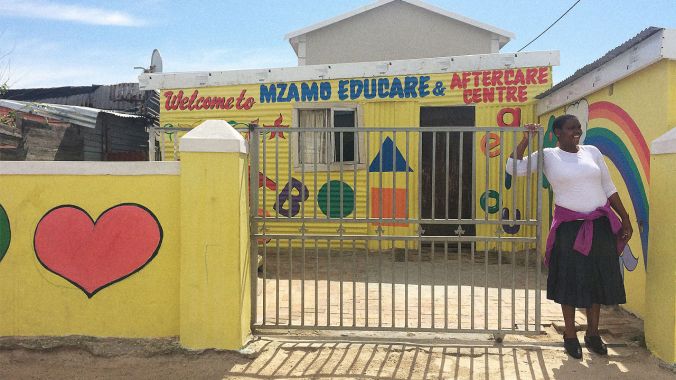
Lakheni is a social enterprise which harnesses the aggregated buying power of low-income communities to give them access to discounted staple food.
The Global Social Venture Competition (GSVC) provides aspiring entrepreneurs with mentoring, exposure, and $50,000 in prizes to transform their ideas into businesses that will have positive real world impact. And one of the winners this year is Lakheni, a service that could serve as a low-cost replacement for brick-and-mortar stores.

Galapagos Islands


All across India, elaborate subterranean temples are hidden in plain site. Constructed between the 2nd century and 4th century AD, these massive and ornate stepwells were built both for spiritual bathing and as a way to access water tables during monsoon season and drought seasons. Many stepwells have been abandoned and are in disrepair since the introduction of modern waterworks, plumbing and village taps. Some have been destroyed. Because the water table is even lower in recent years, many are now dry. Victoria Lautman, a freelance journalist in Chicago, has been traveling around India documenting stepwells before more fall into dereliction are destroyed by neglect or outright demolition.
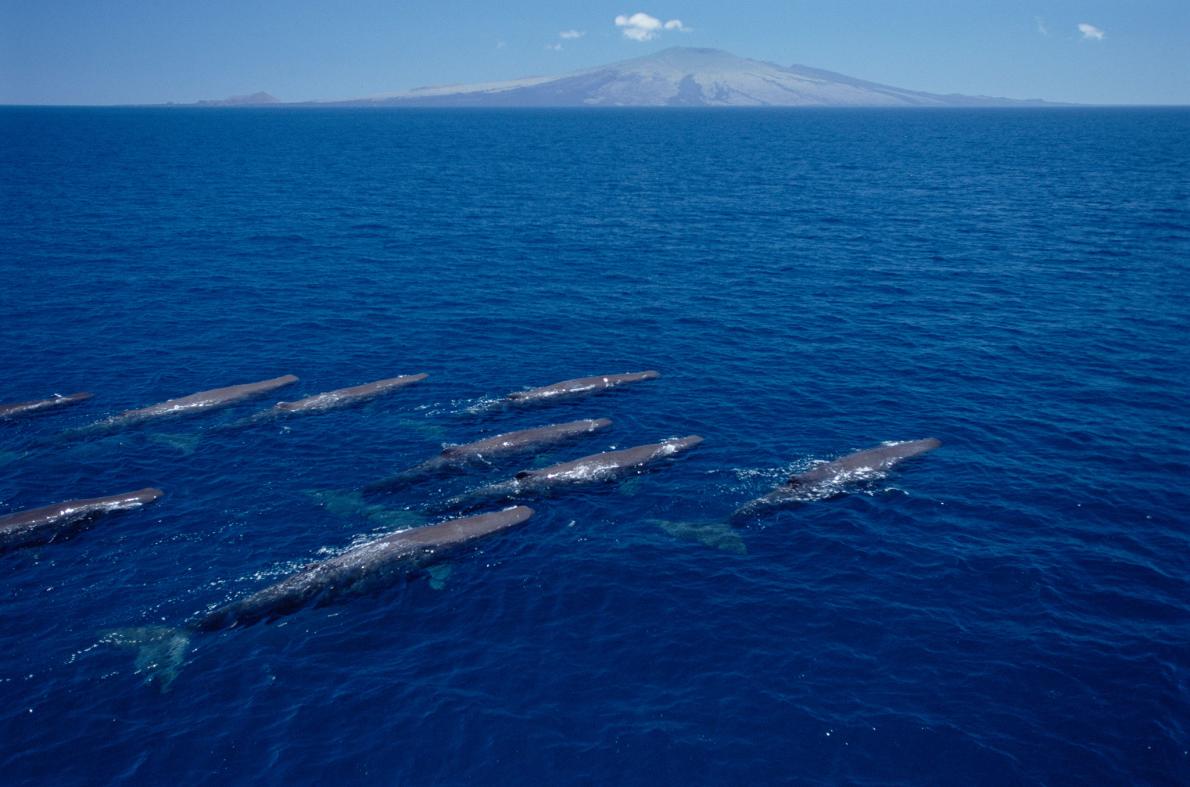
Female sperm whales and their calves swim off the coast of Pinta Island in the Galápagos. PHOTO: FLIP NICKLEN, MINDEN/CORBIS
Have you read about how lemon sharks are able to make and maintain social networks, despite the lack of Facebook and Twitter—and learn from their interactions? Or about the whales who communicate with other humpbacks through social learning? Now a study finds that deep-diving whales have a distinct series of clicks called codas they use to communicate during social interactions.

I have posted previously about the lionfish invasion and the threat that it poses to marine ecosystems in the Western Atlantic. In an earlier post, I noted that there is increasing evidence that regular removals can be effective in controlling lionfish infestation, allowing native fish populations to recover. Removals are being undertaken via organized efforts such “lionfish derbies” and other forms of sanctioned fishing tournaments as well as via market approaches that create commercial incentives to harvest the fish.
While marine protection agencies are generally supportive of these efforts and are indeed engaging in removals themselves, they lack the data and evidence needed to make informed decisions about the optimal mix of approaches and the level of effort and resources needed to effectively control the invasion. I recently had the opportunity to participate in a research expedition aimed at helping to address this gap. I was fortunate enough to be selected to join 29 other volunteer citizen scientists, professional/semi-professional spear fishers, and marine scientists for a fish survey and lionfish culling effort in the Flower Garden Banks National Marine Sanctuary. Situated about 100 miles off the coast of Texas, the sanctuary is home to a unique ecosystem with almost 300 species of fish, 21 species of coral, and several other invertebrate species. Lionfish are being observed with increasing frequency within the sanctuary, a cause for concern by the sanctuary’s managers. They have previously undertaken periodic culling of lionfish, but the recent effort was the first time that removals were undertaken in a systematic fashion. Continue reading
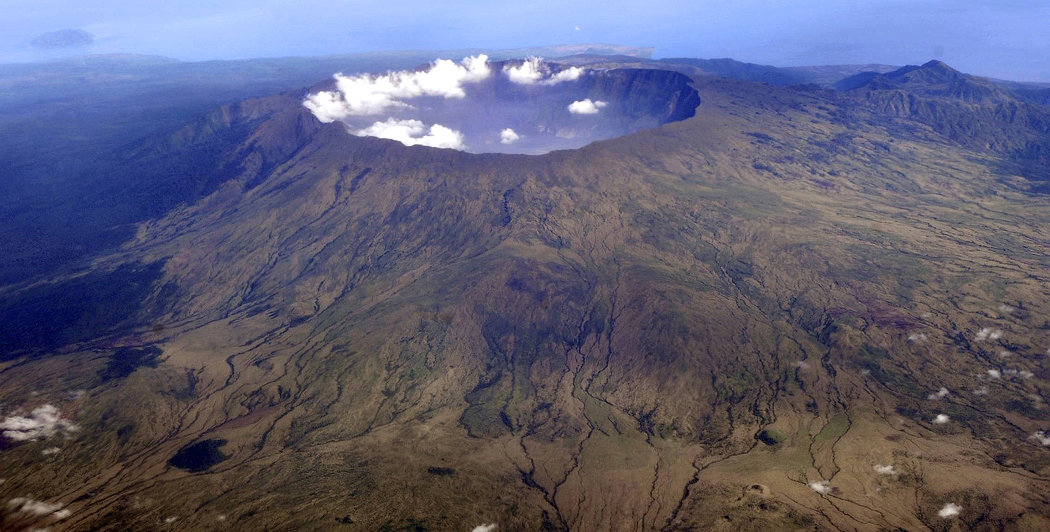
The deep volcanic crater, top, was produced by the eruption of Mount Tambora in Indonesia in April 1815 – the most powerful volcanic blast in recorded history. PHOTO: Iwan Setiyawan/KOMPAS, via Associated Press
That the volcanoes have power is plain, cemented truth. You hear of their trail of ravage – ash, rocks, lava, evacuation, barren lands. The volcano vocabulary is dreary, if you may say so. But not the eruption of Mount Tambora. For this be the reason for many a flood, famine, disease, civil unrest and economic decline.
“The year without a summer,” as 1816 came to be known, gave birth not only to paintings of fiery sunsets and tempestuous skies but two genres of gothic fiction. The freakish progeny were Frankenstein and the human vampire, which have loomed large in art and literature ever since.
“The paper trail,” said Dr. Wood, a University of Illinois professor of English, “goes back again and again to Tambora.”

Bokkapuram, Tamil Nadu
 Organikos