Culture on the High Seas

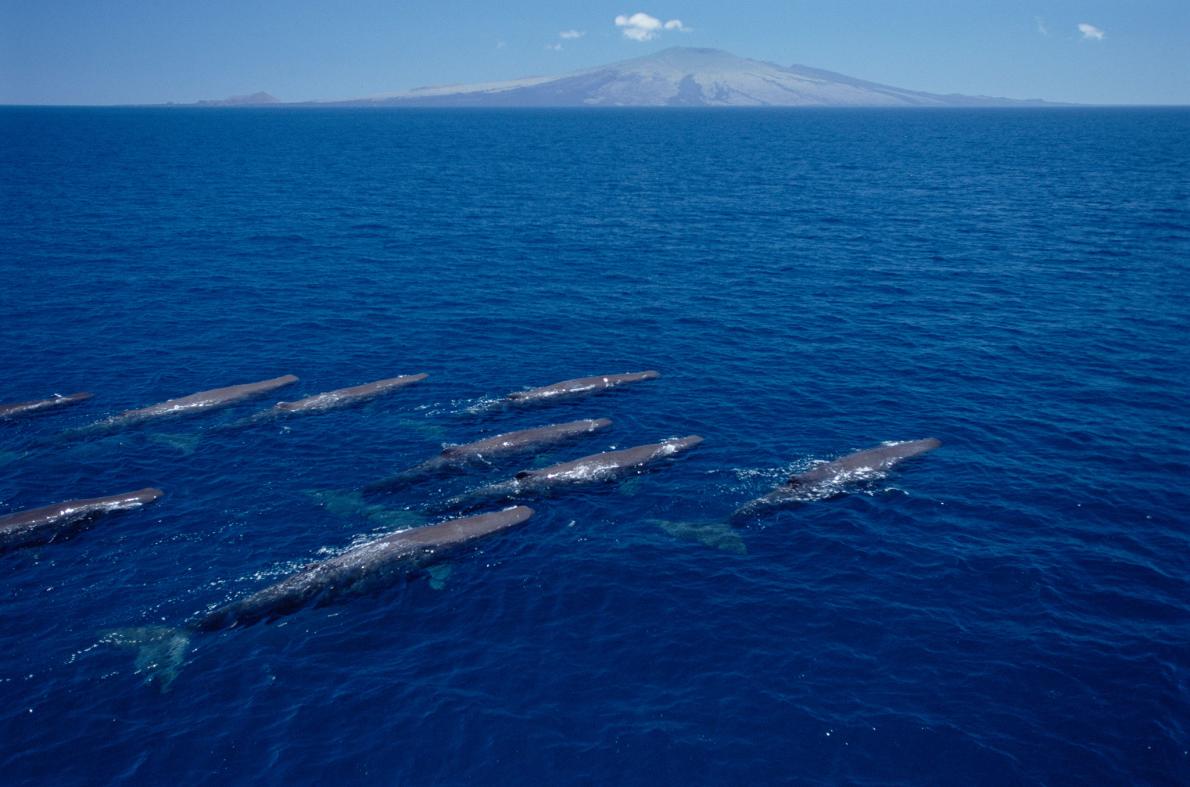
Female sperm whales and their calves swim off the coast of Pinta Island in the Galápagos.  PHOTO: FLIP NICKLEN, MINDEN/CORBIS

Female sperm whales and their calves swim off the coast of Pinta Island in the Galápagos. PHOTO: FLIP NICKLEN, MINDEN/CORBIS

Have you read about how lemon sharks are able to make and maintain social networks, despite the lack of Facebook and Twitter—and learn from their interactions? Or about the whales who communicate with other humpbacks through social learning? Now a study finds that deep-diving whales have a distinct series of clicks called codas they use to communicate during social interactions.

Continue reading

Flower Garden Banks Lionfish Invitational

I have posted previously about the lionfish invasion and the threat that it poses to marine ecosystems in the Western Atlantic. In an earlier post, I noted that there is increasing evidence that regular removals can be effective in controlling lionfish infestation, allowing native fish populations to recover. Removals are being undertaken via organized efforts such “lionfish derbies” and other forms of sanctioned fishing tournaments as well as via market approaches that create commercial incentives to harvest the fish.

While marine protection agencies are generally supportive of these efforts and are indeed engaging in removals themselves, they lack the data and evidence needed to make informed decisions about the optimal mix of approaches and the level of effort and resources needed to effectively control the invasion. I recently had the opportunity to participate in a research expedition aimed at helping to address this gap. I was fortunate enough to be selected to join 29 other volunteer citizen scientists, professional/semi-professional spear fishers, and marine scientists for a fish survey and lionfish culling effort in the Flower Garden Banks National Marine Sanctuary. Situated about 100 miles off the coast of Texas, the sanctuary is home to a unique ecosystem with almost 300 species of fish, 21 species of coral, and several other invertebrate species. Lionfish are being observed with increasing frequency within the sanctuary, a cause for concern by the sanctuary’s managers. They have previously undertaken periodic culling of lionfish, but the recent effort was the first time that removals were undertaken in a systematic fashion. Continue reading

A Volcano That Fanned the Arts

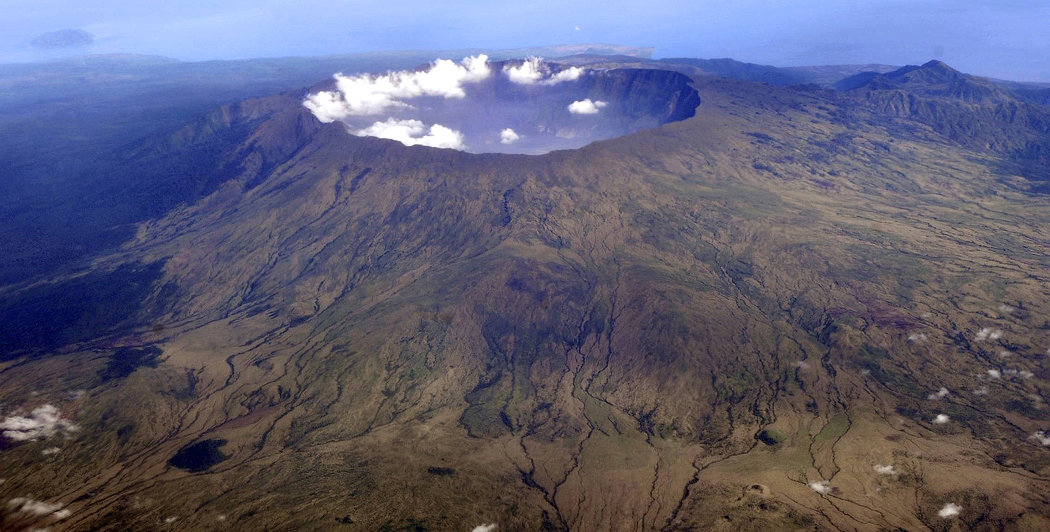
The deep volcanic crater, top, was produced by the eruption of Mount Tambora in Indonesia in April 1815 - the most powerful volcanic blast in recorded history. PHOTO: Iwan Setiyawan/KOMPAS, via Associated Press

The deep volcanic crater, top, was produced by the eruption of Mount Tambora in Indonesia in April 1815 – the most powerful volcanic blast in recorded history. PHOTO: Iwan Setiyawan/KOMPAS, via Associated Press

That the volcanoes have power is plain, cemented truth. You hear of their trail of ravage – ash, rocks, lava, evacuation, barren lands. The volcano vocabulary is dreary, if you may say so. But not the eruption of Mount Tambora. For this be the reason for many a flood, famine, disease, civil unrest and economic decline.

“The year without a summer,” as 1816 came to be known, gave birth not only to paintings of fiery sunsets and tempestuous skies but two genres of gothic fiction. The freakish progeny were Frankenstein and the human vampire, which have loomed large in art and literature ever since.

“The paper trail,” said Dr. Wood, a University of Illinois professor of English, “goes back again and again to Tambora.”

Continue reading

In the Name of the ‘Salvation’ Fish

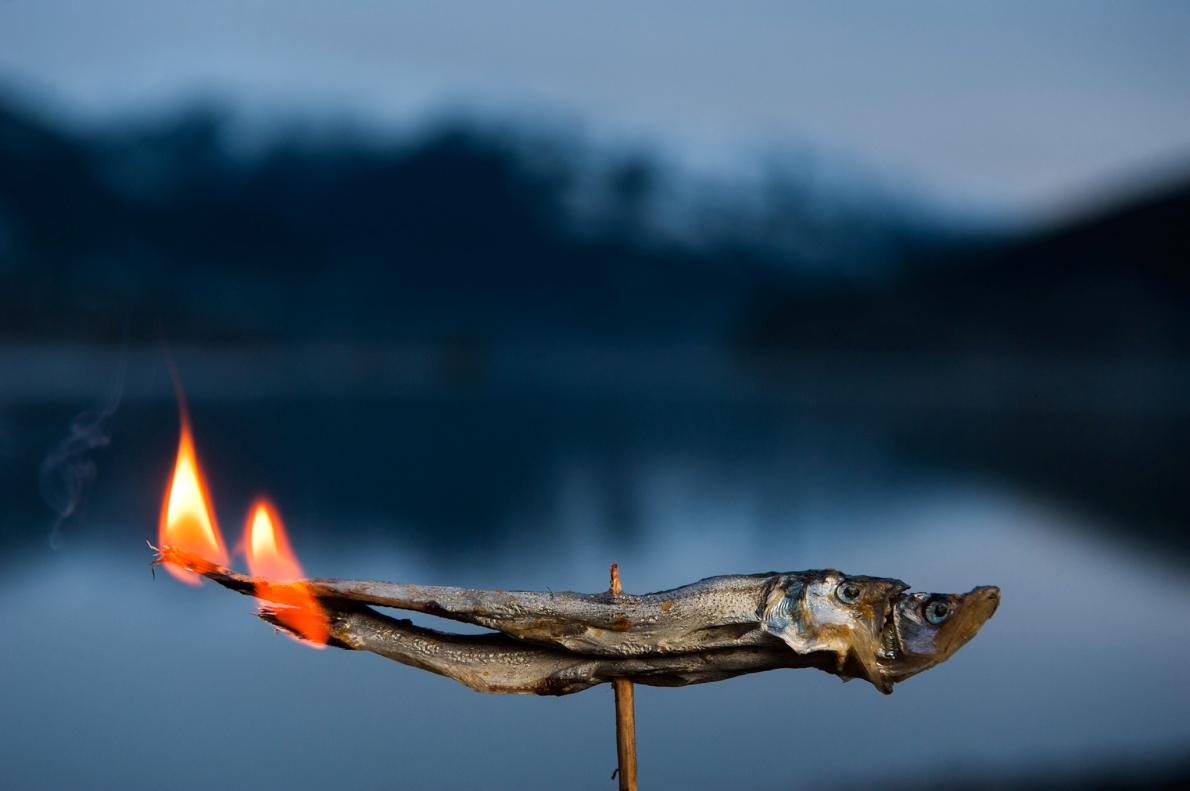
Also known as candlefish, eulachon (Thaleichthys pacificus) are so oily that they can ignite when dried. Traditionally, eulachon were used at times as lights by Nisga'a people.  PHOTO:  PAUL COLANGELO

Also known as candlefish, eulachon (Thaleichthys pacificus) are so oily that they can ignite when dried. Traditionally, eulachon were used at times as lights by Nisga’a people. PHOTO: PAUL COLANGELO

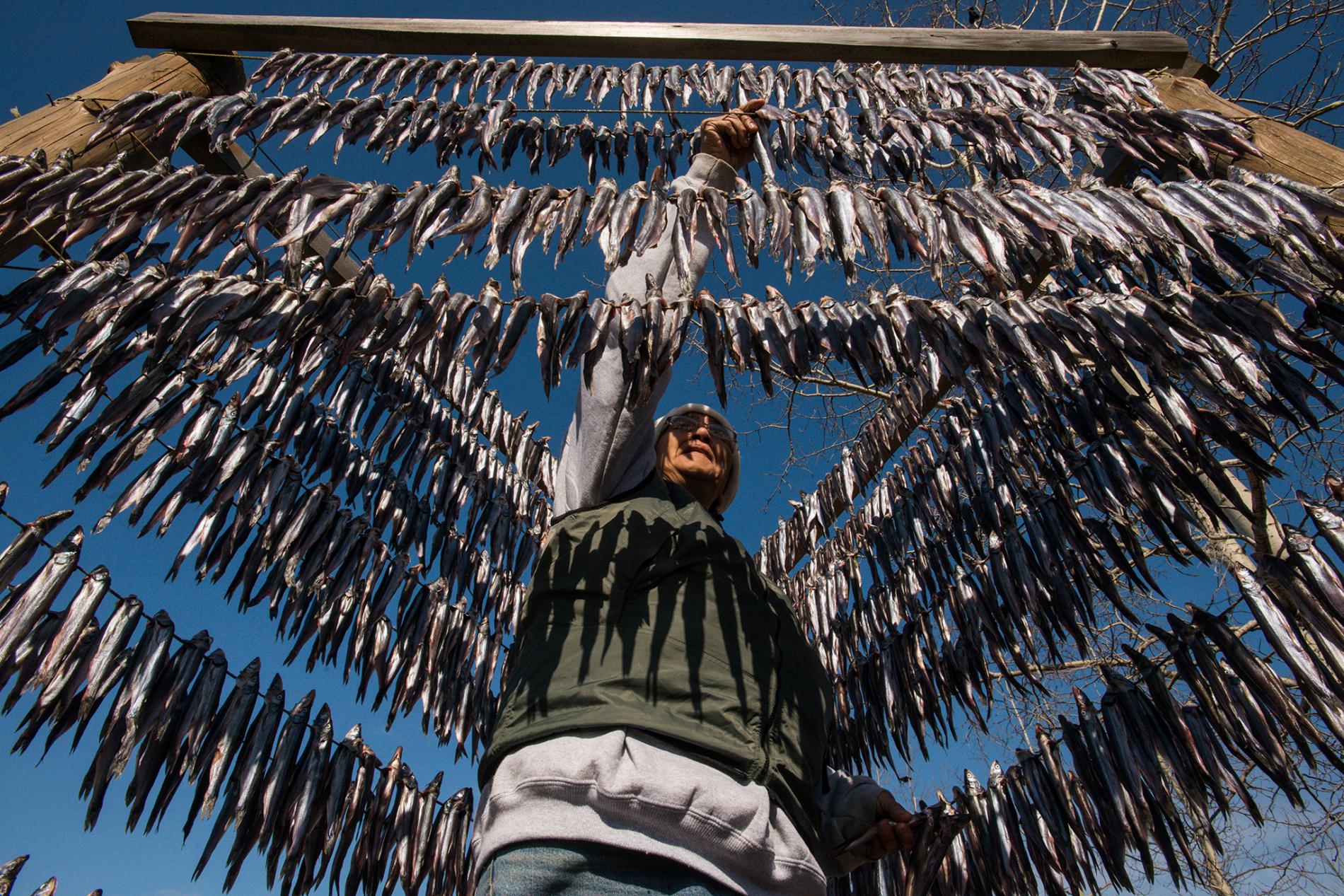
A Nisga'a woman hangs eulachon on a ganee'e, or air-drying rack. PHOTO: PAUL COLANGELO

A Nisga’a woman hangs eulachon on a ganee’e, or air-drying rack. PHOTO: PAUL COLANGELO

Often referred to as “salvation fish” for safeguarding native people from starvation, the eulachon is now in need of a lifeline itself—as its habitat and population are in danger. National Geographic reports on the fish’s historical and cultural significance and the the many changes in the ocean that have led to the decline of the eulachon’s numbers:

The fish are also known as halimotkw, often translated as “savior fish” or “salvation fish.” Eulachon return to the rivers here to spawn at the end of the North Pacific winter, when historically food supplies would be running low. In lean years the eulachon’s arrival meant the difference between life and death for people up and down the coast.

Today, the fish that used to safeguard native people from starvation is itself in need of a lifeline.

Continue reading

From the World of Photography

One of the first things you’ll notice about Danh's images is that they’re kind of blue. But they’re not hand-colored or toned post-process. Daguerreotypes are naturally sensitive to blue and ultraviolet light, meaning the brightest spots, like the sky or a waterfall, take on a blue tint when overexposed. PHOTO: Danh

One of the first things you’ll notice about Danh’s images is that they’re kind of blue. But they’re not hand-colored or toned post-process. Daguerreotypes are naturally sensitive to blue and ultraviolet light, meaning the brightest spots, like the sky or a waterfall, take on a blue tint when overexposed. PHOTO: Danh

The daguerrotype makes for an interesting chapter in the history of photography. One reason why you should catch the last two days of the exhibition of Binh Danh‘s daguerrotypes of Yosemite National Park. Address: The National Gallery of Art in Washington, D.C; head to the exhibition titled “The Memory of Time”.

Standing in front of photographer Binh Danh’s daguerreotype of Yosemite Falls, on display at the National Gallery of Art in Washington, D.C., I saw myself staring back through the image.

If you look at a daguerreotype in person (unfortunately you can’t tell on a screen), you can see your reflection in the silver plate. At first I tried to move off to the side to get an unobstructed view, until I realized that being confronted with my reflection might be part of the experience. It turns out that this is exactly what Danh had in mind. “Conceptually, I hope one contemplates the land in relationship to one’s body and even identity.”

Continue reading

The Grave History of Ocean Beach

In order to build a new, swimmer-friendly waterfront on the bay, San Francisco looked to an unusual building supply they just happened to have lying around: Gold Rush era tombstones. PHOTO: Photo by Annetta Black/Atlas Obscura

In order to build a new, swimmer-friendly waterfront on the bay, San Francisco looked to an unusual building supply they just happened to have lying around: Gold Rush era tombstones. PHOTO: Photo by Annetta Black/Atlas Obscura

The town of Colma in San Mateo County, California, has a rather peculiar distinction: over 73% of it is covered with cemeteries. Simply put, the dead outnumber the living here. And the city of San Francisco has much to do with this. Before San Francisco voted to stop burials within city limits in 1900, there were at least 30 cemeteries in use or abandoned with bodies. Post the restriction, most of the deceased non-native residents previously buried in SF were moved to cemeteries in Colma in 1900-40s. But some of the tombstones returned to the city. You’ll see why at Ocean Beach.

Continue reading

The Laughing Falcon

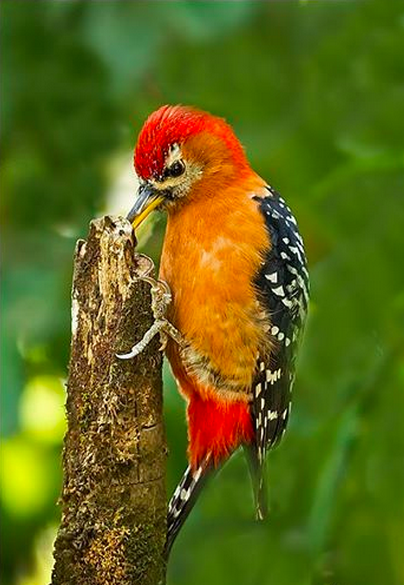
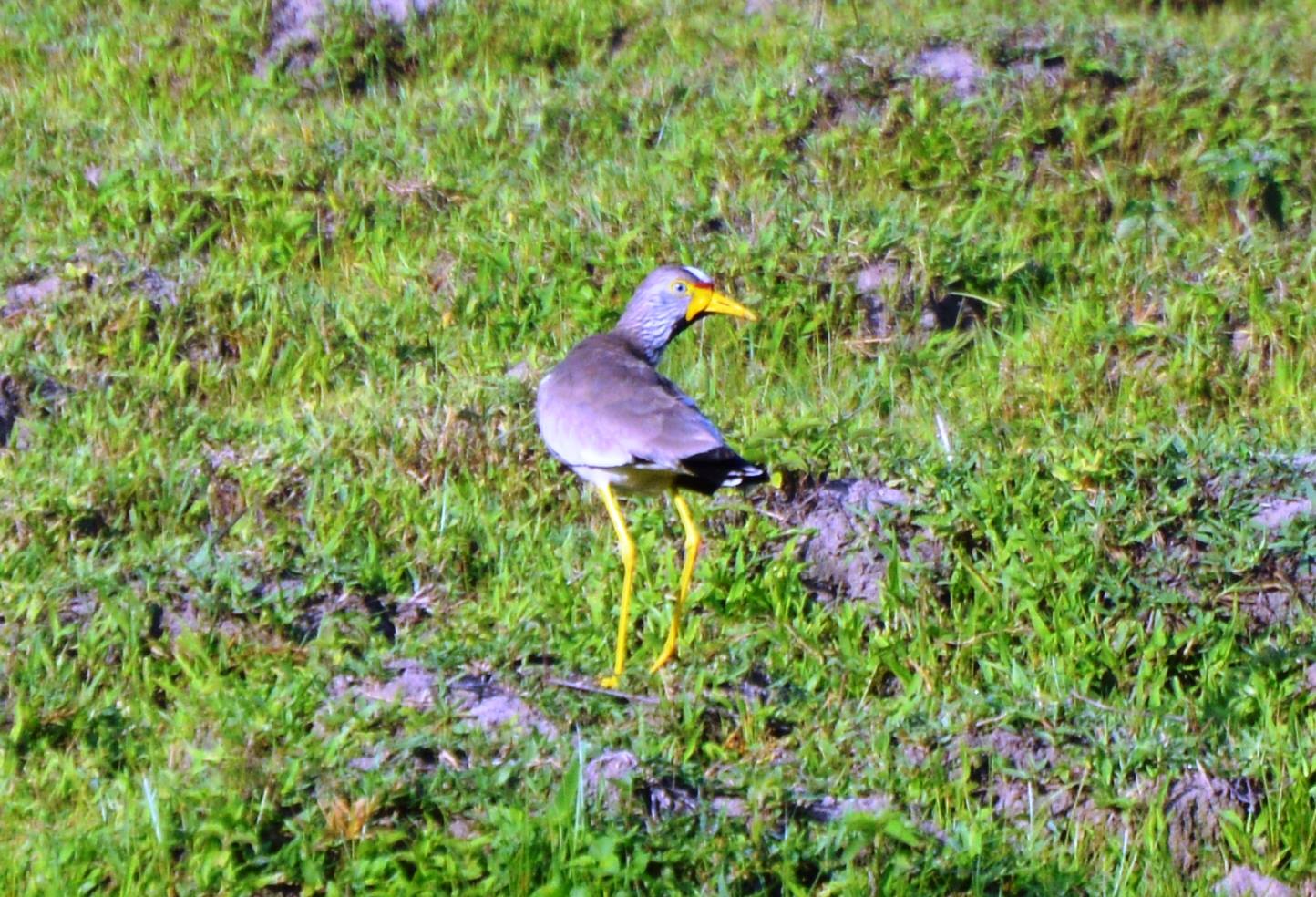
James and I first heard a Laughing Falcon from Xandari property on the 6th of July last year, according to our eBird records. Since then I’ve heard the raucous call plenty of times but never actually got a glimpse of the bird until last month, when one individual happened to perch in the same area of the orchards two mornings in a row.

The Laughing Falcon primarily feeds on snakes, including venomous species, as well Continue reading

What Is This Bird Saying?

Screen Shot 2015-09-09 at 2.41.49 AM

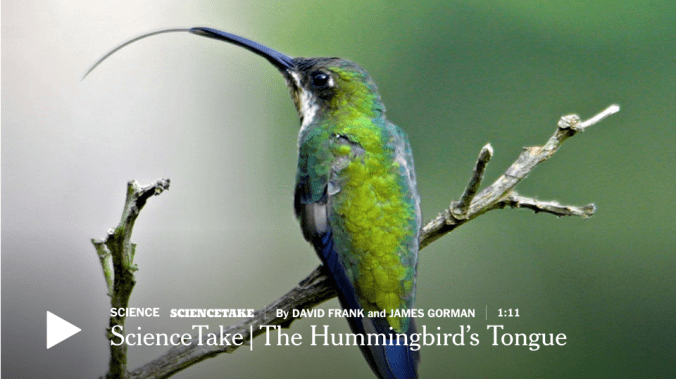
Thanks to the Science section of the New York Times for this recent “how” series, which you can see past examples of once this video stops playing (including how a boa constrictor “feeds,”)  but especially for this video explaining one of our favorite birds. The related article The Hummingbird’s Tongue: How it Works is worth an additional few minutes:

Hummingbirds are great subjects for evolutionary biologists because they are so extreme. They live at a fast pace, wings a blur, tongue darting in and out of flowers at a frenetic pace, often 15 or 20 times a second. Continue reading

Meet the Tree Elders

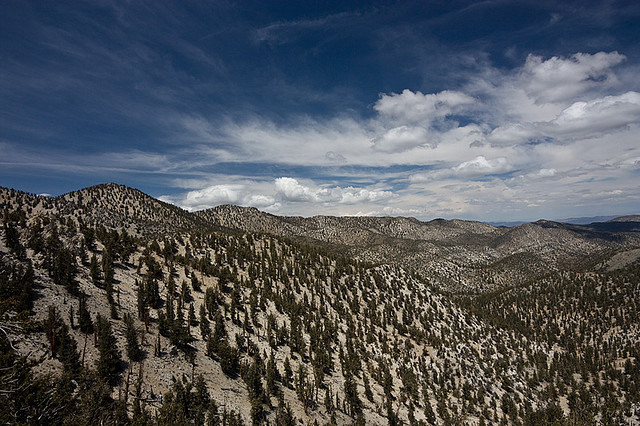
An ancient 4,800-year-old Great Basin Bristlecone Pine, the Methuselah Tree grows high in the White Mountains of eastern California. PHOTO: AGrinberg Creative Commons

An ancient 4,800-year-old Great Basin Bristlecone Pine, the Methuselah Tree grows high in the White Mountains of eastern California. PHOTO: AGrinberg Creative Commons

Did you know that the exact location of the world’s second oldest tree is a Forest Service secret? Or that a woman was charged with setting a fire that burnt down one of the oldest tree organisms? Well, “The Senator” must have sprung up roughly 3,500 years ago — a tiny cypress tree, no bigger than a fist, in the swamplands of Central Florida. In 2012, that very same cypress burned to the ground. The majestic 118-foot tall tree was one of the oldest organisms in the world. Over the course of its long life, it survived hurricanes, disease and logging sprees, serving as a tourist attraction and a spiritual epicenter for pilgrims hoping to bask, literally, in the shade of history.

Continue reading

Sustainable Seafood, from Dock to Dish

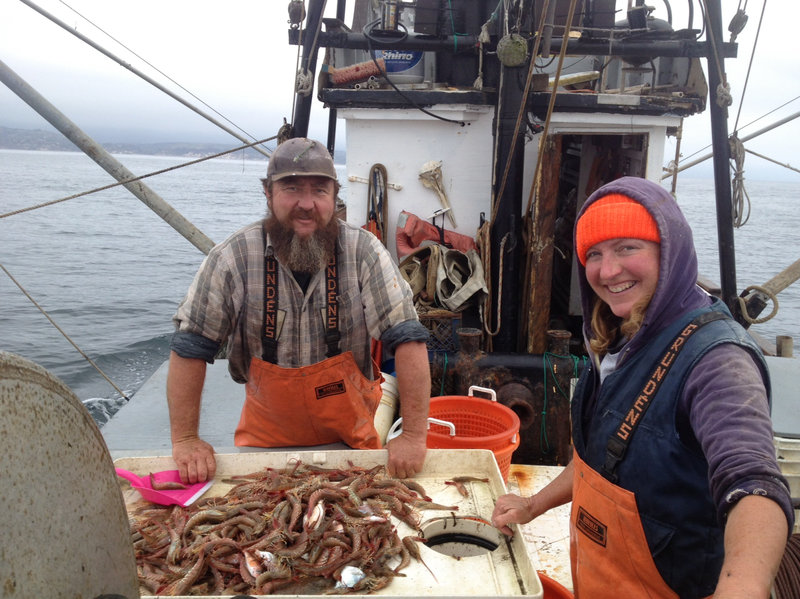
Sixteen Santa Barbara-based fishermen are participating in the Dock to Dish pilot program in California. Seen are Keith and Tiffani Andrews fishing for ridgeback shrimp on the fishing vessel Alamo. PHOTO:   Sarah Rathbone

Sixteen Santa Barbara-based fishermen are participating in the Dock to Dish pilot program in California. Seen are Keith and Tiffani Andrews fishing for ridgeback shrimp on the fishing vessel Alamo. PHOTO: Sarah Rathbone

You’ve heard of farm-to-table. At its heart, farm-to-table means that the food on the table came directly from a specific farm. Also emphasizes a direct relationship between a farm and a restaurant or store. The vocabulary of the movement is changing now to include produce from the seas, giving birth to the concept of dock to dish.

The pile of fish marks an important step toward a fundamentally different way that prominent chefs are beginning to source American seafood: the restaurant-supported fishery. Call it an evolutionary leap from community-supported-agriculture programs, which support local farmers, and community-supported fisheries, which support small-scale fishermen. Both models rely on members who share the risks of food production by pre-buying weekly subscriptions.

Continue reading

The Good Race Against Food Waste

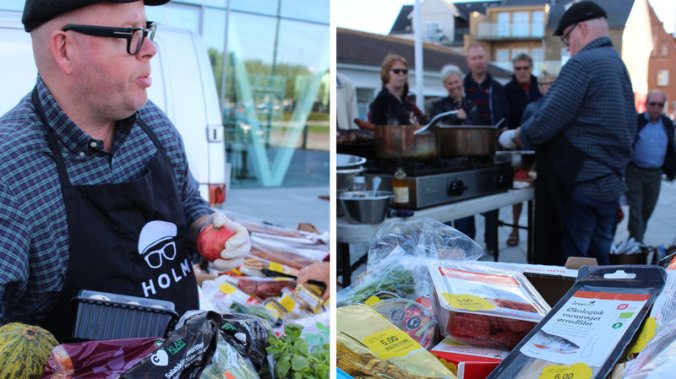
Claus Holm, a Danish celebrity chef, demonstrates at a festival on the Danish island of Fyn how expired products lurking at the back of the fridge can still be delicious. PHOTO: Sidsel Overgaard for NPR

Claus Holm, a Danish celebrity chef, demonstrates at a festival on the Danish island of Fyn how expired products lurking at the back of the fridge can still be delicious. PHOTO: Sidsel Overgaard for NPR

By 2050, the world will need 60 per cent more calories per year to feed a projected population of 9 billion. Cutting the rate of global food loss and waste could help bridge this food gap while creating environmental and economic benefits. And the people of Denmark are already well ahead in the race to cut food waste. While the Stop Wasting Food movement is the national embodiment of a collective consciousness, the need to cut back on waste has seeped through the consumer chain, as NPR finds.  Continue reading

History Underground

The tunnel system must be one of the most mysterious engineering projects in Liverpool’s history. One entrance into the tunnels was found in the basement of their patron’s former house (Credit: Chris Iles/Friends of Williamson’s Tunnel)

The Williamson’s tunnel system must be one of the most mysterious engineering projects in Liverpool’s history. One entrance into the tunnels was found in the basement of their patron’s former house PHOTO: Chris Iles

The Williamson Tunnels are a labyrinth of tunnels and underground caverns under the Edge Hill district of Liverpool in north-west England. They were built in the first few decades of the 1800s under the control of a retired tobacco merchant called Joseph Williamson.The purpose of their construction is not known with any certainty. Theories range from pure philanthropy, offering work to the unemployed of the district, to religious extremism. Although some of the tunnels have been lost over the years, a lot of them still exist today, under what is now a residential area. One section of the tunnels has been cleared and renovated and is open to the public. The remaining parts of the labyrinth are closed, with many suspected tunnels yet to be rediscovered.

Continue reading

In the Foothills of Ethical Fashion

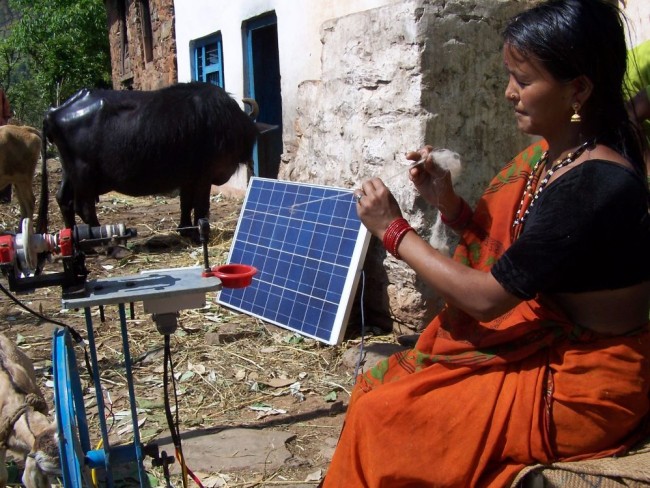
Avani uses green energy for all their production processes. Solar energy is used in the form of solar powered spinning wheels and calendering machines for all textile production. PHOTO: Avani

Avani uses green energy for all their production processes. Solar energy is used in the form of solar powered spinning wheels and calendering machines for all textile production. PHOTO: Avani

AVANI is a voluntary organization working in the Kumaon region of Uttarakhand, located in the middle ranges of the Central Himalayan region of India. The genesis of AVANI came about in the context of the isolation and consequent problems of the far-flung villages situated in one of the highest mountain ranges of the world. Its work focuses on developing and disseminating appropriate technologies for meeting the energy and water requirements of the local villages, promoting craft-based (development of handmade naturally dyed textiles) and farm-based livelihood opportunities. To date, AVANI projects include the dissemination of solar technology, water resource management, natural textiles and paints, and the social and economic development of rural communities with projects such as healthcare and micro-finance.

Continue reading

Where Eagles Fly

The Kazakhs of the Altai mountain range in western Mongolia are the only people that hunt with golden eagles, and today their number is on the decline. The eagles are not bred in captivity, but taken from nests at a young age. Female eaglets are chosen since they grow to a larger size – a large adult might be as heavy as seven kilos, with a wingspan of over 230cm. After years of service, on a spring morning, a hunter releases his mature eagle a final time, leaving a butchered sheep on the mountain as a farewell present.

“That’s how the Kazakh eagle hunters make sure that the eagles go back to nature and have their own strong newborns, for the sake of future generations”.

Continue reading

In The Line of Fire

A firefighter monitors the flames in Cualedro. PHOTO: Pedro Armestre

A firefighter monitors the flames in Cualedro. PHOTO: Pedro Armestre

The Mediterranean climate, particularly the prolonged dry and hot summer season, is naturally favourable to wildfires. Their frequency and impact have increased over the last few decades in southern European countries, mainly due to land-use and socio-economic changes. Many traditional rural activities (e.g. firewood collection and livestock grazing systems) have been partly or totally abandoned in favour of alternatives (e.g. fossil fuels and factory farming). These changes have led to more homogeneous landscapes and the accumulation of dry matter in forests and rangelands, resulting in a greatly increased fire hazard.

Continue reading