Costa Rica, Punching Above Its Weight, Competitively

“I’m very comfortable with the word ‘revolution,’ ” Figueres said.

“I’m very comfortable with the word ‘revolution,’ ” Figueres said.

Usually “punching above your weight” is a reference to a competition you are not prepared to win. But based on our experience in and observation of Costa Rica it means something entirely different to us. It means something more like: go for it! Give it your best even if the odds are not with you. If not you, then who?

We all have a debt, of one sort or another, to Costa Rica from my perspective if only for this reason. In so many ways it has been inspirational in an against-the-odds sort of way. And who can resist a bit of inspiration?

I shared this article with the La Paz Group teams in India and Costa Rica yesterday, with a note about how it helps understand the challenges related to climate change and what can be done about those challenges—all relevant to the 3 C’s of La Paz Group. Complicated stuff, but clearly important.

I also shared the article for another reason. The woman who features in this article is from Costa Rica, and reading it you can understand a bit better why Costa Rica is so frequently mentioned as an environmentally responsible country. This is important for all of us in La Paz Group because our journey began in Costa Rica, which started our path to Kerala, India and many other places beyond.

To give one small but important example of the long range impact of Costa Rica on La Paz Group, consider the Certification for Sustainable Tourism program developed two decades ago under the visionary leadership of the president of Costa Rica (brother of the subject of the linked article here). Jocelyn is at Xandari Costa Rica specifically to work on getting Xandari to rise up to the highest level from its current status at the second highest level of CST ranking. She has made this the foundation of her career development just after graduating from one of the world’s most prestigious academic institutions. It is impressive that she chose to do so, but equally telling about the lasting impact of Costa Rica’s commitment to sustainable development. Continue reading

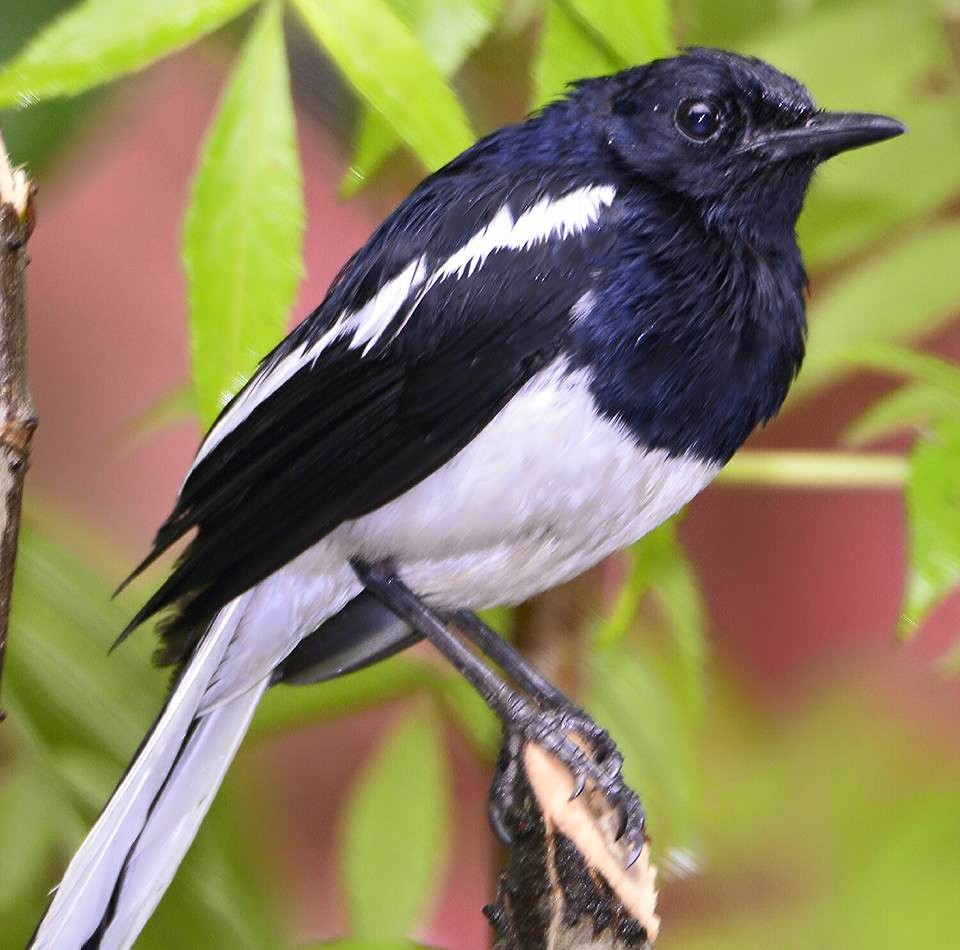
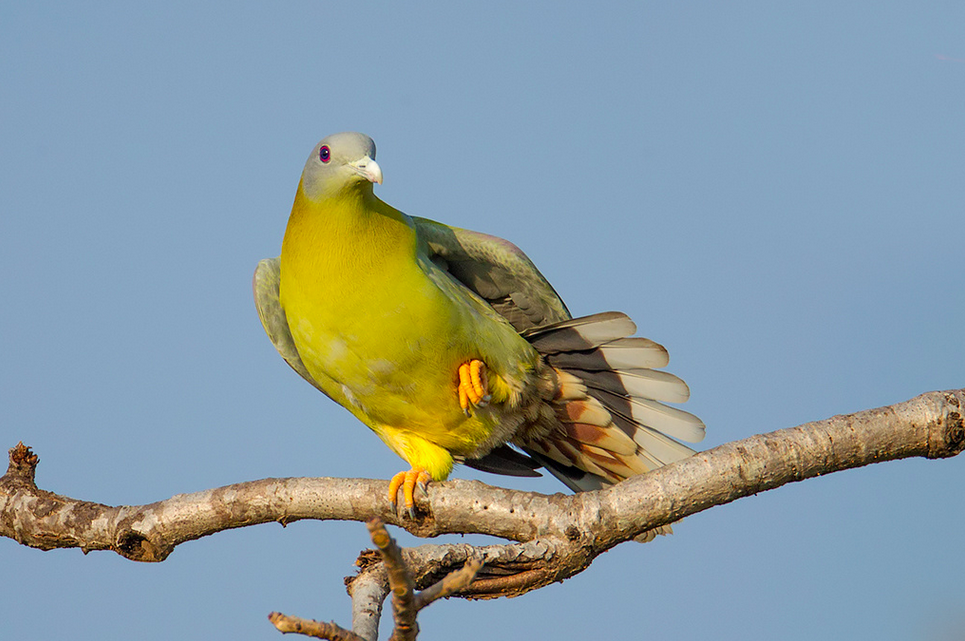
The Gray-necked Wood-Rail

Last month, I was using our most unique room at Xandari, Villa 20, as an office for a while. I say most unique — despite the fact that we have a Star Suite (Villa 27) — because 20 is constructed in a completely different way from all of Xandari’s other buildings. It is a round structure with a natural thatch roof, and it has huge windows affording about 180 degrees of view into the wooded gardens above the orange orchard. It so happens that this vegetated spot, not too far from the river that creates the southern border to Xandari’s property, is one of the stomping grounds for the Gray-necked Wood-Rail, a resident species of bird that is more often seen than heard, not only because it is extremely secretive and suspicious, but also incredibly loud.

As you can see in the final footage of the solitary individual above, they move cautiously while looking all around them for threats, and they move quite quickly when they perceive one. Continue reading

Cleaning Kenya’s Slums Through a Toilet Franchise

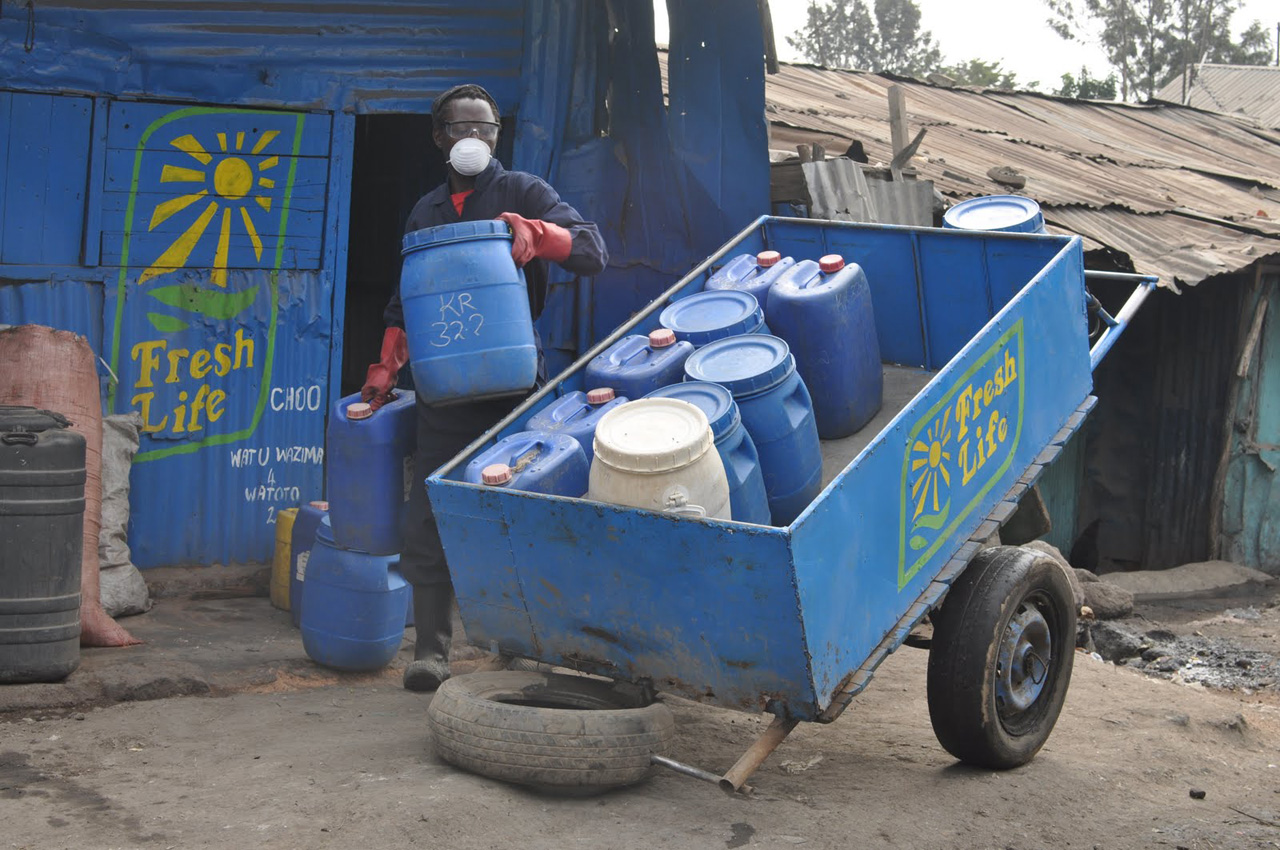
Sanergy builds healthy, prosperous communities by making hygienic sanitation affordable and accessible throughout Africa's informal settlements.

Sanergy builds healthy, prosperous communities by making hygienic sanitation affordable and accessible throughout Africa’s informal settlements.

Innovations are intriguing, ones with the power to change lives more so. Add development of communities, better health and dignity of life to the equation and you can’t say no to knowing more. We are talking toilets. Do you know Caltech engineers and Kohler designers are testing a self-cleaning, solar-powered toilet that turns human waste into hydrogen and fertilizer? Then there’s Peepoople making ‘toilet bags’. Inside are chemicals that break down human waste into fertilizer, offering alternative sanitation in slums and refugee camps. Then there’s what Sanergy is doing in Kenya.

Continue reading

The Man Who Moved a Mountain

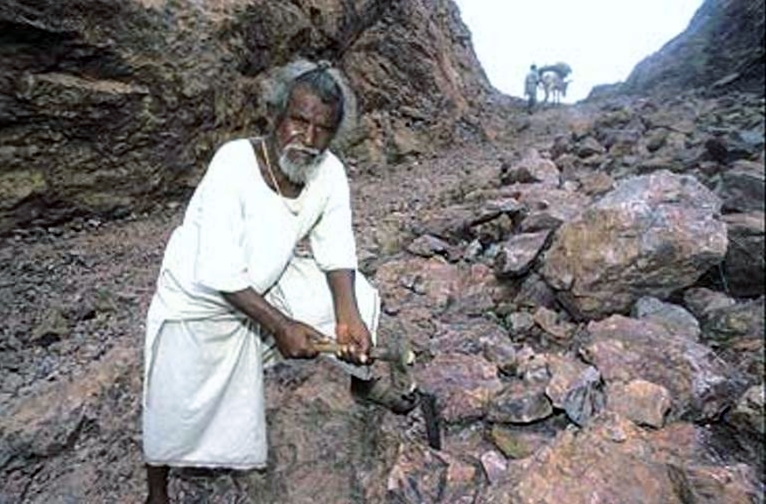
Dashrath Manjhi chipped away at a mountain for 22 years to let his village have access to civilization (and medicine)

Dashrath Manjhi chipped away at a mountain for 22 years to let his village have access to civilization (and medicine)

Forget reality shows about the subject; the ultimate tale of man vs. nature may be the story of Dashrath Manjhi, who single-handedly carved a road through an entire mountain that had been isolating his village from essential services. Using only a hammer and chisel, Manjhi, a landless farmer, carved a path through a mountain in the Gehlour Hills, Bihar, India, just so that his village could have easier access to medical facilities.

Continue reading

Keeping Flies Away from Olives

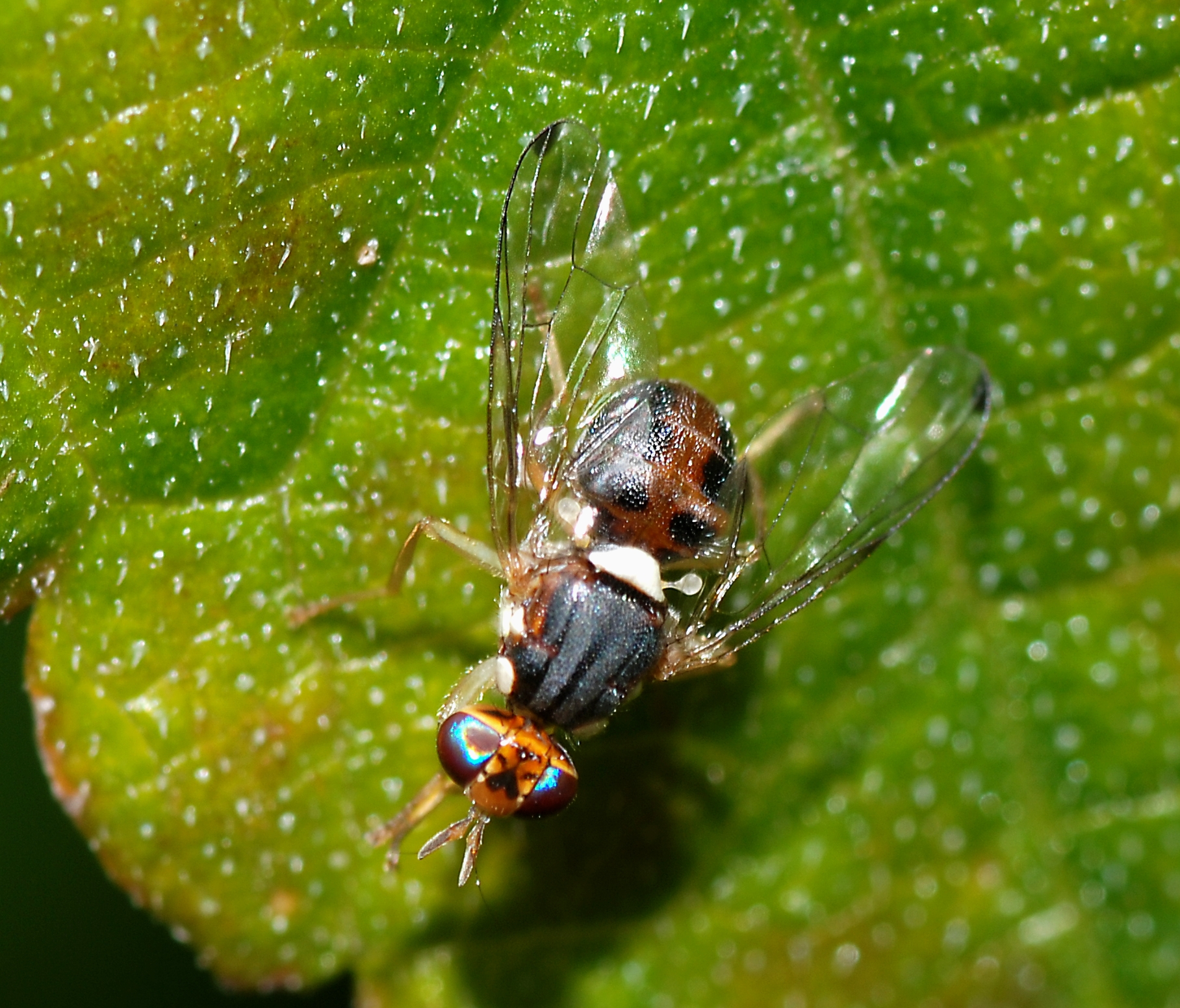
 Every year in Catalonia, Spain, farmers have to fight the olive fruit flies so they don’t ruin the year’s crop. PHOTO: Wikipedia

Every year in Catalonia, Spain, farmers have to fight the olive fruit flies so they don’t ruin the year’s crop. PHOTO: Wikipedia

The olive fly (Bactrocera oleae) is the single major pest for olives, causing widespread crop damage and significant financial losses to Europe’s olive farmers. The control of the fly has been largely based on the use of chemicals, but the intense use of insecticides leads to development of insecticide resistance, which makes control problematic. In addition, legislation on insecticides have seen some of them being phased out. An alternative? The almost-DIY fly trap.

Continue reading

The Japanese Women Who Married the ‘Enemy’

Atsuko, Emiko and Hiroko were among tens of thousands of Japanese women who married their former enemies after World War II. They landed in 1950s America knowing no one, speaking little English and often moving in with stunned in-laws.  PHOTO: BBC

Atsuko, Emiko and Hiroko were among tens of thousands of Japanese women who married their former enemies after World War II. They landed in 1950s America knowing no one, speaking little English and often moving in with stunned in-laws. PHOTO: BBC

What does it mean to leave your country, where you were somebody, and move miles to a continent you’d only heard of? A country where you’d be a ‘nobody’. Not knowing whether the decision to say ‘yes’ to a former enemy was right. Struggling for words that help start a conversation. Being told not to wear the one piece of cloth your identity hinges upon? And years of trying to fit in, juggling two distinct identities? Listen to the Japanese War brides as they tell their story on BBC this week. 

For 21-year-old Hiroko Tolbert, meeting her husband’s parents for the first time after she had travelled to America in 1951 was a chance to make a good impression. She picked her favourite kimono for the train journey to upstate New York, where she had heard everyone had beautiful clothes and beautiful homes.

But rather than being impressed, the family was horrified. “My in-laws wanted me to change. They wanted me in Western clothes. So did my husband. So I went upstairs and put on something else, and the kimono was put away for many years,” she says.

Continue reading

When It Takes Plastic Balls to Fight Drought

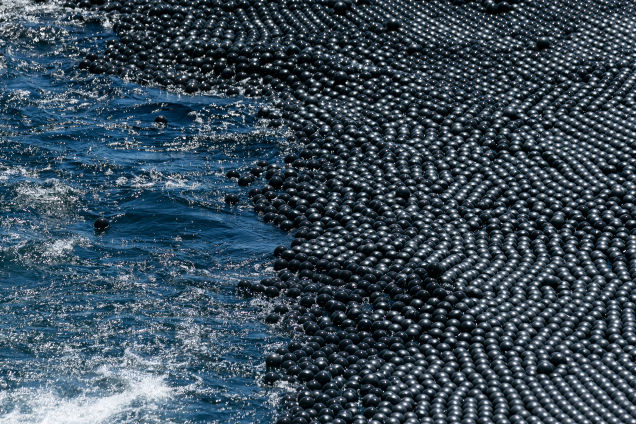
A small portion of the 90 million black plastic balls added to the Los Angeles Reservoir on August 12, 2015. Image credit: AP/Damian Dovarganes

A small portion of the 90 million black plastic balls added to the Los Angeles Reservoir on August 12, 2015.  Image credit: AP/Damian Dovarganes

In a drought, every drop of water is precious, including those lost to evaporation in the hot summer. But in a massive open reservoir, how do you prevent that from happening? Facing a long-term water crisis, officials concerned with preserving a reservoir in Los Angeles hatched a plan: They would combat four years of drought with 96 million plastic balls. On Monday, the 175-acre Los Angeles Reservoir saw the final installment of the project: 20,000 small black orbs that would float atop the water.

Continue reading

Sandstructures, Just Because

16CHARACTER-master675

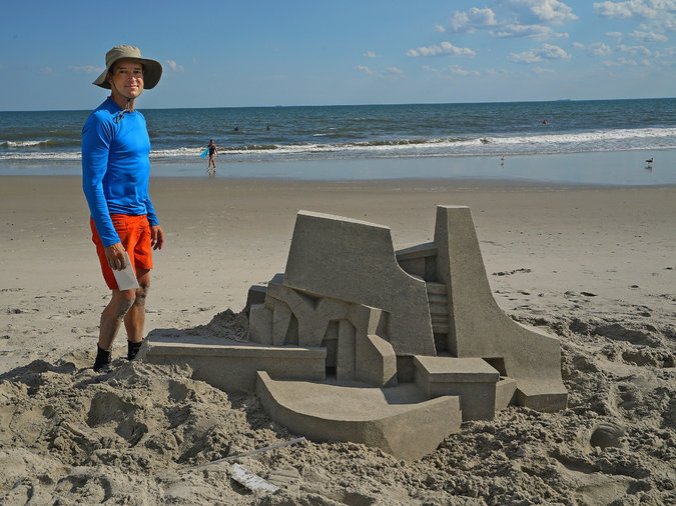
Calvin Seibert spends up to four days a week during the summer at Rockaway Beach in Queens. Credit Nicole Bengiveno/The New York Times

We do not need to explain it; we just like it (click the image to go to the original):

It looked like some futuristic civilization poking up out of the footprinted sand on Rockaway Beach in Queens. A lifeguard walked over to inspect it, then some surfers. A group of dripping children stopped, transfixed.

“Young people tend to watch for longer,” said Calvin Seibert, 57, who was shaping the structure. “If people sense you’re serious about it, they’ll watch longer.”

Mr. Seibert, a Manhattan artist, is serious enough about it to take a long subway ride to the beach up to four days a week from June through September. Continue reading

The Haircut Story

Courtney Holmes, right, listens to Jeremiah Reddick, 9, of Dubuque, as he reads while receiving a free haircut during the Back to School Bash in Comiskey Park, in Dubuque, Iowa. (Mike Burley/Telegraph Herald via AP)

Courtney Holmes, right, listens to Jeremiah Reddick, 9, of Dubuque, as he reads while receiving a free haircut during the Back to School Bash in Comiskey Park, in Dubuque, Iowa. (Mike Burley/Telegraph Herald via AP)

First day of school is round the corner and now is a time of frenzied preparation for the big day. And haircuts figure in the list of things-to-do. Precisely what Dubuque barber Courtney Holmes figured, too, as he headed to the neighborhood Back to School bash. Just that he thought he’d go beyond the hair and pack in some story time. No, he didn’t tell stories off the back of his head, but he let his little customers read to him. Talk about taking matters of literacy into your own hands and being there for your community right where they need you.

Continue reading

America’s Own ‘Tea’ Plant

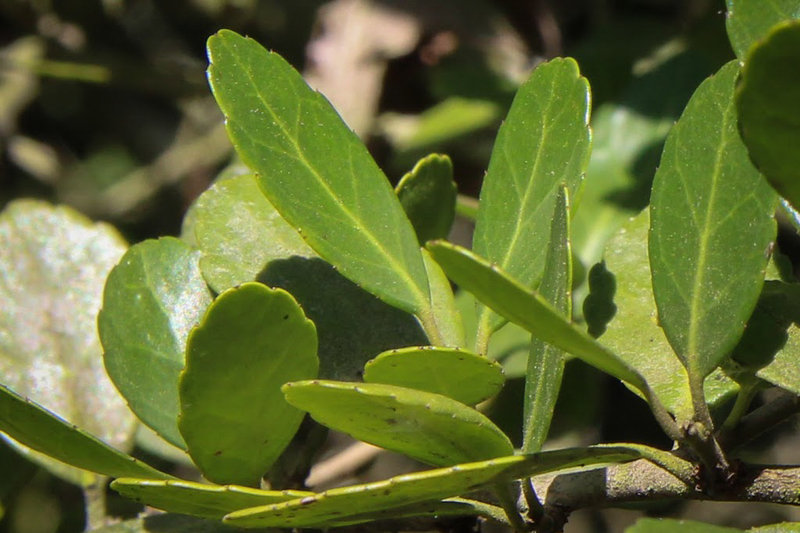
Yaupon growing in the wild in east Texas. This evergreen holly was once valuable to Native American tribes in the Southeastern U.S., which made a brew from its caffeinated leaves. PHOTO: Murray Carpenter for NPR

Yaupon growing in the wild in east Texas. This evergreen holly was once valuable to Native American tribes in the Southeastern U.S., which made a brew from its caffeinated leaves. PHOTO: Murray Carpenter for NPR

Thanks to RAXA Collective’s India operations, specifically in Kerala, there has been no dearth of stories on tea here. Tea’s takeover of the table finds space here. While our travels allow us to bring you tea experiences from across the world. Follow a seed to cup journey in Thailand here. Also be sure of how the iced variety is slowly taking over the world. Now NPR creates some buzz with a piece on North America’s forgotten ‘tea’ plant, probably the only plant from the continent known to contain caffeine.

Continue reading

Conservation, Scotland Style

Monitors and a fisherman check lobster traps. Credit Andrew Testa for The New York Times

Monitors and a fisherman check lobster traps. Credit Andrew Testa for The New York Times

We like his simplicity, his tenacity, his practicality; most of all we appreciate the outcome:

Scotsman’s Mission Ends in a Fishing Bay Restored

HOWARD WOOD, round-faced and jolly, was happily counting the lobsters being pulled, measured and tagged out of the coastal waters he has worked for years to protect. One weighed close to four pounds, its huge right claw dwarfing its left, which was growing back after what must have been quite a battle. Continue reading

Let My Country Awake

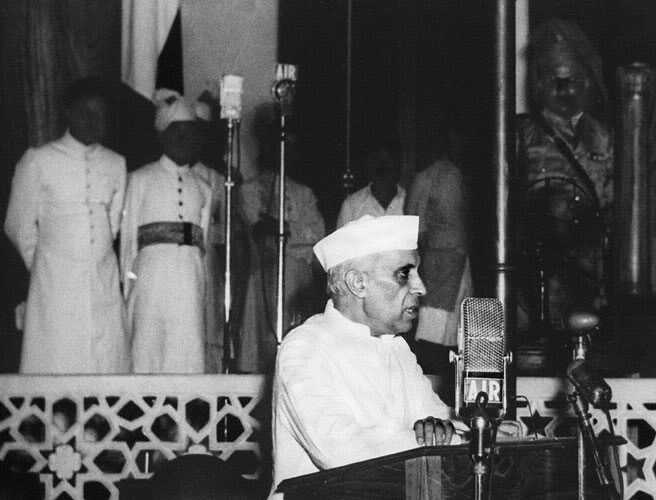
A photo dated 15 August 1947 shows Jawaharlal Nehru, India's first Prime Minister, delivering his Famous

A photo dated 15 August 1947 shows Jawaharlal Nehru, India’s first Prime Minister, delivering his Famous “Tryst With Destiny” speech at the Parliament House in New Delhi

Long years ago we made a tryst with destiny, and now the time comes when we shall redeem our pledge, not wholly or in full measure, but very substantially. At the stroke of the midnight hour, when the world sleeps, India will awake to life and freedom. A moment comes, which comes but rarely in history, when we step out from the old to the new, when an age ends, and when the soul of a nation, long suppressed, finds utterance… And so we have to labour and to work, and work hard, to give reality to our dreams. Those dreams are for India, but they are also for the world, for all the nations and peoples are too closely knit together today for anyone of them to imagine that it can live apart…

I write this at the eleventh hour, before the hands of the clock officially rest on India’s 68th Independence Day. Oh wait, isn’t it a national holiday? I must admit the latter has me more thrilled. Also admit to not having read the country’s first Independence Day speech (excerpt above) in its entirety until now. I shall wallow in shame for a bit, until I cross over to gratitude. Grateful for this chance to dwell on what freedom meant then, means now, and will come to be.

Continue reading

Five Years In Kerala

IMG_3080

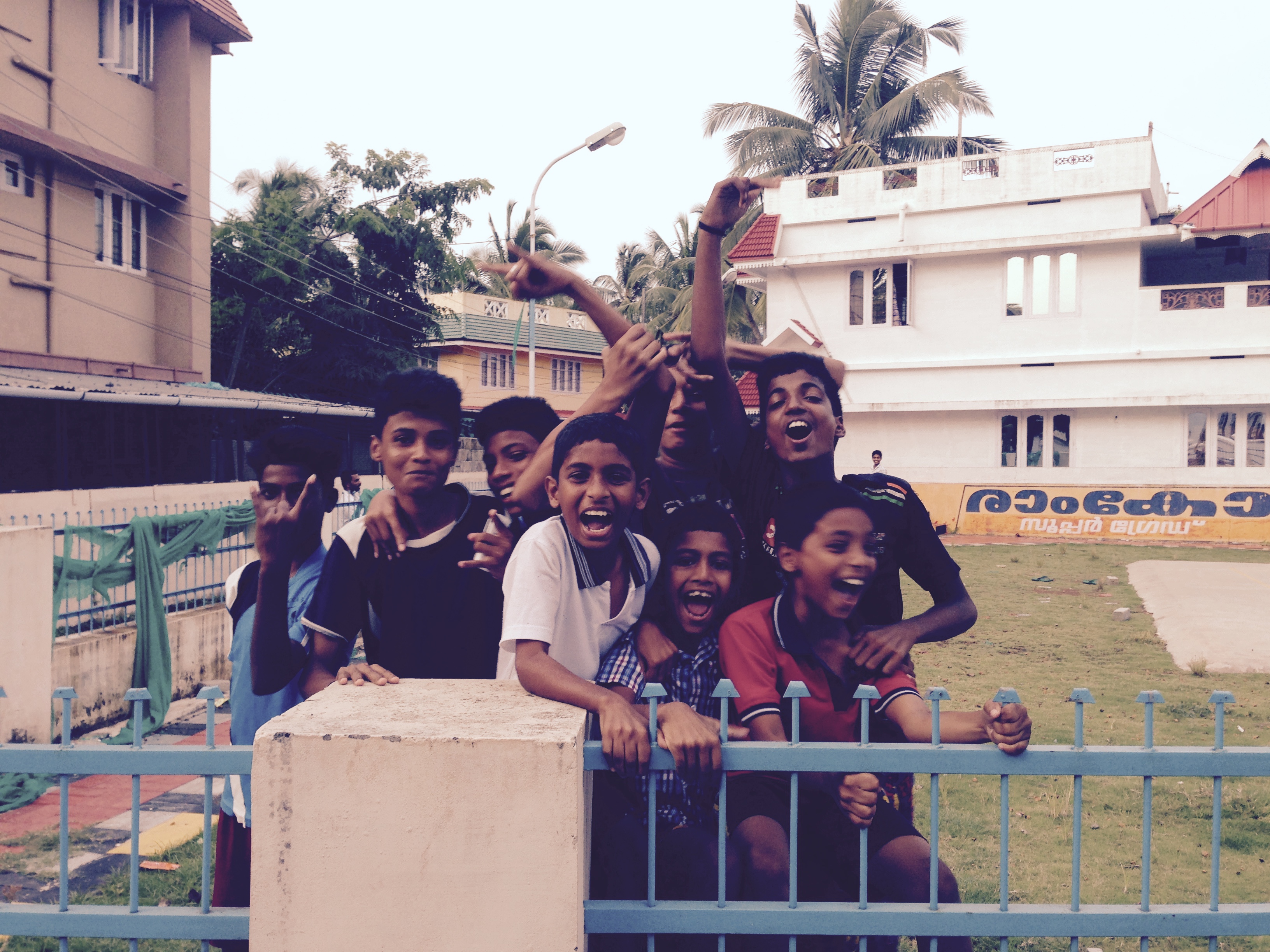
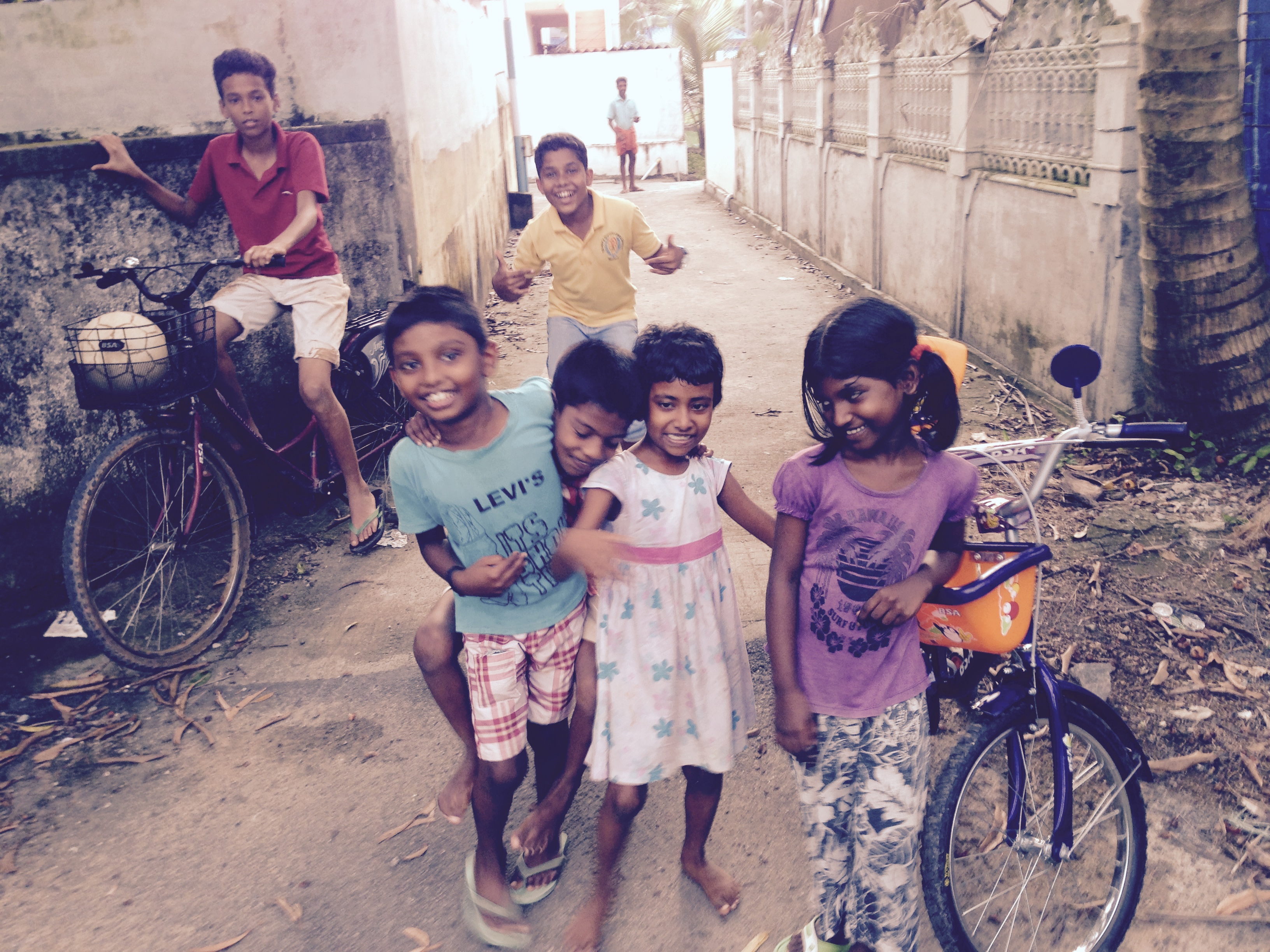
Jocelyn’s post reminds me of my favorite part of the last five years living in the wondrous, sometimes ponderous, always mysterious Kerala: these kids. Our gang, Thevara. My hoodies. They have all been growing by leaps and bounds, while leaping and bounding through the streets. This photo, taken some hours ago, could have been taken five years ago except for the heights of these fellows. And these young ladies on the right side of the photo below (also just taken) were but infants when I arrived into their world.

IMG_3074

They welcomed me with cheers and high fives from day one, and continue to welcome me today with the same enthusiasm as on day one. So I have felt most at home in Kerala when I am walking through our shared neighborhood. My name, to them, is very simple: Saip. It is a term of endearment, at least it seems so to me. They all speak Malayalam, the language of Kerala, and almost zero English. But that is changing. The older sister of the young lady in the white starry dress is the most advanced in English, and now serves as the translator for the neighborhood when I walk through. I will bring her voice into the next post from Thevara. For now, my hat is off to the kids of Thevara, and those in Tacacori, Costa Rica where Jocelyn is having the same opportunity I have had, to make the children the center of our attention.

Strawberries and Earthy Smells

A group of thirteen 4th and 6th grade students from the school Centro Educativo Villa Azul came to visit Xandari on Wednesday morning. Unlike sustainability tours I’ve led before, I was dealing with a large, energetic bunch of jubilant preteens that get distracted easily. I had prepared for this occasion and made sure to add a recycling activity and a few tasty snacks (to “recharge the batteries” of course) at the end of the tour.

Continue reading

What Can We Do For the Gentle Giant?

A herd of elephants by the river at Periyar Tiger Reserve, Thekkady, India. PHOTO: Rosanna Abrachan

A herd of elephants by the river at Periyar Tiger Reserve, Thekkady, India. PHOTO: Rosanna Abrachan

Predation of elephants has increased in recent years, with as many as 100,000 African elephants being killed between 2010 and 2012, according to an elephant researcher at Colorado State University. Nearly 60 percent of Tanzania’s elephant population has been wiped out in the past six years, the report indicated. Increased demand in Asia, where a single tusk can fetch up to $200,000, has fueled the increase in poaching. August 12 marked the fourth annual World Elephant Day, a day to “bring attention to the urgent plight of Asian and African elephants,” according to a Web site about the annual event. There may be fewer than 400,000 African and fewer than 40,000 Asian elephants remaining in the wild, the Website says.

Continue reading