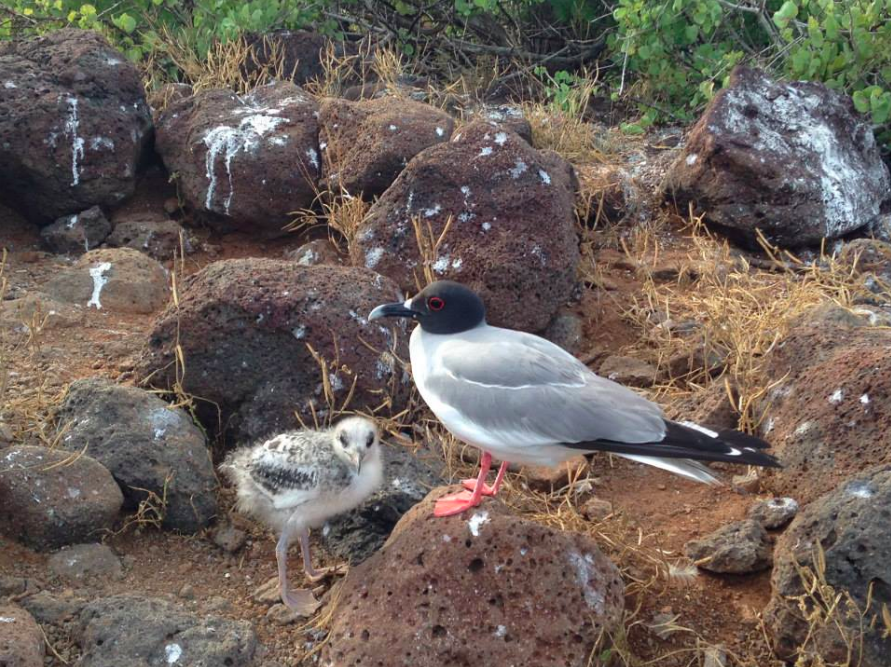
adult with chick – Isla Seymour Norte, Galapagos
adult with chick – Isla Seymour Norte, Galapagos

In Indonesia, the country with the world’s largest Muslim population, this Ramayana ballet, performed in the Javanese style—a finessed form, associated with slow and deliberate movements—has been running continuously since 1961. PHOTO: Griyayunika
Java is one of the main islands in the archipelago nation of Indonesia, home to the country’s capital, Jakarta, and almost 60% of its population. The powerful Hindu kingdom of Majapahit flourished here from about the 13th to the 15th centuries, leaving its impact on culture, language and landscape. Temples in honour of Vishnu and Shiva are scattered through the islands, words from Sanskrit make appearances in the language, and names from the Mahabharata and Ramayana dot establishments and shops across cities. Still, in modern-day Indonesia, Hindus account for less than 2% of the population.

Fitted out with a photo voltaic (solar panel) roof system and high-tech wall panels, the Solcer house collects and stores thermal and electrical energy
Introducing the house of the future – which generates more energy than it consumes. The walls of The Solcer house, which was designed and constructed by the Welsh School of Architecture, collect and store thermal and electrical energy. Located at Stormy Down, near Bridgend, the building also has a photo voltaic (solar panel) roof system and has been funded through the Low Carbon Research Institute (LCRI) programme funded by Wales European Funding Office (WEFO).

In 2014, the airport won a LEED Gold sustainability certification, an honor given out by the US Green Building Council. PHOTO: Mountains of Travel
The Galapagos islands are known for their giant tortoises and as the inspiration for Darwin’s theory of evolution. Now they boast another cool distinction: an airport believed to be the only one in the world working exclusively on wind and solar energy. The metamorphosis to an earth-friendly place serving nature-loving tourists could not be more stark, considering that the airport was actually born of war.
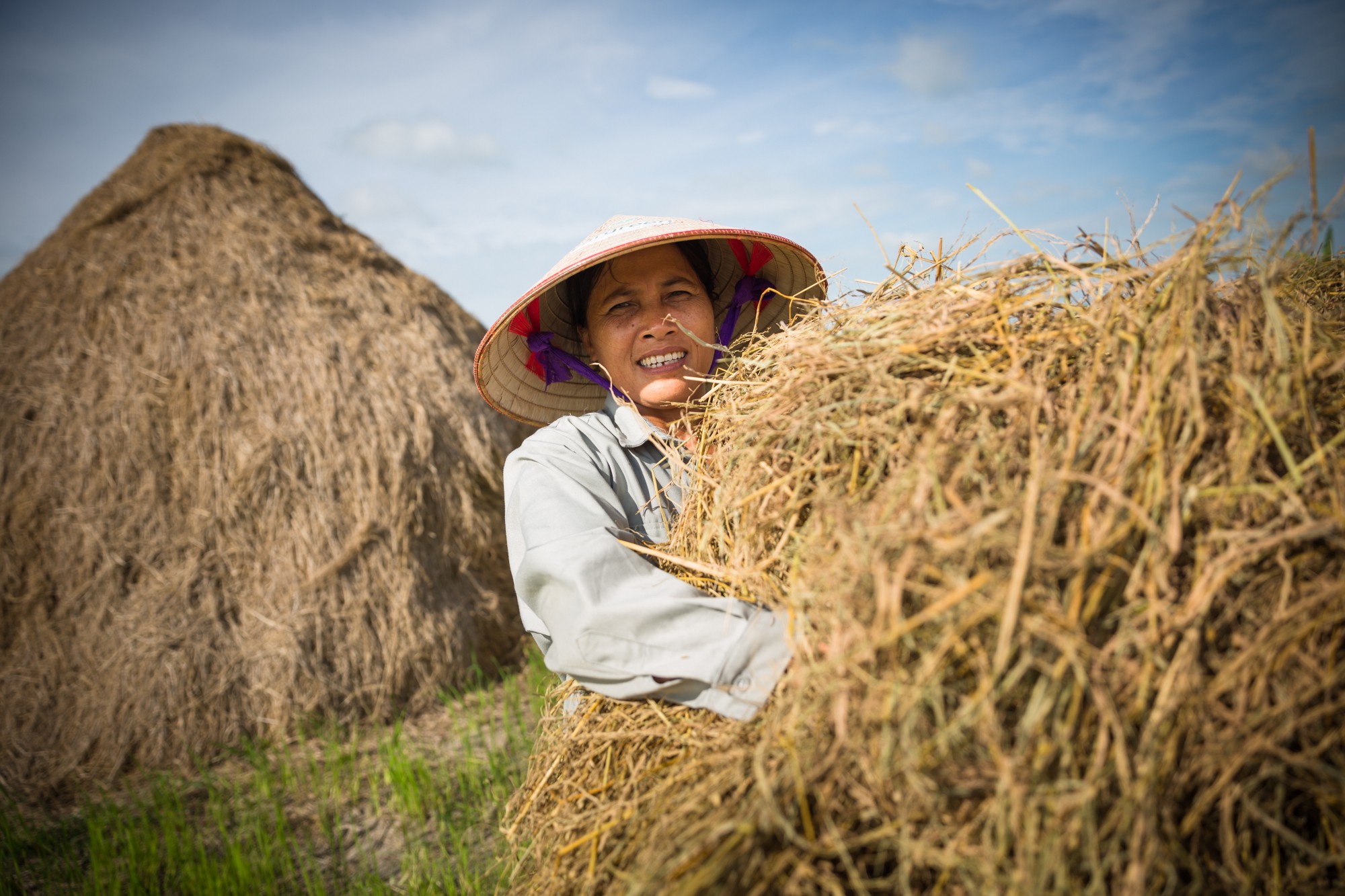
Social entrepreneur Trang Tran is teaching Vietnamese farmers how to use rice straw as a substrate to grow gourmet mushrooms, helping to reduce greenhouse gas emissions and give farmers a new source of income. PHOTO: TED
Rice straw burning is something that happens every harvest season, and it happens all around us. It’s been done for many years, and it’s considered the most convenient way of getting rid of waste. Straw is perceived as having no value — farmers just want to get it out of the way as soon as possible in order to prepare for the next crop. In Vietnam, 20 to 50 million tons of rice straw are burned annually, releasing greenhouse gases into the atmosphere. Obviously this contributes to climate change, but the more immediate problem is that local people inhale the matter, causing serious health problems in communities — particularly in babies. Poor communities are most affected, and of course they have the least money for health care.
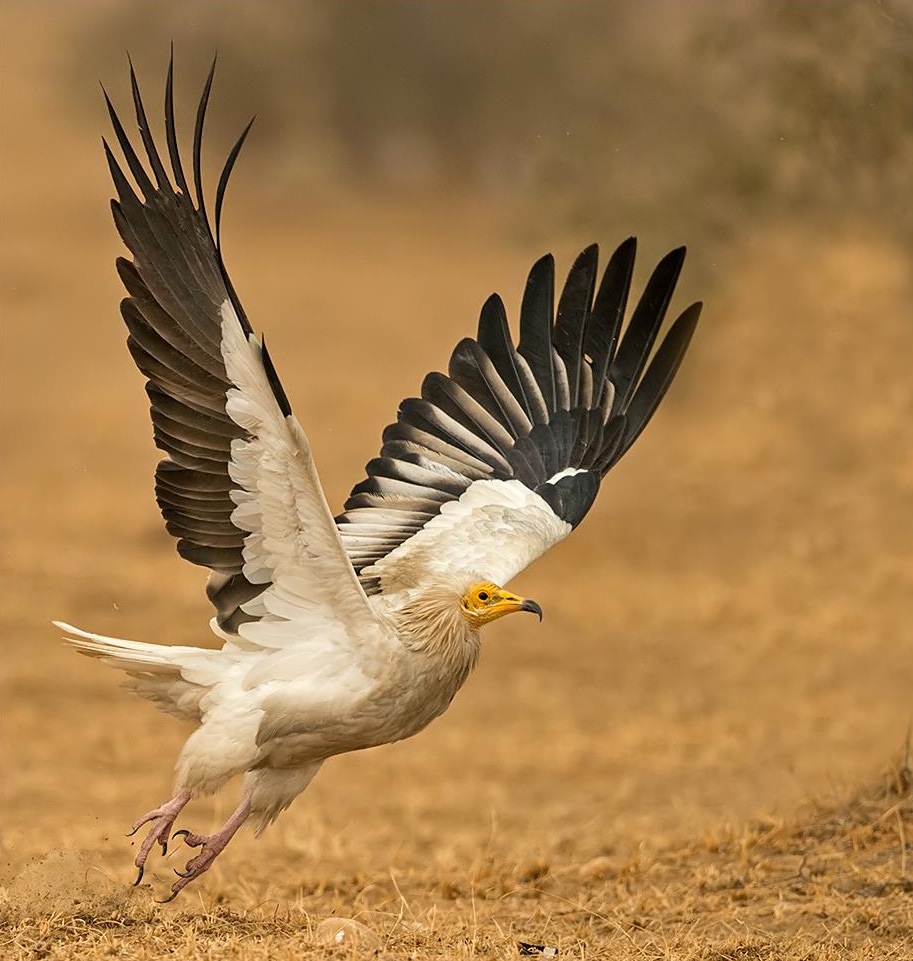
Tal Chappar Wildlife Sactuary, Rajasthan
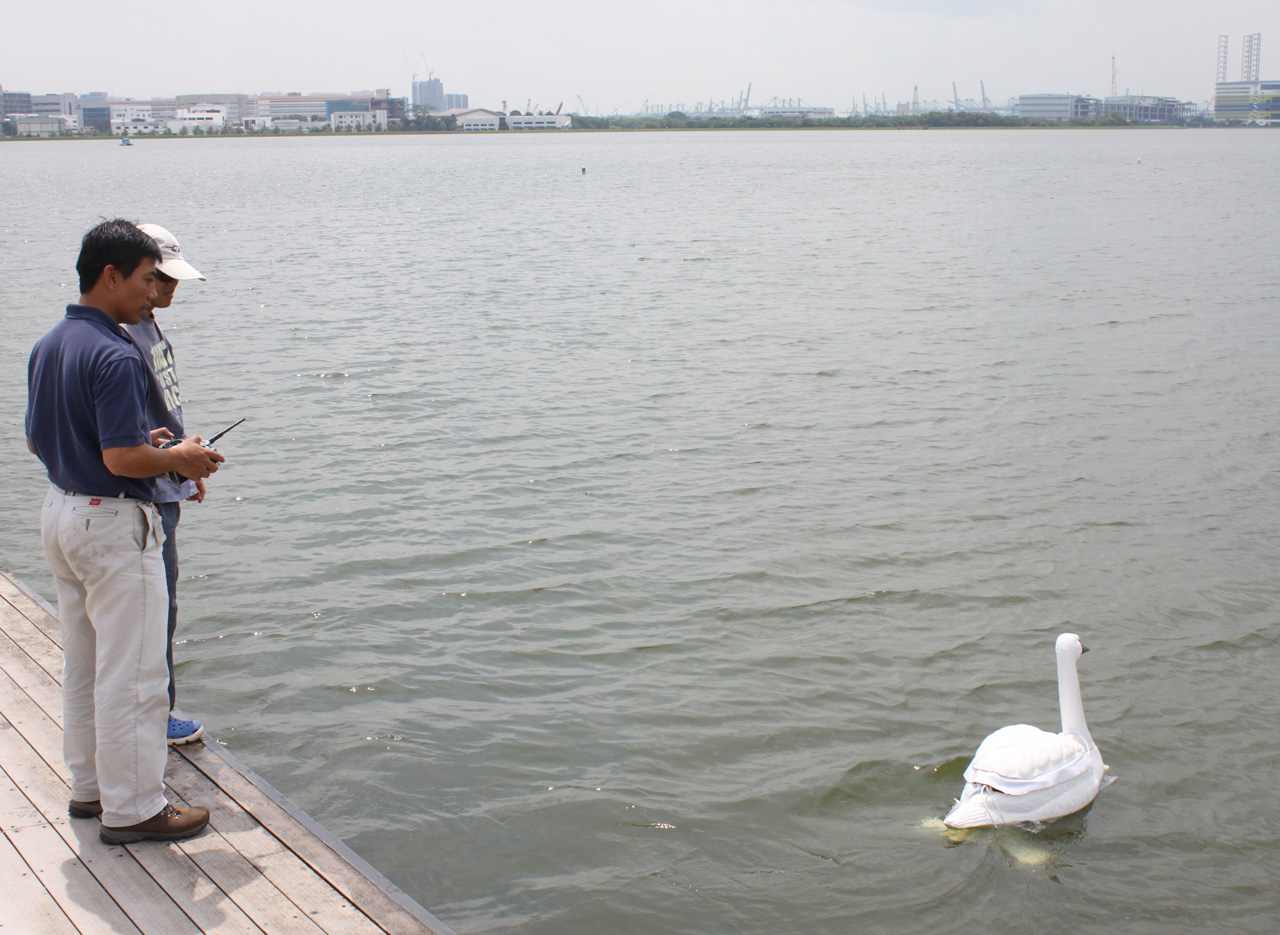
Robot swans patrol Singapore’s reservoirs, hunting pollution. PHOTO: CoExist
The National University of Singapore has deployed robot swans to swim around water reservoirs and keep an eye on water quality. Presently, monitoring Singapore’s reservoirs is done by humans in boats, which is impractical, slow and not very scaleable. The NUSwan can swim tirelessly, continually testing pH, dissolved oxygen, turbidity (cloudiness) and chlorophyll. The results are transmitted wirelessly back to researchers, the GPS-equipped swans sweep the lake without duplicating any already-tested spots, and they automatically return to base for recharging when batteries run low.
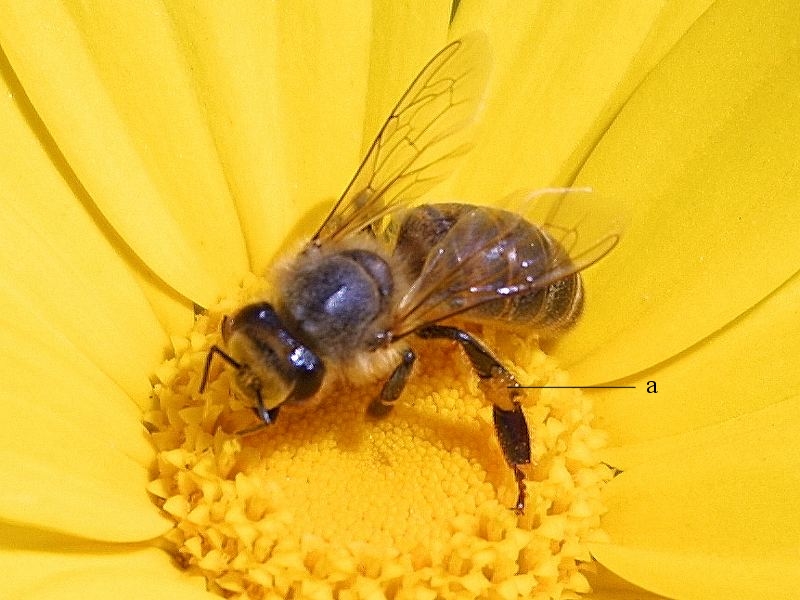
Oslo’s bee highway has pollen pitstops and bee hotels. PHOTO: Wikimedia Commons
Oslo, Norway now has a “bee highway,” consisting of bee-friendly routes through the city. Each features flowery, green rest stops along the way so the bees can take a break and fill up on nectar.

Upon my arrival to Xandari two days ago, my senses were immediately awakened by the singing of birds, the fluttering of butterflies, the aroma of flowers, and the vibrancy of the mosaics; I was welcomed not only by my fellow coworkers but also by the plenitude of flora and fauna that give life to the reserve.
I arrived at Xandari around lunchtime, so I was fortunate that my first experience at the property involved eating a delicious meal prepared by our chef, Miguel. I enjoyed my Portobello mushroom burger while getting to know Marcela, the general manager, and gazing out at the almost 180 degree view of the Central Valley. Continue reading
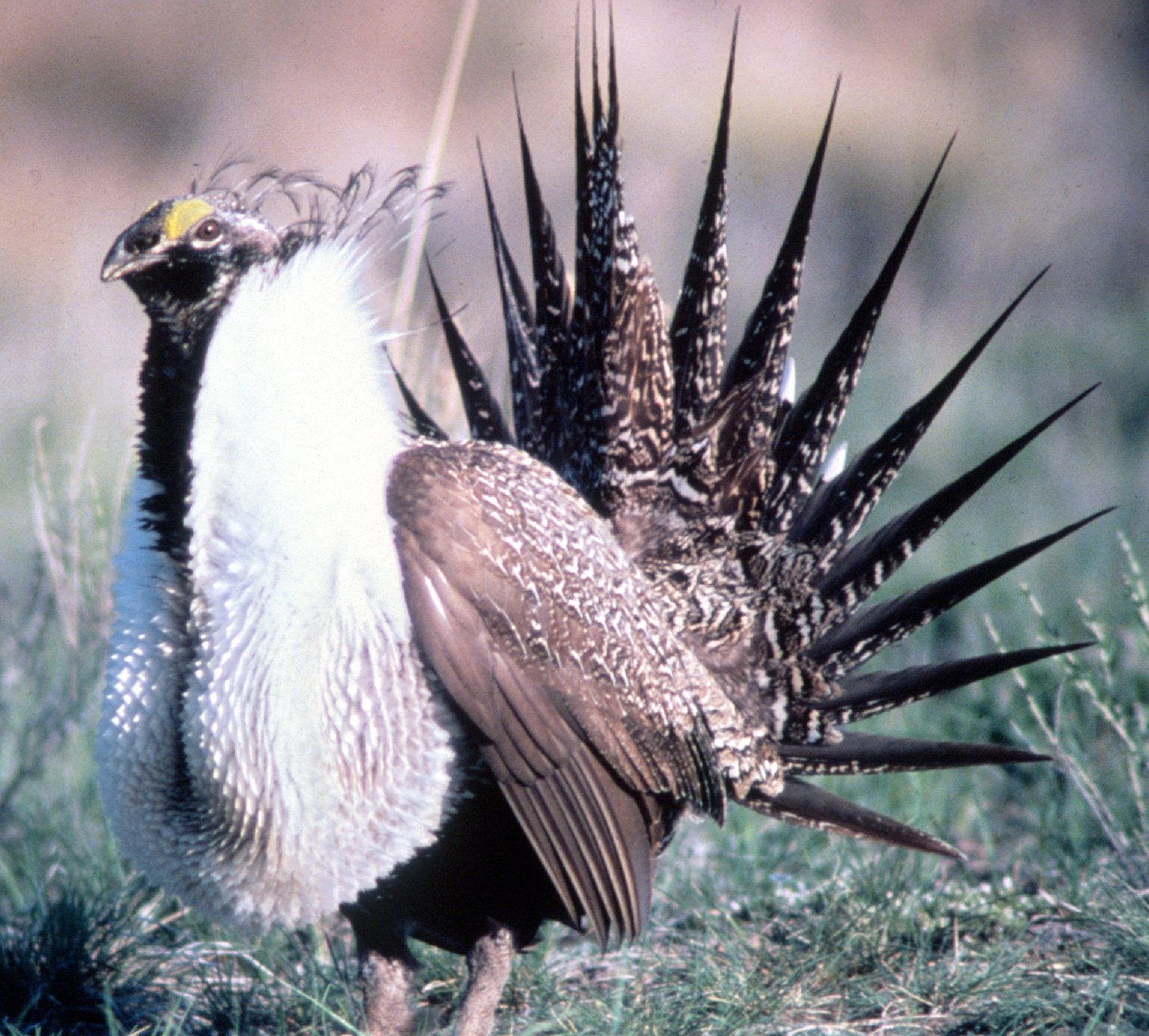
The sage grouse are iconic in a series of western states, and now the subject of one of the largest federal conservation efforts in history. PHOTO: Wikimedia Commons
During mating season, the greater sage-grouse gather in “leks” where the males perform an extraordinary strutting ritual. Standing in the brush, they spread out their long, spiky tail feathers and puff out their chests to reveal strange yellow air sacks. “I’m here, I’m here, pick me,” they seem to be saying to the females, though it sounds more like “swish-swish-coo-oopoink.” The sage grouse are iconic in a series of western states, and now the subject of one of the largest federal conservation efforts in history. From this September, millions of acres of mating grounds are set to be protected under plans drawn up by the U.S. Interior Department and a host of state agencies.

Dandeli, Karnataka
 Last time I posted about pysanky at Xandari was about six months ago, when I showcased some new designs revolving around simple geometric patterns and Costa Rican soccer teams. A few months before that I made a video that displayed the process of making an egg sped up quite a bit. Now, as you can see from the egg photos above with before-and-after wax shots, I’m working Continue reading
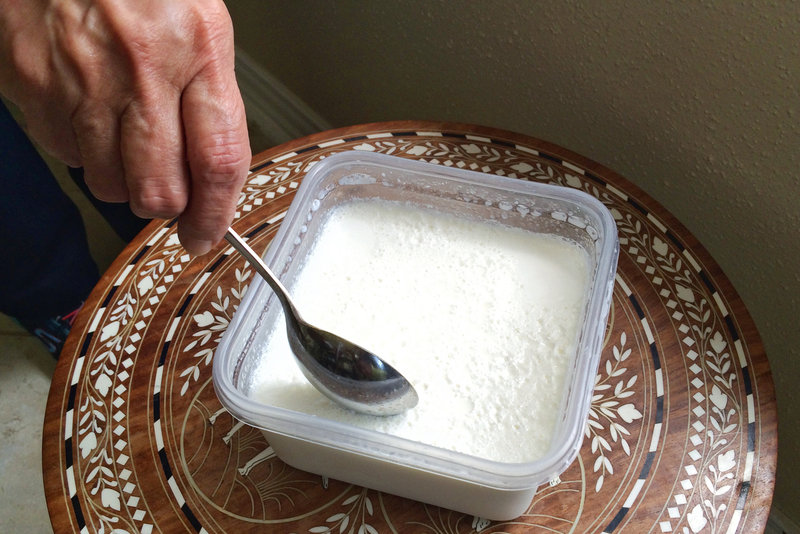
A recent batch of Veena Mehra’s yogurt in Houston. She’s been making yogurt the same way, with the same starter, for about 40 years. PHOTO: Nishta Mehra
If you’re making your own yogurt at home, you need an old batch to make a new batch. And the community of microbes in that yogurt starter — and the flavor — should remain relatively unchanged if you make it the same way every time. That’s what Rachel Dutton, an assistant professor of microbiology at the University of California, San Diego who studies cheese and other dairy products, says, anyway.
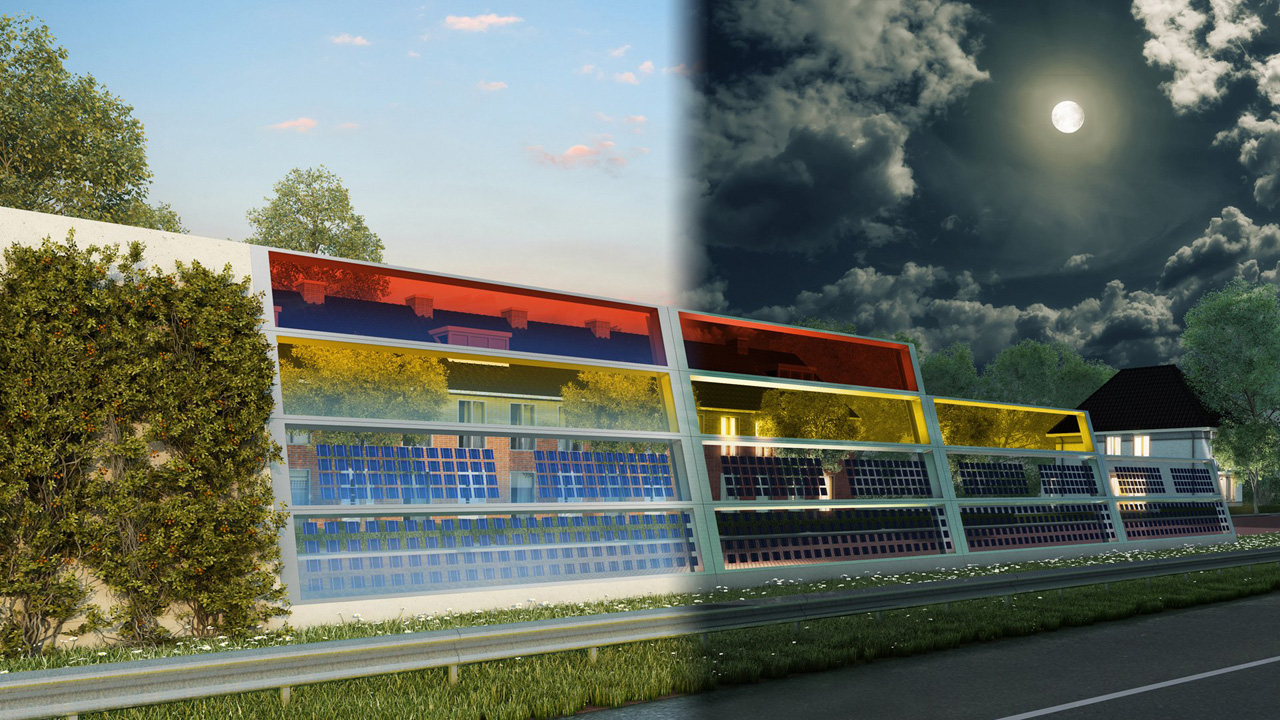
These beautiful, translucent barriers quiet traffic—and generate power at the same time
Driving the Dutch highways just got a lot more colorful. And this has to be one of the best Dutch ideas yet—roadside noise barriers that also generate solar power. Not only that, they work on cloudy days, and one kilometer (0.62 miles) provides enough electricity to power 50 homes. Continue reading

Ranganthittu Bird Sanctuary, Karnataka

The OAS1S™ architecture is shaped as a 1 and answers to the deep human need to become 1 with nature.
If one Dutch architect gets his way, we might soon be living in car-free urban forests where the buildings look like trees. Raimond De Hullu’s new home design, the OAS1S, runs completely off the grid, thanks to renewable energy and on-site water and waste treatment. It’s made with recycled wood and organic insulation, meeting “cradle to cradle” standards where no material goes to waste. But the designer wanted to also rethink what a green building—and neighborhood—should look like.

These solar “Palm Trees” in Dubai will charge phones at parks and beaches
Look at what’s installed and ready-for-use in Dubai this summer: “Smart palms” that store solar energy during the day and discharge power at night. Smart Palm, the company, has set up two so far—one on Surf Beach, another in a park near the waterfront. It plans to plant them in 103 locations under a contract with the United Arab Emirates city.
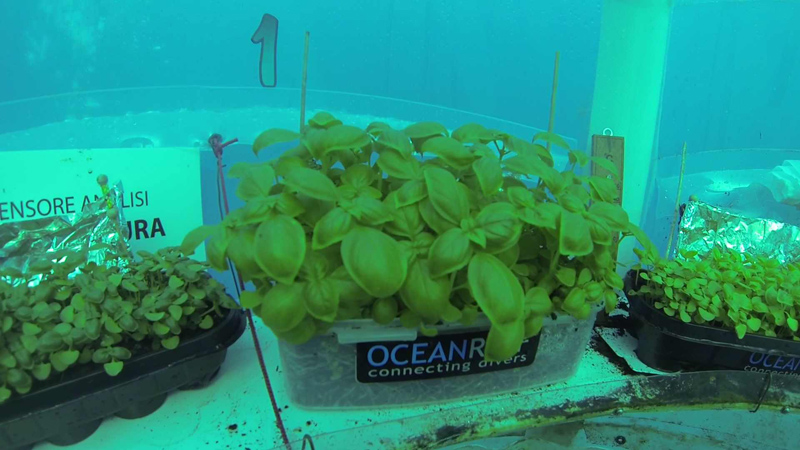
The Orto di Nemo project—Nemo’s Garden, as it’s called in English—resides 30 feet under the waves, off the Noli Coast in in Italy.
Basil, strawberries and lettuce are being grown 30-feet underwater off of the Noli coast in Italy. A team of ‘diver gardeners’ have taken advantage of a surprising opportunity and have found that actually, a least on a small scale, growing vegetables underwater can be highly successful. There are a number of advantages to growing underwater – a steady temperature, the absence of aphids and the atmosphere is CO2 rich. The products are grown in oxygen filled ‘bubbles’, which are tethered to the ocean floor.
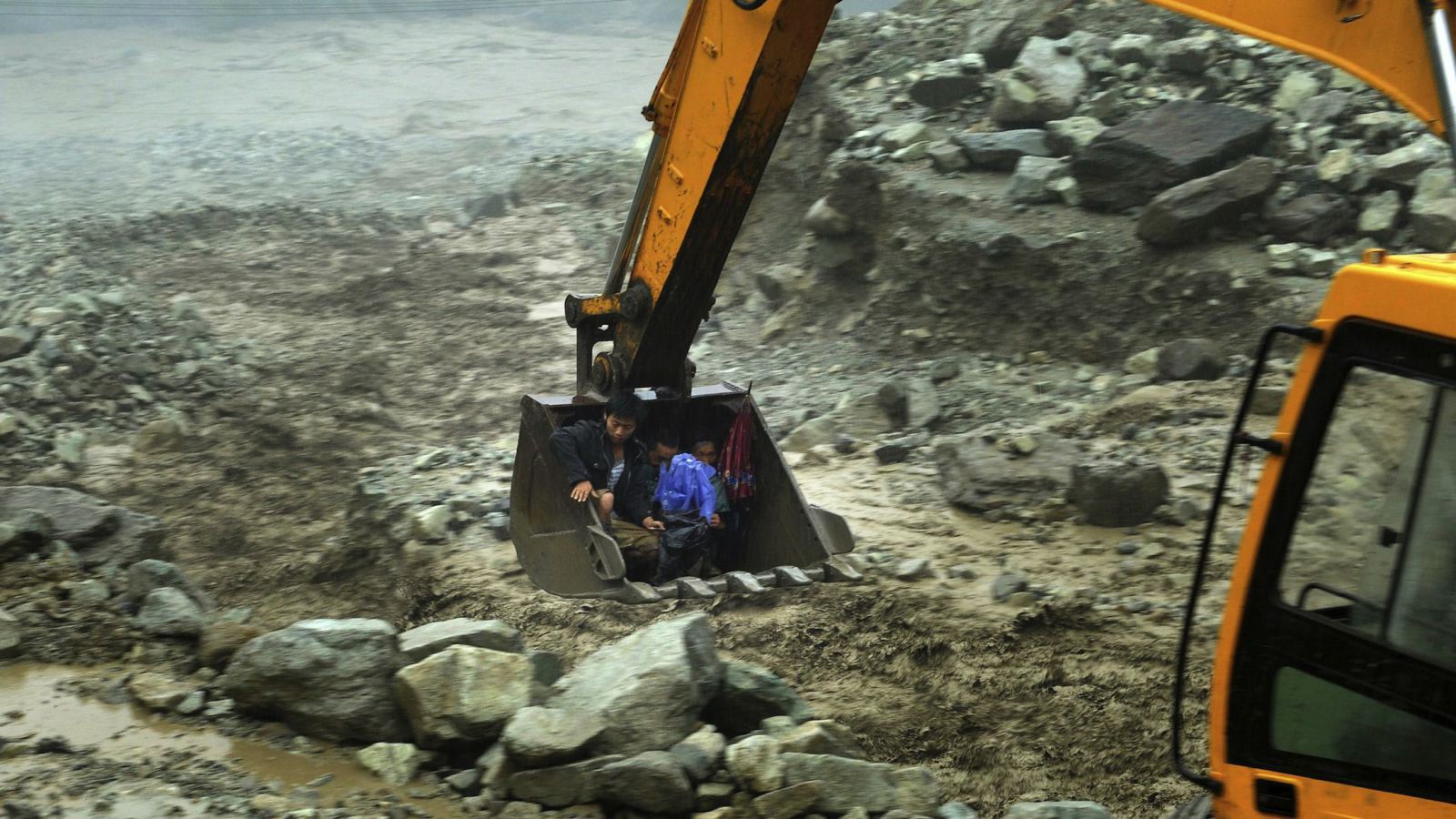
An excavator moves villagers away from a flooded area in Sichuan province in July, 2013. PHOTO: Reuters
Soot and air pollution may have caused China’s worst flood in 50 years, according to a recent study. In July 2013, a mountainous region in the Sichuan province was pounded by 94 cm of rain over the course of five days, floods that left 200 dead and 300,000 others displaced.
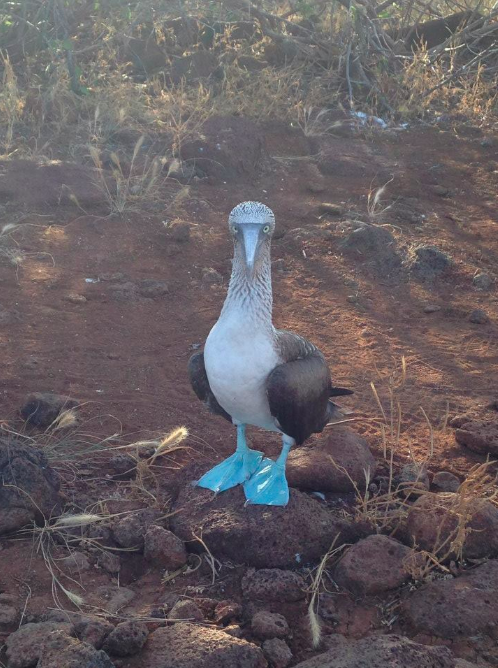
Isla Seymour Norte, Galapagos
 Organikos