 Last time I posted about pysanky at Xandari was about six months ago, when I showcased some new designs revolving around simple geometric patterns and Costa Rican soccer teams. A few months before that I made a video that displayed the process of making an egg sped up quite a bit. Now, as you can see from the egg photos above with before-and-after wax shots, I’m working Continue reading
From India to Houston, the 40-year-old Yogurt
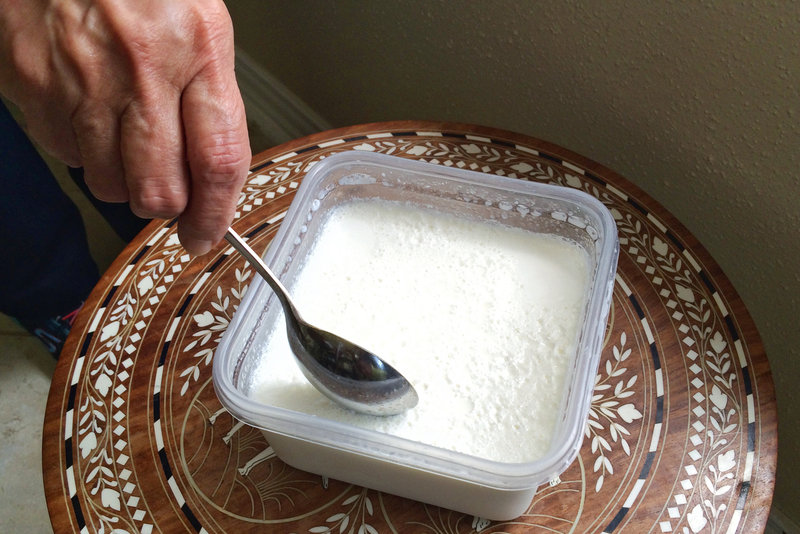
A recent batch of Veena Mehra’s yogurt in Houston. She’s been making yogurt the same way, with the same starter, for about 40 years. PHOTO: Nishta Mehra
If you’re making your own yogurt at home, you need an old batch to make a new batch. And the community of microbes in that yogurt starter — and the flavor — should remain relatively unchanged if you make it the same way every time. That’s what Rachel Dutton, an assistant professor of microbiology at the University of California, San Diego who studies cheese and other dairy products, says, anyway.
Give it Up for the Dutch!
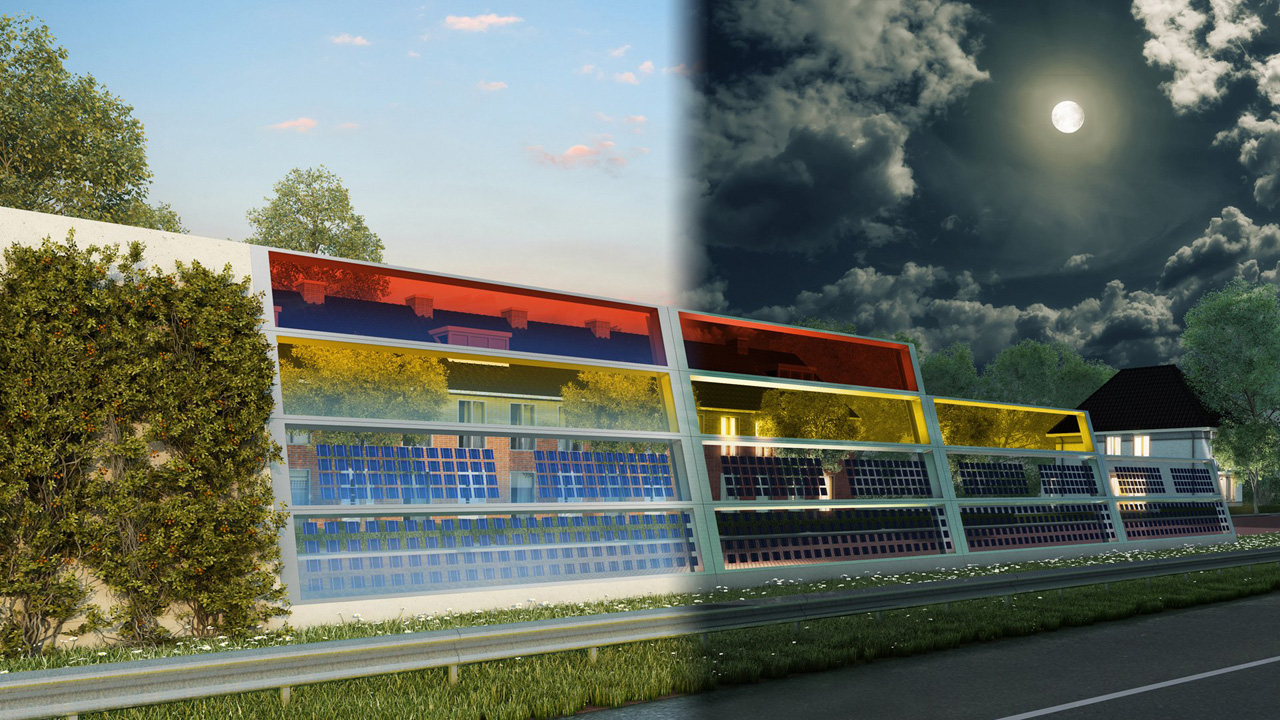
These beautiful, translucent barriers quiet traffic—and generate power at the same time
Driving the Dutch highways just got a lot more colorful. And this has to be one of the best Dutch ideas yet—roadside noise barriers that also generate solar power. Not only that, they work on cloudy days, and one kilometer (0.62 miles) provides enough electricity to power 50 homes. Continue reading
Bird of the Day: Eurasian Spoonbill

Ranganthittu Bird Sanctuary, Karnataka
Welcome to the Urban Forest Neighborhood

The OAS1S™ architecture is shaped as a 1 and answers to the deep human need to become 1 with nature.
If one Dutch architect gets his way, we might soon be living in car-free urban forests where the buildings look like trees. Raimond De Hullu’s new home design, the OAS1S, runs completely off the grid, thanks to renewable energy and on-site water and waste treatment. It’s made with recycled wood and organic insulation, meeting “cradle to cradle” standards where no material goes to waste. But the designer wanted to also rethink what a green building—and neighborhood—should look like.
Dubai Thinks Solar Palm Trees
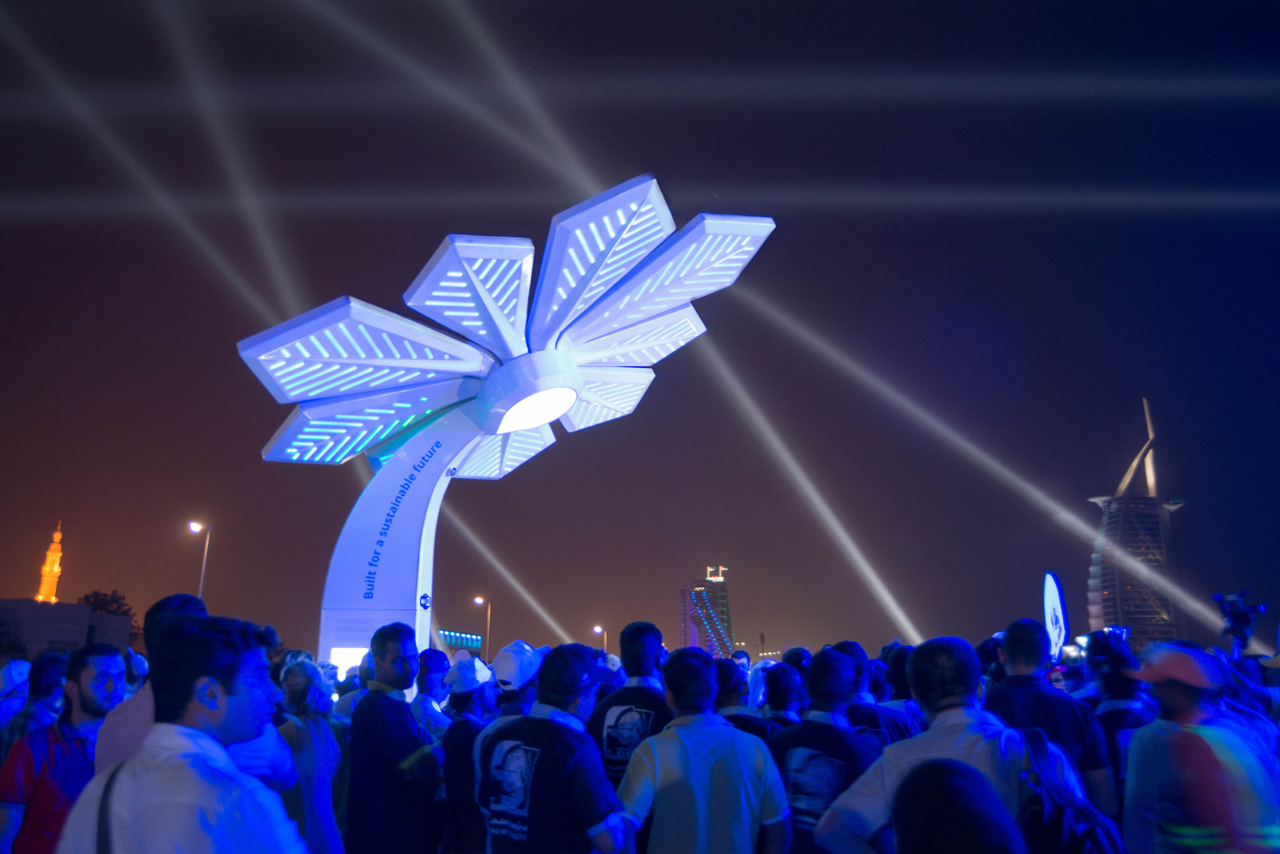
These solar “Palm Trees” in Dubai will charge phones at parks and beaches
Look at what’s installed and ready-for-use in Dubai this summer: “Smart palms” that store solar energy during the day and discharge power at night. Smart Palm, the company, has set up two so far—one on Surf Beach, another in a park near the waterfront. It plans to plant them in 103 locations under a contract with the United Arab Emirates city.
The Underwater Greenhouse
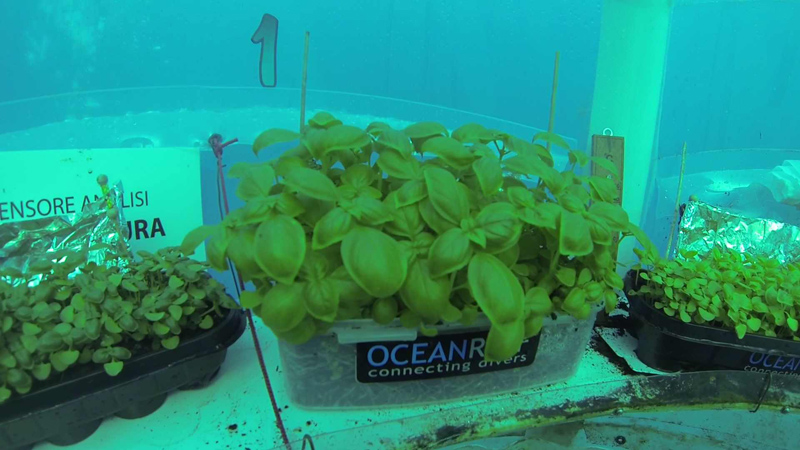
The Orto di Nemo project—Nemo’s Garden, as it’s called in English—resides 30 feet under the waves, off the Noli Coast in in Italy.
Basil, strawberries and lettuce are being grown 30-feet underwater off of the Noli coast in Italy. A team of ‘diver gardeners’ have taken advantage of a surprising opportunity and have found that actually, a least on a small scale, growing vegetables underwater can be highly successful. There are a number of advantages to growing underwater – a steady temperature, the absence of aphids and the atmosphere is CO2 rich. The products are grown in oxygen filled ‘bubbles’, which are tethered to the ocean floor.
China, Watch the Air Pollution
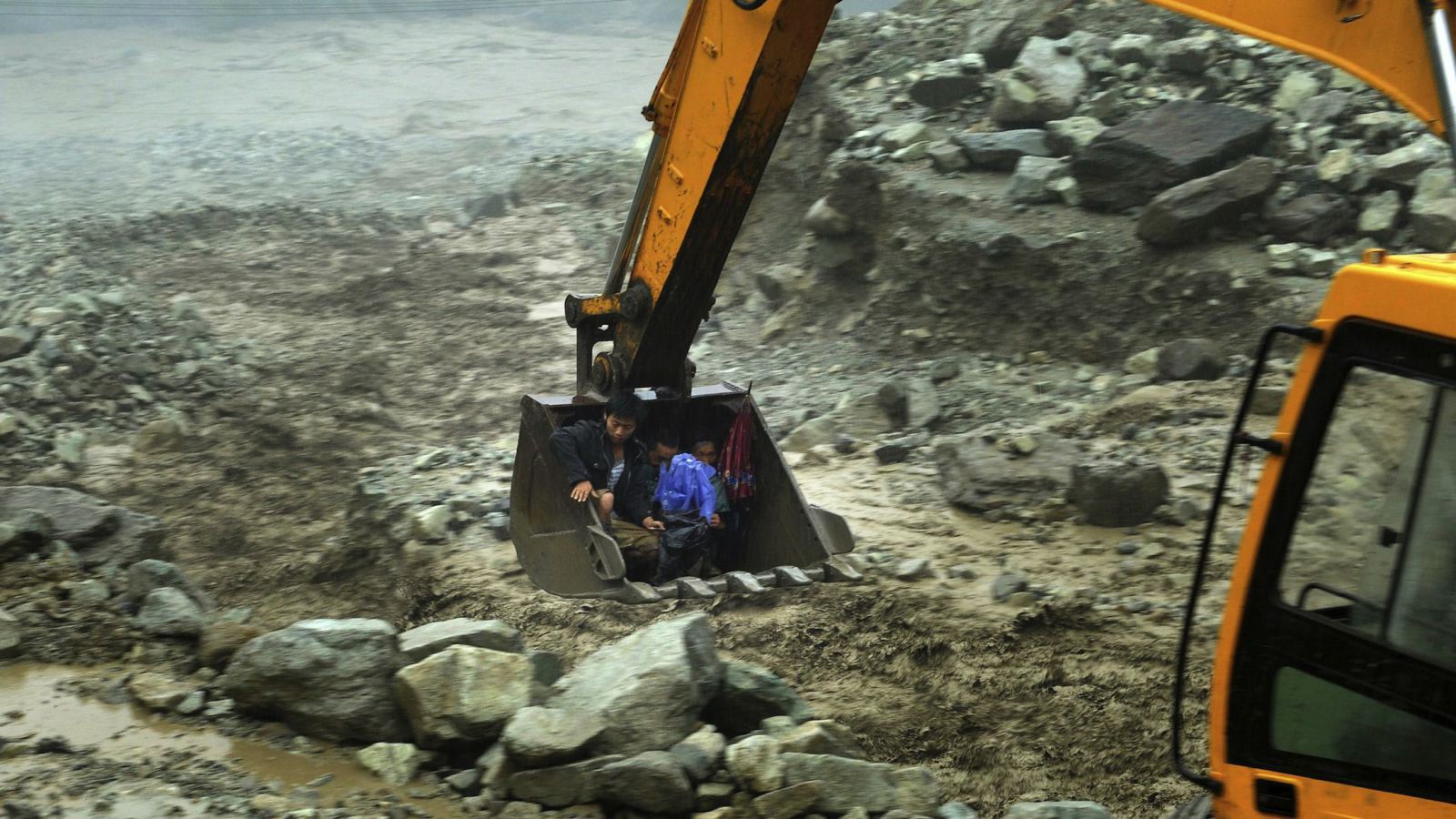
An excavator moves villagers away from a flooded area in Sichuan province in July, 2013. PHOTO: Reuters
Soot and air pollution may have caused China’s worst flood in 50 years, according to a recent study. In July 2013, a mountainous region in the Sichuan province was pounded by 94 cm of rain over the course of five days, floods that left 200 dead and 300,000 others displaced.
Bird of the Day: Blue-footed Booby
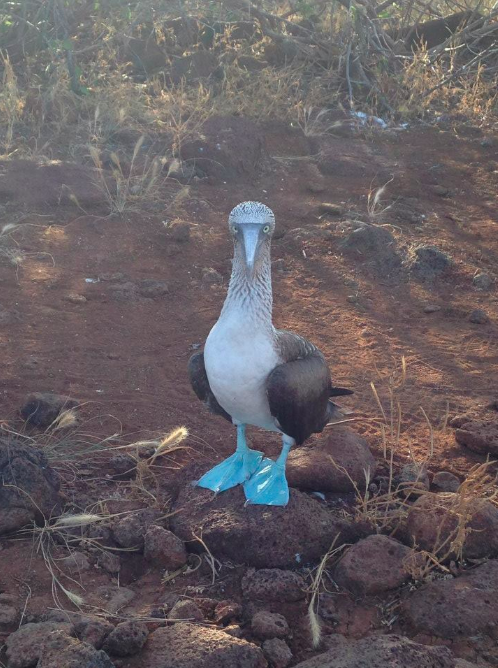
Isla Seymour Norte, Galapagos
Put a Label On It

During Prohibition, whiskey could legally be sold as medicine. This particular bottle of Four Roses bourbon was prescribed to a patient in Sparks, Nev., in 1924. The label tells patients to mix 2 ounces of whiskey with hot water. PHOTO: Ten Speed Press/Four Roses
Many a book, blog and news article has been devoted to the topic of whiskey: the way it’s aged, where to drink it, how to store it and serve it or pair it with food. But comparatively little attention has been paid to how whiskey is packaged. Spirits and wine writer Noah Rothbaum felt that it was time that American whiskey labels had their day in the spotlight. His new book, The Art of American Whiskey, traces the history of surprisingly elaborate labels from the 1800s to today.
By the Power of Hydrogen
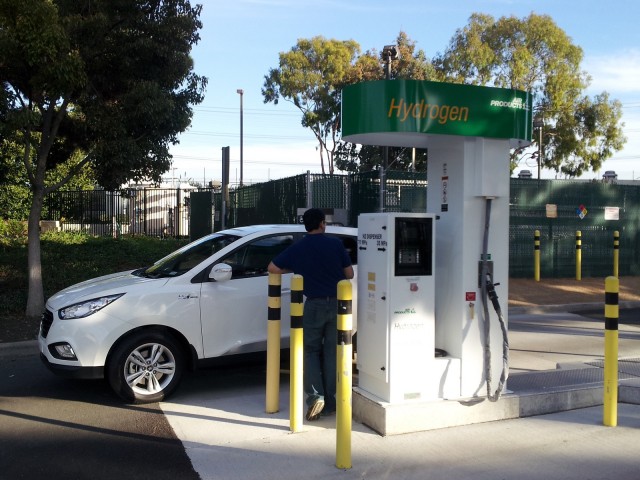
Hyundai Motor Co’s Tucson fuel cell SUV
Hyundai Motor Co believes hydrogen fuel cell vehicles are the future for eco-friendly cars despite challenges of limited infrastructure and slow sales. South Korea’s largest automaker has sold or leased 273 Tucson fuel cell SUVs since beginning production in 2013, lower than its 1,000 target, mostly in Europe and California. Fuel cell cars represent a bigger opportunity than electric cars because competition is less fierce. Hydrogen-powered cars also give more flexibility to designers. They can be scaled to big vehicles such as buses as well as small cars.
Bird of the Day: Tree Swallow
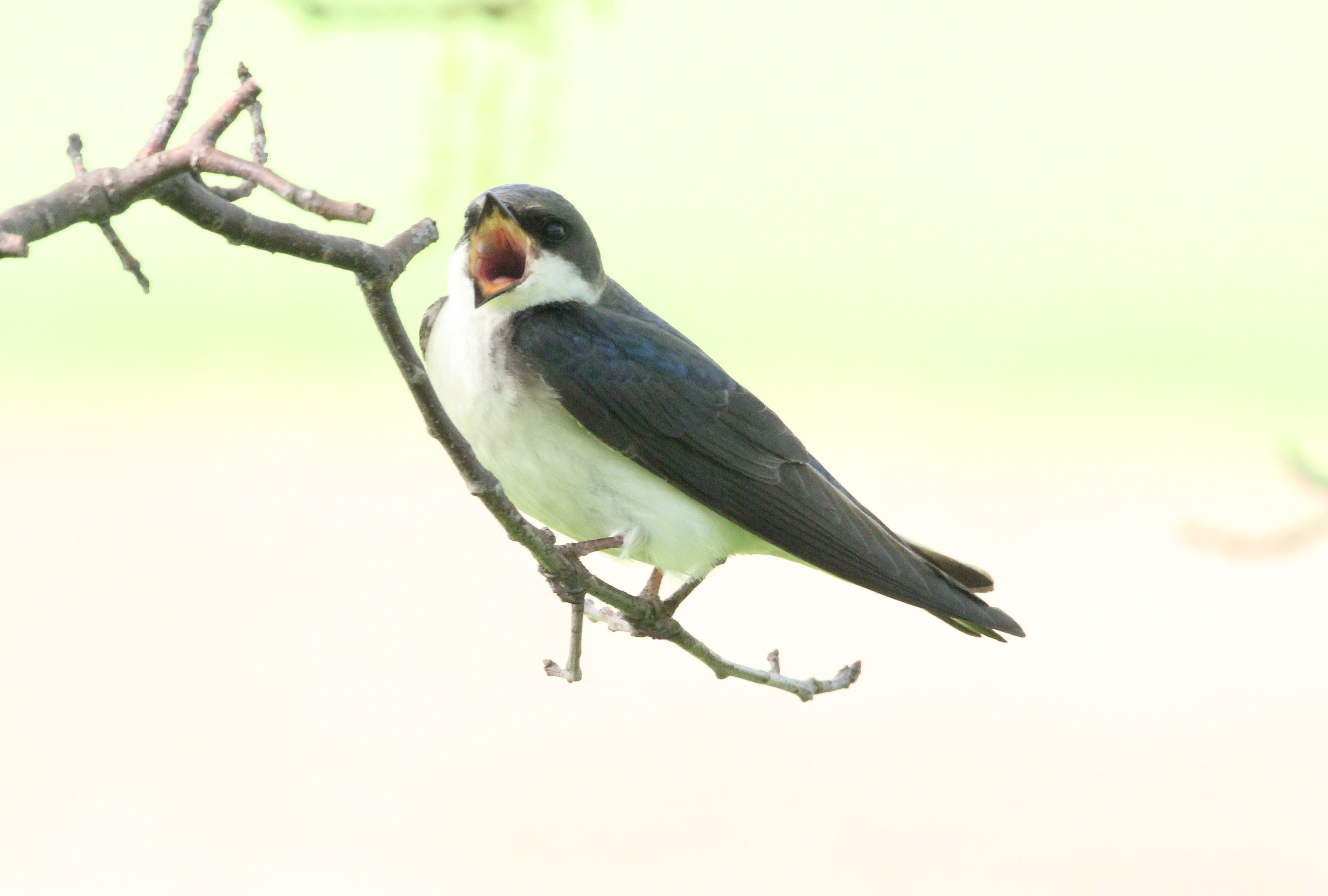
Lawtons, NY
The Village Capital of Light
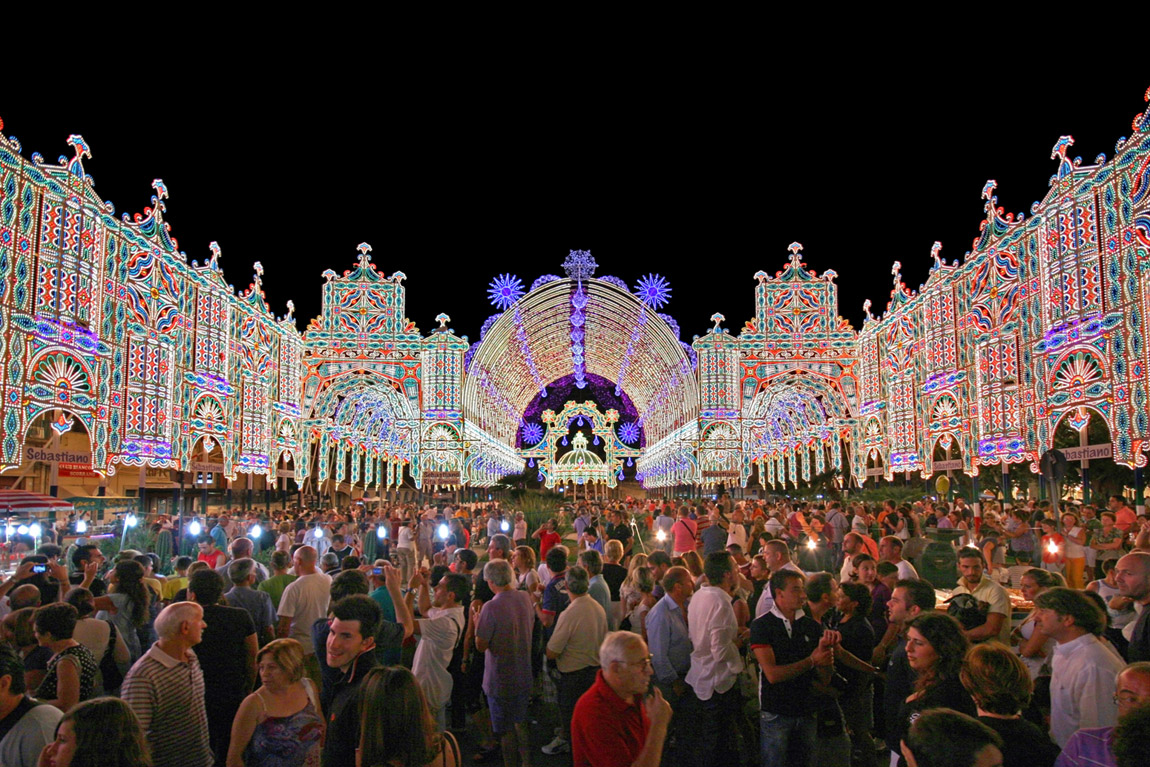
Scorrano, a little village turns into the Capital of the Luminarie for a few days a year. PHOTO: Gorgonia.it
Tradition, religion, heritage, and passion: from one generation to the other, a small town in the Apulia region, Scorrano, has been able to keep all these things untouchable and unique and give them expression during a festival called “Festa delle Luminarie”. The history of this festival goes back to the 20th century and it is related to the existence of small family-run businesses that have been developing and installing the so-called “luminarie” to celebrate local patrons and religious feasts. This was especially true for this small town where only 7,000 people live: there, a few local firms used to wait for the village’s feast in order to install the most beautiful and spectacular illuminations they had been working on in the months before.
Continue reading
Continue reading
Meet the Godwit in North Korea

A godwit made international headlines in 2007 when she was confirmed to have flown for seven days and nights without stopping to a feeding ground in China. That was the longest nonstop flight by a land bird ever recorded.
To the untrained eye, it’s just a lot of birds on an otherwise deserted stretch of muddy, flat coastline. But for ornithologists, North Korea’s west coast is a little piece of paradise each spring — and both the birds and a dedicated group of birdwatchers travel a long way to get there. The birds being watched aren’t exactly household names — bar-tailed godwits (Limosa Iapponica), great knots (Calidris Tenuirostris) and dunlins (Calidris Alpina).
Bird of the Day: Crested Serpent Eagle – Juvenile
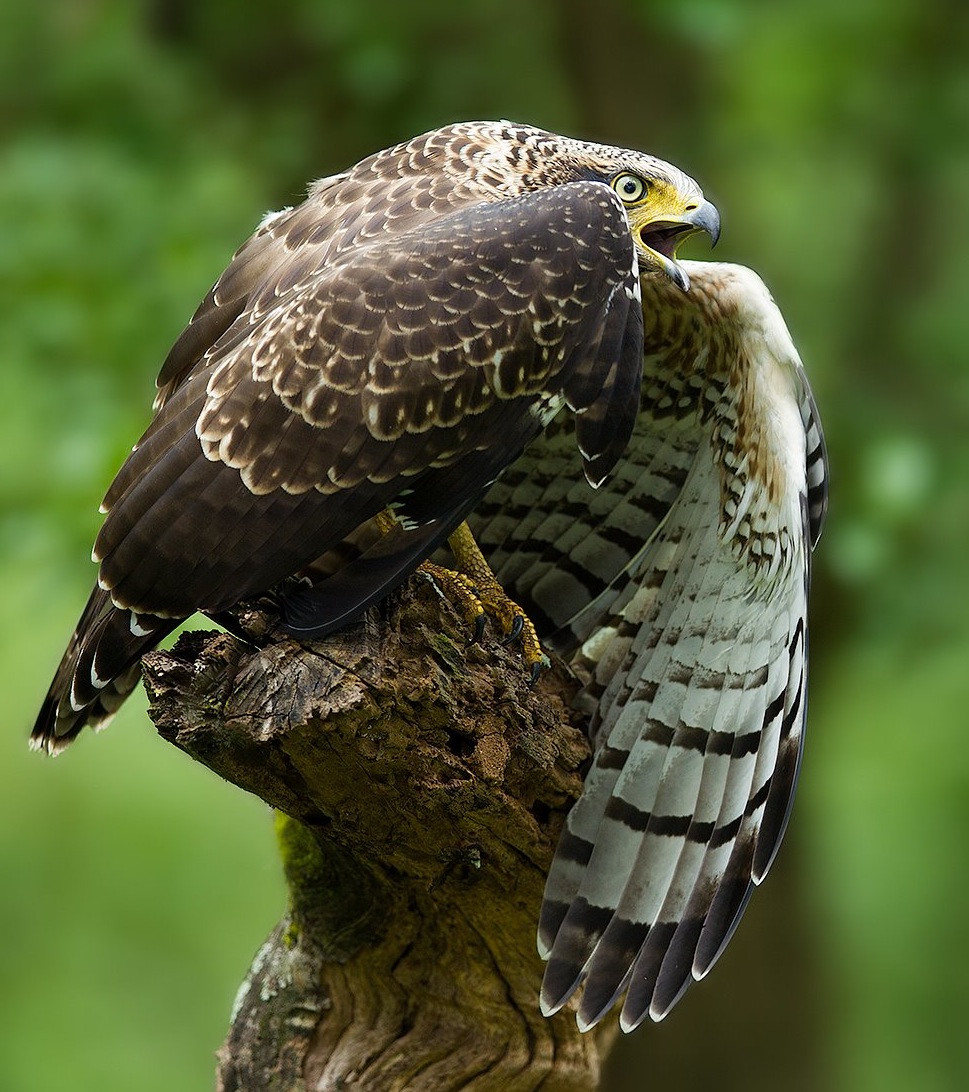
Kabini River, Karnataka
Hunger Games and Peru’s Wachiperi
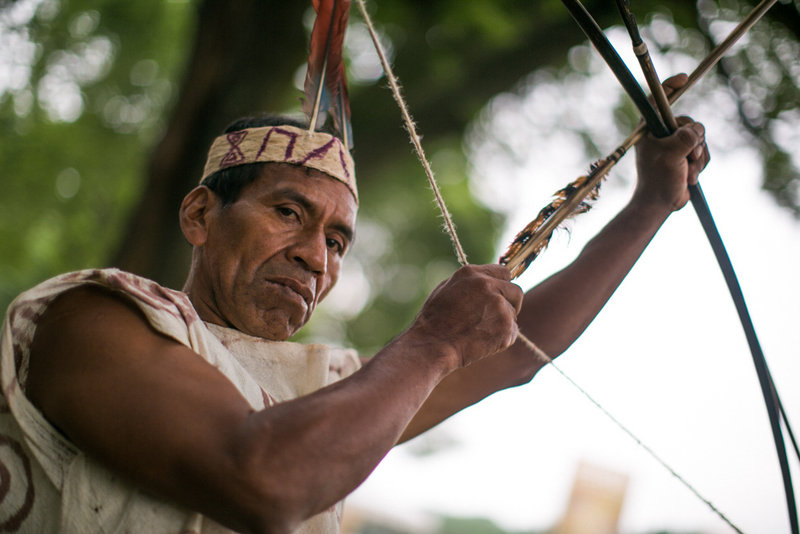
Victorio Dariquebe Gerewa displays his bow and arrow at the Smithsonian Folklife Festival in Washington, D.C. PHOTO:
Ben de la Cruz/NPR
Girls and women in the Peruvian Andes are also asking to learn — but for a different reason. They want to be able to hunt for meat and fish so they don’t have to rely on the men to bring home food.
“The world is modernizing, and women are starting to want to use the bow,” says Sergio Pacheco, a skilled archer who’s part of the tiny Wachiperi community — population estimates range from 90 to 140 — in a remote region of Southeast Peru. “They say, ‘We are just women in the family, so what happens when our father dies? We need to learn this to be able to take care of our families.'”
From Coal Mine to Land Art
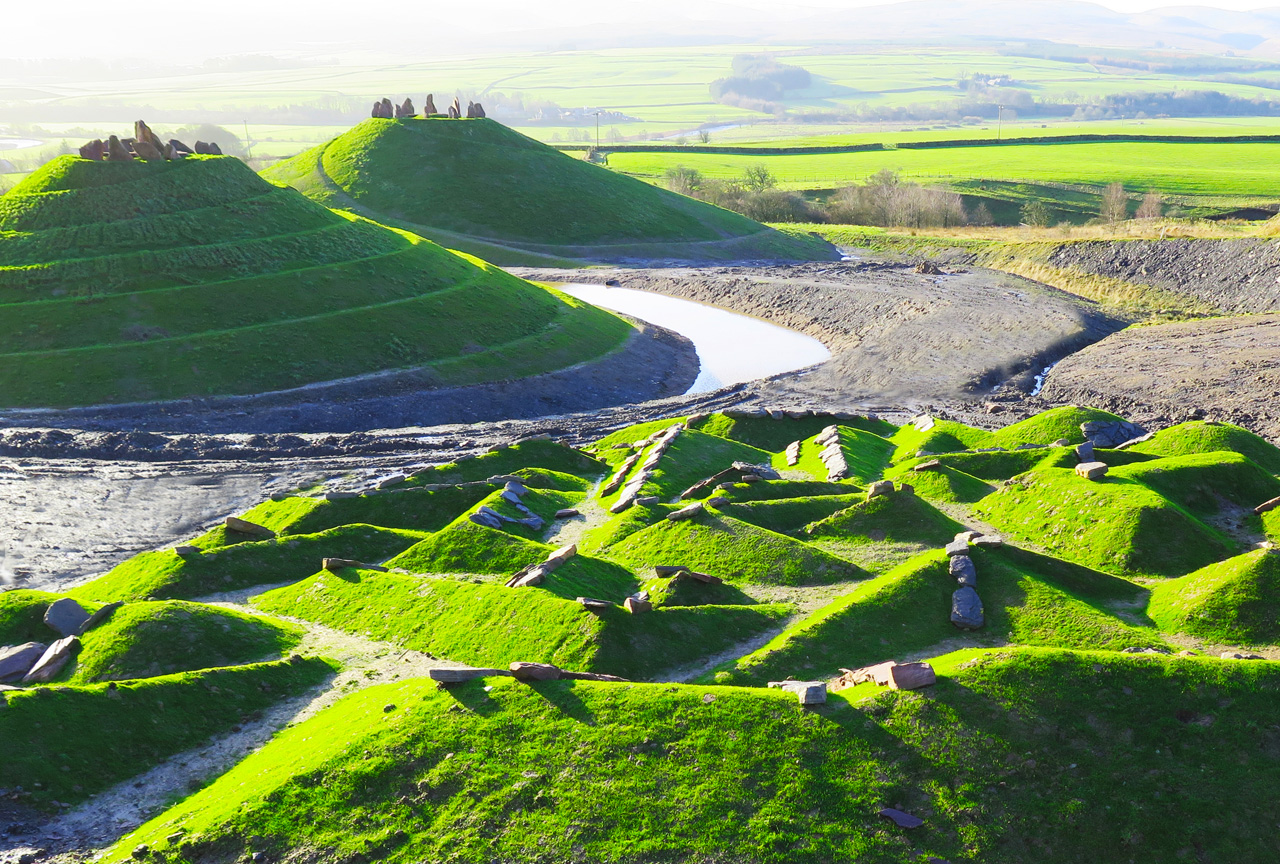
In five years, Scotland plans to run on nothing but renewable energy. Towards that, a start has been to look at deserted coal mines. PHOTO: CoExist
In five years, Scotland plans to run on nothing but renewable energy. The country’s few remaining coal mines are shutting down, leaving a question: How should towns deal with the ugly scars left behind by abandoned mines? Near the village of Sanquhar, the answer is a massive, 55-acre work of land art. Looking like a modern Stonehenge, it builds a miniature multiverse from 2,000 boulders found on the site. Locals, sick of looking at the former mine, lobbied the landowner—Richard Scott, the Duke of Buccleuch—to do something. But they wanted to go beyond just adding a little grass to cover the scarred earth, and build a replacement that might draw visitors to boost a struggling economy. The duke turned to architect Charles Jencks to turn the mine into art.
Bird of the Day: Dusky-capped Flycatcher
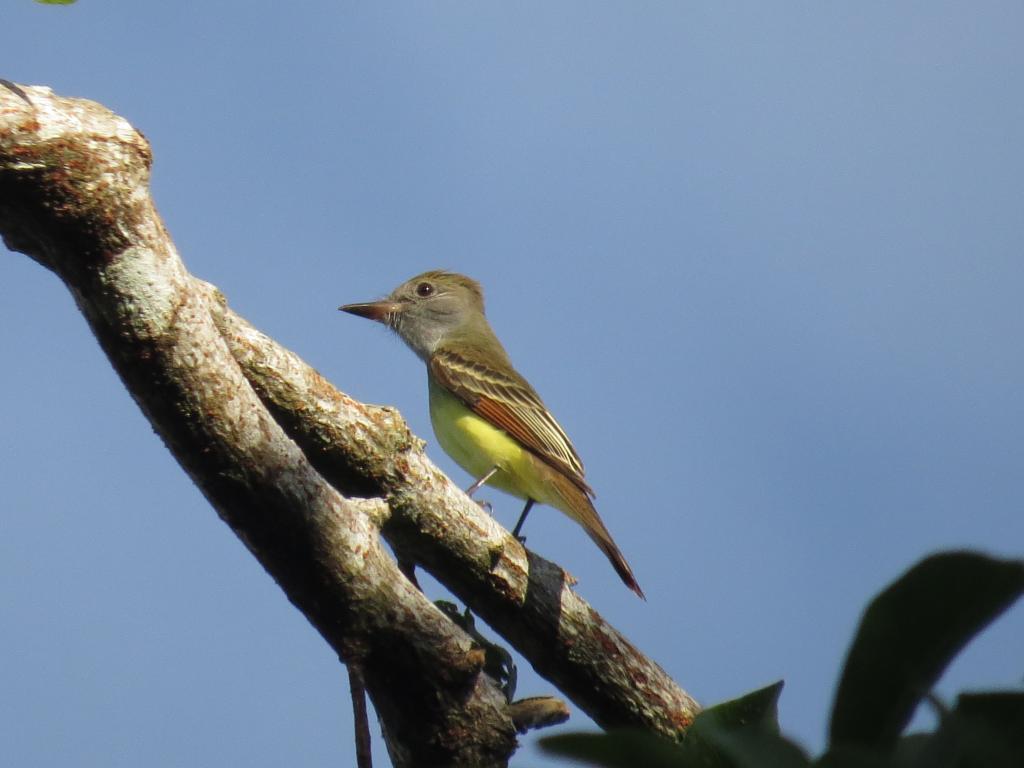
Osa Peninsula, Costa Rica
A Brick to Breathe Easy?
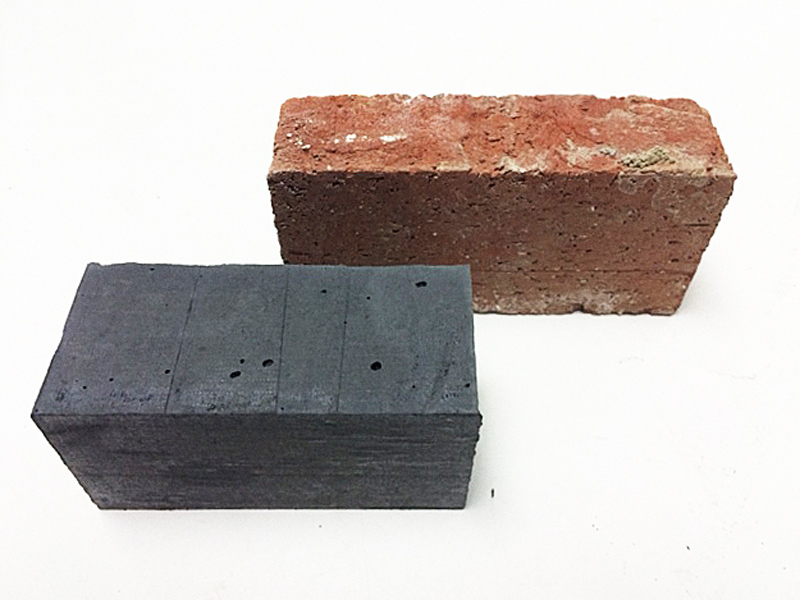
MIT students have created a brick that could end pollution from dirty brick kilns. PHOTO: CoExist
India’s brick industry, spread out over 100,000 kilns and producing up to 2 billion bricks a year, is a big source of pollution. To fire to hot temperatures, the kilns use huge amounts of coal and diesel, and the residue is horrendous: thick particulate matter, poor working conditions, and lots of climate-changing emissions. MIT students have created an alternative. The Eco BLAC brick requires no firing at all and makes use of waste boiler ash that otherwise clogs up landfills.
When Gardens Go Vertical
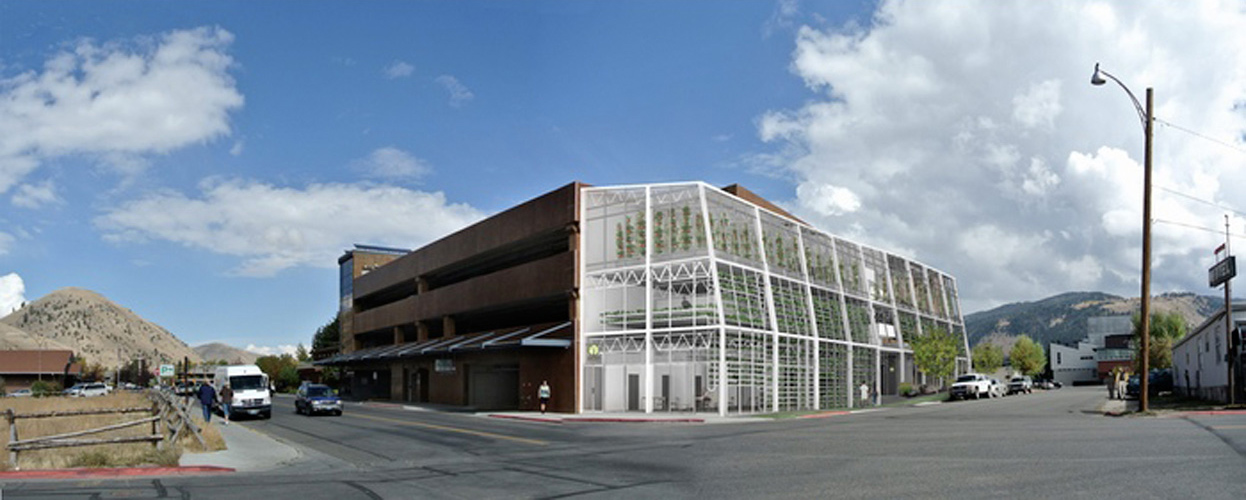
A vacant lot In Jackson, Wyoming is all set to become a vertical farm. PHOTO: CoExist
Jackson, Wyoming, is an unlikely place for urban farming: At an altitude over a mile high, with snow that can last until May, the growing season is sometimes only a couple of months long. It’s also an expensive place to plant a garden, since an average vacant lot can cost well over $1 million. But the town is about to become home to a vertical farm. On a thin slice of vacant land next to a parking lot, a startup called Vertical Harvest recently broke ground on a new three-story stack of greenhouses that will be filled with crops like microgreens and tomatoes.
 Organikos