Another Step Forward for Merlin

© Visipedia

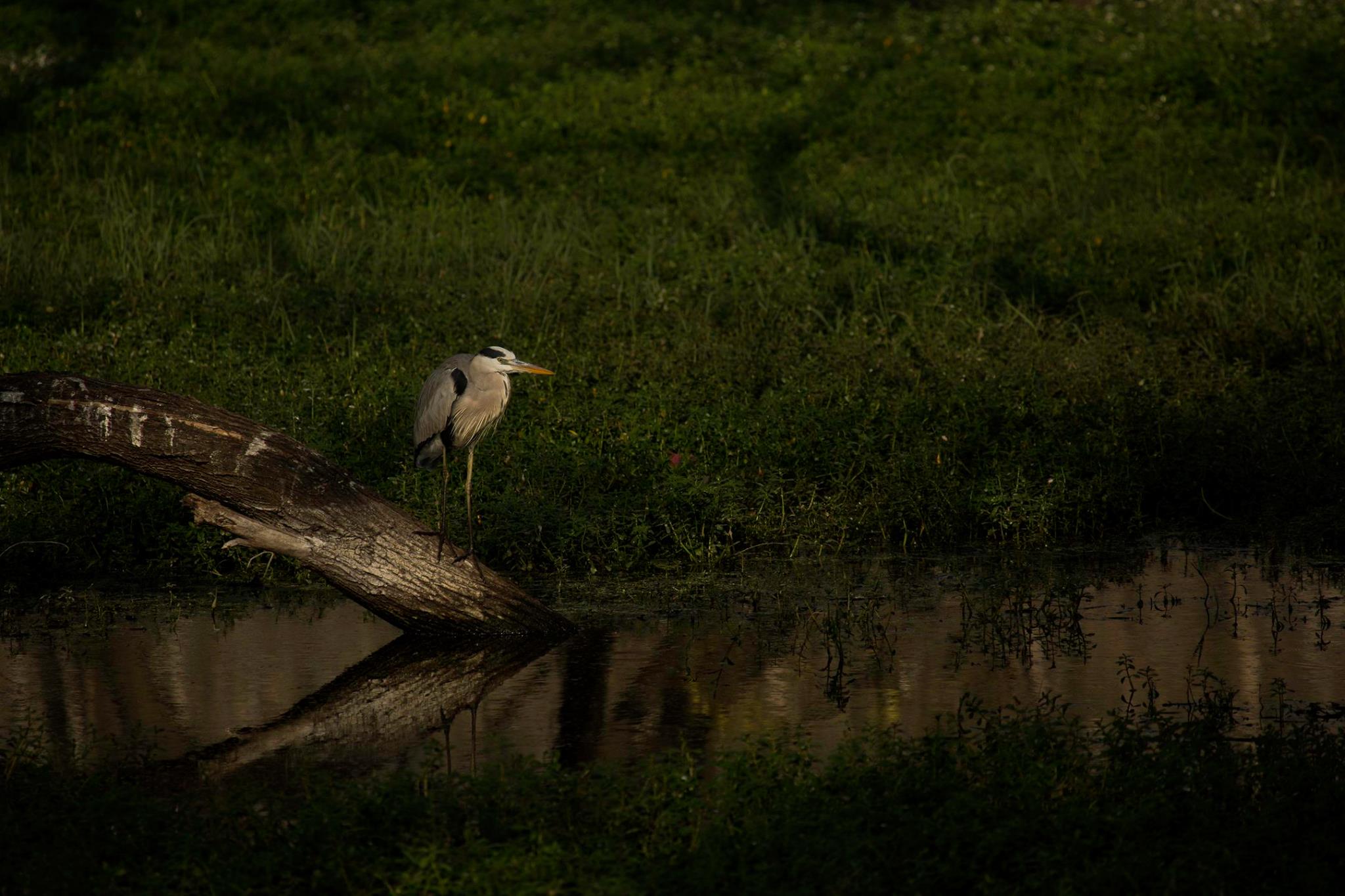
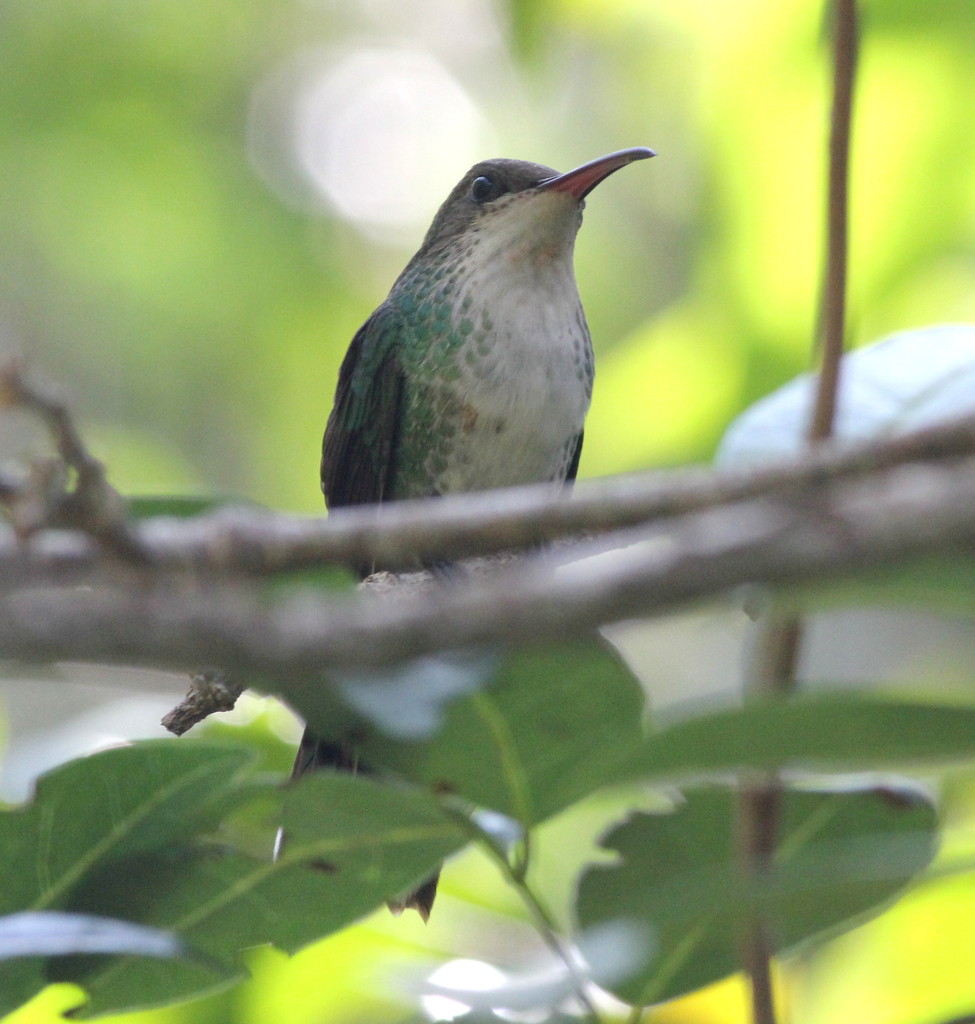
I don’t mean the bird species, which is found in North America and also in different varieties elsewhere in the world. I’m not talking about the wizard, either. I’m referring, rather, to the Merlin Bird ID app that I wrote about last month. It turns out that Cornell Tech and Caltech, working together as a team called Visipedia, have been developing a new tool with the Cornell Lab of Ornithology for Merlin Bird ID that involves computerized identification of bird photos. Called Merlin Photo ID, this beta-stage program can take an image of one of North America’s most common bird species (a pool of 400) and identify it after a human user has pointed out where its bill, eye, and tail are.

And after testing it out for a bit I learned that it doesn’t even need all of those Continue reading

Getting Social Underwater

 A coral grouper (Plectropomus leopardus) being cleaned by a cleaner shrimp (Urocaridella antonbruunii), in the Maldives. --- Image by © Jason Isley - Scubazoo/Science Faction/Corbis

A coral grouper (Plectropomus leopardus) being cleaned by a cleaner shrimp (Urocaridella antonbruunii), in the Maldives. — Image by © Jason Isley – Scubazoo/Science Faction/Corbis

Let’s talk social behavior. We know much about human relations and the social activities of animals like the chimpanzee. But how about underwater? Yes, the waters, too, are filled with social interactions if rapport between coral groupers and giant moray eels are anything to go by. Several studies have followed how the duo teams up to hunt and have their own ‘code’ of vigorous shimmying, head-stands and head-shaking to communicate about prey. Now, while gestures are commonplace among humans and are expected of intelligent animals like monkeys and dogs, how do fish manage this complex communication with their tiny brains? Redouan Bshary may be the man with the answers.

Continue reading

Museums, Libraries, And An Innovative Hybrid

DRAWING BY LINYU YEN, COURTESY THE SKETCHBOOK PROJECT

DRAWING BY LINYU YEN, COURTESY THE SKETCHBOOK PROJECT

Museums, as well as libraries and other community institutions get a disproportionate share of our attention on this blog. When we see a random variation like the following, we cannot help but follow the trail (thanks to Jordan Kisner):

One recent Wednesday afternoon, a man wandered into a library on North Third Street in Brooklyn and asked how he could sign up for a library card. The young woman behind the counter smiled and explained that at this particular library there were no cards—or even traditional books. The Brooklyn Art Library, housed in a Williamsburg storefront with unfinished floors and exposed piping, is, instead, home to the Sketchbook Project, a collection of crowdsourced sketchbooks that is, according to its staff, the largest in the world. The project was founded in 2006, when Steven Peterman and Shane Zucker, two art students living in Atlanta, began mailing blank Moleskines to anyone who wanted one for a small fee, and then archiving whatever came back. Now anyone can pay twenty-eight dollars for a sketchbook, or sixty-three dollars for a digital membership, which means that their books will be scanned in full and archived online in a digital library. Continue reading
Sweden, Take Our Trash, too?

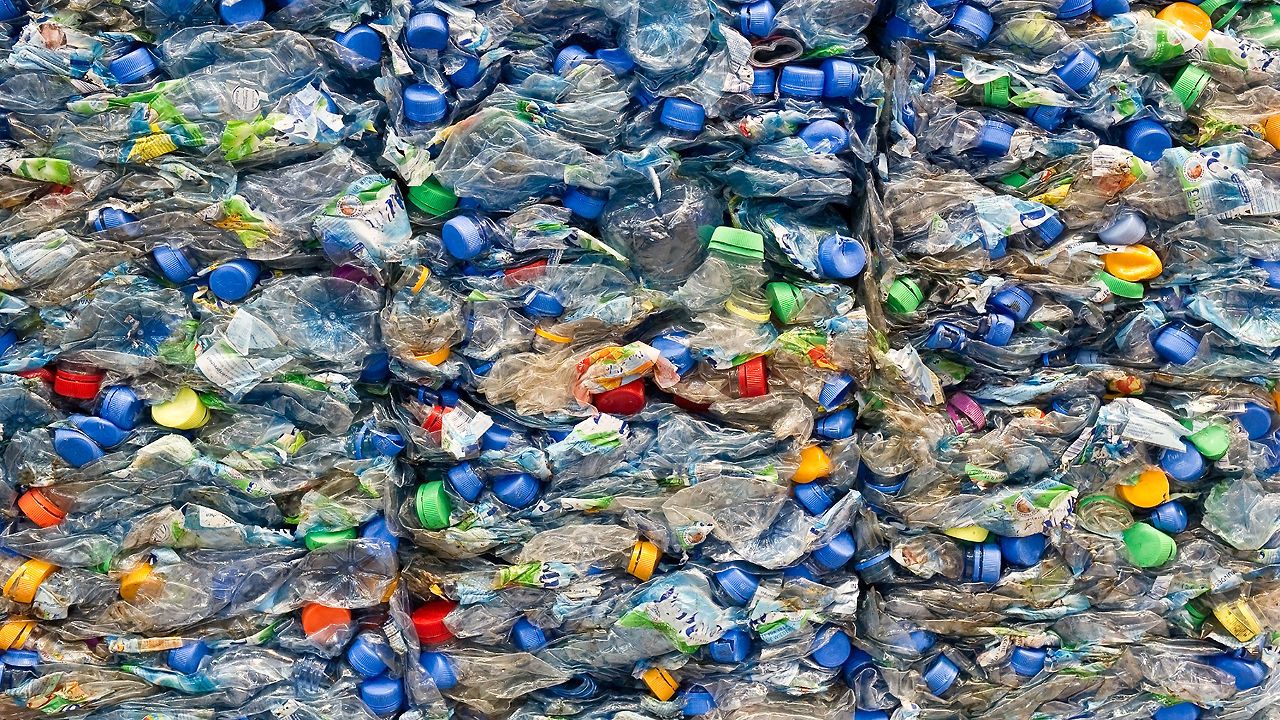
With Swedes recycling almost half (47 percent) of their waste and using 52 percent to generate heat, less than 1 percent of garbage now ends up in the dump PHOTO: Shutterstock

With Swedes recycling almost half (47 percent) of their waste and using 52 percent to generate heat, less than 1 percent of garbage now ends up in the dump PHOTO: Shutterstock

Now, to ask someone to take your garbage will be met with censure in any part of the world, but not in Sweden. Since the country’s waste incineration program began in the 1940s, 950,000 homes are heated by trash; this lowly resource also provides electricity for 260,000 homes across the country, according to statistics. But there’s a problem: there is simply not enough trash.

Americans, in general, are bad at recycling. In 2010, U.S. residents recycled 34% of their waste—an embarrassing amount compared to European countries like the Netherlands, Germany, and Austria, where people recycle almost all of their waste. In Sweden, people are so diligent about recycling that just 4% of all trash ends up in landfills, It’s a heartening statistic, but it has led to a problem for the country—there’s not enough garbage to power the country’s large waste-to-energy program. Sweden’s solution: import trash. More.

Continue reading

Over Bullets and Blood Trails

No, this is no story of gore or of violence that have come to be a mainstay of sentences framed around Karachi and Pakistan. No, sir, no. But, this is still a story of a battle – one where paint brushes and colors are the arms for the cause of reclaiming a city. For a city whose walls are spattered with political slogans, hate graffiti and dubious advertisements of faith healers, a group of artists have a makeover in mind. They don’t talk about the healing power of art for nothing.

According to Wajiha Naqvi, the ‘I Am Karachi’ campaign manager, the consortium is trying to create a counter-narrative to promote tolerance, peace and diversity through reclaiming public spaces in the city. For her, the idea behind ‘Reimagining the Walls of Karachi’ is to evoke a sense of civic activism, unity and interest among the residents of Karachi, inspiring individuals and communities to take ownership by protecting their walls, their spaces and, ultimately, their city.

Continue reading

If You Happen To Be In New York City

Richard Serra, left, and Philip Glass in the 1970s. Credit Richard Landry

Richard Serra, left, and Philip Glass in the 1970s. Credit Richard Landry.

Two Raxa Collective contributors remember reading and discussing a profile of Richard Serra a dozen years ago (linked in the announcement below) in advance of a visit to the architectural wonder in Bilbao, Spain created by Frank Gehry. Serra’s persona, his strong views on the boundaries between art and architecture, enrich the viewing experience of his sculpture, especially if that sculpture is viewed within a Frank Gehry building. Now there is an opportunity to experience Serra’s sculpture in the context of one of the most revered living composers.

If you are a fan of cross-arts collaboration, this upcoming performance should be on your radar.  If you have been looking for a way to make a contribution to solve a specific problem related to the recent earthquake in Nepal, then the only question is whether you will be in New York City on June 27 when these two luminaries in their respective field offer a remarkable such opportunity:

The composer Philip Glass once worked as an assistant for the sculptor Richard Serra, after the two befriended each other in Paris in the early 1960s and swapped cultural touchstones.

Continue reading

Who Baked the Brownie and Made Tea?

The open-hiring policy at Greyston Bakery in Yonkers, N.Y., invites local residents to apply for jobs — regardless of their immigration status, whether they have criminal or drug records, or even prior work experience PHOTO: GREYSTON

The open-hiring policy at Greyston Bakery in Yonkers, N.Y., invites local residents to apply for jobs — regardless of their immigration status, criminal or drug records, or even prior work experience PHOTO: GREYSTON

We know a ‘community’ story when we read one. More so when we share its ethos. The one about people making and being the difference. Whether you stay with us at our waterfront property, Xandari Harbour, in Kochi or by the virgin beach at Mararikulam or even sail with us on the backwaters, you are bound to notice ‘our’ people. Their cheery smiles, readiness to help and the spirit of being perfect hosts make for the memories that guests so often write back about. And when we came across the wonderful community at Greyston, we knew we’d found our kin across the seas.

Continue reading

Where Does This Light Come From?

Energy from solar, biomass and hydrogen is coming together for the first time in India to light up a tribal hamlet. PHOTO: The Telegraph

Energy from solar, biomass and hydrogen is coming together for the first time in India to light up a tribal hamlet. PHOTO: The Telegraph

When India’s Rabindranath Tagore became the first non-European to win the Nobel Prize for Literature in 1913, he made headlines. He continued to be in the news when he decided to use the prize money to set up a university town in India. Today, Santiniketan and its Visva-Bharati University can stake claim to their unique set of trailblazers of alumni; Nobel winning economist Amartya Sen and ace Indian auteur Satyajit Ray are among them. While the light of education draws thousands to the gates of the university town, its hinterland remains in darkness. But in education that leads to innovation we trust and there seems to be a glimmer of a sustainable solution on the horizon.

Continue reading

Let’s Take a Look at the Ocean

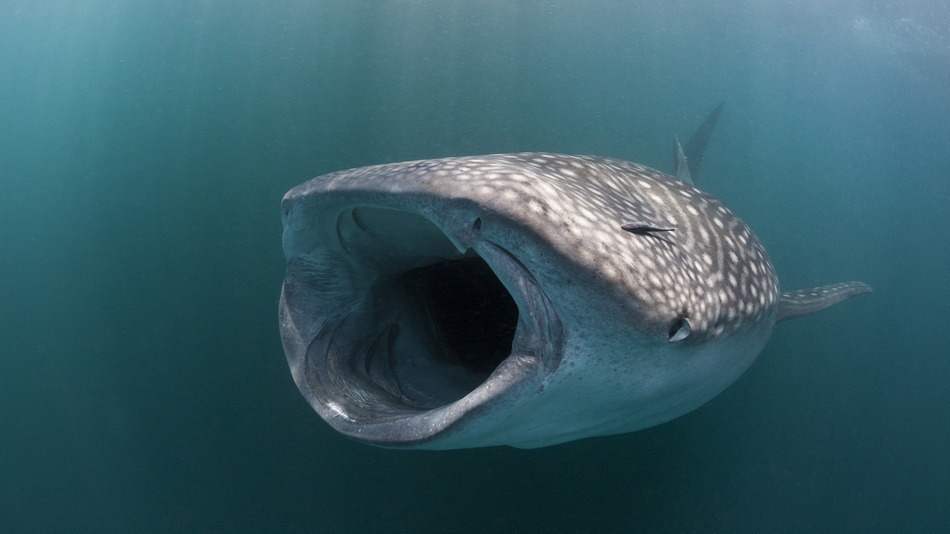
Feeding Whale Shark, in Triton Bay, West Papua, Indonesia. PHOTO: REINHARD DIRSCHERL/CORBIS

Feeding Whale Shark, in Triton Bay, West Papua, Indonesia. PHOTO: REINHARD DIRSCHERL/CORBIS

Be it the flash floods in Texas or a heat wave in India that has killed over 2,000 people to date, the signs of global warming and the consequent extremes are telling on land. The sea has not been spared either –  the acceleration of global sea level change from the end of the 20th century through the last two decades has been significantly swifter than scientists thought. And a closer look at the oceans reveal that by the end of the century, the polar regions may have some of the most abundant sea life on the planet. The tropics, which are currently the crown jewel of marine species richness, may be drained of much of its iconic marine life, opines a recent study published in the journal Nature Climate Change. 

If warming is held at the 2-degree target, the changes that will occur throughout the global ocean “will be relatively benign for the ecosystem.”The tropical regions would see a net loss in biodiversity with average global warming of 2 degrees Celsius, while polar areas could see a 300% increase in biodiversity as species seek out more hospitable areas.

Continue reading

Meet the Supergrain

Pronounced “free-kah”, it is unripe wheat that’s parched and roasted to burn off the husks. The grain has a wonderfully smoky, nutty (and slightly addictive) nature, PHOTO: Daniella Cheslow

When it comes to food, the world is constantly looking for healthier replacements of core ingredients. So what can you replace a staple like rice or white pasta with? Or how can you keep a watch on your wheat intake? Quinoa had the world raving for a while, yes, but now kitchens are looking at ‘old’ grains. Their versatility, flavor, economic cost, ease to work with, and the accompanying history has chefs across the world looking back to older grains. Like freekeh.

Continue reading

Happy Birthday, Carolus Linnaeus!

Remember Carolus Linnaeus? Go back to high school where you probably heard of taxonomy first; yes, it’s his invention. Well, it was his 308th birthday last week (May 23) and each year, it is celebrated with a list. Of new species discovered the previous year. Scientists found 18,000 new species in 2014, but the top 10 are in a league of their own. How about a spider that cartwheels to escape danger or a frog that gives birth to live tadpoles?

Continue reading
Put a Face to Litter

Every day in Hong Kong, more than 16,000 tons of waste is dumped in the streets and public spaces. PHOTO: hkcleanup.org

Every day in Hong Kong, more than 16,000 tons of waste is dumped in the streets and public spaces. PHOTO: hkcleanup.org

Going by Hong Kong’s Cleanup Challenge, your DNA can rat you out the next time you toss as little as a candy wrapper on the beach or in the park. The country is taking its trash problem seriously, with an entire week in June dedicated to cleaning urban spaces and its coastline. In fact it generates 6 million tonnes of trash a year – the weight of 350 blue whales. Clearly, this is not sustainable. And that’s precisely why one of the country’s NGOs and the advertising firm Ogilvy & Mather came up with the Face of Litter campaign.

Continue reading

Meet the ‘Water Man’ of India

The 2015 Stockholm Water Prize has been awarded to Rajendra Singh for his consistent attempts to improve the country's water security  PHOTO: SIWI

The 2015 Stockholm Water Prize has been awarded to Rajendra Singh for his consistent attempts to improve the country’s water security PHOTO: SIWI

Twenty years ago, when 28-year-old Rajendra Singh arrived in an arid village in Rajasthan, he came with degrees in Ayurveda and Hindi and a plan to set up clinics. That’s when he was told the greatest need was not medical help but clean drinking water. Groundwater had been sucked dry by farmers, and as water disappeared, crops failed, rivers, forests and wildlife disappeared and people left for the towns. In 2008, The Guardian listed him as one of its “50 people who could save the planet”. In March 2015, he was awarded the Stockholm Water Prize, known as the Nobel Prize for water.

Continue reading

Be for Boreal Forests

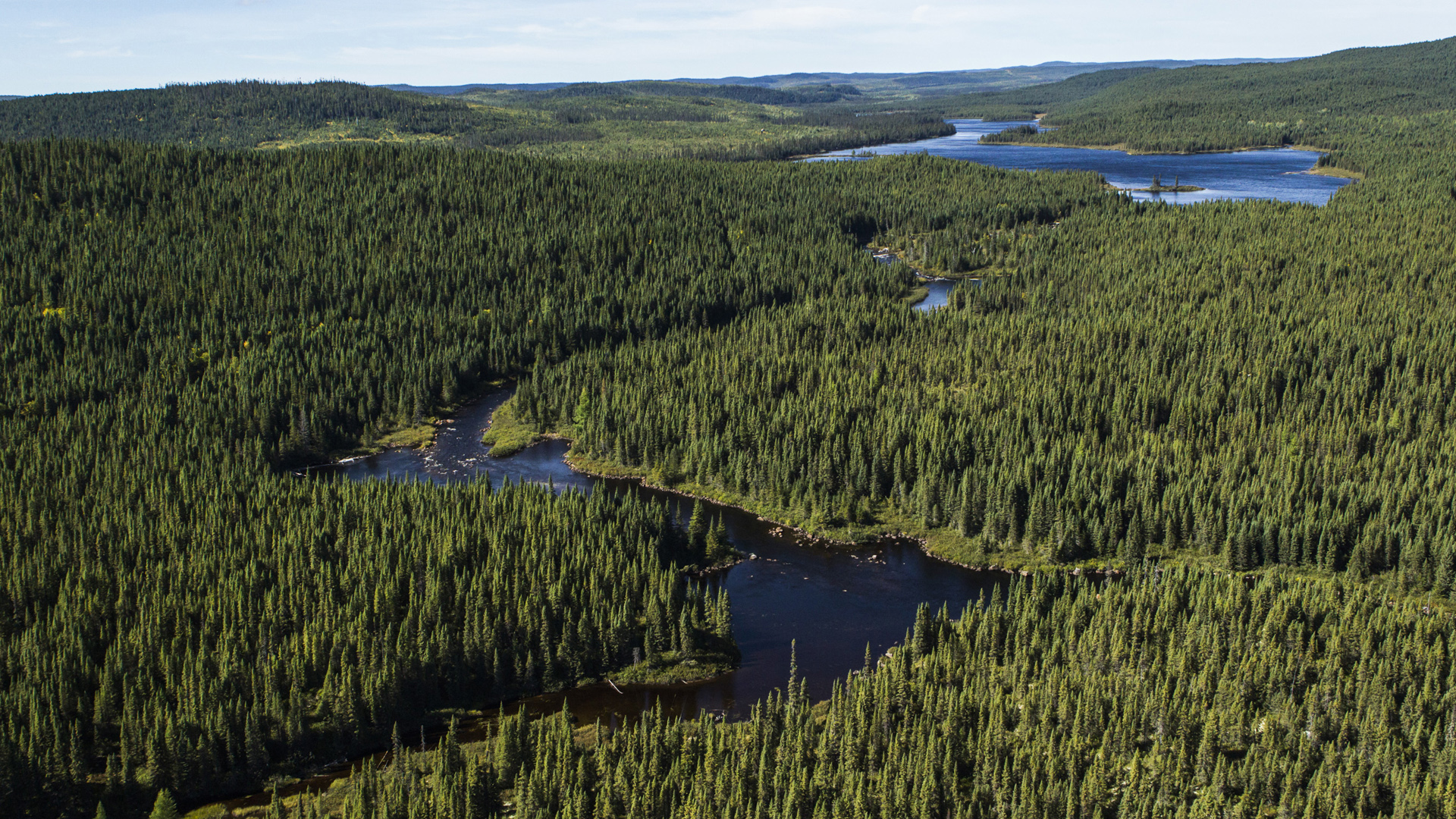
Canada’s boreal region covers almost 60 percent of the country’s land area, essentially spanning from the Atlantic to the Pacific. It is one of the largest and most complex ecosystems on the planet. PHOTO: borealfacts.com

Canada’s boreal region covers almost 60 percent of the country’s land area, essentially spanning from the Atlantic to the Pacific. It is one of the largest ecosystems on the planet. PHOTO: borealfacts.com

Question time. What is the largest intact forest on the planet? If you guessed Amazon, firstly you aren’t the only one; more importantly, you’ll have to know the answer is the Canadian boreal forests. Here are some facts: It covers a staggering 1.5 billion acres, between 1-3 billion birds flock nest and breed here each year, it alone stores 208 billion tonnes of carbon i.e 20 years worth of the world’s emissions from burning fossil fuels, and contains 200 million acres of surface fresh water alone. Yes, that’s a lot of numbers; but they are only some of the reasons for making sure these forests stay intact.

So, whether you enjoy a morning chasing warblers in Central Park’s Ramble, listening to ovenbirds sing in Rock Creek Park in Washington, D.C., scanning the Chicago waterfront for ducks or strolling the shaded paths of Mount Auburn Cemetery near Boston while vireos and tanagers flash through the old trees, you are drawing delight directly from that immense swath of unsullied northern forest.

Continue reading

Can I Take Your Picture?

An autochrome photo of a group of children at National Zoo. PHOTO:  Jacob J. Gayer/National Geographic Creative/CorbisIt’s been a century since National Geographic published its first color cover using the autochrome technique. Gradually phased out post 1930 and replaced by Kodachrome and Agfacolor, the autochrome era is said to have given the art of painting a run for its money. With its lush colors and lyrical and evocative quality, the technique not only dislodged black and white photography’s monarchy but also brought together science and art. Credited to the Lumiere brothers, autochrome painted dreams in colors.

Continue reading

A Case for the Wildebeest

According to the UNEP, wildebeest populations have declined in areas of southern and eastern Africa. PHOTO: Natural Habitat Adventures

The Great Migration of Serengeti National Park, designated a World Heritage Site, is legendary. The stars of this 1,200-mile odyssey are the wildebeest – 1.5 million of them – accompanied by 200,000 zebras. Every year is an endless journey for them, chasing the rains across 150,000 square miles of woodlands, hills and open plains. With them having firmly established their caliber as a species built literally for the long run, the migration spectacle should probably be the only space where the wildebeest find a mention. But conservation debates are hovering over these beasts – categorized as non-threatened by the IUCN – and looking at them as a keystone species.

Continue reading

Bats can Focus Biosonar by Stretching Mouths

While in Cockpit Country for our first expedition to Jamaica looking for the Golden Swallow, John, Justin and I watched in awe as hundreds and hundreds of bats flowed out of a cave and flew in a distinct path right by us over the course of half an hour. The slightly shoddy video below can only partly convey the sensation of having the flapping mammals zoom past in a steady stream. We’ve recently featured a couple stories of scientific developments in bat research on the blog, including wing-beat echolocation in fruit bats and singing for communication in other species.

A couple weeks ago, we learned via Discover Magazine’s science blog by Continue reading