
Nyandarua, Kenya
Nyandarua, Kenya

People work to reforest Allegheny National Forest in Pennsylvania circa 1934.
Photograph: Universal History Archive/Universal Images Group via Getty Images
Planting trees, we have noted, is smart policy. Some campaigns may have stretched beyond scientific evidence, but science has given us plenty to go on:
Very cool: trees stalling effects of global heating in eastern US, study finds
Vast reforestation a major reason for ‘warming hole’ across parts of US where temperatures have flatlined or cooled
Civilian Conservation Corps workers plant 15,000,000 trees across the wastelands of southern Mississippi on 11 April 1940. They are part of the United Forest Service which will re-establish forests destroyed by logging and lumbering operations decades ago. Photograph: AP
Trees provide innumerable benefits to the world, from food to shelter to oxygen, but researchers have now found their dramatic rebound in the eastern US has delivered a further, stunning feat – the curtailing of the soaring temperatures caused by the climate crisis.
While the US, like the rest of the world, has heated up since industrial times due to the burning of fossil fuels, scientists have long been puzzled by a so-called “warming hole” over parts of the US south-east where temperatures have flatlined, or even cooled, despite the unmistakable broader warming trend. Continue reading

Guapiles, Costa Rica

Visitors to Every Child’s Playground in Avon, Ohio, will find products from Canvus’s nearby factory. Photographer: Brian Kaiser/Bloomberg
We missed Bloomberg’s story about Canvus back in November, but happy to share it now:
Retired Wind Turbine Blades Live on as Park Benches and Picnic Tables
To keep turbine blades from piling up in landfills, startups like Canvus are turning them into new products — and free marketing for wind power.
At first glance, the benches outside the Great Lakes Science Center in downtown Cleveland seem unremarkable. But a closer inspection shows that their droplet-shaped shells aren’t made from wood or metal. A scan of the attached QR codes reveals even more: These benches used to be wind turbine blades…
A big thanks to Yale Climate Connections for bringing Canvus to our attention today:

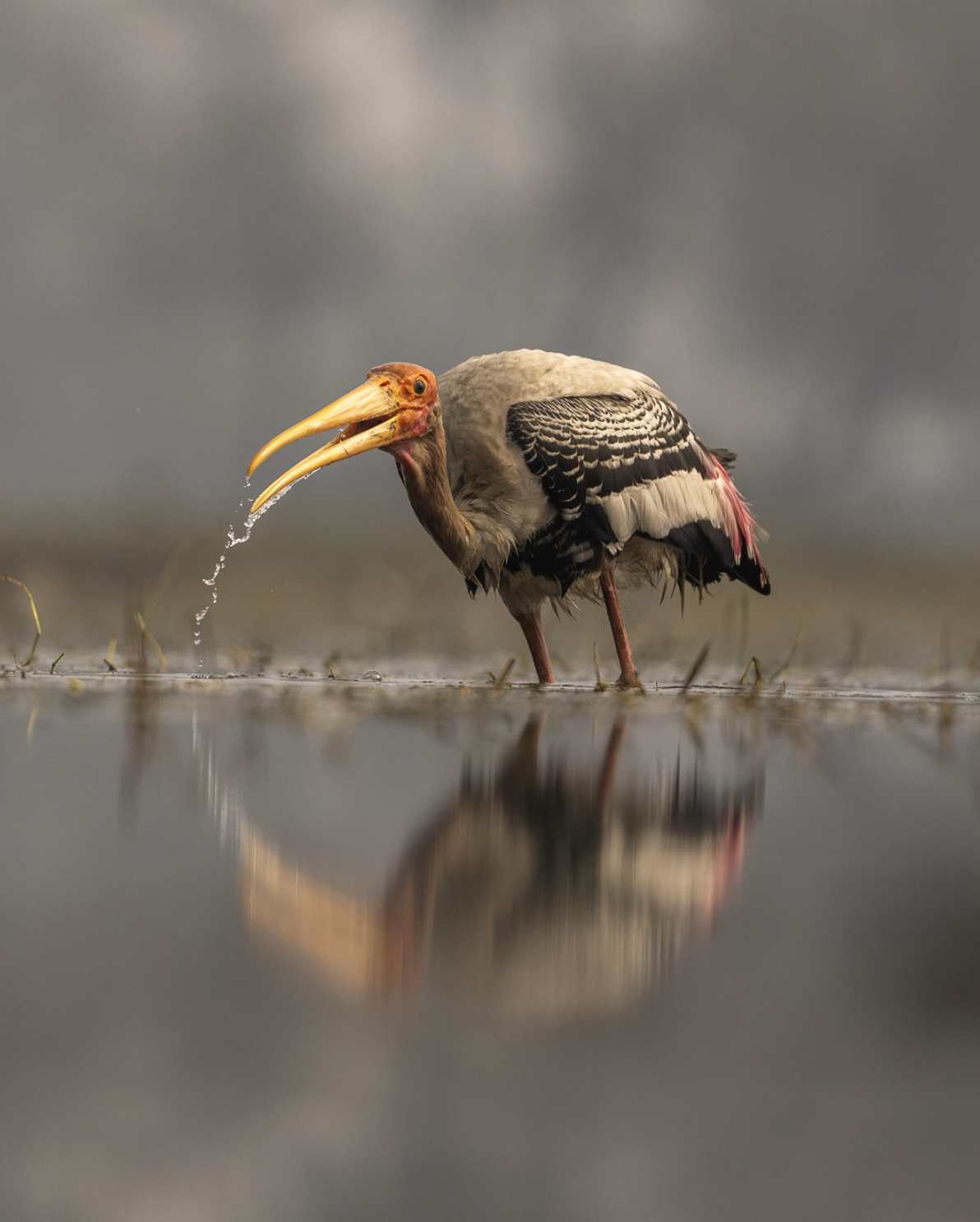
Keoladeo National Park, Rajasthan

A press release for this report above summarizes the findings:
Carbon Clean 200 Companies Outperform Dirty Energy by 39%
The 11th cohort of global Clean200 leaves dirty energy investments in the dust
As You Sow and Corporate Knights today released their 11th update of the Carbon Clean200™, a list of 200 publicly traded companies worldwide leading the way among global peers to a clean energy present and future. These companies generated almost double the returns of the main fossil fuel index from July 1, 2016, to January 15, 2024, despite geopolitical tensions that have favored fossil fuel stocks in the past two years. Continue reading
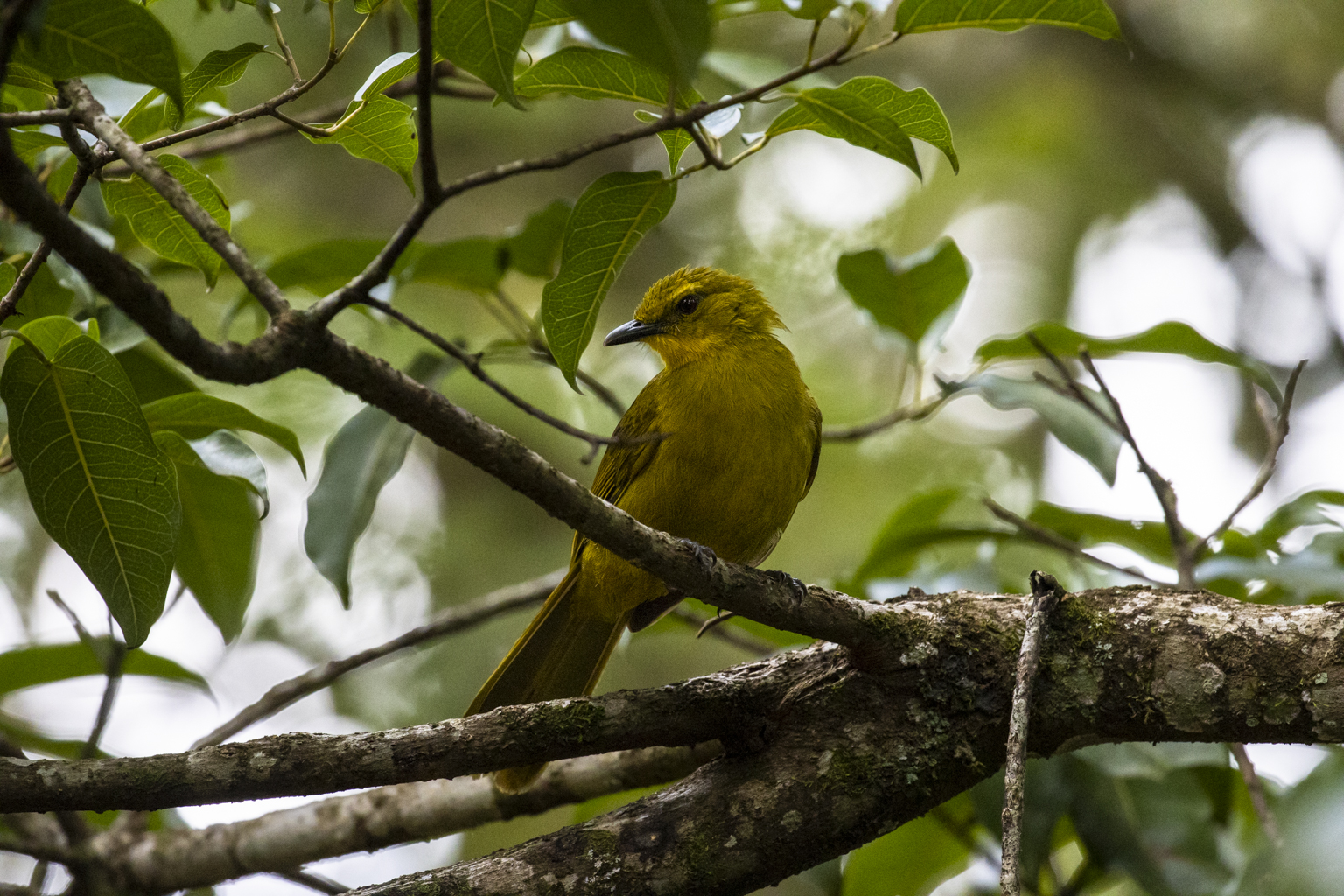
Kakamega Forest National Reserve, Kenya
The San Geronimo Golf Course is being reclaimed and rewilded and is now known as San Geronimo Commons. Jim Wilson/The New York Times
Golf is known to be problematic. But then again, what is not problematic? And we appreciate seeing cases where golf gives way to nature. Our thanks to Cara Buckley for bringing this story to our attention in the New York Times. We applaud the imagination of those responsible:
After Shutting Down, These Golf Courses Went Wild
The restoration of the San Geronimo land is still underway. Trails are planned that would skirt sensitive habitat and help to make it starkly different from its time as a golf course. Jim Wilson / The New York Times Image
Most defunct golf courses get paved over, but a number are getting transformed into ecological life rafts for wildlife, plants — and people.
There was scraggly grass in one sand trap and wooden blocks and a toy castle in another, evidence of children at play. People were walking their dogs on the fairway, which was looking rather ragged and unkempt. This was only to be expected. Continue reading
Namibia

Activists protest against fossil fuels and in particular fracking and liquefied natural gas, or LNG, on day eight of the UNFCCC COP28 Climate Conference at Expo City Dubai on December 8, 2023, in Dubai, United Arab Emirates. (Photo by Sean Gallup/Getty Images)
The news was hailed weeks ago as a big deal. Yale Climate Connections takes the proclomation a step further:
Why Biden’s pause on new LNG export terminals is a BFD
The administration’s move puts a spotlight on a potent climate-warming gas: methane, the main ingredient in natural gas.
Natural gas has long been touted as a “bridge fuel” to a clean energy future that gets all its power from renewable sources like wind, solar, and geothermal power. Continue reading
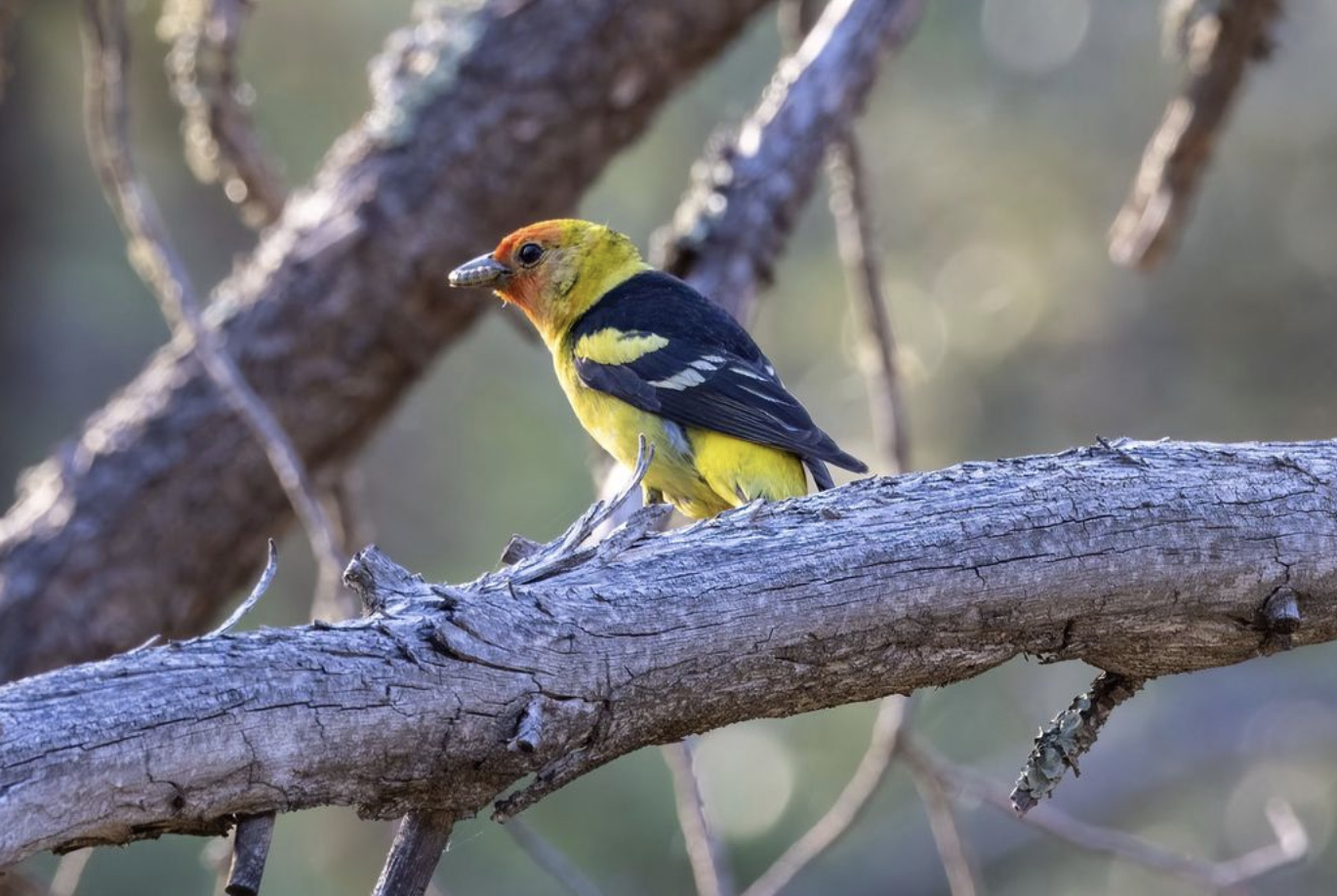
Male
Davis Mountains Preserve, TX
In case you cannot read his essay any time soon, but can watch or listen for an hour, this is equally illuminating. And since he is a quirky fellow, Jaron Lanier’s work and living space is worth a look.

Female
Davis Mountains Preserve, TX

Illustration by Jackie Carlise
Jaron Lanier has been our go-to voice of reason at important moments in technology hype. Here is his take on the latest hype:
Where Will Virtual Reality Take Us?
Apple’s Vision Pro headset suggests one possible future—but there are others.
Because we in Silicon Valley are newness junkies, it can feel like an act of sabotage to have memories, but, for better or worse, I have them. It’s been more than forty years since I co-founded the first company to make headsets and software for simulated experiences, and came up with familiar terms like virtual and mixed reality. Continue reading
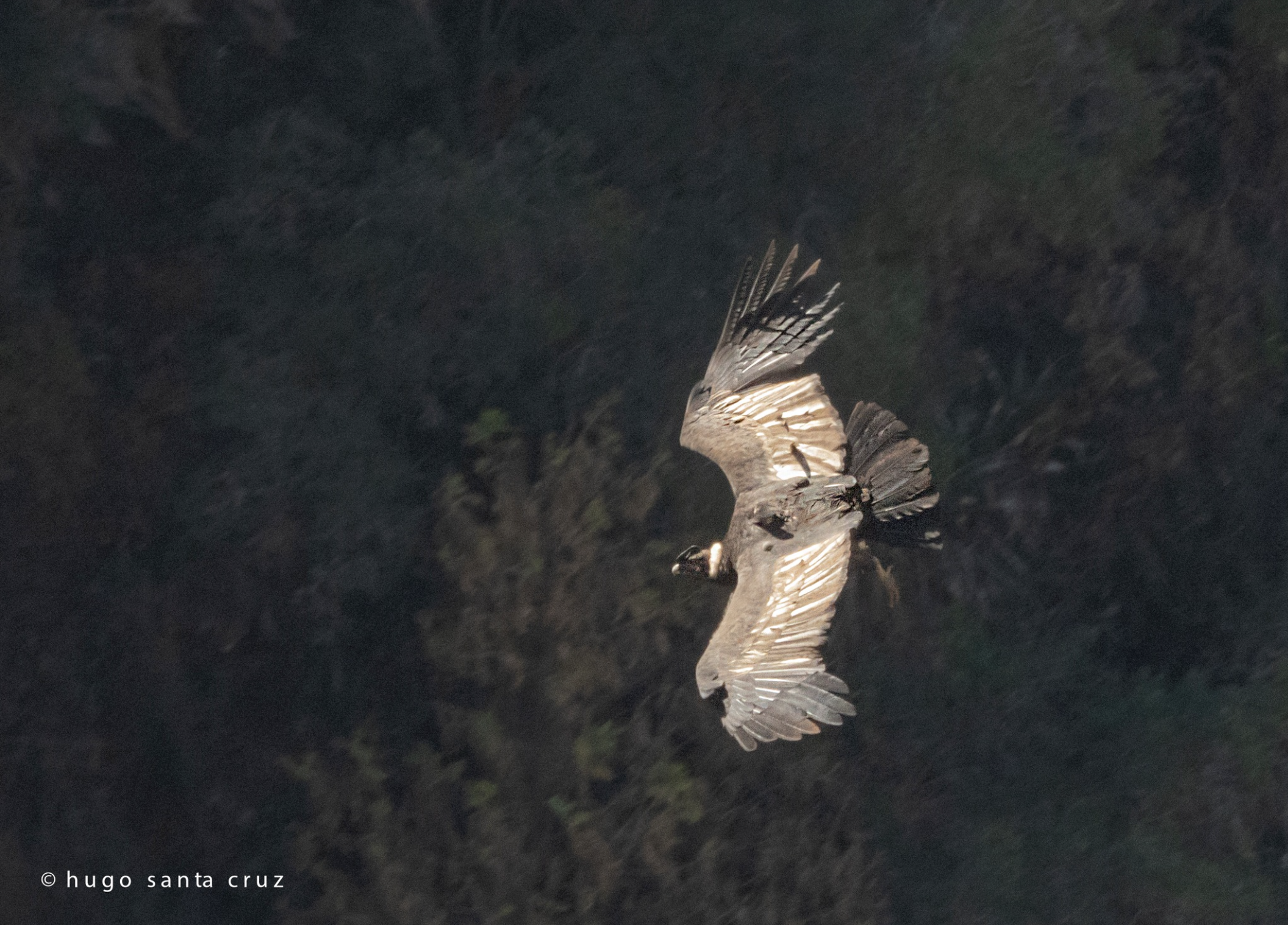
El Palmar Integrated Management Natural Area, Chuquisaca, Bolivia
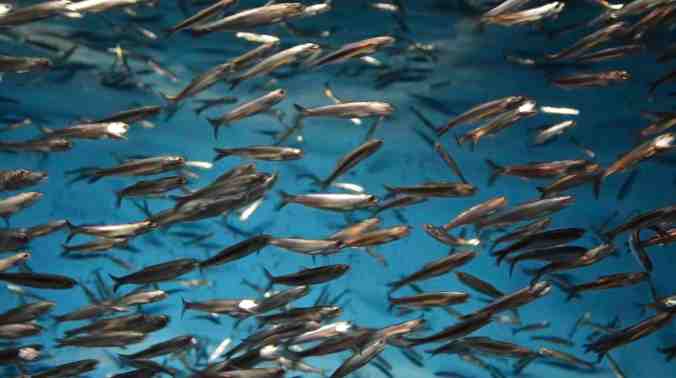
Kalichka / Getty
Anchovies are not exactly a staple in our pages, but they make their presence known. They are important. Thanks to The Atlantic, and their collaboration with Hakai Magazine for this article by Christina Couch that illustrates another remarkable feature of these small creatures:
The little fish’s mating rocks the ocean as much as a major storm.
Bieito Fernández Castro wasn’t expecting to find a turbulent hotbed of anchovy sex.
Commissioned by the Spanish government to investigate the conditions behind algae blooms, which kill mussels, Continue reading
Namibia
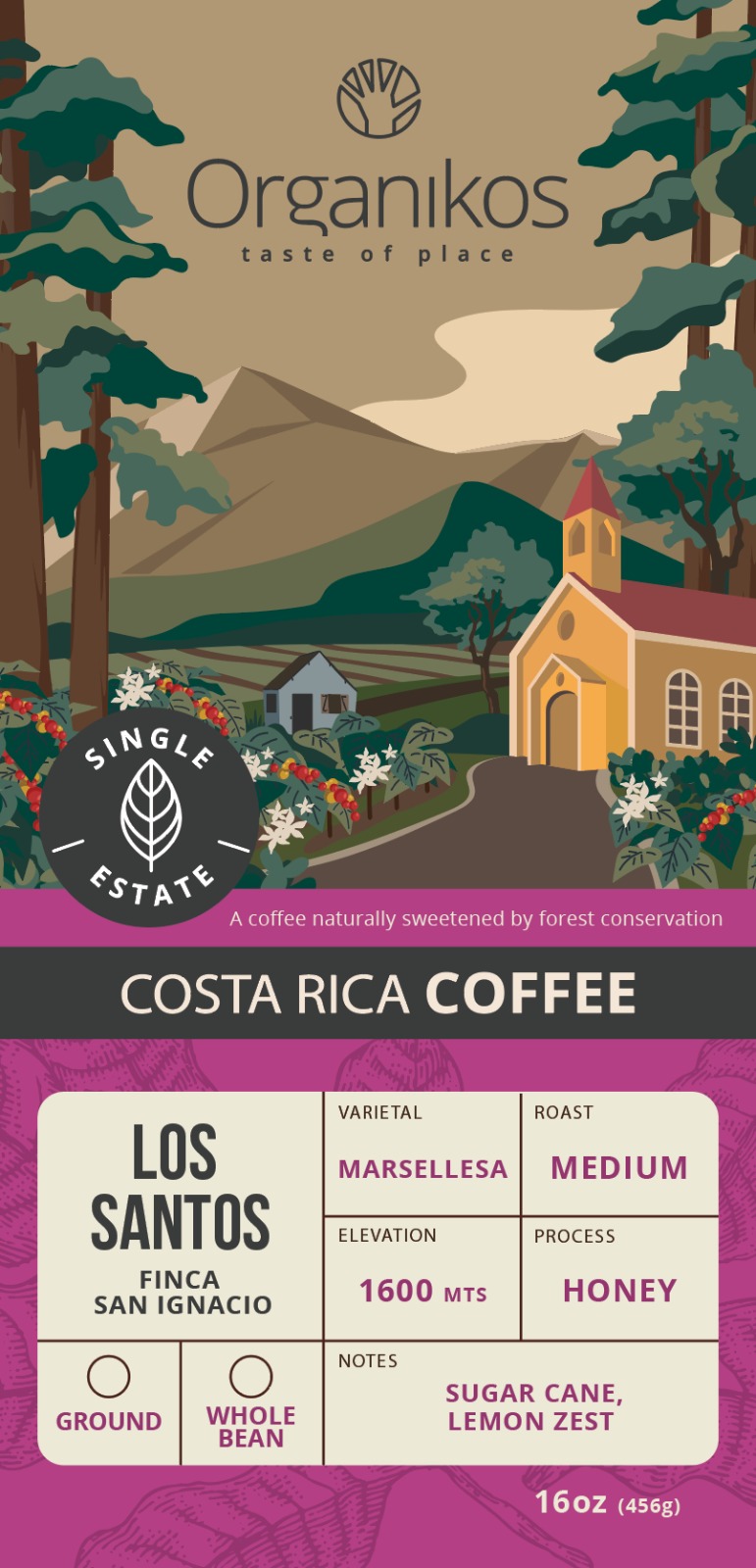 The land of Finca San Ignacio is 57% covered by forest, a form of conservation that is both generous to the planet and beneficial to the quality of the coffee. Shade-grown coffee has numerous environmental benefits, and the natural process of preparing the beans after harvest makes this coffee sweeter than the washed method allows.
This farm is in the highlands of the Los Santos growing region. In a bend to circularity, high elevation not only benefits coffee quality but is also where forest conservation has greater impact. Water first enters the earth’s filtration and storage systems with rains at higher elevations. Conservation of forest up there is more valuable than conservation at the base of the mountain. We see enlightenment at Finca San Ignacio.

Kakamega Forest National Reserve, Kenya
 Central Valley coffee farms produce reliably high quality beans. A few farms produce beans of unusual quality, and we source from these farms to create a blend worthy of the name Reserve. Unlike the chocolate notes typical of a Los Santos coffee, or more fruity or floral notes from other regions, here we find a special toasted nut sensation.
The “architecture of coffee heritage” caption for the image on this label refers to the fact that this building from the 1990s pays tribute to the history of coffee in Costa Rica. It was built within a coffee hacienda, and this year thousands of coffee plants are being replanted on the property. If you have an interest in the feeling of a coffee plantation, and plan to visit Costa Rica, you could not do better than spend a few days here.


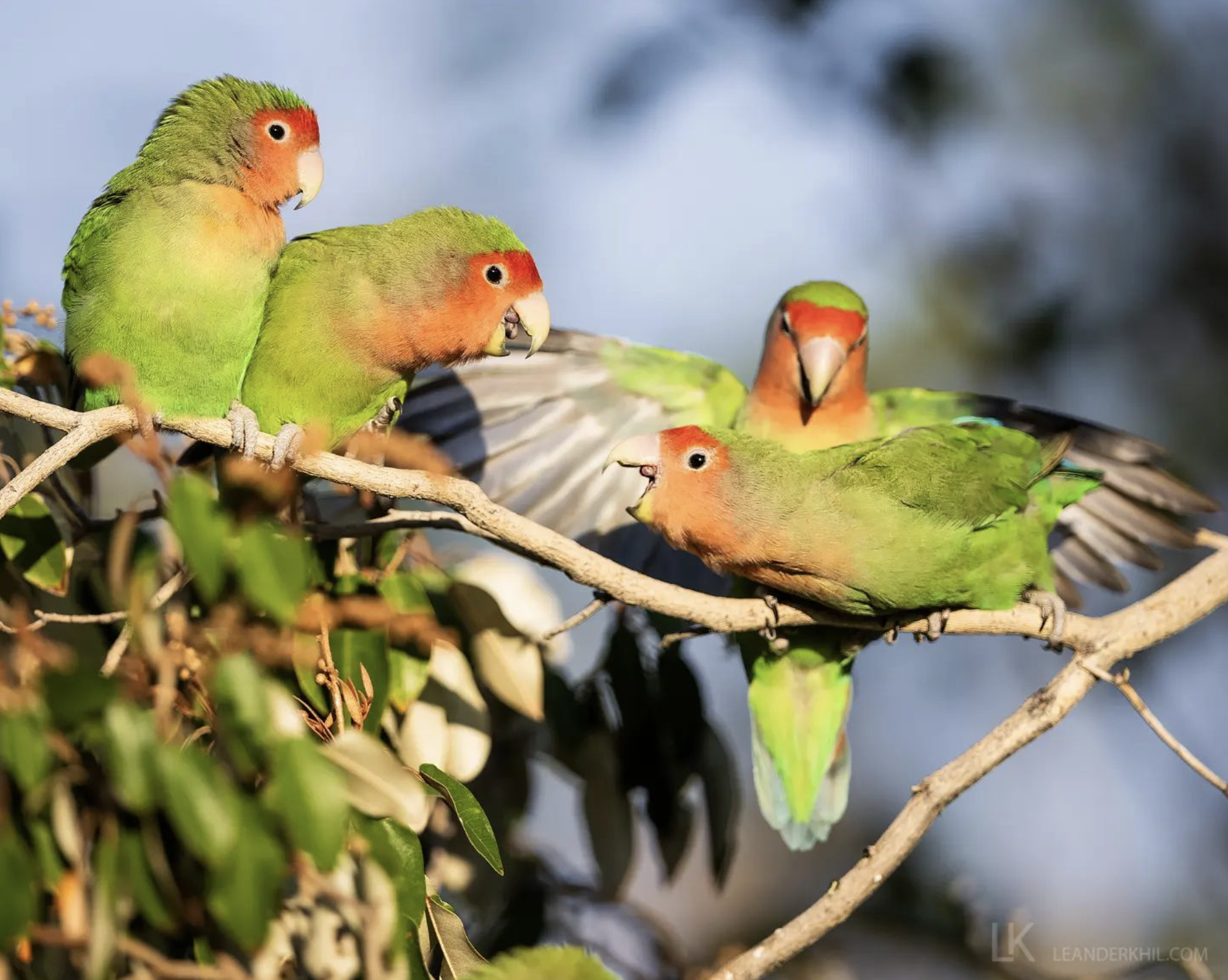

 Organikos