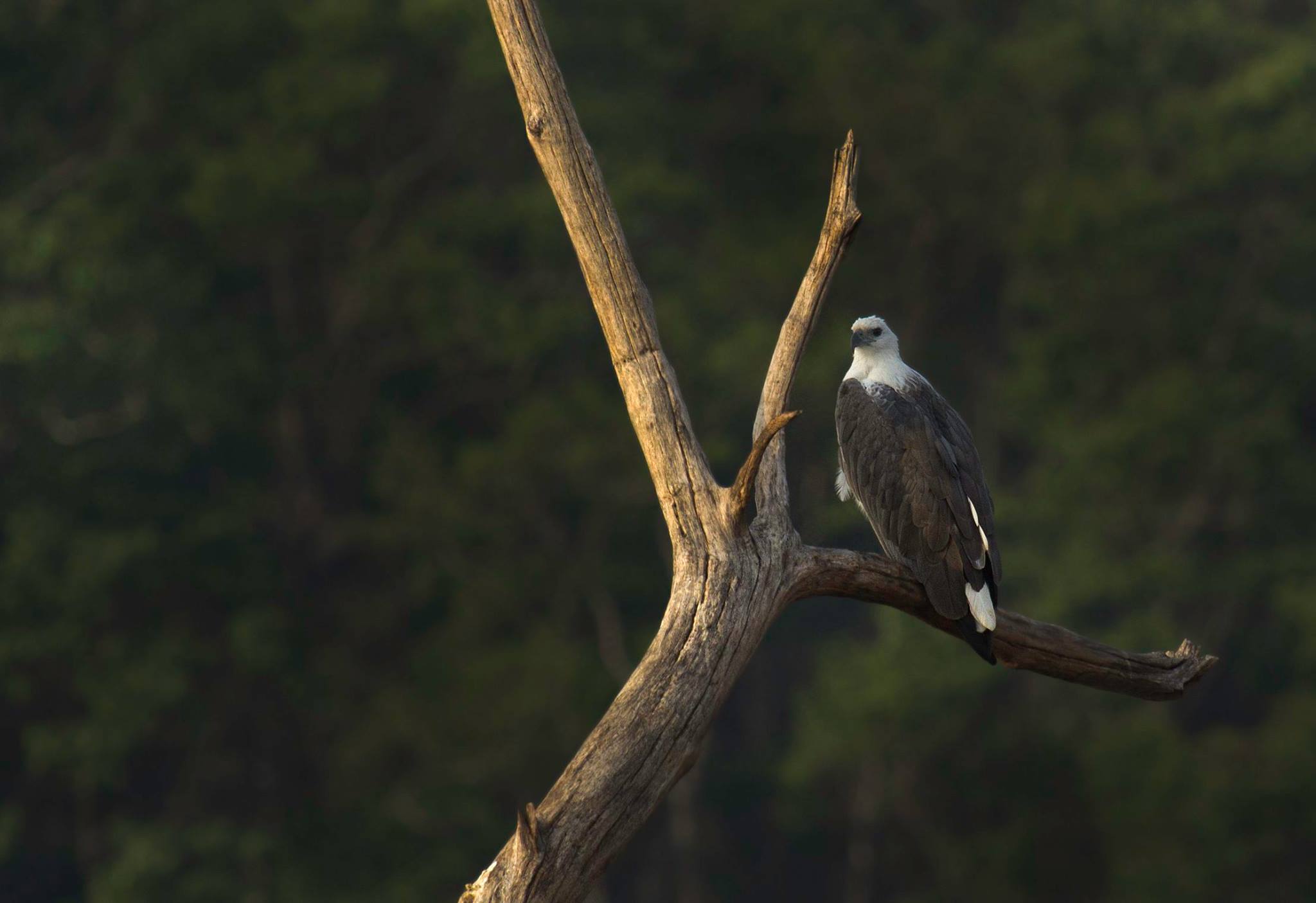
Bhadra Wildlife Sanctuary, Karnataka
Bhadra Wildlife Sanctuary, Karnataka

The Salton Sea is a vital, threatened link between the Colorado River and coastal cities. PHOTOGRAPH BY CLAIRE MARTIN / INSTITUTE
Sometimes reading, like taking vitamins or swallowing that medicine, must be done without a spoonful of sugar. Sometimes we would rather read fairy tales and happily ever after while other times we must read the news, with the detailed pictures and some thoughtful analysis, to know what our future might look like, to get us thinking about what we might do about it if we do not like what we see. This is a must read that fits into the latter category:
…The air smelled sweet and vaguely spoiled, like a dog that has got into something on a hot day. When the wind blew, it veiled the mountains in dust and sent puckered waves to meet the frothy white flow from the pipe. The sea, which is called the Salton Sea, is fifteen times bigger than the island of Manhattan and no deeper in most places than a swimming pool. Since 1924, it has been designated as an agricultural sump. In spite of being hyper-saline, and growing saltier all the time, the sea provides habitat to some four hundred and thirty species of birds, some of them endangered, and is one of the last significant wetlands remaining on the migratory path between Alaska and Central America. Continue reading

I recently wrote an article for the Saporta Report, a metropolitan Atlanta newspaper, on the joys and possibilities of birding in Georgia. It might have some useful information if you’re ever in the area and want to identify the birds that are flying by overhead, so check it out:
…While the awesome wilderness of, say, the mountains of north Georgia guarantee an incredible experience for birders and other naturalists, local parks and preserves like Lullwater have much to offer as well. Just recently, for example, I stopped in at the Clyde Shepherd Nature Preserve (also in Decatur) and the Dunwoody Nature Center (in Dunwoody) and managed to get a few glimpses of some of the metro area’s more interesting avian visitors, including the pileated woodpecker, red-shouldered hawk, yellow-bellied sapsucker, and winter wren. A vigorous hike in Sweetwater Creek State Park (in Douglas County), also not far from downtown Atlanta, turned up a young Cooper’s hawk in addition to more common birds of the forest, such as titmice, nuthatches, woodpeckers, and so forth — a good day, considering that I was also treated to incredible vistas and the historic mill ruins on the Sweetwater’s banks. Continue reading
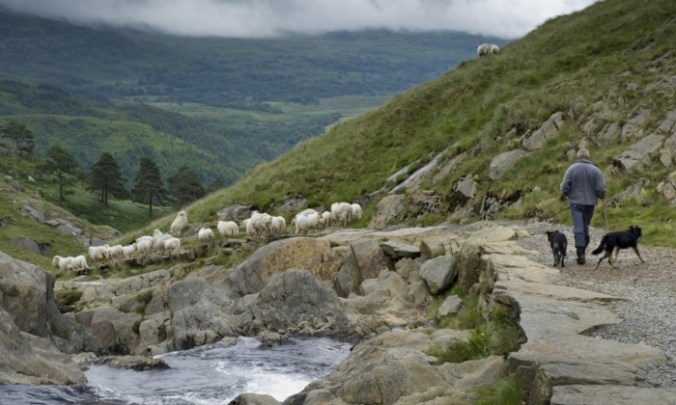
The National Trust is looking for a second shepherd to look after 1,600 mountain sheep in the hills and valleys around Hafod-y-Llan farm. Photograph: Joe Cornish
Thanks to Steven Morris and the Guardian for the public service of pointing out this job posting, on behalf of the UK’s excellent National Trust, which we have posted about on more than one occasion:
Wanted: patient, rain-loving shepherd for Snowdon conservation project
National Trust advertises for second shepherd to walk north Wales foothills to keep sheep away from vegetation such as bog asphodel and fruiting bilberries
Steven Morris
The successful candidate will need to love walking, fresh air, have appropriately trained dogs – and an awful lot of patience.
Applications are open for a man or woman prepared to work evenings and weekends in all elements as a shepherd on an innovative conservation project in the foothills of Snowdon in north Wales.
The idea of the project is to help restore sensitive mountain habitats such as upland heaths and flushes – damp areas – by gently coaxing and nudging sheep away from such areas.
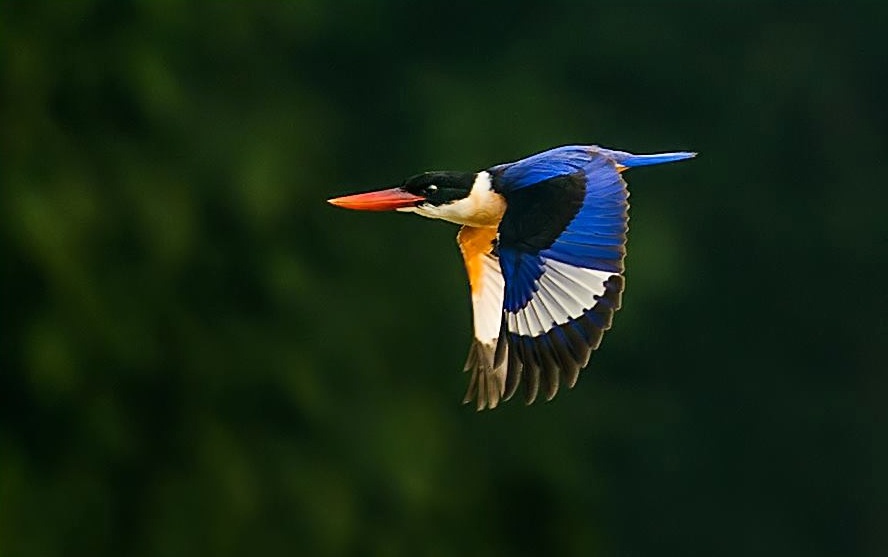
Bhitarkanika National Park, Orissa
Biophilia, the word, came to our attention several years ago, but the concept has been part of our personal ethos for decades. We’re particularly invigorated by the multi-faceted (pun not actually intended) way the word can be applied to so many concentrations, from the scientific, to the literary, to the artistic, to the spiritual.
The work of American artist Christopher Marley attracts on numerous levels. His new book inspires on the design front. For more images and information to pique the interest read McKenna Stayner’s piece in the New Yorker here.

About the book
Christopher Marley’s art expresses his passionate engagement with the beautiful forms of nature. Beginning with insects and moving on to aquatic life, reptiles, birds, plants, and minerals, Marley has used his skills as a designer, conservator, taxidermist, and environmentally responsible collector to make images and mosaics that produce strong, positive emotional responses in viewers. Marley has a brilliant eye for color and pattern in different natural objects, and he expertly captures the deep relationships among them. Biophilia (literally, “love of living things”) is a must-have for nature lovers, designers, artists, craftspeople, and anyone looking for visual inspiration in the arts.

Acuña de Chaupe has become the target of harassment and violence because she refuses to cede her land to Newmont. Photo credit: Latin American Mining Monitoring Programme
Thanks to EcoWatch for this story, which we had not previously posted about but which highlights a cause worthy of supporting in Peru:
…Newmont is majority owner of the massive Peruvian gold mine Yanacocha, the second largest gold mine in the world, and its planned Conga gold and copper mine nearby would be even larger, requiring a farming community to move and the four lakes they rely on for irrigation to be drained.
But the community has so far refused to relinquish its treasured land and lakes, and in response activists say the company has reacted with intimidation and harassment.
One person particularly in the company’s cross-hairs is Máxima Acuña de Chaupe, says activist Mirtha Vásquez, a Peruvian lawyer at Wednesday’s meeting. Continue reading
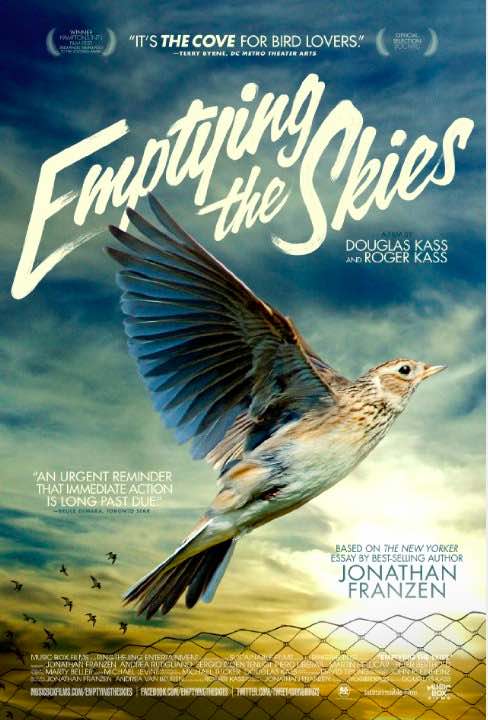 Our literary bird-loving activist took it to another level, as the film (click above) testifies well. Really, this must stop. Thanks to the Cornell Lab of Ornithology for bringing this to our attention with this interview:
Cornell Lab: Where are you from, how did you find out about this issue—and what made you want to make this film?
Roger Kass: Born and raised in Bedford, New York, I have a background in law and movie production. I first learned of the issues presented in Emptying the Skies by reading Jonathan Franzen’s story in the New Yorker magazine and wanted to make a film about it to bring these terrible truths to a larger audience.
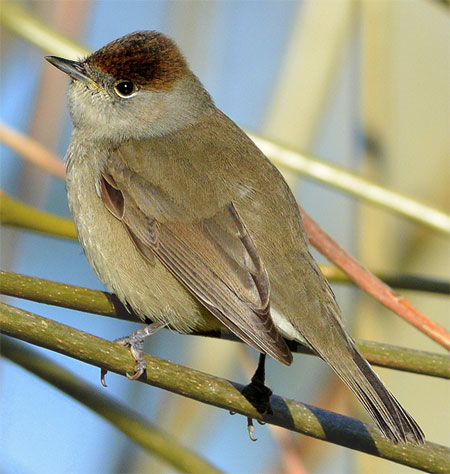
The Blackcap (Sylvia atricapilla) is a commonly hunted species in the Mediterranean. This female safely returned to her northern breeding grounds in England. Photo by jefflack Wildlife & Nature via Birdshare.
The main characters in the movie are environmentalists and people who love animals, but they don’t seem like bird watchers exactly. What motivates them to take this interest in tiny songbirds? Follow-up question: they are all men. Why do you think there were no women?
Doug Kass: As is often the case, there were a lot of things we weren’t able to put into the final film. Most CABS members we met were very passionate bird watchers and had extensive lists of sightings, as well as favorite locations, and bucket lists. You could describe them as “extreme bird-watchers,” because unlike most birders, they come into physical contact with the birds.
If you are podcast-oriented, give Leonard Lopate a listen on this topic: Continue reading
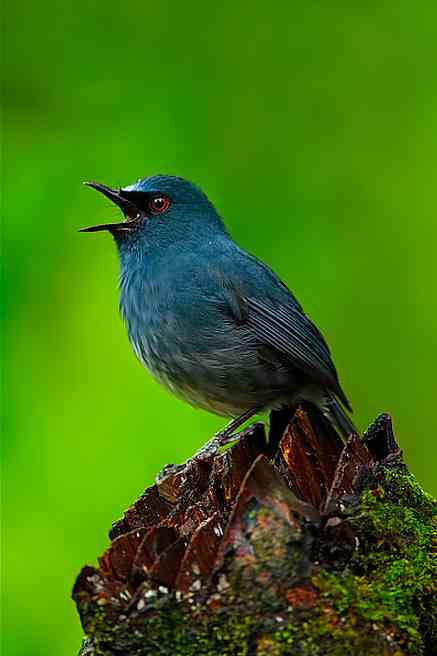
Thattekkad Bird Sanctuary, Kerala
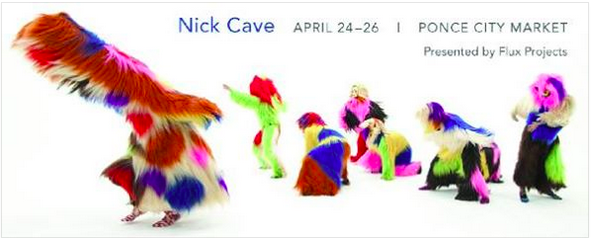
It’s been awhile since we wrote about Nick Cave and the inspired and inspiringly creative form of upcycling he applies in his “happenings”. It seems particularly appropriate that this particular Flux Project (sounds pretty pop-up, right?) takes place at Atlanta’s Ponce City Market, an adaptive reuse renovation of the historic 1926 Sears & Roebuck building into an urban community of hub of living, work and public space.
About the work
Up Right: Atlanta is a “call to arms, head and heart” for Cave initiates—the lead characters of this work. Through the performance, they are prepared mind, body and spirit to face the forces that stand in the way of self-hood, to enter a world over which they have complete control. Initiates become warriors of their own destiny.
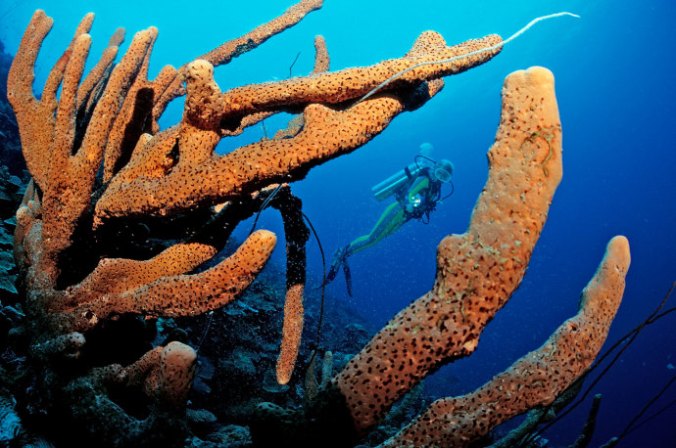
By ignoring sponges, we blind ourselves to a wondrous hidden biology and get a misleading view of evolution. CREDIT PHOTOGRAPH BY REINHARD DIRSCHERL/ULLSTEIN BILD VIA GETTY
In the words of the FM disc jockeys of our youth, we send this one out to Phil:
In the final exams for our undergraduate zoology degrees, my fellow-majors and I were given an assortment of petri dishes, each of them containing an animal. Our task was to classify the creatures to the phylum level. Now, more than a decade later, I can conjure up only two of the test dishes. The first contained a dead cockroach (phylum: Arthropoda). The other contained a rock in a thin layer of water, with a green, slimy film on one of its faces. Midway through the allotted time, the invigilator observed aloud that many of us seemed to be trying to classify the rock. It was, he assured us, a rock. The unspoken corollary: we should perhaps focus instead on the slime. Continue reading
Fort Kochi
Our promise to not participate in the cute kitten economy remains steadfast. This is different. Really. It fits into this category, sort of, or perhaps this one. Hopefully not this one. We like what we see here. Nicolas Deveaux‘s variety are certainly welcome on our pages, one of the many places they were intended to be:
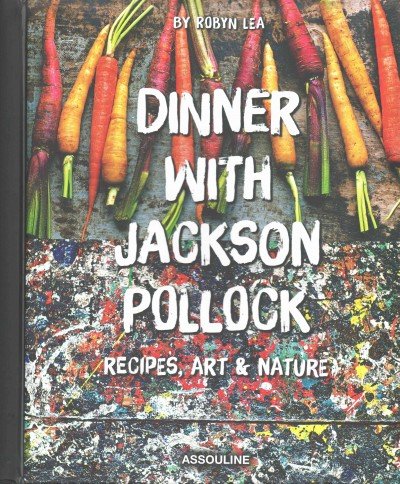
This book review, on the salt (thanks NPR, USA) covers two books for the foodie/arts-oriented audience we sometimes find lurking here:
…We all need to eat, and our preferences are intensely personal. Yet food is often overlooked in the biographies of anyone who wasn’t a chef or gastronomic icon.
Two new books focusing on the culinary lives of artists — Monet’s Palate Cookbook, by Aileen Bordman and Derek Fell, and Dinner with Jackson Pollock, by Robyn Lea — show this to be an oversight. The artists’ approaches to food provide a new way of thinking about their very different approaches to art, and of understanding the artists themselves.
As Francesca Pollock, the artist’s niece, writes in Dinner‘s introduction, “He painted the same way he cooked: Endlessly using leftovers; keeping and re-using; trying one color or shape and then another. There was never ever any waste. Painting, like cooking, was a way of living.”…
…Food only occasionally appears in Monet’s work, mostly in still-lifes. But though he never painted his private kitchen garden, at 2.5 acres, it was sizable in its own right, and surely at least as much a fixture in his life as its more famous blooming cousin. And Monet himself put a premium on food, according to the authors.
“Almost every franc that he earned, after taking care of his family’s welfare, he would spend on the freshest ingredients for meals and improving the interior and exterior of his house” — originally, a farmhouse and cider press, Bordman and Fell write. Monet, we learn, employed a cook, and his diet included eggs from his own chickens. He was actively involved in directing which vegetables were planted (he liked experimenting with new varieties), and which ones ended up on the dinner table… Continue reading

When we invited James Prosek to Kerala it was in part due to his artistic sensibility with eels, and a year after that invitation we gave that peculiar but enchanting sensibility more attention. But by then we had already noticed his bird work at the Cornell Lab of Ornithology, which Seth had watched as it went up, and his family went to inspect at the time of his graduation from Cornell. And so while Prosek has a long history with aquatic conservation Raxa Collective had a new view of Prosek that gravitated to his work with birds.
We are now glad to be reminded of his aquatic passions, in a blog post about conservation by Silvia Killingsworth, the managing editor of The New Yorker, where Prosek features as one of several consulted experts on the fate of the “lowly” eel, which turns out to be much more fascinating than expected (do read the post from start to finish for both conservation and foodie reasons):
…Both the Japanese and European species have been listed as endangered by the International Union for the Conservation of Nature.
And yet, according to James Prosek, an artist, naturalist, and the author of the book “Eels,” the American eel will never be listed under the Endangered Species Act. The E.S.A, Prosek told me last week, “works well for creatures that could go down to a population of six hundred, and eels will never get down to that. Maybe a million, and that won’t be enough to sustain collective consciousness”—it won’t sound bad enough to make the public care. Continue reading

Bandipur Tiger Reserve, Karnataka

In 2008 Amie, Seth and Milo made a pilgrimage with me, accompanying my mother to her village in the mountains north of Sparta, in the region of southern Greece’s mainland known as the Peloponnesos. My mother’s village is in a region known for producing some of the finest olives on earth. More on that later. While there for some days we had outings, including to the walled fortress town of Monemvasia, built nearly 1,500 years ago. In the picture to the right you can see a photo I took from inside a hermitage, a cave where various monks lived throughout centuries, above the walled city.
When I opened the New Yorker this week, I was struck by a photo accompanying one of the stories. It reminded me of the photo I took, but the story below could not be more different than the story I would tell about this hilltop town in southern Greece:
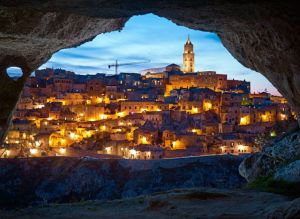
Inhabited since prehistoric times, the caves of Matera, in the Basilicata region, housed mostly the very poor until recent renovations. CREDIT PHOTOGRAPH BY SIMON NORFOLK / INSTITUTE
Take any road in Italy, look up, and you’ll see a lovely hilltop town: a campanile, a castello, a few newer buildings spilling down the slope, as if expelled for the crime of ugliness. But even amid this bounty there is something exceptional about Matera. It clings to a denuded peak in the extreme south of the country, in the Basilicata region—the instep of Italy’s boot. Travellers are often shocked by the starkness of Matera. Continue reading
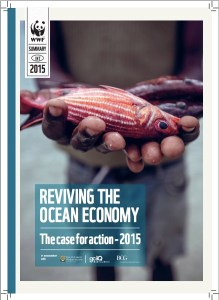
The value of the ocean’s riches rivals the size of the world’s leading economies, but its resources are rapidly eroding, according to a report released by WWF today. The report, Reviving the Ocean Economy: The case for action – 2015, analyses the ocean’s role as an economic powerhouse and outlines the threats that are moving it toward collapse.
The value of key ocean assets is conservatively estimated in the report to be at least US$24 trillion. If compared to the world’s top 10 economies, the ocean would rank seventh with an annual value of goods and services of US$2.5 trillion.

© Jürgen Freund / WWF. Mangrove restoration. Mangroves store carbon and provide over 100 million people with a variety of goods and services, such as fisheries and forest products, clean water, and protection against erosion and extreme weather events. The rate of deforestation of the planet’s mangroves is three to five times greater than even the average global forest loss.
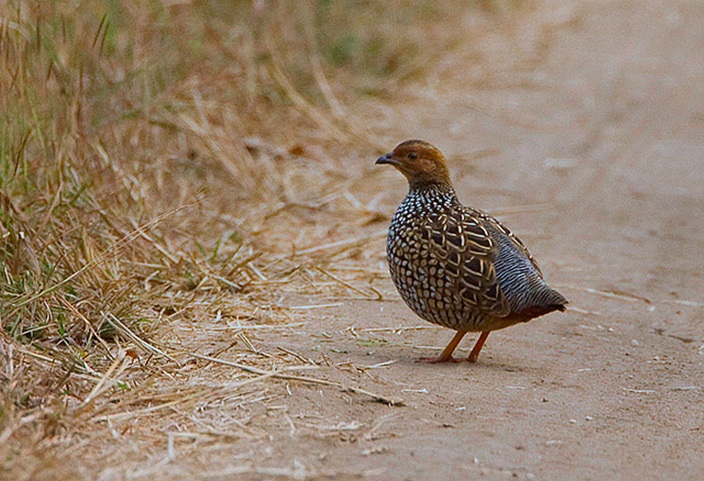
Pench Tiger Reserve, Seoni, Madhya Pradesh
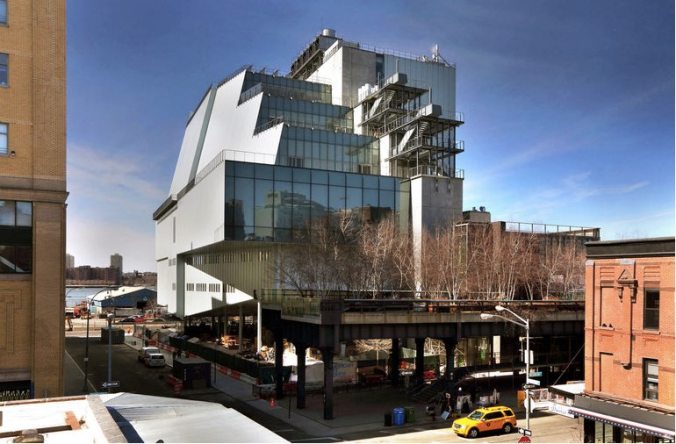
Whitney Museum of American Art. Photograph by Ed Lederman
We have a thing for public spaces, especially when they combine with community activism. We try to get firsthand experience, and when we have learned enough about such places, we share what we can here. Ditto for museum exhibits, special library exhibitions, and unusual library thingys. It is not every day we get to announce the opening, or re-opening, of one of the greatest museums in the world, right in the midst of such a public space:
THE NEW WHITNEY OPENS MAY 1, 2015 BUY ADVANCE TICKETS NOW
The reviews convince us that this will be worth the visit, and this particular wording puts it in perspective:
The Whitney Museum of American Art, long the odd duck among the Big Four of Manhattan art museums—a cohort that includes the mighty Metropolitan, the starry Modern, and the raffish Guggenheim—takes wing on May 1st, when it reopens in a new, vastly expanded headquarters downtown. The fledging owes a lot to the Italian architect Renzo Piano’s ingenious building, on Gansevoort Street, which features six floors of shapely galleries, four open-air terraces, spaces for performance and screening, a library and reading rooms, a restaurant, a café, and an over-all feeling of seductive amenity—a bar on the piazza-like ground floor bodes to be one of the toniest trysting spots in town. It is likely to win far more fans than the Whitney’s old home, Marcel Breuer’s brutalist “inverted ziggurat,” which opened in 1966, on Madison Avenue, and which it vacated six months ago and leased to the Met. Piano’s museum stands at the southern end of the High Line and hard by the Hudson River, in what remains of the tatterdemalion meatpacking district. It looms like a mother ship for both gallery-jammed Chelsea, to the north, and the puttering West Village, to the south. It is instantly a landmark on the cultural and social maps of the city—and on its poetic map, as a site to germinate memories. Continue reading

 Organikos