Northern California’s Public Media Shares Art History With Communities Local And Global

Sonya Noskowiak, Calla Lily, 1932. (Courtesy Center for Creative Photography)

Sonya Noskowiak, Calla Lily, 1932. (Courtesy Center for Creative Photography)

Thanks to KQED (Public Media for Northern California, including National Public Radio and Public Broadcasting System, both of which would have the Raxa Collective seal of approval, if such a thing existed, for their excellent service to their communities) for this story of a not well enough known photographer:

Sonya Noskowiak: A Groundbreaking but Forgotten Photographer

By Matthew Harrison Tedford

…Another photograph, Calla Lily(1932), also possibly shown at the de Young, demonstrates Noskowiak’s thoughtful treatment of light. The flower’s milky white spathe is set against a vacuous black background. The flower appears as if floating, but the light falls on the veins of the leaves, grounding the luminous spathe.

A work titled Sand Pattern (1932) looks like aerial photographs of the Sahara or a satellite image of some uncharted Martian desert. Tentacles of sand stretch out in all directions as if they’re grasping for a nearby oasis. The sand resembles the aluminum powder found in an Etch A Sketch, almost shimmering. In actuality, the patterns might cover an area no larger than a footprint, possibly on a Carmel beach. Continue reading
The Rare Bird That Makes The News

CHESTNUT-BREASTED__2365682r

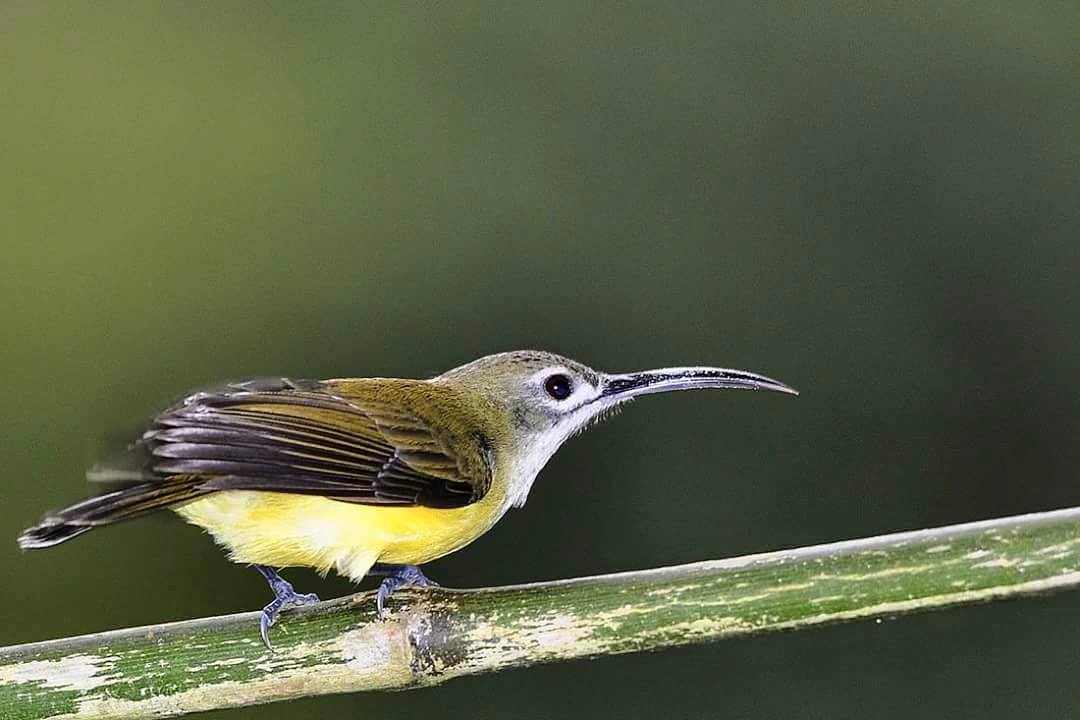
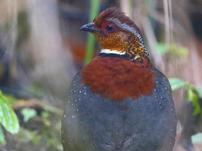
RARE FIND: Chestnut-breasted Partridge. Photo: Gururaj Moorching.

We most love the online edition of the national Indian newspaper, The Hindu, for its occasional willingness to put news like this on the same footing with the “noise” of the more typical “real” news:

Bengaluru shutterbug captures rare Partridge

Mohit M. Rao

Immense patience and a stroke of luck granted wildlife photographer Gururaj Moorching a two-minute encounter with the rare bird.

Continue reading

Wild, Walk, Wonder

12onnature1-mediumThreeByTwo210-v2Keeping it wild is a wonder of its own. Thanks to Britain for that; and to the New York Times for bringing it to our attention:

The Living Beauty of Wicken Fen

In one of Britain’s oldest nature reserves, Darwin collected beetles and Saxon warlords hid from invaders. But walking there now is more than a visit to the past.

Water And Its Discontents

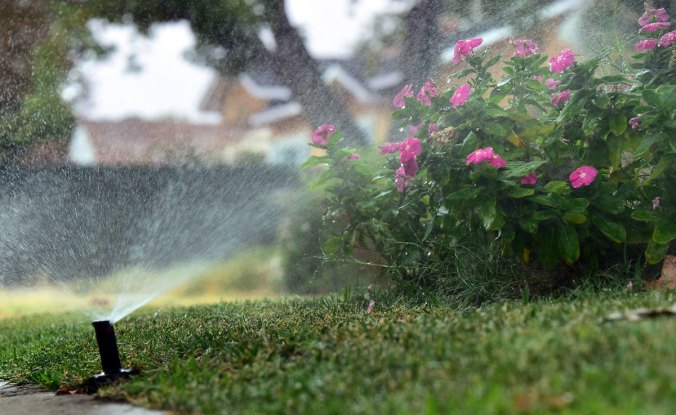
The California drought has prompted Governor Jerry Brown to mandate a twenty-five-per-cent reduction in the state’s water usage. CREDIT PHOTOGRAPH BY FREDERIC J. BROWN / AFP / GETTY

The California drought has prompted Governor Jerry Brown to mandate a twenty-five-per-cent reduction in the state’s water usage. CREDIT PHOTOGRAPH BY FREDERIC J. BROWN / AFP / GETTY

Thanks to this post we learn that writers from one of our most valued sources of cultural and environmental long-form journalism and rapid-fire website posts sometimes travel to Costa Rica, and we can only hope they will consider Xandari a home away from home on such travels. But more importantly, in this post, we are reminded that the environmental footprint of the foods we eat is a relatively new topic for most of us. Did you consider the almond, the way you consider beef, to be one of the greedier foods, in terms of the water-intensity of its life cycle? Until reading this post we were clueless on that topic:

Drought City

BY DANA GOODYEAR

“Los Angeles Residents Walk Up to 4 Hours Per Day to Look for Potable Water”: I read this headline in a small monthly that covers the coastal province in northwestern Costa Rica where I was travelling, but it took me a moment to realize that this was not about the city of nearly four million where I pay my water bill, and not a joke, though it was April 1st. Los Angeles, in this case, referred to a fifteen-family town in the Central American highlands. But my Los Angeles is in for it, too, and it is a measure of how imminent and ominous these changes feel that my mistake seemed, for a moment, plausible—a new extreme in a year’s worth of shocking news about the effects of the California drought. Continue reading

Finding Solutions In The Wild, And Out Of The Wild

_81599510_b709fc07-2c46-44c7-8996-3e28da839ced

We normally do not link out to stories of man and wild animal bonding. But occasionally the story has more than aw shucks or just aw value; this is one of those. So is this one. Thanks to the BBC’s magazine for this story:

The lion hugger

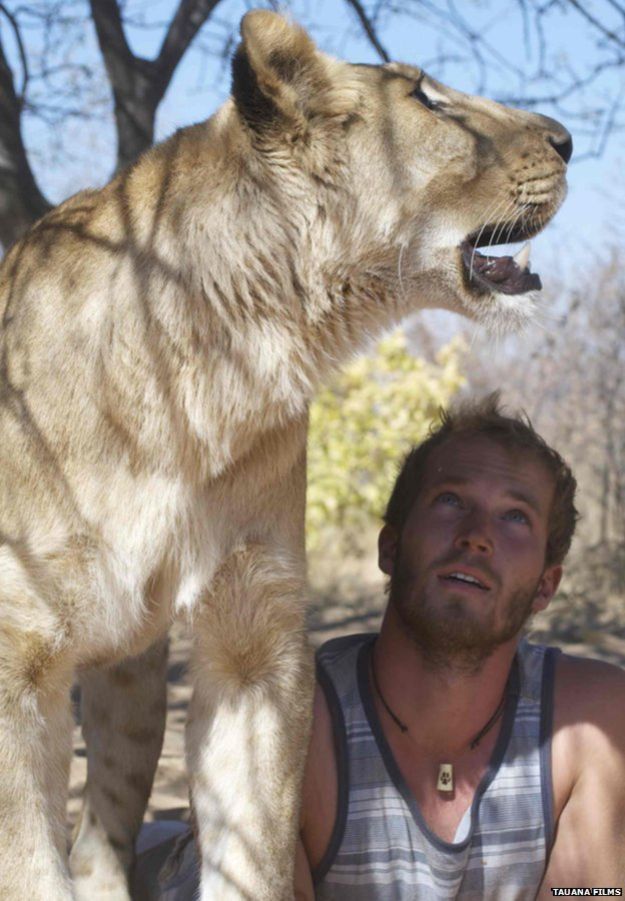
In 2012 Valentin Gruener rescued a young lion cub and raised it himself at a wildlife park in Botswana. It was the start of an extraordinary relationship. Now an astonishing scene is repeated each time they meet – the young lion leaps on Gruener and holds him in an affectionate embrace.

“Since the lion arrived, which is three years now, I haven’t really left the camp,” says Gruener.

“Sometimes for one night I go into the town here to organise something for the business, but other than that I’ve been here with the lion.”

The lion he has devoted himself to is Sirga – a female cub he rescued from a holding pen established by a farmer who was fed up with shooting animals that preyed on his cattle.

Continue reading

Disrupting The Odds

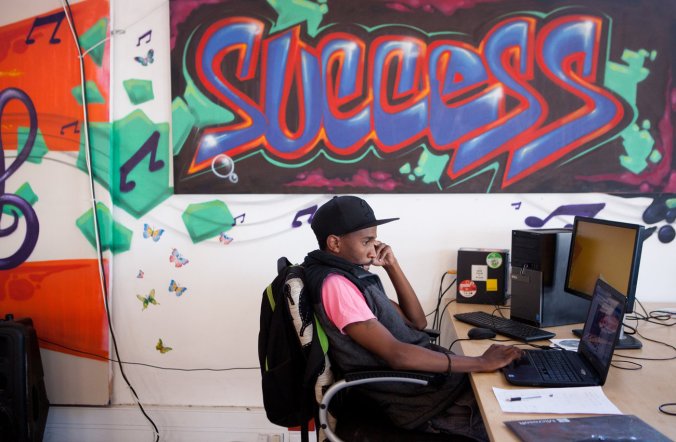
An entrepreneur uses his laptop near graffiti-decorated walls at Hubspace in the Khayelitsha township. Emily Jan/NPR

An entrepreneur uses his laptop near graffiti-decorated walls at Hubspace in the Khayelitsha township. Emily Jan/NPR

Entrepreneurship always catches our attention, especially when the odds appear long from the standard perspective:

Far From Silicon Valley, A Disruptive Startup Hub

EMILY JAN & ADAM SEGE

Starting a business is tough anywhere.

But when you live in a place where many people lack basic services, such as electricity and toilets, it’s even harder.

These are the obstacles facing new business owners in South Africa’s townships — sprawling communities designated for nonwhites during apartheid. Apartheid may be history, but two decades into democracy, townships remain overwhelmingly disadvantaged.

Internet service and office space are difficult to come by. There are few sources of investment from within the community, and if you manage to interest a potential funder who is an outsider, you have to hope you can manage to travel to a meeting.

Continue reading

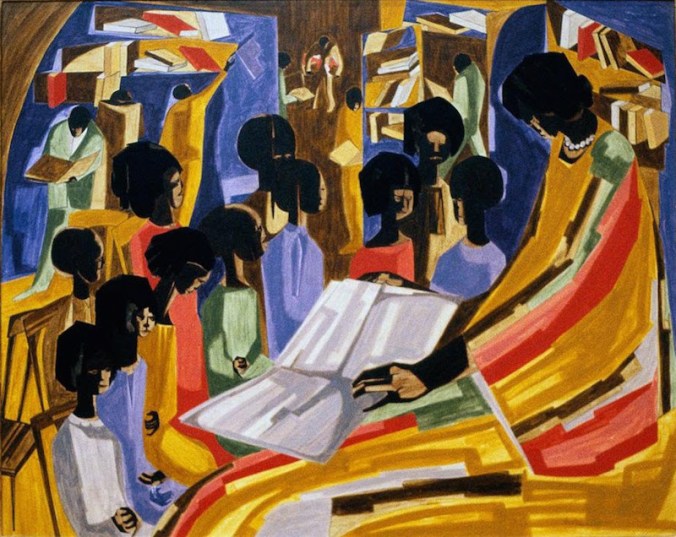
Inspired By Libraries Without Borders

jacob-lawrence-library-1

from a series on libraries by Jacob Lawrence.

What a wonderful surprise, to come across this talk by Kenan Malik, on a topic that has been of interest to us for some time:

I gave a talk at the launch at London’s Institut Français of Libraries without Borders, the charity inspired by Patrick Weil that aims to increase global access to books and libraries. Also speaking were Ian McEwan, Lisa Appignanesi, Barbara Band and Patrick Weil himself. Here is a transcript of my talk.


Let me begin with a story not of a library or a book but of a grand piano. The one grand piano in Gaza, that was discovered still intact in a theatre destroyed by an Israeli missile during last year’s war. A piano that has been restored string by string, hammer by hammer, by Claire Bertrand, a young French music technician who travelled to Gaza specially to bring the piano back to life, in a project financed by Daniel Barenboim. Continue reading

Be Wary, Is The Point

Crouch-Amazon-dash-button-690

What would the opposite of a blog-crush be called? Whatever that is, we may have it for Amazon, not least because of their various commercial practices we cannot admire–though we admit to finding Jeff Bezos one of the most fascinating individuals alive today. But also because of our resistance of the standard rush to advance consumerism, and our wariness of innovations that make consumerism more difficult to resist, which this blog post explores in punchy terms:

The Horror of Amazon’s New Dash Button

BY IAN CROUCH

Amazon’s new Dash Button, which will allow shoppers to reorder frequently used domestic products like laundry detergent or paper towels with the click of a real-life button, is not a joke. Many people assumed it was, mostly because the announcement came the day before April Fool’s, but also because the idea seemed to poke fun at Amazon’s omnipresence, making it visibly manifest with little plastic one-click shopping buttons adhered to surfaces all over your home.

There was also something slightly off about the promotional video. Continue reading

The Dumbest Experiment In History, By Far

Screen Shot 2015-04-05 at 7.14.35 AM

It’s official, our blog-crush on this particular conservation-focused entrepreneur. We have not yet heard (click above for a podcast in which “Neil deGrasse Tyson explores the future of humanity with one of the men forging that future: billionaire entrepreneur Elon Musk, CEO of SpaceX and Tesla Motors. Co-hosted by Chuck Nice and guest starring Bill Nye.”) or yet read (continue below to Motherboard‘s interview) anything to make us question that he is the real deal; a living, breathing visionary achiever of heroic proportions:

Elon Musk: Burning Fossil Fuels Is the ‘Dumbest Experiment in History, By Far’

Written by JASON KOEBLER, STAFF WRITER

Elon Musk, founder of Tesla and SpaceX, and chairman of SolarCity, and the guy who dreamt up the hyper loop, says we shouldn’t need an environmentally motivated reason to transition to clean energy. We’re probably going to run out of oil sometime; why find out if we can destroy the world while we do it, if an alternative exists?

“If we don’t find a solution to burning oil for transport, when we then run out of oil, the economy will collapse and society will come to an end,” Musk said this week during a conversation with astrophysicist and Cosmos host Neil deGrasse Tyson. Continue reading

Eye-Popping Understanding Of Palm Oil

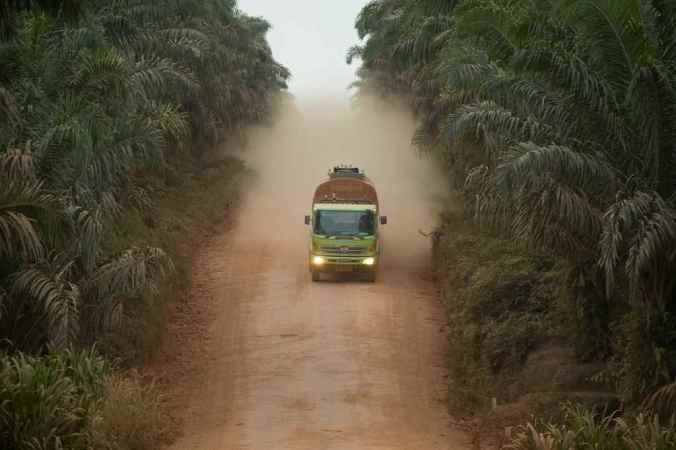
A Cargill-run palm plantation in Borneo in 2009. Image: ​David Gilbert/RAN

A Cargill-run palm plantation in Borneo in 2009. Image: ​David Gilbert/RAN

Every now and then we of non-technical education read an article written by and for a technical audience, and kind of get it, and feel the stretch is worth the effort. Raxa Collective works in locations where palm oil is grown, and recently has scouted locations in Borneo that make this article both eye-opening and eye-popping:

THE BUILDING BLOCKS OF EVERYTHING

The Race for Sustainable Palm Oil

WRITTEN BY ALEX SCOTT FOR CHEMICAL & ENGINEERING NEWS

Palm oil is a wonderfully versatile and cheap raw material. On its own or via chemical derivatives, the oil makes its way into many packaged foods and into household products ranging from fine cosmetics to heavy-duty detergents.

Some 63 million metric tons of palm oil is harvested annually from tropical plantations, 87 percent of it coming from Malaysia and Indonesia. Palm oil is derived from the flesh and kernel of the fruit of oil palms. Demand for the oil is set to exceed 70 million metric tons by the middle of the next decade.

But palm oil’s large-scale use has environmental costs. In Southeast Asia, it is the leading driver of deforestation. Indonesia has the third-largest area of contiguous tropical forest in the world, but according to a 2007 United Nations Environme​nt Programme report, 98 percent of the country’s natural rainforest will be destroyed by 2022 unless strict conservation measures are implemented. Continue reading

Colors From Life Way Out There

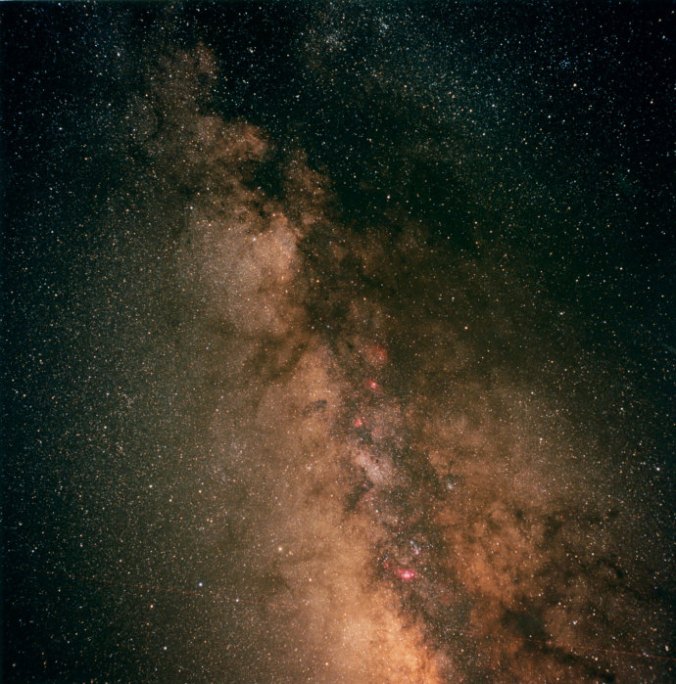
The Milky Way, from Scutum to Serpens and northern Sagittarius. CREDIT IMAGE BY JOHN CHUMACK / SCIENCE SOURCE

The Milky Way, from Scutum to Serpens and northern Sagittarius. CREDIT IMAGE BY JOHN CHUMACK / SCIENCE SOURCE

While pondering our own local attractions in the universe tonight, our minds will certainly wander, in wonder, toward the colors further afield, thanks to this post in the Elements section of the New Yorker‘s website and some of our earlier posts on this topic:

What Are the Colors of Alien Life?

BY NICOLA TWILLEY

Just before it became the first man-made vessel to leave the solar system, in 1990, Voyager 1 took a portrait of Earth, some four billion miles away. Our pinprick of a planet occupied a mere twelve per cent of one pixel, but its atmosphere, rich in water, oxygen, and ozone, reflected and scattered the glow of the sun in an unmistakable way; the astronomer Carl Sagan dubbed Earth the “pale blue dot.”  Continue reading

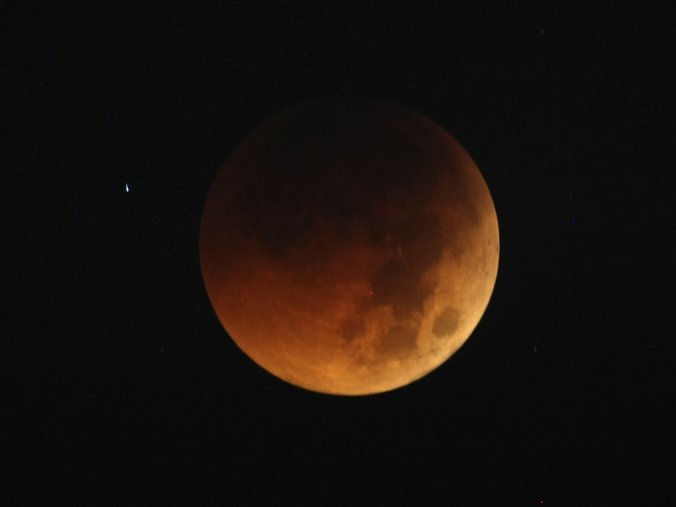
Tetrad, A Wonder To Behold Tonight In Kerala

The moon exhibits a deep orange glow as the Earth casts its shadow in a total lunar eclipse as seen in Manila, Philippines, before dawn Thursday in a June 2011 eclipse. Bullit Marquez/AP

The moon exhibits a deep orange glow as the Earth casts its shadow in a total lunar eclipse as seen in Manila, Philippines, before dawn Thursday in a June 2011 eclipse. Bullit Marquez/AP

Thanks to National Public Radio (USA) for this notification of one of the occasional wonders of the universe, brought to a night sky near you, if you are in one of the lucky places. In Kerala we will be watching over the water from the deck of the restaurant, 51, at Spice Harbour :

Get Ready For The Third Installment In The Lunar Eclipse Tetrad

SCOTT NEUMAN

North Americans could get a glimpse of the Earth shadowing the moon (very) early Saturday — the third in a series of four lunar eclipses that began nearly a year ago. But only those on the West Coast, in the Pacific or Asia will have a chance at seeing the full show.

Continue reading

Embracing Student Activism


Students have been rallying for change since the time of Plato with varying degrees of effectiveness. In fact, the act of questioning authority through dialogue is part and parcel to the educational process. It’s heartening when the voices of resistance from multiple communities join forces to activate change.

Congratulations to the students of Syracuse University for rallying SU to remove endowments to direct investments in coal, gas and oil companies.

Syracuse is the biggest university in the world to have committed to remove its endowment from direct investments in coal, oil and gas companies. It aims to make additional investments in clean energy technologies such as solar, biofuels and advanced recycling.

In a statement, the university said it will “not directly invest in publicly traded companies whose primary business is extraction of fossil fuels and will direct its external investment managers to take every step possible to prohibit investments in these public companies as well”. Continue reading

Necessary Measures Implemented By A Good Man, In A Great State, In A Moment Of Ecological Crisis

California Governor Jerry Brown, left, discusses snowpack at Phillips Station, which this year is bare in April for the first time ever. PHOTOGRAPH BY MAX WHITTAKER/GETTY

California Governor Jerry Brown, left, discusses snowpack at Phillips Station, which this year is bare in April for the first time ever. PHOTOGRAPH BY MAX WHITTAKER/GETTY

We cannot say it is good news, but it is heartening to read news of a man we have always admired taking action in the great state of California, the land of endless possibilities (except where water is concerned). Deniers, back off. Get with the program:

Phillips Station sits about sixty-eight hundred feet up in the Sierra Nevada mountain range, not far from the ski resorts near the southern shore of Lake Tahoe. Each year around this time, a surveyor from the California Department of Water Resources thrusts a hollow, aluminum tube into the snow at Phillips Station—one of a number of such stations across the state—to collect a cylindrical sample. The aim is to measure the depth of the snow, which, as it melts and trickles down the mountain and into rivers and reservoirs, becomes one of California’s most crucial sources of water. Continue reading

If You Happen To Be In London

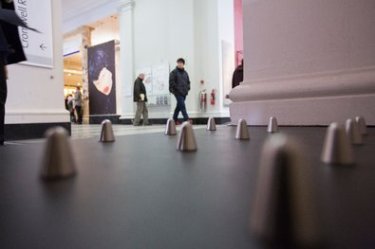
Peter Kelleher/Victoria and Albert Museum, London, 2015. Spike studs, used to keep people from sleeping near buildings, are part of the exhibition.

Peter Kelleher/Victoria and Albert Museum, London, 2015. Spike studs, used to keep people from sleeping near buildings, are part of the exhibition.

When we hear of civic-minded initiatives, museum shows are not the first thing that comes to mind. Schools, and libraries, and conservation initiatives come to mind.

Museums are civic institutions, of course, and we have posted more on this site about museums than almost any other topic.

But civic? We like the theme. This is a show we know will be worth seeing:

V&A Museum Returns to Its Civic-Minded Roots

“All of This Belongs to You,” an exhibition running through July 19 at the Victoria and Albert in London, seeks to stimulate debate about citizenship and the role of museums as public spaces.