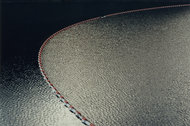
 From this week’s New York Times Magazine, a collection of sublime photographs:
Toshio Shibata’s Mesmerizing Photographs of Water
Photographs by TOSHIO SHIBATA
The Japanese photographer finds sublime beauty in unlikely landscapes.
From this week’s New York Times Magazine, a collection of sublime photographs:
Toshio Shibata’s Mesmerizing Photographs of Water
Photographs by TOSHIO SHIBATA
The Japanese photographer finds sublime beauty in unlikely landscapes.
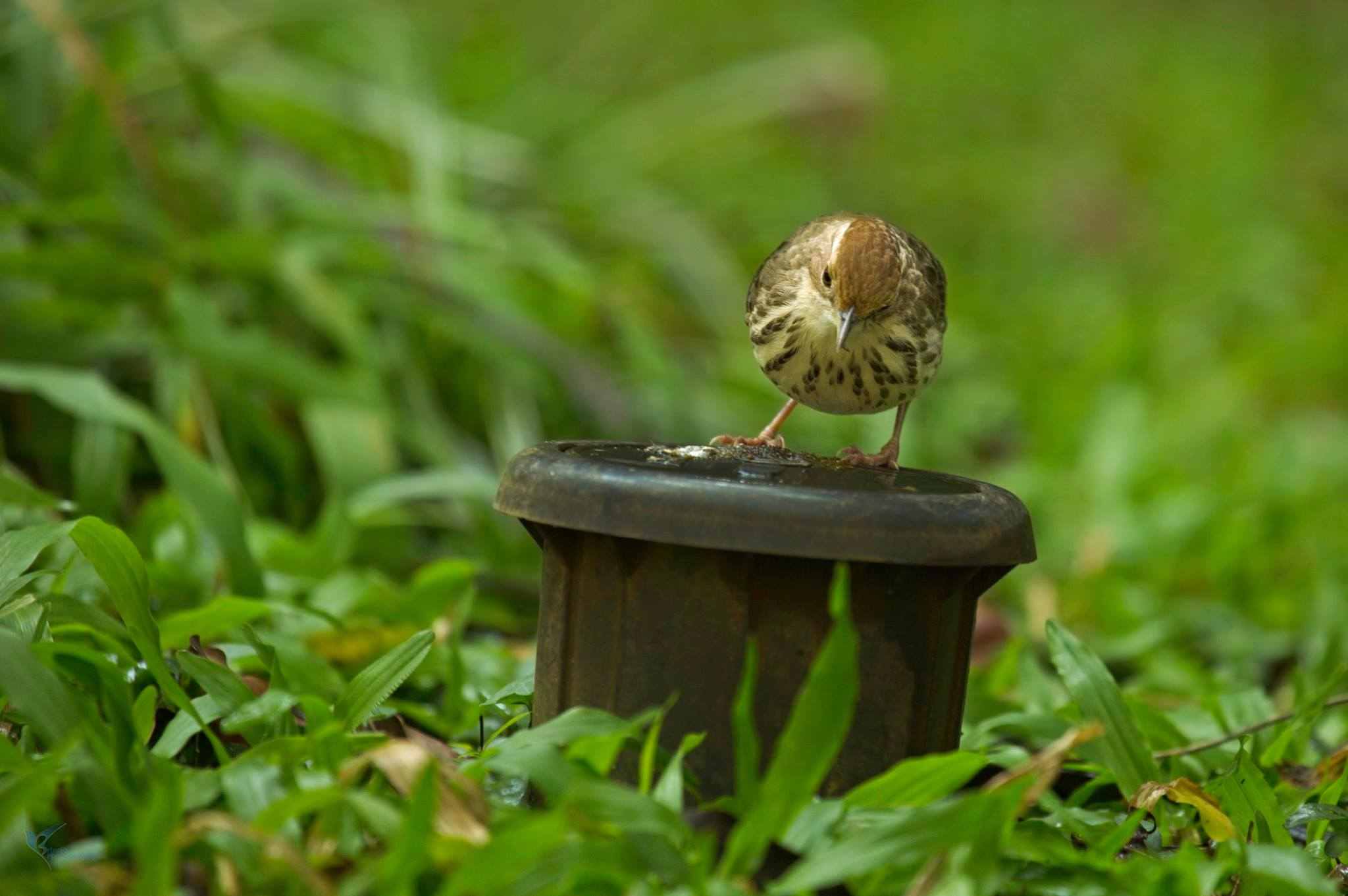
Nandi Hills, Karnataka

The Koch brothers are a wondrous phenomenon. You probably knew that. What can you do (?), you might ask. We know the feeling. Well, here is something. A public service announcement from our colleagues at EcoWatch, linking to a petition effort worthy of your consideration:
The Natural History Museum just released an unprecedented letter signed by the world’s top scientists, including several Nobel laureates, calling on science and natural history museums to cut all ties to the fossil fuel industry.
The letter comes on the heels of recent news that Smithsonian-affiliated scientist Willie Soon took $1.25 million from the Koch brothers, Exxon Mobil, American Petroleum Institute and other covert funders to publish junk science denying man-made climate change, and failed to disclose any funding-related conflicts of interest.
In particular, it points a finger at the Smithsonian National Museum of Natural History (D.C.) and the American Museum of Natural History (NY), where David Koch is a member of the board, a major donor and exhibit sponsor.
Oil mogul David Koch sits on the boards of our nation’s largest and most respected natural history museums, while he bankrolls groups that deny climate science.
Sign this petition to the Smithsonian and the American Museum of Natural History: It’s time to get science deniers out of science museums. Kick Koch off the Board! Continue reading

In response to this successful project, the Gates Foundation recently approved a two-year grant to Kohler to design and fabricate five closed-loop flush toilet systems for field testing in developing world locations that do not have adequate sanitation. Kohler
Some of the things many of us take for granted in the “developed” world – access to toilets and clean drinking water among them, are daily challenges for many living in the “developing” world. India’s new prime minister set a challenge for a Clean India by 2019, which will include 100 million toilets across the country. The goals coincide well with the Bill and Melinda Gates Foundation’s Reinvent the Toilet Challenge, and Kohler’s production of a closed loop toilet system design created by Caltech University that is already coming on line in test areas in India. Continue reading
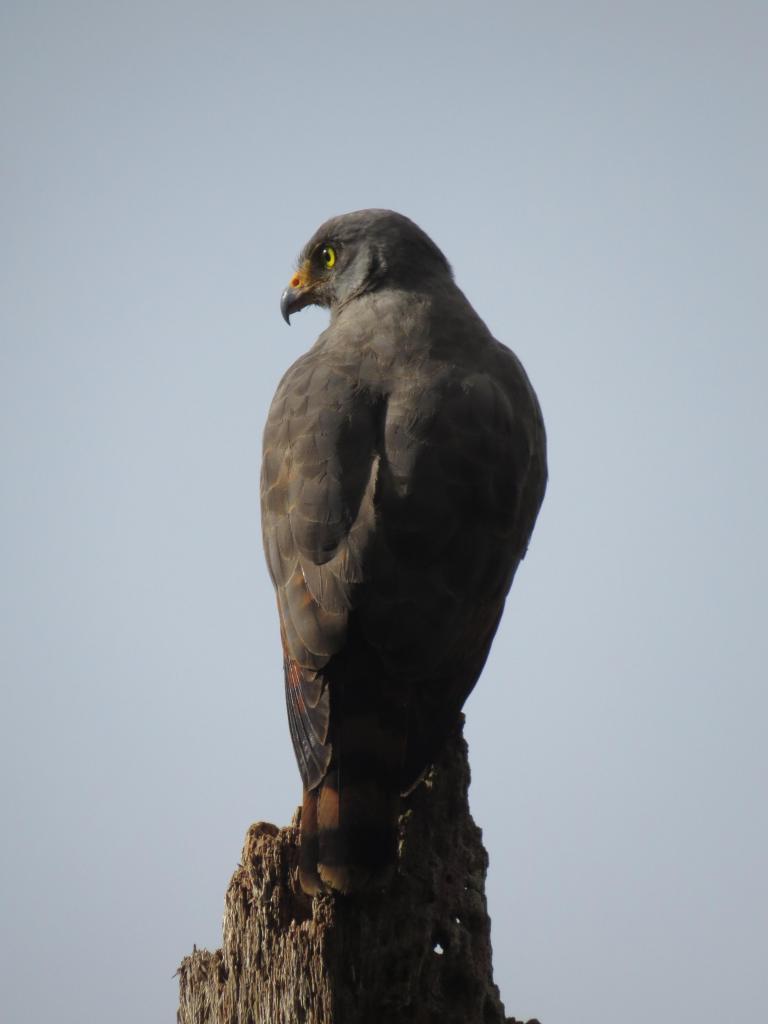
Osa Peninsula, Costa Rica
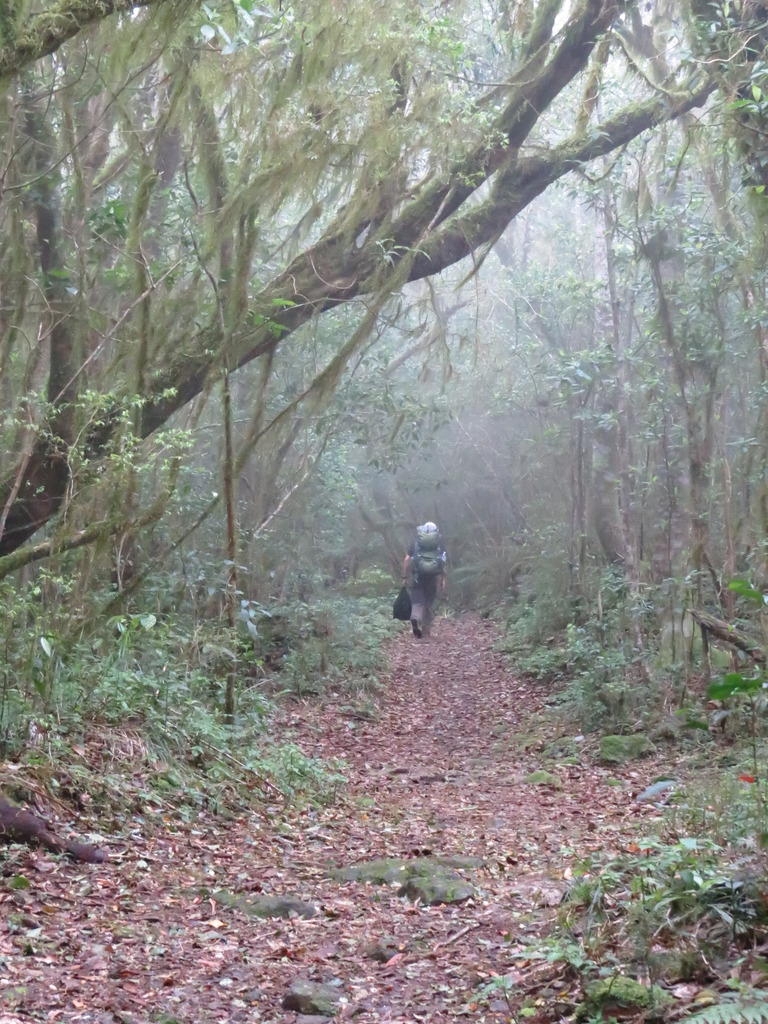
John walking down the mossy forest path
Last week, we hiked up to Blue Mountain Peak, the highest point in Jamaica. To reach the summit, you have to go through Portland Gap, a saddle between Mossman’s and Blue Mountain Peaks and a good point for camping out if you want to do the hike in the morning. Starting with all our camping gear on our backs at the trailhead around 4,185ft, we took a brisk hour’s hike to Portland Gap, gaining 1,356ft of elevation in the process. We set up our tents at Portland Gap, an area with the most Rufous-throated Solitaires we’ve seen so far – they’re very shy birds and are most often only heard, their haunting whistles echoing eerily over valleys and through the forest.
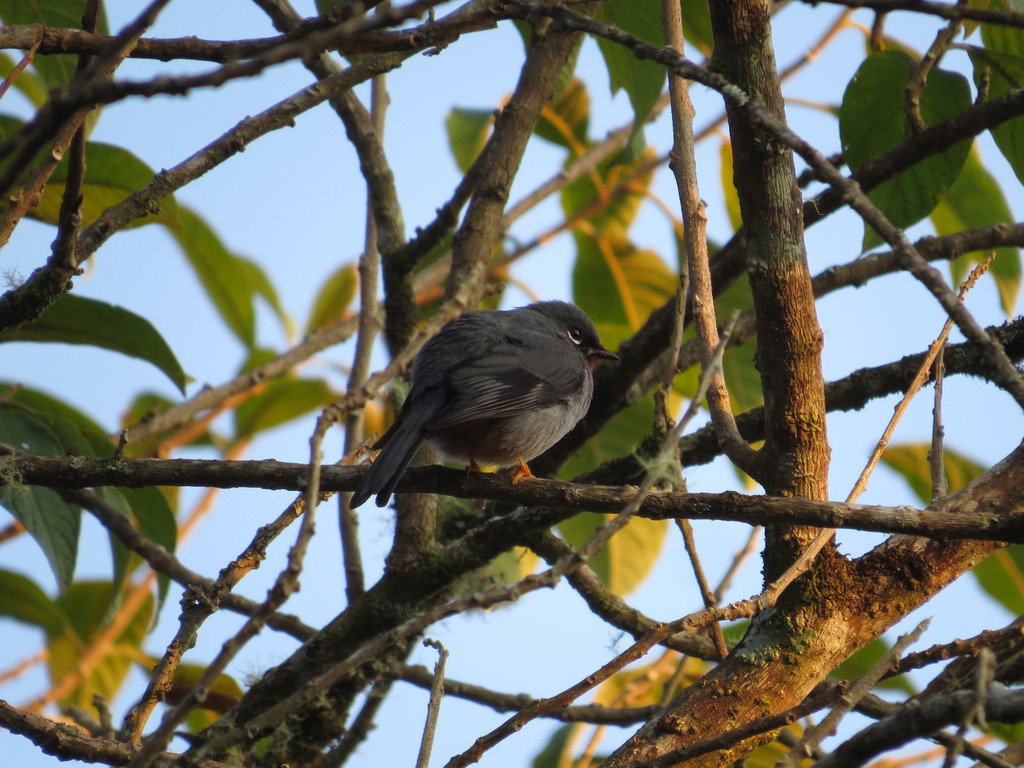
An elusive Rufous-throated Solitaire at Portland Gap
The Gap also ended up being a great spot to see Continue reading
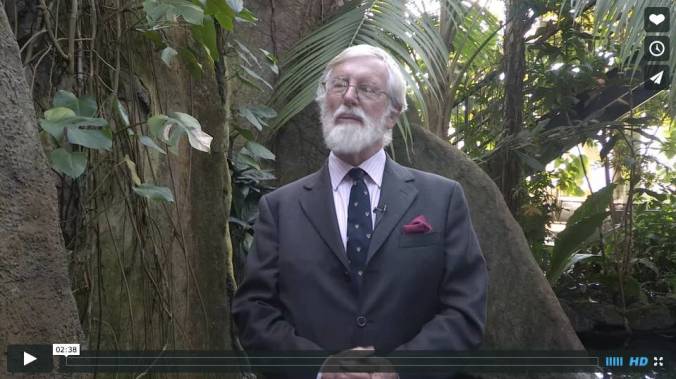
Oliver Sacks, this week, shares a very brief, but powerful reverie that also brings our attention to the man above and the book below. All seem worthy of your time:
Driving down Ninth Avenue, choking on diesel fumes from a truck just ahead of us, I say to my friend Billy (he is exactly two-thirds my age), “I wonder whether you will see the end of internal-combustion engines, the end of oil, a cleaner world.”
A cleaner world. The thought zooms me away from Ninth Avenue to a forest world—in particular, to the one described in “That Glorious Forest,” Sir Ghillean Prance’s book about his thirty-nine visits to the Amazon in the past fifty years. Prance, one of our greatest tropical botanists, is very much in the tradition of Henry Walter Bates and Alfred Russel Wallace and Richard Spruce, who charted the region in the eighteen-fifties. But Prance’s is not just a botanical eye: he sees what we are doing to the Amazon and its many peoples; he speaks for conservation Continue reading
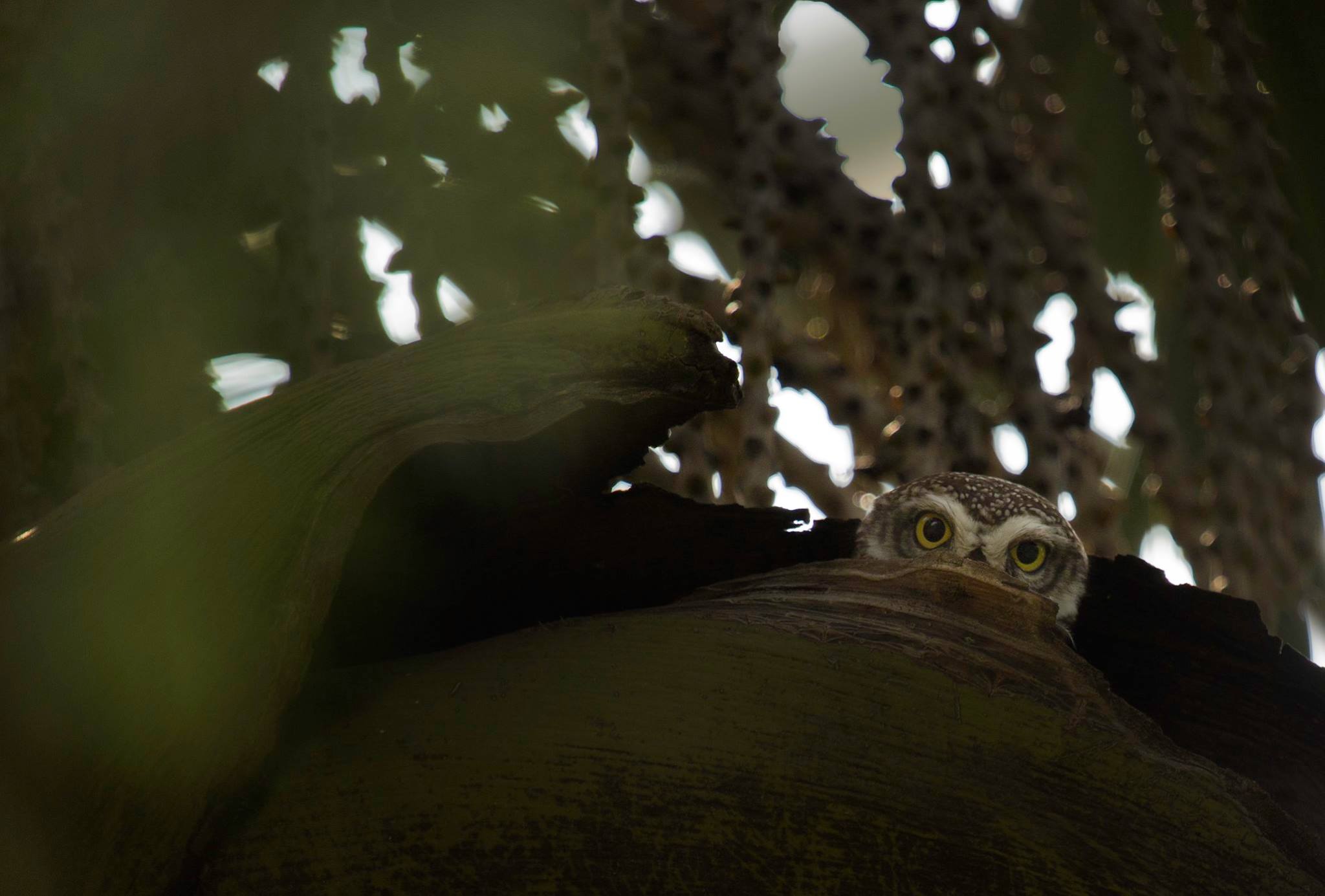
Bangalore, Karnataka
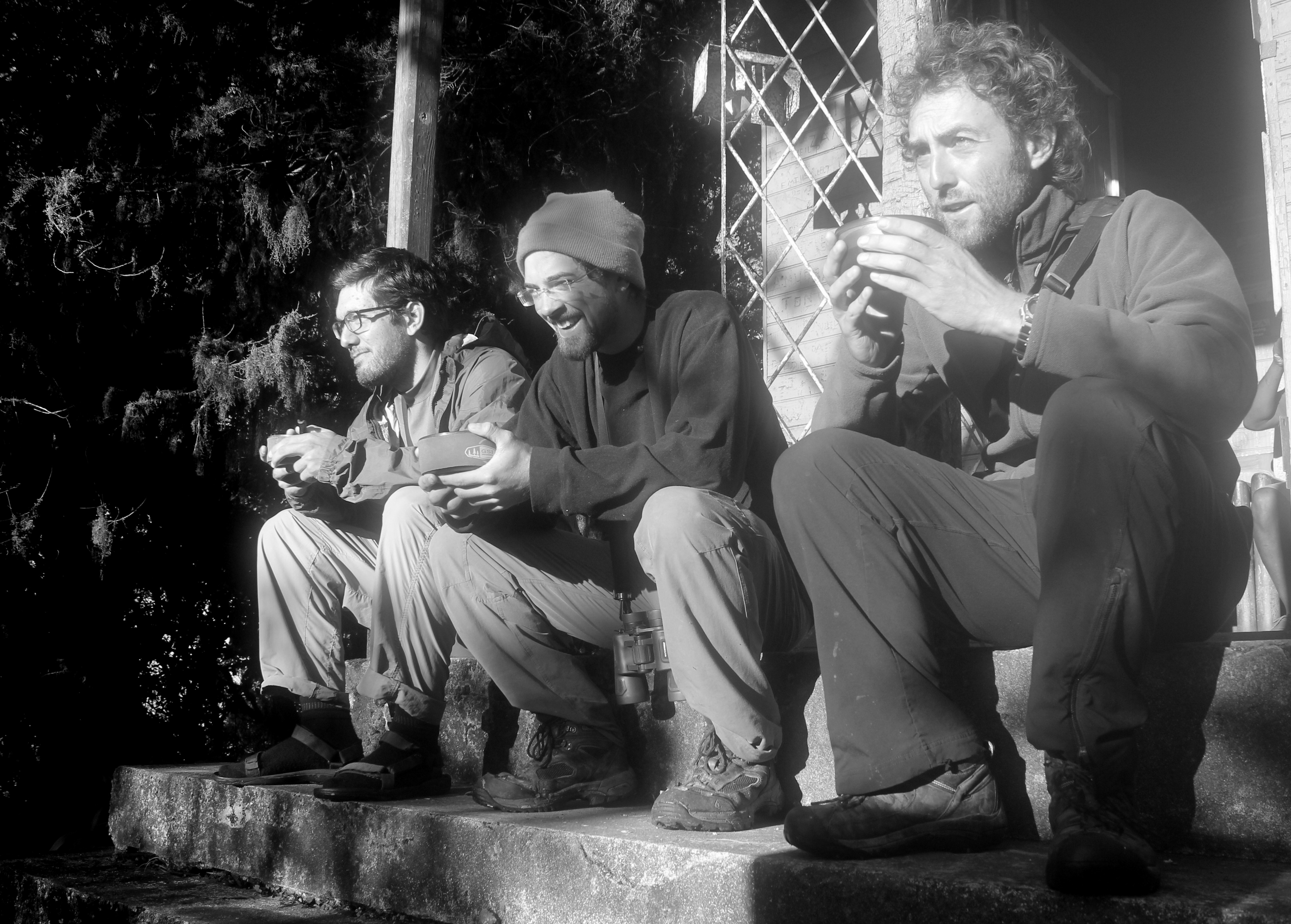
When we find ourselves absolutely overwhelmed by the complexities, demands, and irrational expectations surrounding field work, it’s really nice to remember the simple things – and within them, find peace of mind, stability, and renewed strength.
Waking up early enough so as not to have to rush through a French-press filled with Blue Mountain coffee is a must. It’s 10 minutes of tranquility, when one can sit with friends, contemplate the day’s tasks, and appreciate the scenery you’ve missed while rushing from one place to the next.
And what about those incredibly infrequent times that the birds come to you? Continue reading
Another day, another news cycle. Another week, another wave of stories on topics we care about, some fun, some inspirational, some downright scary. In science news, a story we find not particularly surprising, but we must share it:
Amazon Forest Becoming Less of a Climate Change Safety Net
By JUSTIN GILLIS
The ability of the Amazon basin to soak up excess carbon dioxide is weakening over time, researchers reported last week.

male – Corn Puss Gap, Blue and John Crow Mountains National Park, Jamaica
If you want to get a different perspective and a unique image, you have to be very attentive and keep your camera / lens / eyes focused on your subject.
This is Sonam, one of the Tigresses of Tadoba who had made a kill near a waterbody and likes to come down to the water to cool herself.
Her typical behaviour was to sit in the water for long time and finally get back to her kill.
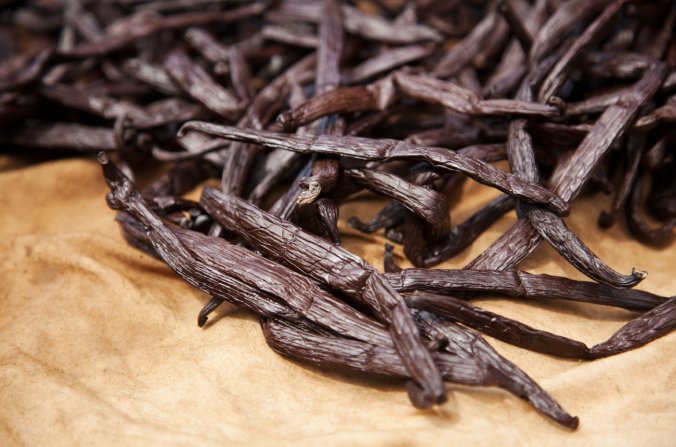
Vanilla is seemingly a prima donna spice because its pods have to be hand-pollinated and then boiled and dried in the direct sun for only one hour. iStockphoto
Spices enrich in more ways than one. Raxa Collective’s home base in Kerala has more stories than we can ever recount to prove this point. Some of the world’s most loved (and enriching) spices originate in Kerala. But for now, we put our attention elsewhere in the spice world. Our friends in Zanzibar are deserving of this attention (thanks to the NPR program, the salt, as always):
Let’s start with a spice quiz. One is a bean discovered in Mexico. One’s a tree native to India. One’s the seed of a fruit discovered in Indonesia.
Today vanilla, cinnamon and nutmeg can all be found in any spice farm in Zanzibar — the East African archipelago that was used as a spice plantation by the 18thcentury Omani Empire. Continue reading

PHOTOGRAPH BY DAN WINTERS
We have said since early on, and plenty of times since, that in these posts we cannot claim to be either committed vegetarians nor committed meat eaters. Rather, we believe–yawn at your own risk–in moderation. This upcoming show sounds like a worthy outing for a novel take on the topic:
Ab Ex meets Zap Comics in the wild imagination of Trenton Doyle Hancock (seen above in his Houston studio). In his boisterous mythologies, villainous vegans do battle with good-guy, meat-eating mutants, and Torpedo Boy—a superhero that Hancock, now forty, first drew in the fourth grade—swoops in to save the day. Continue reading
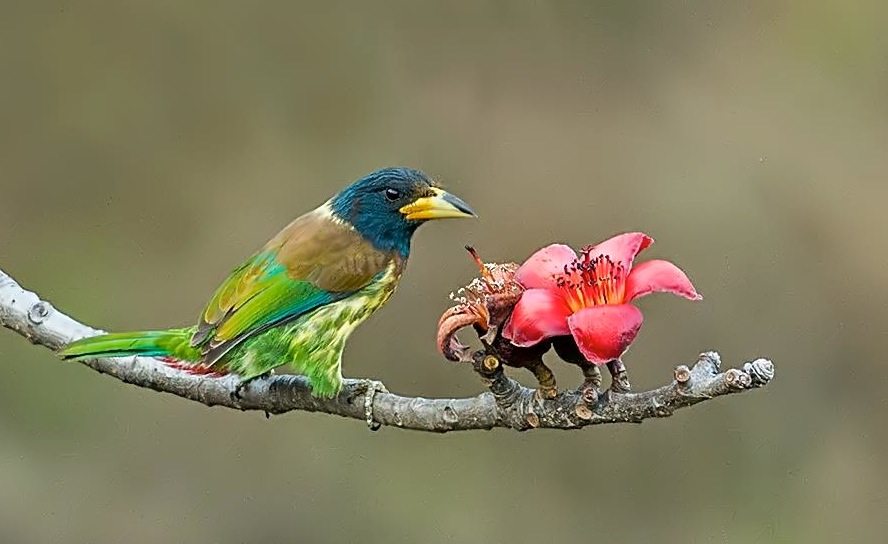
Bhimtal Lake, Uttarakhand
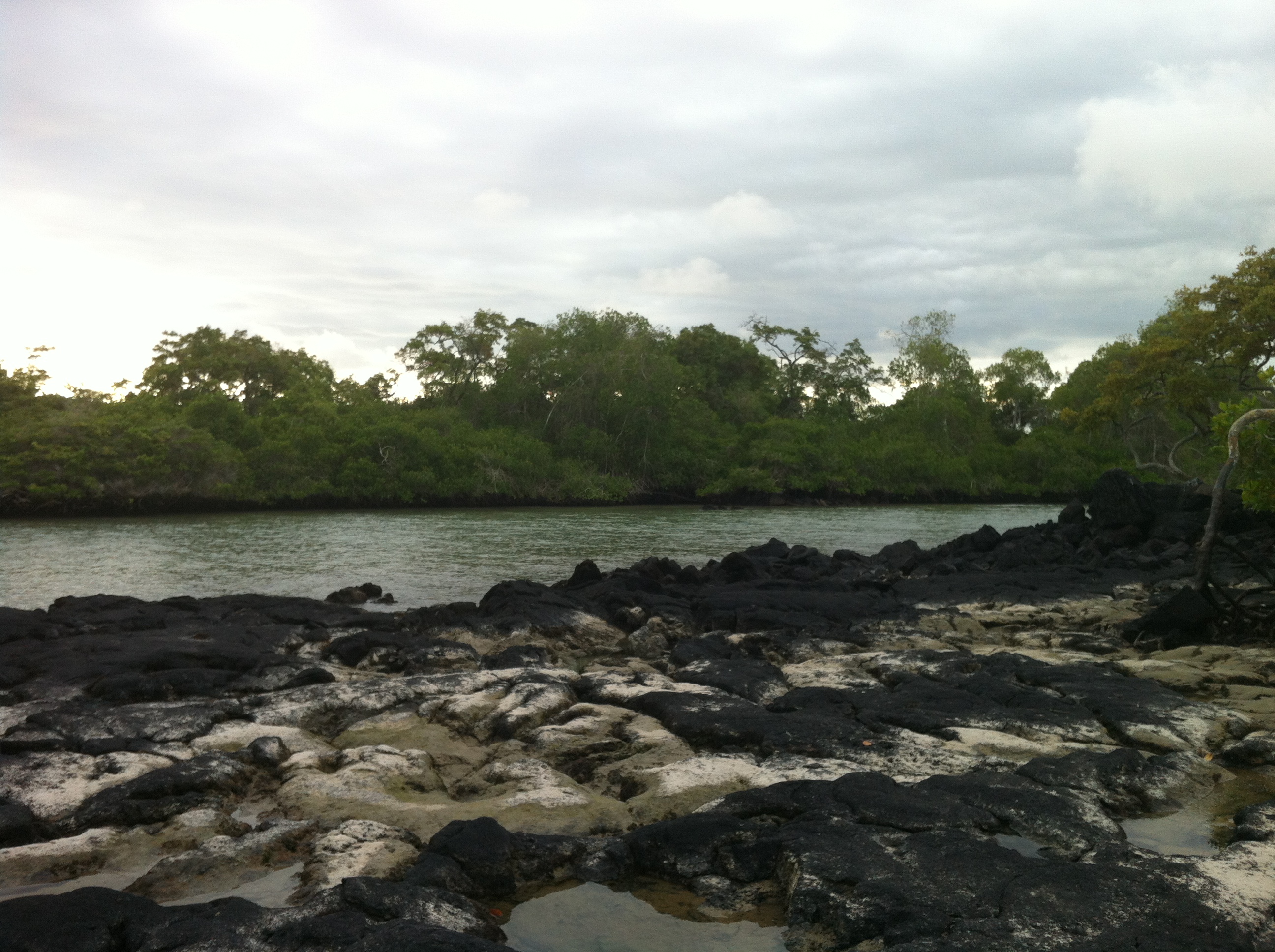
“We’ve all been given a gift, the gift of life. What we do with our lives is our gift back.”
-Edo, Sacred Economics
Being in the Galapagos was such a gift.
I remember reading a list in the newspaper when I was 14- something like “Top 10 Places to Visit Around the World”, and the Galapagos was on it with descriptions of black rocks and blue-footed boobies and I remember thinking how can I lead a life that takes me to places like that? The Galapagos Islands are a sacred mecca of biodiversity that most people will never have the privilege to see and I feel uncomfortable that I went without having to make any particular effort: I just chose a college and a study abroad program and voilà! my dreams came true. I feel immense gratitude for this. More importantly I feel a sense of obligation. I have an obligation to respond to this gift wisely and with intention in the way I conduct my life.
The sense of obligation is interesting to me because currently I’ve been reading about gift economies in my Economic Anthropology class. There is a concept called hau from the New Zealand Maori that tries to explain the sense of obligation to reciprocate when given a gift. From Wilk and Cligget’s book Economies and Cultures:
Hau is a term for the force of the identity of the owner of an object, which is attached to the object. Thus, upon giving the object away, part of the owner’s hau goes with it. And this is why receiving the gift always carries an obligation to reciprocate, because the hau wants to return to its original owner, though now it may be attached to another’s object.
In class, we’ve been talking about when things are separated from their origin, their story, the people who made it, there is some kind of erasure of the hau that represents the giver and we don’t feel compelled to respond in kind. Continue reading

It’s not surprising that for the 3rd year running India has been among the top 3 participating countries in the Audobon Society’s Great Backyard Bird Count. According to GBBC statistics, India nearly doubled the number of checklists submitted to more than 6,800 and reported the greatest number of species with 717.
Many of those lists have come from the south Indian states of Karnataka and Kerala, so we’re excited to help promote this additional forum for Celebrating Birds.
Karnataka’s first Bird Festival aims to put focus on birds and bird watching in Karnataka. To provide a platform for well-known naturalists, experts, forest officers, bird photographers to share their insights & thoughts. This festival also focusses on putting bird conservation on the center-stage and raise the attention of nature enthusiasts and general public towards the significance of birds and the important role they play in the ecosystem.

Bhitarkanika National Park, Orissa

Click on the image above to go to the publisher’s website and their preferred purchase options for this book; the publisher’s blurbists have this to say about it:
An award-winning author’s stirring quest to find and understand an elusive and exceptionally rare species in the heart of Southeast Asia’s jungles.
In 1992, in a remote mountain range, a team of scientists discovered the remains of an unusual animal with beautiful long horns. It turned out to be a living species new to western science — a saola, the first large land mammal discovered in 50 years. Continue reading
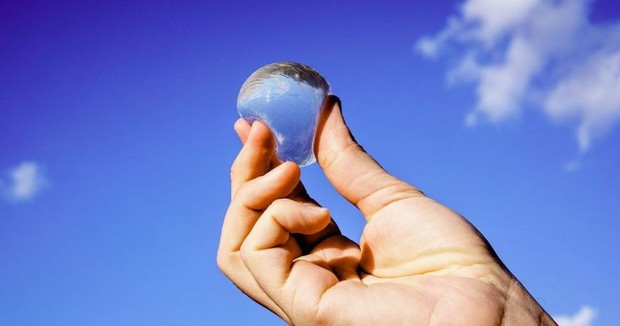
Skipping Rocks Lab
Thanks to one of the many sister websites of the Atlantic, this story about the future of packaged water:
In the future, rehydrating on the go might not mean chugging from a bottle, but inhaling a gelatinous, edible blob that looks like water floating on the space station. Continue reading
 Organikos