Wet Future, Sustainable Cities

city-sponge

Thanks to Conservation for this counterintuitive explanation of the sustainable city of the future, with the water-related effects of climate change taken into account:

THE FUTURE WILL NOT BE DRY

In a world of melting ice caps, storm surges, and tropical cyclones, the most resilient cities aren’t the ones that fight the water back—but the ones that absorb it.

By Fred Pearce

The ramshackle river port of Khulna in southwest Bangladesh is one of the most flood-prone urban areas on Earth. The third-largest city in one of the world’s poorest and most populous nations is at constant risk of inundation. It lies 125 kilometers inland from the shores of the Indian Ocean. And yet a tenth of this city of 2 million people is flooded at least ten times a year on average.

Continue reading →

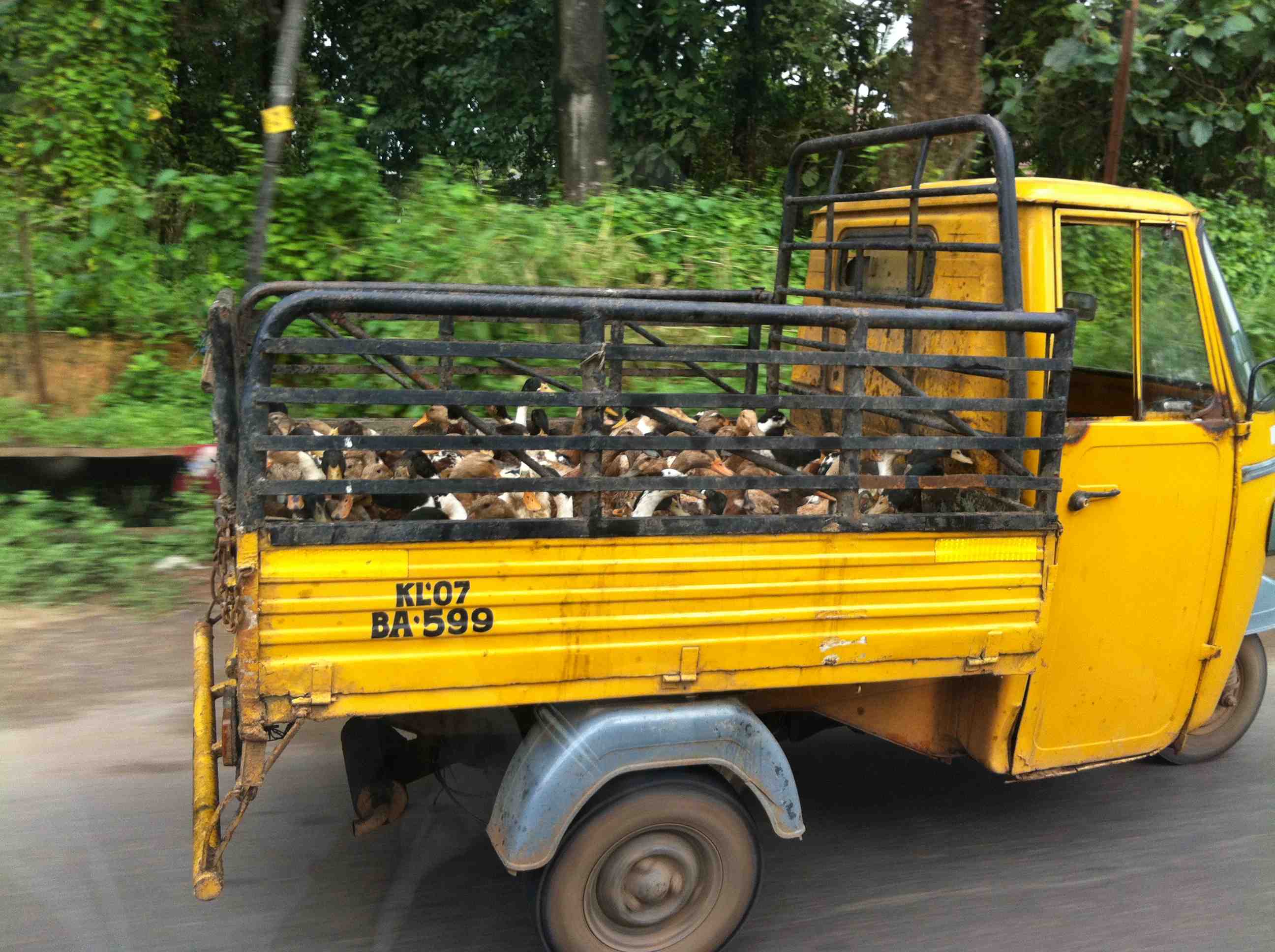
Neelamperoor Pooram Padayani

Photo credits : Ramesh Kidangoor

Photo credits: Ramesh Kidangoor

Neelamperoor Pooram Padayani is an old Dravidian ritual offering to the Kali Mother Goddess. This great cultural and religious event of central Kerala is celebrated during September-October at Neelamperoor, a village near to Kottayam. This Padayani is celebrated in the Palli Bhagavathi Temple, which has a history of more than 1000 years. Continue reading →

Food Packaging, Counterintuitive Proposition

broccoli

Staying informed about best practices to reduce your carbon and other footprints is one of our objectives on this blog. When we see something we had not known, and which seems worthy of consideration, we pass it along here. Thanks to Professor Tyler, and Conservation, for this one:

And when can packaging actually be good for the environment?

If you’re like me, you probably get a bit annoyed when you discover that an item you bought in the grocery store uses too much packaging. It seems like such a waste of plastic and cardboard. From an environmental perspective, wouldn’t it be better to conserve resources and use less packaging material?

Not necessarily—it depends on the type of food.

Continue reading →

Field Ecology At University, Twin Of Our Daily Activities For Guests At Xandari, Cardamom County, And Soon At Zaina Lodge

Screen Shot 2014-10-27 at 6.56.03 AM

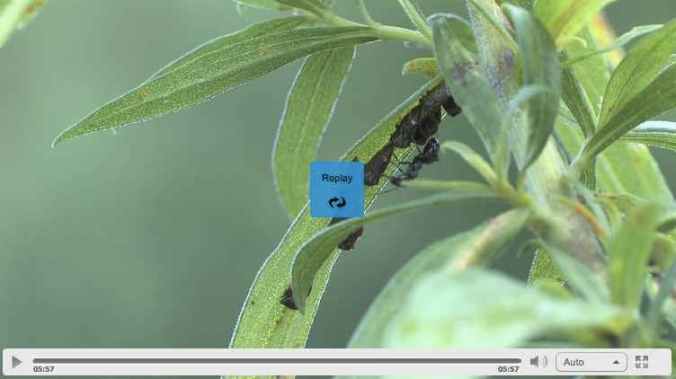
Cornell University’s social media outreach often includes topics we cover regularly on this site, this video being a standard example, so we share six minutes on a topic of relevance to several of Raxa Collective’s properties where immersion in learning about nature is our parallel universe equivalent of Professor Agrawal’s approach:

Nature as the Classroom: Goldenrod, Treehoppers and Ants

Classes in field biology are often very defined; go here, do that, measure this and come to this conclusion. Students in Anurag Agrawal’s field ecology course observe treehoppers in a field of goldenrod and devise their own study, then collect data to answer the questions. The approach comes much closer to how real field biology is actually done.

Orchid Expo: Alajuela

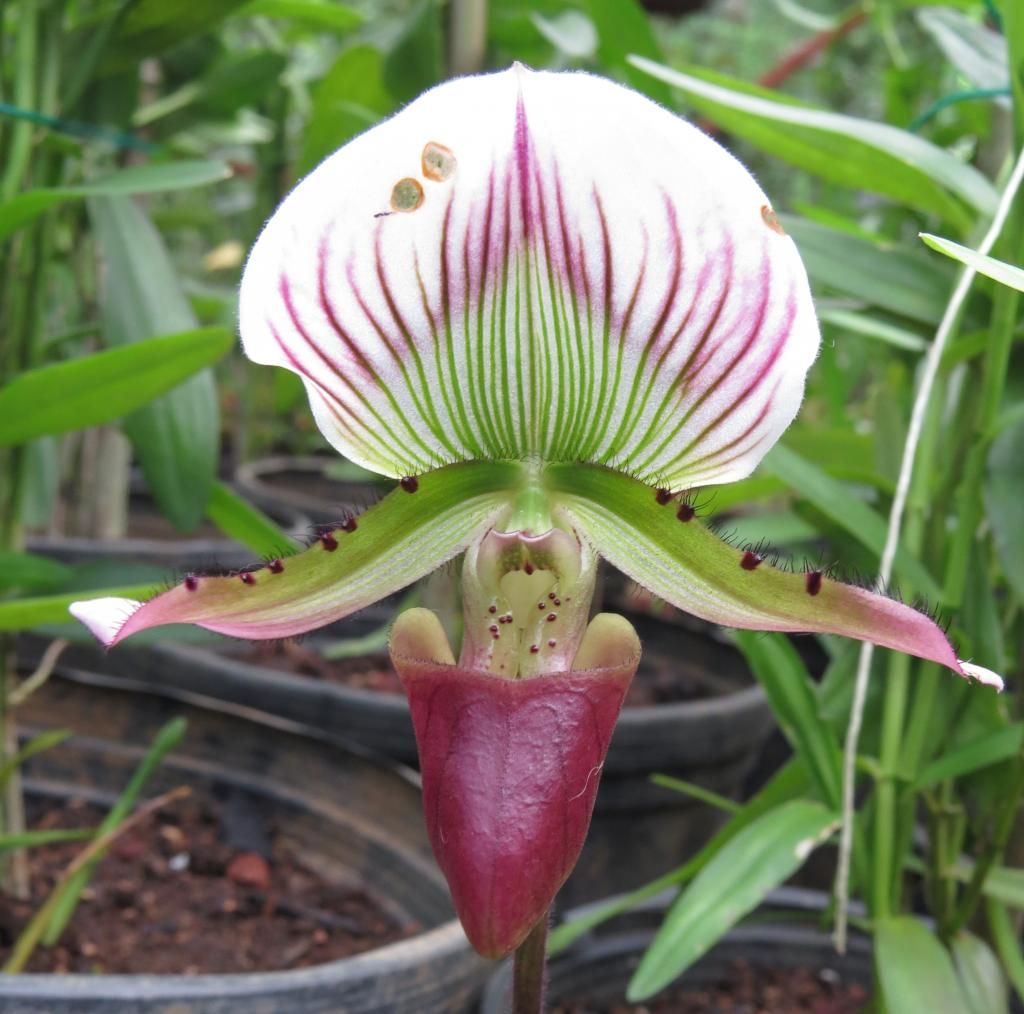
One of José Luis’s orchids at Xandari.

From Friday the 24rd of October to Sunday the 26th, Alajuela had their annual orchid exposition, which includes displays and awards as well as a few lectures on growing orchids and a section for sale or auction. As James and I have written before, Xandari has a wonderful collection of this family of flowers in addition to the general gardens thanks to the industrious efforts of our head gardener, José Luis Ballestero. He has a little greenhouse near Xandari’s restaurant with about a hundred plants that are often in varying stages of development, depending on how much time he has to prune them.

The three photos above are examples of some of the orchids on display in Xandari’s common area, like the reception, lobby, and restaurant room. At the expo this weekend, there were dozens of species and hundreds of individual plants, including hybrids, miniature flowers, and some fantastically strange Continue reading →

Shiny, Pretty Things

2014RAPLighters_copy

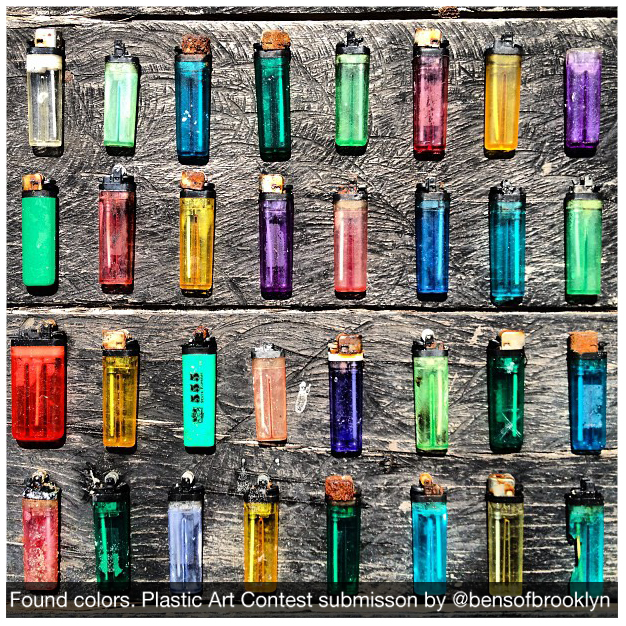
We have not eliminated plastic entirely at our properties, but we have been thinking about it for the last few years and taking action every chance we get. How to make the best of an otherwise horror show of plastic, according to this post on Surfrider Foundation’s blog:

The reality of plastic pollution is that it is happening in every home, office, school and community. It’s plaguing our country. Plastic creates toxic pollution at just about every stage of its existence, from manufacture, to use, to disposal. Considering the facts, it’s no surprise that it’s the most prevalent type of marine litter worldwide.

The extent of plastic use is mind-boggling.

Take plastic bags for instance. Americans go through about 100 billion plastic bags a year. That’s 360 bags for every man, woman and child in the United States. And, less than five percent of these bags are recycled. Continue reading →

Kerala’s Tigers, And Protectors

DSCN2857_JPG_2171199f

Tribal conservationist Babu: School dropout launches a website with info on tiger conservation in Parambikulam reserve.

The Hindu carries a story, close to our hearts and activities, about a heroic member of a local indigenous community devoted to conservation for the tiger and all it depends on:

He may be the answer to the debate on tiger versus tribal, where tiger conservation and livelihood of forest-dwelling tribespeople fail to find a common ground. A school dropout from the Sunkam tribal colony inside the Parambikulam tiger reserve, he has designed a website to bring to the outside world the biodiversity of the reserve and highlight its tiger conservation efforts. Continue reading →

Aerial Photography, Old School Edition

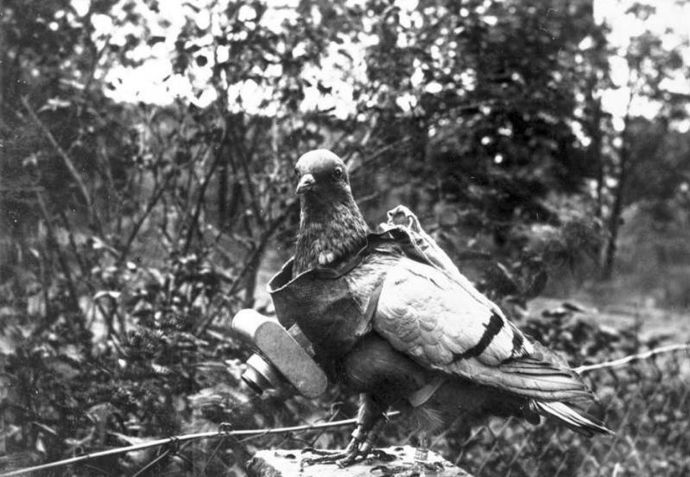
A pigeon with a small camera attached. Neubronner used the trained birds to capture aerial images before and during the war. PHOTOGRAPH COURTESY DEUTSCHES BUNDESARCHIV

A pigeon with a small camera attached. Neubronner used the trained birds to capture aerial images before and during the war. PHOTOGRAPH COURTESY DEUTSCHES BUNDESARCHIV

A post on the New Yorker‘s website adds one more drop in the ocean of appreciation we have for birds:

The Origins of Aerial Photography

BY

…In 1908, Julius Neubronner, who had used carrier pigeons in his work as an apothecary, filed a patent for a miniature camera that could be worn by a pigeon and would be activated by a timing mechanism. Continue reading →

Traditional Soaking, London Edition

gin_wide-e8531d735abd157859bb21c062514336fc542f51-s5-c85

A quick review suggests we rarely post on topics related to liquid spirits, though wine and beer get the occasional honorable mention when craft or conservation is the main point of interest. Currently Kerala is debating new policies related to the sale of alcohol, so the subject is on our collective minds in that neck of the woods, and this piece from one of our go-to National Public Radio (USA) shows, the salt, seems germaine:

Tracing A Gin-Soaked Trail In London

Around the world, new gin distilleries are popping up like mushrooms after a rain. The boom has historic roots in London, which once had 250 distilleries within the city limits alone.

Feral, Reviewed

washington-square

Thanks to Conservation for this review of a book I first started hearing about last year, and now have even more motivation to read:

ADD A FEW SPECIES. PULL DOWN THE FENCES. STEP BACK.

Brandom Keim reviews George Monbiot’s Feral

The early twenty-first century is a soul-searching moment for conservation. With each new report of vanishing species and dwindling biodiversity, the last century’s great successes grow distant. Fundamental ideals and assumptions, in particular our cherished notions of wilderness, often feel ill-fitted to a crowded planet of more than 7 billion people. Continue reading →

Profits, Privileges, Environmental Destruction

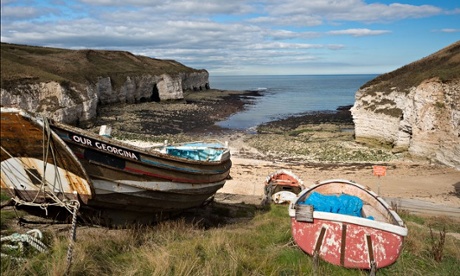
Mombiot blog on sea protection : Fishing boats near the beach at Flamborough head Yorkshire

Fishing boats near the beach at North Landing, Flamborough Head, on the Yorkshire coast. Falmborough Head is home to one of the UK’s three ‘no take’ zones – that in total cover just 5 sq km. Photograph: Paul Richardson/Alamy

The excellent Guardian editorialist, whom we have linked to more than once, strikes again:

Ripping up the sea floor on behalf of royal profits

George Monbiot: Even the pathetic laws protecting marine life in this country are instantly swept aside in response to lobbying by Prince Charles’s tenants

A few days ago, I visited the Flamborough Head “no take zone”, one of the UK’s three areas in which commercial fishing is prohibited.

Here marine life is allowed to proliferate, without being menaced by trawlers, scallop dredgers, drift nets, pots and all the other devices for rounding it up, some of which also rip the seabed to shreds. A reef of soft corals, mussels, razorfish and other species has begun to form, in which plaice and cod, crabs and lobsters can shelter, unmolested by exploitation. Fantastic, isn’t it?

Well curb your enthusiasm. Continue reading →

Occasional Vegetarian Mentions

Screen Shot 2014-10-25 at 5.53.03 AM

Thanks to the New York Times, among other sources, for our ongoing foraging for new, interesting recipes for 51 and other restaurants where we bring vegetarian cuisine to a new level (click the image above to go to the brief, beautiful instructional video):

DINING

Aioli With Roasted Vegetables

Melissa Clark makes aioli with lemon juice and serves it with roasted broccoli, cauliflower, beets and other seasonal vegetables.