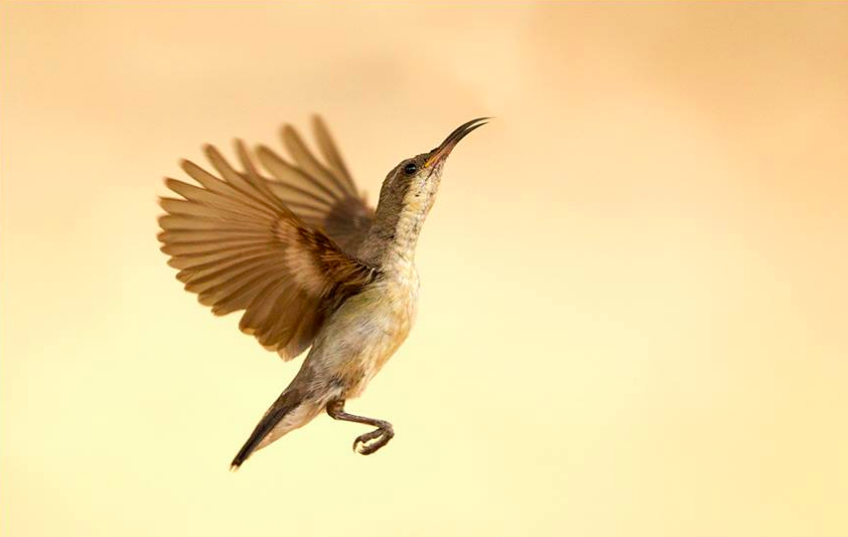
Umred-Kharandla Wildlife Sanctuary, Maharashtra
Umred-Kharandla Wildlife Sanctuary, Maharashtra

Upon visiting the Meenakshi Temple, I removed my shoes, checked my bag at the door and proceeded my barefoot adventure through the eastern tower of the temple city. Maduri is known as temple city because of how vast the Meenakshi temple is. There are 12 towers, the four larger ones face each of the directions North, East, South, and West. We explored the 1000 pillar hall, the holy pond, and many other parts of the ancient temple. It seemed like every corridor and wall had some sort of sacred art or story to it. The history of the temple is as vast as temple city itself. The temple dates back at least 2500 years. In 1310, the temple was almost completely destroyed by an Islamic conqueror and so many of the important sculptures were destroyed. It was restored in the 14th century though by Hindu kings who regained power.

Photo credits: Ramesh Kidangoor
Edakkal Caves are situated in Wayanad district near Sulthan Bathery. This prehistoric rock shelter made up of natural rock formations includes a massive boulder wedged in between two huge vertical outcroppings, forming a large cave. Petroglyph writing inside the cave form inscriptions of human and animal figures with peculiar headdresses as well as drawings of wheels, bows, knives and trees. Continue reading
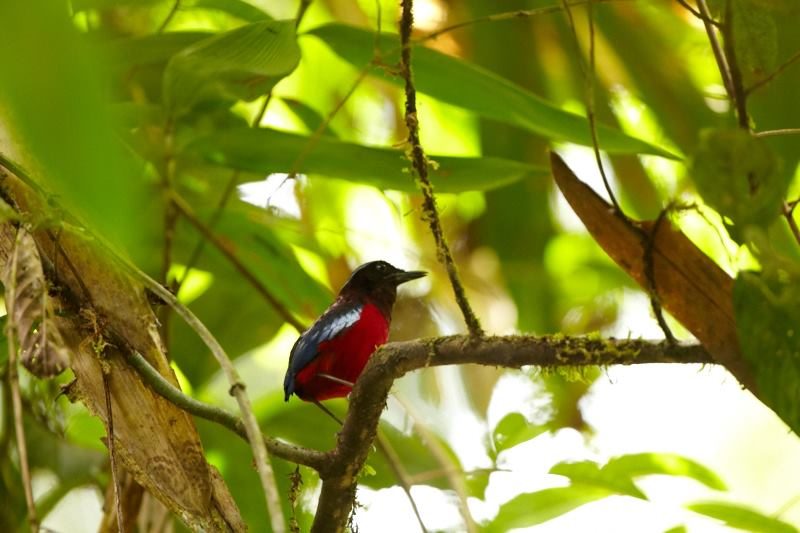
Photo by Sophie Orzechowski

The monkey shepherds of Nelliampathy, photo credit: The Hindu
While we face the “monkey-challenges” at Cardamom County other forms of agriculture (or in this case, animal husbandry) have found forms of “primate collaboration”.
Thanks to The Hindu‘s K.A. Shaji for this timely story.
The term ‘monkey shepherd’ may not sound absurd here. A female monkey, aged about eight years, and her two children shepherd a flock of 150 goats on a farm at this picturesque hill station in Palakkad. Continue reading
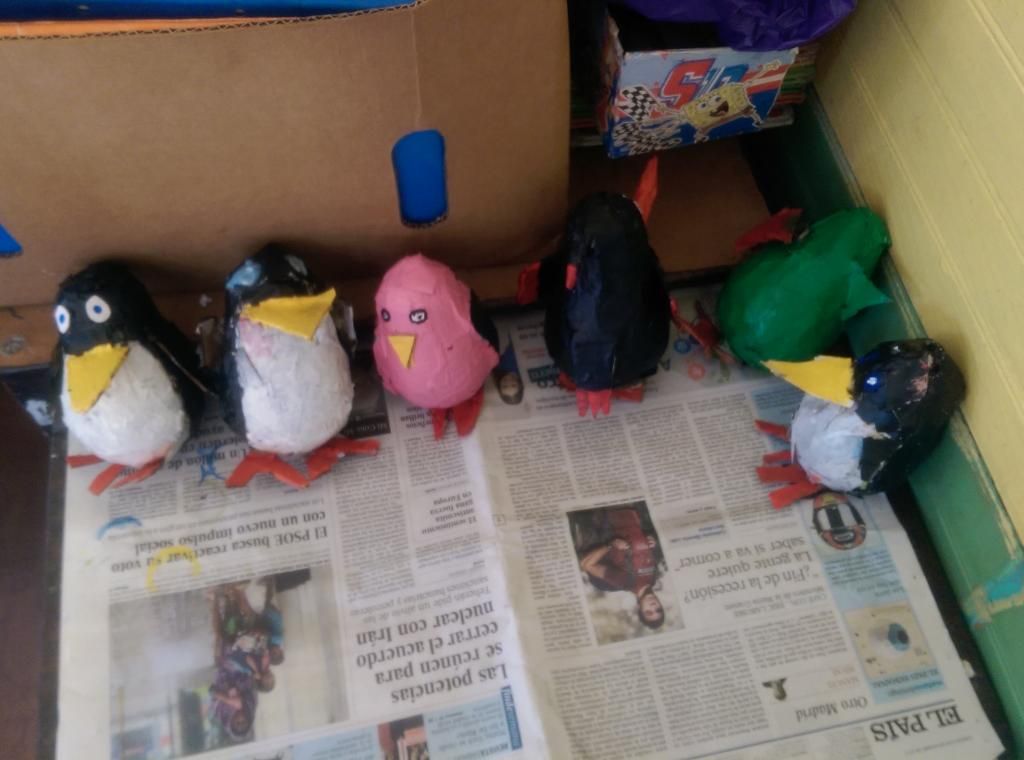
Papier-mâché penguins and other birds from the fourth grade class
In his recent post on our work at the local school in Tacacorí, Seth outlined our papier-mâché and painting ambitions with the third and fourth grades there. The second half of the week, Seth and I were split up because of the kids’ conflicting class schedules. I took fourth grade on the last few days, and he worked with third grade.
In his Poetics, Aristotle elaborates an aesthetic theory partly on the basis of μίμησις (mimēsis), or “imitation.” According to Aristotle, humans are “mimetic” beings, that is, disposed to imitate nature and other human beings. Art’s basis is precisely in Continue reading

Photo credit: Remash Kidangoor
Karkidakam is the last month of Malayalam calendar, a calendar of significance for Hindus living in Kerala. On the eve of the new moon in Karkidakam–two days ago, July 26th–Keralite Hindus gather on the beaches and river banks to pay obeisance to their ancestors by performing the bali tharpanam ritual. This day is known as Karkidakam Vavu. Keralite Hindus believe that the souls of their ancestors attain liberation by the ritual pujas (prayers) and bathing on this day. Continue reading

Burying the garden waste to prepare the land for planting
As it is monsoon season here in Kerala, we gardeners have to take into consideration the way it affects the soil. Today we did land preparation for the heavy rains. We dug holes in the new beds and took garden waste from old banana plants and buried it. The top of the soil had been mulched with manure and weeds were growing on them. We mixed the manure and weeds into the soil. I like the idea of just mixing the weeds in because then the nutrients that the weeds took from the soil can break down back into the soil again. When the heavy rains come, they would have washed the nutrients from the mulch away so this is to help with nutrient erosion. Continue reading
 About fifteen minutes downhill from Xandari by foot, the primary school at Tacacori serves first through sixth graders from the local community. Xandari has collaborated with the school on multiple occasions in the past, and also regularly cares for their grounds (mowing the lawn, etc.). This semester, third and fourth graders don’t have an art class in their normal schedule, so it seemed a perfect opportunity for James and me to go over and do a week-long art project with the kids.
Of course, I stuck with what I know best for art projects with young children, and decided upon papier-mâché and painting on little cardboard canvases, just like I had done in the Galápagos a couple years ago. James and I went to the third and fourth grade classes during their Spanish classes and for about an hour and twenty minutes each a day we showed them how to use newspaper, glue, and a balloon to create the body of a bird. Then, with recycled cardboard from Xandari, we gave them canvases to paint on as well as the materials to make beaks, wings, tails, and feet for the birds. Continue reading
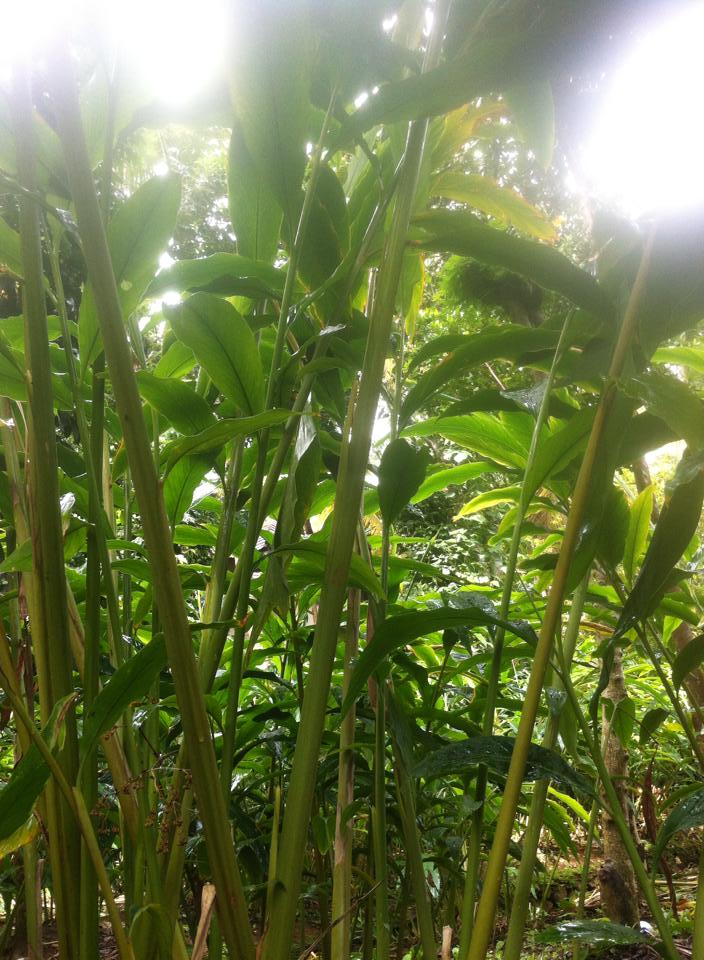
Today’s task in the garden was to harvest the ever-abundant cardamom in Cardamom County.
This is a task that cannot be completed by machines, so even in commercial fields, it must be handpicked. That is because figuring out which ones are ripe requires tuned fingers.
It was a bit of a learning curve for me at first because I thought I was supposed to be looking for which ones were the darkest, but then I learned otherwise.
I was looking for the ones that fell off easily into my hand from tugging slightly. When ripe, the small seed pods on the inside are dark colored.
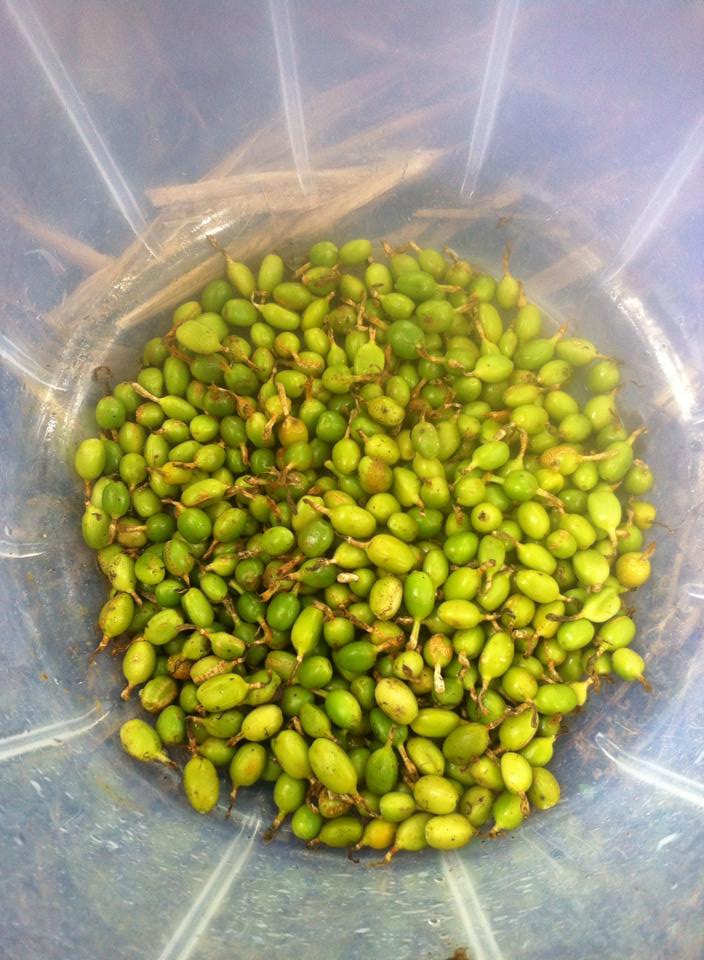
We may be most familiar with this sweet spice in masala chai tea, but it has many uses.
To do a little research, I asked the Ayurvedic doctor here if he could enlighten me on some of the traditional medicine uses of cardamom. He said that it is good for throat and lung troubles, skin problems such as acne, and digestive issues.
The type of cardamom we have here is the Malabar variety and it is native to Kerala. The green leaves are pretty tall- probably about 5 feet on average. The pods are on short vines that cluster at the bottom of the tall leaves.
When we were harvesting them, it started Continue reading
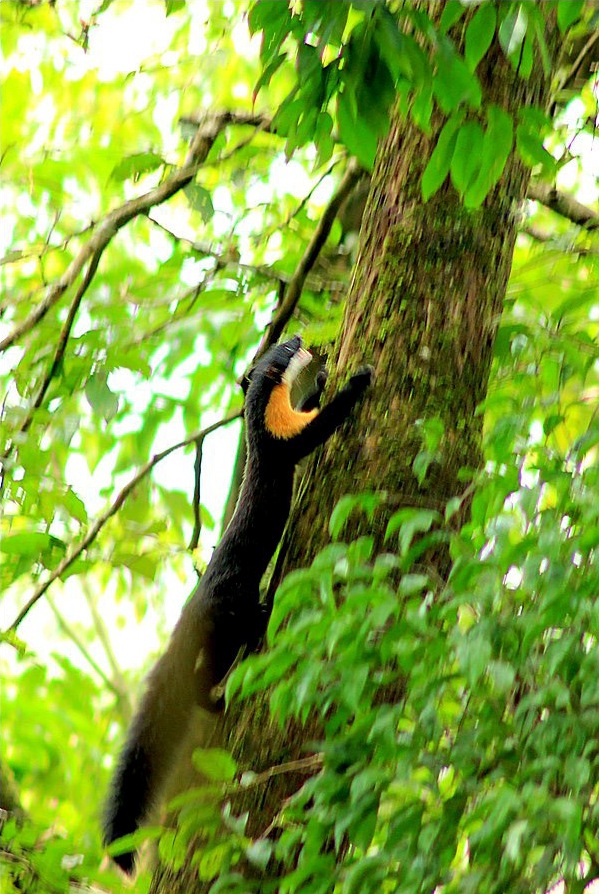
Photo credit : Aparna P
The Nilgiri marten (Sc. name: Martes gwatkinsii) is the only marten found in southern India, in the Nilgiris and western Ghats. Martens are fairly widespread members of the family Mustelidae, which also includes the familiar otter, badger, weasel, ferret, and other small carnivorous mammals. The Nilgiri marten, like other martens, makes its home in the forest, inhabiting the moist and semi-evergreen forests of the Western Ghats. They are quite rare and not very well researched; although mostly arboreal, their wide-ranging travels motivated by their carnivorous diet will occasionally bring them down from the trees where lucky photographers may be able to snap a few photos before the marten hightails it. Continue reading

ILLUSTRATION BY MIGUEL GALLARDO.
True, we sometimes share doom and gloom, but sparingly. We attempt here to balance it with a note on Deniers (we share full text here, but please click through to the original so the author and publication receive proper benefit):
I accept that changes in climate are causing ocean updrafts that draw killer sharks into the atmosphere and then drop them on populated areas, but I don’t believe human activity is the cause.”
“Out here in Oklahoma, we have the same problems that the rest of the country is experiencing, with wind-borne sharks crashing through billboards and attacking folks on their way to work and so on. We have yet to see a single study, however, that connects any of these shark conditions specifically to our local fossil-fuel industries.”
“Tree-ring studies done on petrified wood from Utah reveal six-inch-long fossilized teeth of the Megalodon, the largest shark in the history of the earth, embedded in the trunks of ponderosa-pine trees more than three hundred thousand years old—trees that lived a thousand miles from the nearest ocean! So tell me: did my S.U.V. cause that?” Continue reading
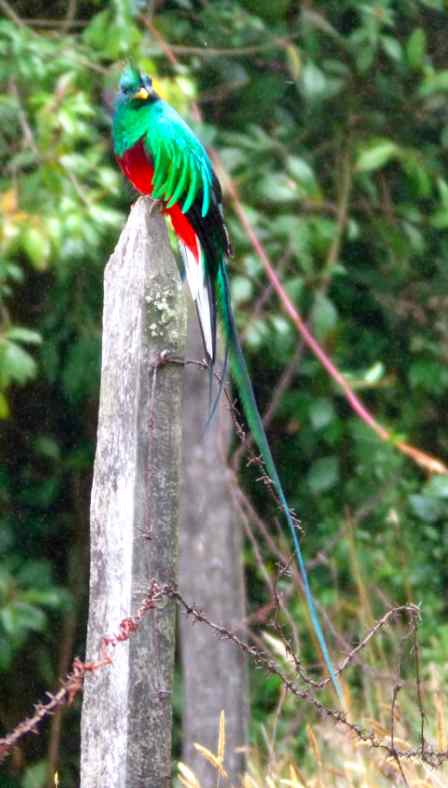
photo credit: Xandari Guest, Helen Long

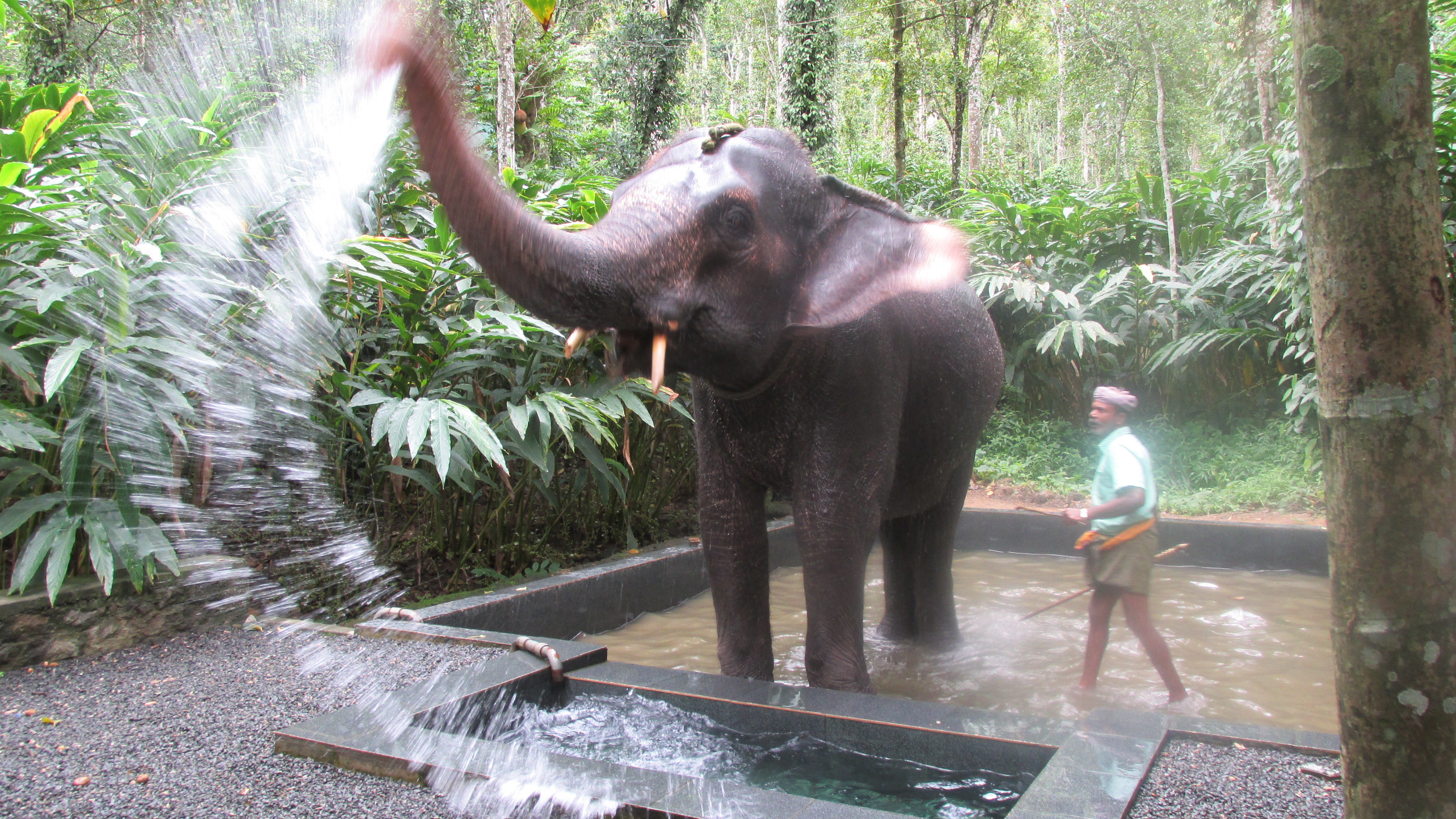
I felt so grateful to be a witness to this beautiful ceremony today. In Hinduism, puja is an offering ritual. The purpose was to bless ancestors and future generations. The puja was for Lord Ganesha to help remove obstacles. The occasion today was a special new moon that is very good for this particular puja. It was especially sacred because there were elephants there that participated in the ceremony. It was about four hours long. It was truly amazing to watch. I felt inspired to learn more about Hinduism afterwards.
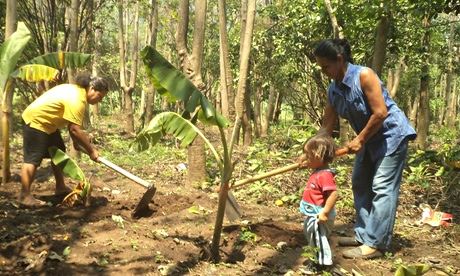
Salvadorans Elsy Álvarez and Maria Menjivar, with her young daughter, plant plantain seedlings in a clearing in the forest. Photograph: Claudia Ávalos/IPS
We have normally emphasized the word collaboration in conjunction with the conservation initiatives carried out by communities. This article in the Guardian points to research findings that indicates that another c-word, control, is sometimes key to understanding how communities reduce deforestation:
…Analysis suggests that in areas formally overseen by local communities, deforestation rates are dozens to hundreds of times lower than in areas overseen by governments or private entities. About 10-20% of global greenhouse gas emissions are attributed to deforestation each year.
The findings were released by the World Resources Institute (WRI), a thinktank, and the Rights and Resources Initiative (RRI), a global network that focuses on forest tenure. Continue reading

Photo credits: Ramesh Kidangoor
Classical dance forms in South India have accumulated from ancient customs that were closely linked to day-to-day life and culture of native peoples. The region around Kerala has thousands of years of tradition in fine arts and classical and folk dances. Continue reading

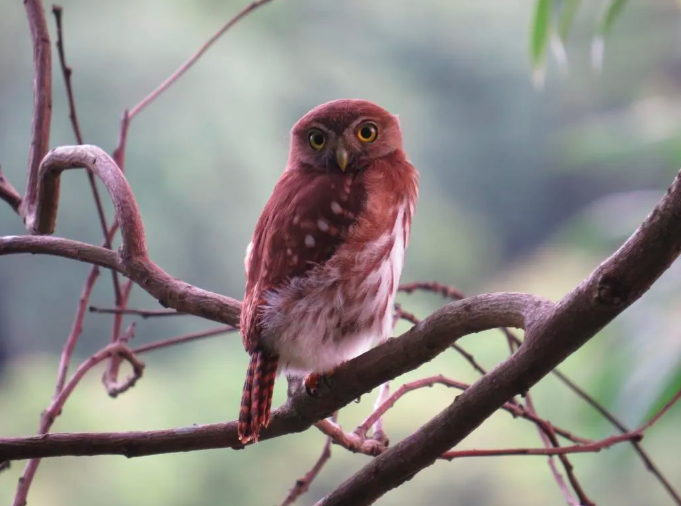 A few weeks ago, as James and I were leading a bird tour, we had quite a lucky and enjoyable sighting. From the title and the picture on the left, you already know that we saw a small species of owl, but that actually wasn’t what we had been looking for at the time.
There was a hummingbird buzzing around in front of us on the trail, and eventually it landed on a branch on our left. We all turned to look at it more closely, but, as birds are apt to do, the hummer (a Rufous-tailed) swiftly flew out of sight. On a branch in the background of where the hummingbird had perched, stoically still, was
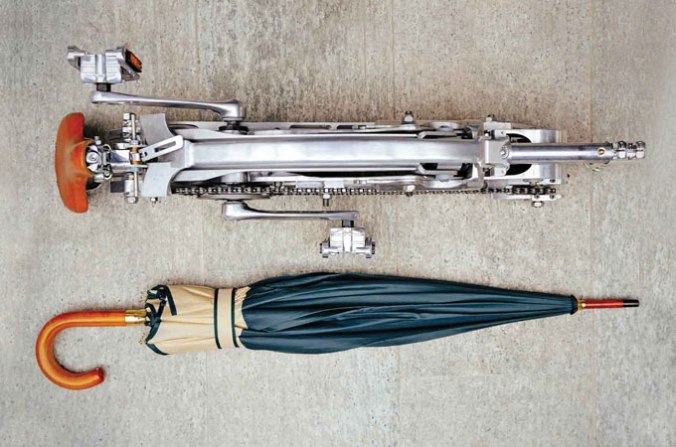
As the metropolitan area of Ernakulum, where Raxa Collective has many contributors who commute to work, completes its futuristic mass transit scheme, our thoughts reach out to a time when the collapsible bike is a necessity here. For now, we can appreciate the design for its own sake of this model that has just come to our attention.
We like everything we read about it, as much as the visual aesthetics. We even hope we might be of some service to its creator, given our history with entrepreneurial conservation. We are on the lookout, constantly, for opportunities to collaborate with creative craftsmen and to welcome them into Raxa Collective’s growing community across the globe. Conservation magazine brought Gianluca Sada onto our radar. We extend to him our usual invitation for a visit thanks to that:
COLLAPSIBLE COMMUTE
Carrying a bicycle onto a bus or subway for unrideable sections of your carless commute is less than convenient. This is where the Sada Bike fits in. Whereas other foldable bikes have shrunken frames and wheels, the Sada Bike’s full-sized frame folds down to the size of an umbrella; its spokeless, hubless, 26-inch wheels double as a backpack frame.
 Organikos