A Story About Patagonia, A Company We Believe In, And Relate To

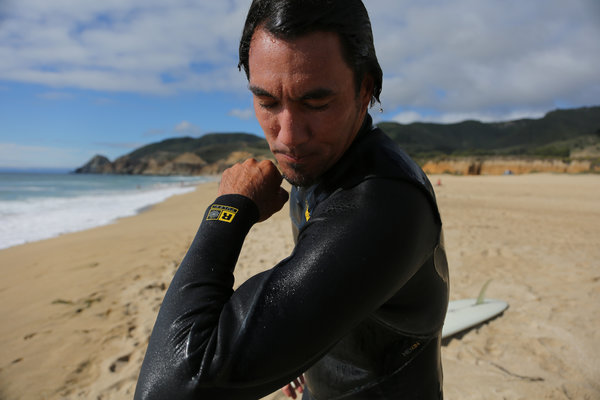
Jon Kitamura in a Patagonia wet suit at Montara State Beach, California. Credit Jim Wilson/The New York Times

Jon Kitamura in a Patagonia wet suit at Montara State Beach, California. Credit Jim Wilson/The New York Times

We hope one day to have as many participant observers like Jake, saying things like this about some of our group’s initiatives, as Patagonia has admirers. The company gets alot of good press, and for all the right reasons. We have not tired of it yet. Fans of the founder already, we also believe in his company, and (as if anyone needed to be convinced) this New York Times profile helps to understand why:

…“We had customers looking for safe alternatives for those with latex allergy, and then we had customers looking for alternatives to petroleum-based products,” Mr. Martin said, “so a number of companies had been approaching us.” Continue reading →

Bicycle Zeitgeist

We love design and we love bicycles, and we’ve been writing about their innovation-intersection long before Gianluca’s collapsable model came to our attention.

But we’re grateful for the reminders of the creativity that urges us to upcycle, recycle and craft our “ride”.

Temple Dance – Kerala

Photo Credits : Ramesh Kidangoor

Photo Credits: Ramesh Kidangoor

Kerala temples offer a veritable array of performing arts, often related to religious rituals and and mythological stories. The rhythm and elegance of the temple dances of Kerala are a result of  the various cultural influences that took place in the state. The dramatic costumes, vibrant colors, and throbbing music all make watching temple dances an unforgettable experience. Continue reading →

Notes from the Garden: Learning and Harvesting

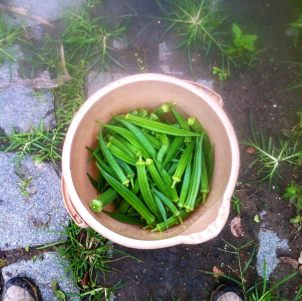
10559917_10201592002281680_8268726655977842745_nIn Cardamom County today, we harvested spinach, ladiesfinger (okra), mint, beans, and parsley. Our full wheelbarrow is heading straight to the kitchen. How many hotels have you heard of that grow a good portion of the food on site?
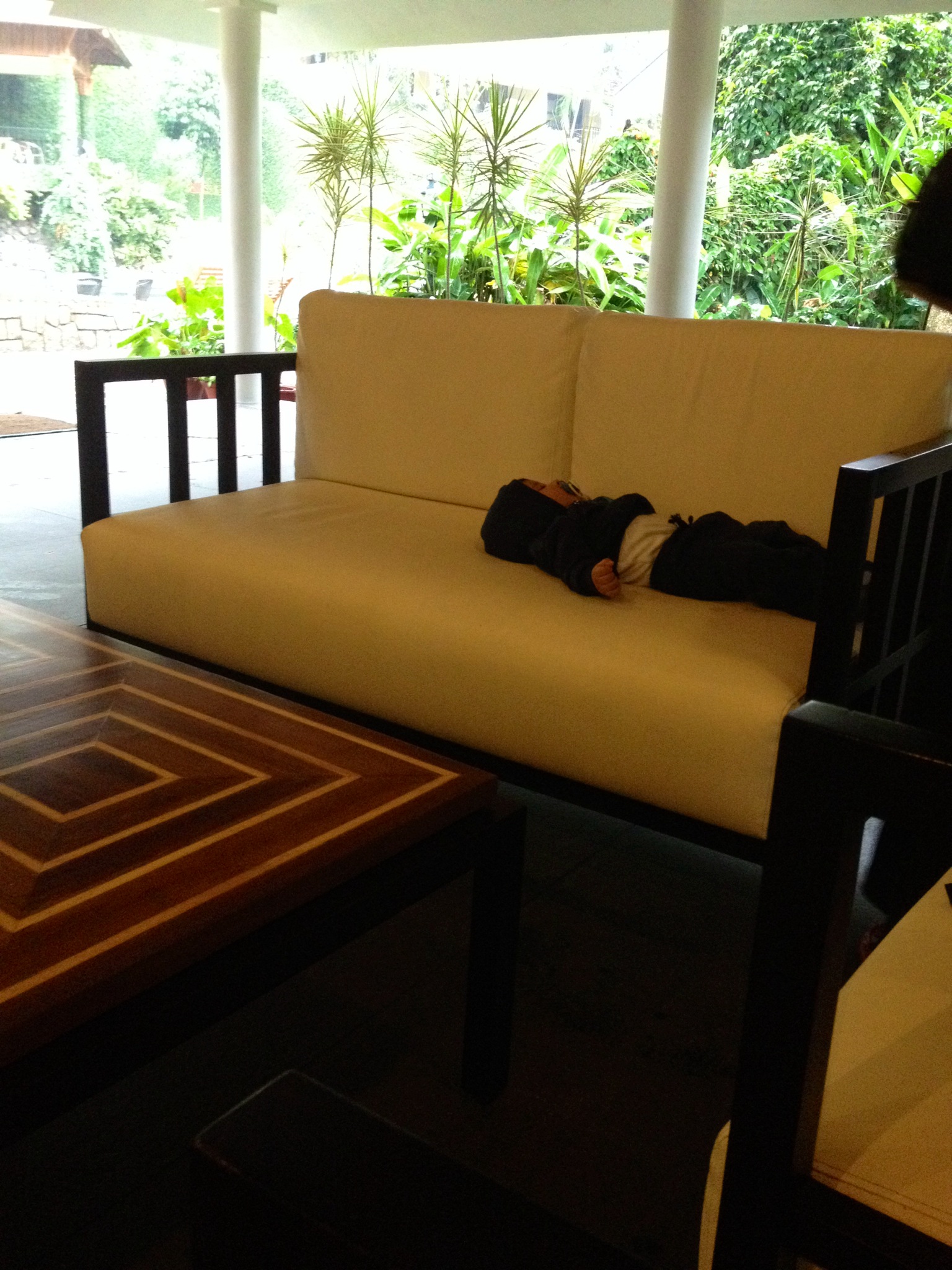
We have been hoping to get the monkey-proof vegetable cage approved so that we can grow the majority of our staple foods on site. Today, I will be meeting with one of the head engineers to see how we can make the design more smart: cut cost but still get the job done.

Continue reading →

Reflecting: Half-a-World Away

Cardamom Siesta

Cardamom Siesta

Five months have elapsed since my departure from Cardamom County and Raxa Collective in Kerala — sufficient time, in my opinion, to think back on my experience and growth during my adventures there, as well as the time I have spent back in the United States.

Words cannot express how thankful I am for having been given the opportunity to travel farther and live longer away from home than I ever have before, and in a truly amazing, diverse, and different region of the world than I could ever imagine.  The head honchos, Crist and Amie Inman, have an ethos rooted deeply in progressive ecological conservation that is truly admirable, and for the area they are established, borderline revolutionary.

Continue reading →

Add Agrivoltaics To Your Green Vocabulary

agrivoltaics

Farming food and fuel, side by side

Thanks to Conservation, and particularly Courtney White, for this synopsis:

What is the best way to utilize sunlight—to grow food or to produce fuel?

For millennia, the answer was easy: we used solar energy to grow plants that we could eat. Then, in the 1970s, the answer became more complex as fields of photovoltaic panels (PVPs) began popping up all over the planet, sometimes on former farmland. In the 1990s, farmers began growing food crops for fuels such as corn-based ethanol. The problem is that the food-fuel equation has become a zero-sum game. Continue reading →

Melodious Rhythms of India: the Nadaswaram

Photo credits : Ramesh Kidangoor

Photo credits: Ramesh Kidangoor

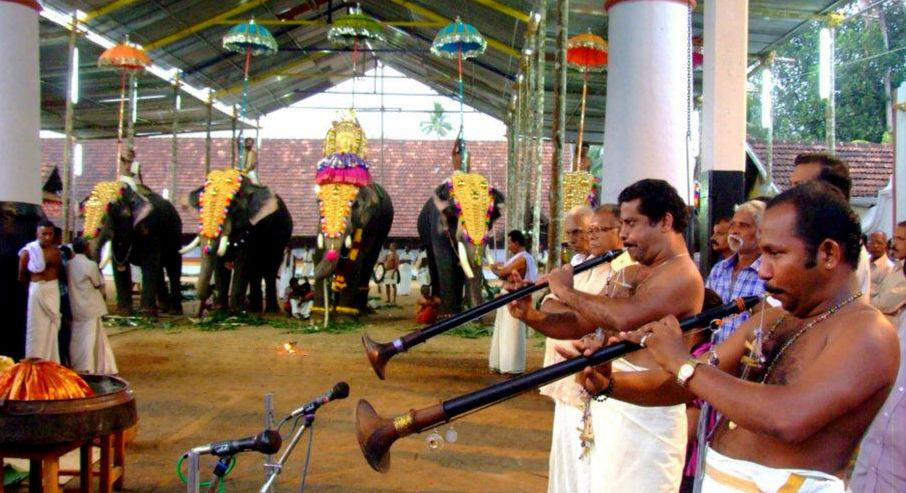
Kerala lays claim to a wide range of native musical instruments, which all together play host to a great range of unique sounds and melodies. The nadaswaram is a wooden-body pipe about two and a half feet long. This double-reed wind instrument is typically played during temple rituals and processions, weddings, and other celebrations. The nadaswaram is thought to achieve the peak of its acoustic quality in open environments where the sounds can resonate outwards, which is why it has evolved into a procession instrument. Continue reading →

Visiting Madurai Meenakshi Amman Temple

madurai_temples

Upon visiting the Meenakshi Temple, I removed my shoes, checked my bag at the door and proceeded my barefoot adventure through the eastern tower of the temple city. Maduri is known as temple city because of how vast the Meenakshi temple is. There are 12 towers, the four larger ones face each of the directions North, East, South, and West. We explored the 1000 pillar hall, the holy pond, and many other parts of the ancient temple.  It seemed like every corridor and wall had some sort of sacred art or story to it. The history of the temple is as vast as temple city itself. The temple dates back at least 2500 years. In 1310, the temple was almost completely destroyed by an Islamic conqueror and so many of the important sculptures were destroyed. It was restored in the 14th century though by Hindu kings who regained power.

Continue reading →

Edakkal Caves – Wayanad

Photo credits : Ramesh Kidangoor

Photo credits: Ramesh Kidangoor

Edakkal Caves  are situated in Wayanad district near Sulthan Bathery. This prehistoric rock shelter made up of natural rock formations includes a massive boulder wedged in between two huge vertical outcroppings, forming a large cave. Petroglyph writing inside the cave form inscriptions of human and animal figures with peculiar headdresses as well as drawings of wheels, bows, knives and trees. Continue reading →

When Monkeys Lend a Hand

The monkey shepherds of Nelliampathy, photo credit: The Hindu

While we face the “monkey-challenges” at Cardamom County other forms of agriculture (or in this case, animal husbandry) have found forms of “primate collaboration”.

Thanks to The Hindu‘s K.A. Shaji for this timely story.

The term ‘monkey shepherd’ may not sound absurd here. A female monkey, aged about eight years, and her two children shepherd a flock of 150 goats on a farm at this picturesque hill station in Palakkad. Continue reading →

Bird Fun (…and Aristotle?) around Tacacorí

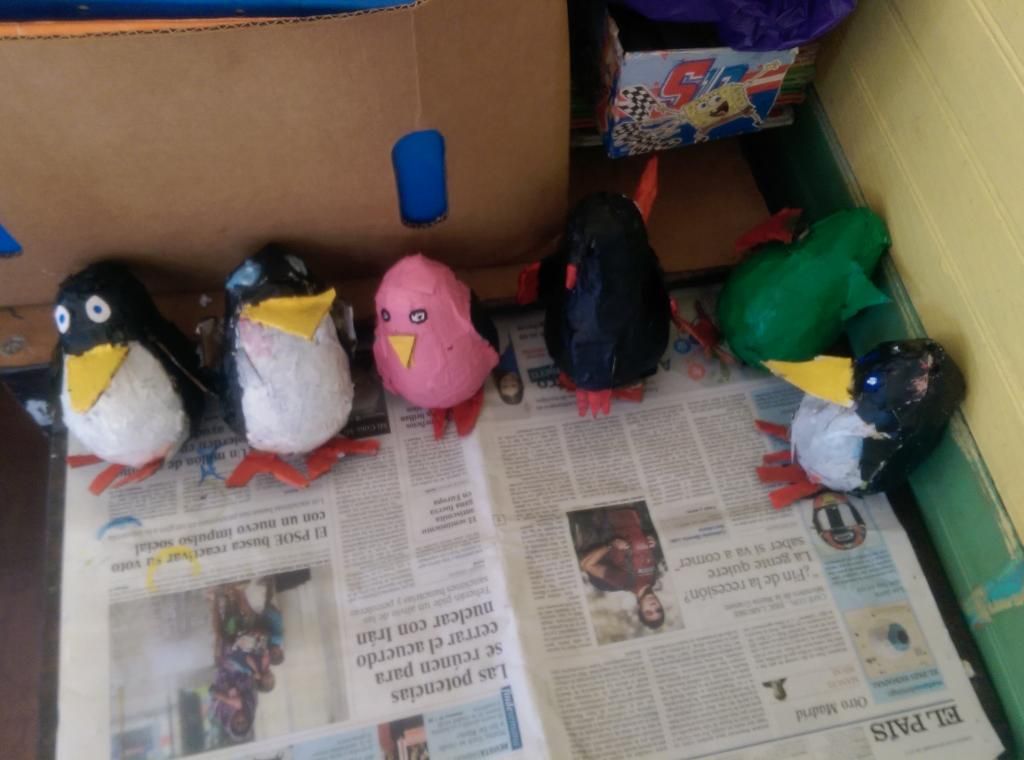
Papier-mâché penguins and other birds from the fourth grade class

In his recent post on our work at the local school in Tacacorí, Seth outlined our papier-mâché and painting ambitions with the third and fourth grades there. The second half of the week, Seth and I were split up because of the kids’ conflicting class schedules. I took fourth grade on the last few days, and he worked with third grade.

In his Poetics, Aristotle elaborates an aesthetic theory partly on the basis of μίμησις (mimēsis), or “imitation.” According to Aristotle, humans are “mimetic” beings, that is, disposed to imitate nature and other human beings. Art’s basis is precisely in Continue reading →

The Ritual of Karkidakam Vavu bali


Photo credits : Remash Kidangoor

Photo credit: Remash Kidangoor

Karkidakam is the last month of Malayalam calendar, a calendar of significance for Hindus living in Kerala. On the eve of the new moon in Karkidakam–two days ago, July 26th–Keralite Hindus gather on the beaches and river banks to pay obeisance to their ancestors by performing the bali tharpanam ritual. This day is known as Karkidakam Vavu. Keralite Hindus believe that the souls of their ancestors attain liberation by the ritual pujas (prayers) and bathing on this day. Continue reading →

Notes from the Garden: Monsoon Season

photo (8)

Burying the garden waste to prepare the land for planting

As it is monsoon season here in Kerala, we gardeners have to take into consideration the way it affects the soil. Today we did land preparation for the heavy rains. We dug holes in the new beds and took garden waste from old banana plants and buried it. The top of the soil had been mulched with manure and weeds were growing on them. We mixed the manure and weeds into the soil. I like the idea of just mixing the weeds in because then the nutrients that the weeds took from the soil can break down back into the soil again. When the heavy rains come, they would have washed the nutrients from the mulch away so this is to help with nutrient erosion. Continue reading →

Celebrating Birds with Tacacori Students

About fifteen minutes downhill from Xandari by foot, the primary school at Tacacori serves first through sixth graders from the local community. Xandari has collaborated with the school on multiple occasions in the past, and also regularly cares for their grounds (mowing the lawn, etc.). This semester, third and fourth graders don’t have an art class in their normal schedule, so it seemed a perfect opportunity for James and me to go over and do a week-long art project with the kids.

Of course, I stuck with what I know best for art projects with young children, and decided upon papier-mâché and painting on little cardboard canvases, just like I had done in the Galápagos a couple years ago. James and I went to the third and fourth grade classes during their Spanish classes and for about an hour and twenty minutes each a day we showed them how to use newspaper, glue, and a balloon to create the body of a bird. Then, with recycled cardboard from Xandari, we gave them canvases to paint on as well as the materials to make beaks, wings, tails, and feet for the birds.  Continue reading →

Notes from the Garden: The Gift of Cardamom

10304348_10201573979311117_9159413022094666722_n

Today’s task in the garden was to harvest the ever-abundant cardamom in Cardamom County.

This is a task that cannot be completed by machines, so even in commercial fields, it must be handpicked. That is because figuring out which ones are ripe requires tuned fingers.

It was a bit of a learning curve for me at first because I thought I was supposed to be looking for which ones were the darkest, but then I learned otherwise.

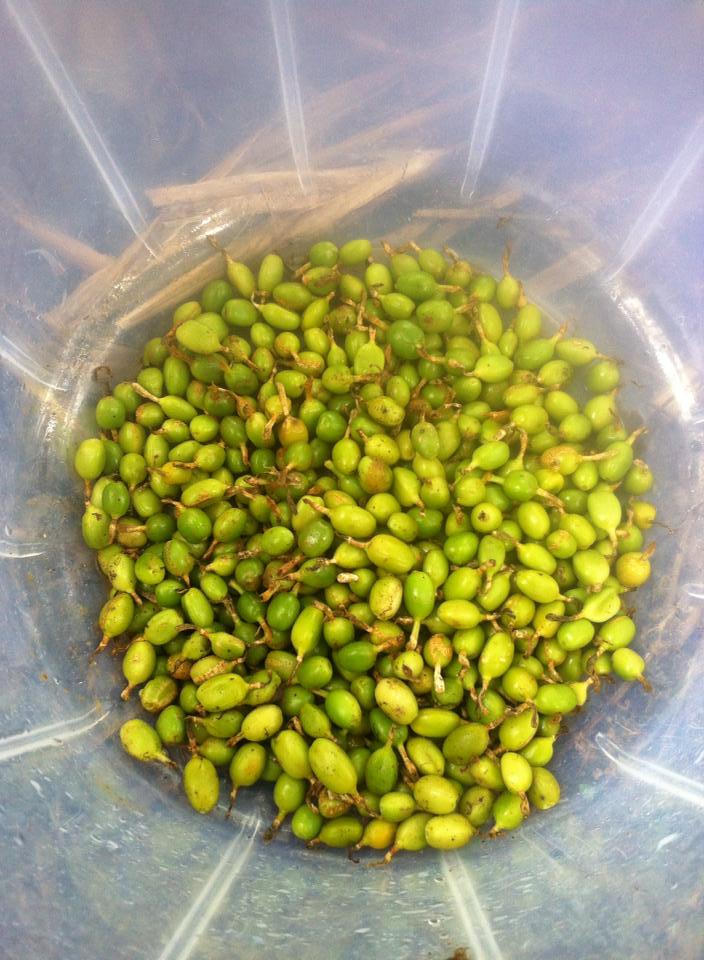
I was looking for the ones that fell off easily into my hand from tugging slightly. When ripe, the small seed pods on the inside are dark colored.

10501720_10201573978111087_4542956712817123894_n

We may be most familiar with this sweet spice in masala chai tea, but it has many uses.

To do a little research, I asked the Ayurvedic doctor here if he could enlighten me on some of the traditional medicine uses of cardamom. He said that it is good for throat and lung troubles, skin problems such as acne, and digestive issues.

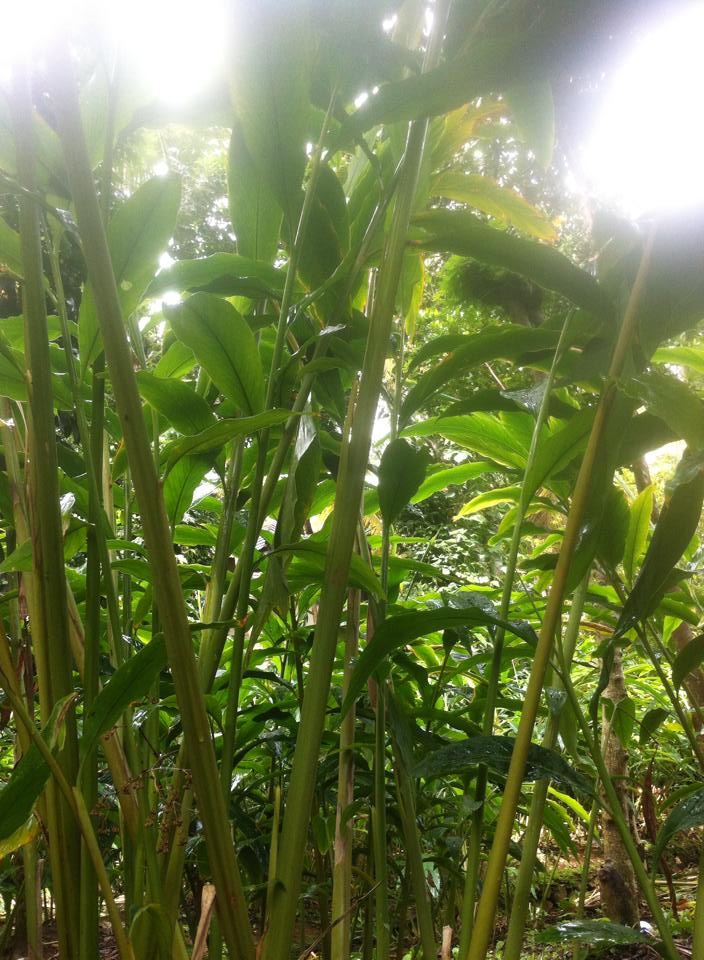
The type of cardamom we have here is the Malabar variety and it is native to Kerala. The green leaves are pretty tall- probably about 5 feet on average. The pods are on short vines that cluster at the bottom of the tall leaves.

When we were harvesting them, it started  Continue reading →

The Nilgiri Marten


Photo credit : Aparna P

Photo credit : Aparna P

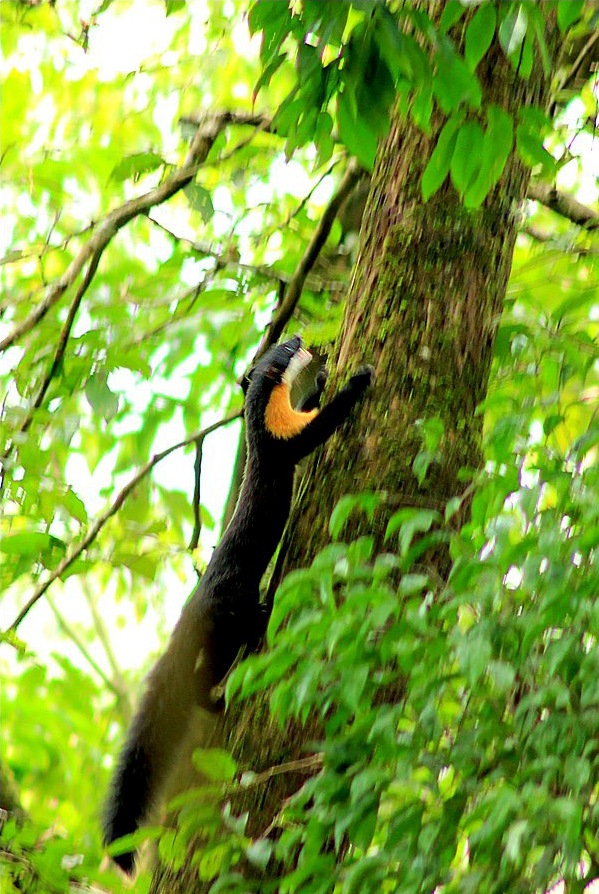
The Nilgiri marten (Sc. name: Martes gwatkinsii) is the only marten found in southern India, in the Nilgiris and western Ghats. Martens are fairly widespread members of the family Mustelidae, which also includes the familiar otter, badger, weasel, ferret, and other small carnivorous mammals. The Nilgiri marten, like other martens, makes its home in the forest, inhabiting the moist and semi-evergreen forests of the Western Ghats. They are quite rare and not very well researched; although mostly arboreal, their wide-ranging travels motivated by their carnivorous diet will occasionally bring them down from the trees where lucky photographers may be able to snap a few photos before the marten hightails it. Continue reading →

Nothing To Laugh About, But We Cannot Help Ourselves Every Now And Then…

ILLUSTRATION BY MIGUEL GALLARDO.

ILLUSTRATION BY MIGUEL GALLARDO.

True, we sometimes share doom and gloom, but sparingly. We attempt here to balance it with a note on Deniers (we share full text here, but please click through to the original so the author and publication receive proper benefit):

I accept that changes in climate are causing ocean updrafts that draw killer sharks into the atmosphere and then drop them on populated areas, but I don’t believe human activity is the cause.”

“Out here in Oklahoma, we have the same problems that the rest of the country is experiencing, with wind-borne sharks crashing through billboards and attacking folks on their way to work and so on. We have yet to see a single study, however, that connects any of these shark conditions specifically to our local fossil-fuel industries.”

“Tree-ring studies done on petrified wood from Utah reveal six-inch-long fossilized teeth of the Megalodon, the largest shark in the history of the earth, embedded in the trunks of ponderosa-pine trees more than three hundred thousand years old—trees that lived a thousand miles from the nearest ocean! So tell me: did my S.U.V. cause that?” Continue reading →