Citizen Science in Belize – Update on Lionfish Jewelry: Part 2

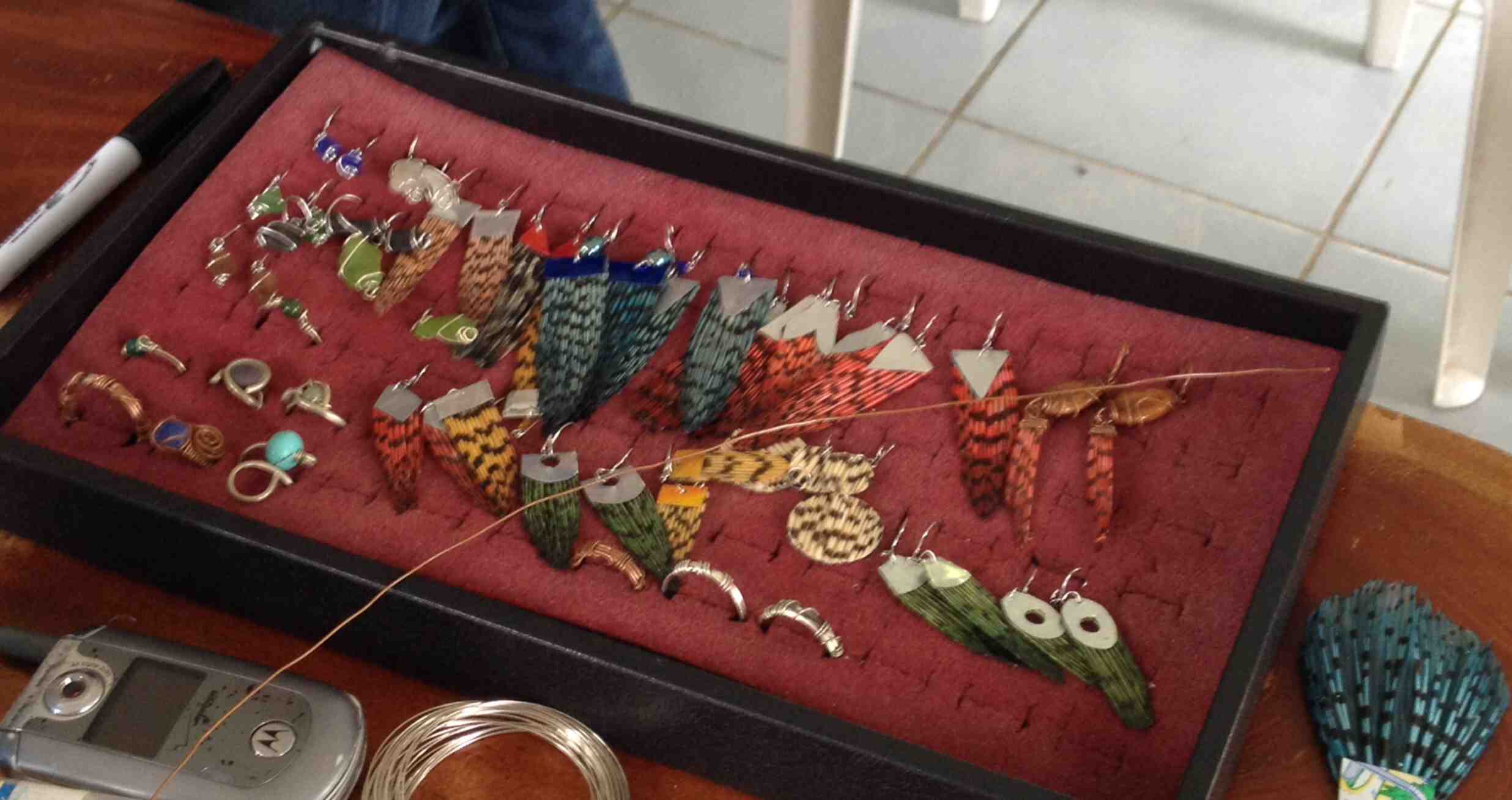
Assorted lionfish jewelry from Palovi Baezar, Punta Gorda, Belize

Assorted lionfish jewelry from Palovi Baezar, Punta Gorda, Belize

In Part 1 of this post I wrote about my recent visit to Belize to help with further development of the nascent  market for lionfish jewelry; one of several market-based approaches to addressing the threat to Southwest Atlantic marine ecosystems posed by the invasion of this non-native species. I noted that the market is most advanced in the area around Punta Gorda, in Southern Belize, in large measure due to the support provided by ReefCI which has provided training on jewelry making to a group of local women and is supplying them with lionfish spines, fins, and tails as well as marketing assistance.

Lionfish spines, fins, and tails ready for jewelry

Lionfish spines, fins, and tails ready for jewelry

While ReefCI’s involvement has been instrumental in getting things started, further development and expansion of the market will require engagement with artisans and women’s groups in other parts of the country, particularly areas closer to major tourist markets. Interventions are also needed to develop a reliable and sustainable supply chain for lionfish jewelry production and sales. I was pleased to hear from one of the jewelry makers in Punta Gorda that a local fisherman had approached her about selling lionfish tails. This was music to my ears, as one of the motivations behind the lionfish jewelry idea has been to up return to fishers in order to create added commercial incentive for them to hunt lionfish (the fish cannot be caught using conventional fishing methods such as hook and line or nets, but must instead be speared or hand-netted by diving). Continue reading →
In The Rough, Big As Can Be

Photograph by Antonio Zambardino/Contrasto/Redux.

Photograph by Antonio Zambardino/Contrasto/Redux.

Who knew? Diamonds, forever and ever the best friend of half of us, can be otherworldly:

The biggest diamond ever found on Earth, known as the Cullinan diamond, weighed three thousand one hundred and six carats before it was cut, or about one and three-tenths pounds. The biggest diamond ever found in the universe, whose discovery was announced this week, has no name, will never be cut, and weighs approximately a million trillion trillion pounds. This makes it as massive as the sun, and no wonder: it’s the corpse of a star that once looked very much like the sun, lying nine hundred or so light-years from Earth. Continue reading →

Riding the Slackline

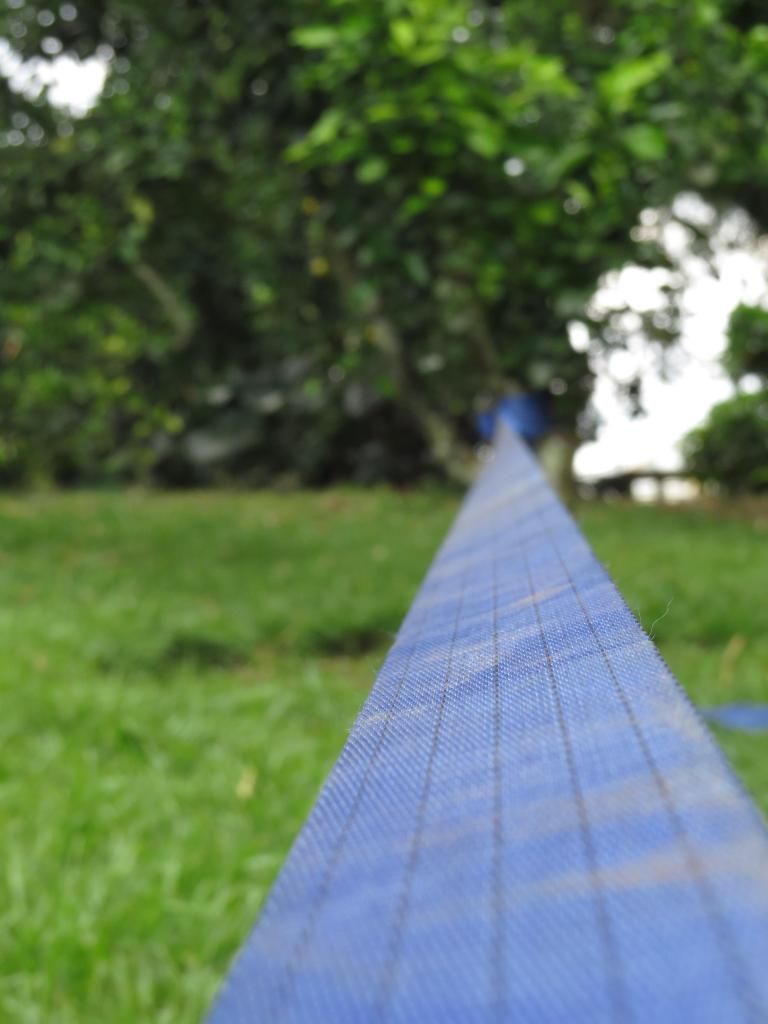
A slackline at Xandari (photo credit: S. E. Inman)

2014 marks the 150th anniversary of the land grant that yielded Yosemite National Park (Seth will be talking more about this in a post on the topic). But why should this matter for a post on slacklining? Well, as it turns out, Yosemite was one of the early hotbeds for the development of this increasingly popular outdoor activity. In celebrating Yosemite’s anniversary, we can also take a moment to appreciate Continue reading →

Theyyam Face Make-up

Photo credits: Jithin Vijay

Photo credits: Jithin Vijay

Face painting is one of the most important parts of Theyyam, an ancient form of worship in certain parts of Kerala. Theyyam dance make-up should be made from as many natural materials as possible. Coconut leaves are used as brushes, and the make-up artist should have perfect knowledge of how to combine colours.  Continue reading →

Kottiyoor Temple

Photo credits : Shymon

Photo credits: Shymon

Kottiyoor is an ancient Hindu pilgrim center, situated in the Kannur district of Kerala. This temple is dedicated to Lord Shiva and the Goddess Parvathi, and is located deep in the forest. Kottiyoor is a unique festival celebrated for 28 days, and it falls during the months of May and June. Continue reading →

Throwback Thursday: IPM

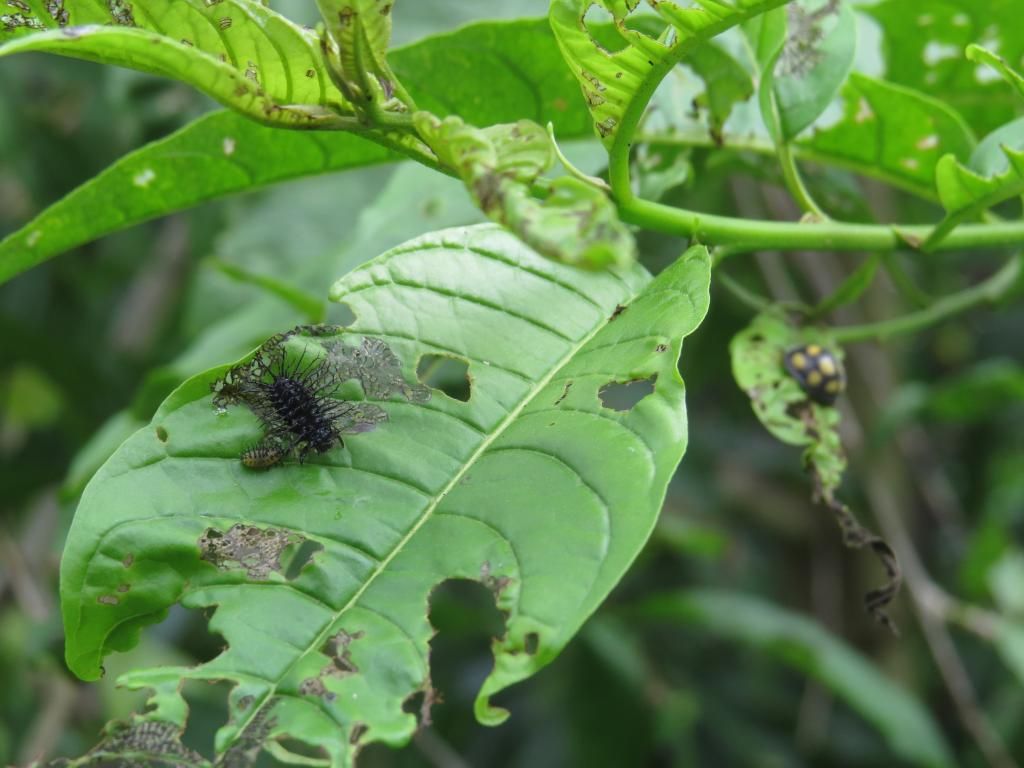
A ladybug relative nymph in the foreground and a mature individual in the background. The tiny thing next to the nymph might be a larvae.

Yesterday, as James and I were on one of our birding walks around Xandari, we ran into José Luis, who had a couple new things to show us about the gardens and orchard that he runs. At first, it looked like a ragged young tree, its leaves half-devoured and its trunk stained black. But we quickly learned Continue reading →

El Café Borbón

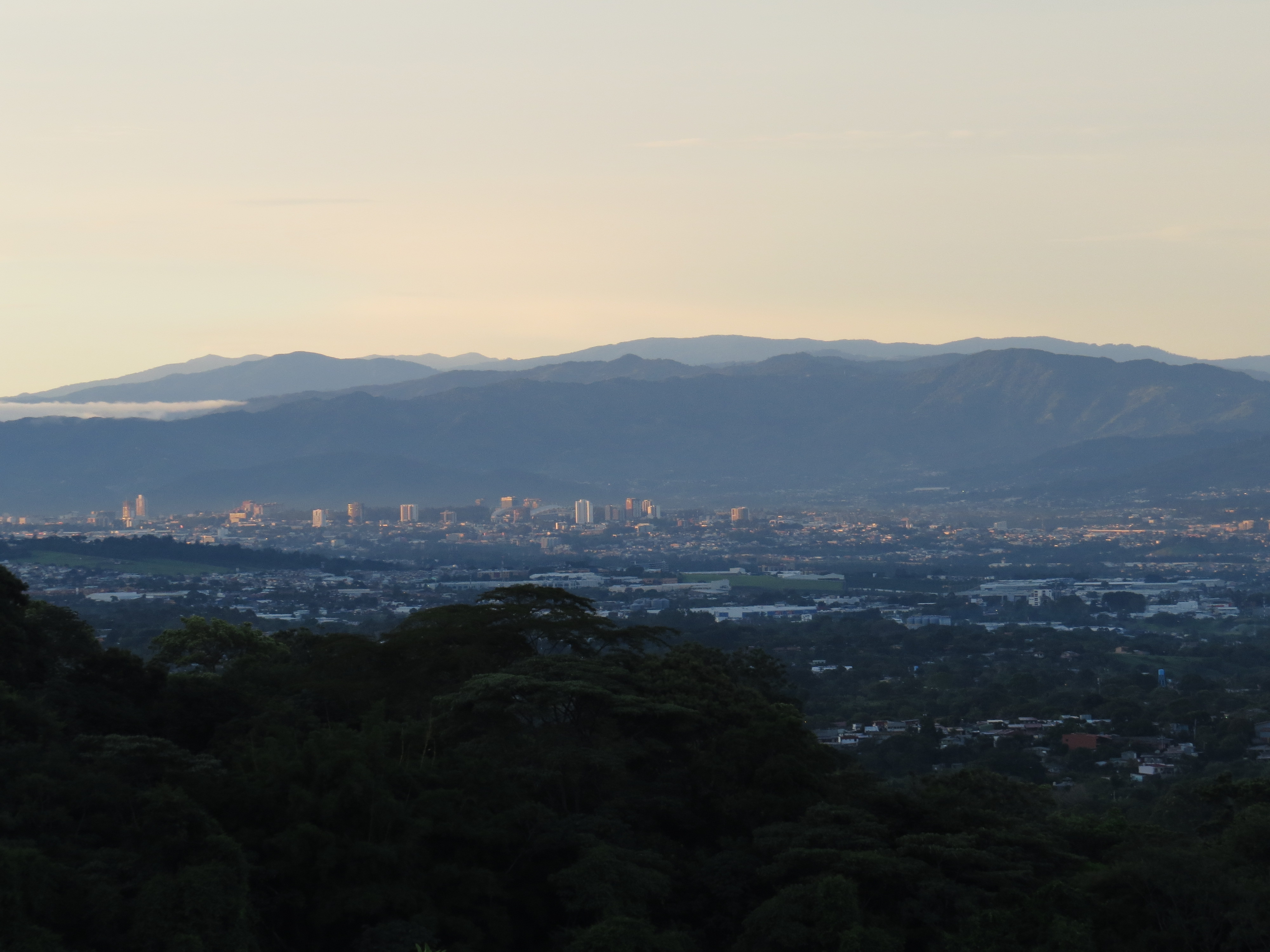
A great morning view of the Central Valley and opposing mountain range from the coffee field

A great morning view of the Central Valley and opposing mountain range from the coffee field

The current batch of Xandari’s mountainside Bourbon coffee is all planted, and James and I have a slideshow of photos we sporadically took to celebrate it! Continue reading →

Flavours of Kerala – Beef Fry

Photo credit : Jithin

Photo credit: Jithin

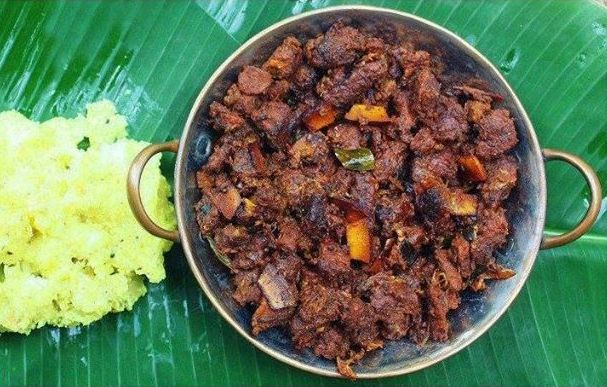
Beef fry is a favorite traditional dish in Kerala. It is prepared with heavy spices and gets quite hot, so it is well paired with tapioca, poratta, and appam. The main ingredients are onion, garlic, ginger, coconut flakes, green chilies, curry leaves, Garam masala, turmeric powder, red chili powder, pepper powder, salt, and coconut oil. Continue reading →

What Happens When You Write

Screen Shot 2014-06-22 at 1.03.57 PM

The graph above tells a story about what happens when an author-researcher writes compellingly about scientifically rigorous findings. Citations build. In this particular case, some of those citations are of research about the brain’s inner workings during the process of writing. Carl Zimmer’s attention to the work of Martin Lotze, in the Science section of the New York Times, is as scintillating as Zimmer gets:

…A novelist scrawling away in a notebook in seclusion may not seem to have much in common with an NBA player doing a reverse layup on a basketball court before a screaming crowd. But if you could peer inside their heads, you might see some striking similarities in how their brains were churning. Continue reading →

The Dark Blue Tiger

Photo credits : Sherfin

Photo credits: Sherfin

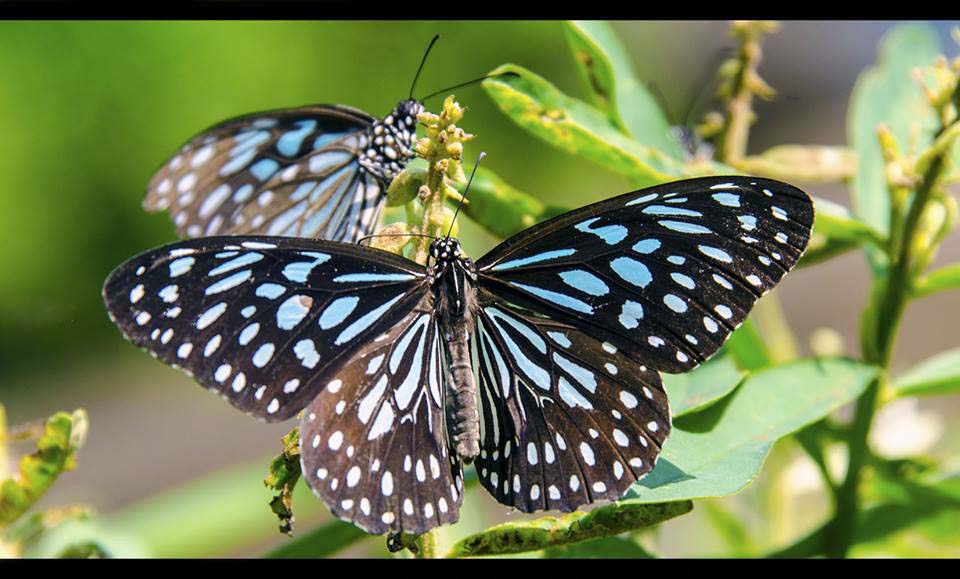
The Dark Blue Tiger (Tirumala septentrionis) is a butterfly that can be found across peninsular India at elevations up to 2000 meters. This butterfly prefers forested tracts, where they can be seen congregating in large numbers around pools of water and flowering trees. Continue reading →

Dhokla, Indian Street Food

25KITCH1-sfSpan

Indian food fit for print:

Next Stop, India: Full Steam Ahead

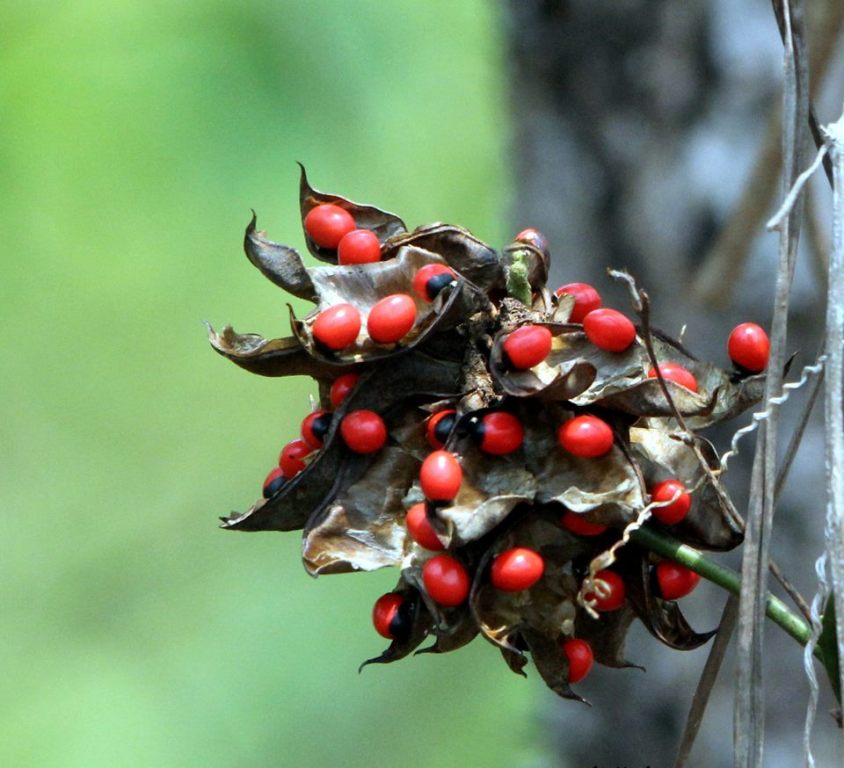
Indian Licorice – Abrus precatorius

Photo credits : Shymon

Photo credits: Shymon

Indian Licorice (Abrus precatorius) is a native of India and the tropical and sub-tropical areas of the Western Ghats. Despite its name, Indian Licorice is not closely related to the licorice (Glycyrrhiza glabra) that lends its flavor to candies, beverages, and other foods. The seeds are bright red and black in color and highly poisonous. Continue reading →