An App For Greener Gardening

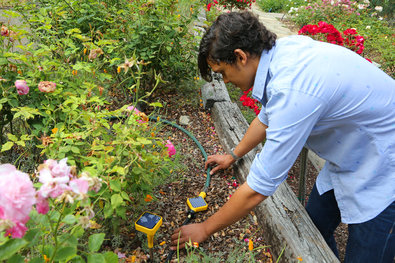
Jim Wilson/The New York Times. Jason Aramburu examining a sensor he developed that monitors the condition of soil in gardens.

Jim Wilson/The New York Times. Jason Aramburu examining a sensor he developed that monitors the condition of soil in gardens.

Thanks to the New York Times Science section for this good news about a smartphone app to monitor plant health and assist their resistance to drought and other challenges:

PROTOTYPE

Planting for Profit, and Greater Good

By CLAIRE MARTIN

Poacher Is A Poacher Is A Poacher

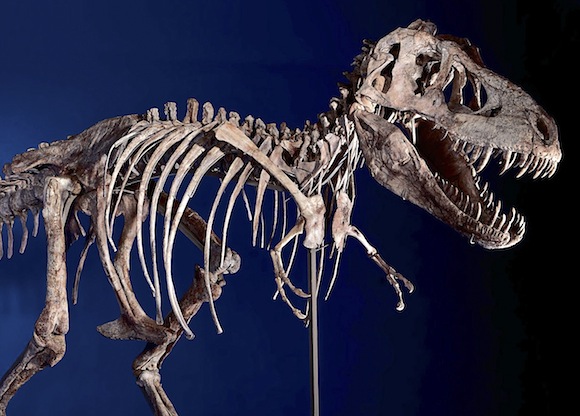
The fossil of a Tarbosaurus bataar, which was returned to Mongolia after it was poached and sold for $1 million, in an undated handout photo. Fossil poachers have become a major problem for paleontologists, wreaking havoc on the sites of dinosaur remains. (U.S. Immigration and Customs Enforcement via The New York Times) -- EDITORIAL USE ONLY

The fossil of a Tarbosaurus bataar, which was returned to Mongolia after it was poached and sold for $1 million, in an undated handout photo. Fossil poachers have become a major problem for paleontologists, wreaking havoc on the sites of dinosaur remains. (U.S. Immigration and Customs Enforcement via The New York Times)

I have normally thought of poachers in relation to live animals and especially endangered species, but here is news that broadened my knowledge of what gets poached and what happens as a result:

On the morning of October 17, 2012, a cadre of federal agents and sheriff’s deputies in Gainesville, Florida, went to the home of a suspected fossil smuggler named Eric Prokopi and arrested him.

As I reported in The New Yorker in January, 2013, the case against Prokopi was unusual and aggressive: it included several counts of felonious smuggling, and characterizations of the defendant as a “one-man black market.” Two months after his arrest, Prokopi pleaded guilty to smuggling the bones of a Tarbosaurus bataar, a Tyrannosaurus rex cousin that lived seventy million years ago in the Gobi Desert of Mongolia, which prohibits the commercialization of natural history. Continue reading →

If You Happen To Be In London

folkartbanner

Tate Britain: Exhibition

10 June – 31 August 2014

During the next few months the exhibition will be at the Tate, and then moving to at least one other venue:

Discover the extraordinary and surprising works of some of Britain’s unsung artists in the first major exhibition of British folk art.

Steeped in tradition and often created by self-taught artists and artisans, the often humble but always remarkable objects in this exhibition include everything from ships’ figureheads to quirky shop signs, Toby jugs to elaborately crafted quilts. Continue reading →

Kerala – God’s Own Country

Photo Credits : Ramesh Kidangoor

Photo Credits: Ramesh Kidangoor

In the last few years, Kerala Tourism has recorded remarkable growth in the number of both international and domestic tourists visiting the state annually. After its rise to the top in 2003 as a recognized worldwide destination, Kerala Tourism was named a “super brand” by the India Tourism board. Continue reading →

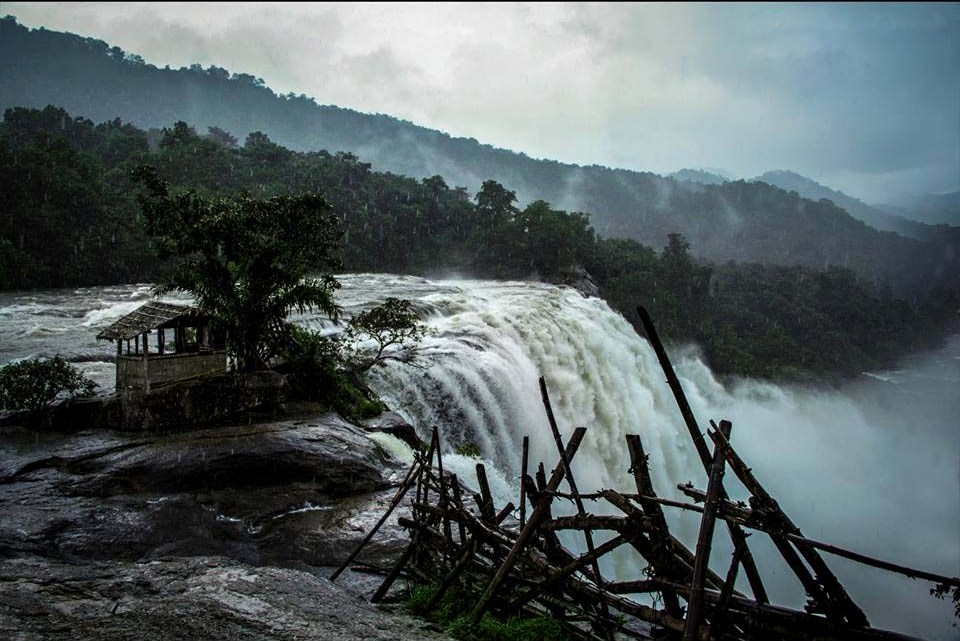
Athirappally Waterfall

Photo credits : Nithin Vijay

Photo credits: Nithin Vijay

Only 80 km from the city of Cochin, the Athirappally Waterfalls and Sholayar Forest are popular tourist destinations and an ideal location for film shooting. Tourist can enjoy these falls from the top of the rocks and watch water rush past to plunge down about 90 ft. Continue reading →

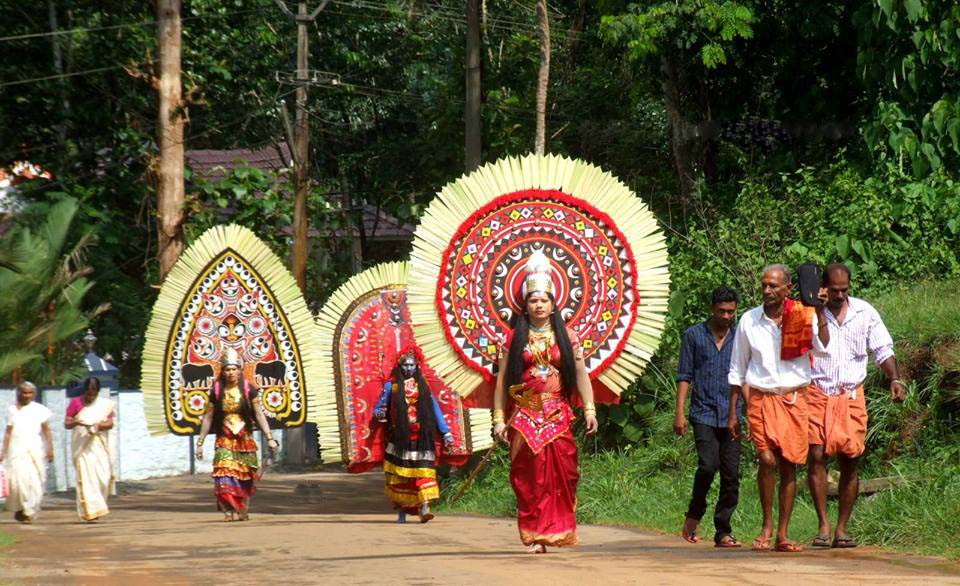
Performing Arts – Chamundi Theyyam

Photo credits : Jithin Vijay

Photo credits: Jithin Vijay

Kerala has a veritable array of performing arts. Theyyam or Kaliyattom is one of the most popular ritualistic dances of Kerala. Costumes with crownlike headgear, breastplates, ornaments, special face painting and variously shaped garments of cloth and palm leaf fronds make Theyyam a colourful visual. It is a devotional performance with a surrealistic representation of the divine. Continue reading →

Architectural Moveables

carrybuildingslead

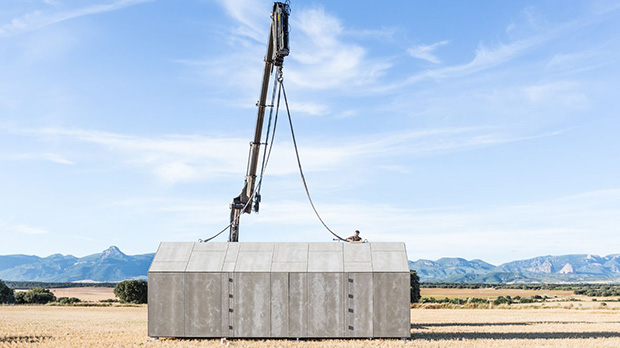
Casa Transportable ÁPH80 by Ábaton is one of the Atlas choices

Thanks to Phaidon for their attention to architecture that not only moves users, but which users can move:

Regular Phaidon readers will already be familiar with our recently launched Online Atlas, the dedicated resource website for architects, students and true lovers of architecture .

The site, which features over 130,000 images, 3,079 projects from 1,537 architects in 115 countries around the world is an invaluable aid to anyone who works in the industry and needs to know who did what, where – and, of course, how.

The Atlas editors have a regular feature in which they focus on a specific, occasionally left field aspect of architecture or an architectural project each week. It’s called Editors’ Focus and the first one was all about small buildings; a more recent post dwelt on nine of the hardest to construct buildings listed. This latest round-up takes in portable architecture. Continue reading →

Images Of India And Mexico

501Z-143-28A

The Wittliff Collections offered a look at this new book, and a talk with the photographer, Mary Ellen Mark, for the launch of her 19th book, Man and Beast. That was some moons ago. We missed the launch, but the New York Times review from Sunday is worth a read, and gives the clear indication that the book is worth a long sitting as well: “Mark has been shooting in Mexico and India since the 1960s, and in “Man and Beast,” she brings together her black-and-white photographs into an affectionate, annoying, stubbornly beautiful book.” Thanks to Leica’s blog for this interview with the photographer:

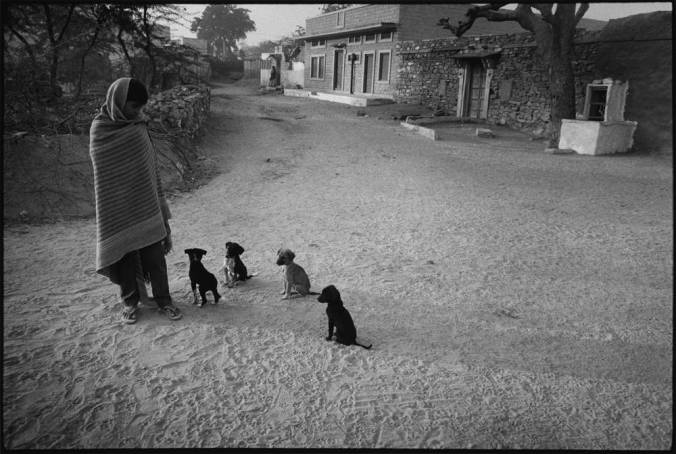
…Q: Finally let’s talk about this boy with a puppy.

A: That was shot with a 35 mm lens on a Leica. This is one of my favorite dog pictures. It was early morning in Rajasthan, India. It was kind of chilly; that’s why he has a shawl around him. He was just standing there with his puppies. Continue reading →

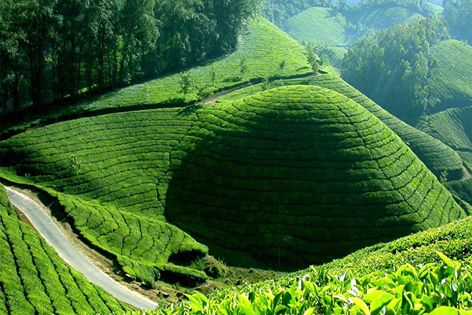
Unseen Munnar

Photo Credits: Roji Antony

Photo Credits: Roji Antony

Located 1600 metres above sea level, this hill station become the headquarters for several tea plantations scattered throughout the Western Ghats. The need to serve these plantations led to the growth of  Munnar and its surroundings. With the tag of tourism, it has became a magnet for travelers, offering great opportunities for walking, trekking, nature photography and golfing. Continue reading →

Dairy Story, India Edition

A dairy in India, covered as a feature story in the New York Times?  This catches our attention because our conservation initiative, Amboli Reserve (more about this 2,000 acre project soon), is in the same state and likely within driving distance for our guests to visit:

…On a 26-acre farm a couple hours’ drive inland from Mumbai, hundreds of black-and-white Holstein-Friesian cows laze around, dining on seasonal greens and listening to a custom playlist of rap, pop, classical and even devotional music. They are treated to a routine medical checkup before heading to a ‘rotary milking parlor,’ where their udders are gently squeezed, until the cows step away, at will… Continue reading →

Big Business, Conservation, Innovation

We have written about and linked to others’ thoughts on altruism more than once, thinking we will eventually have an ultimate illumination on its origins and how to increase its likelihood. Likewise on our main theme as an organization, with regard to entrepreneurial conservation. We also keep a watch out for big companies (versus entrepreneurs) and governments (as in the case of the state initiative in the banner above, which is discussed below) doing the right thing.

Thanks to this article in the New Yorker for bringing our attention to the efforts to bring sustainable and affordable water to the good folks of Texas, and at the same time raising our awareness of the tightrope walking between big businesses that have many motivations to participate in innovative conservation schemes, and the organizations that have been the innovators in this regard for decades:

Mark Tercek, the head of the Nature Conservancy, recently took a tour of the largest chemical-manufacturing facility in North America: the Dow plant in Freeport, Texas. The Nature Conservancy, which is responsible for protecting a hundred and nineteen million acres in thirty-five countries, is the biggest environmental nongovernmental organization in the world. Tercek, accompanied by two colleagues, had come to Freeport because the facility—a welter of ethylene crackers and smokestacks built next to a river that flows into the Gulf of Mexico—is at the center of a pilot collaboration that he hopes will reshape conservation.The key idea is to create tools that can assign monetary value to natural resources. Continue reading →
Performing Arts – Padayani

Photo credits : Ramesh Kidangoor

Photo credits: Ramesh Kidangoor

Padayani literally means the “ranks of an army”, but is also related to religious rituals and mythological stories. It is the symbolic victory march of Goddess Bhadrakali after she defeated the demon Darikan. Unmarred by caste distinction, it is a community celebration with audiences providing an active participatory role with drums and pipes used for musical support. Continue reading →

Saving Species–One Paper, One Video, One Course, And One Initiative At A Time

saving-species-logo-long-small

We thank Stuart Pimm for his ongoing excellent contributions to conservation through science and education, as well as creative activism, and congratulate him and his colleagues for their most recent publication:

A new scientific paper was published today in the prestigious journal Science and it has important findings for biodiversity. Though it reaffirms what we already know—that there is a global extinction crisis and it is worse than we believed—it also details how technology and smart decision-making are offering hope for endangered species and their habitats. Continue reading →