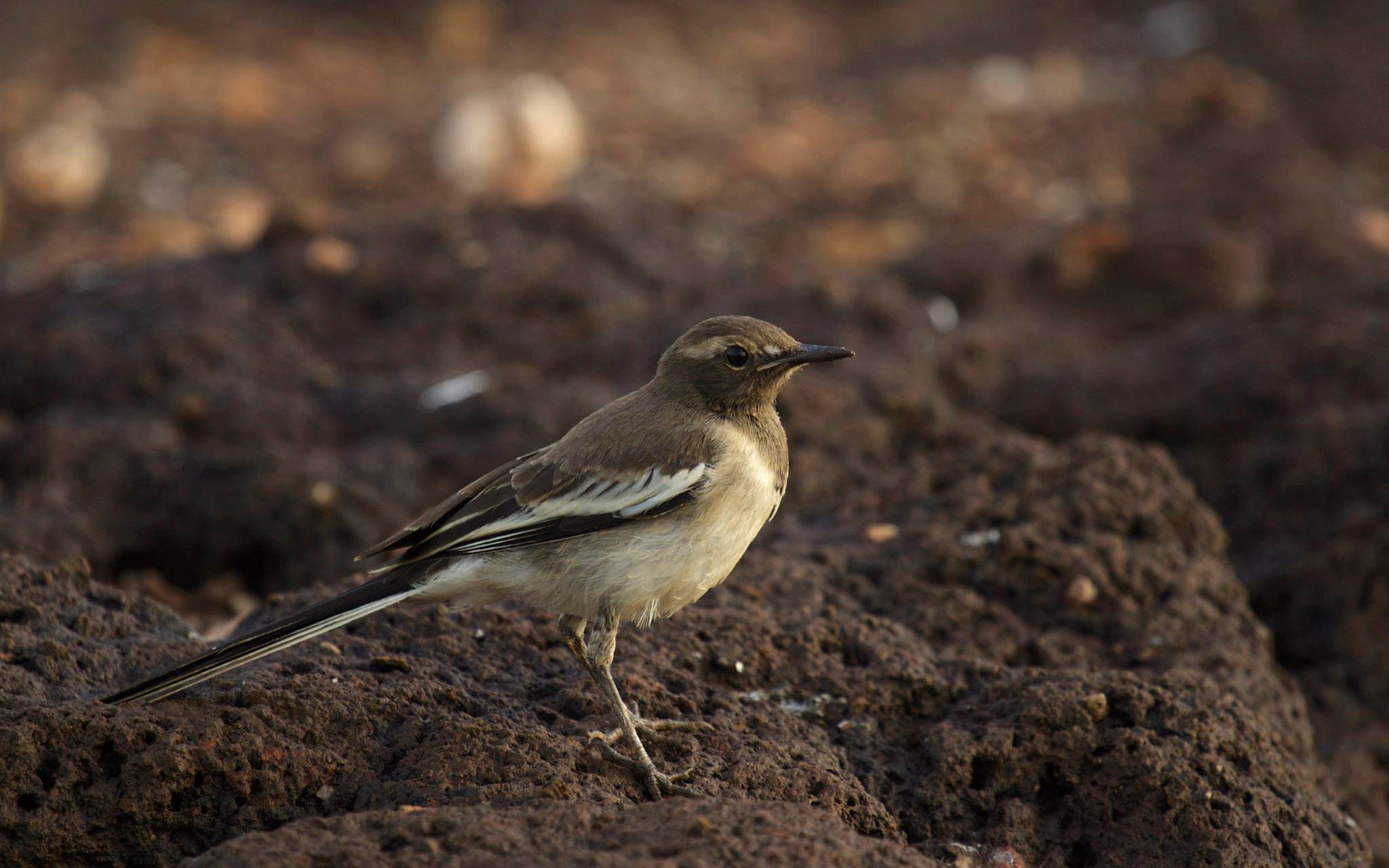
Juvenile – Bhadra Tiger Reserve, Karnataka
Juvenile – Bhadra Tiger Reserve, Karnataka

Photo © Disney
When we look for scientific answers to interesting questions, the name Disney does not normally come to mind, but credit where due (thanks to Science Friday for this):
Why Are Elephant Ears So Big? And Other Pachyderm Questions
Joseph Soltis, a research scientist at Disney’s Animal Kingdom, recently chatted with SciFri about the “words” that African elephants use to communicate. Below, Soltis has addressed a few of your pachyderm questions:How do researchers keep bias towards human languages out of the study of elephant languages? Do a linguistics study as if the elephants were human?—@CyberResearchUSYou always have to be careful not to freely ascribe human-like capabilities to animals without evidence. For language, this is especially important. We [humans] can make a simple distinction between sentences with lots of words strung together following grammatical rules and a simple vocabulary of individual words.
Carbon, and what to do about it, has been a constant topic of interest to our readers since we began this site. The single most-read post, Carbon Emissions Series: Vacationers’ Diets is on this very topic. But how can we visualize carbon such that we care more about it? Thanks to the website of the magazine Conservation for this link, whose title says it all:
CARBON VISUALS: ANIMATING THE WORLD’S CARS
A short animated film from Carbon Visuals is being used to engage managers around the world about the fundamentals of sustainability, how sustainability is relevant to their role and its importance to business success.
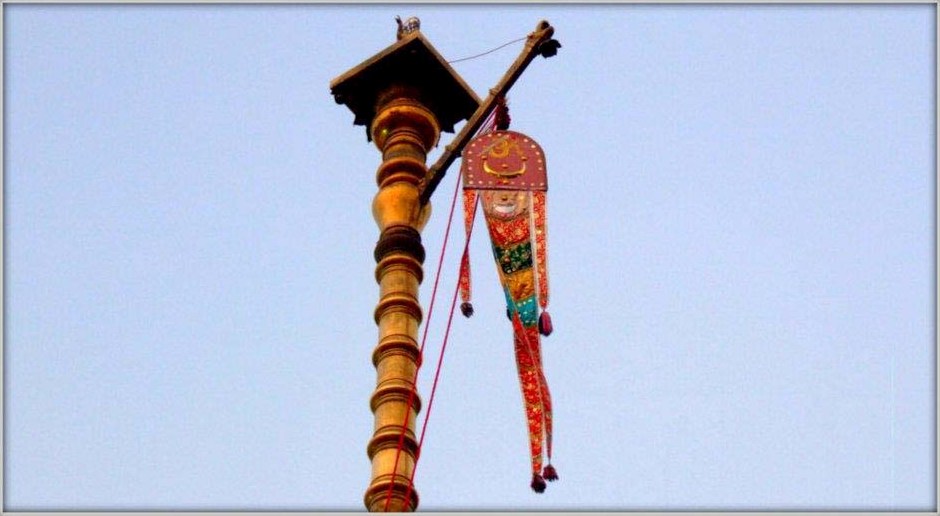
Photo credit: Ramesh Kidangoor
Dwajasthambam is the traditional Hindu temple flag pole placed between the temple gopuram (entrance) and the sanctum sanctorum. They are traditionally made of wood, copper sheets, and gold coating. A cloth flag with Hindus symbols, holy words and figures of Gods or Goddess is usually hoisted on the pole during temple festivals. Continue reading

Bharatpur Bird Sanctuary, Rajasthan

Music forms a type of universal memory the crosses cultures and continents, and Yo-Yo Ma’s Silk Road Ensemble that brings together musicians and composers from more than 20 countries is a lyrical example of what we hold dear at RAXA Collective. The 2,000 year old history of the Silk Road also coincides with the Spice Road, which is also a subject we take very personally.
The extent of exchange of art, ideas and innovations between cultural groups trading on the routes is illustrated by the eighth-century Shôsôin collection of artifacts. Culled by a Japanese emperor, it contains luxury goods from the Mediterranean, Persia, India, Central Asia, China, Korea and Japan…
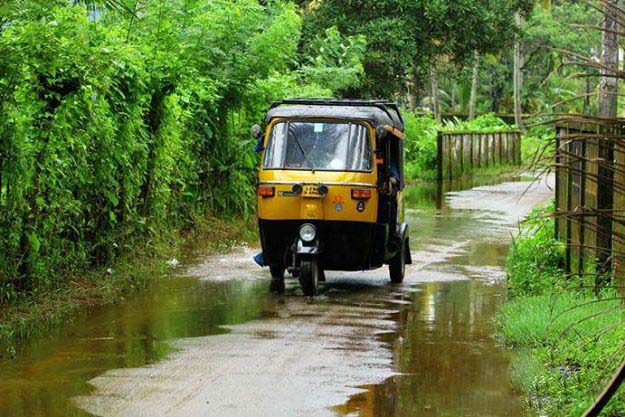
Photo credits: Harish
Auto rickshaws are common all over India and provide cheap and efficient transportation. Also known as three wheeler vehicles, ricks and tuk-tuks, they are a convenient mode of transport for very short distance travel. It is economically viable and a means of livelihood for thousands of people all over Kerala. Continue reading
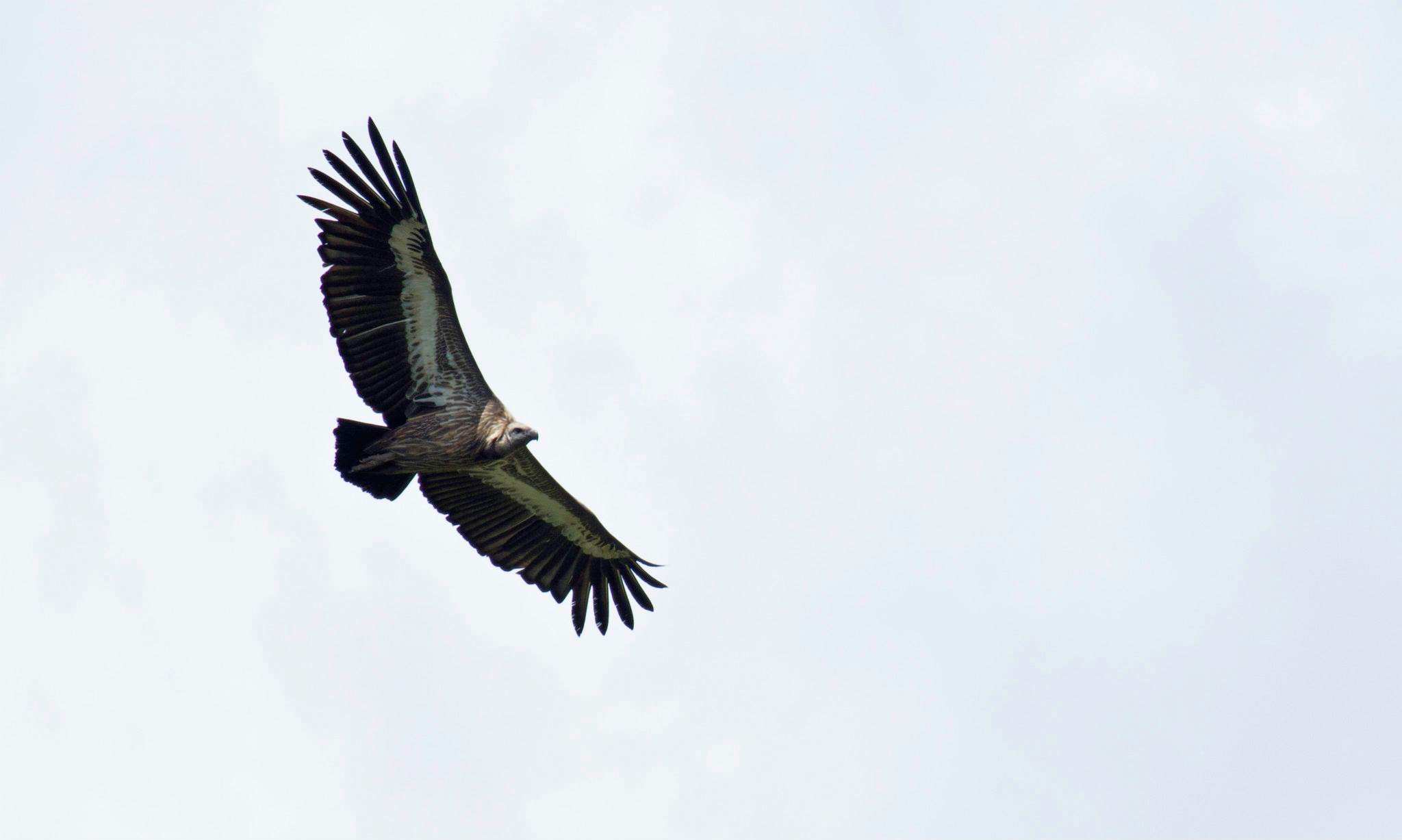
Bandipur National Park, Karnataka
It has been a while since we linked to Krulwich Wonders, which we have done too many times to link back to all previous posts, but now is as good a time as ever to do so again:
A Question Of Biggitude: What’s The Largest Creature On Earth
What’s the biggest living thing on earth? I can think of two. I’m not sure which is biggest, but neither of them is a blue whale. These are weirder. Much, much weirder.
One is a tree. The other eats trees.
This is the tree.

Photo credits: Ranjith
Andhakaranazhi is a beautiful beach located 5km from Mararikulam beach (one of the most famous beaches in Kerala) in the Alappuzha district, approximately 30km from Kochi International Airport. There is a lighthouse near the beach, and the place is a confluence of the backwaters and the Arabian Sea. It is particularly beautiful at sunset and sunrise. Continue reading

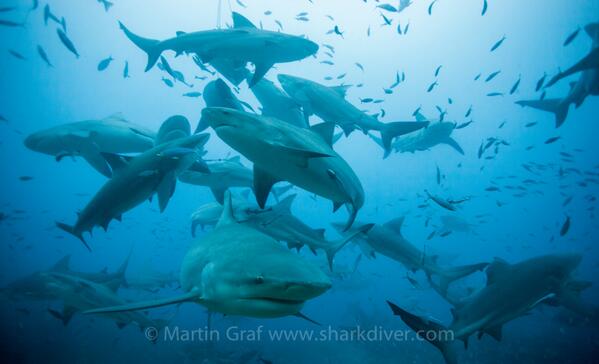
Photo Credit: Martin Graf, Sharkdiver.com
In an earlier post I wrote about how more and more countries are waking up to the benefits of preserving natural capital, in recognition of the economic value that can be derived through ecotourism. I noted, in particular, the value that can be generated through ecotourism ventures focused on iconic species such as sharks, manta rays, and sea turtles. I cited a number of studies and calculations that demonstrate that the ecotourism value of these animals far outweighs their one-time economic value if harvested for food or body parts.
Earlier this week, I had an opportunity to experience one such venture first hand, via the famous Fiji Shark Dive. Over the course of two dives I was treated to the spectacle of 40+ Bull Sharks and dozens of Blacktip and White Tip Reef Sharks, up close and personal! What an amazing experience to see these magnificent animals – some upwards of 8 feet long –swimming only inches away. Click here for a video (check out the background music!) courtesy of Martin Graf, one of the pioneers of the Shark Diving industry, who just happened to be in Fiji this week and was along on my dives. Continue reading
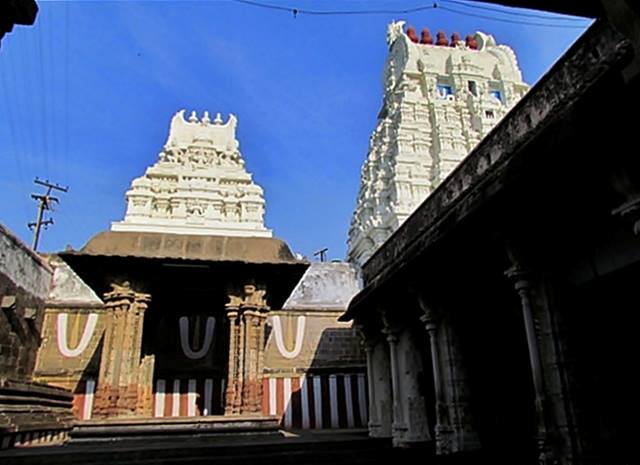
Photo credits: Renuka Menon
Varadharaja Perumal temple is situated in Kanchipuram, Tamil Nadu. This temple was originally built by the Cholas, one of India’s great dynasties, in 1053. The main deity of the temple is Lord Vishnu. One of the most famous architectural pieces in the temple is the huge stone chain sculpted from a single stone. Continue reading
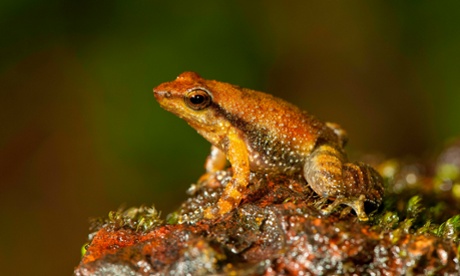
One of the 14 new species of so-called dancing frogs discovered by a team headed by University of Delhi professor Sathyabhama Das Biju in the jungle mountains of southern India Photograph: Satyabhama Das Biju/AP
Thanks to the Guardian for their coverage of environmental news stories, and considering the role frogs play as an indicator of ecosystem well-being, this counts as a big one:
Scientists have discovered 14 new species of so-called dancing frogs in the jungle mountains of southern India. Indian biologists say they found the tiny acrobatic amphibians, which earned their name with the unusual kicks they use to attract mates, declining dramatically in number during the 12 years in which they chronicled the species through morphological descriptions and molecular DNA markers. They breed after the yearly monsoon in fast-rushing streams, but their habitat appears to be becoming increasingly dry. Continue reading


Chang W. Lee/The New York Times. The New York Public Library has abandoned its controversial plan to turn part of its research flagship on 42nd Street into a circulating library.
Our interest in public libraries, as pillars of their communities, is frequently leading us to stories about the interplay between new technology and how libraries or used; or supposed challenges to the relevance of libraries. We remain convinced of their relevance and are interested in stories that highlight innovative solutions to the challenges these institutions face. Continue reading

Paul Kornacker
We never tire of sharing the results of contests to produce the best nature photography. The photo above is the winner of this year’s Gesellschaft Deutscher Tierfotografen–a new organization and contest for us–but we are slightly partial to one or two other finalists. Continue reading
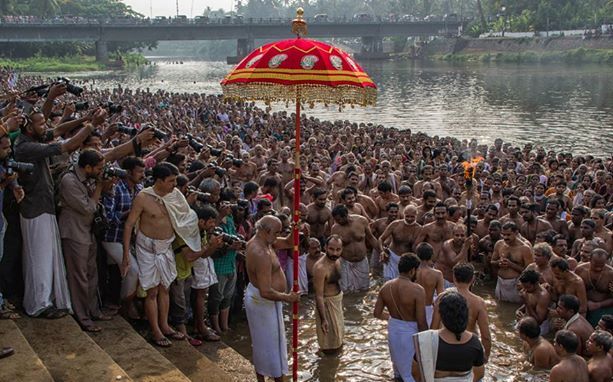
Photo credits: Jithin Vijay
Arattupuzha Temple is located in the Thrissur district of Kerala. The annual festival, Arattu Pooram, is a grand ceremony. Arattu refers to one of the concluding rituals of the temple festival, which is a ritualistic bath in the Karuvannur river on the next morning of Pooram day (when the moon rises with the Pooram star). Continue reading
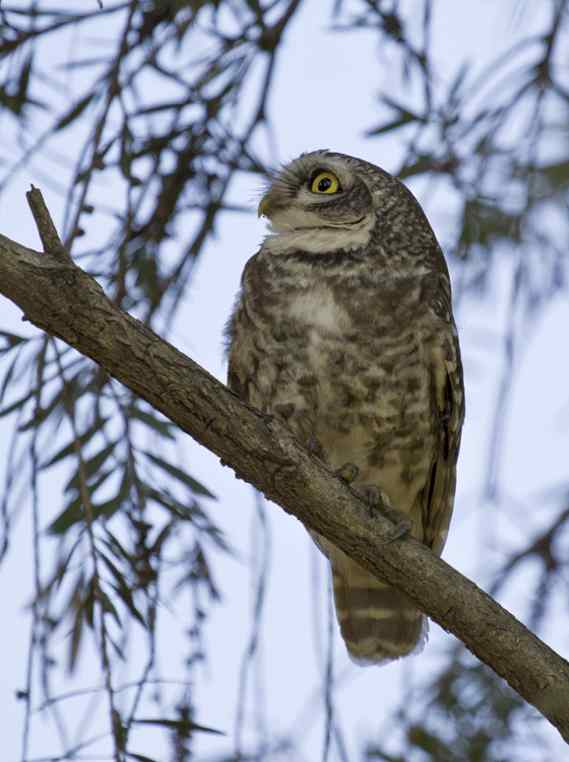
Bangalore, Karnataka
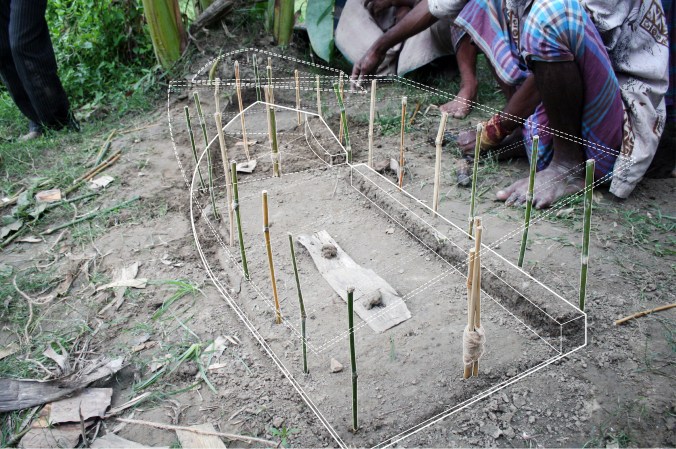
Preliminary model of the pavilion (Photo by Karen Chi-Chi Lin)
My very first internship was in Bangladesh with Panigram Resort, an eco-boutique resort in a rural farming town outside of Jessore, Bangladesh. I had no idea that it would ignite an insatiable curiosity about South Asia that would lead me back to the region several years later. I arrived in Kerala, India in 2012 not only with the amazing opportunity to return to a similar tropical biome and region, I had also returned to the same hospitality and resort family! Raxa Collective collaborates with Panigram Resort to help train Panigram Resort’s future leadership and staff.
When I was working at Panigram Resort, I was tasked with building a temporary pavilion for hosting potential investor meals and events. It seemed like an uphill battle for me at the time: I was young (19 years old); I was female; and I was a foreigner. Who would listen to me? I recently shared my story and was awarded the Young Designers 2014 Award by the Indian Architects & Builders (IA&B) magazine. I hope you, too, will enjoy my anecdote about the process from concept to construction … and finally, acceptance.
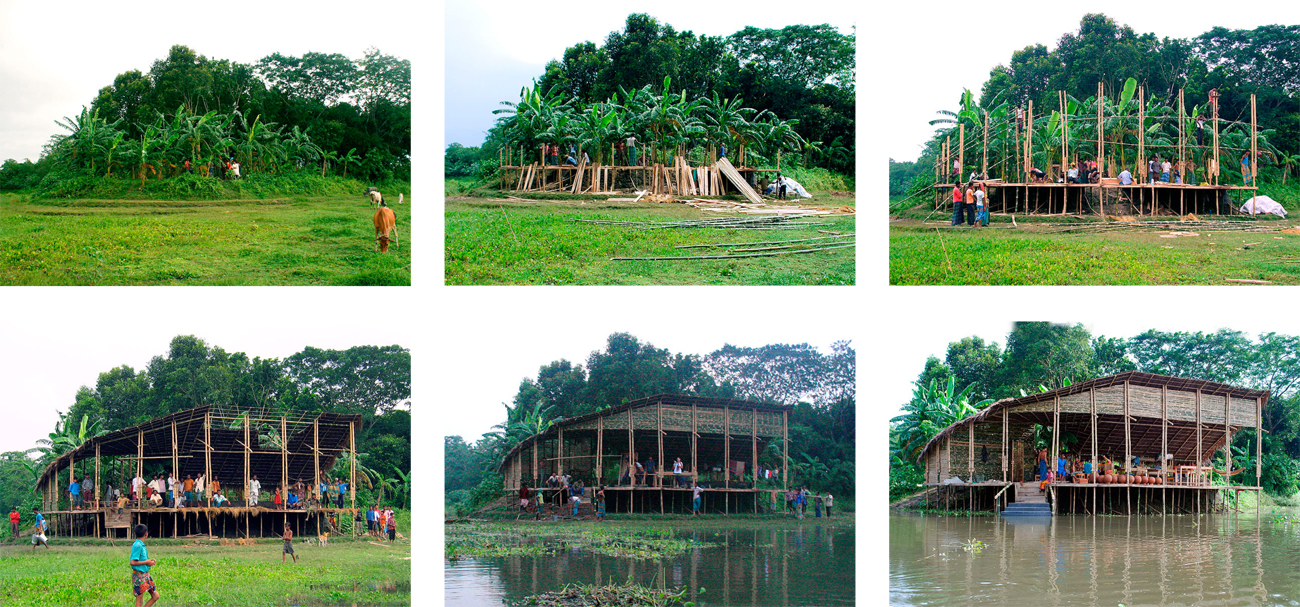
Panigram Resort banquet pavilion from start to finish (Photo by Karen Chi-Chi Lin)
I have never felt more accomplished than when I was handed a cigarette. Of course that requires an explanation. Continue reading
 Organikos