

Photo credits: Dileep
In some places of Kerala ferries are more popular and easier then road transport. The Alapuzha-Cochin region is interconnected with regularly used Junkar ferries that move vehicles and people across the extensive series of water bodies with back waters, lagoons and rivers making travel by ferry an effective services . Continue reading
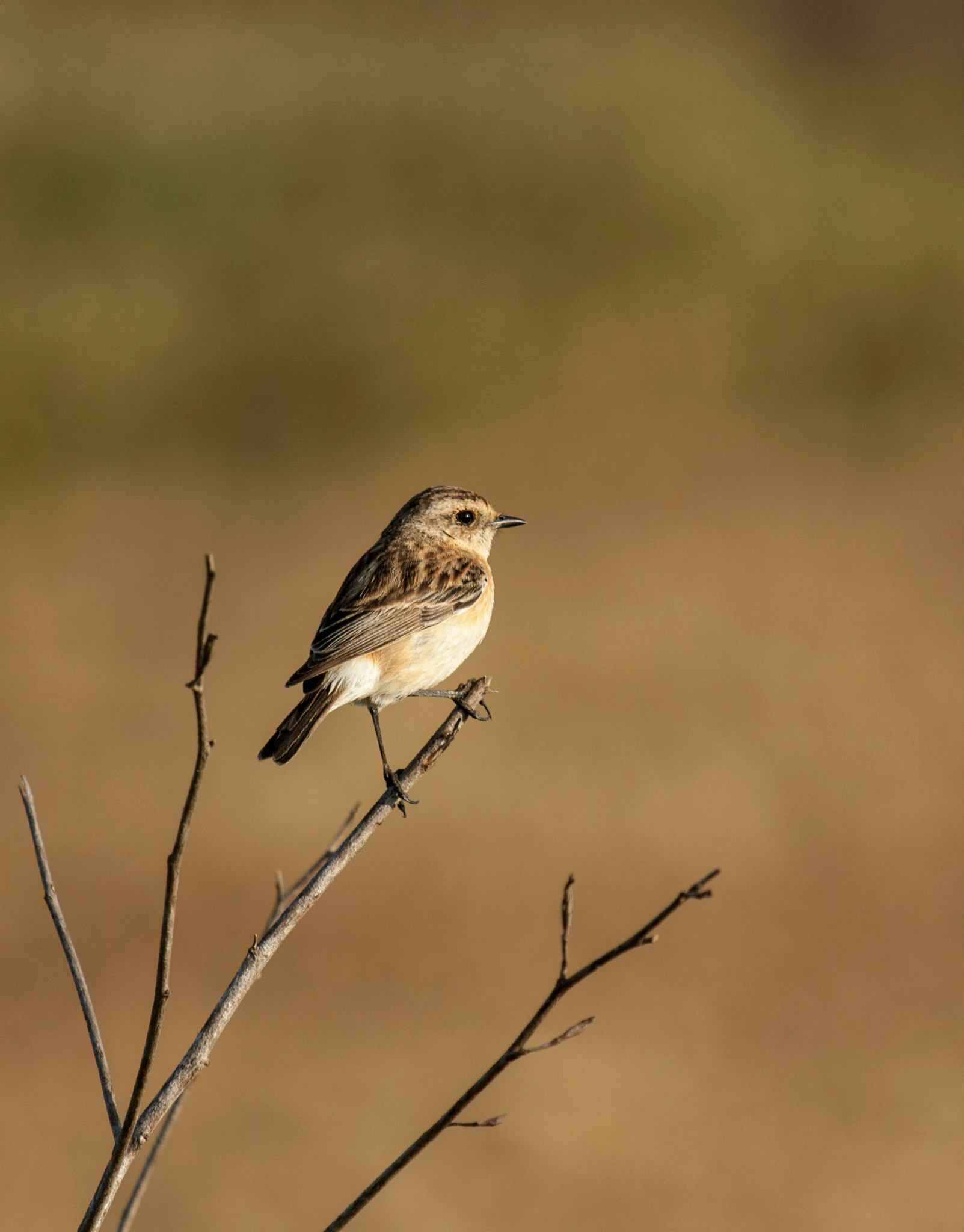
Outskirts of Bangalore, Karnataka
Maybe it’s already happened to you in years past: you walk into your garage, ready to take your first bike ride of the year now that it’s finally warm enough, but you lift your old helmet only to find that it is full of moss, leaves, and twigs. What?! You may think it’s a late April Fool’s joke, but actually it is the product of a lot of hard work by a small cavity-nesting bird that has found a safe place to put their home. Depending on where you live, it could be any number of species, but the most common by far are the Carolina Wren and House Wren.

Clockwise from top left, submissions are by Joe Hoelscher, David Hutchinson, Mike Smith, and Sophie Lyon.
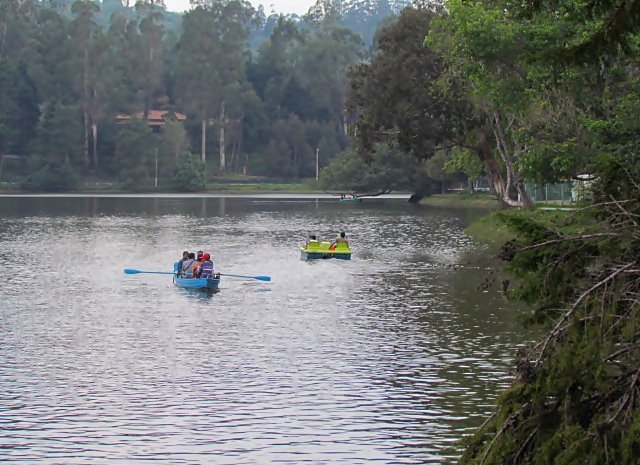
Photo credits: Renuka Menon
Kodaikanal is the one of Tamil Nadu’s famous hill stations. With an altitude of about 2200 meters above sea level and coversing an area of 2150 sq km, it is the most popular tourist destination in South India due to it’s lush, green surroundings and beautiful lake with boating and angling facilities. Continue reading
Turenscape Qiaoyuan Wetland Park in Tianjin, China, has terraced ponds that incorporate designed experiments to monitor benefits.
We watch for stories about innovative approaches to fixing things in the natural environment, wherever those stories may be found.
And whatever name they may be given.
Thanks to Yale360 for their ongoing attention, including this recent article:
Rebuilding the Natural World: A Shift in Ecological Restoration
From forests in Queens to wetlands in China, planners and scientists are promoting a new approach that incorporates experiments into landscape restoration projects to determine what works to the long-term benefit of nature and what does not.
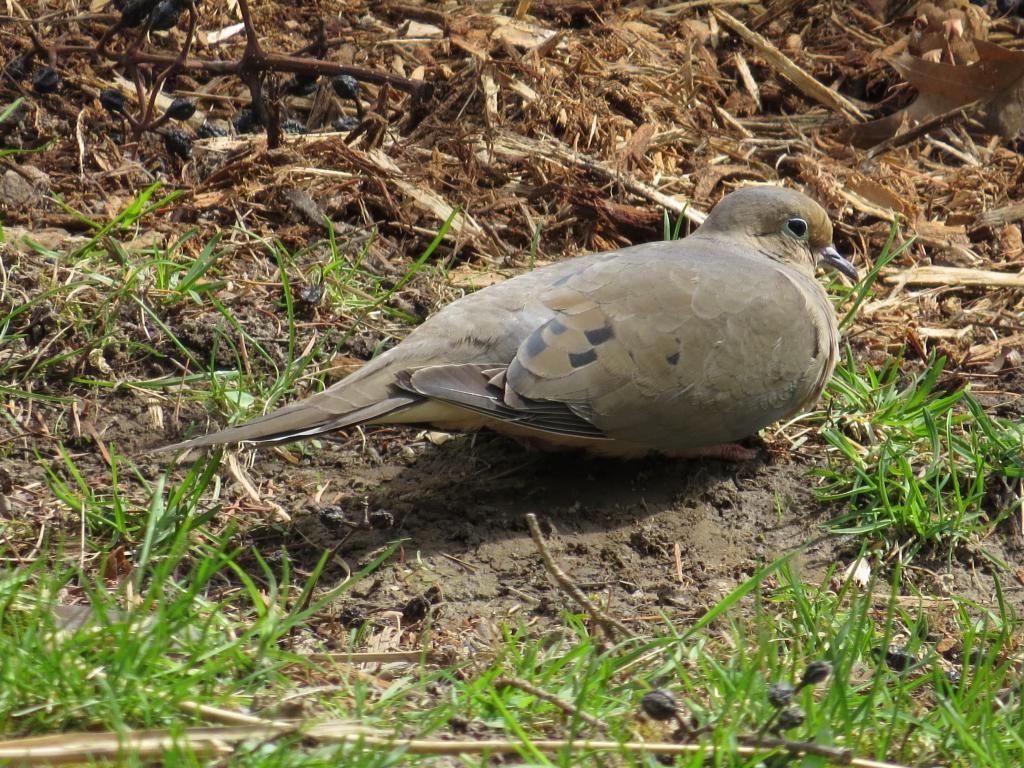
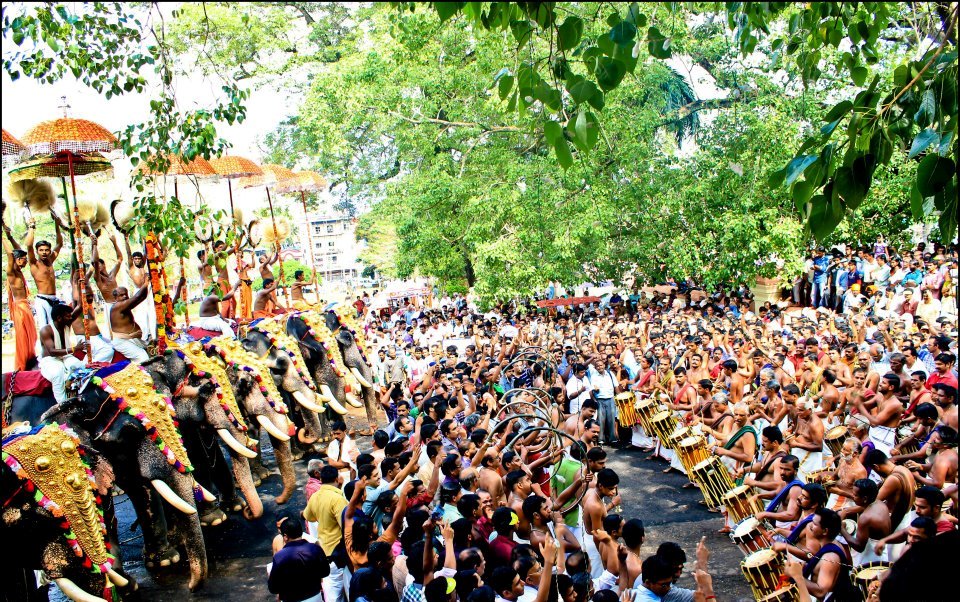
Photo credits: Jithin
Thrissur Pooram is the largest and the most famously colourful festival of Kerala, a stunning mixture of magnificence and spectacle celebrated every year during the Malayalam month of Medam, this year falling on May 9th. Called “the Poorams of all Poorams,” the festival is a grand assembly of Gods and Goddesses who make their visit to the Vadakkumnathan Temple premises on caparisoned elephants, together with majestic ensembles of chenda melam and panchavadyam. Continue reading
Thanks to National Geographic’s website for extending the details of this news we first shared here:
…The spectacular haul more than doubles the number of Indian dancing frogs, a family named for the bizarre courtship displays of their foot-waving males, to 24 species. Continue reading


Photo credits: Renuka Menon
Kamakshi Amman Temple is the one of the three important temples to the Goddess Parvathi (Lord Shiva’s wife) in India. The temple complex covers an area of four acres, and is constructed in the Pallava style. Continue reading
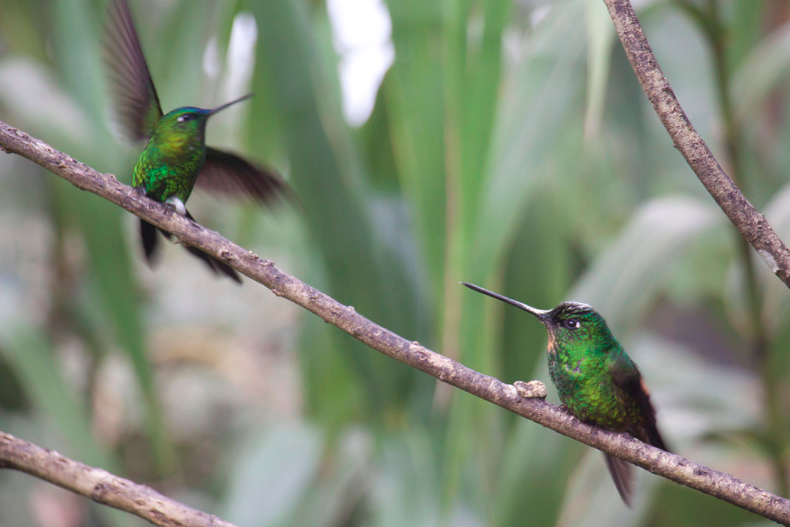
Yanacocha Reserve, Ecuador
It’s been several months since Chinese conceptual artist Xu Bing orchestrated the monumental task of suspending a pair of 12 ton birds into the nave of one of New York City’s most famous cathedrals. Fashioned from salvaged construction debris from Beijing’s World Financial Center, the phoenix pair is reminiscent of the more 2-dimensional work of Brazilian artist Vik Muniz in both philosophy and meticulously layered execution.
Throughout China’s history, every dynasty has had its form of phoenixes. Representing luck, unity, power and prosperity, these mythological birds have, for the most part, been benevolent, gentle creatures. But this pair, fashioned from the materials of commercial development, reflect the grimmer and grittier face of China today.
“They bear countless scars,” Mr. Xu explained, having “lived through great hardship, but still have self-respect. In general, the phoenix expresses unrealized hopes and dreams.” Continue reading

Photo credit: Jithin Vijay
Akshaya Tritiya is a very popular festival that Hindus and Jains celebrate every year. Based on the Lunar Calendar, this year it landed on May 2nd. The Hindu community considers it an auspicious day and believes that any venture will be more likely to succeed. Akshaya Tritiya is associated with gold and many people wait for that day to make investments in or purchases of gold.
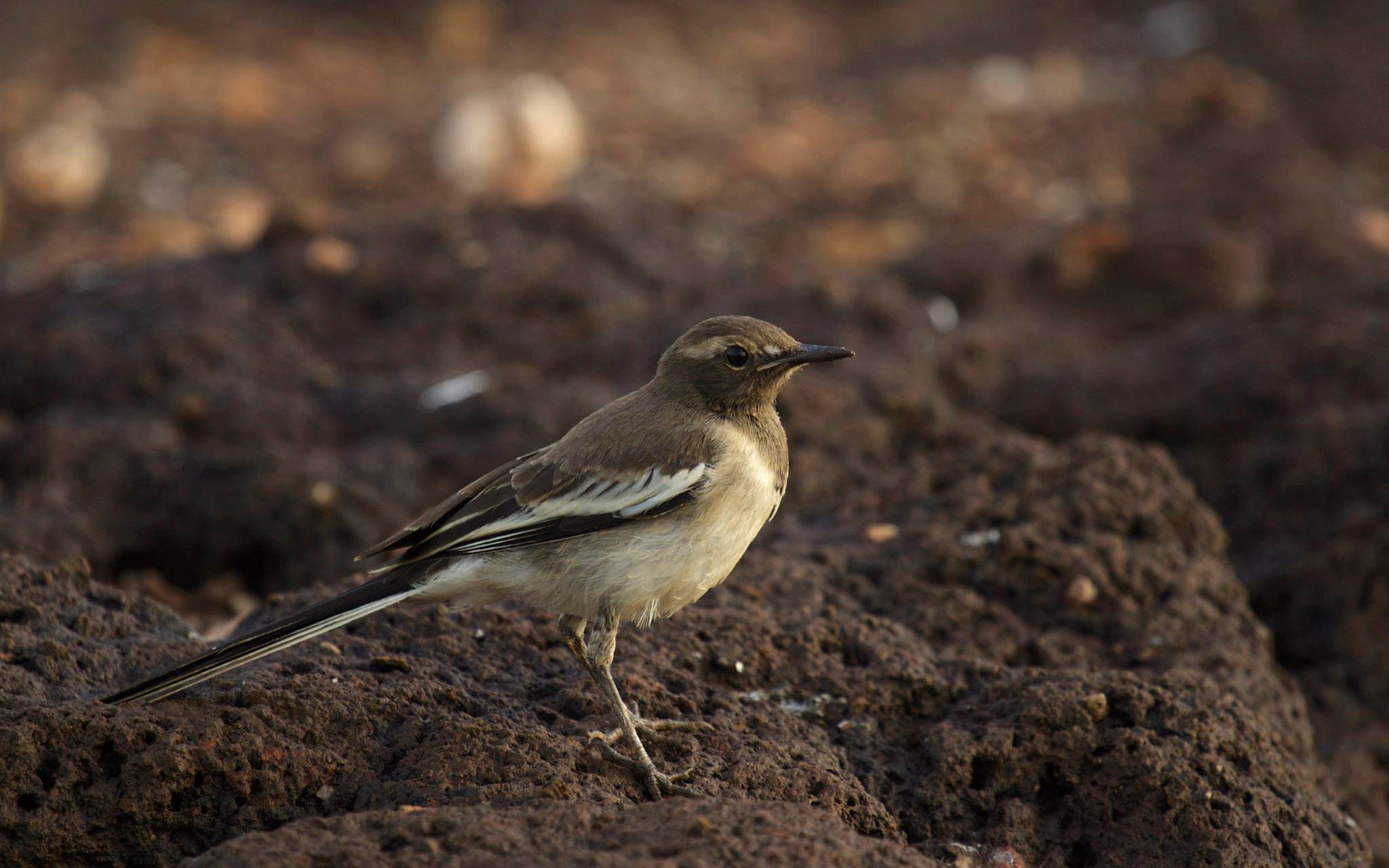
Juvenile – Bhadra Tiger Reserve, Karnataka

Photo © Disney
When we look for scientific answers to interesting questions, the name Disney does not normally come to mind, but credit where due (thanks to Science Friday for this):
Why Are Elephant Ears So Big? And Other Pachyderm Questions
Joseph Soltis, a research scientist at Disney’s Animal Kingdom, recently chatted with SciFri about the “words” that African elephants use to communicate. Below, Soltis has addressed a few of your pachyderm questions:How do researchers keep bias towards human languages out of the study of elephant languages? Do a linguistics study as if the elephants were human?—@CyberResearchUSYou always have to be careful not to freely ascribe human-like capabilities to animals without evidence. For language, this is especially important. We [humans] can make a simple distinction between sentences with lots of words strung together following grammatical rules and a simple vocabulary of individual words.
Carbon, and what to do about it, has been a constant topic of interest to our readers since we began this site. The single most-read post, Carbon Emissions Series: Vacationers’ Diets is on this very topic. But how can we visualize carbon such that we care more about it? Thanks to the website of the magazine Conservation for this link, whose title says it all:
CARBON VISUALS: ANIMATING THE WORLD’S CARS
A short animated film from Carbon Visuals is being used to engage managers around the world about the fundamentals of sustainability, how sustainability is relevant to their role and its importance to business success.
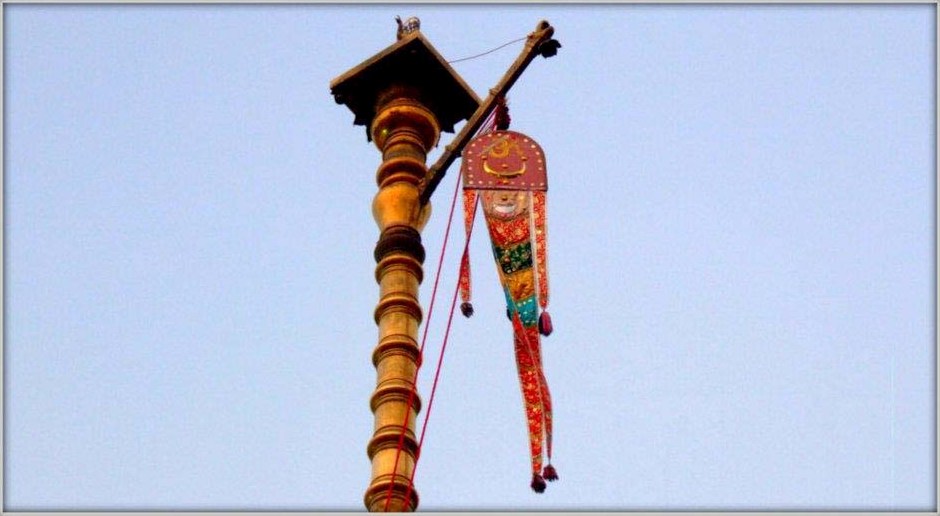
Photo credit: Ramesh Kidangoor
Dwajasthambam is the traditional Hindu temple flag pole placed between the temple gopuram (entrance) and the sanctum sanctorum. They are traditionally made of wood, copper sheets, and gold coating. A cloth flag with Hindus symbols, holy words and figures of Gods or Goddess is usually hoisted on the pole during temple festivals. Continue reading

Bharatpur Bird Sanctuary, Rajasthan

Music forms a type of universal memory the crosses cultures and continents, and Yo-Yo Ma’s Silk Road Ensemble that brings together musicians and composers from more than 20 countries is a lyrical example of what we hold dear at RAXA Collective. The 2,000 year old history of the Silk Road also coincides with the Spice Road, which is also a subject we take very personally.
The extent of exchange of art, ideas and innovations between cultural groups trading on the routes is illustrated by the eighth-century Shôsôin collection of artifacts. Culled by a Japanese emperor, it contains luxury goods from the Mediterranean, Persia, India, Central Asia, China, Korea and Japan…

