Wondrous Sound, Studied And Explained

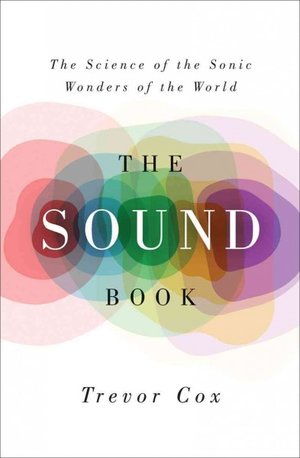
We have posted many occasions on the topic of reducing noise pollution.  We care about sound, and promote the reduction of man-made versions of it when it is not needed. The author of the book (click the image to the left) is interviewed on Fresh Air and in the podcast of that conversation he explains many sound phenomena in a manner understandable to a lay person.

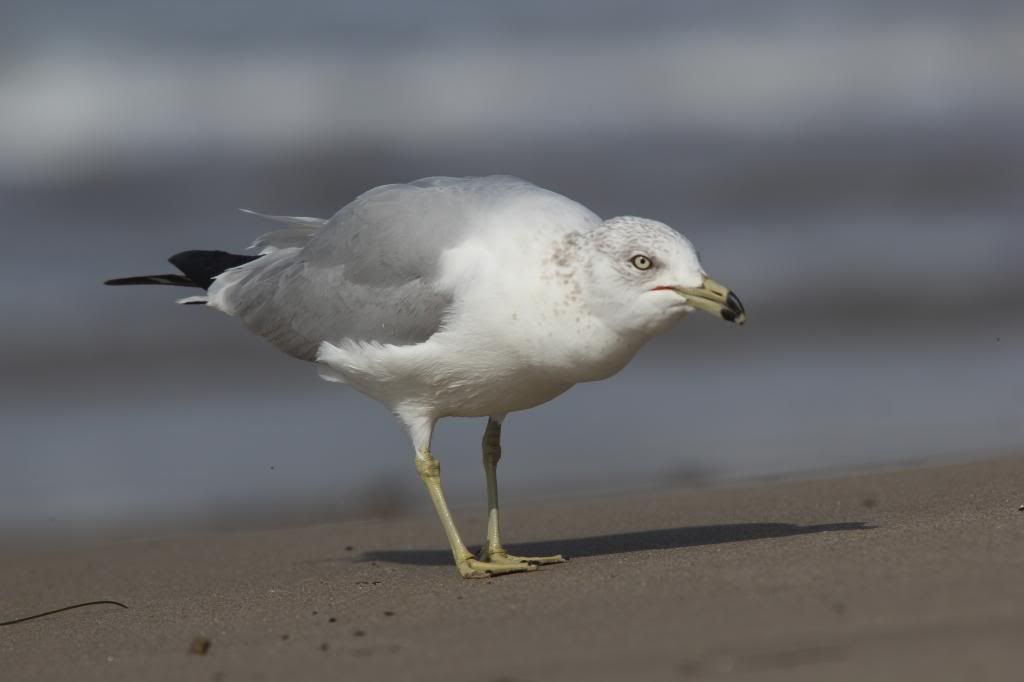
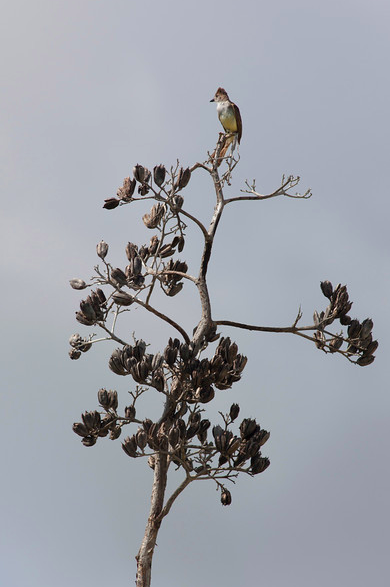
One of the most interesting findings of his scientific work will delight our many bird-oriented readers: collecting data from thousands of subjects on their sonic preferences (as well as sounds they can least tolerate) the sound of bird calls, natural or recorded, rate among the most loved by humans:

Ever wonder why your voice sounds so much better when you sing in the shower? It has to do with an acoustic “blur” called reverberation. From classical to pop music, reverberation “makes music sound nicer,” acoustic engineer Trevor Cox tells Fresh Air‘s Terry Gross. It helps blend the sound, “but you don’t want too much,” he warns.

Cox is the author of The Sound Book: The Science of the Sonic Wonders of the World. He has developed new ways of improving the sound in theaters and recording studios. He’s also studied what he describes as the sonic wonders of the world — like whispering arches and singing sand dunes. His sonic travels have taken him many places, including the North Sea, where he recorded the sound of bottlenose dolphins underwater, and down into a revolting Victorian era sewer, where he discovered a curving sound effect he’d not heard before. Continue reading
Lexicon of Sustainability

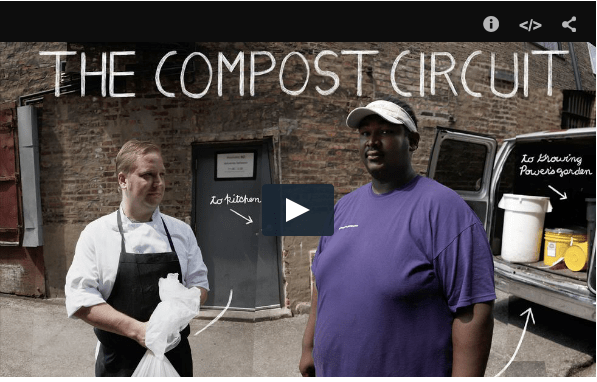
Thanks to the Public Broadcasting Service of the USA for the video above and these links to sustainability-focused terminology, in this case related to Food Waste:

Nearly 40 percent of the food we grow, distribute, put on store shelves then ultimately buy as consumers never gets eaten. It’s called food waste and people are doing something about it by gleaning, composting, and learning to eat from head to tail to eliminate waste.

Food Terms

Food waste
“Forty. That’s the percentage of food in this country that never gets eaten, or that’s grown and never comes to market. It’s the food we distribute that never reaches a destination or sits on grocery store shelves without finding a consumer. And it’s food consumers buy but never eat. “
– Douglas Gayeton, LOCAL: The New Face of Food and Farming in America Continue reading

Periyar Sightings

Elephant

Elephant

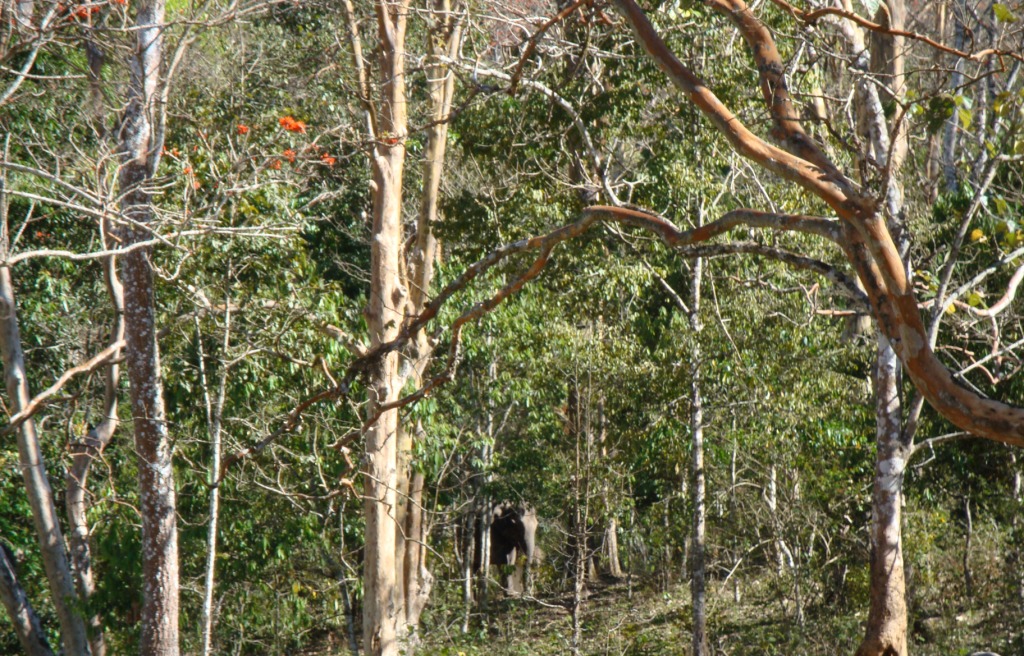
Sightings in the Periyar Tiger Reserve have always been an excitement for guests.  It’s fun to see the animals from the boats but it’s even more enchanting to see them up close during treks in the reserve. These photos were taken by Cardamom County guest Mr. Oliver Wyatt, who was most delighted to share his experience.
Continue reading

What Do Mammoths And Passenger Pigeons Have In Common?

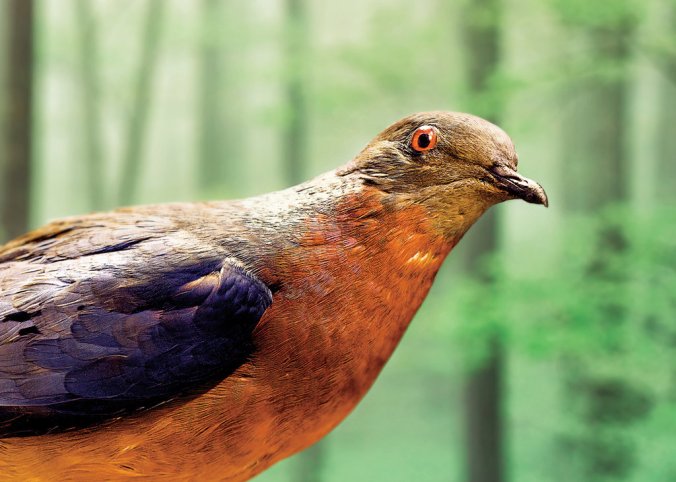
Passenger Pigeon Extinct 1914. Billions of the pigeons were alive just a few decades earlier. Like the other animals shown here, it has been proposed for de-extinction projects. Credit Stephen Wilkes for The New York Times. Passenger pigeon, Museum of Comparative Zoology, Harvard University.

Passenger Pigeon Extinct 1914. Billions of the pigeons were alive just a few decades earlier. Like the other animals shown here, it has been proposed for de-extinction projects. Credit Stephen Wilkes for The New York Times. Passenger pigeon, Museum of Comparative Zoology, Harvard University.

He had me at mammoth. When he added passenger pigeon, I demonstrated the definition of click bait. I had to learn more. I will reserve judgement for now, but can recommend your reading what I have just read. Both species may be back in business soon, with the assistance of de-extinction science according to this story in the current New York Times Magazine.  Not far from the beginning of the story, this fascinating letter is excerpted:

…Brand became obsessed with the idea. Reviving an extinct species was exactly the kind of ambitious, interdisciplinary and slightly loopy project that appealed to him. Three weeks after his conversation with Flannery, Brand sent an email to Church and the biologist Edward O. Wilson:

Dear Ed and George . . .

The death of the last passenger pigeon in 1914 was an event that broke the public’s heart and persuaded everyone that extinction is the core of humanity’s relation with nature. Continue reading

New Energy Possibilities, Reported Long-Form

140303_r24681_p233

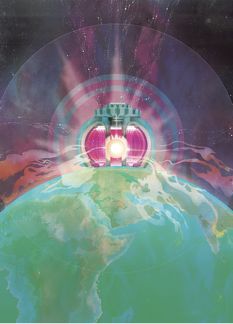
Commercial reactors modelled on ITER could generate power with no carbon, virtually no pollution, and scant radioactive waste. Illustration by Jacob Escobedo.

We pepper this blog with long-form journalism’s best contributions to our knowledge about environmental and cultural issues that seem relevant to community, conservation and collaboration. This week’s New Yorker has an article that stretches the boundaries of serious reporting on alternative energy, worth every moment of reading (it is about as long as long-form gets; click the image to the right to go to the source):

Years from now—maybe in a decade, maybe sooner—if all goes according to plan, the most complex machine ever built will be switched on in an Alpine forest in the South of France. The machine, called the International Thermonuclear Experimental Reactor, or iter, will stand a hundred feet tall, and it will weigh twenty-three thousand tons—more than twice the weight of the Eiffel Tower. At its core, densely packed high-precision equipment will encase a cavernous vacuum chamber, in which a super-hot cloud of heavy hydrogen will rotate faster than the speed of sound, twisting like a strand of DNA as it circulates. Continue reading

Understanding India, Day By Day, Book By Book

A-Strange-Kind-of-Paradise-195x300The majority of Raxa Collective’s contributors are Indian, but increasingly many of us are non-Indian (North American, European, Latin American, African, etc.) and some of us have been living in, observing and trying to understand India for years now. We find this book’s title (click to go to the source), and especially the blurb that goes with it on the author’s website, compelling:

A Strange Kind of Paradise is an exploration of India’s past and present, from the perspective of a foreigner who has lived in India for many years. Sam Miller investigates how the ancient Greeks, the Romans, the Chinese, Arabs, Africans, Europeans and Americans – everyone really, except for Indians themselves – came to imagine India. Continue reading

Cinematic Lunchbox View Of Life in Bombay

THE LUNCHBOX by Ritesh Batra - International Trailer

THE LUNCHBOX by Ritesh Batra – International Trailer

Between the trailer (click above) and the review in the New York Times (see below), The Lunchbox looks worth seeing for audiences in India and abroad–thanks to India Ink for point us to it:

“‘The Lunchbox,’ Ritesh Batra’s debut feature, is a romance that takes place in Mumbai, but its style is more Hollywood than Bollywood, and Old Hollywood at that,” A.O. Scott of The New York Times wrote in his movie review. Continue reading

Ottamthullal – Classical Dance

Photo credits : Shymon

Photo credits: Shymon

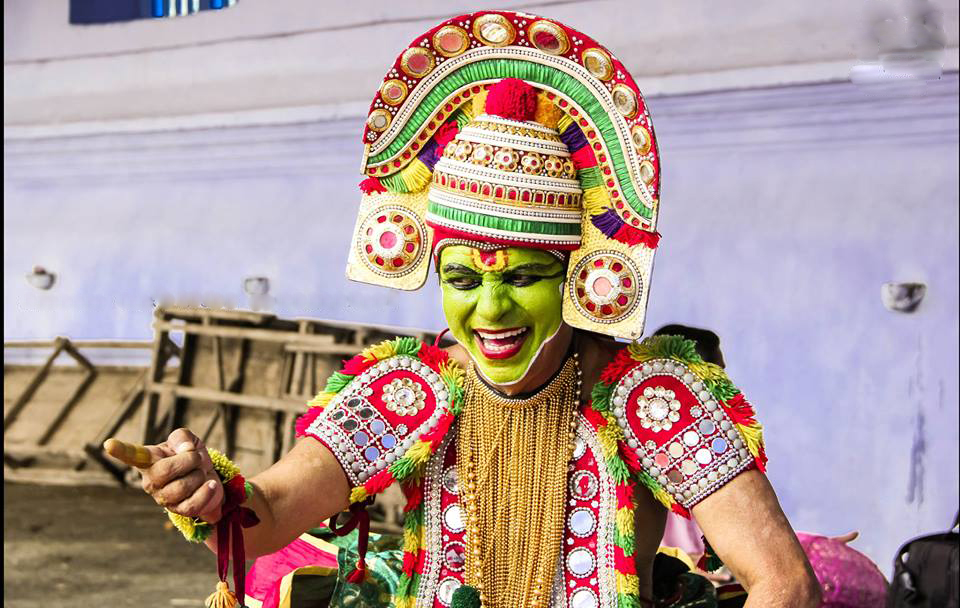
Ottamthullal is a very popular form of classical performing arts of Kerala. The actor wears a long ribbon of cloth looped around a waistband to form a knee-length skirt. A chest plate adorned with coloured  beads, glass and various ornaments covers the upper body, and tinkling bells are tied to the legs. Continue reading

Leap Seconds Become Leap Years

One of our contributors is a leap year baby, so we take note at the passing of each February into March, without always remembering why on certain years there is an extra day. Today our office team celebrated that birthday, rather than doing so tomorrow, thinking it is better to be early than late.  Here is a secondary explanation from the Atlantic‘s Alexis Madrigal:

The mechanics of the leap year are well known: We add a day to February every four years to maintain the synchronization of our earthly calendar with the celestial reality of the Earth’s orbit.

Weeelllll, it turns out that a similar phenomenon plays out on a much smaller time scale. Along with the leap year, there is the leap second. Continue reading

Kerala Butterflies: Great Eggfly

Photo Credits: Aparna P

Photo Credits: Aparna P

Great Eggfly butterflies are very common and found all over India, flying throughout the year and preferring forest openings and edges, as well as bushes and gardens. The male has black wings with white patches surrounded by blue iridescence (not pictured here), and also has a row of white  spots and crescents along the edge of the entire wing. Continue reading

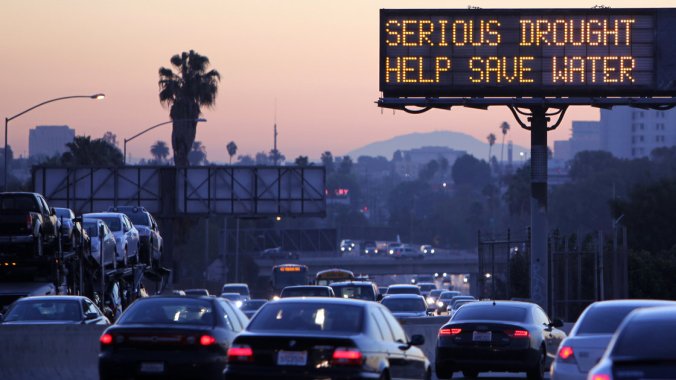
Drought, Desalination, Drink

Extreme drought conditions in California have state officials looking for alternative sources of water, including desalinated ocean water. Richard Vogel/AP

Extreme drought conditions in California have state officials looking for alternative sources of water, including desalinated ocean water. Richard Vogel/AP

National Public Radio in the USA has this story, both podcast and text version, about efforts to provide drinking water to a dry, thirsty region:

California is getting some much needed rain this week, but more than two-thirds of the state is still in extreme drought conditions, and that has the state thinking about alternative ways of getting water.

On the coast in Carlsbad, Calif., construction workers are building what will be the largest seawater desalination plant in the Western Hemisphere. When finished in early 2016, it is expected to provide up to 50 million gallons of fresh drinkable water every day.

“That’s enough water for 112,000 households here in the region,” says Peter MacLaggan with Poseidon Resources, the developer of this $1 billion plant. Continue reading

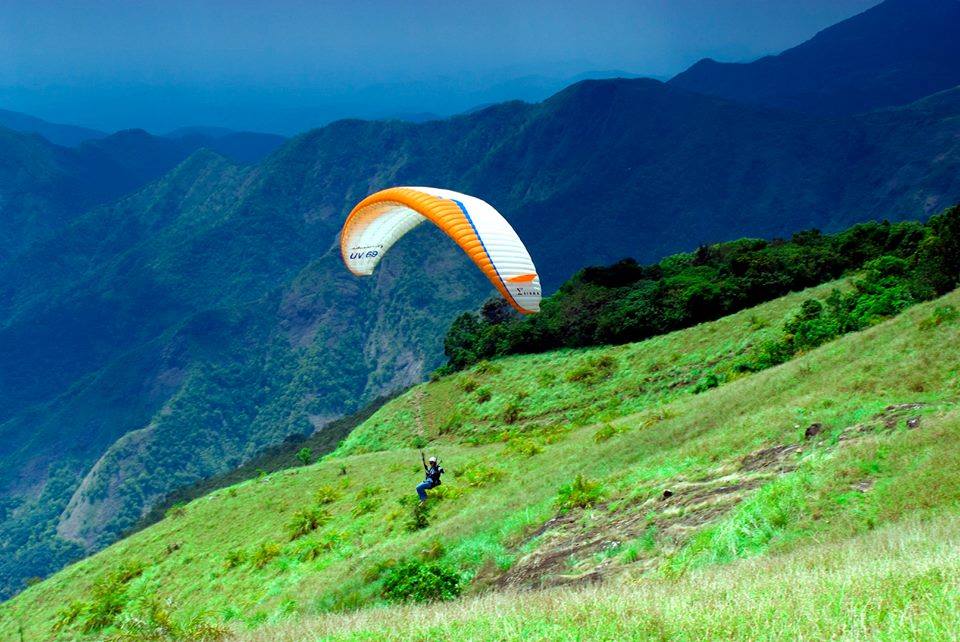
Paragliding Carnival – Vagamon

Photo credits : Ranjith

Photo credits: Ranjith

Paragliding is one of the newest adventure sports in India, with the number of thrill seeking enthusiasts growing annually. In Kerala, Vagamon has been identified as a Paragliding hotspot for by travelers and tourists the world over. Continue reading

West, Water, Waste. Whence? Whither?

This slideshow requires JavaScript.

National Geographic has an excellent special multimedia report on the Colorado River that covers its beauty, utility, history and future:

“Rivers affect the health of our seas, wildlife, communities, and economies. Restoring freshwater habitats is no longer optional;
it’s imperative.”

Osvel Hinojosa Huerta,
Conservationist and NG Emerging Explorer Continue reading

Hats Off To Dr. Seuss

This slideshow requires JavaScript.

Whether you’re a “hat person” or no, we’d be surprised if news of this exhibition didn’t bring a smile to the lips of anyone familiar with Theodor Seuss Geisel‘s books. For the first time in history “Dr. Seuss’s” personal hat collection is on tour in an exhibit called Hats Off to Dr. Seuss!which debuted at the New York Public Library in January and will stop in six states over the next seven months.

Continue reading

Flavours Of Kerala – Ghee Dosa

Phpto credits : Dileep

Photo credits: Dileep

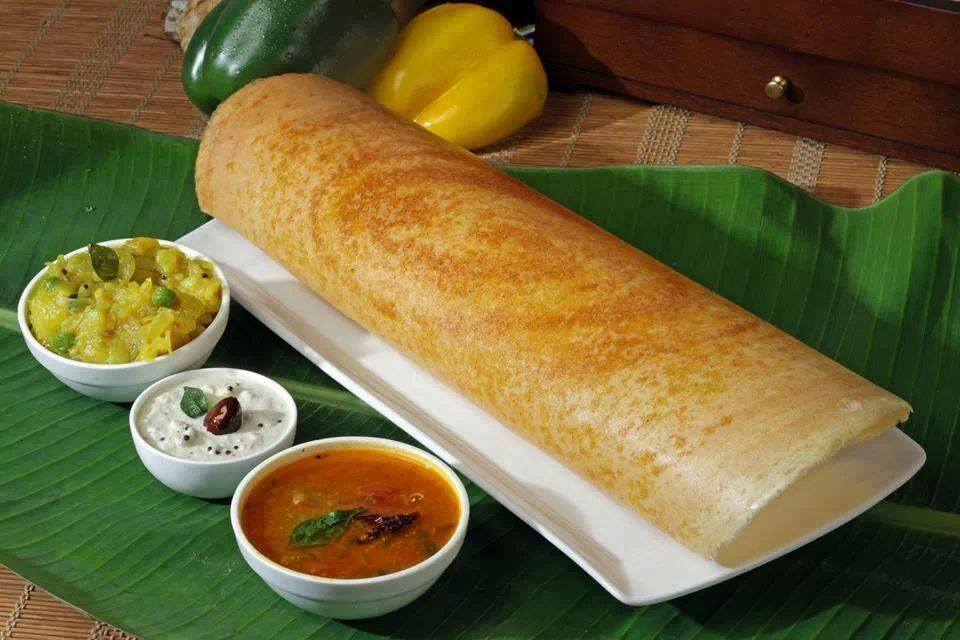
Ghee Dosa is a popular breakfast or late afternoon snack in South India. The main ingredients for the batter are black gram dal, rice flour and ghee, which is drizzled over the cooking dosa, making it crispy and golden brown. Continue reading