Conversation, Language Navigation, Identity

Spoken

If more conversation is the goal, and as we have indicated we should put everything we have on the table regardless of how difficult the topic, then we should not add too many caveats. But after listening to this young man, we are tempted to create some rules for the game:

Phuc Tran grew up caught between two languages with opposing cultural perspectives: the indicative reality of Vietnamese and the power to image endless possibilities with English. In this personal talk, Tran explains how both shaped his identity. Continue reading

Magyar’s Image-Making

Magyar

One of the more interesting profiles of a photographer that we have seen in quite some time is located somewhere we had not seen until today. This excerpt is near the end, but we highly recommend the whole thing:

…A COUPLE OF MORNINGS after our first encounter, I arrange to meet Magyar at Alexanderplatz, one of Berlin’s busiest subway stations, for a demonstration of the Stainless project. I arrive at the height of rush hour, and wait for ten minutes at one end of the crowded platform before he appears. His long hair spills over his black parka, which is matched by black work boots, black jeans, and a black daypack. Continue reading

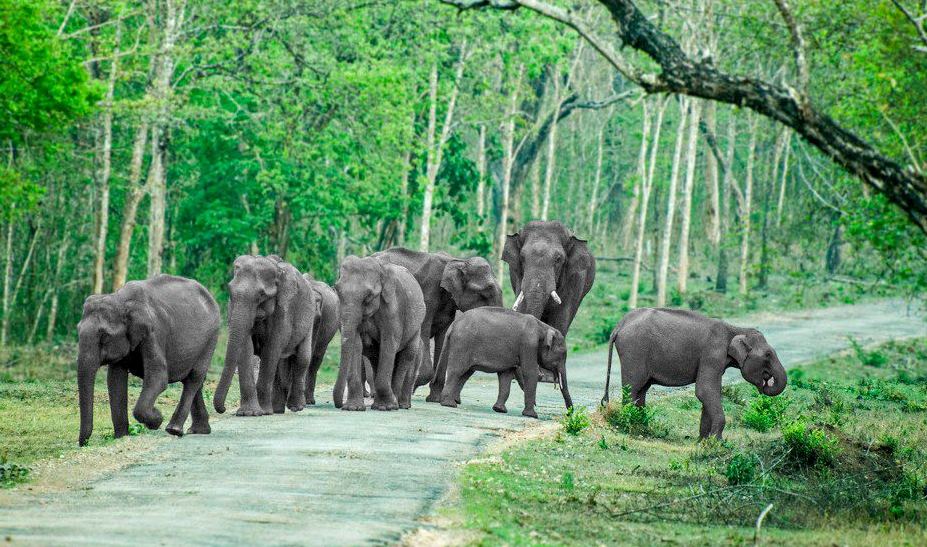
Bandipur National Park – Karnataka, India

Photo credits: Ramesh Kidangoor

Bandipur National Park is one of the most famous wildlife national parks in South India, and is part of the Nilgiri Biosphere Reserve. Covering an area of 880 sq km, it was once one of the private wildlife reserves of the Mysore Maharaja. Today, Bandipur National Park is a protected zone for over 100 species of mammals, Continue reading

The Cornell Lab Of Ornithology’s Student Innovators, Dreamers, and Leaders

After you watch the video above you might recognize some faces from the Cornell expedition to Borneo that we featured about a month ago, and be introduced to the faces of other friends that I made in ornithology class several years ago and have kept up with through soccer, squash, and biology classes we’ve taken together.  Continue reading

Bees, Close Up, Thanks To Important Research, USA Taxpayers And Some Very Talented Photographers

Bees are important.  You knew that.  We did not need to tell you.  But how many bee species are there in the world? Give it your best guess before reading further. And how different do those species look, one from another? We had no idea. We first encountered these images here so credit where due (we had recently started to wonder) for where we learned about these amazing photographs and the story behind them:

Sam Droege is head of the US Geological Survey Bee Inventory and Monitoring Laboratory in Maryland, and for the past seven years he and his team have been photographing bees and other insects to create online reference catalogues to help researchers identify the thousands of species across North America. Here is a selection of their work.

Then we did a search to learn more and found that they have been broadcast far and wide for some time.  Jordan G. Teicher, who writes about photography for Slates Behold blog, had what we thought was the best presentation of these so we chose the photo above from his post:

The photos of native bees and wasps taken at the U.S. Geological Survey Bee Inventory and Monitoring Lab are used for scientific purposes, but they are created with an eye for artistry.

“I tell the interns and techs that when they are taking these pictures, they are artists,” lab chief Sam Droege said via email. “We have powwows over the pictures after they are taken to discuss lighting, positioning, and the perennial problems of bad bee hair and dirty specimens.” Continue reading

Good Fences Make Good Neighbors, It Has Been Said

mystery-picket-fence-1-600x399

The odd web-like structure that has captivated scientists. Photograph by Jeff Cremer, Solent News/Rex Features via AP

One of the myriad arguments in favor of wilderness conservation is that we do not know what we are losing when wild places are lost to development. Case in point with this story and image via National Geographic newswatch service:

Six months ago, visitors to the Peruvian Amazon discovered a mysterious picket fence structure nicknamed Silkhenge. Despite watching the structure for several days, naturalists at the Tambopata Research Center couldn’t figure out what type of animal (or fungus) was building it.

When scientist Troy Alexander first announced his find, all he had to show for his discovery was a series of intriguing photographs. He had no idea what Amazonian critter could have created the circular hideaway with a spoke-like outer wall. Continue reading

The Guidebook and the Beaten Track (Part 1)

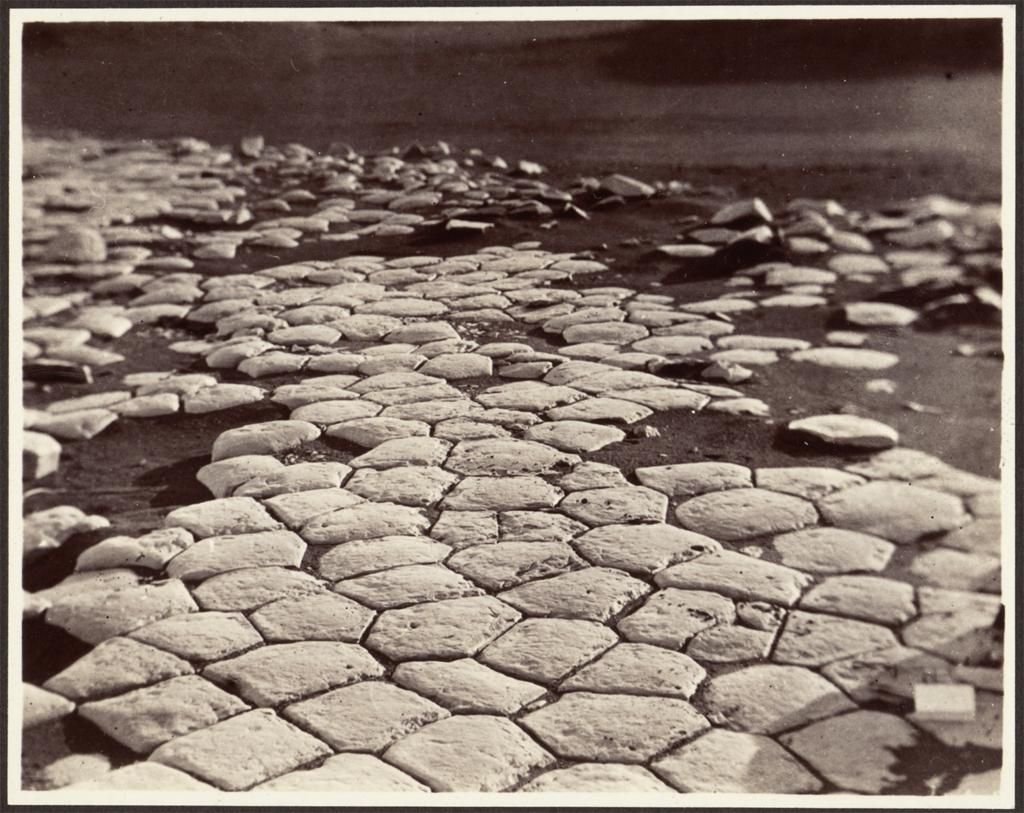
Basalt pavement, Kirkjubær (Síða). Collodion print by Frederick Howell ca. 1900, courtesy of the Fiske Icelandic Collection in the Department of Rare & Manuscript Collections, Cornell University Library.

It’s now been almost exactly a month since I finished my first draft of a thesis chapter, and shared the introduction to it here on Raxa Collective. My goal was to spend part of my academic break as a comfortable vacation without thinking of Iceland and instead focus on enjoying my time in India with family, and apart from the niggling worries that pop up when I’m trying to fall asleep every now and then, I’ve succeeded. But school starts up again in less than two weeks, so it’s about time to rev up the Iceland think-engine again, and a good way to do that is by sharing some more of the draft as it stands so far. What follows is a section of the “Cockneys in Iceland” chapter with the same title as this post, de-annotated, slightly altered, and divided into two parts for readability.  Continue reading
Mumbai Makeover

Courtesy of GVK. The check-in hall at the integrated Terminal T2 of the Chhatrapati Shivaji International Airport in Mumbai, Maharashtra.

Courtesy of GVK. The check-in hall at the integrated Terminal T2 of the Chhatrapati Shivaji International Airport in Mumbai, Maharashtra.

At least one non-Indian contributor to Raxa Collective remembers the Mumbai airport circa 1993, and many of our guests recall that old airport with something less than affection, so this news via India Ink is most welcome:

For anyone who has traveled through the shiny airport hubs of Asia like Hong Kong and Singapore, flying into Chhatrapati Shivaji International Airport in Mumbai can deliver quite a shock. Continue reading

Sri Krishna Temple – Ambalappuzha, Kerala

Photo Credits : Ramesh Kidangoor

Photo Credits: Ramesh Kidangoor

The Sri Krishna Temple of Ambalappuzha is situated about 12 km south of Alleppey. Dedicated to Lord Sri Krishna, the temple architecture is a mixture of Keralan and Dravidian styles. Continue reading

Mastering Environmental Science

Freshman Adarsh Jayakumar, ranked No. 2 among 18-year-old U.S. chess players, talks about his love of chess and his life at Cornell. Jayakumar is an environmental science major in the College of Arts and Sciences.

Freshman Adarsh Jayakumar, ranked No. 2 among 18-year-old U.S. chess players, talks about his love of chess and his life at Cornell. Jayakumar is an environmental science major in the College of Arts and Sciences.

In this 2.5 minute video (click the image above) a young man explains a remarkable decision: to forgo the professional opportunity he seems clearly well suited for in favor of another path which, as yet, he knows little about. As much as we appreciate chess, which he has mastered better than most players his own age, we appreciate his sense of adventure, and his decision to pursue mastery of environmental science instead of pursuing the more obvious path.

The Story Behind Our New Banner’s Banners

If you visit this blog several times a day, or happen to chance upon any of our pages when the randomized top banner is just right, you may have noticed that for the past 48 hours a new picture has been thrown into the mix of our banner images, which have been growing steadily — and stealthily, given that the last time we addressed them explicitly was in 2011 — over the past few years.

The number of banner images has since doubled, with more dragonflies, some great-looking tree bark, picturesque tea plantations, and other scenes that we think make a pleasant and interesting (and hopefully not too distracting) backdrop to our written content on any given page. But the banner in question is about sharing and celebration, so I’m sharing a little bit about the image this time around.  Continue reading

The Lotus

Photo credits : Ramesh Kidangoor

Photo credits : Ramesh Kidangoor

The lotus, a symbol of the goddess of wealth and prosperity Lakshmi, is also the national flower of India. It has long been said that the lotus’ growth from deep mud has symbolic significance, as beauty can bloom from any condition. In India, lotus roots are also consumed as side dishes to rice or various types of bread, and they are also used to make pickle. Continue reading

Glowing, Growing And Going

From sea horses that glow red to bright green eels, researchers have discovered 180 species of fish that fluoresce under blue light.

Green and bright. We get it. The future favors those who broadcast well, and these green eels qualify. As do the great science writers we tend to follow. From the excellent home for such writers, the Science section of the New York Times:

Fluorescence Is Widespread in Fish, Study Finds

By JAMES GORMAN

The findings, that at least 180 species and 16 orders of fish are biofluorescent, have implications for their evolution and behavior. (See the related  video, Fluorescing Fish) Continue reading

Periyar Sightings

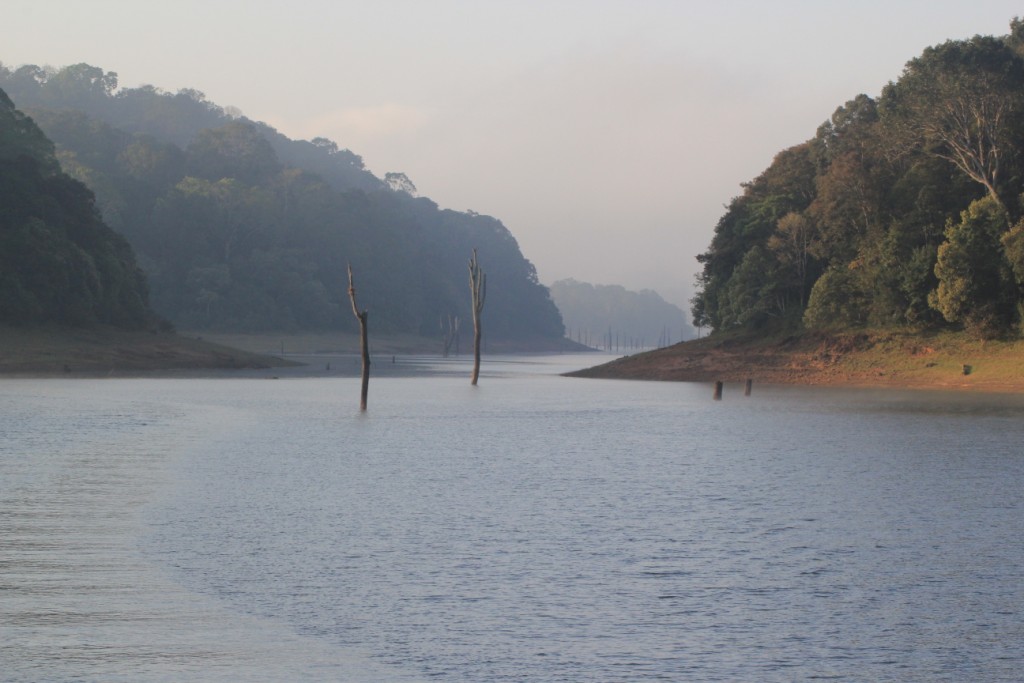
Periyar Lake

Periyar Lake

Today we are sharing the sightings of Mr. Vinoy Khakie from his experience inside the Periyar Tiger Reserve. His photos are impressive despite the fact they were taken from a moving boat.

Continue reading

Bee-eater Behavior

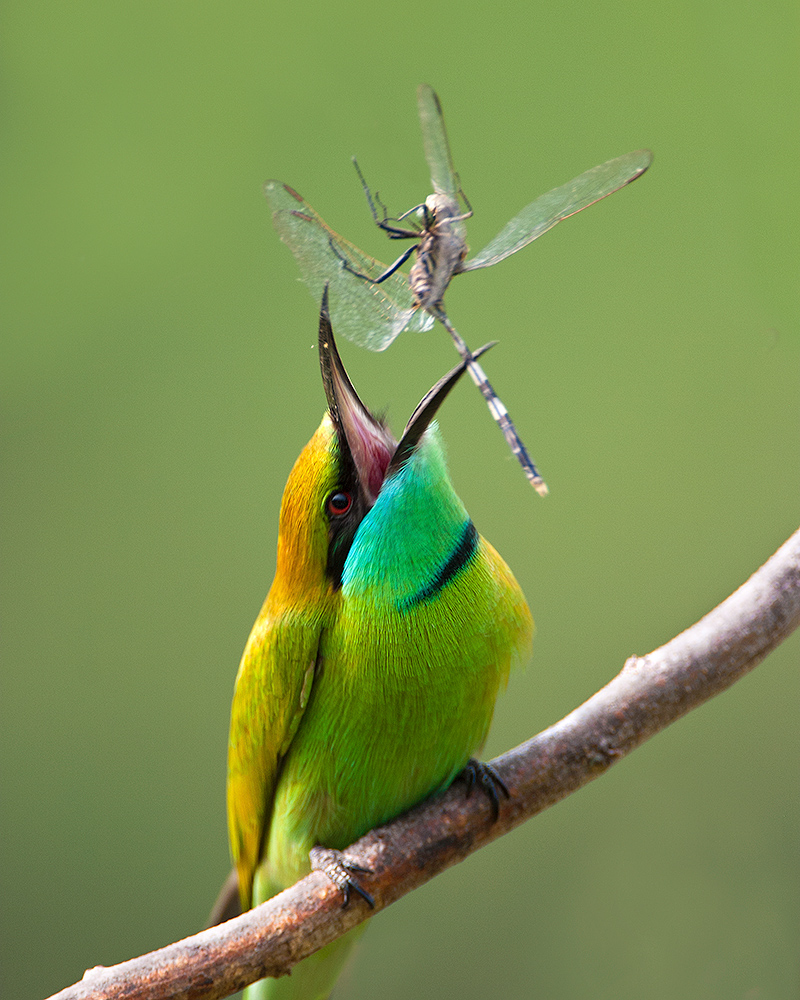
Green Bee-eater by Sudhir Shivaram - RAXA Collective

There are 4 key elements to be a better photographer.

1. Understand your subject.
2. Understand the fundamental concepts of photography, including composition aspects.
3. Understand your equipment and shooting techniques.
4. Have a good grasp of digital post processing.

Each of these are very tightly coupled with each other and it is important to have a good grasp on each of them. Continue reading

Of Festivals and Traditions, the Royal Way….

sarvani

Sarvani Sadya (Food served by the Royal Family)

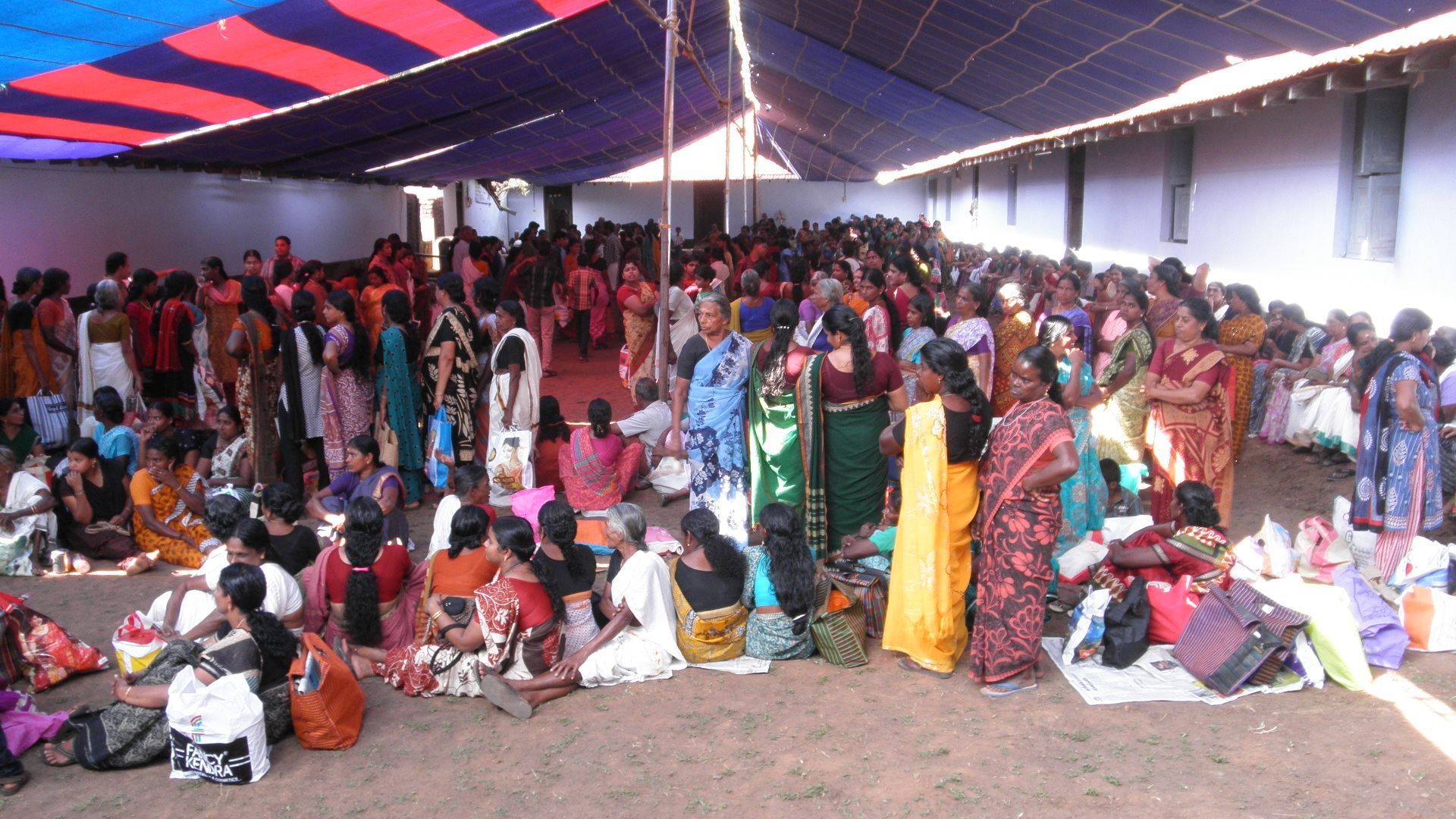
Kerala is known for its culture, traditions and festivals. After a gap of 2 years, I had the chance to attend our family festival at Nilambur Kovilakam. Normally people from outside the family are not allowed to enter the temple, since it is my family’s, but this festival, called ‘Nilambur Pattu’, gives a chance for all to attend and seek the blessings of our family God ‘Vettekkorumakan’. Continue reading