Sree Padmanabhaswamy Temple, Trivandrum

Photo credits: Ramesh Kidangoor

Photo credits: Ramesh Kidangoor

Sree Padmanabha Swamy Temple is believed to be at least 2,000 years old, and is a Vedic Temple dedicated to Lord Vishnu. It rests in the heart of the city of Trivandrum, Kerala. Treasures with an estimated value of around US $18 billion make it one of the richest temples in the world, if not the richest. Continue reading

Journeys, Science, Souvenirs, Photographs

A GLORIOUS ENTERPRISE. Photographs from a book of Philadelphia’s Academy of Natural Sciences’ collection depict the making of American science. Cleared and stained specimens of youg horse-eye jacks (Caranx latus) from Dominican Republic, Santo Domingo. ANSP Ichthyology Department. This is a species that was first described by Academy member Louis Agassiz (1807-1873) in 1831. Photography by Rosamond Purcell

Click on the image above to go to the Audubon Magazine website, where a review of the photographs in this book, A Glorious Enterprise, was published.  Just realizing that, for a blog that features birds every day, we do not link to stories in the best magazine in the world for bird lovers, we aim to correct this.  First, credit where due. The photographer Rosamond Purcell, whose work accompanies the text in a book that sounds worthy of accompanying a long journey, has more work featured in an article currently on National Geographic’s website:

Walter looks comfortable. Dead for 50 years, the giant Pacific octopus is resting in a ten-gallon tank of ethanol solution, six-foot arms folded in cephalopod repose. His next-door neighbors hail from the Atlantic: a jarred colony of sea squirts, their blue-green bioluminescence long extinguished. Corals and algae bloom on a shelf. Leis of Tahitian snails dangle from hooks. Pearly shelled mussels from the Mississippi River, source of a once profitable button industry, glisten under glass. Continue reading

Self-Sufficiency Taken To The Outer Extremes

Before the lights go out on the last New Yorker issue of 2013, one more of several articles we found worth the read, and relevant to our common themes of interest–community-building, innovation, environmentalism, farming, etc.–on this blog, even if we tend to incremental change rather than the radicalism on display here:

Marcin Jakubowski, the owner of a small farm in northwestern Missouri, is an agrarian romantic for high-tech times. A forty-one-year-old Polish-American, he has spent the past five years building industrial machines from scratch, in a demonstration of radical self-sufficiency that he intends as a model for human society everywhere. He believes that freedom and prosperity lie within the reach of anyone willing to return to the land and make the tools necessary to erect civilization on top of it. His project, the Global Village Construction Set, has attracted a following, but among the obstacles he has faced is a dearth of skilled acolytes: the people who show up at his farm typically display more enthusiasm for his ideas than expertise with a lathe or a band saw. Continue reading

An Entrepreneur’s Entrepreneur

The video above captures some of the spirit and personal style of a lesser-known but behind the scenes very influential entrepreneur in the hotbed of entrepreneurship. Better yet. listen to this interview with Nolan Bushnell to appreciate more fully what the early days of Silicon Valley were like, from one of Steve Jobs’s confidants:

Nolan is considered one of the pioneers of the video game industry. Nolan developed the first coin operated game (Computer Space), as well as Atari’s popular debut game, Pong.  Nolan also founded Chuck E. Cheese’s, a game centric restaurant chain.   Continue reading

Cardamom Harvesting At Cardamom County

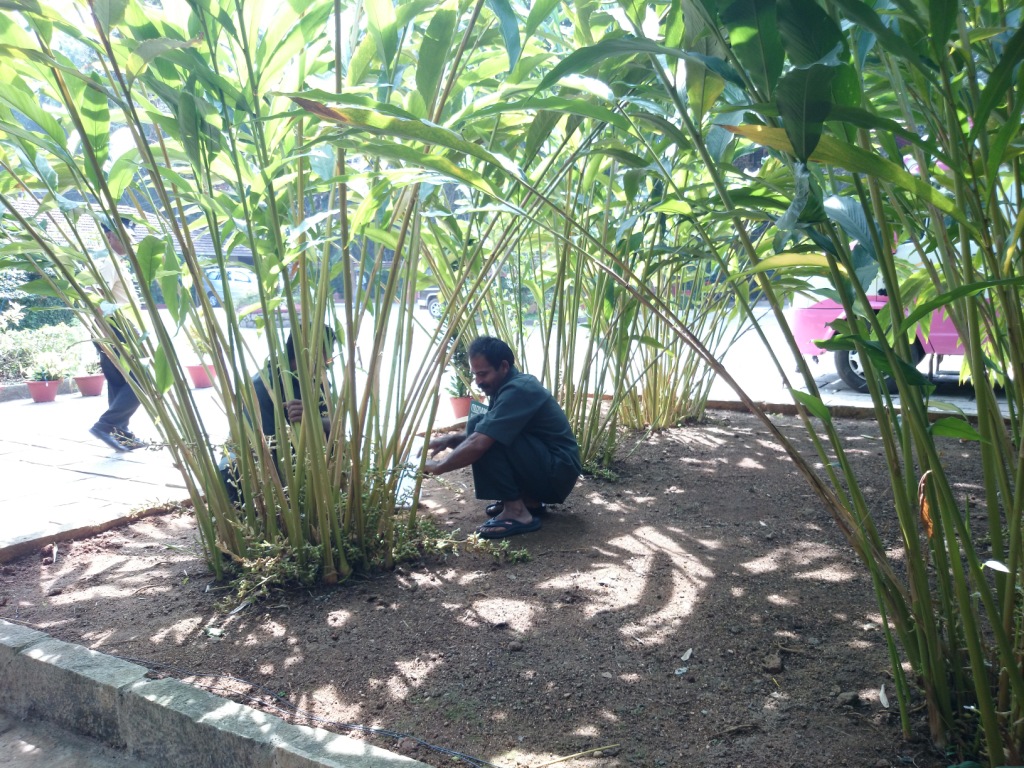
Cardamom Harvesting

Cardamom Harvesting

At Cardamom County we believe in organically grown vegetables and spices to provide our guests with the best produce that can be used to make the most sumptuous meals. We grow organic vegetables, fruits, spices and even eggs from our own farm. These pictures show our cardamom being harvested by staff members. Continue reading

Monitoring Monitors

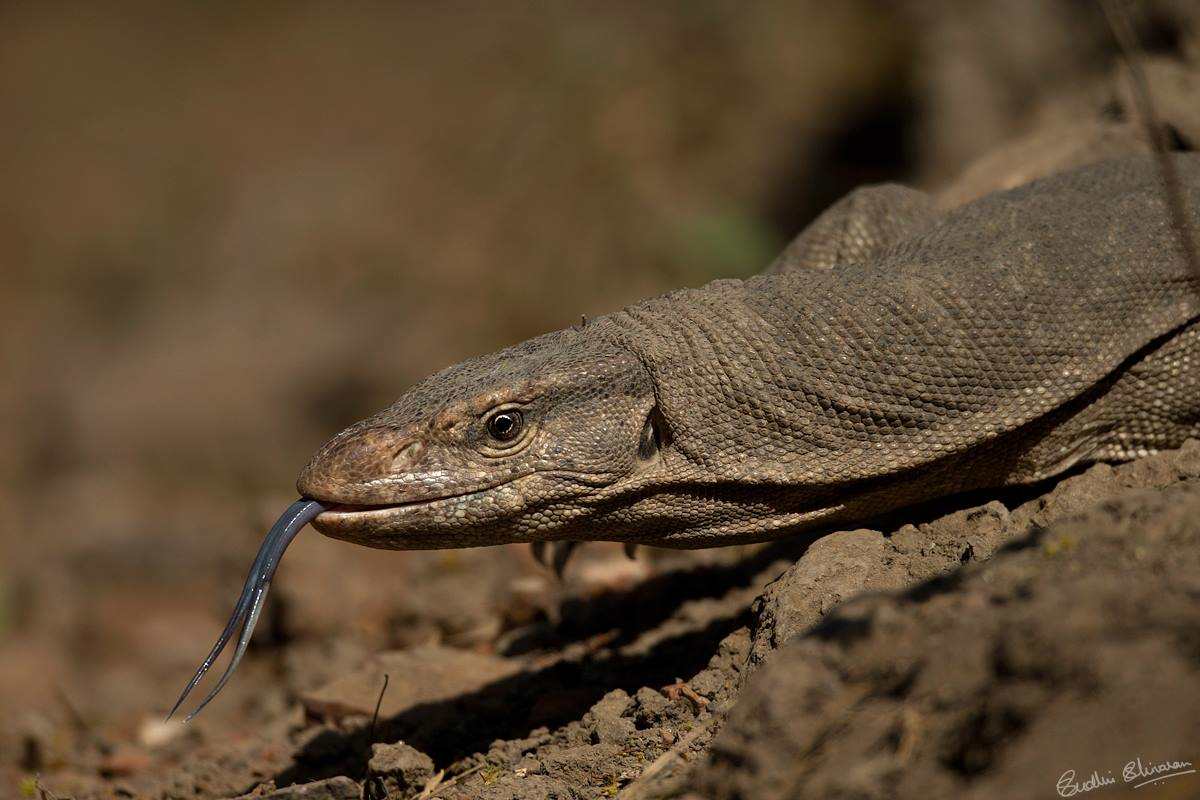
The Keoladeo Ghana National Park (also known as Bharatpur Bird Sanctuary) is home to numerous species including the Indian Monitor Lizard. They are quiet easy to photograph as they come out in the sun to bask. Continue reading

The Shifting Sands Of Relevance

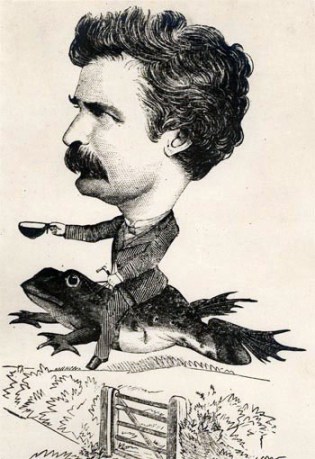
An essay published today in Lapham’s Quarterly reminds us of one man’s contribution to the travel writing genre in a previous century, in comic form but with clear hints at important cultural issues related to travel.  The main theme of the essay, which is that not all writing important at a given moment in time travels well over time, is a humbling one considering the writer who is the subject of the essay:

On November 18, 1865, the New York Saturday Press published a short sketch called “Jim Smiley and His Jumping Frog” about a frog-jumping contest in rural California. It “set all New York in a roar,” reported one journalist, and soon went viral, reprinted in papers from San Francisco to Memphis. The story’s author was Mark Twain, the pseudonym of a twenty-nine-year-old writer born Samuel Clemens. At the time, Twain was living in California, enjoying provincial renown as a Western humorist. The success of “Jim Smiley” made him nationally famous. “No reputation was ever more rapidly won,” observed theNew York Tribune. Continue reading

The Wild and Mystical Periyar

group of sambar deers

Herd of Sambar Deer

Sightings in the Periyar Tiger Reserve can sometimes be a difficult task owing to the rich flora of its landscape, but with the promise of water from the Periyar lake it is habitual for the animals to come near the lake hence giving an opportunity to spot them while they quench their thirst and rest. Here are a few such sighting on the lake shore. Continue reading

Channel 13, Tens Of Millions Of Community Beneficiaries, And One Man’s Contribution

We recently mentioned how we rarely get to link to Hertzberg written commentary, and here is one more of those rare opportunities. The man he writes about, unknown to any of us at Raxa Collective, was involved in the creation of an institution that several of us were deeply influenced by.

Channel 13, serving the New York City metropolitan area television community, started several Raxa Collective contributors (and many millions of our generation and subsequent generations) on Sesame Street as children in the 1970s, and well into adulthood we were still watching Channel 13’s excellent programming. But none of us remembers this particular show Hertzberg writes about.

Technology, including television, is neither good nor bad; it is how we use it that makes it one or the other or somewhere in between. Television today seems mostly to have abandoned its potential for good, but here was a man continuing to stick to its potential for good well into his 80s. Anyone so important to the history of Channel 13 is a community-building hero, even if it is otherwise difficult to associate television with heroism or community:

In the spring of 1954, my parents finally allowed themselves to bring a TV set into our home—a state-of-the-art DuMont, black and white, of course, with the aspect of an alien insect: spindly legs, pointy antennae, a body entirely dominated by a single bulging, bulbous eye. Reception was spotty: ghosts, chance of snow, iffy horizontal hold. But what a wondrous treat.

Mom and Pop maintained that they had bought the set for the Army-McCarthy hearings. I believed them. I still believe them. But even at our tender ages, my sister (age eight) and I (ten) were perceptive enough to notice that they had grown awfully tired of having to wangle invitations from people as their only access to Sid Caesar and Imogene Coca. Continue reading

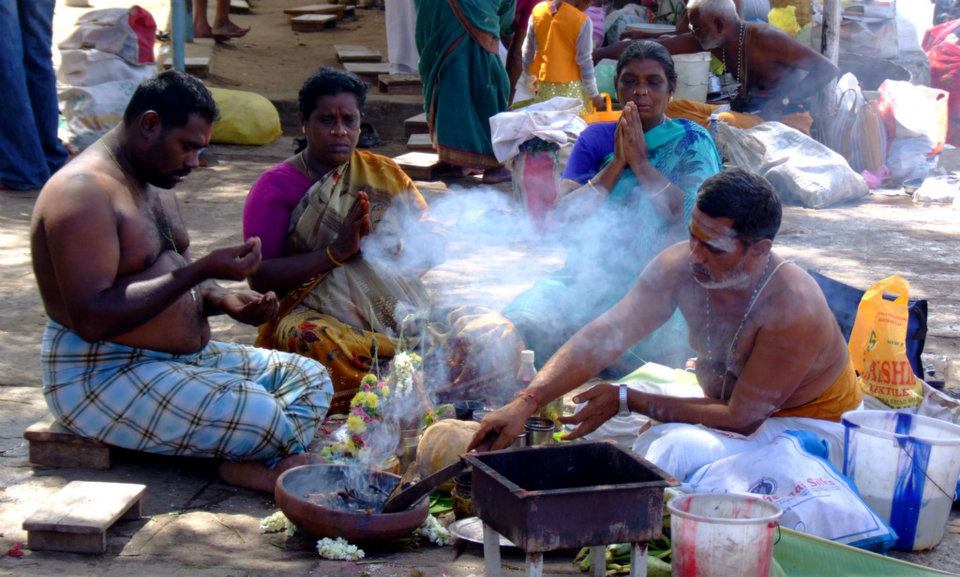
Prayers

Pooja

Photo credits: Ramesh Kindangoor

Worship is an integral part of every Indian’s life, especially Hindu’s. It starts from one’s early age with rituals performed during birth all the way to rituals performed upon one’s death. Worship rituals in Hindi are called ‘pooja‘ and are mostly performed by people who have dedicated their life to god. These individuals are called ‘pandits‘, and almost all pooja consists of a fire which is believed to be the path of offering, into which many things are burned as offerings. Continue reading

Support Your News Sources

Our blog is a mix of first person accounts and references to stories from major news sources around the world, mostly about communities (unique forms of heritage, unique approaches to getting important things done for community members, etc.), about conservation (especially examples of entrepreneurial approaches to the conservation of unique cultural and natural heritage), and about collaboration (especially in relation to communities and conservation). We scan far and wide for stories. We depend on newspapers to which we do not subscribe, in return feeding traffic back to their websites. We think this is a fair exchange, but what do we know? It is definitely worth further investigation.

Whatever news sources you regularly depend on, you should read this review by Nicholas Lemann in the Times Literary Supplement about this book that documents, in the context of the USA, the economic challenges facing the newspaper business:

People tend to have little sympathy with accounts of crisis in a trade or profession. It comes across as evidence of excessive self-preoccupation, or as a prelude to special pleading before government.Journalism’s difficulties seem to be drawing this kind of reaction from many people who aren’t journalists. Isn’t the press still a swaggering, even power-abusing actor in politics and society? Doesn’t it command vast attention and resources? Isn’t more news being read by more people than ever before? Continue reading

Statler Hotel Partners with Clean the World

Jason Koski/University Photography

According to the Cornell Chronicle from a few weeks ago, Cornell University’s Statler Hotel has been a partner with the nonprofit Clean the World organization since March, and has collected over 2,500 bars of soap from the Statler’s rooms. This soap has been recycled and distributed to communities in need throughout over 55 countries.

Clean the World is a great group that we have written about before, since its goal is to take something that would otherwise be wasted and provide it to people at risk of poor health due to hygienic conditions  that can be easily ameliorated by increased access to soap.

Continue reading

Dance and History

Photo credits: MN Shaji

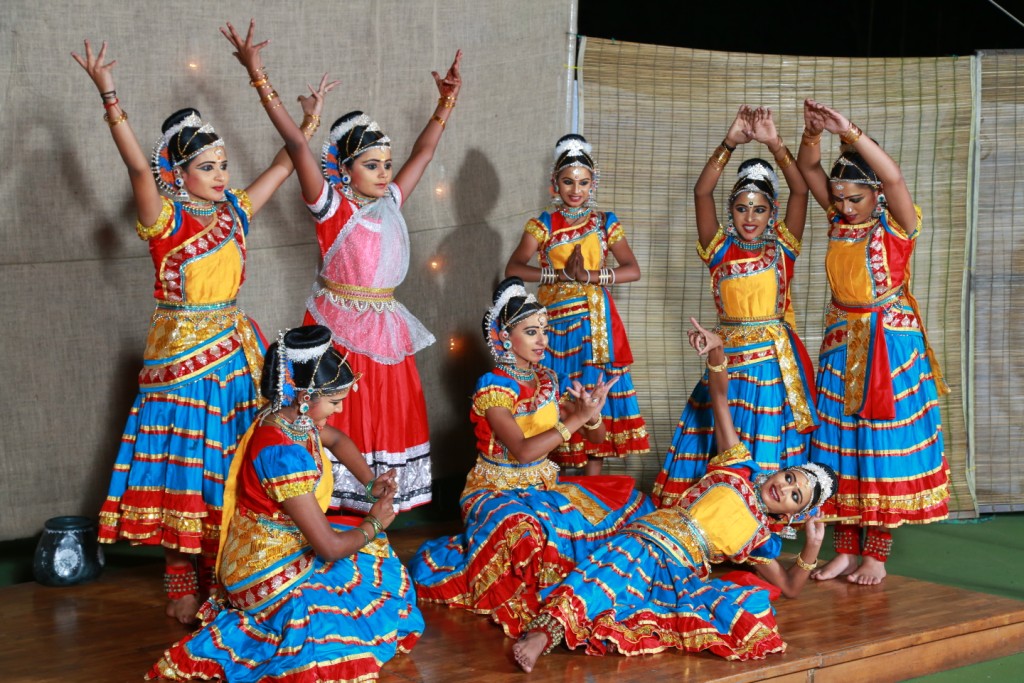
In India there are numerous classical dances and quite a few of them have originated from the state of Kerala. These dances are not only entertainment but rich in history into which mythological stories of centuries ago have been depicted. The artists pay tribute to the brave and the bold, and the battles that shaped our present way of life, culture and heritage. Continue reading

Gift-Giving Across Species

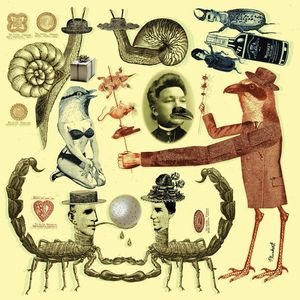
David Plunkert …Gift-giving has been seen in spiders, birds, mammals and the land snail, which shoots darts at its intended.

If you think humans are unique as gift-givers, think again, and read Natalie Angier’s current article in The New York Times:

…The drive to exchange presents is ancient, transcultural and by no means limited to Homo sapiens. Researchers have found striking examples of gift-giving across the phyletic landscape, in insects, spiders, mollusks, birds and mammals. Many of these donations fall under the rubric of nuptial gifts, items or services offered up during the elaborate haggle of animal courtship to Continue reading

Getting Down and Dirty at Bharatpur

At my recent Bharatpur National Park workshop we were working on composing eye level shots. When choosing a tripod for wildlife photography avoid tripods with the centre column, as you can see you need to flatten up the legs for eye level.

I’ve never said getting great images in the wild is easy and the participants were willing to follow my lead to get the shots. They got some great eye level photos of the jackals here. Continue reading