Environmental Pre-History

131216_r24386_g290_cropWho knew of such a thing as a calendar specific to the French Revolution? I obviously missed that session in my history education, or have forgotten it; but it is good to be reminded. And the way it is invoked is an almost-missable detail but essential to thinking about how we, in all our wisdom as evolving cultures, rewrite rules in ways that sometimes moves us two steps backward for every step we had already taken forward. From the New Yorker‘s environment-focused writer, a superb new look at the earth’s history from the unexpected perspective of teeth:

ANNALS OF EXTINCTION PART ONE

THE LOST WORLD

The mastodon’s molars.

BY 

DECEMBER 16, 2013

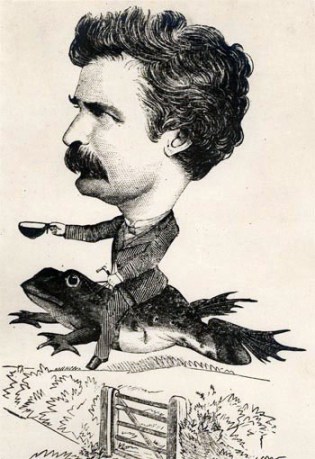
On April 4, 1796—or, according to the French Revolutionary calendar in use at the time, 15 Germinal, Year IV—Jean-Léopold-Nicholas-Frédéric Cuvier, known, after a brother who had died, simply as Georges, delivered his first public lecture at the National Institute of Science and Arts, in Paris. Cuvier, who was twenty-six, had arrived in the city a year earlier, shortly after the end of the Reign of Terror. Continue reading

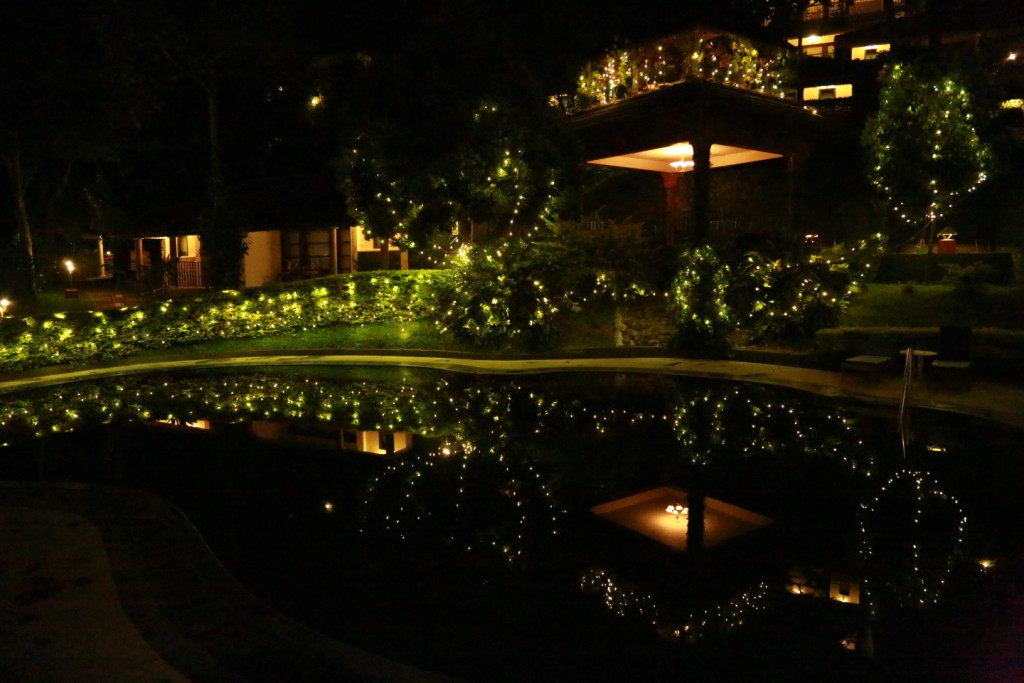
Thekkady and Kumily – Kerala

Photo credits:Ramesh Kidangoor

Photo credits: Ramesh Kidangoor

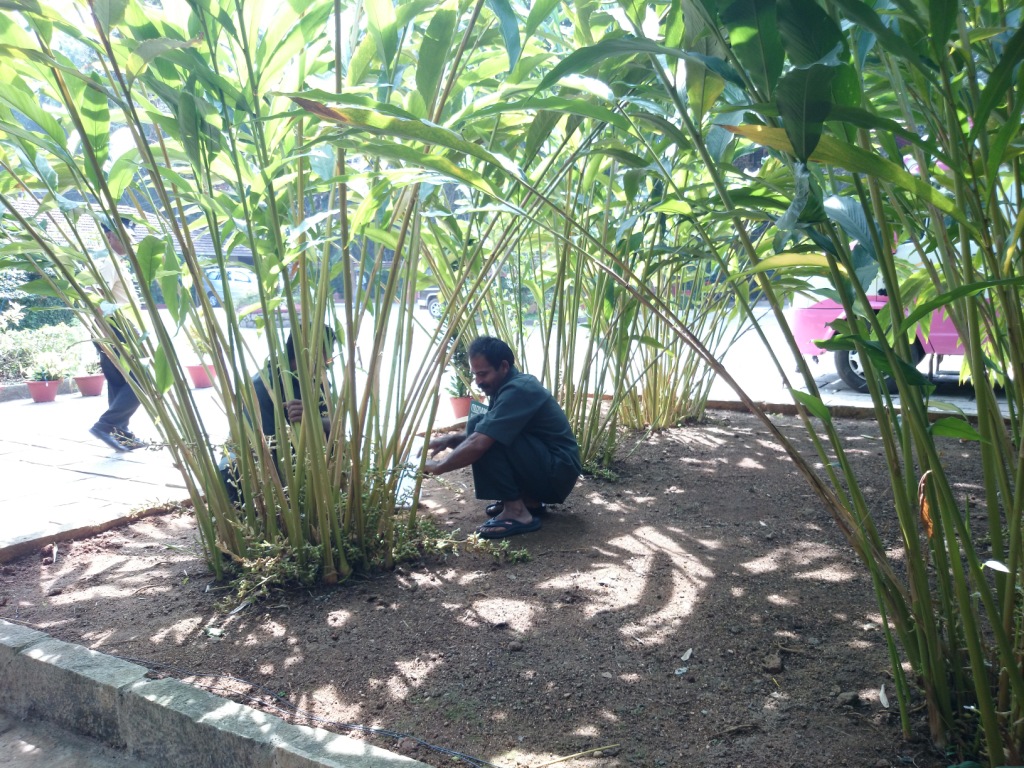
Kumily is a plantation town, closely associated with Thekkady, the home of Kerala’s first promotion of environmental tourism. Both Thekkady  and Kumily are situated in the Periyar Valley, making them a convenient base to explore the beauty of Periyar Tiger Reserve. Continue reading

Perception, Responsibility And Good Taste

Thanks again to Roberto Kwok and her contributions to the Conservation This Week feature in Conservation Magazine, which recently carried this story:

ECO-LABEL MAKES COFFEE TASTE BETTER

December 5, 2013

Mmm, that environmentally-friendly coffee tastes good. Or does it? According to a study in PLOS ONE, people presented with two cups of coffee are more likely to prefer the taste of the eco-labelled one — even if the brews are in fact identical. Continue reading

Keystone XL Just Got More Interesting

Photograph by Chip Somodevilla/Getty.

Photograph by Chip Somodevilla/Getty.

We stay away from politics as much as possible, but on occasion it is a topic we cannot avoid if we want to stay tuned to important environmental issues.  Keystone XL is one we have been following from various angles in the last year or so.  Here is some hopeful news about the future of this issue, especially if you know something about politics in the USA (click the image above to go to the source):

Shortly after the 2012 election, John Podesta was invited to speak at a board meeting of the American Petroleum Institute. Podesta is an outspoken environmentalist who served as Bill Clinton’s White House chief of staff and then founded the Center for American Progress, an influential liberal think tank. A.P.I. represents the interests of the oil-and-gas industry. Continue reading

Magical Vessels

Photo credits: Ramesh Kidangoor

Photo credits: Ramesh Kidangoor

The tranquil backwaters of Kerala turn into a sports arena once every year as more than a dozen snake boats, some manned by 100- 125 oarsmen, fiercely compete with each other in the boat races called “Vallamkali”. Vallamkali are an integral part of the history and culture of the people of Kerala. Continue reading

Salticidae

Image Courtesy: http://en.wikipedia.org

Salticidae, better known as jumping spiders, are a curious family of spider that comprises ~13% of the order. They are best known for their two large anterior median eyes flanked by a smaller set, giving them exquisite vision, as well as their ability to jump distances many times the length of their own bodies.  Their unmistakable body structure, most notably the enlarged cephalothorax, makes them an easily recognizable family; and due to their reliance on vision to hunt prey, Salticidae are primarily diurnal hunters.

Continue reading

Kanha National Park Canon Tutorial

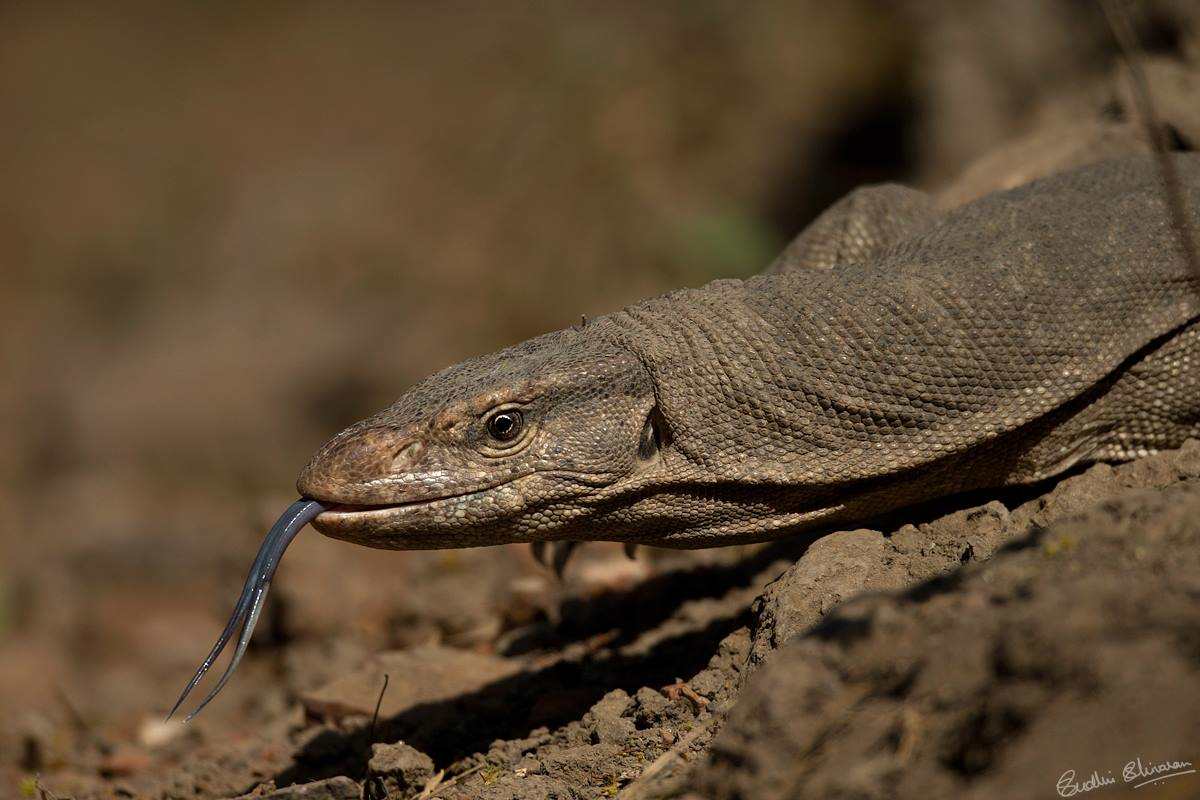
This is one of my favourite images from Kanha National Park. Half the work of a photographer is being a keen observer of your surroundings, always being on the look out for pleasing compositions wherever you are.

In many images the background makes or breaks the subject. The reddish meadows of Kanha in the background and the evening golden light made this image for me. Continue reading

MFA, Welcome

Educational Complex, by Mike Kelley, at MoMA PS1.

Educational Complex, by Mike Kelley, at MoMA PS1.

We do not claim to be experts on education in the fine arts, but we do know one person who went to RISD who added a huge amount of value to several Raxa Collective initiatives, and we would welcome him (and other members of the design team he was part of) back in a heartbeat.  For now, we can just share these thoughts by a more well-informed person (beware the four-letter words and strong opinion):

In her excellent essay, now out in Modern Painters, artist Coco Fusco pulls back the curtains on the risky business and chancy racket of the Master of Fine Arts degree. Fusco deftly addresses, among other things, how M.F.A. programs are “discursive battlefields.” Continue reading

Idukki District

Idukki Dam Catchment area

Idukki Dam Catchment area; photo credit: Ramesh Kidangoor

Idukki  is one of the largest district in Kerala, covering 13 percent of the state’s total area. With rugged mountains, dense forests and three big rivers, Idukki generates one third of the state electricity. But the district is more famous for its natural beauty; numerous trekking trails, stunning views and diverse wildlife make it an outdoor enthusiast’s dream destination. Continue reading

Controlling The Appetite To Feed

Bahamian Rock Iguana (click image to go to source)

Bahamian Rock Iguana (click image to go to photo’s source)

In its Conservation This Week feature, Conservation Magazine (last week) carried the following, which we hope gets plenty of circulation (we wish it was not even necessary to say so, but wishful thinking is not sufficient):

TOURISTS: STOP FEEDING JUNK FOOD TO IGUANAS

December 6, 2013

On islands in the Bahamas, tourists routinely feed iguanas grapes, cereal, ground beef, and even potato chips. This unnatural diet could be affecting the health of these endangered reptiles, researchers warn in Conservation Physiology. Continue reading

Mysore Thunbergia – Ladies’ Shoe

Thunbergia mysorensis

Thunbergia mysorensis

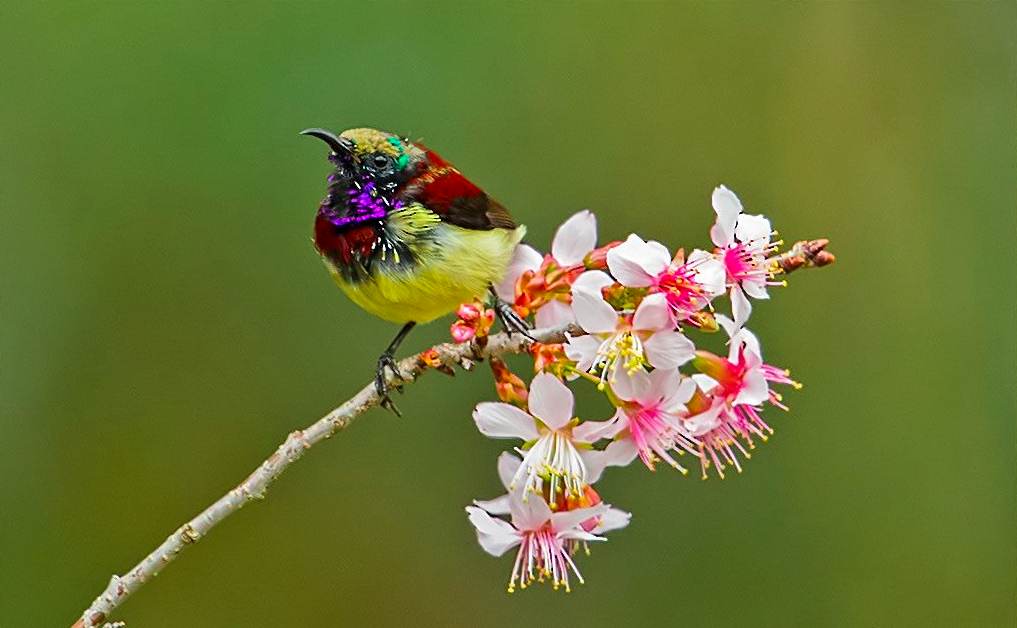
Mysore thunberia is a superlative climber found in the shola forest foothills of the Western Ghats. Blooming from October to February, this highly decorative plant creates quite an impact in any garden. Continue reading

Future Perfect

An important tip in image making is a photographer’s ability to visualize the shots before clicking the camera. Take some time to study the subject and see what you can do with it.

Early mornings are the best time for these kind of creative shots when there’s play of shadow and light combined with mist or fog. During the drive in Kahna National Park I saw the rays of light falling on areas of shadow across the safari track. I asked the driver to stop and waited for some subject to enter the frame. This scene is good by itself, but a subject in this light creates a powerful impact on the image. Of course, a tiger entering the scene would be the jackpot. Continue reading

Snowy Owl Migrations

Image Courtesy: http://imageveux.com

Climate change has had a significant impact on a multitude of global issues ranging from the environment to even politics; the Snowy Owl, Bubo scandiacus, is another organism that is feeling the effects of warming temperatures impede on its natural habitat in the northern circumpolar region. Varying degrees of climate change have significant impacts on the apex predator’s prey, which subsequently relocate, thus forcing Snowy Owls to migrate as well.

Continue reading