Into The Mind, Come To Kerala!

Jake may be our guide into a future where surfing plays a larger role in Raxa Collective’s portfolio of experiential offerings. For now, he is going to paint his masterpiece at Pearl Beach and take things one step at a time from there. This clip is from a film we hope to premier in Kerala in the coming months. We have sent an invitation, formally, to Sherpas Cinema, and will keep you posted on whether and when this may happen:

This is a story of rising to the ultimate challenge. Having the courage to risk fatal exposure and the perseverance demanded on the quest for achievement. These are not solely physical feats, they are mental conquests. Continue reading

If You Happen To Be In New York

Screen Shot 2013-11-04 at 6.31.12 PM

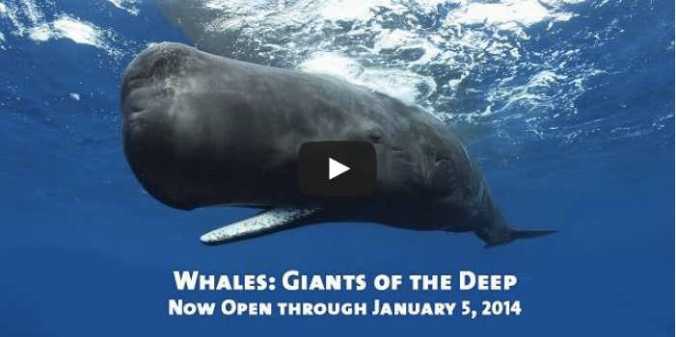
The exhibition goes well beyond that big whale you may remember in that great open space at the Museum:

Whales: Giants of the Deep explores the latest research about these marine mammals as well as the central role they have played for thousands of years in human cultures. From the traditions of New Zealand’s Maori whale riders and the Kwakwaka’wakw peoples of the Pacific Northwest to the international whaling industry and the rise of laws protecting whales from commercial hunting, the exhibition traces the close connections humans and whales have shared for centuries.  Continue reading

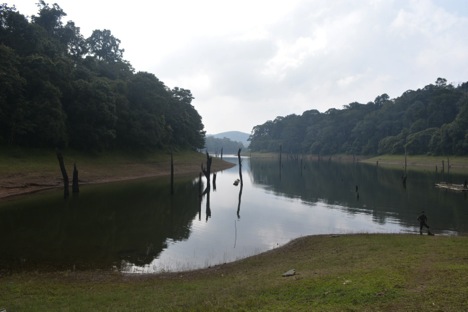
Periyar Trekking – Border Hike

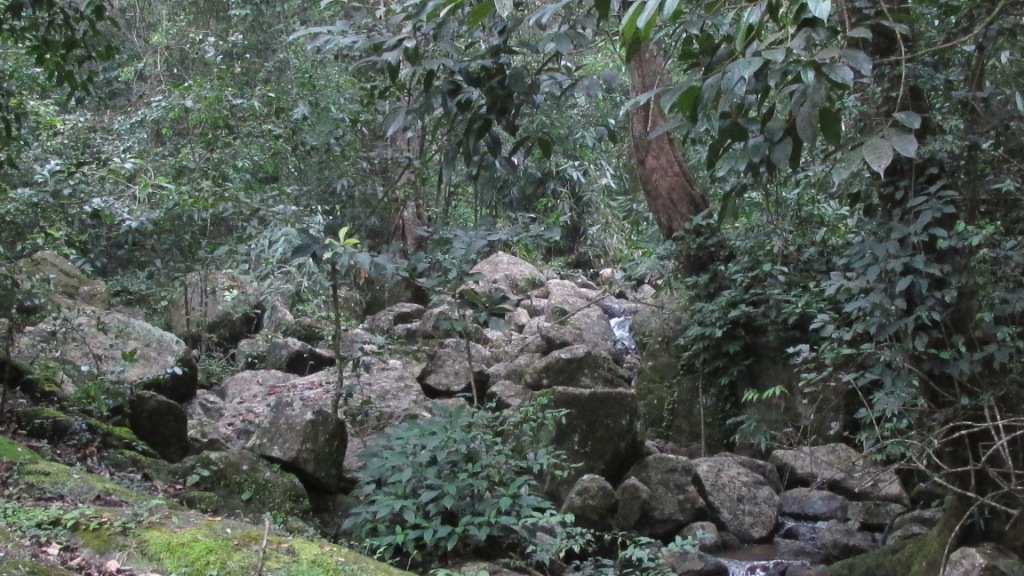
semi evergreen forest

semi evergreen forest

Recent guests from Austria staying at Cardamom County shared photos of their Border Hike experience with us.  The Periyar Tiger Reserve extends over 925 sq kilometers and this particular trek covers a minimum of 18km of the peripheral zone. It’s difficult not to get lost and even more difficult to spot animals in the rich flora of the reserve, hence the importance of the professionally trained forest guides. Continue reading

The Newest, Dismalest Branch Of Science

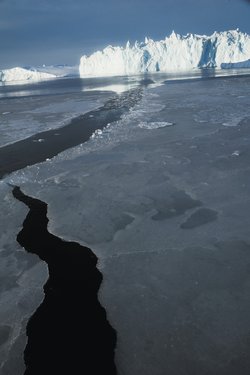
Stanley Greene/NOOR/Redux Greenland, photographed from a boat navigating the melt where dog sleds used to travel across the ice, October 2009

Stanley Greene/NOOR/Redux
Greenland, photographed from a boat navigating the melt where dog sleds used to travel across the ice, October 2009

We prefer the news about solutions to challenging problems. Preferably positive news. Preferably innovations that invoke smiles. Sometimes, dismal is the only way to move forward. Thanks to the New York Review of Books, and Paul Krugman for this review:

Forty years ago a brilliant young Yale economist named William Nordhaus published a landmark paper, “The Allocation of Energy Resources,” that opened new frontiers in economic analysis.1 Nordhaus argued that to think clearly about the economics of exhaustible resources like oil and coal, it was necessary to look far into the future, to assess their value as they become more scarce—and that this look into the future necessarily involved considering not just available resources and expected future economic growth, but likely future technologies as well. Moreover, he developed a method for incorporating all of this information—resource estimates, long-run economic forecasts, and engineers’ best guesses about the costs of future technologies—into a quantitative model of energy prices over the long term. Continue reading

Embracing Surfing

Photo Credit: Surfingindia.net

Oftentimes I find myself daydreaming of the saltwater breeze that accompanies the rolling bass of the heavy waves in the ocean — and I imagine those perfect waves… blue, crisp, clean and glassy, and the hollowest of tubes; peeling along the coastline in an epic demonstration of nature’s power.  This is a common dream for those who understand the absolutely humbling experience of surfing; it is a burning desire and need to envelope one’s self in the soothing serenity of the water.

Continue reading

Paleo-ethical Questions

young-tyrannosaur-990x664

Scientists, like all others, are faced with puzzling  ethical questions from time to time. Questions where there is no right or wrong answer, but for which “do the right thing” is the imperative. We like to think we know exactly how we would answer such a question, but sometimes the questions (or answers) are dark grey or light grey rather than black and/or white, as various characters referred to in this blog post make clear (click the image above to go to the original post):

On November 19th, science may lose a pair of dinosaurs. Preserved next to each other – and given the dramatic title the “Dueling Dinosaurs” – the tyrannosaur and ceratopsid are going up for auction at Bonham’s in New York City. The two are expected to rake in around nine million dollars, with no guarantee that the fossils will go to a museum or that their beautiful bones will even have the chance to be rigorously studied by scientists. That’s exactly why paleontologists were aghast when the auction block tyrannosaur made an appearance at the Society of Vertebrate Paleontology annual meeting yesterday afternoon. Continue reading

Diwali – The Festival Of Lights

Photo credits : Renuka Menon

Photo credits:  Renuka Menon

Diwali is the biggest and brightest Hindu festival of India. For 5 days all the homes are illuminated with lights and all the streets with firecrackers. For Hindus of all sects Diwali is the one of the most festive and beautiful times of the year. Since it is based on a lunar calendar the actual dates vary, but generally Diwali is celebrated each year during October to November. This year all Indians celebrating Diwali today, (November 2nd 2013). Continue reading

Uroplatus Geckos

Camouflage perfection in the Uroplatus. Photo Credit: en.wikipedia.org
 The Uroplatus Geckos are a magnificent species of gecko endemic to the island of Madagascar, and also my personal favorite gecko — truly one-of-a-kind, these geckos are also known as flat-leaf geckos. Effective camouflage coupled with their flattened body structure and almost completely flattened tails allow these geckos to literally become one with the trees.

Mystic Reservoir

Yesterday, I had the pleasure of going on a half-day bamboo rafting trip at the Periyar Tiger Reserve. In all honestly, I am not a very nature-y, outdoorsy person at all; I am deathly afraid of bugs and spiders, and I usually don’t go trekking in the woods unless someone drags me. Yet, let me just say, bamboo rafting was one of the most magical experiences I have ever had!

When I arrived at the PTR office at 7:30 AM half awake, I was handed a pair of strange looking socks, which were worn over the foot and covered the area below the knees to prevent any leeches and splints getting into the skin. Then we began our one and a half hour hike to the reservoir. Along the way, we saw footprints of leopard cats, tiger’s territory marks on trees, giant spiders with intricate webs across several trees, monkeys, and plenty of elephant dung. Continue reading

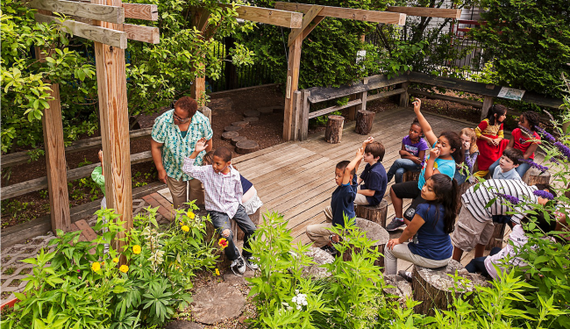
Outdoor Classrooms

Christian Phillips Photography

Christian Phillips Photography

The Atlantic has always had excellent coverage of educational issues; environmental issues as well. This article melds the quality of their attention to both topical areas quite well:

‘Nature Is a Powerful Teacher’: The Educational Value of Going Outside

At more than 80 Boston public schools, teachers are moving the classroom outdoors.

Four years ago, the nurse at Boston’s Young Achievers School was overwhelmed. Previously a middle school, Young Achievers had recently become a K-8 school and there was no appropriate space for recess. Instead, according to a teacher at the school, students spent recess in “a disorganized, cracked, muddy parking lot,” where they ran between and bounced balls off of cars. Continue reading

Imagine Before You Click

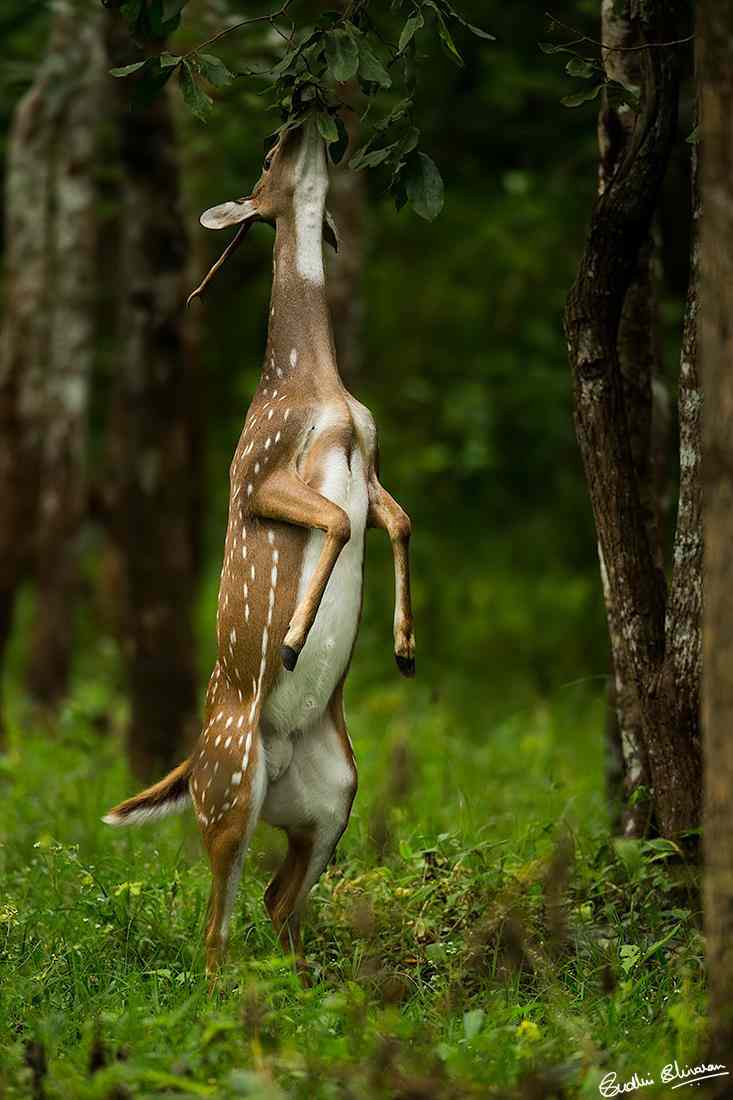
In wildlife photography good images are made by combining “previsualization” with a clear understanding of your subject’s behaviour.

Consider this Spotted Deer image as a simple example. It is a well-known behaviour of the spotted deer to go up on two legs to feed on the fresh leaves of the trees; when you see them approach the short trees, you can expect them to “stand up”. You need to be ready with the right kind of setting and composition to make the image. Continue reading

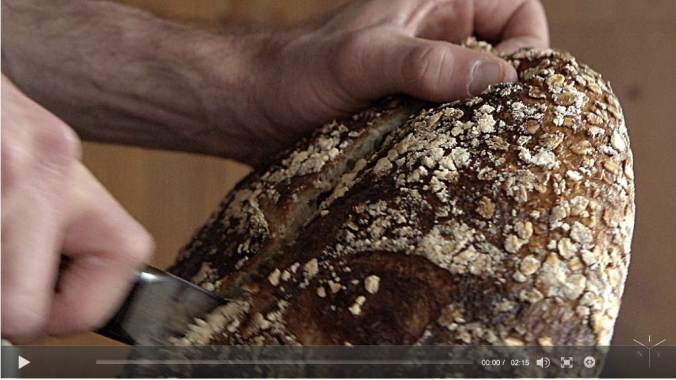
Give Us This Day

Click the image above to go to the video, and the blog post, highlighting this couple’s approach to the entrepreneurial conservation of heritage, practically in the form of a sacrament:

“I remember when Alice, at Chez Panisse, switched to grass-fed beef. It seemed so crazy at the time,” Chad Robertson, the co-owner of San Francisco’s Tartine Bakery, says between bouts of kneading dough. He stands at a long wooden counter toward the back of the bakery, where bins of various heights populate the shelves and floor. Inside the containers are grains of assorted colors and sizes, waiting to be sprouted or ground into flour and then transformed into hearty loaves. “Now look at grass-fed beef,” Robertson continues. “The price has dropped. It’s in the restaurants, and it’s everywhere. The same seems to be happening with these grains.” Continue reading

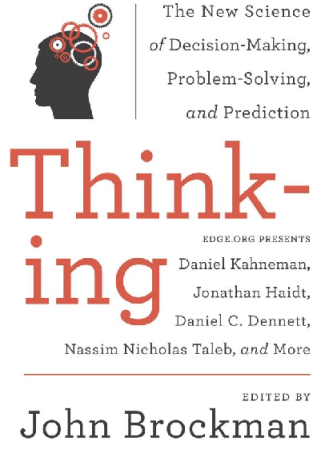
Thinking, Reviewed

If we had to stop scanning hundreds of news sources to support the habit we have of linking to stories that match our interests (we do not plan to stop) and read from only one source on the internet (preposterous to make a point), this site would be a good candidate. We rarely have the opportunity to link to it, because there is not much overlap with our themes of community, conservation or collaboration; but as a source of important ideas, and the occasional book review it is unbeatable:

“The confidence people have in their beliefs is not a measure of the quality of evidence but of the coherence of the story that the mind has managed to construct.” Continue reading

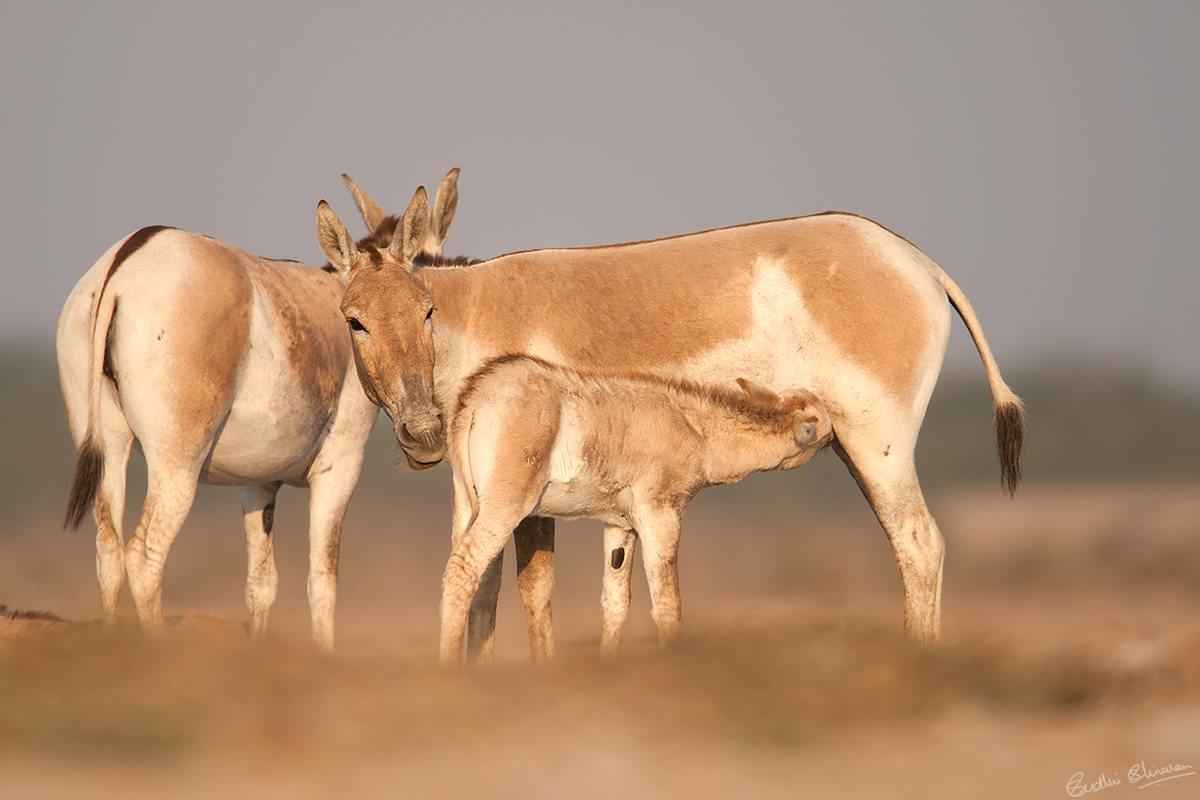
Little Rann of Kutch

Some places in the world are known for lush greenery, others for steep cliffs and snowy glaciers and others still for refreshing water lapping against hot beaches. But of all the landscapes in the world, harsh deserts are perhaps the one that fewest people have experienced. Believing it to be not as pleasant as other landscapes, many people miss out on the tremendous beauty found in deserts. Precisely because there are very few people, visiting deserts like the Little Rann of Kutch gives a traveler the chance to ponder a world before there were so many of us around.

The Wild Ass Sanctuary of the Little Rann of Kutch, spreading across nearly 5000 square kilometers of the Little Rann, is the only place on earth where the endangered Indian Wild Ass, Equus hemionus khur, known locally as the ghudkhar, still lives.

Because of the Sanctuary’s proximity to the Gulf of Kutch and its location on the migration routes of many bird species, it is a very important site for birds to feed and breed in. Continue reading