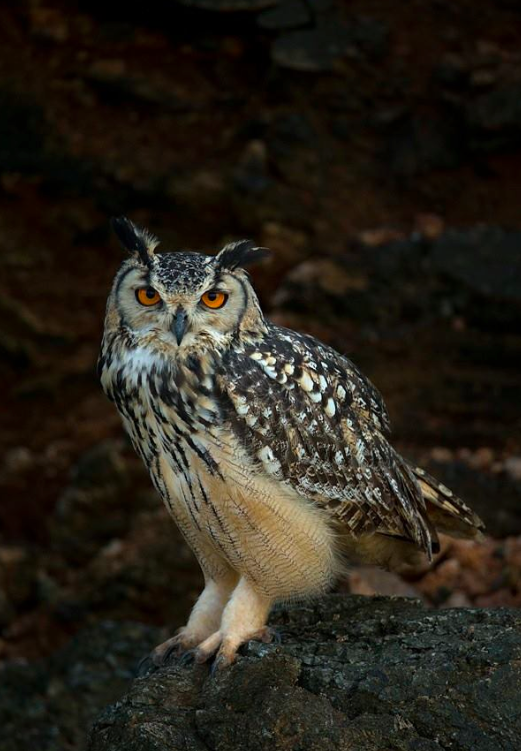
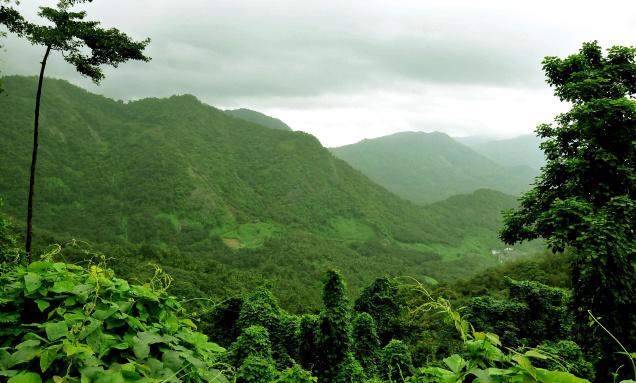
Daroji Bear Sanctuary, Karnataka
Daroji Bear Sanctuary, Karnataka
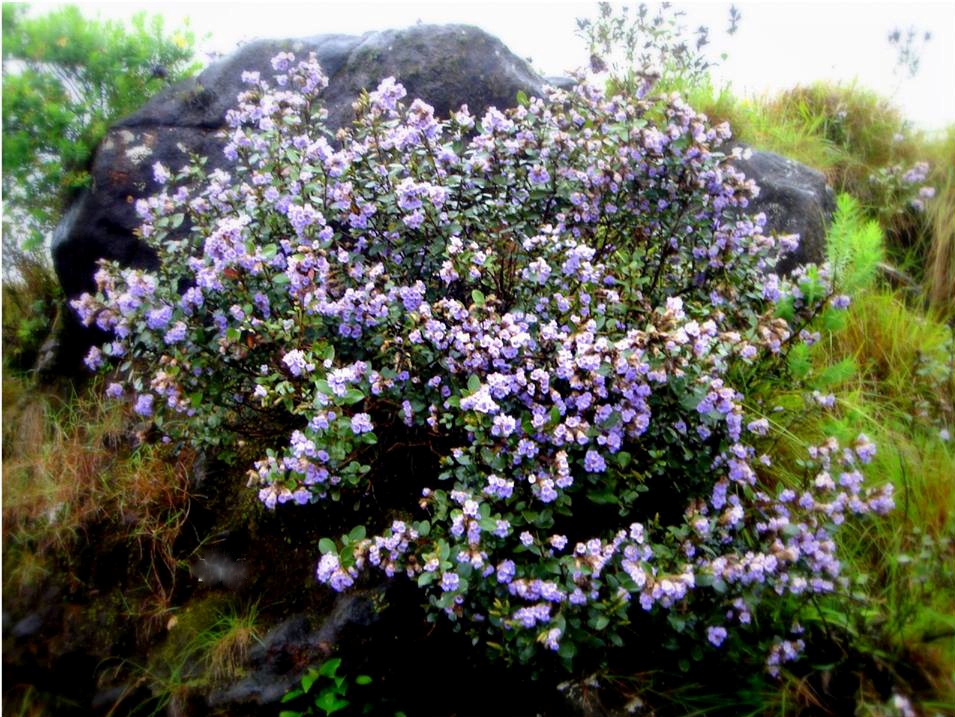
Strobilanthes kunthiana
Neela Kurinji is a blue bell-shaped flower found on the hilly slopes of the Western Ghats at an altitude between 6000 and 7000 feet. The unique feature of this tall bushy shrub is that it blooms only once in 12 years. Eravikulam National Park is famous for the flower, which will next bloom in 2018. Continue reading
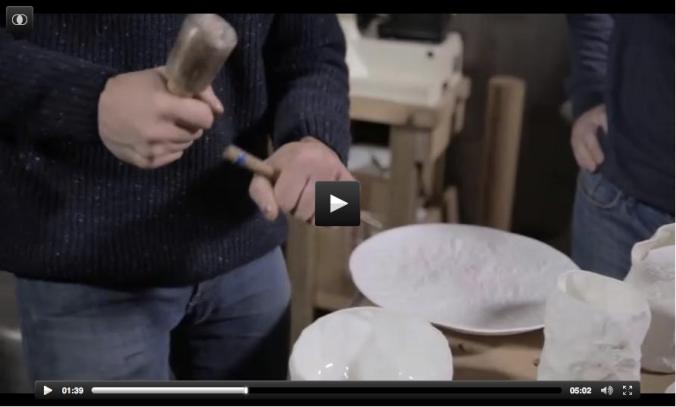
Raxa Collective’s social enterprise initiatives, its entrepreneurial conservation projects, its hospitality services–pretty much anything we do can approach perfection on a great day but we are always mindful of being human. We are competitive but never boast. Humility is important. We strive for design excellence but know that beauty is in the eye of the beholder. So, we emphasize our commitment to artisan ethos. Spend five minutes with the designer in this video (click above to go to the Guardian’s website where the video is based) to see and hear someone in a completely different field whose views we can very much relate to. Go here to read what he says about it and to see the entire collection:
Crockery
Fine bone china tableware. Made in Staffordshire, England.A collection of fine bone china tableware slip-cast from plaster models carved by hand, with glazed interior for functionality and raw exterior reflecting the modest surface texture of the plaster original. Continue reading
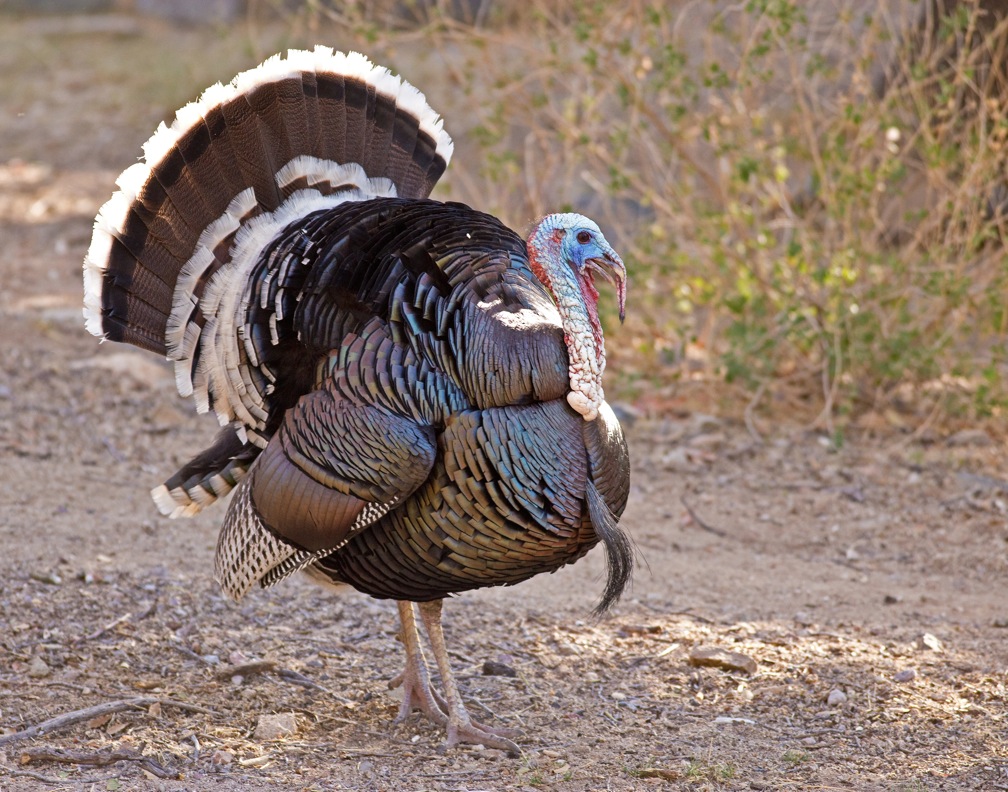
Madera Canyon, AZ

Photograph by Emmanuel Dunand/AFP/Getty.
If you are familiar with the history of the place now called the United States of America, you may be familiar with the role religious pilgrims played in the early settlement of the northeastern region of what is now that country (and what before that was the home of people who lived a very different life from the pilgrims before those pilgrims arrived, and a radically changed life after). Now, if you are a more ambitious follower of that history, you may know when the first printing press was brought to the New World, and by whom. And in that case, you likely also know what book was first published. Fitting that today, when Thanksgiving Day is celebrated in the USA, news of that first book is in front of us thanks to Casey Cep and the New Yorker‘s ever resourceful and innovative website:
Today, Sotheby’s will auction a copy of the first English-language book printed in America. “The Whole Booke of Psalmes,” or the Bay Psalm Book, as it is now known, is expected to sell for between fifteen and thirty million dollars, which would make it the most expensive book in the world. Continue reading
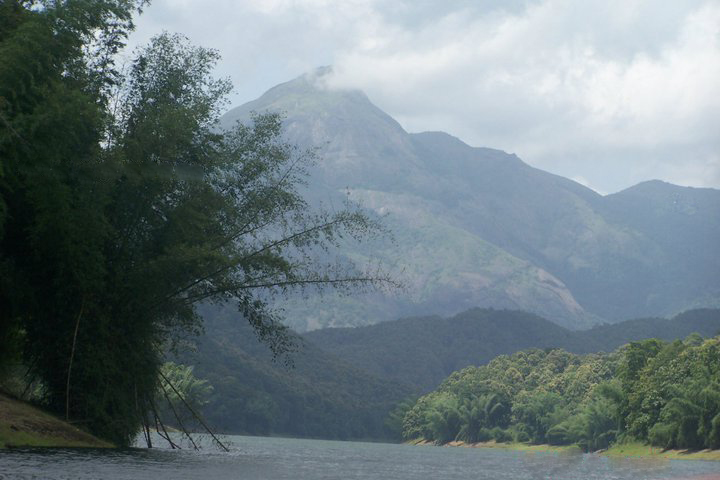
Photo credits: Renjith K Thomas
Parambikulam Wildlife Sanctuary lies in the Western Ghats nestled between the Anamalai Ranges of Tamil Nadu and the Nelliyampathi Ranges of Kerala. Spread across 277 sq km, the sanctuary is a heaven of tranquil greenery as well as the first scientifically managed teak plantation. Blessed with rich flora and fauna, Parambikkulam is a paradise for wildlife enthusiasts. Continue reading

Mark Seliger/Little, Brown and Company, via Associated Press
When we read a great book, we get transported into a world of the author’s creation. We are not expected, nor do we normally want, to think about what went into that creation. Literary critics, perhaps, but not we lay readers. One exception to this general rule is when a writer comes along and changes things with his or her style of writing. Then, we might be curious about the craft itself. We have posted on this topic from time to time for various reasons related to Raxa Collective’s commitment to written documentation of our experiences. Today, one such craftsman has decided to share his craft (at a wow price, for both him and the recipient, we note). A few excerpts about this news as reported in the New York Times:
…But now, Mr. Wolfe is about to be enshrined in one of the city’s most august institutions, thanks to the sale of his archives to the New York Public Library. Continue reading
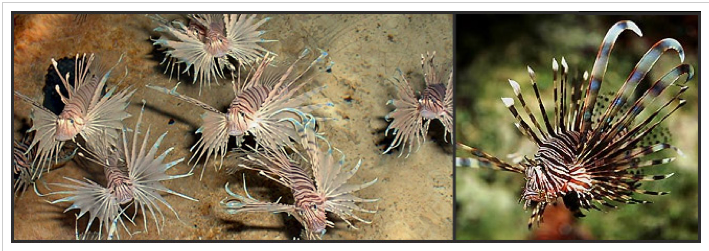
Lionfish (also known as turkeyfish) have venomous spines that can be very painful Photo: NOAA
When I was growing up a common Thanksgiving holiday decoration included a colored paper turkey formed by a tracing of my hand, the fingers forming turkey feathers. While that memory might seem out of left field it makes more sense when you start looking at photos of turkeys parading around a barnyard alongside the many lion fish photos we’ve been publishing in our Citizen Science in Belize series.
This NOAA article about lion fish, or turkey fish as they’re imaginatively calling it, is a perfect “if you can’t beat’em, eat ’em” extension. Continue reading
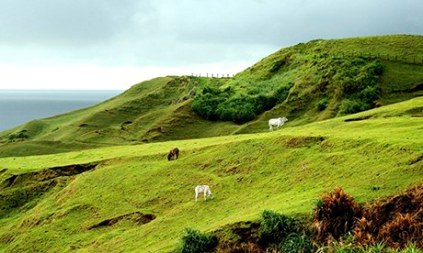
‘By preventing the growth of trees and other deep vegetation in the hills, and by compacting the soil, grazing animals cause a cycle of flash floods and drought.’ Photograph: Farley Baricuatro (www./Getty Images/Flickr RF)
One of the editorialists at the Guardian whom we read for an unflinching environmentalist perspective, today on veganism:
He did it quietly, and the decision is the better for that: Al Gore, according to reports in the US press, has gone vegan.
Certain things could be said about other aspects of his lifestyle: his enormous houses and occasional use of private jets, for example. While we can’t demand that everyone who espouses green causes should live like a Jain monk, I think we can ask that they don’t live like Al Gore. He’s a brilliant campaigner, but I find the disjunction between the restraint he advocates and the size of his ecological footprint disorienting.
So saying, if he is managing to sustain his vegan diet, in this respect he puts most of us to shame. I tried it for 18 months and almost faded away. Continue reading
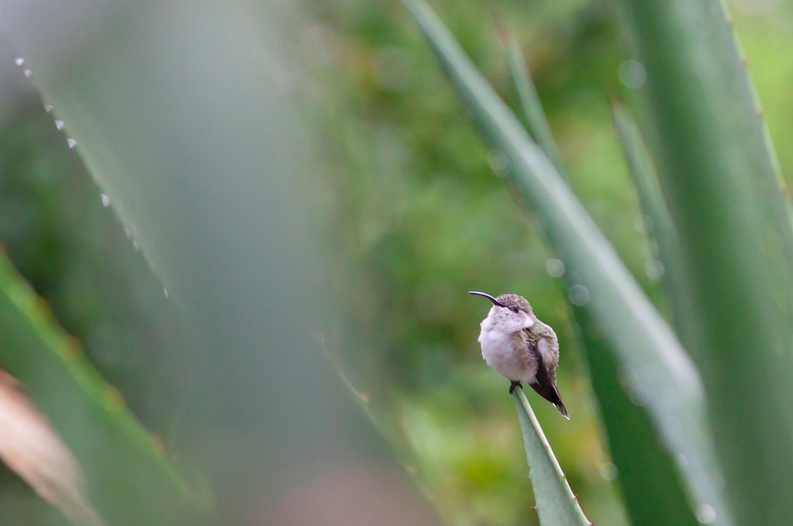
The Hindu
Local farmers in the Western Ghats, like their counterparts everywhere, generally want to be unencumbered to do what farmers do. Any given morning we wake up feeling complete solidarity with farmers. Full stop. We wake up every day looking for opportunities to support conservation where we live and work. Full stop. Currently, one such region where we work, known as the Western Ghats in southern India, is wrestling with the challenge of letting farmers be farmers while also allowing the ecosystem–one of those rare places worthy of being called a biodiversity hotspot–to continue to be the ecosystem. Sometimes, farmers and ecosystems do not get along well. We thank the Hindu for its coverage of this issue, which is much more complicated than one article can convey:
…The sites, spread over 34 countries, “harbour the majority of the populations of more than 600 birds, amphibians, and mammals, half of which are globally threatened. Many of these irreplaceable areas are already designated as places of ‘Outstanding Universal Value’ under the UNESCO World Heritage Convention,” the report said. Continue reading
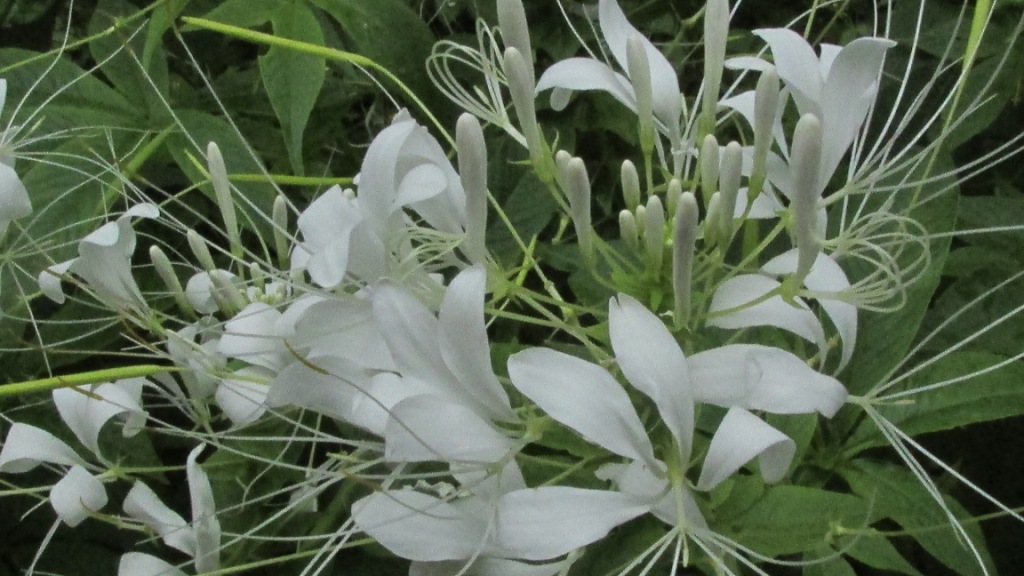
Cleome Spinosa
White Queen or Spider Flower is an exotic plant, naturalized in the Western Ghats of India. It’s an annual flowering plant commonly growing in the gardens of Kerala. Continue reading

Courtesy of Ashoka University. An artist’s impression of Ashoka University, currently under construction in Kundli, Haryana.
From today’s India Ink some good news related to India’s changing education system (we consider more liberal arts anywhere, any time, a positive development):
NEW DELHI – For decades, India’s institutes of technology and management, the famed I.I.T.’s and I.I.M.’s, have been seen as the pinnacle of this country’s higher education, offering world-class courses and above all, employability to its graduates. Continue reading
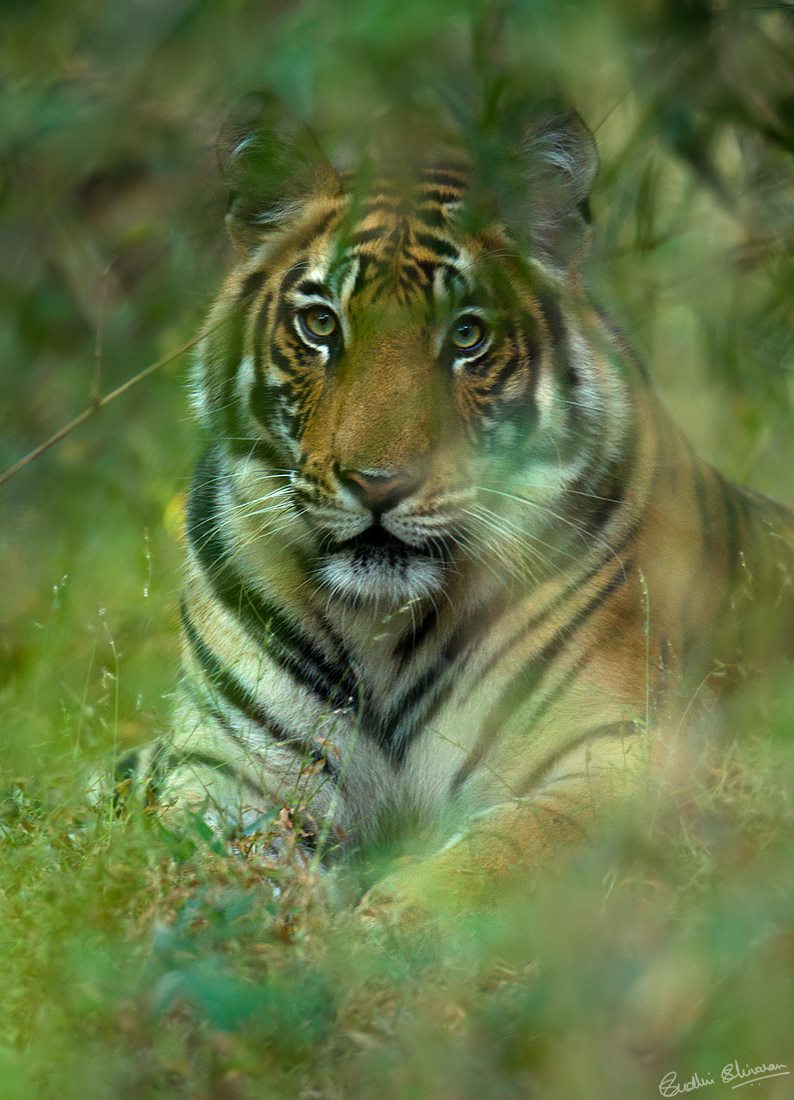
We’ve been having amazing tiger sightings at our Bandhavgarh Tiger Reserve workshop.
I captured this cub during the evening safari at Magdi zone. It was a real beauty. We saw it along with the other cub. Later it came on to the road and the other Jeep got some amazing shots… Continue reading
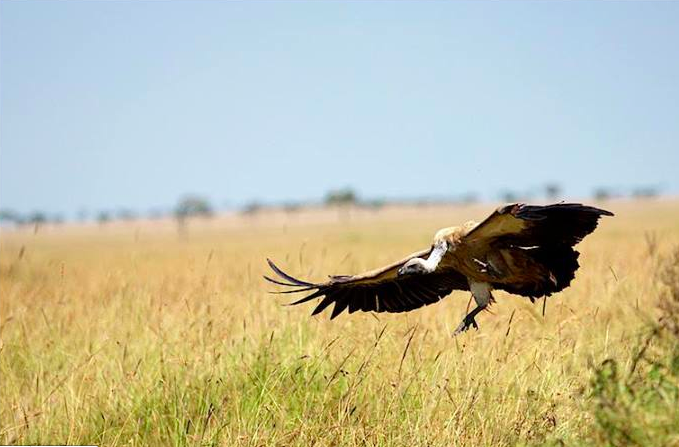
Masai Mara National Reserve, Kenya

Lord Ayyappa
Sabarimala Temple is one of the most important pilgrim centres in India. Every year, lakhs of devotees throng this holy shrine situated amidst the thick forest of Periyar Tiger Reserve. Pilgrims have to undertake 41 days vritham (penance) consisting of strict celibacy. Females between the age of 10 and 50 are not permitted in the shrine. Continue reading
NYTimes reporter Jennifer 8. Lee talks about her culinary mission for the origins of familiar Chinese-American dishes, that in many cases aren’t really either one and in others have combined to form a new cuisine.
Let me present the question to you: If our benchmark for Americanness is apple pie, you should ask yourself, how often do you eat apple pie, versus how often do you eat Chinese food..If you think about it, a lot of the foods that Americans think of as Chinese food are barely recognizable to Chinese. For example, I took a whole bunch of fortune cookies back to China, gave them to Chinese to see how they would react. Continue reading
Whether wild or domesticated, cats are unique in their ability to compel. If you are a cat person, you know that to be true. If you are not a cat person, you probably also know it to be true. Here in the Western Ghats region of south India, we take cats to be among our most important beneficiaries of whatever tangible outcomes we can generate through our entrepreneurial conservation initiatives. Mainly we are focused on initiatives with the Periyar Tiger Reserve, but on the lookout constantly for more opportunities. Earlier this year we started tracking Panthera because of these interests. Their website (click the logo to the left), and the mission as stated here, are worth revisiting from time to time:
Panthera’s mission is to ensure the future of wild cats through scientific leadership and global conservation action. Continue reading


Zwirner at home, with a painting by Raymond Pettibon. “Nobody’s selling expensive stuff like we do with the frequency we do,” Zwirner said. “This is an industry in its golden age.” Photograph by Pari Dukovic.
Art as industry? Say it ain’t so! But if it is, then better to say so clearly, unambiguously:
Very important people line up differently from you and me. They don’t want to stand behind anyone else, or to acknowledge wanting something that can’t immediately be had. If there’s a door they’re eager to pass through, and hundreds of equally or even more important people are there, too, they get as close to the door as they can, claim a patch of available space as though it had been reserved for them, and maintain enough distance to pretend that they are not in a line. Continue reading

