Ants, Wasps And That Nagging Question

Mr. Zimmer’s the one to finally comment on the suspicious similarities between ants and wasps, in blurb form here and in full form linked below to his New York Times column:

Growing up on a small farm, I was able to get to know the insects that lived on the property pretty well. Some I liked, and some I hated. Continue reading

Fellow Travelers

We pointed to this interview he gave some time back, in which he talks about how his company came to be, and what it has meant to him personally. We have enjoyed news stories in the last couple years covering some of his company’s innovative approaches to making their business model viral–not only so consumers are more hooked, but so that other entrepreneurs get hooked on their business model.  In our own small way we are fellow travelers, at La Paz Group, with Patagonia’s much older, established business; we hew to the same path even as our particulars could not be more different.

This letter by Patagonia’s founder provides his simple explanation of what this new initiative of the company is all about. The website’s FAQ section explains it all in a nutshell:

…What are the responsibilities of Patagonia Works as the holding company?

The Responsibilities of Patagonia Works:

  •   Nurture entrepreneurial ventures
  •   Incubate environmentally responsible companies
  •   Diversify corporate holdings
  •   Extend the reach and the influence of the brand to new markets
  •   Influence the global business paradigm
  •   Offer a new way to measure return on invested capital
  •   Provide long-term economic health with consideration of environmental and social risk
  •   Promote The Responsible Economy, Patagonia’s ongoing environmental campaign
  •   Provide best-quality shared services and allow each business to focus on product, quality, sales and customer experience

Continue reading

Para – Traditional Measuring Vessel

Photo credits : Aaradhana

Photo credits: Aaradhana

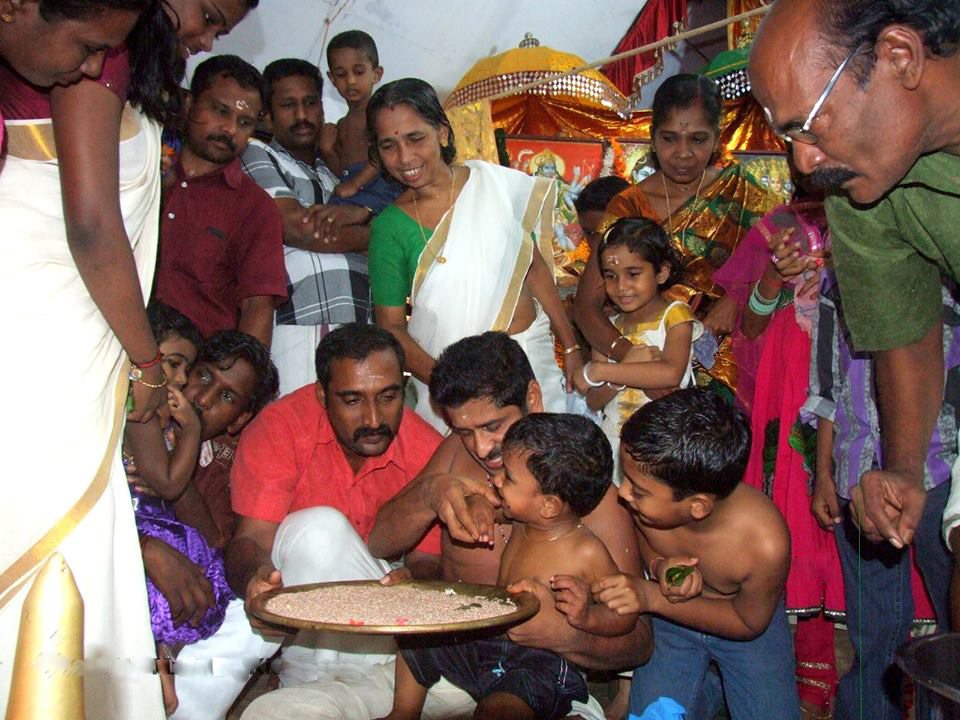
A Para is a traditional measuring vessel associated with the rice paddy system in Kerala. Customarily the vessels are made of either brass or wood. Filling a Para to overflowing with a paddy offering to God is an important ritual by many devotees. Continue reading

Photography Tips: Exposure and Light

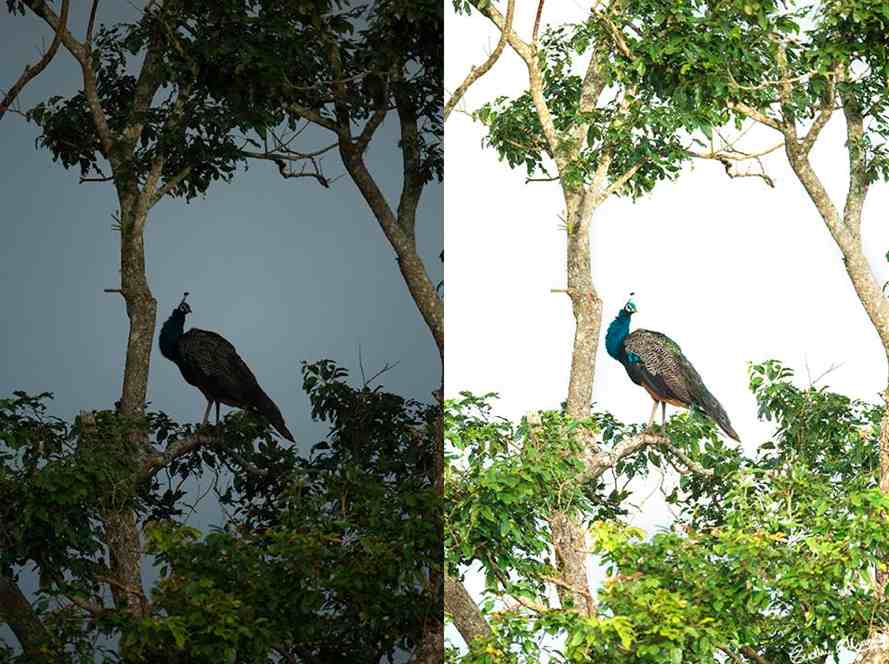
Above is an example of one of the most common issues photographers face when they shoot against the overcast sky. As you can see in the left side image, the camera tries to expose to the background which is very bright and evens it out to a medium tone (core concept of exposure) when you are shooting in evaluative or matrix metering mode.

In this situation you need to understand how the camera exposes and override the camera settings and do an exposure compensation of +2 to +3 stops. When you over expose the image by that many stops, you get the result as shown in the right side image.

Continue reading

Unakka Pazha Kootu

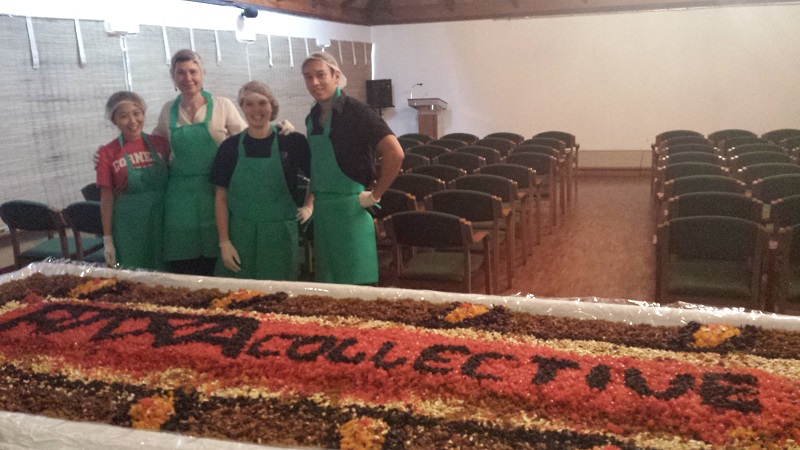
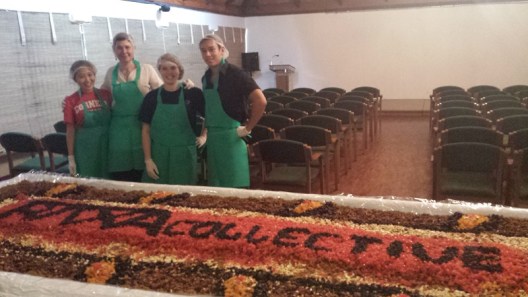
Raxa interns and Amie, pre-mixing!

Raxa interns and Amie, pre-mixing!

Christmas is still two months away and Cardamom County is nowhere close to a location that receives snowfall, but we still rang in the holiday season a little early by holding the unakka pazha kootu ceremony. Unakka pazha kootu is a mixture of dried fruits, spices, and liquor, which is used as the core ingredient to make Christmas cake and pudding.
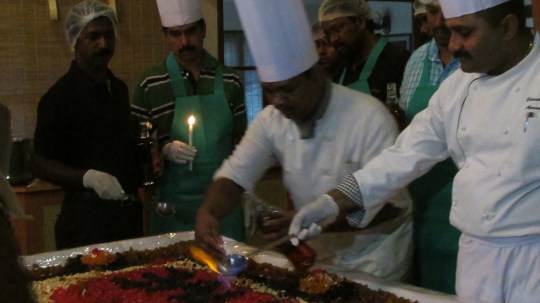
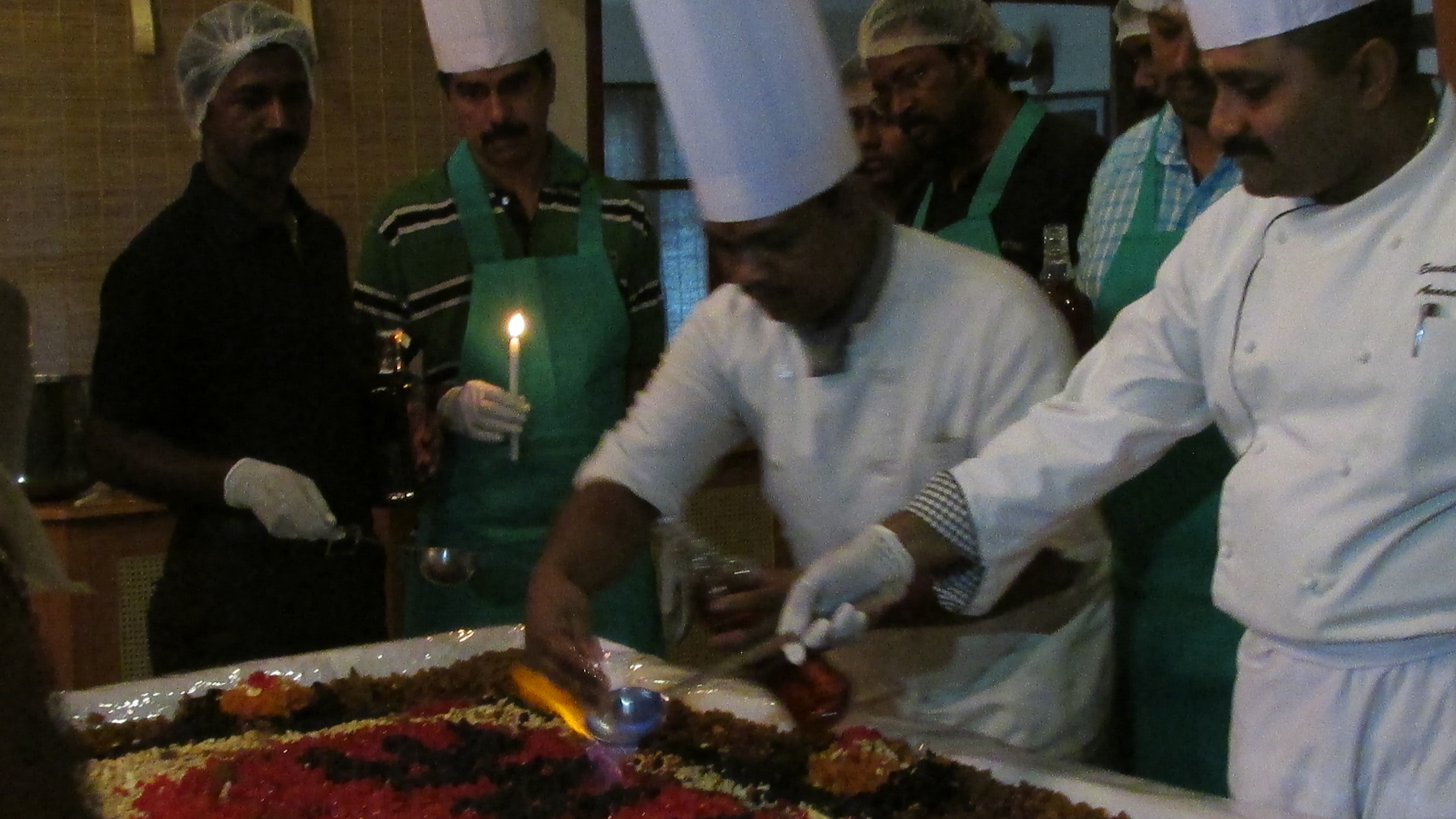
Setting the alcohol and mixture on fire

Setting the alcohol and mixture on fire

A MASSIVE amount of dried fruits—dates, cherries, cashew nuts, black current, sultanas, apricot, plums, fig, ginger peel, and orange peel—were elaborately and colorfully organized on top of carefully plastic lined tables laid out side by side inside the conference hall. Then, Shinou, our bakery chef, lit up a candle and literally set the fruits and alcohol on fire! Continue reading

Enough Dancing Bears, Already

Patrick Barkham’s editorial in the Guardian does not sufficiently consider the occasional good that a zoo can do for the charismatic felines, but my sentiments are generally the same as those he expresses here:

The Zoological Society of London is an august, enlightened charity, which carries out wonderful scientific work. London Zoo, created in 1826 as a rebuke to the cruel and squalid menageries of the day, makes the most of its limited space on the edge of Regent’s Park. So why on earth is it caging tigers? Does it really believe it is important conservation work? Continue reading

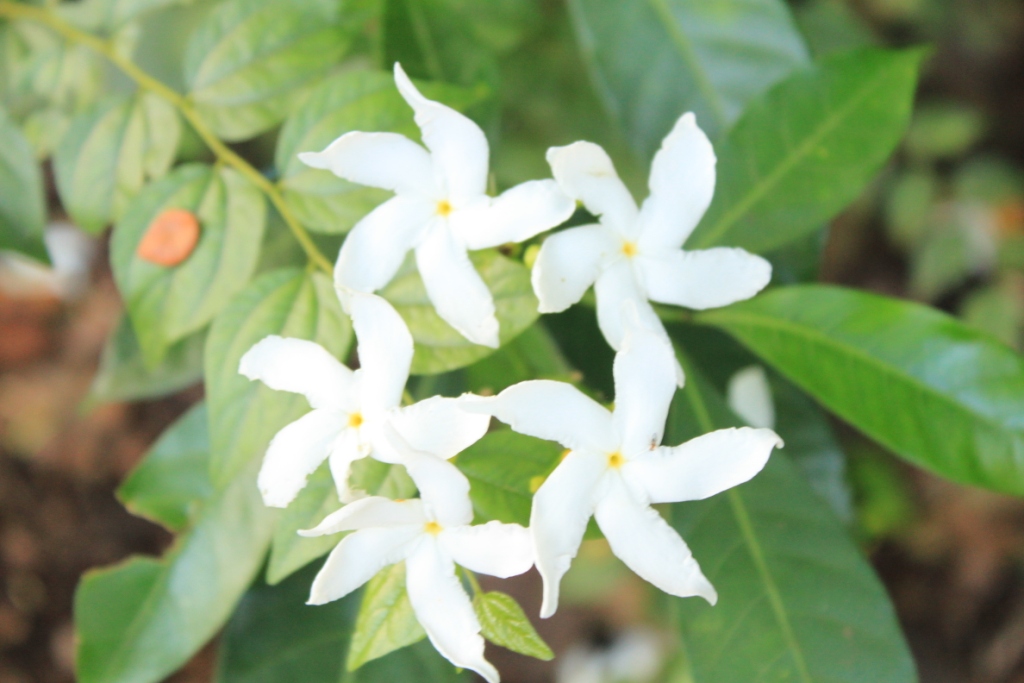
Nandyarvattam Plant

Tabernaemonta divaricata

Tabernaemonta divaricata

Nandyarvattam, also known as Crape Jasmine or East Indian Rosebay,  is an evergreen shrub is commonly found in Kerala. It can grow up to 5 to 6 feet and blooms throughout the year. Continue reading

Library, Social Enterprise, Community

Raxa Collective’s work, mostly in rural communities, brings us into contact with many organizations–public sector, private sector and hybrids–that carry out work that does not look anything like the work we do, but with some of the same objectives. Business models differ, but the mission is focused on improving the opportunity set of communities. This organization is our idea of a trifecta:

Our Model

READ Global brings together educationenterprise and community development to create lasting social change in rural communities. READ partners with rural villages to build Community Library and Resource Centers (READ Centers) that offer knowledge, information and opportunities to villagers that lack the most basic educational resources.

READ Centers are designed to serve whole communities and their surrounding areas. Resources are available for all – adults, children, students, teachers, women and even those who are illiterate.

Take a look at our new photo essay to learn more about our programs, and to see the faces and stories behind the “READ Effect”: a testament to how READ Centers serve as catalysts to uplift entire communities. Continue reading

Cake Mixing Ceremony

A Kerala Christmas season always includes a plum cake and throughout the state people begin the preparations well in advance of the holiday itself. It’s considered auspicious to invite friends to mix the ingredients that must “marinate” for 2 months prior to the actual preparation of the cakes. Cardamom County’s Cake mixing ceremony took place yesterday, 16th October. It’s a tradition at the hotel to welcome the holiday season with a fruit soaking ceremony that included staff and guests from around the world.

Property Manager Naveen Mohan described the event perfectly:

This Cake mixing ceremony happened at Raxa Collective, Cardamom County, Thekkady yesterday. The warm, friendly staff of the hotel led everyone to the ceremony. It’s a tradition at the hotel to welcome the holiday season with a fruit soaking ceremony ahead of Christmas. There were massive steel basins with candied ginger strips lining the bottom, and huge trays filled with fruit – raisins, black currants, candied orange peel, candied cherries, etc. And of course the all important ‘spirit of the season‘ in bottles – wine, rum and whiskey to soak the fruit. To set the ceremony off, we were each handed gloves, aprons and chefs hats. We set to work with handfuls of fruit ceremoniously dumped into the steel basins and started mixing the fruit. Once all the fruit was in and well mixed, ladles of the liquor were flambéed over the dried fruit and then the bottles were emptied in one by one. Continue reading

A Camera Trap By Any Other Name

Humpback whales lunge feeding in the Inside Passage of Southeast Alaska during summer on an overcast day. Photograph by Mark Kelley, Alaska Stock Images/National Geographic Creative

Humpback whales lunge feeding in the Inside Passage of Southeast Alaska during summer on an overcast day. Photograph by Mark Kelley, Alaska Stock Images/National Geographic Creative

A sweet invention, that camera trap.  Call it what you will, but the more we capture on film, it seems, the better we understand:

Humpback whales are known for their bubble nets. In Cape Cod Bay (map), the marine mammals spend the summer blowing bubbles in circles under the water and then lunging through roiling schools of fish for a mouthful of water and sand lance, a skinny, finger-length fish.

If you watched humpbacks only from the surface, you’d think that was how they got all their food. But a team of scientists has been putting tags on the whales to snoop on them underwater. They found something surprising: Humpbacks actually spend a lot of time feeding at the bottom. (Watch video of humpback whales blowing bubble nets.) Continue reading

The Hut of Romulus

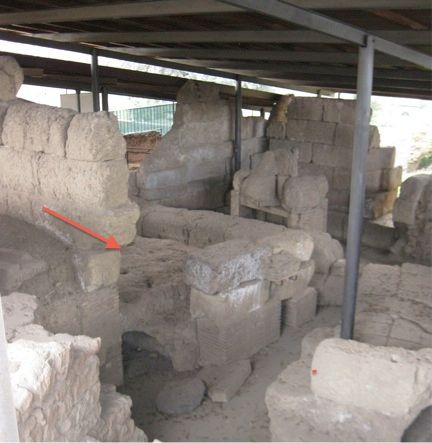
Hut of Romulus (Post holes where arrow is pointing.)

Today, all that remains of the so-called “Hut of Romulus” are the holes you see in the picture above (the slight indentations on the platform where the arrow is pointing). When intact, Romulus’ humble wattle-and-daub dwelling, located in the southwest corner of the Palatine Hill in Rome, might have looked something like this. One might have expected that the passing of nearly three millennia would not have treated well the wood, straw, and twisted bark ties of the hut, but even in its own day the Hut was prone to accidental destruction. One particularly ignominious story has a crow dropping Continue reading

Algal Jazz

The radio show Living on Earth, produced by Public Radio International (thanks to their contributors and sponsors!), first carried this story about a biologist who intuited an interplay between marine microbes and jazz music.  The interview with that biologist is here, both as podcast and transcript. Thanks to the University of Washington’s Conservation magazine for bringing it back to our attention before it floated off on the horizon:

Music in the key of algae

In the age of Big Data, making sense of the information deluge is no small feat. But biologist and jazz-music fan Peter Larsen of Argonne National Lab thinks he has a powerful way to capture the complex interplay between microbial life and the physical environment: bebop music.

Larsen’s data-driven compositions are generated by observations collected at the L4 marine monitoring station, a data buoy operated by the U.K.’s Plymouth Marine Laboratory and Marine Biological Association. The buoy records weekly measurements of temperature, salinity, nutrient levels, and other parameters. In addition, researchers classify and measure the abundance of zooplankton and phytoplankton from samples collected at the site. Continue reading

Vidyarambham – Word of Learning

Photo credits : Ramesh Kidangoor

Photo credits: Ramesh Kidangoor

Vidyarambham is a traditional Hindu ritual conducted in the first week of October at the time of Navaratri, Vijayadshami day. Vidyarambham means the beginning of education. The Goddess Sarasvati is worshiped all over the country as the Goddess of learning. Continue reading

A 3-Way Intersection As Puzzle: Property Rights, Community Rights, Conservation

We will leave surfing topics to the resident expert, Jake. But this short documentary poses a conundrum that, while we instinctively side with the surfers, challenges us as stewards of property on India’s coast line. We want everyone to have access to the beach, but we want to prevent the kind of “tragedy of the commons” that is evident when no one has clear responsibility and authority for stewardship.

As we prepare to open Pearl Beach in a few months on a pristine section of Kerala’s coast, we have taken an approach that minimizes our footprint on the land while allowing us to do what we do, hosting guests from around the world, giving them an authentic taste of local nature and culture, and channeling the profits to conservation.

Continue reading

A Thesis Hypothesis

Shutterstock

This week, the time has come for me to officially lay out some of the terms of my honors history thesis that I have been writing about for a few months now. Although this “hypothesis,” or explanation of what I expect to argue, won’t set my focused topic in stone, it will certainly be instrumental in guiding me at least in a broad sense as I move forward with writing this semester, and it will also help show my advisors what path I plan to take. Without further ado, here is my thesis hypothesis in a 400-word nutshell. Continue reading

Reading, Libraries & Good Citizenship

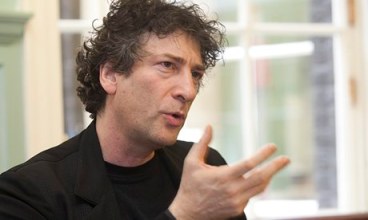
'We have an obligation to imagine' … Neil Gaiman gives The Reading Agency annual lecture on the future of reading and libraries. Photograph: Robin Mayes

‘We have an obligation to imagine’ … Neil Gaiman gives The Reading Agency annual lecture on the future of reading and libraries. Photograph: Robin Mayes

Libraries still have enough friends that we do not yet count them out, but the challenges they face are undeniable. Thanks to the Guardian‘s coverage of one prominent writer’s address on this important topic:

Neil Gaiman: Why our future depends on libraries, reading and daydreaming

A lecture explaining why using our imaginations, and providing for others to use theirs, is an obligation for all citizens

It’s important for people to tell you what side they are on and why, and whether they might be biased. A declaration of members’ interests, of a sort. So, I am going to be talking to you about reading. I’m going to tell you that libraries are important. I’m going to suggest that reading fiction, that reading for pleasure, is one of the most important things one can do. I’m going to make an impassioned plea for people to understand what libraries and librarians are, and to preserve both of these things. Continue reading