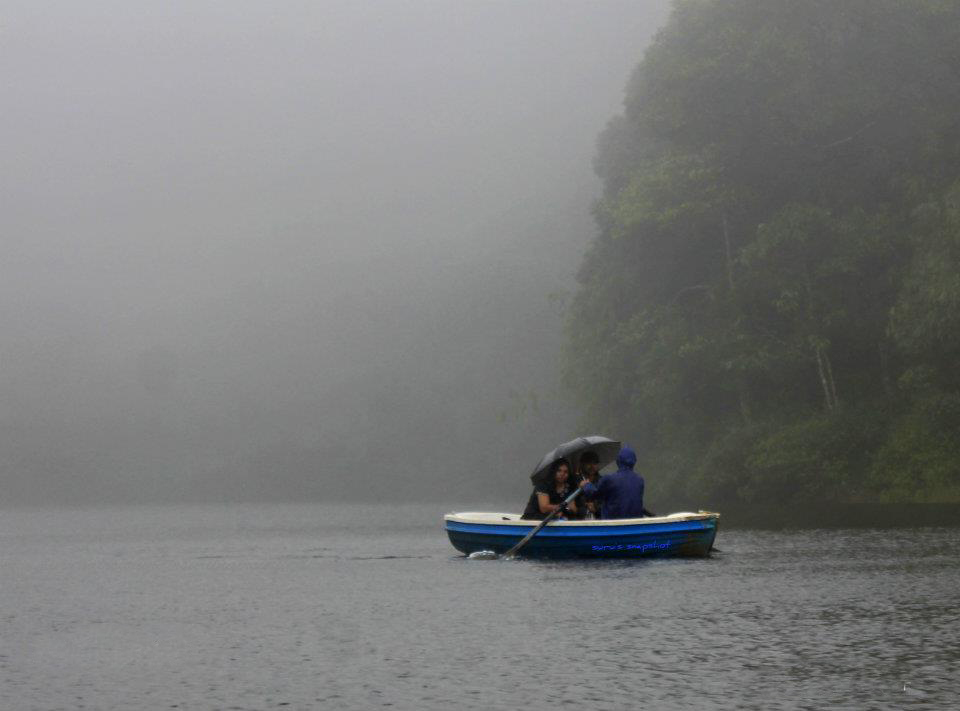
Gavi is one place in the world where with every turn visitors have an encounter with nature. It boasts unadulterated views of tropical forest, hills, valleys, cascading waterfalls, sprawling grasslands and cardamom plantations. Continue reading
Hermes Circa 1983
Blacksmithing and Greek language, two ambitions placed in my path by the trickster god of transitions, two ambitions that strengthened my arms and tongue and confidence that looking backward was not my future, were both important deviations. There had been no plan or map but both of these deviations helped ensure that my path would not be too straight or narrow. A couple years later I was preparing for another deviation. On September 23, 1983 I would get on an airplane and make another pilgrimage to Vourthonia. Continue reading
Journey to the Center of the Earth, Via Iceland

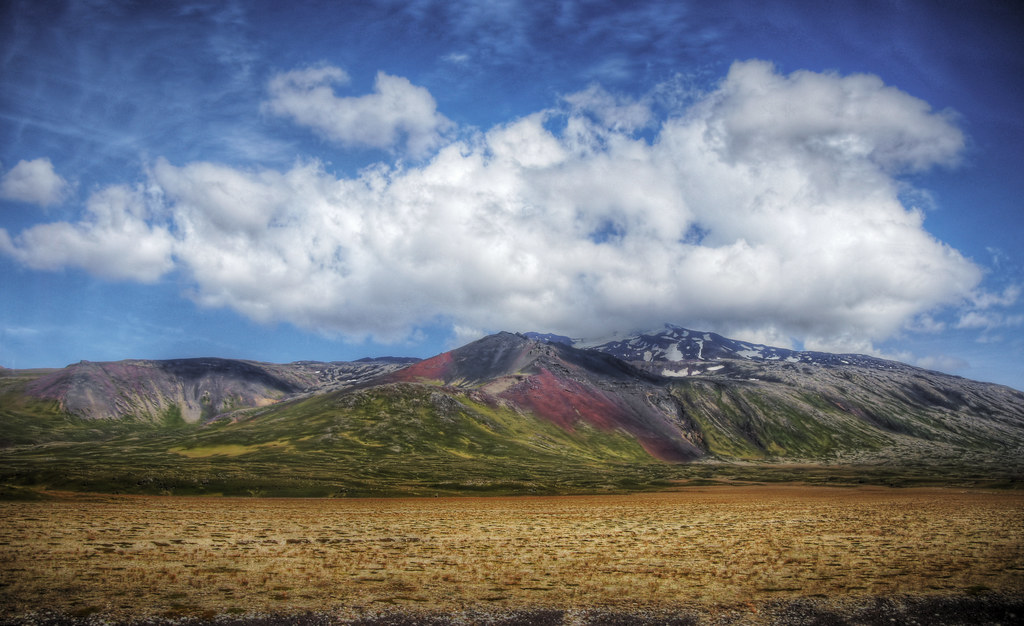
Snæfellsjökull, Iceland. Photo © Mariusz Kluzniak
When I explain my honors thesis subject to those who ask about it, not a few of them ask if I plan on looking at Jules Verne’s classic science fiction novel, since the volcanic entrance to the cavernous depths of the world in his story is ‘Snäfell,’ in western Iceland. For some , Journey to the Center of the Earth might be their only popular source of information on the country, since it is perceived as so remote, and, in many American minds at least, the Nordic countries can all get mixed up in a Scandinavian mélange of fjörds and vikings and skyr.

Snæfellsjökull, Iceland. Photo © Manny on BiteMyTrip.com
To Verne’s credit, therefore, he has put Iceland on the map for many people over the past century and a half (his book was first published in France in 1864, and was translated by 1871). To his discredit, however, he never visited Iceland himself, and instead relied primarily on two French works on Iceland written about scientific expeditions made there in the late 1830s. Continue reading
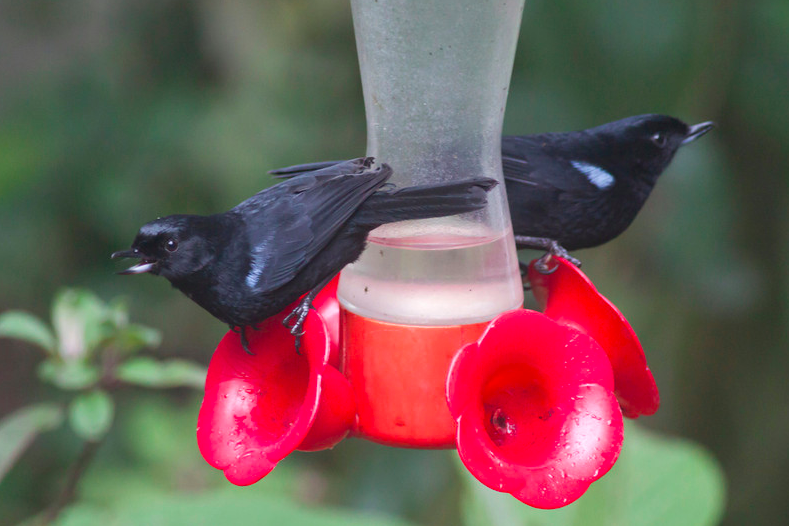
Bird of the Day: Glossy Flowerpiercers (Yanacocha Reserve, Ecuador)
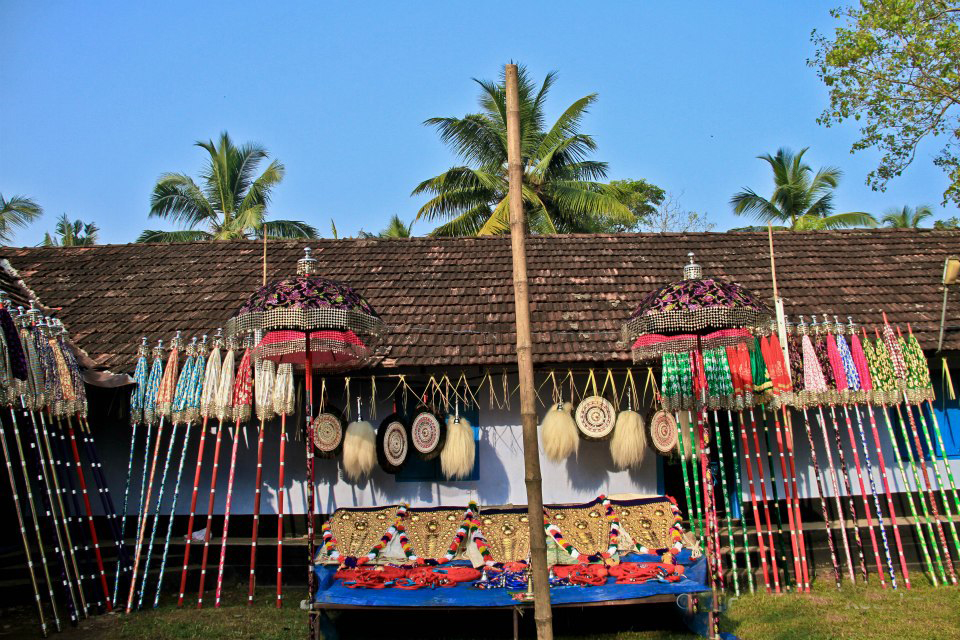
Anachamayam – Elephant Decorations
In Kerala during temple festivals, elephants are decorated with gold caparisons (Nettippattom), bells and necklaces. People mounted on the elephants hold ornamental umbrellas (Muttukuda) up high, swaying white tufts (Venchamaram) and peacock feathers fans (Alavattam). Continue reading
Bird of the Day: Green Bee-eater
Uthrattathi Vallamkali – Aranmula
The world famous Aranmula boat race will be held this year on September 20th. The uthrattathi Vallamkali sees 26 boats participating in the two days of festivities. The festivities involve the oarsmen singing traditional boat songs and wearing white Mundu and turbans. The boats are decorated with golden lace at the head of the boat and a flag and ornamental umbrellas in the center. Continue reading
Photography, History, Destiny
There is more than one photography-history-literary continuum buff out there for whom this link-post is intended. One is our erstwhile contributor of great photographic compositions and written reflections on his own photographs; as Milo heads west, he heads toward history. His family history, at minimum. His Inman predecessors first headed west centuries back when Kansas was the great frontier. But this guy is always looking forward while his brother puts some perspective on it all, taking a closer look through the rearview mirror.
Milo follows in the footsteps of several generations of painters, photographers and printmakers in his family who all headed west. One of them, in San Francisco now, has even shown an affinity for Civil War era photography of the type reflected on in this article on the Atlantic‘s website, so we shout this one out to Milo, Seth and Paul in particular:
Let’s play a short, highly contrived game, called called “Smile or Grimace?”
Here’s Major General Samuel P. Heintzelman, an officer of the Federal Army, photographed during the war:
Poet, Publisher, Arboreal Millionaire

Dennis Publishing staff planting native broadleaf saplings for The Heart of England Forest project that has planted one million trees, Warwickshire. Photograph: The Heart of England Fores
We like, therefore we link:
A scheme by one of Britain’s most successful entrepreneurs to reforest the heart of England planted its millionth tree.
Poet and publisher Felix Dennis said he was proud to have planted the first 10% of his ambitious vision. “I’m hoping that long after I’m dead that the charity I founded will one day be the proud possessor of 25,000 acres of woodland planted with 10 million native broadleafed trees, completely open to the public,” he said. Continue reading
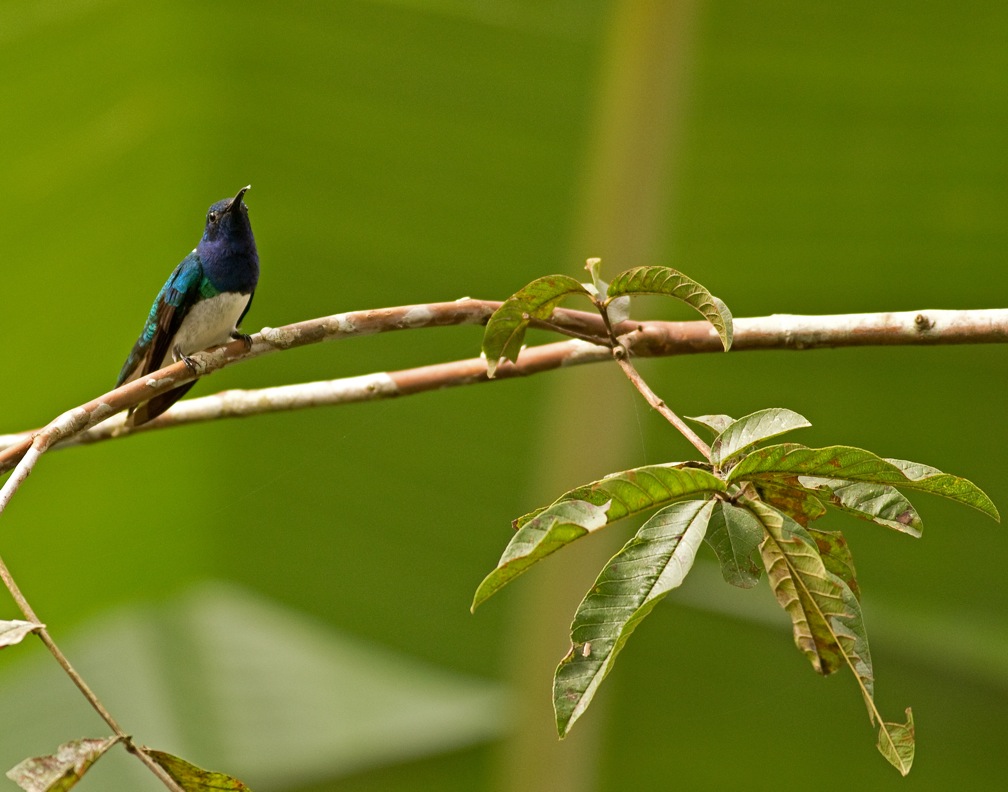
Bird of the Day: White-necked Jacobin
An Early Great, Revealed
At first glance, it might seem to be a group of photos from the box of one of those street vendors in Paris. Not so, as Luc Sante points out in the New York Review of Books:
Charles Marville is best known for his government commission to photograph the neighborhoods of Paris slated for demolition during Baron Haussmann’s reconfiguration of the city between 1853 and 1870. In fact, that is virtually all he has been known for, a matter the authors of Charles Marville: Photographer of Paris are eager to rectify. Continue reading
Malampuzha Dam – Kerala
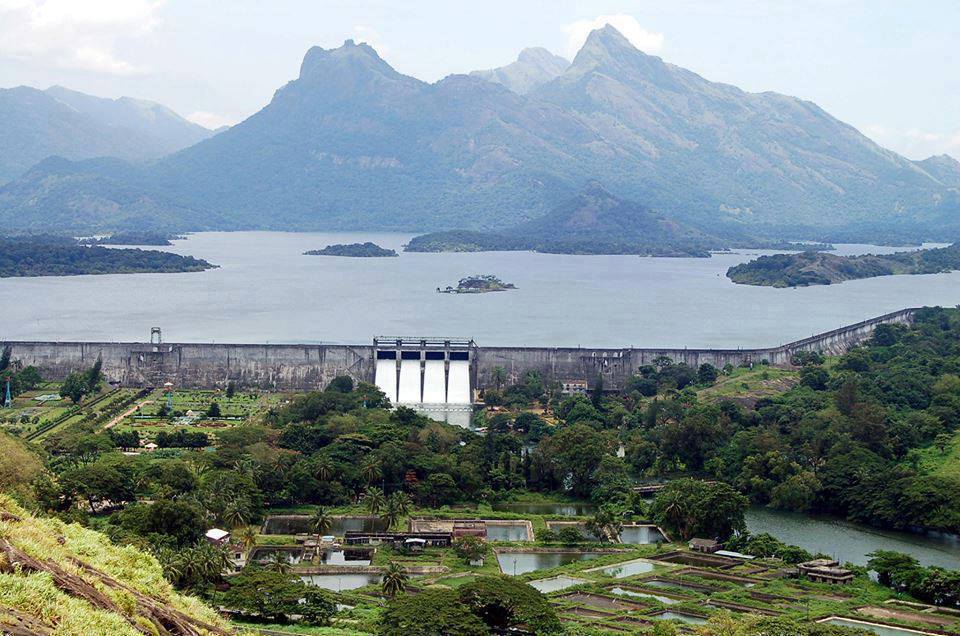
The biggest irrigation reservoir in Kerala, Malampuzha Dam, is located in the Palakkad district. Beautiful gardens, an amusement park and a rock garden surround the lake, made even more picturesque with the Western Ghats as the background.
Franzen’s Dilemma
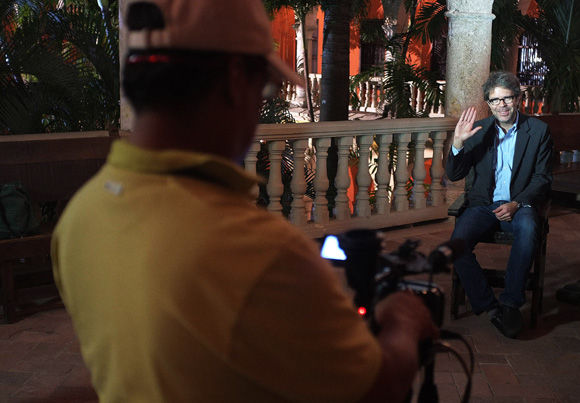
It is going to be our generation’s contribution to the colloquial cliche; equivalent to Catch 22. Maria Bustillos makes the best case, in the fewest and least heavy words. for a great writer to change his mind. She is compelling. But he is an activist for a good cause, so we must be in his corner, even if it is just wiping the sweat:
Jonathan Franzen has a real gift for getting people into a tizzy. This time, the fracas was occasioned by a September 13th essay he wrote for the Guardian (“What’s Wrong With the Modern World”) excoriating our “media-saturated, technology-crazed, apocalypse-haunted historical moment” and lauding the early-twentieth-century Viennese satirist Karl Kraus, whose essays Franzen reveres, as a prophet for our own times. Though the essay’s specific criticisms are so familiar as to be unremarkable—he writes that Salman Rushdie “ought to have known better” than to “succumb” to Twitter, and rages against Amazon’s depredations of the book trade and the various hegemonies of Apple—in the few days since its publication, the author has been accused of irrelevance and cane-shaking, his sex life and his digestion have been impugned, and Rushdie told him to “enjoy [his] ivory tower”; he’s been called “an old windbag,” “a whingeing miseryguts,” and a “Chardonnay bore,” and has been generally dragged through the digital mud. Continue reading
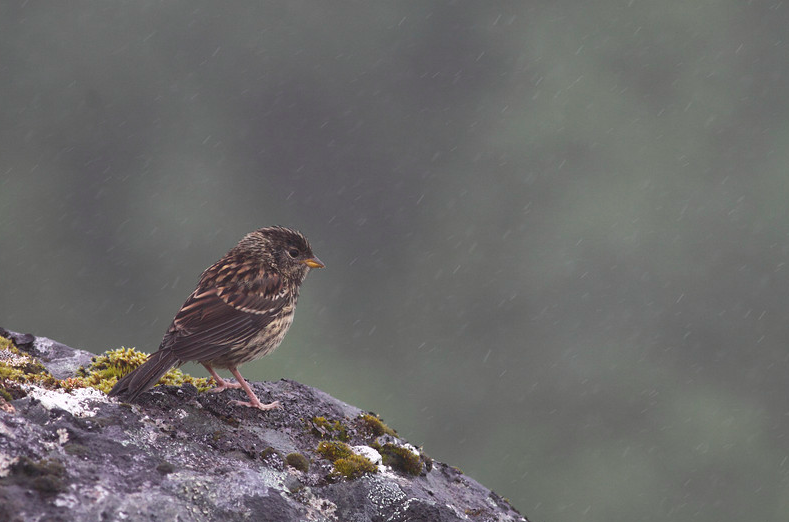
Bird of the Day: Juvenile Golden-crowned Sparrow (Mount Roberts Trail, Alaska)
Fish Or No Fish, Take Stock

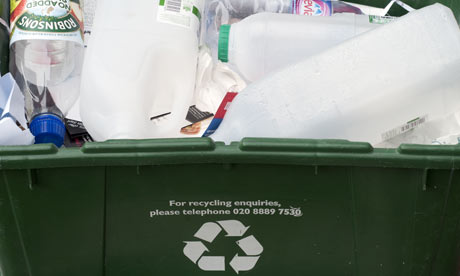
When asked why they recycled, 89% of people in 2010 identified the danger of climate change as a motivator. Photograph: Alex Segre/Rex Features
As a member of the science and technology select committee I am delighted to have secured and be participating in an inquiry into public understanding of climate change.
As we have interviewed expert witnesses and considered a range of written evidence, one thing has struck me in particular. While there is an ongoing public discussion on climate change that needs more scientific input and greater participation, a clear development in recent years has been the rise in the numbers of people prepared to do something about climate change. Continue reading
Emerging Photographers , Subscribe
We have been experiencing an acceleration in the growth rate of our admiration for the New Yorker‘s embrace of its digital future. We believe this erstwhile magazine is worth a subscription. We have nothing to gain by saying so other than the theoretical possibility that more subscribers and visitors to their site makes their recent innovations and improvements more worthy of more such experimentation. Such is our social media obligation: to point out to our friends what we take note of. Earlier this month we noticed this and neglected to share, but we correct that now:
As part of our ongoing Emerging Photographers series, today we’re highlighting the work of Sara Cwynar, a Vancouver native who lives and works in Brooklyn. I have been following her work for a while, and was drawn in particular to the monochromatic “Color Studies” as well as the series “Accidental Archives”—both of which drew on a confluence of literature, kitsch, and photographic tropes, which she cites as inspirations. Most recently, Cwynar has been preparing for her solo show, opening this week, at the Cooper Cole Gallery in Toronto, where she will début a new collection of photographs called “Flat Death” (a reference to Roland Barthes). I caught up with Cwynar to find out more about the exhibition and her latest work. Continue reading
Murugan Kavadi
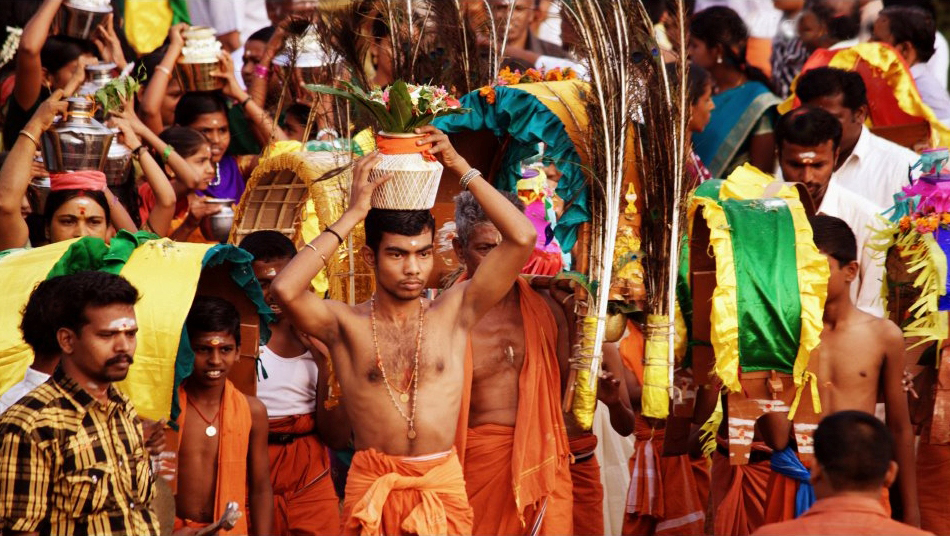
The Kavadi festival is celebrated at all the shrines of Lord Murgha, the second son of Lord Shiva and Goddess Parvathi. The Kavadi is a short wooden pole supporting 2 bent pieces of steel or wood with two baskets at each end. Devotees carry this structure that can weigh up to 30 kilos across their shoulders. Continue reading
Fish Stock

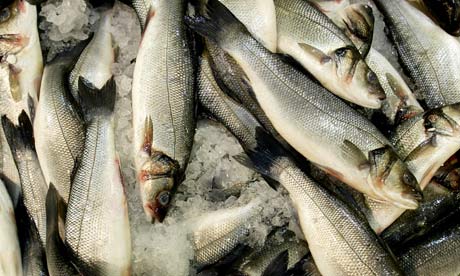
A display of Sea bass for sale at Billingsgate Fish Market in London. Photograph: Scott Barbour/Getty Images
Seth got us started with historical perspective on this topic a couple years back, and Phil recently created the most popular series of posts of the year, also on this topic; we have even tried sharing a sense of humor when possible. But grim tidings continue:
First it was the cod, then the haddock, the swordfish and even the anchovy – now sea bass looks likely to join the list of no-nos for eco-conscious dinner party menus.
Stocks of the palatable species have sunk to their lowest in the past 20 years, according to a new assessment by the International Council for the Exploration of the Seas. Continue reading
Bird of the Day: Black-necked Stork
Urban Pollination Studied By Seattle’s Citizen Scientists
Thanks to this coverage commitment we came across the video above and this accompanying explanation:
…Marie Clifford and Susan Waters, graduate researchers at the University of Washington in Seattle, have found a way to get around scarce research funding: citizen scientists. The Urban Pollination Project (UPP), co-founded in 2011, takes Seattle community gardeners and trains them to collect data on local bees. Tapping into citizen scientist efforts, Clifford and Waters can gather data from 35 Seattle community gardens – a scale of research otherwise outside of their resources and funding capabilities. Continue reading


…Marie Clifford and Susan Waters, graduate researchers at the University of Washington in Seattle, have found a way to get around scarce research funding: citizen scientists. The