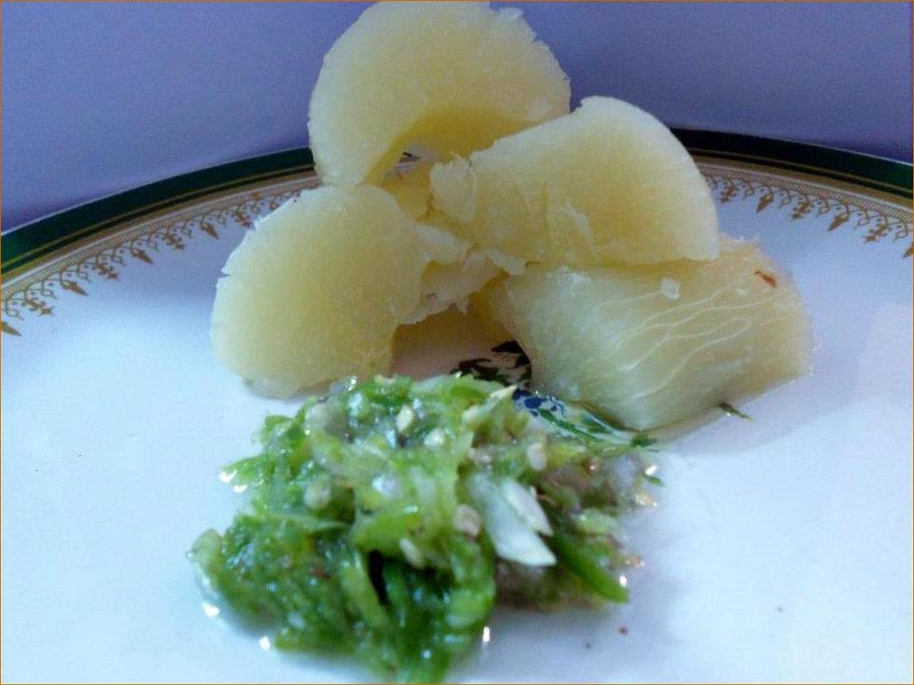
Boiled Tapioca and Green chilies chammanthi
Native to Brazil where it is known as Manioc, tapioca is the most popular ingredient in Kerala cuisine, second only to coconut. A large variety of delectable dishes can be prepared from this starchy root vegetable. One example is boiled tapioca and green chilies chammanthi, which are often eaten as evening snacks. Continue reading
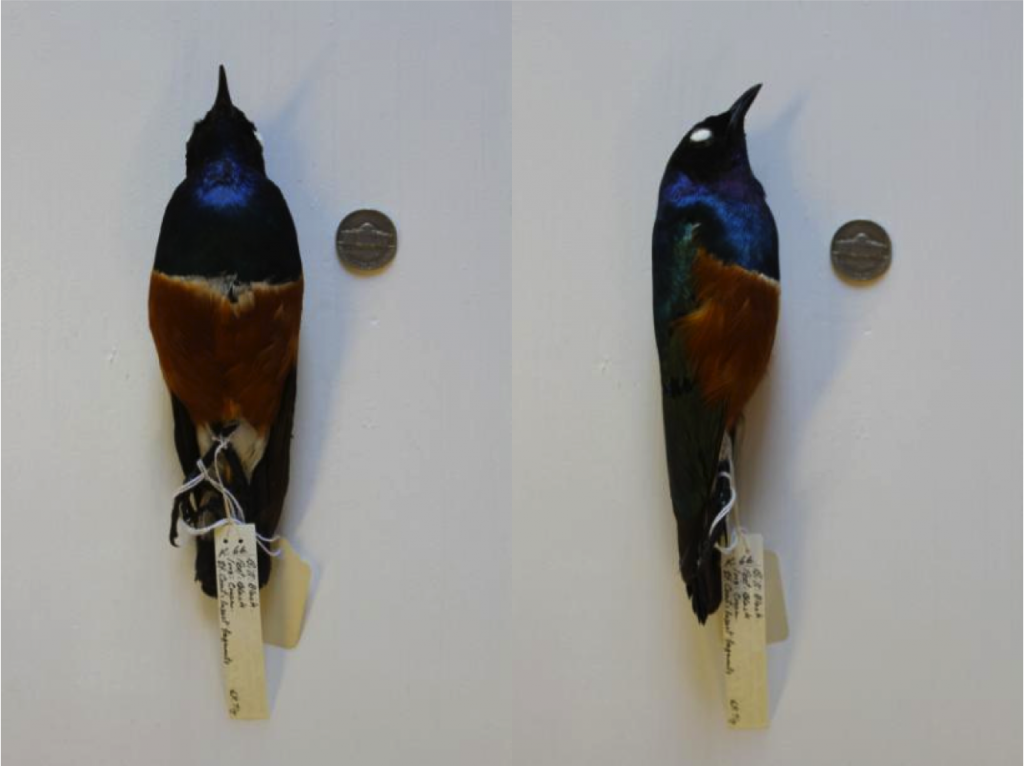
African Superb Starling specimen from Cornell’s collection. Photo by Jon Atkinson for students taking BIOEE 4750 – Ornithology.
During each of the spring semesters in my second and third year at Cornell, I took an advanced biology course that focused on one big group of vertebrates that I’ve always found both interesting and beautiful to study both in and out of school: birds and ‘herps’, or reptiles and amphibians. In the university setting, there is a half-joking rivalry between biologists who study these groups, leading to this type of crude but funny cartoon that can be seen on the office doors of at least one professor in Cornell’s Corson-Mudd Hall, home of the Ecology & Evolutionary Biology Department.
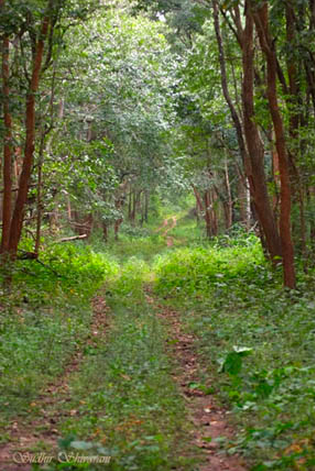
Lakkavalli Forest Range, Bhadra Wildlife Sanctuary; photo credit: Sudhir Shivaram
On Global Tiger Day Amie introduced the idea that I’ll be sharing my experiences as a wildlife photographer. Much of my time is spent doing workshops throughout India, but I’m happy to reach into the archives of my pictorial adventures to share with Organikos readers.
This is a safari from my earlier days photographing wildlife, and it’s an experience that I’ll always remember! It was around 1 pm when we reached the Lakkavalli Forest guest house, situated on top of a hill, overlooking the Bhadra dam. The road was good and the drive was quite scenic. We took the Bangalore-Tumkur-Tiptur-Arsikere-Tarikere route. As soon as we reached the guest house, we took our gear and headed into the forest. Though it was 2:30 in the afternoon and we knew that it wasn’t the best of times for spotting wildlife, we wanted to spend more time in the forest.
The forest was crawling with millions of Giant Wood Spiders. The webs spread across trees, with arachnids waiting patiently for their prey. The Lakkavalli range has a good concentration of mammals, but our timing wasn’t great on the first day. An interesting fact about the Bhadra Wildlife Sanctuary is the work done by the then DFO, Mr. Yatish Kumar, who was successful in re-locating 17 villages from within the sanctuary to the outskirts of the park. As the forest officials say, people in these villages admire him so much for his accomplishments, that they have named one of the villages as Yatish Nagar. The day’s sightings were limited to some Deer, Sambars and Gaurs. We came back to our guest house just in time for some spectacular sunset scenes.
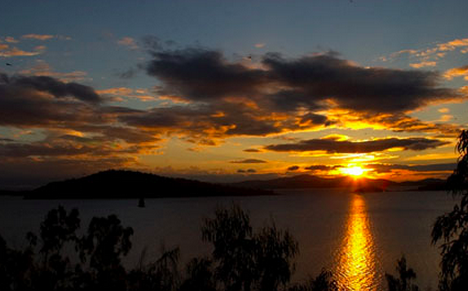
Photo credit: Sudhir Shivaram
The next morning, driver Suresh along with guard Shivarudrappa picked us up. At the sanctuary entrance a forest watcher joined us. We were very eager to sight a tiger, as a particular route (Paramagudda) was quite famous for frequent tiger sightings. We never knew what the forest had in store for us but it turned out to be my most memorable safari to date. An hour’s drive into the forest yielded nothing. Suddenly the watcher, seated at the back of the jeep shouted, “Chirte sir, Chirte” (Leopard sir, Leopard). Continue reading
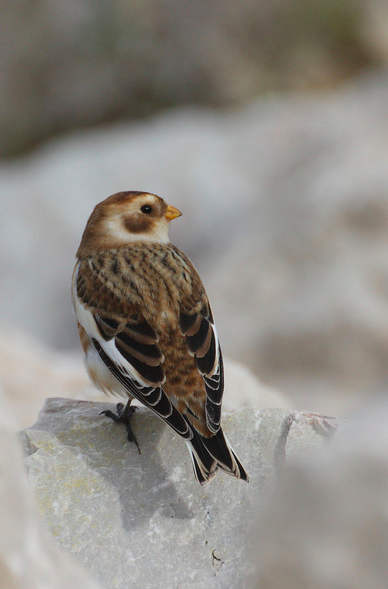

Photo credits: R R Ranjith
Krishnapuram Palace is located in Kayamkulam, in the Alappuzha district of Kerala. The palace was built in the traditional Kerala style of architecture during the 18th century by King Anizham Thirunal Marthanda Varma. Continue reading
If you visit Kuttanad, Kerala at a certain time of year, you are able to hear on the rice fields a noise one might not expect, the quacking of ducks. It is not the sound of a few ducks, but the sound of thousands. In Kuttanad when the harvest season is finished duck farmers move in, and take their flocks through the pre-designated rice fields for feeding.
Aby, a 38-year old duck farmer calculates that his 10,000 ducklings are worth around Rs. 24 lakh. According to him, if the ducks survive through the period, one can save up to Rs. 5 lakh a season, despite expenses for medicine and daily wages for his helpers.
This is a livelihood for many of the farmers, but their process differs greatly from many of the commercial duck farmers you will see in the United States. Some US duck farms can process up to 70,000 ducks per week at a single site, but the good news is that duck farmers who visit Kuttanad have neither the facilities nor manpower to produce or maintain such large quantities. Instead these farmers spend 6 months of the year keeping their flocks on the move, to keep them feeding until they are ready to sell. In some ways this is the definition of “free range” meat, but at what cost? Continue reading
Earlier this week we highlighted a new clearing house for bee news, and now we have come across another, deeper well of knowledge related to bees, and all that they do/provide more than honey. Who knew, for example, that among the important physical realm issues he pondered, bees figured into this man’s thinking:
“If the bee disappeared off the surface of the globe then man would only have four years of life left. No more bees, no more pollination, no more plants, no more animals, no more man.” Albert Einstein
This and more, from CIBER (Centre of Integrative Bee Research) at the University of Western Australia in Perth, Western Australia. Their cross-disciplinary research team includes: Continue reading

Photo credit: Ramesh Kidangoor
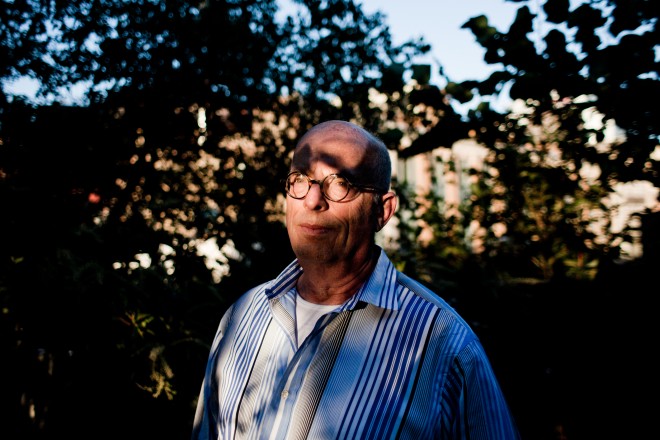
Marvin Heiferman. Photo: Alex Welsh/WIRED
We know that one day, hopefully not too far off, the wunderkind of La Paz Group’s photographic contributors will get his gear fired up and we will be displaying his latest wonders here again. We hear that his hiatus in Ithaca, NY since about one year ago has run its course, full of fascinations, back-looking reflections, photographic recapitulations, and even small distractions. Onward, westward, as ancestors of his did in previous centuries. More from Milo soon, we hope.
Meanwhile, on the topic of photography and wonders, Wired offers an interview to illuminate what might not otherwise be obvious at first glance:
For his book Photography Changes Everything, Marvin Heiferman spoke to experts in 3-D graphics, neurobiology, online dating, the commercial flower industry, global terrorism, giant pandas, and snowflake structure to understand the infinite ways imagery affects our everyday lives… Continue reading
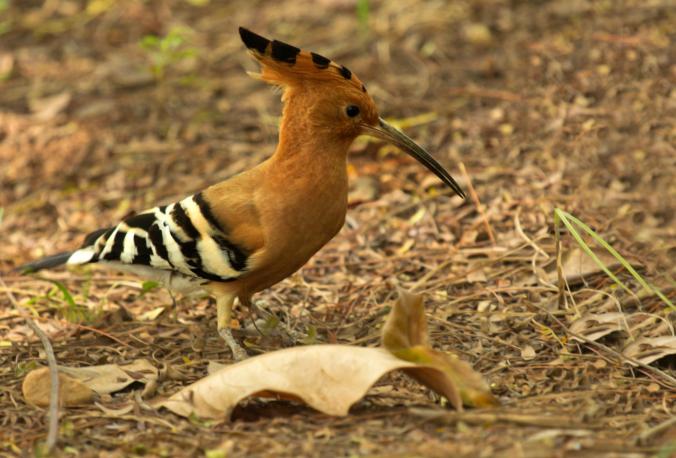
Karanji Lake, Mysore
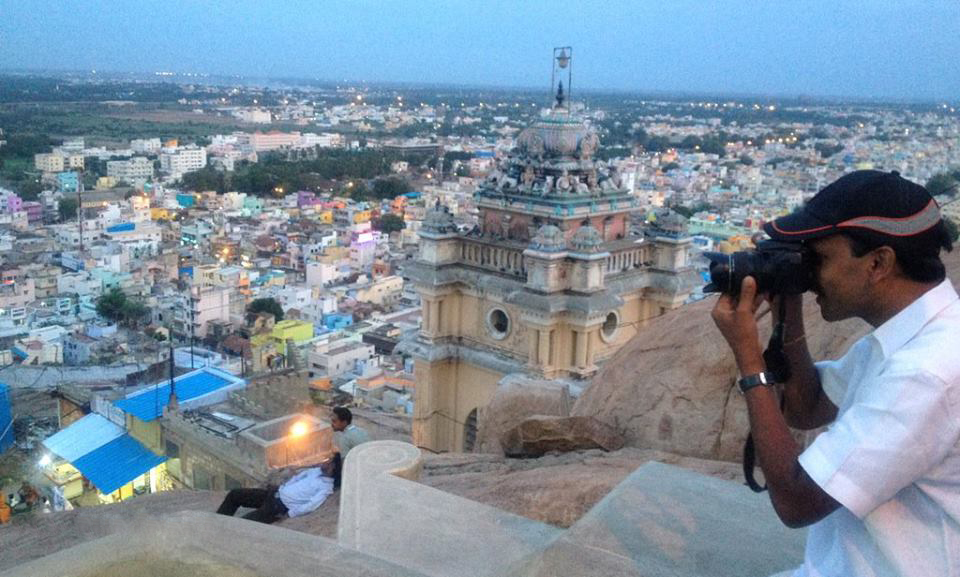
Photo credits: Ramesh Kidangoor
The Rock Fort at Trichy is a famous and fascinating architectural marvel that is built on an 83 meter high rock, rising above the plains of Tamil Nadu. At the top of the rock is the Uchipillaiyar Kovil Temple, dedicated to Lord Vinayaka. Continue reading
Wilderness conservation, marine or terrestrial, is difficult. On a good day the challenge might be described as a complex puzzle, which has its pleasures; but on most days it is slogging and increasingly, dangerously warlike.
On the best days, we observe, conservationists have the thrill of discovery. Thanks to the Guardian‘s commitment to reporting on the environment, and specifically for this story that highlights that discovery of species is an ongoing enterprise, one more reason why posts like this, and this, among others are so important in getting us all to do our part:
‘Walking shark’ discovered in Indonesia
Previously unknown fish, Hemiscyllium halmahera, uses its fins to move along the sea bed in search of crustaceans Continue reading
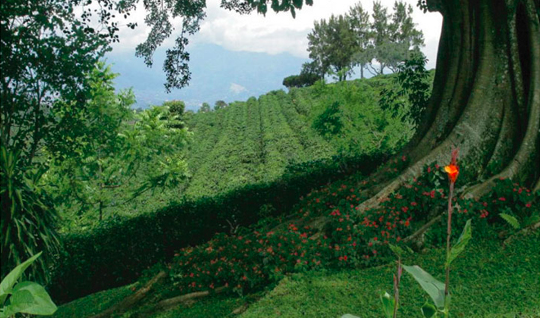
Shade grown coffee plantations in Costa Rica; photo credit: Emilia Ferreira
What first struck me when I read about the Smithsonian Migratory Bird Center this morning was that their bird friendly coffee certification was a great idea. What struck me second was that I’d read about it before on this site, or at least a teaser on the subject. Chalk not having a “part 2” up to a Cornell student’s busy schedule, but it certainly left the door open for me to discover this wonderful initiative on my own.
We’ve discussed the environmental benefits of shade grown coffee on these pages before, and the Cornell Lab of Ornithology is a La Paz Group “touch stone” in many ways. Leave it to them to so clearly make sense of all the sustainable coffee certifiers on the market from a bird’s eye point of view.
Making Sense of Sustainable Coffee Labels
They’re those little rectangular icons lined up on your favorite gourmet coffee bags—a tree, a flower, a frog, a harvester, each trying to tell you something about how the coffee was grown. But what does each one mean, and how do they differ? Here’s a list of common labels and their benefits for birds….
Bird Friendly. Certified by scientists from the Smithsonian Migratory Bird Center, this coffee is organic and meets strict requirements for both the amount of shade and the type of forest in which the coffee is grown. Bird Friendly coffee farms are unique places where forest canopy and working farm merge into a single habitat. By paying a little extra and insisting on Bird Friendly coffee, you can help farmers hold out against economic pressures and continue preserving these valuable lands. The good news is that there’s more Bird Friendly coffee out there than many people realize—we just need to let retailers know we want it…
Organic. As with other organic crops, certified organic coffee is grown without most synthetic pesticides and fertilizers and is fairly sustainable—although there are no criteria for shade cover. Because of coffee’s growth requirements, it’s likely that organic coffee has been grown under some kind of shade. However, many farmers shade their coffee using other crops or nonnative, heavily pruned trees that provide substantially less habitat for birds, and the organic label offers no information about this. Continue reading

We note and share the occasional tributes to careers we might not have had the chance to think about. This post catches our attention just as the earlier ones did, but in particular thanks to the collaborative exploration between father and daughter:
“For the past forty years, my father has travelled around America as a telephone-pole salesman,” Sara Macel writes in the afterword to her forthcoming book, “May the Road Rise to Meet You.” The book is a visual narrative of her father’s professional life, the life he lived separately from their shared family experience. Macel and her father, Dennis, retraced his steps and photographed places he may have passed along the way. Continue reading

Illustration to John Seabrook’s May 16, 2011 article “Snacks For A Fat Planet” in the New Yorker. showing: Indra Nooyi, the C.E.O. of PepsiCo, says it must be a “good company” in a moral sense.
The Military-Industrial Complex that then-exiting President Eisenhower warned about is unfortunately alive and well, as we saw in the previous decade, when journalists were mostly asleep at the wheel, often even contributors to the dark complex. But journalism has been reborn in some quarters with a new sense of purpose, and new approaches to vigilance that is worthy of the Fourth Estate. Diligent investigative journalism allied with advanced academic research-driven thinking skills produces a better complex.
Case in point: when accomplished academics such as Professor Aaron Chatterji share cogent, punchy follow up posts to articles that caught our attention years back, today’s news on labor activism meets yesterday’s analysis of the intersection of food/health trends and corporate buzz phrases like social responsibility. Thanks to this Duke University professor, New Yorker readers get follow up on a story that might otherwise have been fading, but should not:
Nooyi has backed up her rhetoric with concrete steps, acquiring healthier brands like Tropicana and Quaker Oats and creating Pepsi Next, a lower-calorie version of the flagship brand. She even hired a former official from the World Health Organization to oversee the reforms. Continue reading

Photo credits: R R Ranjith
Bharatanatyam is a famous Indian form of classical dance. Dancers often use bold and colourful makeup to show grace on the stage. The makeup is very thick and dark with a lot of emphasis placed on the eyes, cheeks and lips. Bold use of kohl on eyes and brows help the audience notice expressions. Lots of powder and blush are used to give the face a clear, smooth apperance and lips are bright red to emphasize smiles and pouts. Continue reading

Bill McKibben is not likely to give up, but you knew that already. Click the image above to go to the video and the new petition:
Petition to the WMO to name extreme storms after climate change deniers. Continue reading

Thanks to the Guardian‘s expanding coverage of an important topic with a series that routinely rounds up bee news (yes, it sounds funny, but try living without bees):
About this series
Concerned about the the worldwide bee crisis? Join us for Buzzfeeds, a weekly analysis featuring our resident bee expert Alison Benjamin Continue reading


 Organikos